
Top 12 Best Bike for Hilly Commute You Can’t Miss Today
A regular rider knows how frustrating it is to struggle up steep hills on the wrong bike. A cheap or poorly chosen model can have gears that slip or a frame too heavy to manage inclines comfortably. The best bike for hilly commute strikes a balance between weight and gearing, allowing you to shift smoothly and keep your effort consistent even on long or sudden climbs.
Crucial factors include a lightweight frame, often aluminum or carbon fiber for strength without the bulk. Gearing is key; you want a wide range with a low enough gear, typically a compact crankset paired with a cassette that reaches at least 32 teeth, to ease climbing.
Proper fit also matters, as a comfortable riding position reduces fatigue on hills. Reliable brakes, like hydraulic disc brakes, improve safety on descents and wet roads.
Need a Quick Check?
| Image | Product | Price |
|---|---|---|
Our Top Picks 1 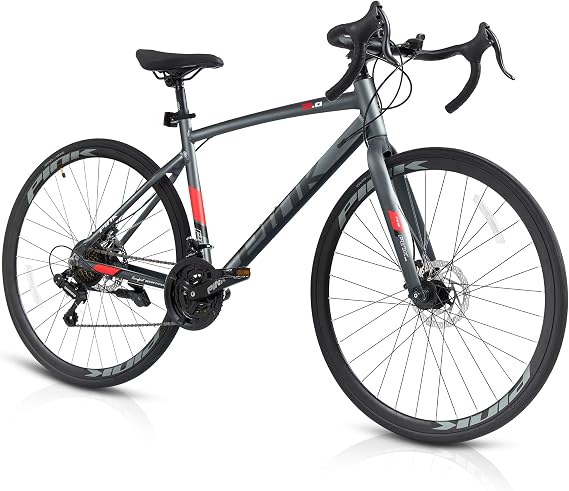 | Pipleo Road Bike | Check Price |
Our Top Picks 2  | Unbranded 29 Hybrid | Check Price |
Our Top Picks 3  | HILAND 700C Hybrid | Check Price |
Our Selected Top 12 Bike for Hilly Commute Worth Considering
This list features a range of bikes designed for navigating hilly terrain with ease. Each review covers how the bike performs on inclines, the type of rider it’s best suited for, and highlights its main strengths and potential drawbacks to help you make an informed choice.
1. Pipleo Road Bike 700C
SHIMANO 21-SPEED drivetrain offers precise gear changes, making it ideal for hilly commutes. Suited for riders who face mixed terrain and need reliable speed control. Its standout feature is smooth, quick shifting that handles climbs without fuss.
Set up is straightforward thanks to trigger shifters that respond quickly to changes, adapting easily to city roads and gentle hills. Durable 700x28C armored tires handle rough surfaces well, while front suspension softens bumps. Internal cable routing keeps the cables protected and reduces wind drag during rides.
Performance-wise, hill climbing feels controlled and efficient with quick gear transitions. The full internal frame and double-wall rims add strength, helping it endure daily rides over gravel and pavement.
Dual-disc brakes provide confident stopping power. Most praise highlights smooth shifting, while some note the bike’s weight could be lighter for faster acceleration.
Shifting is impressively smooth and precise, making hill climbs manageable without gear slipping. The main downside noted is the bike’s weight, which can make quick starts feel sluggish compared to lighter models.
Ideal for riders who prioritize reliability and control on varied terrain, especially for daily commuting with hills. Those seeking a very lightweight performance bike might want to look for a different option.
Pros
- 21-speed SHIMANO drivetrain for versatile riding
- Durable 700x28C armored tires withstand rough roads
- Dual-disc brakes offer strong stopping power
- Internal cable routing reduces wind drag
Cons
- Bike weight may slow quick acceleration
- Front suspension adds extra maintenance needs
| Specification | Details |
|---|---|
| Bike Type | Road Bike |
| Number Of Speeds | 21 |
| Suspension Type | Front |
| Brake Style | Disc |
| Bicycle Gear Shifter Type | Trigger |
2. Unbranded 29 Hybrid Commuter Bike
Riders facing daily hills and urban streets find this hybrid bike particularly suited for quick commutes and agile handling. Its standout strength lies in a lightweight 29.5 lbs aluminum frame that makes navigating busy city environments and carrying the bike manageable with ease.
Setting up the bike involves straightforward gear adjustments with its 8-speed cassette, helping you shift smoothly through the varying inclines. Dual mechanical disc brakes offer reliable stopping power no matter the weather, and the rigid suspension keeps things efficient on paved roads. The 700C wheels handle urban terrain in stride, making each trip less tiring and more controlled.
Built to balance speed and control, the hybrid performs well on hilly urban routes. The aluminum frame withstands daily use without feeling bulky, supporting quick acceleration and easy handling.
Praises highlight excellent braking in wet conditions, while common feedback points to the rigid suspension being less comfortable on rough patches, emphasizing road use over mixed terrain.
Braking performance in wet weather consistently receives praise, ensuring safe control on slippery surfaces. The rigid suspension often draws criticism for harshness on uneven ground, which could affect comfort during longer rides.
Those commuting primarily on city streets with occasional hills will appreciate this bike’s agility and control. Riders expecting smoother rides over varied terrain or off-road paths might want to look for models with suspension designed for bumps and rough surfaces.
Pros
- Lightweight 29.5 LBS aluminum frame
- Strong front and rear mechanical disc brakes
- Large 700C wheels for efficient rolling
- Simple 8-speed cassette gearing
Cons
- Rigid suspension not ideal on rough roads
- Limited to paved and urban terrain usage
| Specification | Details |
|---|---|
| Bike Type | Hybrid Bike |
| Number Of Speeds | 8 |
| Suspension Type | Rigid |
| Brake Style | Disc |
| Intended Riding Terrain | Paved Roads, Urban Terrain |
3. HILAND 700C Hybrid Bike
A flat handlebar and upright riding position make the HILAND 700C Hybrid Bike perfect for beginners looking to tackle hills with confidence. Its standout feature is the reliable 7-speed drivetrain, giving smooth gear changes for climbing steep inclines or cruising city streets without fuss. Great for anyone starting out in mixed terrain cycling.
Setting up the bike is straightforward with an adjustable seat and a quick-release mechanism for easy height changes. The flat handlebar feels stable, easing strain on your back and neck during longer rides. Dual disc brakes respond quickly during sudden stops, which helps on hilly or urban roads where unexpected obstacles can appear.
The build focuses on durability with a rigid suspension suited to paved and unpaved paths alike. Shifting through seven speeds is smooth and responsive, making hill climbs less tiring. Reviews often praise the dependable brake system but occasionally mention that the rigid frame can feel less forgiving on rough trails.
One of the best features is the smooth and reliable braking system that reacts well in emergencies, enhancing safety on steep or busy roads. The main drawback is the stiff ride quality since the bike uses a rigid frame with no suspension to absorb bumps, making rough trail rides less comfortable.
People new to cycling and commuting on mixed urban and countryside roads will appreciate the ease and control provided. Those seeking a smoother ride on rough or very hilly terrain might want to explore options with suspension or a wider gear range.
Pros
- Flat handlebar for stable, beginner-friendly rides
- Dual disc brakes with quick, smooth stopping
- 7-speed drivetrain handles hills and flats well
- Adjustable seat with quick-release for easy fitting
Cons
- Rigid suspension can feel harsh on rough terrain
- Limited to basic gear range for advanced hill climbing
| Specification | Details |
|---|---|
| Number Of Speeds | 7 |
| Suspension Type | Rigid |
| Brake Style | Disc |
| Bicycle Gear Shifter Type | Thumb |
| Additional Features | Adjustable Seat, Dual Disc Brake, Durable, Multi-Speed, Quick Release Seat |
4. Unbranded Lightweight Aluminum Hybrid Bike

Unbranded Lightweight Aluminum Hybrid Bike suits anyone needing a versatile ride for city streets and hilly commutes. Its single biggest strength is the lightweight aluminum frame, which makes handling and maneuvering a lot easier compared to heavier bikes.
Setting it up is straightforward, and the bike feels nimble in daily urban riding. The 700C wheels roll smoothly on pavement and bike paths, cutting down on effort. Plus, the 8-speed drivetrain offers enough gears for climbing moderate hills and cruising flat roads.
Disc brakes add confidence when stopping quickly on varied terrain.
Performance on hilly terrain holds up well, with a reliable 8-speed cassette offering good gear range. The frame resists rust, so the bike stays durable with daily exposure to the elements. Most praise highlights its light weight and easy control.
A common downside mentioned is the lack of suspension, which can make rough surfaces less comfortable.
The bike is praised for its light aluminum frame and easy maneuverability, making it comfortable for daily urban use. The main complaint centers on the rigid suspension, which doesn’t soften bumps on rougher surfaces.
People who want a simple, durable bike for paved roads and moderate inclines will appreciate this model. Those facing very rough terrain or steep hills regularly might want to consider a bike with suspension and more gearing options.
Pros
- Lightweight aluminum frame for easy handling
- 700C wheels reduce rolling resistance
- 8-speed drivetrain suitable for hills
- Disc brakes provide reliable stopping power
Cons
- No suspension for absorbing rough terrain
- Gearing may feel limited on very steep hills
| Specification | Details |
|---|---|
| Bike Type | Hybrid Bike |
| Number Of Speeds | 8 |
| Suspension Type | Rigid |
| Brake Style | Disc |
| Intended Riding Terrain | Paved Roads, Urban Terrain |
5. Max4out 26 7-Speed Hybrid Bike

Riding up hills feels stable and controlled on this hybrid bike, which suits men cruising city streets or tackling uneven trails. Its biggest strength lies in blending comfort with solid handling, making it a reliable choice for daily commutes and casual rides with varied terrain.
Setting it up is straightforward thanks to the simple 7-speed gear system, which helps when adjusting to different slopes. The steel frame adds noticeable durability without being too heavy, while the wide rear axle and low center of gravity give a steady ride.
Routine stops prove secure with front and rear V-brakes, and the tires stick well on both pavement and rougher paths.
The Max4out 26 handles climbing and balance well due to its sturdy design and thoughtful grip on tires. The main compliment frequently points to its excellent stability, while a common downside is in its suspension, since it’s rigid and doesn’t absorb bumps like those with shock absorbers. The overall build is solid but tends to be on the heavier side, which can slow acceleration on steep inclines.
Stability stands out as a key strength, thanks to the low center of gravity and wide rear axle that manage tricky slopes confidently. The rigid suspension, however, leaves some riders feeling every bump, which may reduce comfort on rougher trails.
Riders who need dependable balance for daily hills and mostly smooth paths will appreciate this bike’s design. Those seeking a lighter frame or shock absorption for off-road or very bumpy routes might prefer a bike built specifically with suspension systems.
Pros
- Sturdy steel frame provides great durability
- Wide rear axle improves balance on hills
- Wear-resistant tires offer reliable grip
- Front and rear V-brakes ensure safe stopping
Cons
- Rigid suspension doesn’t cushion rough terrain
- Heavier frame can slow uphill acceleration
| Specification | Details |
|---|---|
| Bike Type | Commuting Bike |
| Number Of Speeds | 7 |
| Suspension Type | Rigid |
| Brake Style | Linear Pull |
| Intended Riding Terrain | Paved Roads, Unpaved Trails |
| Supports Rider Weight | Up to 300 lbs |
6. Aipas M1 Pro Electric Bike 26

Aipas M1 Pro Electric Bike 26 is designed for riders tackling hills and rough terrain daily. It suits those looking for a powerful motor and sturdy tires that can handle dirt trails and urban streets alike.
Its 1800W peak power stands out as the biggest advantage for steep climbs and off-road areas.
Getting the bike ready involves adjusting the seat and handlebars to your comfort. The removable 48V 17.5Ah battery lets you carry an extra charge or recharge separately, adding convenience. Five pedal-assist levels make it easy to match effort to the ride, whether cruising city roads or climbing trails.
The digital display keeps you informed about speed, distance, and battery status.
With dual suspension and 110Nm torque, it handles inclines up to 23° with strong acceleration. The wide 26 x 4-inch fat tires offer good grip on gravel and uneven surfaces. The build feels solid and durable, though the bike’s weight can make it less nimble for quick maneuvers.
Dual disc brakes provide reliable stopping power. Most appreciate its climbing ability, while some note the bike’s heft as a downside.
The bike is praised for its climbing power and long battery range, which suits trail and hilly urban riding very well. Its most common downside is the heavy frame, which some find makes it harder to maneuver in tight spaces.
Those who need strong, consistent assistance in hilly or off-road settings will be happy with this bike. Riders prioritizing lightweight and agility on flat, crowded streets should consider lighter alternatives.
Pros
- Strong 1800W motor handles steep hills easily
- Removable battery supports long rides up to 85 miles
- Wide fat tires improve traction on rough terrain
- Adjustable seat and handlebars for comfort
Cons
- Bike is heavy, affecting quick handling
- May feel bulky on narrow city streets
| Specification | Details |
|---|---|
| Motor Power | 1800W peak rear-hub motor |
| Battery | 48V 17.5Ah removable battery |
| Pedal Assist Levels | 0-5 PAS |
| Suspension Type | Dual suspension |
| Tire Size | 26 x 4-inch fat tires |
| Brake Style | Dual disc brake |
7. Unbranded 9000W Dual Motor Electric Bike

Built with a sturdy frame and equipped with dual 9000W motors, this electric bike is designed for tackling steep inclines and rough mountain terrain. It suits riders who want serious power and speed for hilly commutes or off-road adventures, making tough climbs feel much more manageable.
Setting up the bike involves adjusting the seat for comfort, which is straightforward thanks to its adjustable design. The digital display keeps you updated on speed and battery status during rides.
The fat tires and front suspension smooth out bumps, making daily rides across varying urban and off-road surfaces comfortable and controlled.
Climbing 45° slopes is smooth thanks to the combined torque of 220 N·m, and reaching speeds above 47 MPH feels natural. The durable build holds up well through repeated use and different seasons, while some mention it’s on the heavier side, which affects handling when riding without motor assistance.
The thumb 7-speed Shimano derailleur provides reliable gear changes on steep trails.
The highest praise lies in the bike’s ability to climb steep 45° inclines with strong torque and sustained power. The most frequent downside is its heavy weight, which makes it more challenging to ride without motor assistance, especially over longer distances.
This bike is best for riders who prioritize raw power and speed for hilly or off-road commuting. Those needing a lighter or more balanced ride for casual city use might find other models more suitable.
Pros
- Powerful dual motors tackle steep hills easily
- The adjustable seat improves comfort on long rides
- Large battery minimizes charging frequency
- Fat tires offer good traction and stability
Cons
- Heavier weight makes it tough to pedal manually
- Front suspension only, rear feels less cushioned
| Specification | Details |
|---|---|
| Peak Power Output | 9000W Dual Motors |
| Torque | 220 N·m |
| Battery | 58V Max Output 36Ah |
| Speeds | 7 |
| Suspension | Front |
| Brake Style | Disc |
8. Unbranded 700C 14-Speed Road Bike

Lightweight and speedy stand out immediately with the Unbranded 700C 14-Speed Road Bike, designed for those who tackle hilly commutes and want reliable gear shifting and smooth rides. It suits riders looking for a durable yet agile bike that keeps up on both city streets and climbs.
Setting up the bike is straightforward, with an adjustable seat to fit different heights comfortably. Dual disc brakes give you solid stopping power in varied conditions.
The 12-speed Shimano A050 drivetrain combined with the 50/34T crankset makes switching gears smooth and precise, essential for changing inclines. The 700x28C tires and aerodynamic rims help maintain speed without sacrificing stability.
Climbing hills feels confident thanks to the gearing system and lightweight frame, which cuts wind resistance effectively. The high-carbon steel frame holds up well for longer rides but carries a bit more weight than some alloy frames. Praised for sharp shifting and brake control, the most common drawback mentioned is the slightly heavier feel, which some might notice on very steep climbs.
Sharp and reliable gear shifting with the Shimano A050 stands out as the biggest strength, making hill climbs manageable. The bike’s frame and components create a durable build, but the overall weight is a common concern, especially on tough inclines.
Those who want a solid road bike with dependable shifting and good braking will appreciate this model. Riders prioritizing ultra-lightweight materials or off-road features should look elsewhere.
Pros
- Precise Shimano A050 12-speed shifting
- Strong dual disc brakes for safe stops
- Adjustable seat for personalized fit
- Aerodynamic high-carbon steel frame
Cons
- Heavier than some other road bikes
- Rigid suspension not suited for rough terrain
| Specification | Details |
|---|---|
| Bike Type | Road Bike |
| Number Of Speeds | 14 |
| Suspension Type | Rigid |
| Brake Style | Disc |
| Additional Features | Adjustable Seat, Dual Disc Brake, Kickstand, Multi-Speed |
9. Unbranded 24/26 Cruiser Bike

Ideal for casual riders tackling gentle slopes, the Unbranded 24/26 Cruiser Bike keeps comfort front and center with its upright riding position. Great for city streets and beach paths, it stands out for offering a sturdy, easy-to-handle frame that suits those who want a relaxed but reliable ride without complicated gears.
Setting it up involves adjusting a comfortable seat that can be raised or lowered to fit different heights. The curved frame design makes getting on and off smooth, especially handy for skirt or dress wearers. Pedal power keeps you in control, while front suspension softens bumps on paved or unpaved routes, making daily rides feel steady without extra effort.
This bike handles city commutes and slight hills well thanks to its single-speed drivetrain and high-carbon steel frame, offering durability and control. Front suspension adds a bit of comfort over rougher patches. Common praise highlights how easy it is to mount and ride, while a frequent downside is the lack of multiple gears, which might limit performance on steeper hills.
The most praised feature is its easy mounting and comfortable ride, which works well on gentle slopes and city paths. A common complaint is the single-speed setup, making it harder to tackle steeper hills with ease.
Those seeking simple, low-speed cruising on paved or light off-road routes will find this bike suitable. Riders needing more gearing for steep climbs or faster commutes should look for options with multiple speeds.
Pros
- Comfortable upright riding position
- Easy mounting with curved frame design
- Adjustable seat fits various heights
- Sturdy high-carbon steel frame
Cons
- Only one speed limits hill climbing
- Not suitable for very steep terrains
| Specification | Details |
|---|---|
| Bike Type | Cruiser Bike |
| Number Of Speeds | 1 |
| Suspension Type | Front |
| Frame Material | High-carbon steel |
| Intended Riding Terrain | Paved Roads, Unpaved Trails, Urban Terrain |
| Bicycle Drivetrain Type | chain drive |
10. WEIZE 24/26/27.5 Adult Mountain Bike

Hilly commutes can be tough on standard bikes, especially for shorter riders. This mountain bike fits those around 4’8 to 5’6 tall and comes with dual suspension, making bumps and rough paths much easier to handle.
Its best strength lies in adapting to uneven terrain comfortably while giving you control on climbs and flats.
Setting it up includes adjusting the seat to your height, which is handy for getting the ride position just right. The 18-speed trigger shifters let you easily change gears for steep hills or easier pedaling on level ground.
The V brakes offer reliable stopping power, and a kickstand makes parking quick and simple.
Built around a high-carbon steel frame, it feels sturdy over tough mountain routes. Both front and rear suspension work together to absorb shocks well on gravel and uneven surfaces. Most praise focuses on comfort during long rides, while the main complaint is about the bike’s relatively heavier frame compared to some others.
Comfort stands out as the main strength, thanks to the dual suspension absorbing bumps effectively across rough surfaces. The frame’s weight is the most mentioned downside, which can affect speed and ease when lifting or carrying the bike.
Those closer to the recommended height range who want a comfortable ride on hills will appreciate what it delivers. Riders taller than 5’6″ or those seeking a lightweight racing bike might want to look at other options.
Pros
- Adjustable seat suits a range of shorter riders
- Dual suspension smooths out rough terrain
- 18-speed system offers varied pedaling effort
- Strong V brakes ensure solid stopping power
Cons
- Heavier high-carbon steel frame adds weight
- Limited to riders between 4’8″ and 5’6″
| Specification | Details |
|---|---|
| Bike Type | Mountain Bike |
| Number Of Speeds | 18 |
| Suspension Type | Dual |
| Brake Style | V Brake |
| Bicycle Gear Shifter Type | Trigger |
| Intended Riding Terrain | Mountain Terrain |
11. Jupiter 17/19 Hybrid Road Bike

21 speeds from the Shimano EF500 shifting system make this hybrid bike a solid choice for tackling hilly commutes. Suitable for riders who want lightweight durability paired with versatile gearing, the bike’s main strength lies in its balance between smooth hill climbing and adaptable road performance.
Setting up the bike is straightforward with mounting points that let you add water bottle holders or racks as needed. The adjustable seat and quick-release feature help customize fit quickly.
Riding through mixed city roads and light trails, the dual disc brakes provide reliable stopping power, making daily commutes both safe and comfortable.
The aluminum frame keeps the bike light but sturdy, helping it respond well on uphill climbs without feeling heavy. Shifting between speeds runs smoothly, allowing steady cadence changes on varying inclines. The common complaint centers around the rigid suspension, which can make rougher trails feel less comfortable, but it performs efficiently on paved roads and urban terrain.
Smooth and precise shifting stands out as the bike’s strongest feature, making hills manageable and transitions easy during a commute. The stiff suspension draws the most criticism, especially on trails with bumps where comfort drops noticeably.
Those primarily riding paved or urban routes will appreciate the blend of weight, gear range, and stopping power. Riders seeking a more cushioned ride or serious trail use might want to consider models with suspension or softer setups instead.
Pros
- Lightweight yet durable aluminum frame
- Smooth 21-speed Shimano EF500 shifting
- Multiple mounting points for accessories
- Adjustable quick-release seat for comfort
Cons
- Rigid suspension feels harsh on rough terrain
- Limited comfort outside paved roads and urban areas
| Specification | Details |
|---|---|
| Number Of Speeds | 21 |
| Frame Material | Aluminum Alloy |
| Brake Style | Disc |
| Suspension Type | Rigid |
| Bike Type | Hybrid Bike |
12. Thrax 24/26/27.5 MTB Mountain Bike

Hilly terrain riders looking for a solid mountain bike will find this model a good fit. It stands out most for balancing durability with adaptable ride comfort through its premium suspension fork, making steep climbs and rough descents more manageable for daily commutes.
Assembly starts easily with 75% of the bike pre-built, supported by an installation video to smooth the process. Daily rides feel comfortable because of adjustable handlebars and seat, plus the quick-release wheels come in three sizes to match different rider heights. The suspension fork softens shocks, which helps on uneven ground, making the everyday trip less jarring.
Performance-wise, the 21-speed derailleur system offers precise gear changes, easing the challenge of uphill stretches. Dual disc brakes provide strong stopping power, adding safety on steep downhill runs. The high carbon steel frame gives the bike long-lasting durability and reliable stability.
Common praise highlights its rugged build and gear system, while some note setup can be a bit time-consuming for beginners.
Most people appreciate how well the gear system shifts and the bike’s toughness on hilly trails. The biggest complaint focuses on the assembly process, which can feel challenging without prior experience.
Those who need a dependable bike for steep, rough routes and value stability will be satisfied. Riders looking for a lighter option might want to explore alternatives with aluminum frames or simpler setups.
Pros
- Adjustable handlebars and seat for comfort
- Strong dual disc brake system
- Durable high carbon steel frame
- Multiple wheel sizes for rider fit
Cons
- Assembly can take extra time for some
- Heavier frame compared to lighter materials
| Specification | Details |
|---|---|
| Number Of Speeds | 21 |
| Suspension Type | Front |
| Brake Style | Disc |
| Frame Material | High Carbon Steel |
| Wheel Sizes Available | 24/26/27.5 inches |
Comparison of Best Bikes for Hilly Commute
| Product | Bike Type | Number Of Speeds | Suspension Type | Brake Style |
|---|---|---|---|---|
| Pipleo Road Bike | Road Bike | 21 | Front | Disc |
| Unbranded 29 Hybrid | Hybrid Bike | 8 | Rigid | Disc |
| HILAND 700C Hybrid | Hybrid Bike | 7 | Rigid | Disc |
| Unbranded Aluminum Hybrid | Hybrid Bike | 8 | Rigid | Disc |
| Max4out 26 Hybrid | Commuting Bike | 7 | Rigid | Linear Pull |
| Aipas M1 Pro E-Bike | Electric Bike | 7 | Dual | – |
| Unbranded 9000W E-Bike | Electric Bike | 7 | Front | Disc |
| Unbranded 700C Road | Road Bike | 14 | Rigid | Disc |
| Unbranded 24/26 Cruiser | Cruiser Bike | 1 | Front | – |
| WEIZE Adult MTB | Mountain Bike | 18 | Dual | V Brake |
| Jupiter Hybrid Road | Hybrid Bike | 21 | Rigid | Disc |
| Thrax MTB Bike | Mountain Bike | 21 | Front | Disc |
- Bike TypeRoad Bike
- Number Of Speeds21
- Suspension TypeFront
- Brake StyleDisc
- Bike TypeHybrid Bike
- Number Of Speeds8
- Suspension TypeRigid
- Brake StyleDisc
- Bike TypeHybrid Bike
- Number Of Speeds7
- Suspension TypeRigid
- Brake StyleDisc
- Bike TypeHybrid Bike
- Number Of Speeds8
- Suspension TypeRigid
- Brake StyleDisc
- Bike TypeCommuting Bike
- Number Of Speeds7
- Suspension TypeRigid
- Brake StyleLinear Pull
- Bike TypeElectric Bike
- Number Of Speeds7
- Suspension TypeDual
- Brake Style–
- Bike TypeElectric Bike
- Number Of Speeds7
- Suspension TypeFront
- Brake StyleDisc
- Bike TypeRoad Bike
- Number Of Speeds14
- Suspension TypeRigid
- Brake StyleDisc
- Bike TypeCruiser Bike
- Number Of Speeds1
- Suspension TypeFront
- Brake Style–
- Bike TypeMountain Bike
- Number Of Speeds18
- Suspension TypeDual
- Brake StyleV Brake
- Bike TypeHybrid Bike
- Number Of Speeds21
- Suspension TypeRigid
- Brake StyleDisc
- Bike TypeMountain Bike
- Number Of Speeds21
- Suspension TypeFront
- Brake StyleDisc
How to Choose the Best Bike for Hills
Choosing a bike with the right gears, strong brakes, and a lightweight frame is essential for tackling hills efficiently. These features make climbing easier, improve safety on descents, and reduce wear and tear, saving money and trouble over time.
Gear System and Range
Climbing a steep hill on a bike with only a few gears can turn into a grueling workout, often forcing riders to push the pedals harder than necessary or hop off and walk. A broad gear range spreads the effort, making ascending feel more manageable.
Bikes outfitted with at least 18 speeds typically cover both low gears for tough climbs and higher gears for flats or descents efficiently. The gear ratios determine how easy it is to maintain a steady cadence without burning out quickly.
Reliable shifting is crucial during hilly rides because frequent gear changes are common. Mechanical or electronic derailleurs that shift smoothly prevent the chain from slipping or getting stuck, especially on varied terrain. Riders who have faced delayed or rough gear changes on hills know how much it affects the ride’s flow and energy expenditure.
Frame Material and Weight
A frame that feels heavy under pedal pressure can drain energy fast, especially on hills where every extra pound adds to the strain. Frames made from aluminum or carbon fiber offer a good balance of low weight and toughness suitable for regular climbs.
Steel frames, while typically heavier, may suffer less damage from rough urban surfaces but can slow you down on long uphill stretches.
Geometry also plays into comfort and efficiency. Frames designed with a slightly more upright seating position reduce pressure on the back and neck during climbs, offering a better breathing angle.
Bikes set too aggressively forward might feel faster but can cause early fatigue on long or steep ascents.
Brake Performance
Descending steep hills loudly reminds riders of the importance of dependable brakes. Insufficient stopping power can lead to dangerous situations on technical or fast downhill sections, especially in traffic. Disc brakes have mostly become the preferred option for this reason, as they offer stronger, consistent stopping and better modulation compared to rim brakes.
Rim brakes can lose effectiveness when wet, muddy, or worn, common challenges in hilly, rainy environments. Hydraulic disc brakes generally perform well in all weather and require less force at the lever, reducing hand fatigue on long descents. Riders who have switched to discs notice a clear boost in both confidence and safety going downhill.
Tire Type and Traction
Tires that slip on wet or uneven surfaces add stress during a hill commute, particularly where roads vary from pavement to gravel or broken asphalt. Tires with tread patterns that provide firm cornering grip help maintain control.
At the same time, very wide tires increase stability but can slow you down due to higher rolling resistance.
A balanced tire width around 28 to 35 mm works well for mixed surfaces without feeling sluggish on climbs. Puncture-resistant layers or belts reduce flat tire incidents common after riding over glass, thorns, or stones, problems common in urban and rural hilly paths. Riders often appreciate durable tires that avoid mid-ride repairs.
Comfort and Fit
Fatigue quickly sets in when the saddle is uncomfortable or handlebar positioning forces awkward body angles on hills. Saddles with enough padding and shape to support sit bones prevent pain during long uphill efforts. Handlebars set at a height and width that allow a relaxed grip reduce wrist and shoulder strain.
Adding suspension seatposts or padded bar tape softens road vibrations encountered during rough climbs. Proper bike sizing also matters a lot; a frame too large or small for the rider’s height and leg length makes pedaling less efficient and can lead to knee or hip discomfort.
Custom fitting experiences show better endurance when the bike fits well.
Effective Techniques for Riding Uphill with a Commuter Bike
Choosing the right gear is crucial for climbing hills efficiently on a commuter bike. Shift into a lower gear before you start the ascent to maintain a steady cadence without putting too much strain on your legs. Standing still while pedaling uphill can tire you quickly, so try to stay seated and use your core muscles for stability.
Maintaining consistent momentum is more effective than sudden bursts of speed or stops. Keeping your upper body relaxed also helps conserve energy and improves bike control on inclines.
- Shift early to avoid resistance spikes.
- Stand only when tackling very steep sections.
- Focus on smooth pedal strokes rather than pushing hard.
- Keep your hands light on the handlebars to reduce tension.
Also, planning your route to include gradual climbs can save energy over steep, sudden hills.
Essential Maintenance Tips to Keep Your Bike Ready for Hilly Terrain
Regular inspections of your brakes and tires are important for safe and effective use on hilly roads. Brake pads should have enough material and provide reliable stopping power since descents demand good control.
Tire pressure influences grip and effort on slopes, so keep tires inflated within the recommended range but not overly hard. Chain lubrication reduces wear, which is more pronounced when shifting frequently on hills.
- Clean and lubricate the drivetrain every few rides or after wet weather.
- Check tire tread and sidewalls for wear or cuts.
- Adjust brake tension and alignment to ensure consistent stopping force.
- Tighten bolts, especially on the seat post and handlebars, to avoid shifts during climbs.
Proper maintenance can prevent mechanical failures that become more problematic on steep terrain.
Comparing Electric vs. Traditional Bikes for Steep Commutes
Electric bikes offer pedal assistance that helps reduce effort during steep climbs. They can maintain higher speeds uphill without exhausting the rider, which might be particularly appealing for longer commutes or if you carry heavy loads. Traditional bikes, however, are lighter and don’t rely on batteries or motors, making them simpler to maintain and more affordable.
- Electric bikes add weight but provide motor support for climbs.
- Traditional bikes require stronger leg effort but feel more responsive.
- Charging infrastructure for electric options can limit some routes.
- Battery life affects how far you can go without extra exertion.
Choosing between the two depends on how often and steep your hill commutes are, as well as your physical condition and budget.
People Also Asked
How Do I Choose the Right Bike Size for Hilly Terrain?
Choose a bike size based on your height and inseam length for comfort and control on hills. Riding a properly sized bike helps you handle steep climbs and descents without straining. Test ride a few sizes to feel how the bike responds uphill before buying.
What Are Common Maintenance Issues for Bikes Used in Hills?
Common maintenance issues include chain wear from frequent gear shifting and brake pad degradation due to uphill and downhill braking. Regularly check your brake pads and chain tension to avoid sudden failures on hilly routes.
How Long Do Bikes Designed for Hill Commuting Typically Last?
Bikes designed for hill commuting can last several years if maintained well, typically 5 to 10 years. Replacing worn-out parts like the chain and brake pads keeps the bike reliable for steep rides.
Are There Safety Tips for Riding a Bike on Steep Hills?
Control your speed going downhill and use both brakes evenly to avoid skidding or losing traction. Wearing gloves and good grip pedals improve your safety and stability on steep slopes.
Which Bike Components Improve Climbing Performance on Hilly Routes?
Lower gear ratios and a light frame improve climbing performance by making pedaling easier uphill. A wider cassette and compact crankset let you shift to easier gears when the incline gets tough.
Conclusion
Choosing the right bike for a hilly commute depends mostly on the gearing system, frame weight, and durability. You want enough gears to handle steep climbs without tiring quickly. A lighter frame makes riding uphill easier, while durable components keep the bike in working order despite frequent elevation changes and shifting demands.
Consider how much space you have for storage, your budget, and how often you plan to ride when making your choice. Bikes that fit your routine and living situation will serve you better over time.
Review the comparison table and the detailed picks above to find the bike that fits your specific needs and preferences.