
Top 12 Best Comfortable Road Bike Saddle You Can’t Miss!
Riding with a cheap or poorly chosen saddle often leads to numbness and pressure points that can ruin long rides. Those who have swapped out their original seat for the best comfortable road bike saddle know the difference it makes on endurance and overall ride quality.
A good saddle reduces discomfort in sensitive areas and helps maintain a better riding posture, making each pedal stroke more efficient.
Comfort in a road bike saddle depends primarily on shape, padding, and materials. Saddles designed with a cut-out or relief channel can ease pressure on soft tissue. High-quality foam or gel padding balances softness and support without flattening during long rides.
Proper width matching your sit bones, typically measured in millimeters, ensures stable contact. Durable, breathable covers help reduce chafing and are easier to clean after sweaty rides.
Need a Quick Check?
| Image | Product | Price |
|---|---|---|
Our Top Picks 1 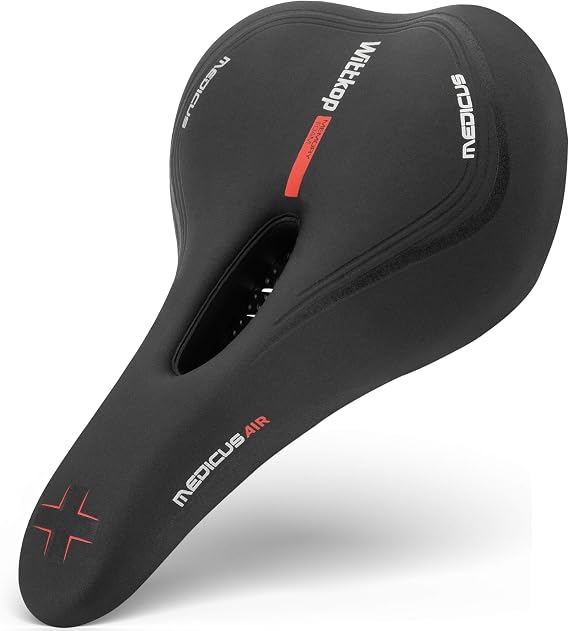 | Wittkop Bike Seat | Check Price |
Our Top Picks 2  | Generic Bike Saddle | Check Price |
Our Top Picks 3  | Selle Italia X-Bow | Check Price |
Our Selected Top 12 Comfortable Road Bike Saddle Worth Your Money
This list features twelve comfortable road bike saddles carefully chosen for their quality and support. Each review covers performance details, identifies the ideal rider type, and highlights the main advantages and drawbacks to help you find the right fit for your needs.
1. Wittkop Bike Seat
Sitting comfortably on long rides is a must, and the Wittkop Bike Seat is designed with memory foam that molds to your body for persistent comfort. Suitable for both regular bicycles and e-bikes, its key strength lies in offering real decompression during rides, making it stand out from ordinary saddles.
Installing the seat is straightforward and fits smoothly on most bike models. The special foam feels plush yet supportive, adjusting to your sit bones on every ride.
Riding for commute or leisure, the comfort stays consistent day after day, reducing pressure that usually causes soreness over time.
Performance-wise, the memory foam does exactly what it promises by easing pressure without losing shape. The seat’s build quality feels sturdy and reliable, staying intact under regular use. Most feedback highlights how well it cushions long rides, while occasional remarks point to it possibly being slightly bulky for riders preferring minimalist designs.
The standout feature praised is the memory foam’s effective pressure relief, making long rides much more comfortable. Some find the seat a bit bulky, which might not suit riders leaning toward lighter, minimalist gear.
Anyone prioritizing comfort and decompression on standard or electric bikes will appreciate this seat. Those seeking a very lightweight or ultra-compact saddle might want to explore other options.
Pros
- High-quality memory foam for decompression
- Comfortable for both regular bikes and e-bikes
- Sturdy build that maintains shape
Cons
- May feel bulky to those preferring minimalist seats
- Limited information on exact weight and dimensions
| Specification | Details |
|---|---|
| Brand Name | Wittkop |
| Model Number | 97955413-1 |
| Manufacturer Part Number | 97955413-1 |
| Number of Items | 1 |
| Number of Packs | 1 |
| Unit Count | 1 Count |
2. Bike Seat Saddle
Long rides often come with discomfort, especially on rough terrain, but this bike seat saddle fits well for anyone looking to cut down on pressure while cycling. Its best feature is the built-in cushioning support that softens impacts, making it great for men and women who want a more comfortable road bike experience.
Setup involves a complete replacement of your existing saddle, so no tricky attachments or additional cushions needed. It comes with everything needed for installation including a saddle adapter and mounting wrench, plus a waterproof cover which helps keep it clean. The size at 9.7 by 8 and thickness of 3.7 offers a generous sitting area backed by thick, high-density foam padding for daily rides on road or mountain bikes.
Its main purpose of easing pressure and absorbing shocks works well, thanks to dual shock-absorbing memory foam that adapts under you. The saddle feels sturdy and weighs 0.81 kg, solid enough for regular use without being too heavy. Praise often highlights comfort and shock absorption, while a few mention it might be on the wider side for narrow bike frames.
Comfort and shock absorption receive the highest praise for this saddle, making long rides smoother and less tiring. Some users find the seat width too generous for bikes with narrow setups, which can affect fit and feel.
Anyone looking for a cushioned, supportive saddle to replace an old or thin model will find this suitable. Riders needing a slim, race-style seat should consider lighter, narrower options instead.
Pros
- Built-in cushioning support reduces pressure from bumps
- Comes with installation tools and waterproof cover
- Thick foam padding for long-distance comfort
- Fits both men and women
Cons
- May feel wide for narrower bike frames
- Heavier compared to minimal racing saddles
| Specification | Details |
|---|---|
| Dimensions | 9.7″ x 8″ x 3.7″ |
| Item Weight | 0.81 kg |
| Padding | Thickened high-density foam with dual shock absorption |
| Includes | Saddle adapter, mounting wrench, waterproof cover |
| Suitable for | Men and women, road/mountain/stationary bikes |
| Warranty | 2 year manufacturer |
3. Selle Italia X-Bow Superflow
At 6.1 inches wide and featuring a Superflow central hole, this saddle suits riders seeking relief in sensitive areas on longer road rides. The design’s standout point is its rail fixed at the rear, minimizing pressure by avoiding contact in crucial zones, making it quite comfortable for extended sessions.
Installation allows for fine-tuning with over 10 mm of rail travel, letting you find a precise fit. The Soft-Tek top material offers a soft feel without sacrificing durability. The central cut-out really helps reduce numbness and discomfort on daily rides, while the FeC alloy rail holds firm under varied riding styles.
Performance-wise, it excels at pressure relief and comfort over distance thanks to its strategic design. The rear-fixed rail is unique and balances support with flexibility. Most appreciate the comfort it provides, though some find the weight of 12.32 ounces a bit heavier compared to ultralight saddles.
Build quality is solid with well-chosen materials.
Riders often praise the saddle’s pressure relief and comfort during long rides due to its Superflow design and rear-fixed rail. A common downside mentioned is the slightly heavier weight compared to more minimalist saddles.
Those prioritizing comfort on road rides will appreciate the pressure relief features here. Cyclists looking for an ultralight saddle or additional included accessories might want to consider other options.
Pros
- Superflow cut-out reduces perineal pressure
- Rear-fixed rail increases comfort zones
- Soft-Tek top material feels comfortable
- Rail allows over 10 mm adjustment range
Cons
- Weighs 12.32 ounces, not the lightest
- No included components or extras in packaging
| Specification | Details |
|---|---|
| Width | 6.1 inches (155 mm) |
| Length | 10.0 inches (255 mm) |
| Rail Material | FeC Alloy (0.3 inch / 7 mm) |
| Top Material | SOFT-TEK |
| Item Weight | 12.32 ounces |
4. Fizik Tempo Argo R5

Riders looking for a comfortable endurance saddle that supports stability during road rides will appreciate this saddle’s short-nose design and wide ischial support. It suits training cyclists who want a balance of comfort and performance over longer distances. The standout feature is how the saddle adapts to your leg movement with flexible side edges.
Setting it up on your road bike is straightforward thanks to the universal fit and standard S-Alloy Rails. The combination of a carbon-reinforced nylon shell with Type 2 Foam cushioning helps absorb shocks while maintaining support. The Wingflex design allows the edges to flex with your pedaling motion, reducing chafing and discomfort during daily rides.
Comfort is the main priority here, and the saddle delivers through its adaptable shape that encourages a better riding posture. Its lightweight design at 241 g helps keep the bike trim, and most reports highlight enhanced comfort during long training sessions. A common downside is that the short nose might feel limiting to some riders who prefer more freedom of movement.
Most users find great comfort on long rides thanks to the flexible Wingflex edges and the stable, supported seat platform. The short nose design is praised for stability but can feel restrictive for riders who like more forward movement.
Endurance riders looking for a training saddle with solid support and adaptability will find this suitable. Those needing a more traditional longer saddle or softer padding might want to explore other options.
Pros
- Short-nose encourages stable riding posture
- Wingflex edges reduce inner leg rubbing
- Lightweight at 241 g
- Carbon reinforced nylon shell for durability
Cons
- Short nose limits movement for some riders
- Cushioning may feel firm to those used to softer saddles
| Specification | Details |
|---|---|
| Weight | 241 g |
| Rail Material | S-Alloy Rail |
| Shell Material | Carbon reinforced nylon |
| Foam Type | Type 2 Foam |
| Design Feature | Wingflex side edges |
5. ROCKBROS Comfort Bike Seat

Designed with an ergonomic wave shape that reduces pressure on sensitive areas, this saddle suits anyone seeking comfort for long road rides. Its standout feature is a front wave that tilts downward, helping ease crotch compression and lessen the impact of rough roads, making extended cycling sessions much more bearable.
Installation is straightforward thanks to the side markings on the carbon steel rails, allowing precise adjustments to fit your bike perfectly. The high-density foam maintains softness and support ride after ride, effectively cushioning you from vibrations. Over time, it stays comfy without breaking down, which is key for daily commutes or weekend rides.
The comfort focus shines through when riding, absorbing shocks well and reducing pressure in the crotch area thanks to its special shape. The carbon steel rails feel sturdy and resistant to bending despite constant use. One positive note is how well it manages road bumps.
A common downside is the weight, coming in at 340 g, which might feel a bit heavy for riders obsessed with minimal gear.
Many find the wave shape and thick padding crucial for long rides, significantly easing discomfort from road shocks. The main drawback noticed is the saddle’s weight, which may feel noticeable during fast or highly competitive rides.
Those prioritizing comfort over weight will appreciate this saddle for daily and leisure rides. Riders focused on speed and minimal gear weight should look at lighter, race-specific options instead.
Pros
- Ergonomic wave design reduces crotch pressure
- High-density foam absorbs road vibrations
- Sturdy carbon steel rails prevent deformation
- Side rail markings simplify installation
Cons
- Heavier weight compared to some racing saddles
- Not designed for aggressive forward-leaning positions
| Specification | Details |
|---|---|
| Brand Name | ROCKBROS |
| Item Weight | 340 g |
| Rail Material | Carbon Steel |
| Filling | High-Density Foam |
| Number of Items | 1 |
| Warranty Description | 1 Year Manufacturer |
6. Selle Italia Sport Gel Flow

Selle Italia Sport Gel Flow is designed for road cyclists seeking comfort on long rides. It stands out with its special Flow anatomic cut-out and gel layer that reduce pressure on soft tissue areas, making it ideal for anyone prioritizing comfort without adding heavy weight to their bike.
Setting up the saddle is straightforward, thanks to its lightweight design at just 8 ounces. Daily rides benefit from the extra padding, which supports longer cycling sessions by protecting against skin inflammation. The Duro-Tek synthetic cover feels durable yet flexible, adapting well to the movements during pedaling and adding to its comfort.
Performance-wise, the saddle delivers excellent cushioning where it counts, allowing you to stay comfortable on tough road stretches. The combination of gel padding and the anatomic cut-out works well to relieve pressure. It’s made to last with a tough synthetic cover, though some find the level of firmness a bit too much initially.
The common praise focuses on comfort, while the chief complaint is the firm feel until broken in.
The saddle is praised for its comfort and pressure relief thanks to the gel layer and anatomic cut-out, but many find it firm during the first rides until it softens with use. It adapts well to long distances, though some patience is needed at the start.
Those who put comfort and pressure relief first will find this saddle a strong fit for their road bike. Riders wanting a softer feel right out of the box or less firm padding might prefer to explore other options.
Pros
- Gel layer cushions soft tissue areas
- Lightweight at just 8 ounces
- Durable Duro-Tek synthetic cover
- Extra padding for long-distance comfort
Cons
- Initial firmness can feel tough
- May require break-in period for full comfort
| Specification | Details |
|---|---|
| Material | Synthetic |
| Item Weight | 8 ounces |
| Type | Sport Gel Flow |
| Manufacturer Part Number | 052H501AEC001 |
| Warranty | 2 year manufacturer |
7. VELMIA Bicycle Saddle

Sitting on this saddle feels like it was made just for your body. Designed to suit riders of regular bikes and e-bikes, it makes longer rides comfortable thanks to its memory foam cushioning. Its biggest strength lies in how well it reduces pressure and keeps things dry through constant air circulation.
Setting it up was straightforward, fitting perfectly thanks to its 7.3-inch width that strikes a nice balance between support and freedom of movement. The memory foam molds gently to the body, so soreness and discomfort lessen quickly.
The air vent slot helps keep things cool, cutting down on sweat during longer rides. Cleaning is easy since it’s waterproof and has welded seams, so water and dirt don’t soak in.
Performance is solid for road bike riders looking for comfort without adding bulk. The memory foam responds well to body shape, effectively reducing pressure points while pedaling. The saddle’s build quality is reliable, with waterproof material adding durability.
Some users find it a bit wide for narrower bikes though, which might not suit every riding style or bike frame.
The saddle’s standout feature is its comfort from the high-quality memory foam and air ventilation, which prevents sweat buildup during rides. Many appreciate its waterproof design, but a common downside is the width, which some find too broad for certain bike types.
People who value cushioning and spend long hours cycling will benefit most from this seat. Riders with very narrow road bikes or those seeking a sleeker saddle shape might want to consider other options to better match their frame and riding style.
Pros
- Comfortable memory foam layer relieves pressure
- Air ventilation slot reduces sweating
- Fully waterproof with welded seams
- Good fit for a wide range of riders
Cons
- May be too wide for some narrow road bikes
- Lacked more detailed sizing options
| Specification | Details |
|---|---|
| Brand Name | VELMIA |
| Width | 7.3 inches |
| Number of Items | 1 |
| Waterproof | Yes, 100 percent waterproof with welded seams |
| Manufacturer | Velmia |
8. Adjustable Width Bike Seat

Comfortable and adjustable, this bike saddle suits riders of all sizes thanks to its width options. Its main strength lies in the ability to customize the seat width, putting the sit bones in just the right spot to avoid discomfort during long rides.
A solid choice for road cyclists needing personalized fit.
Setup includes adjusting the seat width between 7.08 inch, 7.87 inch, and 8.66 inches to suit your body. Day-to-day, the ergonomic curve keeps pressure off the tailbone and lower back, helping with soreness over time. Thigh movement stays free from obstruction, cutting down on chafing during pedaling sessions.
Performance-wise, it cushions well and avoids the classic pain points where you usually feel strain after hours on a bike. The seat construction feels sturdy but not bulky at 0.83 kg, balancing durability and weight.
Praise often centers on the adjustable widths improving comfort, while some find the saddle a bit on the heavier side.
The adjustable widths are widely praised for creating a comfortable sit bone position that helps during long rides. The most common downside mentioned is the saddle’s weight, which some find heavier compared to lighter racing options.
Those wanting a customizable and supportive saddle for long distance road cycling will appreciate this seat. Cyclists who prioritize minimal weight above all else might want to explore lighter alternatives instead.
Pros
- Width adjusts to three sizes for better fit
- Ergonomic design relieves tailbone and back pressure
- Allows free thigh movement to reduce chafing
- Includes installation tools and clear instructions
Cons
- Relatively heavy at 0.83 kg
- May not suit riders looking for ultra-light saddles
| Specification | Details |
|---|---|
| Brand Name | HUGEOAKS |
| Width Options | 7.08 inch, 7.87 inch, 8.66 inch |
| Item Weight | 0.83 kg |
| Included Components | Saddle, Saddle Adapter, Instructions, Installation Tools |
| Warranty Description | One-year warranty |
9. FIFTY-FIFTY Mountain Bike Saddle
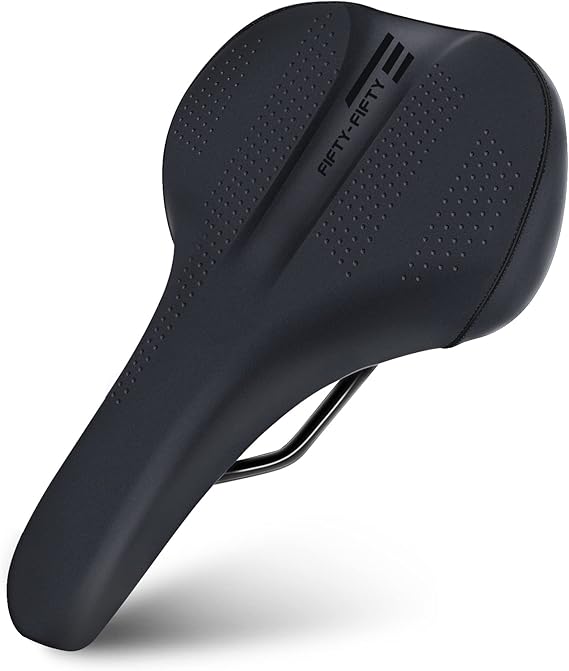
Chromoly rails keep this saddle super lightweight, just 295 grams, while the ergonomic shape supports your sit bones comfortably. It suits riders who want a balance of lightness and padding without extra bulk. Waterproof materials protect against the weather, making it great for muddy or wet rides.
Installation is straightforward thanks to standard rails that fit most mountain bikes. The memory foam layer adapts to your body shape during rides, reducing pressure points even on longer trails. Flexible edges prevent chafing on the inner legs, so pedaling feels less restrictive no matter the terrain.
The waterproof finish means cleanup after rides is quick and simple.
Support during rides stays firm yet cushioned, helping maintain comfort on rough ground. Construction uses chromoly rails and a carefully designed foam layer for durability and fit.
Many users praise the saddle’s lightweight feel combined with solid comfort, but some mention it might feel too firm if you prefer pillow-soft seats.
The saddle’s top feature is its balance of lightweight construction and comfortable support tailored to the sit bones. Its firmness can feel too much for those used to softer seats. Waterproof materials keep the bike saddle usable in various weather conditions without extra maintenance.
Riders seeking a durable, lightweight saddle with good ergonomic support will find this a solid choice. Those preferring very plush, cushioned seats should explore more padded options elsewhere. Ideal for mountain bikers who want protective edges and easy cleaning after gritty rides.
Pros
- Ergonomic design supports sit bones well
- Waterproof surface protects in wet conditions
- Super lightweight at only 295 g
- Memory foam conforms to body shape
Cons
- May feel firm for riders wanting more cushion
- Limited color options available
| Specification | Details |
|---|---|
| Brand Name | FIFTY-FIFTY |
| Number of Items | 1 |
| Unit Count | 1 Count |
| Item Weight | 0.38 kg |
| Manufacturer Part Number | MTB |
10. OUXI Comfort Bike Seat

Comfort stands out right away, thanks to the gel and thick sponge padding that suit longer rides well. Ideal for cyclists seeking a bike saddle that prioritizes cushioning without feeling too bulky. The non-slip PU leather surface also keeps things steady during the ride.
Installation comes with everything needed including a waterproof cover, a double-sided wrench, and a removable tube clip, making it straightforward to fit. Day-to-day, the combination of gel and highly elastic sponge inside provides a soft yet supportive ride. It offers good protection against pressure on the buttocks, which helps avoid pain from longer sessions in the saddle.
The main role of padding and comfort works reliably, absorbing ride vibrations while keeping the seat comfortable over time. Built with wear-resistant PU leather, the cover feels tough yet smooth under clothing.
Among the praise is the lasting comfort thanks to the high-density artificial fatty gel. On the downside, some find it stays a bit warm on longer rides due to the thickness.
The seat’s high-density artificial fatty gel and sponge make rides comfortable and cushion the buttocks effectively, praised for lasting comfort. A frequent complaint is the saddle becoming somewhat warm during long rides because of its thick padding.
Comfort-focused riders who want extra padding and protection will appreciate this saddle. Those prioritizing lightweight or maximum ventilation for very long or hot-weather rides may want to look elsewhere.
Pros
- Thick, cushioning gel and sponge padding
- Non-slip, wear-resistant PU leather surface
- Includes installation tools and waterproof cover
- Relieves pressure and reduces riding pain
Cons
- Seat can feel warm after extended use
- Not the lightest saddle at 0.62 kg
| Specification | Details |
|---|---|
| Material Surface | PU leather |
| Padding | Gel and highly elastic sponge |
| Weight | 0.62 kg |
| Included Components | Waterproof cover, removable tube clip, double-sided wrench |
| Warranty | 1 year warranty, 30 days money back |
11. ROCKBROS Bike Seat Cushion

Comfort during long rides is what makes the ROCKBROS Bike Seat Cushion stand out from ordinary bike seats. It suits anyone wanting relief from saddle soreness, especially those using Peloton or similar stationary bikes. The main strength lies in its thick memory foam combined with a three-zone pressure relief system, softening every pedal stroke.
Setup involves a straightforward swap with most indoor exercise bikes and the included wrench makes tightening the seat easy. Day-to-day use benefits from the wide design that supports hips evenly, preventing common pressure points.
Breathability comes from the hollow-core design, which helps keep sweat down during intense sessions like spin classes or HIIT.
Its main job of reducing discomfort works well thanks to extra-thick, high-density foam and an ergonomic build. The seat feels plush yet supportive, offering noticeable relief on longer rides. Most praise focuses on the comfort boost, while a rare complaint is the slightly heavier weight compared to some lighter racing seats, measuring 0.83 kg.
Many find the seat transforms long rides into comfortable experiences through its thick padding and ergonomic shape, while others note it carries more weight than typical road bike saddles. Its focus on pressure relief and breathability delivers comfort especially during extended stationary cycling.
Anyone spending time on Peloton or indoor exercise bikes and looking to reduce soreness will appreciate this cushion. Riders seeking a very lightweight or road-specific design may want to consider alternatives better suited for outdoor cycling.
Pros
- Extra-thick high-density memory foam padding
- 3-zone pressure relief evenly supports hips
- Compatible with Peloton and most stationary bikes
- Hollow-core design enhances airflow and breathability
Cons
- Heavier than some racing bike saddles
- May not fit all outdoor bike models perfectly
| Specification | Details |
|---|---|
| Brand Name | ROCKBROS |
| Item Weight | 0.83 kg |
| Included Components | wrench*1 |
| Manufacturer Part Number | AQ-6090B+BS/US |
| Number of Packs | 1 |
12. Selle Italia SLR TM Boost Superflow

Sitting comfortably on long rides is often a challenge, but this road bike saddle suits riders who want a balance of comfort and performance. Its standout feature is the Boost short nose, which improves thigh clearance while reducing weight, ideal for those who value both pedaling efficiency and comfort.
Installation is straightforward, and the sturdy technical fabric cover feels durable without being stiff. The S3 fit ensures a tailored match for medium-width riders, and the tubular manganese rails keep the saddle light yet strong. Daily rides show fewer chafing issues thanks to the shorter nose design, which helps maintain natural leg movement on the pedals.
The saddle performs well in cushioning pressure while allowing aggressive pedaling positions. The build quality is evident in the durable cover and lightweight construction at 208g. Praise often highlights how the Boost design reduces weight and thigh rub.
Some find the shorter nose takes a bit of adjustment, especially if accustomed to longer saddles.
The Boost short nose design is praised for reducing thigh rub and weight, while some users feel it requires an adjustment period to get comfortable. The durable cover and lightweight rails add to the saddle’s solid reputation for performance and comfort.
Riders with an S3 fit looking for a balance of comfort and weight savings will appreciate this saddle. Those who prefer a longer nose or wider fit should look for alternatives better suited to their anatomy.
Pros
- Short nose improves thigh clearance
- Lightweight at 208g
- Durable technical fabric cover
- Sturdy tubular manganese rails
Cons
- Short nose may need getting used to
- Fit limited to S3 sizing
| Specification | Details |
|---|---|
| Unit Count | 1 Count |
| Item Weight | 208 g |
| Cover Material | Technical fabric |
| Rails | Tubular manganese |
| Fit | S3 |
| Warranty | 2 year manufacturer |
Comparison of Top Comfortable Road Bike Saddles
| Product | Weight | Warranty | Included Components | Manufacturer |
|---|---|---|---|---|
| Wittkop Bike Seat | – | – | – | Wittkop |
| Generic Bike Saddle | 0.81 kg | – | 1 component | YSCIK |
| Selle Italia X-Bow | 12.32 ounces | – | nothing | SELLEITA |
| Fizik Tempo Argo | 241 g | 1 year | Bike Saddle | Fizik |
| ROCKBROS Comfort Seat | 340 g | 1 Year | Saddle Body | ROCKBROS |
| Selle Italia Sport Gel | 8 ounces | – | saddle | Vittoria Industries |
| VELMIA Bicycle Saddle | – | – | Bike Seat | Velmia |
| Adjustable Width Saddle | 0.83 kg | 1 year | Adapter, tools | HUGEOAKS |
| FIFTY-FIFTY MTB Saddle | 0.38 kg | – | – | – |
| OUXI Comfort Seat | 0.62 kg | – | Cover, clip, wrench | OUXI |
| ROCKBROS Seat Cushion | 0.83 kg | 2 years | wrench | ROCKBROS |
| Selle Italia SLR Boost | 208 g | 2 year | one saddle | Selle Italia |
- Weight–
- Warranty–
- Included Components–
- ManufacturerWittkop
- Weight0.81 kg
- Warranty–
- Included Components1 component
- ManufacturerYSCIK
- Weight12.32 ounces
- Warranty–
- Included Componentsnothing
- ManufacturerSELLEITA
- Weight241 g
- Warranty1 year
- Included ComponentsBike Saddle
- ManufacturerFizik
- Weight340 g
- Warranty1 Year
- Included ComponentsSaddle Body
- ManufacturerROCKBROS
- Weight8 ounces
- Warranty–
- Included Componentssaddle
- ManufacturerVittoria Industries
- Weight–
- Warranty–
- Included ComponentsBike Seat
- ManufacturerVelmia
- Weight0.83 kg
- Warranty1 year
- Included ComponentsAdapter, tools
- ManufacturerHUGEOAKS
- Weight0.38 kg
- Warranty–
- Included Components–
- Manufacturer–
- Weight0.62 kg
- Warranty–
- Included ComponentsCover, clip, wrench
- ManufacturerOUXI
- Weight0.83 kg
- Warranty2 years
- Included Componentswrench
- ManufacturerROCKBROS
- Weight208 g
- Warranty2 year
- Included Componentsone saddle
- ManufacturerSelle Italia
How to Choose the Right Road Bike Saddle
Comfort and fit are the most important factors when selecting a road bike saddle, as they directly impact your riding experience and prevent discomfort or injury. Choosing the right shape, padding, and width ensures better support and reduces the risk of pain or numbness, saving money on replacements and avoiding.
Ergonomic Design and Fit
Riding on a saddle that does not match your body’s shape often leads to numbness and discomfort after even short rides. Many riders find relief by choosing a model with a cutout or pressure relief zone, which helps reduce pressure on sensitive soft tissues and improves blood flow.
Knowing your sitting bone width is key; too narrow a saddle causes the bones to press into the sides, while too wide a surface creates rubbing from excessive contact area.
The ideal shape often features a width that spans the distance between your sit bones, typically ranging from 130 to 160 millimeters. The contour should support the pelvis while allowing for natural movement.
Flat saddles work better for more aggressive riding positions, while those with a slight curve offer comfort for upright postures. Testing saddles that align with your anatomy prevents common pain points and improves ride stability.
Padding and Cushioning
Foam, gel, and latex are standard padding materials found in these saddles, each absorbing shock differently. Foam offers firm support with moderate cushioning, which holds up well during longer rides. Gel pads provide extra softness that initial comfort seekers often like, but this can compress and lose support over time.
Latex is springier and maintains shape but feels less plush initially.
Balancing thickness is critical; too much padding turns the saddle spongy, causing increased friction and chafing, while too little leaves hard pressure spots on longer rides. Most comfortable designs use about 20 to 30 millimeters of padding combined with a firm base to cushion without sinking. Over several tours, a well-padded but firm saddle reduces fatigue by absorbing road vibrations without sacrificing control.
Weight and Construction Materials
Lighter materials improve bike handling and acceleration but require compromises. Carbon fiber rails and shells shave grams compared to steel or aluminum but can feel less forgiving, transferring more road buzz.
Durable shells often use reinforced nylon or carbon composites, blending strength with some flexibility.
Steel rails weigh more but offer resilience and durability, especially for heavier riders or rough terrain. Aluminum rails balance weight and cost but may fatigue faster.
The rider’s preference often weighs comfort against weight savings; a shell that flexes slightly absorbs shocks, while very stiff setups might cause discomfort over time. Many riders accept a few extra grams for a saddle that lasts and feels sustainable on long rides.
Compatibility and Bike Fit
Ensuring the saddle fits your seat post clamp is essential. Most use standard 7×7 millimeter rails, but some modern clamps require oval or carbon-specific rails.
Compatibility prevents unwanted movement and simplifies installation. Adjustable features like tilt, fore-aft slide, and height tuning allow fine-tuning the riding position, reducing strain on knees and back.
Bikes with aggressive geometries may benefit from shorter nose lengths to reduce pressure, while endurance setups prefer extended saddles for broader positional shifts. Confirming these compatibility aspects before buying avoids returns and helps maintain proper posture.
Bikes designed for particular disciplines might also have unique constraints on saddle dimensions or mounting options.
Ventilation and Moisture Management
Heat buildup beneath the saddle causes discomfort and skin irritation during long rides. Designs with ventilation channels or perforations promote airflow and reduce sweat accumulation, improving comfort in warm weather.
Moisture-wicking covers made from synthetic fabrics move sweat away from skin to keep the contact area dry and less prone to chafing.
Materials such as microfibers or treated synthetic leathers minimize friction and often resist bacterial growth, decreasing the risk of soreness and rashes after hours in the saddle. Some riders report that traditional leather saddles, while breathable, require more maintenance to keep moisture under control.
Thoughtful ventilation and moisture control support more comfortable and longer rides without skin irritation.
Tips for Breaking in Your Road Bike Saddle for Maximum Comfort
New bike saddles often need some time to soften up and adapt to your riding position. Initially, you might feel pressure points or discomfort. It’s important to give the saddle several rides before making a judgement about comfort.
Wearing your usual cycling shorts and using proper chamois cream helps reduce friction during the break-in period.
Adjusting the saddle angle and fore-aft position gradually can relieve hotspots and improve weight distribution. Small changes can make a big difference, so test for about 10-15 minutes per adjustment. Avoid pressing directly on the nose of the saddle, since pressure there can cause pain during the first rides.
Using a saddle cover or gel pad temporarily can ease the ride until the saddle melds with your body shape.
- Ride consistently over mixed terrain to let the saddle form naturally to your sit bones.
- Check for any sharp edges or seams that may cause irritation early on.
- Patience is key; some saddles take weeks before they feel fully comfortable.
Common Mistakes to Avoid When Choosing and Using a Road Bike Saddle
Choosing a road bike saddle without considering your individual anatomy is a common mistake. Many riders pick saddles based on looks or brand reputation rather than proper fit. Measuring your sit bone width helps identify a saddle that supports your weight without pinching or excessive pressure.
Narrow saddles may cause discomfort for wider sit bones, while overly wide saddles can rub your inner thighs.
Ignoring saddle position is another frequent issue. A saddle set too high or tilted incorrectly leads to numbness and pain. Make sure your saddle is level or slightly nose-down and set at the right height relative to your pedals.
Over-tightening seatpost clamps can damage rails and affect saddle stability. Lubricating the rails before installation prevents premature wear.
- Avoid cheap saddles made from hard plastic or thin padding that do not provide support over long rides.
- Replace worn-out saddles promptly, as compressed foam loses cushioning capacity.
- Consider test rides with different saddles to find one that matches your flexibility, riding style, and bike geometry.
Comparing Road Bike Saddles to Alternative Seating Options for Long Rides
Road bike saddles are designed to be narrow and firm, supporting your sit bones while allowing freedom of movement. Alternative seating options like padded cruiser saddles or gel seats offer more cushioning but tend to be wider and heavier. These may reduce pressure points for casual riders but often cause rubbing and chafing over long distances on a road bike.
Gel seats absorb shock well but compress over time, potentially changing the contact area and leading to hotspots. MTB saddles often include additional padding for rough terrain but might be overkill if your rides are mostly smooth roads.
Choosing a saddle depends on your riding goals, with road saddles favoring efficiency and weight savings.
- A thin, properly fitted road saddle paired with good bike fit minimizes discomfort better than extra padding alone.
- Adjustable saddles with cutouts or relief channels can help reduce numbness without sacrificing stiffness.
- Testing various styles during actual rides is the best way to find a seating option that suits your long-distance needs.
People Also Asked
How Do I Choose the Right Size Road Bike Saddle?
Choose a saddle width that matches the distance between your sit bones; this helps prevent discomfort. Measure this distance with a piece of foam or visit a bike shop for a fitting. Be sure the saddle shape suits your riding style, flatter for aggressive positions, curved for more upright rides.
What Is the Average Lifespan of a Comfortable Bike Saddle?
The lifespan depends on materials and use but generally lasts 1-3 years before padding compresses. Leather saddles may last longer but need regular care. Inspect the saddle regularly for signs of wear like cracks or loss of cushion to avoid discomfort.
How Do I Properly Break in a New Bike Saddle?
Ride for short distances at first to allow the saddle padding and your body to adjust. Avoid long rides immediately after getting a new saddle to prevent soreness. Slowly increase the length and frequency of rides over a few weeks.
Are Padded Saddles Safer and More Comfortable for Long Rides?
Padded saddles can offer comfort on medium-length rides, but too much padding might cause pressure points on longer ones. Thin, firm saddles often work better for long rides as they provide stable support and reduce chafing. Personal preference and test rides help find the right balance.
What Common Problems Occur with Road Bike Saddles and Solutions?
Common problems include numbness, chafing, and saddle sores. Adjusting saddle height and tilt can fix numbness. Wearing properly fitted cycling shorts and keeping the saddle clean helps prevent chafing and sores. Swapping to a different saddle shape or padding level can also solve discomfort issues.
Conclusion
Comfort depends mostly on the saddle shape, the padding thickness, and how well the saddle fits your sit bones. A saddle that is too narrow or too wide can cause discomfort. Padding should be enough to cushion pressure points but not so soft that it leads to chafing or instability.
Consider how much you ride and your budget before choosing a saddle. A frequent rider might invest more in a durable and well-fitted option, while someone riding occasionally can pick a simpler model. Refer back to the comparison table and product details above to find a saddle that suits your needs and riding style.