
Top 12 Best Computer Bike That Will Blow Your Mind!
Many who have settled for a cheap or poorly made bike computer face constant frustration with inaccurate readings and screen glare that makes viewing impossible on sunny days. The best computer bike models provide reliable data without the distraction of frequent adjustments or weak battery life. A good cycle computer should work consistently, even during long rides or sudden weather changes.
Key features that set a best computer bike apart include durable materials like strong plastic or aluminum for weather resistance, and display screens with adjustable brightness or anti-glare properties. Battery life typically runs from several weeks to months, depending on usage.
Accuracy and ease of installation also matter, with sensors that mount securely on most bike frame sizes and connect without complex setups. Size matters too, since the computer needs to fit comfortably within a rider’s line of sight without obstructing handlebars or controls.
Need a Quick Check?
| Image | Product | Price |
|---|---|---|
Our Top Picks 1 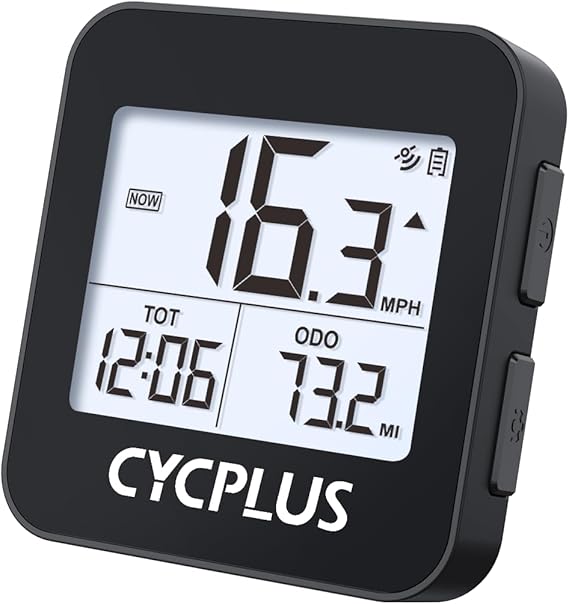 | CYCPLUS G1 Bike Computer | Check Price |
Our Top Picks 2  | iGPSPORT BSC500 GPS | Check Price |
Our Top Picks 3  | FLEXISPOT V9-Max Bike | Check Price |
Our Selected Top 12 Computer Bike You Can Trust
This list features carefully chosen computer bikes known for reliability and performance. Each review highlights how the bike functions, identifies the ideal user, and discusses its main advantages and drawbacks to help you make an informed decision.
1. CYCPLUS Wireless GPS Bike Computer G1
CYCPLUS Wireless GPS Bike Computer G1 is a solid choice for riders who want clear GPS tracking and reliable performance without dealing with cables. Its standout feature is its fast and accurate satellite positioning that keeps your ride stats visible and accurate.
Setup involves mounting the device on your handlebar, where the wireless design keeps things tidy and clutter-free. The automatic backlight adjusts to lighting conditions, so the screen stays easy to read day or night. Buttons make navigation simple, and the waterproof design means it works even when the rain starts, making daily use straightforward and dependable.
GPS tracking is precise and updates quickly, giving you real-time stats like distance and altitude. It’s built tough with tempered glass that resists scratches and a battery life that lasts up to 50 hours.
The best feedback is about its clear display and reliable GPS, while some users find the button controls slightly tricky at first.
The clearest praise revolves around its strong GPS accuracy paired with a readable screen under all lighting conditions. On the other hand, some users mention that the button interface takes a moment to get used to, especially when trying to quickly change settings mid-ride.
Those who want dependable GPS stats on a simple, waterproof device will find this a good fit. Riders looking for a larger display or touchscreen might want to explore other options better suited to those preferences.
Pros
- Highly accurate and fast GPS positioning
- Automatic glare-free backlight for day and night
- Waterproof design works well in rain
- Long battery life of 50 hours
Cons
- Button controls can feel unintuitive at first
- Screen size of 2 inches may be small for some
| Specification | Details |
|---|---|
| Display Size | 2 inches |
| Display | LED |
| Battery Average Life | 50 hours |
| Connectivity Technology | Wireless |
| Mounting Type | Handlebar Mount |
2. iGPSPORT BSC500 GPS Bike Computer
Easy to read and simple to handle during rides, the iGPSPORT BSC500 suits cyclists wanting reliable navigation with solid data. Its standout feature is the large 3.3 touchscreen that shows plenty of stats clearly, making it convenient to check performance without stopping.
Setting up the device involves syncing routes through the iGPSPORT app, which sends navigation details directly to the bike computer. Day-to-day use benefits from both touchscreen and button controls, so you can operate it smoothly even in varied weather conditions or while wearing gloves.
The screen displays 12 cycling data points per page, keeping things visible while on the move.
Accuracy in tracking location is well supported by dual-band satellite positioning, grabbing signals from multiple systems worldwide. The build feels sturdy, managing to balance touchscreen sensitivity with button feedback. The clearest praise is for its precise navigation, while some users mention occasional screen smudges as a minor hassle.
Navigation accuracy using multiple satellite systems is a strong point praised by many, ensuring dependable tracking anywhere. On the downside, the touchscreen occasionally collects smudges which can affect clarity until wiped clean.
Cyclists wanting clear navigation details and flexible control methods will appreciate the design. Those prioritizing a fully glove-friendly interface without occasional touch issues might consider looking for alternatives.
Pros
- Large 3.3″ screen with clear data display
- Supports both touchscreen and button control
- Precise positioning with dual-band satellite signals
- Easy route setup via dedicated app
Cons
- Screen can get smudged during rides
- Touchscreen sensitivity varies with glove use
| Specification | Details |
|---|---|
| Display Size | 3.3 inches |
| Sensor Type | Cadence Sensor |
| Battery Type | Lithium Ion |
| Human Interface Input | Buttons, Touchscreen |
| Positioning | GPS+Beidou+GLONASS+GALILEO+QZSS |
3. FLEXISPOT V9-Max Exercise Bike
Great for home use, the FLEXISPOT V9-Max Exercise Bike fits a wide range of heights and adds a practical workstation. Its standout feature is the large desk space that lets you stay active while working or relaxing.
Perfect for anyone wanting to combine fitness with productivity.
Setup is straightforward and it fits nicely in spaces like the living room or office. You can adjust the resistance across 8 levels to match your workout intensity. The desk holds a laptop, phone, and notebook comfortably, allowing you to browse, watch TV, or listen to music while pedaling.
It’s stable enough for daily use, even during long sessions.
The bike performs well for light to moderate exercise and doesn’t feel flimsy despite its movable chair design. It suits people from 5’1” to 6’2”, which covers most users. Reviewers praise its multifunctional design and sturdy desk, but some mention that the resistance settings could be a bit smoother or quieter during use.
The desk surface receives strong praise for its size and stability during workouts. Some users find the resistance changes audible and less smooth than expected. The bike works well for light exercise and multitasking around the house.
People wanting a quiet and steady way to stay active during work or leisure will appreciate this bike. Those seeking more intense training or a silent ride might prefer a different model focused solely on exercise performance.
Pros
- Large desk fits laptop and phone easily
- Adjustable 8-speed resistance levels
- Supports a wide range of user heights
- Combines exercise bike with standing desk
Cons
- Resistance adjustments can feel a bit noisy
- Not designed for intense, high-power workouts
| Specification | Details |
|---|---|
| Brand Name | FLEXISPOT |
| Model Name | Exercise Bike |
| Resistance Settings | 8-speed |
| Recommended User Height | 5’1”- 6’2” |
| Use Location | Indoor, home, living room, office, sturdy room |
| Part Number | Deskcise Pro |
4. YPOO Adjustable Magnetic Resistance Exercise Bike

Solid steel construction and adjustable features make the bike a good fit for various riders. Ideal for indoor enthusiasts looking for a quiet exercise bike, its standout feature is the magnetic resistance system, ensuring smooth and silent workouts.
Assembly comes mostly done, with about 80% pre-assembled, which means getting it ready is quicker than many other bikes. Adjusting the seat and handlebars helps customize your fit, and the belt drive with ABS pulleys means daily rides run quietly, under 25dB, while the bottle holders keep hydration close.
Pairing with the ypoofit app or options like Zwift adds interactive workout options that keep things interesting.
Performance feels solid thanks to industrial-grade bearings and the advanced magnetic resistance, making rides smooth and consistent. The frame and components hold up well during frequent use, but some find the padded seat comfortable while others might want additional cushioning.
Many users praise how quiet it is during operation, but some mention that the app connectivity can be a bit unstable.
Quiet rides and smooth resistance are the most praised features, making workout sessions pleasant at home. Common issues include spotty app connections and mixed reviews about the seat comfort from daily users.
People who want a quiet, adaptable bike with interactive workout options will be satisfied. Those needing a more cushioned seat or flawless app experience might want to explore other models.
Pros
- Quiet operation under 25dB
- Comfortable, adjustable seat and handlebars
- Compatible with multiple fitness apps
- Mostly pre-assembled for quick setup
Cons
- App connectivity can be inconsistent
- Seat comfort may require additional padding
| Specification | Details |
|---|---|
| Model Name | BC720 |
| Resistance | Advanced magnetic resistance |
| Noise Level | <25dB |
| Assembly | 80% pre-assembled |
| Adjustments | Adjustable Seat & Handlebar |
| Drive Type | Belt drive, maintenance-free |
5. Wahoo ELEMNT BOLT V3 GPS Bike Computer

Bright top LEDs and clear turn-by-turn navigation stand out immediately in this bike computer, making it ideal for anyone who relies on precise guidance during rides. Its automatic syncing with popular apps keeps routes and workouts continuously updated, making it convenient for both casual and serious cyclists.
Setup is straightforward with on-device prompts and syncing to Strava, Komoot, and similar accounts wirelessly downloading routes right to the screen. Buttons are simple to use on the handlebar mount, and the LCD display is readable even on sunny days.
Audible cues and LED signals keep the rider informed without distraction, making daily rides smooth and predictable.
Navigation works reliably, showing upcoming turns at a glance, with 20 hours of battery life enough for long outings. The hardware feels solid with a compact 2.3-inch display and a sturdy mount.
The most common praise mentions the flawless route updates, while some note the interface could be more intuitive for first-time users.
Route updates happen automatically and reliably through wireless syncing, which most appreciate for reducing manual setup. However, some users find the button-based interface a bit challenging at first and wish for a larger display for easier reading.
Cyclists who appreciate easy navigation and long battery life will find this unit perfectly suited to their needs. Riders seeking a wider screen or touch controls might want to explore alternatives better suited to those preferences.
Pros
- Automatic route and workout syncing
- Clear turn-by-turn navigation with LEDs
- Long-lasting 20-hour battery life
- Compact and durable design
Cons
- Interface could be tricky for beginners
- Display size may feel small to some
| Specification | Details |
|---|---|
| Display Size | 2.3 inches |
| Battery Average Life | 20 hours |
| Connectivity Technology | Bluetooth, USB, Wi-Fi |
| Mounting Type | Handlebar Mount |
| Human Interface Input | Buttons |
6. Garmin Edge 540 GPS Cycling Computer

Advanced GPS navigation and personalized training guidance put this computer ahead for riders who want precise tracking and extended battery life. Designed for cyclists committed to their routes and needing reliable data, its main advantage is pairing detailed mapping with strong coaching features.
Setting up involves pairing it easily with a power meter and heart rate monitor to unlock training prompts tailored to your current fitness and recovery status. Its button controls work well even in tough weather, and the 2.6-inch screen is clear enough to check workouts and maps mid-ride. Bluetooth and Wi-Fi keep your ride data synced without extra effort.
The multi-band GNSS technology reliably provides accurate location tracking on all kinds of terrain. Built to handle demanding use, the device lasts up to 26 hours on a full charge and stretches to 42 hours in battery saver mode, which suits long days outdoors. High praise centers on how well it guides routes, but some note the button input can take time to get used to compared to touchscreens.
Many appreciate the precise route guidance and tailored coaching during rides. The button input method can feel clunky to those expecting a touchscreen experience, which some find frustrating in fast or technical conditions.
Riders seeking detailed navigation and long-lasting power will like this model. Those who prefer touchscreen controls or need global map coverage might want to explore other options.
Pros
- Accurate positioning with multi-band GNSS
- Long battery life up to 26 hours
- Personalized training prompts on screen
- Compatible with major smartphones
Cons
- Button controls less intuitive than touchscreen
- Maps limited to North America
| Specification | Details |
|---|---|
| Screen Size | 2.6 inches |
| Battery Average Life | 26 hours |
| Mounting Type | Handlebar Mount |
| Human-Interface Input | Buttons |
| Memory Storage Capacity | 16 GB |
| Compatibility | Android, iPhone |
7. CATEYE Wired Bike Computer

Tracking speed and distance during rides can get tricky without a reliable device. Suited for beginner cyclists aiming to keep tabs on essential stats, this wired bike computer’s biggest strength is its simplicity and accuracy in recording your pace and trip details.
Setting it up means mounting the device on the handlebar and connecting the wired speed sensor. The screen shows current, max, and average speed along with distance, elapsed time, and a clock.
When coming to stops like traffic lights or breaks, it automatically pauses timing and speed averaging, so your stats stay accurate without manual resets.
The computer stays on point with its primary job of tracking speed and distance thanks to a clear 2.17-inch LCD screen and a wired connection that avoids signal lag. Designed with an alkaline battery that lasts around three years, it requires very little attention after installation.
Most praise goes to its long battery life, while some find the wired setup less aesthetic and a bit fiddly compared to wireless alternatives.
Accurate stats and long battery life stand out as its strongest features, making it reliable without frequent charging. The wired setup draws the most criticism, as some find it less tidy and more complicated to install than wireless options.
Great for cyclists new to tracking their rides who want straightforward stats without fuss. Riders seeking more advanced features or wireless convenience may want to consider other models.
Pros
- Accurate speed and distance tracking
- Long battery life of up to 3 years
- Automatically pauses timing when stopped
- Clear, easy-to-read LCD display
Cons
- Wired setup can feel cluttered
- Basic interface lacks advanced features
| Specification | Details |
|---|---|
| Display Size | 2.17 inches |
| Display | LCD |
| Battery Average Life | 3 years |
| Sensor Type | Speed Sensor |
| Connectivity Technology | Wired |
| Mounting Type | Handlebar Mount |
8. CYCPLUS GPS Wireless Bike Computer M1

Tracking accurate routes tops the list with a Swiss GPS chip offering high sensitivity and speed. Designed for cyclists who want detailed ride data without fuss, it’s perfect for those serious about monitoring their speed and cadence alongside GPS tracking. The syncing with a phone app adds solid support for post-ride analysis.
Setup involves pairing to a phone via Bluetooth, which automatically syncs routes after each ride. The 2.9-inch LCD screen, with FSTN technology, remains readable even in bright sunlight.
The backlit display adjusts to natural light cycles, so you can easily check stats day or night. Controls are straightforward with physical buttons, ensuring easy operation without distractions.
It performs well in tracking speed and cadence accurately, making its main job reliable over long rides. Built with a high-quality tempered glass screen, it resists scratches from everyday handling, but some users find the button interface less intuitive than touchscreens.
The battery life extends to about 60 hours, meaning it lasts for multiple adventures without frequent recharging.
The GPS functionality receives praise for pinpoint accuracy and fast positioning, paired with a durable, glare-free display that works well day or night. On the downside, some users find the buttons not as straightforward, making quick adjustments during rides a minor challenge.
Cyclists who value precise route tracking and long battery life will appreciate this device, especially on road or mountain bikes with standard handlebars. Those seeking a touchscreen interface or alternative mounting options might want to consider other models better suited to their preferences.
Pros
- High GPS accuracy with Swiss chip
- Readable backlit LCD in sunlight
- Long 60-hour battery life
- Durable tempered glass screen
Cons
- Button controls less intuitive
- Limited to handlebar mounting only
| Specification | Details |
|---|---|
| Display Size | 2.9 inches |
| Battery Average Life | 60 hours |
| Connectivity Technology | ANT, Bluetooth |
| Sensor Type | Speed/cadence Sensor; GPS sensor |
| Mounting Type | Handlebar Mount |
9. iGPSPORT BSC200S GPS Bike Computer

Cyclists who rely on detailed route guidance and smart notifications will find the iGPSPORT BSC200S a solid companion. It stands out for intuitive one-touch navigation and solid battery life, making it ideal for anyone wanting easy route management on the road or trail.
Setting up involves syncing routes through the official iGPSPORT app or importing from platforms like Strava and Komoot. Saving and sending locations to the device is straightforward thanks to one-touch navigation. Daily rides benefit from turn reminders and a Back to Start feature that keeps navigation simple without constant phone checks.
Performance-wise, the GPS sensor tracks rides accurately and the 2.4-inch color display offers good visibility. Reviews praise its clear navigation and battery lasting up to 25 hours.
Some note that the button controls feel a bit stiff, which can slow adjustments mid-ride. Build quality feels solid, mounting firmly on the handlebar without wobble.
Clear navigation guidance and the one-touch route sending are frequent compliments, allowing riders to start quickly without fuss. The stiff buttons occasionally slow navigation adjustments, which is the most common user frustration with the device.
Anyone seeking dependable route tracking and extensive navigation features will appreciate this bike computer. Riders looking for touchscreen controls or ultra-lightweight options may want to explore alternatives.
Pros
- Supports route import from major platforms
- One-touch navigation speeds up ride starts
- Turn and yaw reminders improve route safety
- Long 25-hour battery life suits long rides
Cons
- Button controls can feel stiff during use
- No touchscreen; navigation only via buttons
| Specification | Details |
|---|---|
| Display Size | 2.4 inches |
| Display | color display |
| Battery Average Life | 25 hours |
| Connectivity Technology | ANT, Bluetooth, USB |
| Native Resolution | 320×240 |
10. iGPSPORT BSC100S GPS Bike Computer
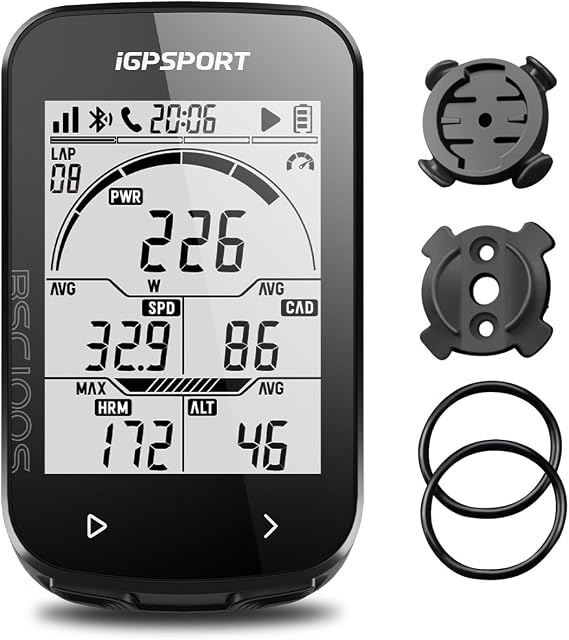
Offering global GPS coverage across five satellite systems, this bike computer is ideal for riders needing precise and fast positioning anywhere. Its largest strength lies in delivering accurate riding data supported by a clear 2.6 inch anti-glare screen that keeps your stats visible during any ride.
Setup involves connecting to the iGPSPORT app via Bluetooth or ANT, making it simple to transfer and analyze over 40 types of riding data like speed and cadence. The handlebar mount keeps it in easy view. Button controls allow navigation through settings without distraction, ensuring focused rides while tracking temperature and calories burned alongside other metrics.
Accuracy in GPS signals is impressive thanks to support for GPS, Beidou, GLONASS, GALILEO, and QZSS satellites. The build feels solid, with a sharp LCD display and a battery lasting about 40 hours per charge.
Frequent praise highlights detailed data options and app integration, while some find button navigation less intuitive compared to touchscreens.
Accurate GPS tracking with multiple satellite support results in reliable riding data. Most praise highlights the variety of measurable stats and smooth app syncing. Common drawbacks include button navigation feeling clunky for some riders compared to modern touch interfaces.
Riders valuing detailed performance data and long battery life will appreciate this device. Those looking for a touchscreen or more customizable display might want to explore other bike computers better suited to those preferences.
Pros
- Supports 5 satellite positioning systems
- Over 40 riding data metrics available
- Clear, large 2.6 inch anti-glare screen
- Long 40 hour battery life
Cons
- Button controls less intuitive than touchscreens
- Only LCD display, lacking color or customization
| Specification | Details |
|---|---|
| Display Size | 2.6 inches |
| Display | LCD |
| Battery Average Life | 40 hours |
| Sensor Type | Cadence Sensor |
| Connectivity Technology | ANT, Bluetooth |
| Mounting Type | Handlebar Mount |
11. Garmin Edge 1050 Cycling Computer

Garmin Edge 1050 Cycling Computer excels in navigation and performance tracking for serious cyclists. Ideal for riders looking for detailed route planning, real-time hazard alerts, and long battery endurance to support extended rides. Its vivid 3.5-inch touchscreen delivers clear maps and easy interaction.
Setup involves pairing with a smartphone for added features like road hazard alerts and editing reports. The touchscreen is responsive, letting you create courses without tools beyond the device itself. Bluetooth, Wi-Fi, and USB connections keep your data synced, while the handlebar mount places the unit firmly within view during rides.
Accuracy in GPS, GLONASS, and Galileo systems ensures reliable navigation. The 64 GB storage means plenty of maps and routes can be saved. Build quality is solid with a capacitive LCD screen designed for outdoor use.
Its most praised feature is the long battery life, up to 20 hours for heavy use and 60 in saver mode. Some users note the screen can be challenging to operate in direct sunlight.
The longest battery life and precise navigation stand out clearly. Many find the touchscreen excellent for planning routes but struggle with visibility in bright outdoor conditions. Alerts about road hazards from other cyclists improve ride safety noticeably when smartphone-connected.
Cyclists who ride long distances with complex navigation needs will appreciate this device. Riders frequently venturing outside North America or who dislike touchscreen use under direct light might prefer other options with broader mapping or physical buttons.
Pros
- Long battery life up to 60 hours in saver mode
- Responsive 3.5-inch color touchscreen display
- Detailed mapping with road surface types shown
- Real-time road hazard alerts via smartphone integration
Cons
- Touchscreen legibility issues in bright sunlight
- Navigation limited to North America maps
| Specification | Details |
|---|---|
| Screen Size | 3.5 inches |
| Battery Average Life | 60 hours |
| Memory Storage Capacity | 64 GB |
| Connectivity Technology | Bluetooth, USB, Wi-Fi |
| Supported Satellite Navigation System | GLONASS, GPS, Galileo |
| Mounting Type | Handlebar Mount |
12. CATEYE Padrone Wireless Bike Computer

Checking your speed and distance feels straightforward with the CATEYE Padrone Wireless Bike Computer. It’s perfect for riders who want clear stats without distractions from GPS or heart rate monitors. The biggest strength lies in offering all the core data essential for a confident ride, without any extra fuss.
Setup is quick since the wireless speed sensor works straight out of the box without pairing. Just mount the unit on the handlebar, and the 70cm transmission range handles the rest.
Switching between current speed, max speed, average speed, distance, trip time, and clock happens by pressing the base of the unit, which feels natural and doesn’t interrupt the ride.
Accuracy is solid thanks to the analog wireless sensor dedicated to the front wheel. The display size of 5.5 centimeters makes numbers easy to read at a glance, even on bright days. The bike computer has a strong build with lithium metal batteries that last about a year.
The biggest praise highlights how simple and reliable it is, while some mention the lack of GPS and heart tracking as limits.
Most people appreciate how well the unit provides essential ride stats simply and reliably. Complaints commonly focus on the lack of GPS and heart rate monitoring, which some cyclists might want in a bike computer.
Anyone who prefers straightforward speed and distance tracking without extra features will find this model a good match. Those seeking detailed navigation or fitness data should look at other options.
Pros
- Instant speed measurement without pairing
- Easy to toggle functions via ClickTec design
- Clear LCD display size of 5.5 cm
- Long battery life of about one year
Cons
- No built-in GPS or navigation features
- Sensor only works on front wheel
| Specification | Details |
|---|---|
| Display Size | 5.5 centimeters |
| Sensor Type | Analog Wireless |
| Battery Average Life | 1 years |
| Mounting Type | Handlebar Mount |
| Connectivity Technology | Analog Wireless |
Best Computer Bikes Comparison Table
| Product | Display Size | Battery Life | Connectivity | Mounting Type |
|---|---|---|---|---|
| CYCPLUS G1 Bike Computer | 2 inches | 50 hours | Wireless | Handlebar Mount |
| iGPSPORT BSC500 GPS | 3.3 inches | – | – | – |
| FLEXISPOT V9-Max Bike | – | – | – | – |
| YPOO Magnetic Exercise Bike | – | – | – | – |
| Wahoo ELEMNT BOLT V3 | 2.3 inches | 20 hours | Bluetooth, USB, Wi-Fi | Handlebar Mount |
| Garmin Edge 540 | 2.6 inches | 26 hours | Bluetooth, USB | Handlebar Mount |
| CATEYE Wired Bike Computer | 2.17 inches | 3 years | Wired | Handlebar Mount |
| CYCPLUS M1 Wireless GPS | 2.9 inches | 60 hours | ANT, Bluetooth | Handlebar Mount |
| iGPSPORT BSC200S GPS | 2.4 inches | 25 hours | ANT, Bluetooth, USB | Handlebar Mount |
| iGPSPORT BSC100S GPS | 2.6 inches | 40 hours | ANT, Bluetooth | Handlebar Mount |
| Garmin Edge 1050 | 3.5 inches | 60 hours | Bluetooth, USB, Wi-Fi | Handlebar Mount |
| CATEYE Padrone Wireless | 5.5 cm | 1 year | Analog Wireless | Handlebar Mount |
- Display Size2 inches
- Battery Life50 hours
- ConnectivityWireless
- Mounting TypeHandlebar Mount
- Display Size3.3 inches
- Battery Life–
- Connectivity–
- Mounting Type–
- Display Size–
- Battery Life–
- Connectivity–
- Mounting Type–
- Display Size–
- Battery Life–
- Connectivity–
- Mounting Type–
- Display Size2.3 inches
- Battery Life20 hours
- ConnectivityBluetooth, USB, Wi-Fi
- Mounting TypeHandlebar Mount
- Display Size2.6 inches
- Battery Life26 hours
- ConnectivityBluetooth, USB
- Mounting TypeHandlebar Mount
- Display Size2.17 inches
- Battery Life3 years
- ConnectivityWired
- Mounting TypeHandlebar Mount
- Display Size2.9 inches
- Battery Life60 hours
- ConnectivityANT, Bluetooth
- Mounting TypeHandlebar Mount
- Display Size2.4 inches
- Battery Life25 hours
- ConnectivityANT, Bluetooth, USB
- Mounting TypeHandlebar Mount
- Display Size2.6 inches
- Battery Life40 hours
- ConnectivityANT, Bluetooth
- Mounting TypeHandlebar Mount
- Display Size3.5 inches
- Battery Life60 hours
- ConnectivityBluetooth, USB, Wi-Fi
- Mounting TypeHandlebar Mount
- Display Size5.5 cm
- Battery Life1 year
- ConnectivityAnalog Wireless
- Mounting TypeHandlebar Mount
How to Choose the Right Computer Bike
Choosing the right computer bike depends on accuracy, durability, and ease of use, as these factors ensure reliable tracking and a smooth riding experience. Paying attention to these details helps avoid costly repairs and replacements, saving both money and frustration in the long run.
Compatibility with Devices
Connecting a new bike gadget only to find it doesn’t sync with your phone or sensors becomes frustrating fast. Daily use reveals how important device compatibility is; a poor match means missing out on valuable heart rate data or cadence tracking, making your rides less informative.
Most computers now use Bluetooth or ANT+ protocols, but not all models support both, so it’s important to check which standards your existing gear uses.
Apps are another aspect. Some cyclists rely on specific software like Strava or Garmin Connect, and seeing your stats sync without manual transfers saves time.
Compatibility lists often tell you which phones or apps are supported. Cross-checking these before purchase prevents trouble and keeps your setup working smoothly.
Display and Interface
A screen that’s too small or dull makes glancing at stats mid-ride annoying or unsafe. I’ve had devices with poor visibility in bright sunlight, causing me to slow down just to read the numbers.
A display size around 2 to 3 inches often balances visibility with compactness. Backlighting or reflective screens also help in different lighting scenarios.
Navigation style impacts usability too. Some prefer buttons that work even with gloves on, while others like touchscreens for quicker menu access. Customizable data fields allow displaying the most relevant info upfront, avoiding wasted screen space and constant scrolling.
Ergonomics and responsiveness matter for a straightforward riding experience.
Battery Life and Power Source
Battery life can cut rides short if a device won’t last the duration. On long outings, I’ve experienced unexpected shutdowns due to insufficient runtime. Look for a minimum of 8-10 hours to cover longer sessions comfortably.
Some models recharge via USB, making it easy to top up, while others use replaceable batteries that can be swapped on the go.
Energy-saving features can extend use but sometimes reduce update frequency or disable features like continuous GPS, affecting data richness. Understanding these trade-offs helps maintain reliable performance without surprises. A balance between lasting power and functionality is key.
Durability and Weather Resistance
Rain or mud are part of many rides, and an unprotected device quickly degrades. Water resistance ratings such as IPX7 indicate the device can survive submersion for short periods, which is reassuring for wet conditions. Cases made from tough plastics or metals reduce chances of damage from falls or scratches encountered on trails.
Secure mounting prevents wobbling or disconnections. Some mounts clamp tightly on handlebar curves, others screw in for extra security. Losing the device mid-ride turns into a costly distraction, so a stable attachment is worth prioritizing alongside durable materials.
Data Accuracy and Features
Accurate GPS and sensor readings are the backbone of useful cycling data. Inconsistent tracking can mislead pace or distance info, defeating the gadget’s purpose.
Models with multi-satellite support like GPS, GLONASS, or Galileo improve location reliability in urban or wooded areas.
Advanced metrics such as cadence, elevation, and power estimation provide deeper insight into performance beyond speed and distance. Some devices also include route guidance or training modes for interval workouts.
Connectivity options enable syncing with other devices or online platforms, expanding how the data can be reviewed or shared.
Optimizing Your Training Routine with a Computer Bike
Tracking workout metrics accurately can significantly improve your training results. A computer bike provides real-time data such as speed, distance, time, and sometimes heart rate.
This information helps set clear goals and monitor progress during each session. Many models include pre-programmed workouts or allow custom settings to adjust resistance, simulating hill climbs or interval training.
Regularly using these features supports a structured routine that targets endurance, strength, or calorie burn based on your objectives. Some bikes also connect with fitness apps for detailed analytics or virtual rides, offering variety to prevent boredom. Even simple features like cadence tracking can help maintain consistent effort, making workouts more efficient.
- Use the bike’s display to track session stats and adjust resistance as needed
- Incorporate interval training using preset programs to boost cardiovascular fitness
- Pair with heart rate monitors if compatible to train within target zones
Essential Maintenance Tips to Prolong Your Computer Bike’s Lifespan
Regular maintenance extends the usability of a computer bike and keeps it performing smoothly. Checking for loose bolts and tightening them prevents parts from becoming unstable during workouts.
The pedals, seat, and handlebars should be inspected and adjusted for both comfort and safety as well.
Cleaning is equally important. Dust can accumulate on sensors and moving parts, causing inaccurate data or friction. Wiping down the bike after use removes sweat and grime that might corrode components over time.
Inspect the drive system for wear; if it uses a chain or belt, apply lubricant if recommended by the manufacturer.
- Clean display and sensors gently with a soft cloth to avoid damage
- Keep moving parts lubricated according to instructions to reduce noise and wear
- Store the bike in a dry, temperature-controlled area to prevent rust
Comparing Computer Bike Workouts to Outdoor Cycling Sessions
Computer bike workouts offer consistent conditions regardless of weather or terrain. This control makes it easier to focus on specific training goals without interruptions like traffic or wind resistance. The ability to tweak resistance means users can simulate hills or sprints even indoors.
Outdoor cycling provides natural variability that challenges balance, coordination, and response to changing environments. Riding outside engages muscles differently due to wind, road surface, and elevation changes, which contributes to overall cycling skill development.
For those focusing on endurance or controlled interval training, indoor computer bikes may deliver more precise effort tracking. Outdoor sessions are better suited for those wanting variety and experience riding in real-world conditions.
- Computer bikes allow precise control over workout intensity
- Outdoor rides offer unpredictable elements that improve bike handling
- Combining both methods can help build well-rounded fitness
People Also Asked
How Do I Properly Size a Computer Bike for Home Use?
To size a computer bike correctly, measure your inseam and compare it to the bike’s minimum and maximum seat height. Your knees should have a slight bend when the pedal is at the lowest point. Adjust the seat and handlebars to avoid strain during long sessions.
What Are Common Issues with Computer Bikes and How to Fix Them?
Common issues include squeaky pedals, loose bolts, and inaccurate resistance levels. Regularly tighten bolts and lubricate moving parts to prevent noise. Calibrate the resistance according to the manual to keep workouts consistent.
Is a Computer Bike Safe for Daily High-Intensity Workouts?
Computer bikes handle high-intensity workouts safely if set up properly and maintained regularly. Monitor the seat height and pedal straps to avoid injuries. Taking breaks and stretching afterward helps with recovery when workouts are intense.
How Long Does a Typical Computer Bike Last with Regular Maintenance?
A computer bike typically lasts 5 to 10 years with regular maintenance like cleaning, tightening components, and checking electronics. Parts like pedals or belts may wear out sooner and should be replaced to keep the bike running smoothly.
Which Devices Are Compatible with Most Computer Bike Software Systems?
Most computer bikes work with Bluetooth-enabled devices such as smartphones and tablets. Apps like Zwift or Peloton can connect for tracking workouts or interactive training. Check the software requirements to ensure compatibility before buying.
Conclusion
Choosing the right computer bike mostly depends on how sturdy and adjustable it is, and how well it tracks your workout data. Comfort during longer sessions matters too, especially if you want to use it regularly.
These factors affect how much you will enjoy and stick with your workouts.
Think about where you will set up the bike and how much you want to spend. Bikes with more features usually cost more and take up more space. Check the comparison table and the detailed picks above to find a bike that fits your needs without going over your limits.