
Top 12 Best Garmin Watch for Bike Riding You Need Today
Many cyclists recognize the frustration that comes with a watch that loses signal mid-ride or drains battery before reaching the destination. Choosing the best garmin watch for bike riding avoids these issues, ensuring accurate tracking and dependable power throughout your ride. Watches not designed for cycling can also struggle with comfort, especially during long sessions where bulkiness can become a serious distraction.
The main factors setting a good cycling watch apart include GPS accuracy, battery life, and wrist fit. A reliable GPS signal is essential for route tracking and safety, with multi-satellite support offering better precision in varied terrain.
Battery capacity typically ranges from 15 to 40 hours in GPS mode, which covers most ride lengths without frequent recharging. Lastly, a lightweight, adjustable strap prevents shifting or pinching, allowing the watch to stay securely on the wrist without interfering with your grip on the handlebars.
Need a Quick Check?
| Image | Product | Price |
|---|---|---|
Our Top Picks 1  | Garmin Edge 540 | Check Price |
Our Top Picks 2 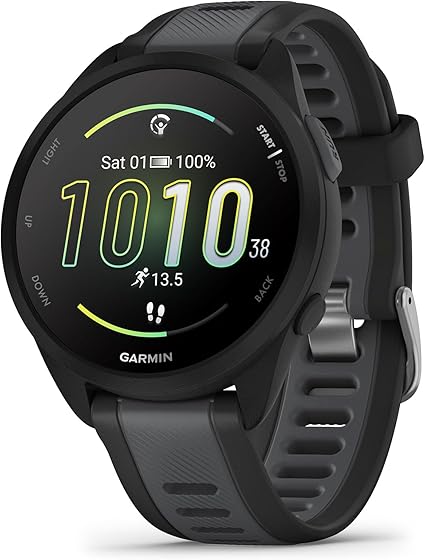 | Garmin Forerunner 165 | Check Price |
Our Top Picks 3  | Garmin Enduro 4 | Check Price |
Our Selected Top 12 Garmin Watch for Bike Riding Picks for Every Need
This list features a variety of watches designed specifically for bike riding, highlighting their performance, suitability for different types of riders, and key advantages and disadvantages. Each review offers insight into how the watch meets specific cycling needs and preferences.
1. Garmin Edge 540
Bright and clear navigation meets a battery that lasts up to 26 hours in heavy use, perfect for serious cyclists who need reliable tracking and guidance throughout long rides. It combines detailed route planning, effective performance monitoring, and good connectivity into one handlebar-mounted device.
Setting up takes a few minutes, syncing via Bluetooth with both Android and iPhone devices. Daily suggested workouts appear on the screen, adjusting coaching based on your training load when paired with a power meter and heart rate monitor. The button controls work well even with gloves on, and routes update smoothly thanks to multi-band GNSS for strong positioning, even in tricky environments.
Tracking speed, distance, and location feels accurate thanks to the advanced GPS and satellite systems included. The 2.6-inch LCD screen is easy to read during rides, and the build feels solid and durable, mounted securely to the handlebar. Some note the push-button system requires a bit of getting used to compared to touchscreens, but it makes operation less prone to accidental taps.
The system delivers notable accuracy and strong battery support, allowing long and dependable rides without frequent charging. User feedback highlights the button controls as requiring familiarization, but they reduce accidental inputs during cycling compared to touchscreens.
Riders seeking detailed navigation and workout guidance during extended excursions will appreciate this cycling computer. Those wanting touch controls or wider map coverage might want to look elsewhere for more adaptable options.
Pros
- Long battery life for multi-hour rides
- Accurate navigation with multi-band GNSS
- Personalized training prompts with power meter
- Button controls work well with gloves
Cons
- Push-button interface takes adjustment
- Maps limited to North America
| Specification | Details |
|---|---|
| Battery Life | Up to 26 hours (42 hours in saver mode) |
| Screen Size | 2.6 inches |
| Memory Storage | 16 GB |
| Connectivity Technology | USB, Bluetooth, Wi-Fi |
| Control Method | Push Button |
2. Garmin Forerunner 165
Great for cyclists wanting a lightweight, versatile GPS watch with clear visuals, the Garmin Forerunner 165 stands out with its brilliant AMOLED touchscreen paired with traditional buttons. It blends easy navigation and accurate metrics in a compact 43 mm design that’s comfortable to wear on long rides.
Setting it up is straightforward thanks to Garmin’s user-friendly interface. Tracking rides is reliable with built-in GPS and wrist-based heart rate monitoring. Switching between activities like cycling, running, or HIIT is simple using either the touchscreen or buttons, so you can focus on your workout without fumbling through menus.
It tracks routes and pace precisely and offers over 25 activity profiles to keep training varied. The watch feels sturdy with a fiber-reinforced polymer case and a silicone band that stays secure but comfy. Most praise its impressive battery life, lasting up to 19 hours in GPS mode.
Some found the touchscreen a bit sensitive when sweaty or rainy.
The watch receives strong praise for its clear, bright display and long-lasting battery that supports extended GPS tracking sessions. The main complaint centers on the touchscreen’s sensitivity, which can cause accidental inputs during sweaty or rainy conditions.
Cyclists who value a lightweight, easy-to-use watch with versatile features will appreciate this model. Those needing a larger case or less sensitive touchscreen might consider alternative options better suited to bigger wrists or more rugged conditions.
Pros
- Bright AMOLED screen for clear visibility
- Long battery life in GPS and smartwatch mode
- Lightweight and comfortable to wear all day
- Multiple sport profiles including cycling and HIIT
Cons
- Touchscreen can be overly sensitive when wet
- Limited case size options for larger wrists
| Specification | Details |
|---|---|
| Operating System | GarminOS |
| Battery Life | Up to 11 days smartwatch / 19 hours GPS |
| Display | AMOLED touchscreen |
| Case Size | 43 mm |
| Water Resistance | 50 meters |
| Band Material | Silicone |
3. Garmin Enduro 4
Long rides demand a watch that stays powered and comfortable through every mile. Designed for ultra-endurance athletes, this rugged GPS smartwatch suits those who need long battery life and useful features for serious outdoor adventures without feeling weighed down.
Setup takes just a few minutes with Garmin OS guiding you through basic options. Daily wear is comfortable thanks to the soft ComfortFit fabric band and lightweight design. The built-in flashlight comes in handy during low light conditions, while the touchscreen and message notifications keep you connected and in control while on the bike.
Tracking accuracy impresses with support from multiple satellite systems including GPS and GLONASS. The watch feels solid with its scratch-resistant sapphire lens and durable ABS case, ready for rough treatment. Most praise highlights its extraordinary battery life, while some note the nylon band could be tricky to clean after sweaty rides.
The watch receives strong praise for how long its battery lasts, supporting ultra-endurance activities without needing frequent charges. Common feedback points to the nylon ComfortFit band being a bit challenging to keep clean, especially after heavy sweating during rides.
Riders planning multi-day or very long cycling adventures will appreciate the unbeatable battery life and durable build. Those who prioritize easy band cleaning or prefer a metal case might consider other models better suited to those preferences.
Pros
- Impressive battery life for long endurance sports
- Comfortable fabric band for extended wear
- Built-in LED flashlight improves nighttime visibility
- Scratch-resistant sapphire lens protects the display
Cons
- Nylon band is difficult to clean after intense sweat
- ABS case may feel less premium than metal options
| Specification | Details |
|---|---|
| Operating System | Garmin OS |
| Battery Life (Smartwatch Mode) | Up to 90 days |
| Battery Life (Activity Mode) | 320 hours (extended battery) |
| Band Material | Nylon |
| Water Resistance Depth | 100 meters |
| Supported Satellite Systems | GPS, GLONASS, Galileo, QZSS |
4. Garmin Enduro 2

1.4” Power Sapphire lens that harvests solar energy keeps the watch charged longer, making it ideal for long bike rides and outdoor adventures. It’s built for riders who want a durable, accurate GPS watch that won’t quit mid-ride, especially when battery life is critical.
Setup involves syncing with Bluetooth and using the SatIQ technology, which smartly switches GPS modes to save power. The UltraFit nylon band stays comfortable and secure on the wrist, even during intense rides. The touchscreen and button combination make navigating menus quick without fumbling.
Preloaded TopoActive maps help you stay on track without needing a separate device.
Navigation and tracking are reliable, with the GPS geotagging functioning smoothly. A lightweight titanium case keeps the design tough without weighing you down. Users like how the Power Sapphire lens extends battery life notably.
Some find the touchscreen sensitivity inconsistent in wet conditions, which can be frustrating on rainy rides.
Battery life is the standout feature, thanks to the Power Sapphire lens and SatIQ GPS mode management. Most users praise how long it lasts on and off the bike, but some note that the touchscreen doesn’t always respond well when wet, disrupting quick controls during rides.
People who spend long hours riding or off the grid will appreciate the extended battery and durable materials. Those who prefer simpler interfaces or primarily ride in wet climates might want to consider a watch with a more reliable touchscreen experience.
Pros
- Excellent battery life with solar energy harvesting
- Durable yet lightweight titanium case
- Comfortable, secure UltraFit nylon band
- Accurate GPS tracking with SatIQ technology
Cons
- Touchscreen can be unresponsive in wet conditions
- Features may be overwhelming for casual cyclists
| Specification | Details |
|---|---|
| Band Material Type | Nylon |
| Case Material Type | Titanium |
| Water Resistance Depth | 100 meters |
| Human Interface Input | Buttons, Touchscreen |
| Supported Satellite Navigation System | GPS |
| Additional Features | Bluetooth |
5. Garmin Edge Explore 2

Cyclists who want clear navigation and easy access to ride type-specific maps will like the Garmin Edge Explore 2. It’s great for road riders, trail bikers, and eBike users who value a readable touchscreen that works well even in bright sunlight.
Setting up takes just a few minutes since it comes with preloaded road, off-road, and indoor profiles. Using the touchscreen is straightforward, even with gloves or wet hands. It connects smoothly to your smartphone and eBike, providing helpful alerts that consider battery level and assist mode.
Staying aware of traffic is easier with high-traffic roads clearly shown on the map.
The device tracks routes accurately and guides you with detailed maps of popular roads and trails in North America. The build feels solid and the screen size is perfect for quick glances during rides.
The main praise is for its sunlight-visible screen, while the most common complaint relates to the limited battery life, which lasts around 16 hours.
The screen remains clear and easy to read even during the brightest days, making navigation simple. Most users find the 16-hour battery to be the main limitation, requiring charging after long rides.
Cyclists who want detailed maps tailored to various ride styles and clear guidance for eBikes will appreciate this device. Those planning longer rides or needing global map coverage might prefer a model with longer battery life and broader map options.
Pros
- Bright touchscreen visible in sunlight
- Preloaded maps for multiple ride types
- eBike integration with battery alerts
- Simple setup and intuitive interface
Cons
- Battery life limited to 16 hours
- Only supports North America maps
| Specification | Details |
|---|---|
| Screen Size | 3 inches |
| Battery Average Life | 16 hours |
| Connectivity Technology | Bluetooth, Wi-Fi |
| Memory Storage Capacity | 16 GB |
| Touch Screen Type | Capacitive |
| Supported Satellite Navigation System | GPS |
6. Garmin Edge 1050

Offering a vivid 3.5-inch color touchscreen and a long battery life, this GPS cycling computer fits riders who want detailed navigation and performance tracking in one device. Its standout feature is the ability to get live road hazard alerts from other cyclists, making it valuable for anyone cycling in busy or unfamiliar areas.
Setting up involves mounting it easily on your handlebar and pairing it through Bluetooth or Wi-Fi with your smartphone for connectivity. The touchscreen is responsive, so creating courses or checking road surface types during rides feels intuitive. Alerts for road hazards keep you informed on the go, and the battery saver mode extends use up to 60 hours for extended trips.
Tracking performance is reliable with support from GPS, GLONASS, and Galileo satellites, giving precise location data. The device has a solid build focused on cycling needs, with a capacitive touchscreen and speaker for audio output.
Praise frequently centers on the screen’s clarity and intuitive use, while common criticism points to a steeper learning curve for its many features.
The device’s vivid touchscreen and comprehensive navigation features receive strong praise, with many appreciating the clear display and detailed course planning. Most users note that the wide range of tools and settings demands time to learn, which can slow initial use for some riders.
Cyclists who prioritize extensive navigation, long battery life, and connectivity will find it well-suited for varied rides. Those who prefer a simpler, lighter device without advanced features may want to look at more basic cycling computers instead.
Pros
- Long battery life up to 60 hours in saver mode
- Responsive 3.5-inch color touchscreen
- Real-time road hazard alerts via smartphone connection
- Supports multiple satellite systems for accurate location
Cons
- Complex features can be overwhelming at first
- Screen and device size may be bulky for some handlebars
| Specification | Details |
|---|---|
| Screen Size | 3.5 inches |
| Battery Average Life | 60 hours (battery saver mode) |
| Connectivity Technology | Bluetooth, USB, Wi-Fi |
| Supported Satellite Navigation System | GLONASS, GPS, Galileo |
| Memory Storage Capacity | 64 GB |
| Mounting Type | Handlebar Mount |
7. Garmin Edge 840

Garmin Edge 840 is a GPS cycling computer made for riders focused on precise navigation and detailed performance tracking. It suits cyclists who want a mix of touchscreen and button controls, plus reliable positioning in tough conditions.
Its biggest strength lies in the advanced multi-band GNSS technology that keeps your location accurate wherever you ride.
Setting up the device involves syncing it with compatible power meters and heart rate monitors to unlock personalized coaching and training prompts visible right on the screen. On a daily ride, the touchscreen and buttons let you easily toggle through maps, suggested workouts, and live ride data.
The handlebar mount keeps it stable and always in sight without needing to fiddle during rides.
Accuracy and mapping stand out during long or complicated routes, especially with features like the Climbpro ascent planner and support for heat and altitude acclimation. The case and screen handle typical outdoor conditions well, though some riders have noted the screen resolution at 240 x 320 can look a bit basic compared to other devices.
Battery life reaching up to 26 hours under demanding use means it won’t quit mid-ride for most cyclists.
Many appreciate the device’s precise GPS tracking and reliable navigation in challenging environments. At the same time, the screen resolution sometimes feels a bit outdated compared to other cycling computers. The mix of touchscreen and button input works well for controlling the device on the go.
Riders who want detailed course planning, training feedback, and extended battery life will find this device solid for daily use. Those needing more screen clarity or broader map options might want to weigh other choices before deciding.
Pros
- Multi-band GNSS improves location precision
- Supports adaptive training and workout suggestions
- Combination touchscreen and button controls
- Long battery life for extended rides
Cons
- Screen resolution is modest at 240 x 320
- Limited to North America maps out of the box
| Specification | Details |
|---|---|
| Screen Size | 2.6 inches |
| Battery Average Life | 26 hours |
| Connectivity Technology | Bluetooth, USB, Wi-Fi |
| Memory Storage Capacity | 32 GB |
| Mounting Type | Handlebar Mount |
8. Garmin Edge 1060

You get clear directions and detailed ride tracking all in one device built for serious cyclists. It’s perfect for riders who want precise navigation and the option to communicate without stopping.
Its biggest strength is the combination of a bright 3.5-inch touchscreen with physical buttons for easy control on the go.
Setting it up is straightforward, pairing easily with your smartphone to unlock messaging features through Garmin Messenger. Controls work well whether you tap the screen or use buttons, adapting to different riding styles and conditions.
Voice commands add convenience, letting you stay connected while focusing on the road ahead.
It handles navigation with accuracy and gives extensive ride data that helps track performance effectively. The build feels solid and durable, suitable for outdoor use. The most praised feature is how well the touchscreen and buttons complement each other.
Some users mention that voice command performance can vary depending on the riding environment.
The device receives high marks for integrating touchscreen and button controls smoothly, making navigation easy while riding. Some riders note that voice commands may not always register clearly, especially in noisier or windy environments.
Cyclists who prioritize on-route communication and detailed navigation in North America will be satisfied with this device. Those needing wider map coverage or consistently reliable voice recognition in all conditions might look at other options.
Pros
- Bright, responsive 3.5-inch color touchscreen
- Buttons for easy control during rides
- Hands-free voice control with built-in microphone
- Text and voice messaging via Garmin Messenger
Cons
- Voice command works best in quiet conditions
- Limited map coverage to North America
| Specification | Details |
|---|---|
| Screen Size | 3.5 inches |
| Map Types | North America |
| Human-Interface Input | Buttons, Touchscreen |
| Control Method | Touch |
9. Garmin Instinct 3 Solar
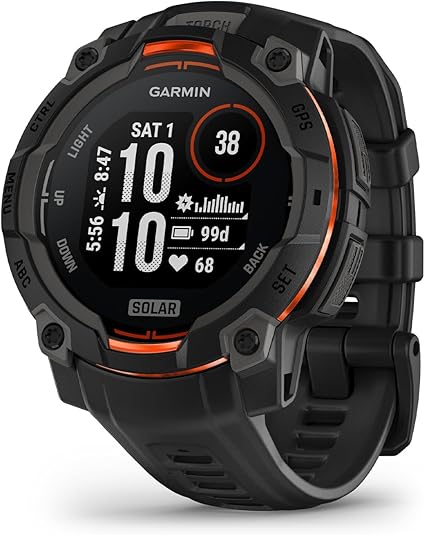
Designed for cyclists and outdoor enthusiasts alike, the Garmin Instinct 3 Solar stands out with its solar charging feature that extends the battery life practically indefinitely during daily outdoor use. Perfect for those who want a rugged smartwatch that won’t quit mid-ride or while exploring off the beaten path.
Setting it up is straightforward with Garmin OS, and the silicone band ensures a comfortable fit throughout the day, even on long bike rides. Buttons make navigation easy without needing to look at the screen constantly, and the built-in LED flashlight adds a handy touch for visibility when riding in low light.
Notifications and activity tracking help keep you connected without pulling out your phone.
Battery life doesn’t disappoint thanks to the solar charging lens, it assumes all-day wear with about 3 hours outside daily under bright conditions. The fiber-reinforced polymer case and metal-reinforced bezel make it tough enough to handle rough rides and accidental bumps.
The strongest praise highlights its durability and endurance, while the most common gripe involves the smaller 0.9” display that can be harder to read at times.
The strongest praise focuses on the watch’s solar-powered battery which can last indefinitely with enough exposure to sunlight, perfect for long bike rides and outdoor activities. The most common complaint concerns the smaller display size, which might require extra effort to view during fast-paced rides.
People who spend a lot of time outside and want a watch that can endure rough treatment and long days will be very satisfied. Those needing a larger, more visible screen or less dependency on sunlight might want to explore other options.
Pros
- Unlimited battery life with solar charging in ideal conditions
- Rugged, fiber-reinforced polymer case for tough environments
- Built-in LED flashlight with multiple light modes
- Easy-to-use button interface for navigation
Cons
- Relatively small 0.9” display can be tough to read
- Requires around 3 hours of bright sunlight daily for solar charging
| Specification | Details |
|---|---|
| Operating System | Garmin OS |
| Display Size | 0.9” |
| Case Material | Fiber-reinforced polymer |
| Water Resistance Depth | 100 meters |
| Band Material Type | Silicone |
10. Garmin Vívoactive 5

Crafted with a vibrant AMOLED display and a lightweight slate design, this watch suits cyclists looking for detailed health tracking alongside solid GPS performance. Its standout feature is the impressive battery life, lasting up to 11 days in smartwatch mode, which means fewer interruptions during long rides and daily use.
Setting it up involves connecting through Bluetooth and a straightforward touchscreen interface that makes navigation easy while on the go. Day-to-day tracking includes Body Battery energy monitoring, which integrates sleep, stress levels, and workouts to provide useful insights about your energy and recovery needs.
Built-in GPS reliably tracks routes without depending on a phone, which is handy for outdoor cycling sessions.
Performance-wise, it handles GPS tracking and health metrics comfortably for bike rides and general workouts. The construction feels solid yet light on the wrist at just 1.31 ounces, making it a good fit for extended wear.
Users praise its bright screen and battery life but note the thickness at 11.1 millimeters may feel bulky for some.
Most users appreciate the vivid display combined with extended battery life that supports long days of tracking without frequent recharging. Some find the thickness a bit bulky for continuous wear, especially if they prefer slimmer designs on the wrist.
Those wanting a watch that balances detailed health monitoring with reliable GPS will be pleased. Cyclists who prioritize a lightweight, slim profile may want to explore slimmer models, but this delivers solid performance for those who value battery endurance and comprehensive data.
Pros
- Bright, colorful AMOLED screen
- Long battery life for days of use
- Comprehensive health metrics including sleep and energy
- Built-in GPS for accurate route tracking
Cons
- Slightly bulky thickness at 11.1 millimeters
- Requires a C battery (included), less common
| Specification | Details |
|---|---|
| Display technology | AMOLED |
| Built-in GPS | Yes |
| Battery life | Up to 11 days in smartwatch mode |
| Weight | 1.31 ounces |
| Dimensions | 1.7 x 1.7 x 0.43 inches |
11. Garmin Fēnix 8

Bright AMOLED display immediately catches the eye, great for athletes and adventurers. The Garmin fēnix 8 shines with its built-in LED flashlight and multisport tracking, making it a reliable companion during bike rides and beyond. Its blend of durability and performance suits riders aiming to track stamina and workouts accurately.
Setup is straightforward with the Garmin OS, and it pairs easily for notifications and GPS activities. The touchscreen feels responsive on the silicone band that fits a wide range of wrist sizes.
Daily use includes tracking rides, strength training, and stamina without worrying about battery life thanks to up to 47 hours in GPS mode.
Performance-wise, the GPS function stays accurate during long rides, and multisport tracking covers cycling and other activities well. The stainless steel bezel adds toughness, resisting everyday knocks. Most praise praises its long battery life, while the common complaint points to the touchscreen sometimes struggling with sweaty fingers.
The longest praise focuses on its impressive battery life and bright display that stays visible in different lighting conditions. The touchscreen can occasionally struggle when your hands get sweaty, which some find inconvenient during intense rides.
Cyclists who want detailed stamina and workout tracking will appreciate this watch’s features and durability. Riders looking for a lighter, simpler device might prefer a slimmer model without an AMOLED display or stainless steel components.
Pros
- Bright, easy-to-read AMOLED display
- Long battery life in GPS mode
- Strong, durable stainless steel case
- Built-in LED flashlight for night rides
Cons
- Touchscreen less responsive with sweat
- Weight heavier than some bike watches
| Specification | Details |
|---|---|
| Battery performance | Up to 16 days in smartwatch mode; up to 47 hours in GPS mode |
| Display | 1.4” AMOLED |
| Band Material Type | Silicone |
| Case Material Type | Stainless Steel |
| Water Resistance Depth | 100 meters |
| Operating System | Garmin OS |
12. Garmin Fēnix 7X Pro Solar

Great for serious cyclists who want long battery life and advanced tracking, the Garmin fēnix 7X Pro Solar stands out with its solar charging lens that extends use without frequent recharging. It suits those who appreciate a large, clear display and a durable build made to handle rough outdoor conditions.
Setting up involves syncing with GarminOS and customizing watch faces or apps via touchscreen and buttons. Daily use benefits from its slick GPS accuracy and the solar charging that keeps the battery going for weeks in smartwatch mode. The built-in LED flashlight adds safety when riding after dark, providing adjustable brightness and strobe settings for visibility on roads or trails.
The watch tracks your routes with solid precision and measures climbing effort and endurance, so you can gauge your fitness progress clearly. Its fiber-reinforced polymer case with a steel bezel offers a tough feel but keeps weight manageable for long rides.
Strong battery life and the flashlight impress most, while some find the 51 mm size bulky for smaller wrists or tighter fits under sleeves.
The longest-lasting battery thanks to solar charging and built-in GPS makes it reliable over many days of riding without a recharge. The flashlight feature is praised for night safety, though some find the watch bulkier than preferred during rides or when worn under clothing.
Cyclists valuing endurance tracking, ruggedness, and display size will find this watch very capable. Those with smaller wrists or who prefer lightweight gear might want to explore more compact or lighter models.
Pros
- Long battery life with solar charging
- Large, easy-to-read touchscreen and buttons
- Built-in LED flashlight with multiple modes
- Durable case designed for tough conditions
Cons
- 51 mm size feels bulky for small wrists
- Heavy compared to lighter cycling watches
| Specification | Details |
|---|---|
| Display Size | 1.4” |
| Case Material | Fiber-reinforced polymer with steel rear cover |
| Water Resistance Depth | 100 meters |
| GPS | Built-in GPS |
| Operating System | GarminOS |
Best Garmin Watches for Bike Riding Comparison
| Product | Battery Life | Screen Size | GPS | Water Resistance |
|---|---|---|---|---|
| Garmin Edge 540 | 26 hours | 2.6 inches | Built-in GPS | – |
| Garmin Forerunner 165 | – | – | Built-in GPS | Water Resistant |
| Garmin Enduro 4 | – | – | Built-in GPS | Water Resistant |
| Garmin Enduro 2 | – | – | GPS Enabled | Waterproof |
| Garmin Edge Explore 2 | 16 hours | 3 inches | – | – |
| Garmin Edge 1050 | 60 hours | 3.5 inches | – | – |
| Garmin Edge 840 | – | 2.6 inches | – | – |
| Garmin Edge 1060 | – | 3.5 inches | – | – |
| Garmin Instinct 3 Solar | – | – | Built-in GPS | Water Resistant |
| Garmin vívoactive 5 | – | – | Built-in GPS | – |
| Garmin fēnix 8 | – | – | Built-in GPS | Water Resistant |
| Garmin fēnix 7X Pro Solar | – | – | Built-in GPS | Water Resistant |
- Battery Life26 hours
- Screen Size2.6 inches
- GPSBuilt-in GPS
- Water Resistance–
- Battery Life–
- Screen Size–
- GPSBuilt-in GPS
- Water ResistanceWater Resistant
- Battery Life–
- Screen Size–
- GPSBuilt-in GPS
- Water ResistanceWater Resistant
- Battery Life–
- Screen Size–
- GPSGPS Enabled
- Water ResistanceWaterproof
- Battery Life16 hours
- Screen Size3 inches
- GPS–
- Water Resistance–
- Battery Life60 hours
- Screen Size3.5 inches
- GPS–
- Water Resistance–
- Battery Life–
- Screen Size2.6 inches
- GPS–
- Water Resistance–
- Battery Life–
- Screen Size3.5 inches
- GPS–
- Water Resistance–
- Battery Life–
- Screen Size–
- GPSBuilt-in GPS
- Water ResistanceWater Resistant
- Battery Life–
- Screen Size–
- GPSBuilt-in GPS
- Water Resistance–
- Battery Life–
- Screen Size–
- GPSBuilt-in GPS
- Water ResistanceWater Resistant
- Battery Life–
- Screen Size–
- GPSBuilt-in GPS
- Water ResistanceWater Resistant
How to Choose the Best Garmin Bike Watch
Look for features like accurate GPS, long battery life, and reliable heart rate monitoring to ensure effective tracking during rides. Choosing the right specifications prevents unnecessary expenses and avoids frustration from inadequate performance on the road.
Gps Accuracy and Sensors
Accurate location tracking makes a big difference on long rides. When the GPS isn’t precise, the route mapping can show incorrect distances or miss sharp turns, which messes up your performance analysis later.
Watches with a GPS accuracy rated around 5 meters or better generally keep your rides tracked correctly. Extra sensors such as a barometer help track elevation changes more reliably than GPS alone, while accelerometers add data on movement intensity.
Many models include a built-in heart rate monitor, which saves the trouble of wearing separate chest straps. For those focused on cycling performance, support for cadence sensors and power meters is invaluable.
These connect via ANT+ or Bluetooth and measure pedal rotations and power output, giving detailed feedback on your cycling efficiency.
Battery Life
Battery life varies widely between smartwatch and GPS modes. On a full GPS tracking setting with sensors active, expect around 10 to 20 hours, enough for most long rides. Outside of rides, smartwatch mode can often last several days on a full charge.
Using power-saving modes and turning off unnecessary sensors can stretch battery life on multi-day trips.
The convenience of charging methods matters too. USB charging is standard, but some watches support quick charging that adds hours of use within minutes.
This feature is handy for topping up during short breaks, especially if you forget to fully charge before heading out.
Display and Visibility
The screen size must be large enough to see key metrics at a glance but not so big that it feels bulky. Most cycling-focused watches offer displays between 1.2 to 1.4 inches with resolutions around 240×240 pixels, providing clear readouts.
High resolution helps show graphs and maps legibly while riding.
Visibility becomes a real issue under bright sunlight. Models with transflective or always-on displays remain readable outdoors without draining battery excessively. Touchscreens can struggle when wet or with gloves, so a watch with responsive physical buttons or glove-friendly touch controls makes a big practical difference.
Comfort and Fit
Extended rides put strain on the wrist if a watch is too heavy or bulky. Lightweight designs around 50 grams and a slim profile reduce discomfort. The band plays a huge role in fit.
Silicone or fluoroelastomer straps are flexible and resist sweat, while adjustable clasps prevent slipping without pinching the skin.
Ergonomic design considerations such as curved cases that follow wrist contours help prevent pressure points. Watches with a low profile and reduced edges avoid catching on clothing or bike gear during long sessions, making them easier to forget you’re wearing.
Connectivity and Compatibility
Many cyclists pair their watch with external devices like power meters and speed sensors to collect precise ride data. Watches supporting both ANT+ and Bluetooth connect to most sensors without compatibility headaches. This ensures you can use devices from different brands together.
Syncing ride data to popular training apps like Strava and TrainingPeaks is standard. Reliable wireless options mean your data transfers automatically after the ride, simplifying workout tracking and analysis.
Some watches also allow real-time data sharing to cycling computers or phones, which helps monitor performance live.
Optimizing Your Garmin Watch Settings for Enhanced Bike Performance
Adjusting your Garmin watch settings to match your cycling routine can significantly improve the ride experience. Start by configuring the activity profiles specific to bike riding; this ensures that metrics like speed, distance, and cadence are displayed prominently.
Enabling GPS using the correct satellite systems (GPS, GLONASS, or Galileo) improves location accuracy during rides. Customize data fields to show real-time power output, heart rate zones, and elevation gain for detailed feedback. Setting up alerts for cadence or heart rate helps maintain optimal effort without constant screen checking. Use the auto-lap feature for segment tracking on popular routes, which is useful for performance comparison.
For longer rides, tweaking backlight settings and disabling unnecessary notifications can extend battery life. Integrating the watch with compatible bike sensors, such as speed or power meters, gives a more complete workout overview.
Regularly sync your device with Garmin Connect to analyze ride data and track improvements over time.
Essential Maintenance Tips to Prolong Your Garmin Watch Lifespan
Regular care keeps a Garmin watch functioning well during intense bike rides and daily use. Start by cleaning the watch and sensors after every ride to remove sweat, dirt, and dust that can degrade performance.
Use a soft cloth dampened with water, avoiding harsh chemicals that may damage the screen or seals. Check the charging port and connectors for debris to ensure reliable power flow. Avoid exposing the watch to extreme temperatures, especially during prolonged storage or while charging. Inspect the wristbands and replace them if they show signs of wear to prevent discomfort or accidental drops.
Update the device firmware regularly through Garmin Express to fix bugs and improve features. Proper storage in a dry place when not in use helps prevent moisture damage. When the watch has a removable battery model, make sure to handle replacements or servicing carefully to prevent internal damage.
Comparing Garmin Watches with Other Top Brands for Cycling Enthusiasts
Garmin watches stand out for cycling because of their comprehensive bike-specific features and compatibility with various sensors. Compared to other brands like Wahoo or Polar, Garmin offers a more extensive suite of cycling metrics, including detailed route mapping and recovery tracking. The range of models caters to different needs, from basic tracking to advanced performance analysis.
Battery life tends to be longer on Garmin devices, which benefits riders on extended tours or training sessions. Some competitors offer sleeker designs or simpler interfaces, but Garmin’s customizable screens and data fields provide a deeper layer of insights.
Integration with Garmin Connect also makes sharing and comparing ride data with a large community easy. While Garmin watches usually cost more upfront, many cyclists find value in the device durability and comprehensive tracking capabilities over time.
People Also Asked
How Do I Properly Size a Bike Watch Strap?
The strap size should fit snugly but comfortably on your wrist, leaving space for sweat and slight movement during rides. It helps to try the strap on before buying or check sizing guides online, especially since some Garmin models come with multiple bands or easy adjustment options.
What Safety Features Does a Cycling Watch Offer?
Many cycling watches include incident detection, which can alert emergency contacts if you crash, and live tracking so others know your location. It is useful to set up these features beforehand and keep your phone nearby as some functions require connectivity.
How Long Does a Cycling Watch Battery Typically Last?
Battery life varies but typically lasts between 10 to 20 hours in GPS mode while tracking a ride. You can extend this by adjusting settings like screen brightness or using battery saver modes, especially on longer rides to avoid your watch dying mid-activity.
Can My Bike Watch Sync with Popular Fitness Apps?
Most Garmin cycling watches sync with popular apps like Strava, TrainingPeaks, and Garmin Connect. Linking accounts and syncing after rides makes it simple to track your performance over time and compare data on multiple platforms.
What Are Common Problems with Cycling Watches and Solutions?
Common issues include GPS signal loss, which often resolves by restarting the watch or syncing with your phone. Another frequent problem is inaccurate heart rate readings during intense cycling; wearing the watch snugly and cleaning sensors regularly usually helps improve accuracy.
Conclusion
Accuracy in tracking speed and distance, reliable battery life for long rides, and comfort during use matter most when picking a Garmin watch for bike riding. The watch should provide clear data that helps you monitor your performance without getting in the way as you ride.
Consider how often you will ride and what your budget allows before choosing a watch. A model that fits your daily routine makes more sense than one packed with features you won’t use.
For a detailed look at different options, check the comparison table and the models discussed above.