Top 12 Best Gravel Bike for Long Distance Touring Revealed!
Riding a poorly chosen bike on a long distance tour quickly becomes a grind. The best gravel bike for long distance touring should handle rough roads without wearing you out or breaking down. Cheap or unsuitable bikes often have uncomfortable geometry, unreliable components, and flimsy frames that cause discomfort, mechanical issues, or both after dozens of miles.
Key factors that set a good touring gravel bike apart include frame material, tire clearance, and fit. Steel frames remain popular for their durability and easy repairs on the road.
Tire clearance should accommodate 40mm or wider tires for comfort and traction on mixed surfaces. Proper frame size and geometry keep your back and knees comfortable over hours in the saddle. Reliable, easily serviced drivetrains also matter for staying moving miles from the nearest bike shop.
Need a Quick Check?
| Image | Product | Price |
|---|---|---|
Our Top Picks 1  | Tommaso Sterrata Gravel | Check Price |
Our Top Picks 2  | SAVADECK T800 Carbon 1 | Check Price |
Our Top Picks 3  | SAVADECK T800 Carbon 2 | Check Price |
Our Selected Top 12 Gravel Bike for Long Distance Touring for Different Needs
This list features carefully chosen gravel bikes suited for long-distance touring, covering a range of styles and needs. Each review explains how the bike performs, identifies the ideal rider, and highlights its strengths and potential drawbacks to help you find the right fit.
1. Tommaso Sterrata Sport Aluminum Gravel Bike
Riding the Tommaso Sterrata Sport feels light and responsive, great for anyone ready to tackle both paved roads and unpaved trails on extended trips. Its greatest strength lies in its lightweight aluminum frame paired with a reliable Shimano Claris drivetrain, making it suited for intermediate riders focusing on adventure and distance.
Setup is straightforward thanks to the trigger shifters and 24-speed cassette, offering plenty of gear options to handle varied terrain without suspension. The disc brakes add confidence on descents or in wet conditions.
Day-to-day, the bike stays nimble while carrying gear, making it easy to manage on long rides and rough surfaces.
Performance shines on long distances where the bike’s sturdy build and wide gearing range keep pedaling smooth without feeling sluggish. The aluminum frame balances durability with weight savings well.
The most praised feature is its versatility on mixed surfaces, though a common note is the absence of suspension, which can feel harsh on very rough trails.
The bike is praised for handling multiple terrains with its lightweight frame and reliable drivetrain. Many appreciate its versatility but note the lack of suspension can make rough trails uncomfortable on longer rides. The disc brakes consistently deliver confidence in stopping power across conditions.
Adventure riders who prioritize lightweight gear and a wide range of gears will find it fitting. Those frequently riding extremely rocky or uneven trails might want a bike with suspension to reduce fatigue and increase comfort over time.
Pros
- Lightweight aluminum frame for easier handling
- 24-speed Shimano Claris drivetrain offers gear variety
- Disc brakes provide strong stopping power
- Designed for both paved and unpaved terrain
Cons
- No suspension for absorbing rough trail bumps
- Trigger shifters may take time to get used to
| Specification | Details |
|---|---|
| Bike Type | Adventure Bike |
| Number Of Speeds | 24 |
| Suspension Type | No-suspension |
| Brake Style | Disc |
| Bicycle Drivetrain Type | Shimano Claris |
2. SAVADECK T800 Carbon Gravel Bike
Ultra-lightweight and built to last, this gravel bike suits riders looking for a high-performance option for long-distance touring. Its standout strength lies in the T800 carbon frame, offering durability and low weight that makes long rides more manageable for both beginners and experienced cyclists.
Setting up the bike is straightforward thanks to the Shimano GRX400 groupset, which delivers smooth and precise shifting across 20 speeds. The rigid suspension and hydraulic disc brakes provide confident handling on both paved roads and unpaved trails.
Drop bars add comfort and control during extended rides, making it fit for various terrains encountered on tours.
Rides are stable and efficient, helped by the strong carbon fiber frame weighing just 10.4kg, five times stronger than aluminum alternatives. Most users find the drivetrain responsive and reliable, though some mention minor adjustments needed for perfect shifting. The bike handles well over long distances, combining lightness with solid build quality and dependable braking.
The carbon frame is exceptionally light and strong, making long rides less exhausting while maintaining durability. Shifting is precise most times, though some minor adjustments are sometimes required to keep the drivetrain perfectly smooth. Brakes perform well across different conditions.
Those seeking a reliable, lightweight gravel bike for touring on varied surfaces will appreciate this model. Riders wanting more suspension comfort over rough trails might prefer a bike with built-in shock absorption. It fits well for those prioritizing speed and responsiveness in gravel touring.
Pros
- Lightweight T800 carbon frame
- Smooth Shimano GRX400 shifting
- Hydraulic disc brakes for reliable stopping
- Suitable for both paved and unpaved terrain
Cons
- Occasional need for derailleur fine-tuning
- Rigid suspension may feel harsh on rough terrain
| Specification | Details |
|---|---|
| Bike Type | Road Bike |
| Number Of Speeds | 20 |
| Suspension Type | Rigid |
| Brake Style | Disc |
| Bicycle Gear Shifter Type | Drop Bar |
| Specific Uses For Product | Gravel |
3. SAVADECK T800 Carbon Gravel Bike
Carbon fiber forms the core of this gravel bike, making it incredibly light yet strong. Suited for riders seeking a reliable bike for long distance touring on gravel or unpaved trails. Its standout feature is the ultralight T800 frame that balances strength and weight extremely well.
Setting up the bike feels straightforward thanks to the unisex design that fits a wide range of riders. The Shimano drivetrain with 22 speeds offers smooth and precise shifting for various terrains you might encounter daily. Dual disc brakes provide confidence when slowing down, and the rigid suspension keeps the ride efficient on long tours.
Performance on rough surfaces is solid, delivering race-ready gear changes that hold tight even over extended use. The frame’s carbon fiber construction offers a good mix of power transfer and comfort. Common praise highlights the bike’s light weight and reliable shifting, while some mention the stiffness of the rigid front fork could reduce shock absorption on rough roads.
Strongest praise revolves around the bike’s lightweight carbon frame and precision Shimano shifting making long rides easier. Most common complaint points to the rigid fork that might feel harsh on bumpy surfaces, affecting comfort over time.
Those focused on fast, reliable gravel touring will appreciate the design and components. Riders wanting extra cushioning or more suspension travel for rougher trails may want to consider other options better suited to absorbing shocks.
Pros
- Very light frame at 10.4kg
- Reliable Shimano drivetrain
- Dual disc brakes for strong stopping power
- Good fit for all rider levels
Cons
- Rigid suspension feels stiff on rough roads
- Not optimized for intense off-road shock absorption
| Specification | Details |
|---|---|
| Bike Type | Road Bike |
| Number Of Speeds | 22 |
| Suspension Type | Rigid |
| Brake Style | Disc |
| Bicycle Gear Shifter Type | Trigger |
| Intended Riding Terrain | Gravel, Unpaved Trails |
4. Tommaso Siena Sport Aluminum Gravel Bike

Lightweight aluminum frame stands out for anyone looking for a gravel bike that handles mixed surfaces with ease. Best suited for beginners, it offers solid performance on long rides thanks to its straightforward design and reliable Shimano Tourney drivetrain.
Setting up the bike is simple, with a 21-speed trigger shifter that helps you smoothly tackle varying terrain. Day-to-day rides feel comfortable since the bike is designed without suspension, keeping things efficient on gravel and unpaved trails. Disc brakes provide good stopping power, enhancing safety on long tours and rough roads.
It excels at delivering steady performance on gravel and road conditions, thanks to its adventure-ready build. The aluminum frame is durable yet light enough for extended riding.
Reviews often mention how dependable the bike is over long distances, but some wish it had a suspension system for added comfort on rougher trails.
Most praise highlights the bike’s dependable performance and strong build quality on long gravel rides. The common complaint focuses on the absence of suspension, which can make bumpier trails less comfortable over extended distances.
Beginners interested in straightforward, reliable touring on gravel and roads will find it suits their needs well. Riders looking for more advanced features or added trail comfort might prefer a bike with suspension and higher-end components.
Pros
- Lightweight aluminum frame for easier long rides
- Disc brakes provide reliable stopping power
- 21-speed Shimano Tourney drivetrain for versatile gearing
- Trigger shifters offer smooth gear changes
Cons
- Lacks suspension, which can reduce comfort on rough trails
- Basic component levels may limit advanced rider needs
| Specification | Details |
|---|---|
| Bike Type | Adventure Bike, Road Bike |
| Number Of Speeds | 21 |
| Brake Style | Disc |
| Frame Material | Aluminum |
| Gear Type | cassette |
| Bicycle Drivetrain Type | Shimano Tourney |
5. Pipleo 700C City Commuter Road Bike
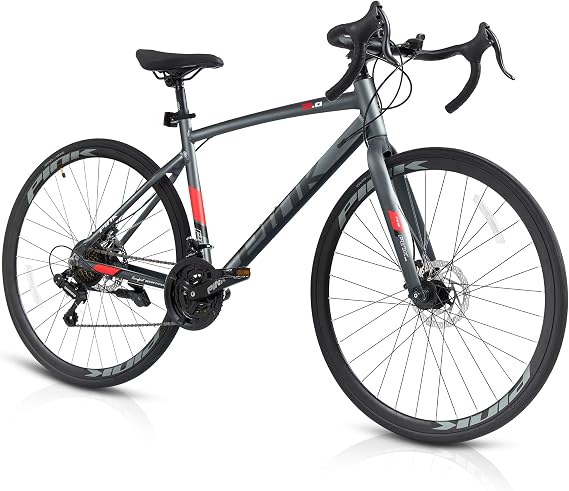
For anyone needing a fast and reliable bike that handles both city streets and gravel roads, this bike stands out with its precise SHIMANO 21-speed drivetrain. It suits riders chasing smooth gear changes paired with solid stopping power for long distance touring on varied pavement and light off-road routes.
Setup involves minimal fuss thanks to the cable routing inside the frame, which also cuts down on wind resistance. The front suspension softens bumps, and the 700x28C armored tires grip well on rough surfaces. Daily rides feel stable and controlled, with the disc brakes offering confident stops regardless of road conditions.
Speed control is impressive with pro-level shifting that reacts quickly and smoothly. The full internal frame and double-wall rims contribute to durability, tackling gravel with ease.
Strong points include the low maintenance drivetrain and dependable braking. Some users note that the tire width might not suit extreme off-road trails perfectly, making it more tailored for mixed urban and light gravel use.
The precise shifting and durable double-wall rims get consistent praise for making rides efficient and low maintenance. Some riders find the tire size better suited to urban and light gravel trails rather than deep off-road cycling. Stopping power with dual-disc brakes is a highlight.
Cyclists prioritizing smooth gear changes and confident braking on mixed surfaces will be happy with this bike. Those planning to tackle very rough off-road terrain or needing full suspension might want to explore other options with wider tires and enhanced cushioning.
Pros
- 21-speed SHIMANO HyperGlide+ drivetrain for smooth shifting
- Full internal cable routing reduces drag and protects lines
- Dual-disc brakes provide strong, reliable stopping power
- 700x28C armored tires handle gravel and city roads well
Cons
- Tire width may limit performance on very rough off-road trails
- Front suspension only, no rear suspension for extra comfort
| Specification | Details |
|---|---|
| Bike Type | Road Bike |
| Number Of Speeds | 21 |
| Suspension Type | Front |
| Brake Style | Disc |
| Intended Riding Terrain | Paved Roads, Urban Terrain |
6. SAVADECK T800 Carbon Gravel Bike

Long days on mixed terrain call for a gravel bike that handles uneven surfaces without weighing you down. Perfect for touring enthusiasts who value a lightweight build and a wide gear range, it shines in delivering consistent performance across paved roads and unpaved trails.
Its standout feature is the carbon T800 frame that balances strength with lightness so well.
Setup centers around the SHIMANO GRX drivetrain with 12 speeds ready to tackle steep climbs or flat stretches smoothly. Shifting is reliable thanks to the GRX610 shifters paired with an RX822 rear derailleur, making gear changes responsive and precise.
The rigid suspension and disc brakes add to ride control and safety without unnecessary complexity, suitable for steady touring days.
The bike’s core job of handling long-distance gravel rides feels spot on with a frame that delivers durability and a weight of only 10.4kg. Riders frequently point out how sturdy the carbon fiber feels while providing a light ride quality. Some mention the rigid suspension can transmit vibrations on roughest trails, which may affect comfort over very long rides.
The SAVADECK T800 Carbon Gravel Bike stands out for its lightweight frame and precise Shimano GRX drivetrain, making it easy to handle both steep climbs and flat stretches. Riders often mention the smooth gear changes thanks to the 12-speed M6100 cassette. Common complaints reference the bike’s price point being on the higher side compared to aluminum models.
Cyclists planning long distance touring on mixed terrain will appreciate the strong, lightweight carbon frame and reliable components. Those looking for a budget-friendly option or a simpler setup for casual rides might prefer alternatives with fewer high-end features, especially if weight and performance are less of a priority.
Pros
- Lightweight T800 carbon fiber frame at 10.4kg
- Wide gear range with 12-speed SHIMANO GRX setup
- Disc brakes offer reliable stopping power
- Rigid suspension provides direct power transfer
Cons
- Rigid fork may cause discomfort on rough terrain
- Limited suspension adjustment options for varied trails
| Specification | Details |
|---|---|
| Bike Type | Gravel Bike |
| Number Of Speeds | 12 |
| Suspension Type | Rigid |
| Brake Style | Disc |
| Bicycle Drivetrain Type | chain drive |
7. Pair 700x40c Foldable Gravel Bike Tires

A 1mm nylon anti-puncture layer gives these tires impressive durability, ideal for long distance touring on varied surfaces. Best for riders looking to combine toughness and reliable protection on gravel, road, or hybrid bikes, these foldable tires fit 700c and 28 inch wheels and handle rough conditions well.
Setting up the tires is straightforward thanks to the kevlar foldable bead, which folds down nicely for compact storage or as a spare. Day-to-day use reveals their solid build with a weight of 560 grams each, striking a balance that doesn’t add too much bulk while maintaining strength. They can handle commuting, touring, and gravel rides comfortably with ease of fitting.
These tires perform well under various touring conditions, offering resistance to flats via their nylon protection layer. The main praise involves durability and how well the tires protect from sharp objects, while a common complaint is that the tire weight might feel a bit heavier compared to racing-specific tires.
They hold up well for their purpose.
The most notable feature praised is the durability provided by the 1mm nylon anti-puncture layer, which effectively reduces flats during gravel and touring rides. The most frequent complaint mentions how the tire weight feels a bit on the heavier side compared to lighter speed-focused tires.
Touring cyclists who prioritize flat protection and reliable all-terrain performance will find these tires well-suited to their needs. Those seeking extremely lightweight options for speed might want to consider tires designed specifically for racing or road performance instead.
Pros
- Strong puncture resistance from nylon layer
- Folds compactly for easy transport and storage
- Compatible with diverse bike types
- Reasonable weight for touring tires
Cons
- Heavier than racing-oriented tires
- May require careful matching to wheel size
| Specification | Details |
|---|---|
| Size | 700 x 40c, ETRTO 42-622, 28×1.60 |
| Weight (each tire) | 560 grams |
| Protection Layer | 1mm nylon anti-puncture |
| Bead Type | Folding kevlar bead |
| Compatible Bikes | Gravel, road, commuter, hybrid, touring, electric |
| Warranty | 1 year |
8. WTB Vulpine 700c Gravel Bike Tire

Gravel riders who want a fast, reliable tire for long rides and mixed terrain will appreciate the WTB Vulpine 700c. It’s designed for racers but suits anyone looking to reduce rolling resistance without sacrificing grip.
Its main strength lies in balancing speed with traction on gravel and pavement alike.
Setting it up tubeless makes day-to-day use smoother, cutting down on flats and improving ride comfort. The tightly spaced center knobs help keep it rolling quickly on hardpack or paved sections, while the short knobs on the sides give solid cornering traction. The light weight contributes to easier handling and less fatigue over long distances.
Performance on gravel is confident and predictable, making this tire suited to both intense racing and casual touring. Its folding bead adds portability without sacrificing durability.
It excels on dry surfaces but might feel less secure on very loose or muddy ground. Most praise highlights its speed and grip; the biggest gripe is the tan color showing dirt easily.
Users appreciate the tire’s fast rolling and confident grip across various terrains, making it a favorite for mixed-surface rides. Dirt visibility on the tan sidewall is the most frequent complaint, especially on muddy routes.
Anyone prioritizing speed and reliable traction on hard, dry trails will be happy with this tire. Riders expecting to tackle loose or muddy conditions regularly might want to consider alternatives with more aggressive tread.
Pros
- Low rolling resistance on gravel and pavement
- Predictable cornering traction with short knobs
- Tubeless-ready for fewer flats
- Lightweight at 391 g for easy handling
Cons
- Tan color shows dirt quickly
- Less grip on very loose or muddy surfaces
| Specification | Details |
|---|---|
| Brand Name | WTB |
| Item Weight | 391 g |
| Color | Tan |
| Model Number | W010-0941 |
| Item Highlight | Tubeless-Ready Folding Bead, Light & Fast Rolling |
9. SAVADECK T800 Carbon Gravel Bike

Ultra-light build and professional-grade components make this gravel bike ideal for long-distance touring enthusiasts who want to cover varied terrain with less effort. Its standout feature is the T800 carbon fiber frame, offering a significant weight advantage that helps reduce fatigue during extended rides.
Day-to-day use reveals a bike that feels nimble and responsive thanks to its lightweight design. The U6000 shifters and U6020 rear derailleur provide smooth, reliable gear changes without hiccups on paved roads or unpaved trails.
Rigid suspension and disc brakes give confident control and stopping power, setting it up as a dependable companion for exploring mixed terrain.
Performance is strong with precise shifting and durable carbon construction that keeps weight amazingly low at just 10.4kg (22.92 lbs). The frame’s strength-to-weight ratio is notably higher than aluminum alternatives, translating to less rider fatigue on long rides. One downside is the limited gear range with only 10 speeds, which might not suit steep or highly variable terrain for some riders.
Shifting remains crisp and dependable thanks to professional-grade components, but the 10-speed setup can fall short on steeper or more technical routes. The bike’s lightweight carbon frame is praised for reducing rider fatigue, making long rides feel less taxing overall.
This bike suits riders who prioritize lightness and efficient gear transitions on mixed surfaces. Those needing a wider gear range or more suspension comfort should look for other models better suited to rougher terrains and steeper climbs.
Pros
- Ultra-lightweight T800 carbon fiber frame
- Crisp, reliable shifting with professional-grade components
- Strong disc brake stopping power
- Suitable for both paved roads and rough trails
Cons
- Only 10 speeds may limit gear options
- Rigid suspension offers less comfort on very rough terrain
| Specification | Details |
|---|---|
| Bike Type | Gravel Bike |
| Number Of Speeds | 10 |
| Suspension Type | Rigid |
| Brake Style | Disc |
| Bicycle Drivetrain Type | chain drive |
| Intended Riding Terrain | Paved Roads, Unpaved Trails |
10. SAVADECK Gelaro S8 Carbon Gravel Bike

SAVADECK Gelaro S8 Carbon Gravel Bike offers an impressively light ride combined with reliable shifting, making it perfect for anyone planning long-distance tours on mixed terrain. Its standout feature is the T800 carbon frame that keeps the weight down to just 9.8kg while staying strong enough for tough trails.
Setting up the bike felt straightforward thanks to the Shimano GRX820 drivetrain, which shifts smoothly across its 12-speed cassette. Riding day to day, the dual disc brakes deliver consistent stopping power in varied conditions.
The rigid suspension keeps the ride stable without the complexity of extra shock components, making maintenance simpler during long trips.
Performance-wise, the bike climbs well and handles both paved and unpaved roads confidently, thanks to its lightweight carbon and precise gearing. The carbon frame is known for its durability and lightweight design. A common downside mentioned is the rigid suspension, which can make rough terrain a bit harsher compared to bikes with suspension.
Users praise the carbon frame’s lightweight strength and crisp Shimano shifting, which hold up well on long rides. The most common complaint is the lack of suspension, which can translate into a tougher ride on bumpy trails. However, the simplicity also reduces mechanical issues on extended tours.
Anyone looking for a durable, light gravel bike with precise gear control will find it suitable. People prioritizing comfort over rough surfaces might want to look for models with suspension to reduce impact on extended off-road journeys.
Pros
- Lightweight T800 carbon frame at 9.8kg
- Smooth, precise Shimano GRX820 12-speed shifting
- Reliable dual disc braking for varied conditions
- Simple rigid suspension for easier maintenance
Cons
- Rigid suspension can feel harsh on rough terrain
- Not ideal for riders needing shock absorption
| Specification | Details |
|---|---|
| Bike Type | Gravel Bike |
| Weight | 9.8kg / 21.6 lbs |
| Drivetrain | SHIMANO GRX820, 12-speed |
| Brake Style | Dual Disc Brake |
| Suspension Type | Rigid |
| Intended Terrain | Paved Roads, Unpaved Trails |
11. Canyon Grail:ON CF 7 AXS

Riding smooth and strong, this bike suits long-distance gravel touring where power and comfort matter most. Its biggest strength lies in combining a lightweight carbon frame with a powerful electric drive that keeps exhaustion at bay on tough, unpaved trails.
Setting up the bike involves adjusting the seat and familiarizing yourself with the 12-speed cassette and trigger shifters. Day to day, the Bosch Performance Line CX motor offers extra muscle when the terrain gets demanding, while dual disc brakes ensure reliable stopping power in all conditions.
The rigid suspension lets you feel every mile without added weight or complexity.
Built to handle mountain terrain and unpaved trails, it carries a solid 500Wh battery that supports rides up to about two hours of electric assist. Its carbon frame keeps it light enough to enjoy quick handling, yet durable for rough roads. Most praise focuses on how much further the electric assist lets you ride, though battery life can limit longer adventures without planning recharges.
The biggest compliment is how much the electric assist extends your range tackling tough rides without wearing you out. The most frequent drawback is the limited battery life that requires some rides to be carefully planned to avoid running out of juice.
Anyone looking to cover more ground with less fatigue on gravel and mixed terrain will be pleased. Those aiming for extended rides without recharging might want to consider models with larger battery capacity or alternative setups.
Pros
- Lightweight carbon frame offers comfort and strength
- Powerful Bosch Performance Line CX motor
- Dual disc brakes for dependable stopping
- Adjustable seat for personalized fit
Cons
- Electric assist battery lasts only about 2 hours
- Rigid suspension may feel harsh on very rough terrain
| Specification | Details |
|---|---|
| Bike Type | Gravel Bike |
| Number Of Speeds | 12 |
| Suspension Type | Rigid |
| Power Source | Electric |
| Lithium Battery Energy Content | 33.3 watt-hours |
| Battery Life | 2 hours |
12. Maxxis Rambler Gravel Bike Tire

Great for long-distance gravel touring, this tire handles diverse terrain without slowing you down. Its biggest strength lies in balancing grip with smooth rolling, making it versatile for extended rides across different surfaces.
Setting up the tire is straightforward, thanks to its tubeless-ready design that helps prevent flats on long routes. The EXO sidewall protection helps prevent cuts and abrasions, and the tan sidewalls give the tire a unique appearance. With a weight of 473 g, it’s light enough to keep your bike nimble throughout daily use and long-distance tours.
The tread uses two rubber compounds, one for fast rolling on the center and another for extra grip on the sides, which works well for riding on mixed surfaces. The 120 TPI casing keeps the tire flexible yet strong.
Positive notes often mention its durable sidewalls and reliable grip, while some complaints focus on its grip not quite matching more aggressive tires in muddy conditions.
The tire gets strong praise for its durable sidewalls and effective balance between grip and fast rolling. Some users find that in wet or muddy conditions, the grip is not as confident compared to more aggressive tires. Daily use on long gravel tours is generally reliable due to its tubeless-ready setup and protective EXO material.
Riders wanting a dependable tire for varied long-distance gravel rides will appreciate the combination of features here. Those who frequently face muddy or technical off-road sections might want to look for tires with more aggressive tread for better control in slippery conditions.
Pros
- Good balance of rolling speed and grip
- Tubeless ready for fewer flats
- EXO sidewall guards against cuts
- Tan sidewalls add visual appeal
Cons
- Grip can lag on very muddy terrain
- Side knobs may feel a bit firm on sharp turns
| Specification | Details |
|---|---|
| Brand Name | Maxxis |
| Color | Tan |
| Item Weight | 473 g |
| Included Components | 700x40C – EXO, Rambler Tan Dual Compound Tire, TB00329600 |
| Manufacturer Part Number | 1302864162 |
| Tubeless Ready | Yes |
Best Gravel Bikes for Long Distance Touring Comparison
| Product | Bike Type | Number Of Speeds | Suspension Type | Intended Riding Terrain |
|---|---|---|---|---|
| Tommaso Sterrata Gravel | Adventure Bike | 24 | no-suspension | Paved Roads, Unpaved Trails |
| SAVADECK T800 Carbon 1 | Road Bike | 20 | Rigid | Paved Roads, Unpaved Trails |
| SAVADECK T800 Carbon 2 | Road Bike | 22 | Rigid | Gravel, Unpaved Trails |
| Tommaso Siena Gravel | Adventure Bike, Road Bike | 21 | no-suspension | Gravel, Road, Trail |
| Pipleo 700C City Bike | Road Bike | 21 | Front | Paved Roads, Urban Terrain |
| SAVADECK T800 Carbon 3 | Gravel Bike | 12 | Rigid | Paved Roads, Unpaved Trails |
| Pair Foldable Gravel Tires | – | – | – | – |
| WTB Vulpine Gravel Tire | – | – | – | – |
| SAVADECK T800 Carbon 4 | Gravel Bike | 10 | Rigid | Paved Roads, Unpaved Trails |
| SAVADECK Gelaro S8 | Gravel Bike | 12 | Rigid | Paved Roads, Unpaved Trails |
| Canyon Grail:ON CF 7 | Gravel Bike | 12 | Rigid | Gravel, Road |
| Maxxis Rambler Tire | – | – | – | – |
- Bike TypeAdventure Bike
- Number Of Speeds24
- Suspension Typeno-suspension
- Intended Riding TerrainPaved Roads, Unpaved Trails
- Bike TypeRoad Bike
- Number Of Speeds20
- Suspension TypeRigid
- Intended Riding TerrainPaved Roads, Unpaved Trails
- Bike TypeRoad Bike
- Number Of Speeds22
- Suspension TypeRigid
- Intended Riding TerrainGravel, Unpaved Trails
- Bike TypeAdventure Bike, Road Bike
- Number Of Speeds21
- Suspension Typeno-suspension
- Intended Riding TerrainGravel, Road, Trail
- Bike TypeRoad Bike
- Number Of Speeds21
- Suspension TypeFront
- Intended Riding TerrainPaved Roads, Urban Terrain
- Bike TypeGravel Bike
- Number Of Speeds12
- Suspension TypeRigid
- Intended Riding TerrainPaved Roads, Unpaved Trails
- Bike Type–
- Number Of Speeds–
- Suspension Type–
- Intended Riding Terrain–
- Bike Type–
- Number Of Speeds–
- Suspension Type–
- Intended Riding Terrain–
- Bike TypeGravel Bike
- Number Of Speeds10
- Suspension TypeRigid
- Intended Riding TerrainPaved Roads, Unpaved Trails
- Bike TypeGravel Bike
- Number Of Speeds12
- Suspension TypeRigid
- Intended Riding TerrainPaved Roads, Unpaved Trails
- Bike TypeGravel Bike
- Number Of Speeds12
- Suspension TypeRigid
- Intended Riding TerrainGravel, Road
- Bike Type–
- Number Of Speeds–
- Suspension Type–
- Intended Riding Terrain–
How to Choose the Right Gravel Bike for Touring
Choosing the right gravel bike for long distance touring means focusing on comfort, durability, and ample storage options. These factors ensure a smoother ride and reduce maintenance issues on the road, ultimately saving money and preventing unexpected troubles during your journey.
Frame and Geometry
On long rides, a frame that doesn’t prioritize comfort and stability quickly becomes a source of pain and frustration. A well-designed geometry for endurance means a more upright position that eases pressure on the back and shoulders over hours in the saddle. Frames that allow adequate clearance for wider tires and mudguards make a difference when the terrain varies from gravel to wet paths.
Too narrow clearance forces riders to choose between comfort and protection from dirt, which can wear down components faster and add to fatigue.
Material choice also changes how the bike feels after many miles. Steel frames offer durability and a bit of natural flex that soaks up bumps, while aluminum saves weight but can feel harsher on rough surfaces.
Carbon frames can cut weight significantly but tend to be pricier and need careful handling. A frame weight between 2 and 3 kilograms is common, balancing stiffness with ride comfort on long tours.
Tire Compatibility and Wheel Size
Fitting tires wide enough to handle rough roads and loose gravel helps maintain control and comfort. Bikes that support tires 40mm wide or more tend to perform better on mixed surfaces. Many also support tubeless tires, which reduce the risk of punctures and allow running lower air pressure without pinch flats.
This combination improves grip and comfort on bumpy routes.
Wheel size impacts both speed and handling. The traditional 700c wheels roll faster on smooth to moderately rough paths and keep momentum, but 650b wheels allow even wider tires without affecting handling much and are a good choice for aggressive terrain. Tubeless-ready rims simplify repairs on the road and cut down on stoppage time from flats, which is critical during long tours in remote areas.
Gearing and Drivetrain
A wide gear range is essential to tackle steep hills while carrying gear. Bikes with a rear cassette offering around 11-42 teeth or lower provide the low-end grunt needed for loaded climbs.
Pairing this with a small chainring front setup helps keep cadence steady and rider effort manageable. Less complex drivetrains often prove more reliable and easier to fix without special tools when far from service.
Smooth, consistent shifting reduces fatigue as it allows the rider to maintain rhythm and focus on the road. Mechanical groupsets are preferred by many for their reliability and easier roadside repairs compared to electronic options.
Choosing components known for durability and availability of spare parts is smart for multi-day journeys in less accessible areas.
Loadcarrying Capacity and Mounts
Mount points for racks, panniers, and bottle cages directly affect how much luggage can be carried and how well the bike handles with weight. Bikes with multiple eyelets on the frame and fork allow for secure load distribution, minimizing frame stress and improving balance.
Lack of sufficient mounts forces awkward packing solutions that affect control and comfort.
A strong frame, often steel or reinforced aluminum, supports heavier loads without compromising safety or handling. Riders carrying 25 kilograms or more of gear need a frame tested for these weights to avoid damage on long treks.
A well-balanced setup prevents the bike from feeling twitchy or unstable, which can be exhausting over time.
Comfort and Ergonomics
Long days in the saddle demand handlebar designs that offer multiple hand positions to relieve pressure points. Flared drop bars or handlebars with ergonomic shapes help adapt grip during climbs, flats, and descents, reducing numbness in the wrists and hands. Small adjustments in bar width and reach can significantly affect overall comfort during extended rides.
Saddle comfort varies widely, so attention to padding, shape, and adjustability is vital. Saddles with pressure relief channels or cutouts reduce soreness in sensitive areas, especially when hours add up.
Vibration damping features built into the frame or components, such as carbon seatposts or shock-absorbing bar tape, further diminish fatigue by softening road buzz over rough terrain.
Preparing Your Gravel Bike for Extended Touring Adventures
Tires play a key role in long distance touring on gravel bikes. Opting for wider tires with puncture-resistant layers and tread patterns suited for mixed surfaces provides better comfort and reduces the chance of flats. Installing racks and panniers designed to carry heavy loads without affecting bike handling makes packing easier and more secure.
Adjusting the bike’s geometry by tweaking the saddle height and handlebar position helps maintain a comfortable riding posture over hours in the saddle. Adding extra water bottle cages and mounting points for gear increases capacity for essentials like tools, food, and hydration.
Before heading out, check the brakes for responsiveness to ensure safety on varied terrain. Spending time setting up your gravel bike with these practical modifications improves your experience on long distances and helps prevent unexpected issues along the way.
Essential Maintenance Tips to Keep Your Gravel Bike Road-Ready
Regularly cleaning your gravel bike after rides removes grit and grime that wear down components. Lubricate the chain approximately every 100-150 miles or more often if conditions are muddy or wet to maintain smooth shifting and prevent rust. Inspect brake pads for thinning and replace them promptly to retain stopping power.
Check tire pressure before each ride; running tires slightly lower than road bike tires offers better grip on gravel but avoid too low to prevent pinch flats. Tighten bolts on racks and panniers to keep loads stable.
Inspect spokes for tension and wheels for trueness to avoid wobbling that can affect control and cause additional wear. Paying attention to these maintenance steps ensures your bike stays reliable and ready for the next haul.
Comparing Gravel Bikes to Other Touring Bike Options for Long Distance Rides
Gravel bikes offer versatility unmatched by traditional touring bikes. Unlike classic touring models built primarily for paved roads with heavy loads, gravel bikes handle a broader range of surfaces including dirt and rough trails, making route planning more flexible.
Compared to cyclocross bikes, gravel bikes usually provide more comfortable geometry aimed at longer rides and better stability when carrying gear. Some gravel bikes come with wider tires and greater tire clearance, which helps in absorbing shocks over uneven terrain. While mountain bikes have excellent off-road capability, they tend to be heavier and less efficient over long distances on mixed surfaces.
Choosing a gravel bike strikes a balance between comfort, load carrying, and multi-surface performance for long distance touring.
People Also Asked
How Do I Choose the Right Size Gravel Bike for Touring?
Choosing the right size gravel bike means matching the frame size to your height and leg length for comfort and efficiency. Test rides help, focusing on how the bike fits while seated and standing over the frame to avoid discomfort during long rides.
What Are Common Maintenance Tips for a Gravel Bike on Long Trips?
Regularly check tire pressure, brake function, and drivetrain cleanliness on long trips to keep the bike running smoothly. Carry basic tools and spares like an extra tube and a multi-tool for quick fixes on the road.
How Long Can a Gravel Bike Frame Typically Last with Regular Use?
A gravel bike frame can last many years with normal use, often a decade or more depending on the material and care. Inspect welds and frame integrity periodically, especially after rough rides or crashes.
Are Gravel Bike Tires Compatible with All Types of Touring Gear?
Gravel bike tires work with most touring gear but narrower tires may limit carrying capacity or stability. Use wider, sturdier tires when you plan heavy loads or rough terrain to avoid flats and improve comfort.
What Safety Gear Is Essential When Riding a Gravel Bike on Highways?
A good helmet, reflective clothing, and front and rear lights are essential for highway safety on a gravel bike. Wearing visible colors and using lights day and night improve visibility to drivers significantly.
Conclusion
Comfort over long hours, durability to handle varied terrain, and the ability to carry your gear safely are the most important things to look for in a gravel bike meant for long distance touring. Tire clearance for wider tires and stable handling also make a significant difference on rough roads.
Think about where you’ll store the bike and how much riding you realistically plan to do before choosing your budget. It helps to revisit the comparison table and read the detailed descriptions above to find the right balance between features and price for your trip plans.