
Top 12 Best Gravel Bike with Suspension You Can’t Miss!
Riding a gravel bike without proper suspension often means dealing with constant jolts and vibrations, making long rides uncomfortable and sometimes painful. The best gravel bike with suspension smooths out rough trails and loose surfaces, preventing fatigue and potential joint strain.
Many riders know how a cheaply made or ill-fitted bike can ruin the experience, leaving them wishing for better shock absorption and control.
The main differences in a good gravel bike with suspension come down to the quality of the suspension system, frame material, and bike fit. Suspension travel usually ranges from 20 to 40 millimeters, enough to soften impacts without sacrificing pedaling efficiency. Frames made from aluminum or carbon fiber balance weight and durability, while a proper fit ensures comfort and handling precision.
These factors combined determine how well the bike handles rough terrain and long distances.
Need a Quick Check?
| Image | Product | Price |
|---|---|---|
Our Top Picks 1  | Huffy Stone Mountain | Check Price |
Our Top Picks 2  | Tommaso Sterrata Gravel | Check Price |
Our Top Picks 3  | SAVADECK T800 Gravel | Check Price |
Our Selected Top 12 Gravel Bike with Suspension Worth Buying
This selection features twelve gravel bikes with suspension, built to improve ride comfort and control across different terrains. Each review covers performance characteristics, ideal user profiles, and highlights both strengths and potential drawbacks to help you find the best fit for your riding needs.
1. Huffy Stone Mountain Bike
Standing out with its dual suspension system, this bike suits beginners looking for comfort on gravel and trail rides. Its biggest strength is the combination of front and rear shock absorbers that smooth out bumpy terrain without complicating the ride.
Assembly is straightforward, making it ready for quick adventures. Twist grip shifters operate the 21-speed Shimano drivetrain, letting you shift smoothly through a wide range of gears. The adjustable seat and sturdy kickstand add everyday convenience, tailored to weekend riders or those exploring mountain paths at a steady pace.
Handling rough trails feels controlled thanks to the front suspension fork and rear spring shock absorbing bumps effectively. The steel frame feels solid and durable, dressed in a modern gray gloss with red accents. Most praise highlights the comfortable ride and ease of use, while common notes mention the bike’s weight as a drawback for more aggressive riding.
The dual suspension setup and 21-speed drivetrain provide comfort and versatility on mixed terrain. Many appreciate its smooth ride and beginner-friendly design, while weight and suitability for very rugged trails stand out as common concerns.
This bike suits those new to gravel riding who prioritize comfort and reliable shifting on moderate trails. Riders wanting a lighter, more performance-focused bike for technical mountain paths should look elsewhere.
Pros
- Front and rear suspension for smooth rides
- 21-speed Shimano gear system
- Durable steel frame with stylish design
- Adjustable seat and easy assembly
Cons
- Heavier than more race-oriented gravel bikes
- Not designed for very aggressive mountain terrain
| Specification | Details |
|---|---|
| Bike Type | Mountain Bike |
| Number Of Speeds | 21 |
| Suspension Type | Dual |
| Brake Style | Dual linear pull |
| Bicycle Gear Shifter Type | Twist Grip |
2. Tommaso Sterrata Sport Gravel Bike
Tommaso Sterrata Sport Gravel Bike suits riders looking for a lightweight adventure bike that handles both paved and unpaved roads well. Its biggest strength lies in its versatility and smooth shifting, making it ideal for intermediate cyclists who want a reliable bike without suspension but with responsive disc brakes.
Setting up the bike is straightforward thanks to the 24-speed Shimano Claris drivetrain with front and rear derailleurs. The trigger gear shifters make switching gears quick and precise during rides.
Its lightweight frame makes it easy to carry over rough terrain, while the disc brakes provide solid stopping power in varied conditions. Handles are standard, giving good control across different surfaces.
Performance is steady on gravel and pavement, delivering consistent power through the Shimano cassette gears. The durable build supports rough adventure rides without suspension, which some might find less comfortable on very bumpy trails. Many highlight its smooth gear changes as a plus, though the lack of suspension is a common drawback for those wanting more shock absorption.
It’s practical and well-constructed for its price point.
Many appreciate the smooth and reliable gear shifting paired with strong braking, making the bike great for mixed surfaces. Most point out the absence of suspension as a downside, especially on rough terrain where extra cushioning would improve comfort.
Riders who prioritize lightweight design and efficient gearing on moderate trails will be satisfied. Those seeking plush rides over rocky or technical paths might want to consider a bike with suspension instead.
Pros
- Lightweight frame for easier handling
- Smooth shifting with Shimano Claris
- Disc brakes provide strong stopping power
- Wide gear range for varied terrain
Cons
- No suspension for absorbing rough bumps
- Not ideal for very technical trails
| Specification | Details |
|---|---|
| Bike Type | Adventure Bike |
| Number Of Speeds | 24 |
| Suspension Type | no-suspension |
| Brake Style | Disc |
| Bicycle Drivetrain Type | Shimano Claris |
| Intended Riding Terrain | Paved Roads, Unpaved Trails |
3. SAVADECK Carbon Gravel Bike T800
Riding on gravel feels light and responsive thanks to the carbon frame that keeps things agile without sacrificing strength. Perfect for anyone wanting a versatile bike that handles unpaved trails with ease and offers a straightforward design for both beginners and more practiced riders. Its lightweight T800 carbon fiber construction is the biggest strength here.
Setup is easy, with precise Shimano U6000 shifters and a rear derailleur making gear changes smooth and reliable on varied terrain. Dual disc brakes offer confidence when descending or stopping quickly, while the rigid suspension means you feel every bump but benefit from a direct connection to the path.
The unisex design covers most rider builds comfortably.
Handling gravel and unpaved trails suits this bike well, with a solid build that stays durable yet light at just 22.92 lbs. Shimano drivetrain components contribute to crisp shifting, one of its best features according to reviews. Common feedback points to the rigid suspension as less forgiving on rough ground, which might not suit everyone looking for extra comfort.
Durability combined with lightweight T800 carbon fiber brings responsive, crisp gear shifting appreciated by many. The trade-off is a rigid setup that transmits trail bumps directly to the rider, which some find uncomfortable on rough routes.
Those aiming for speed and efficiency on gravel will find the design fitting well. Riders prioritizing comfort over every bump might want to explore bikes with suspension systems for a softer ride experience.
Pros
- Ultra-light frame at just 10.4kg
- Reliable, professional-grade Shimano drivetrain
- Effective dual disc brakes for control
- Unisex frame fitting a wide range of riders
Cons
- Rigid suspension offers little shock absorption
- May feel harsh on very rough trails
| Specification | Details |
|---|---|
| Bike Type | Road Bike |
| Number Of Speeds | 22 |
| Suspension Type | Rigid |
| Brake Style | Disc |
| Bicycle Gear Shifter Type | Trigger |
| Intended Riding Terrain | Gravel, Unpaved Trails |
4. Aluminum Full Suspension Mountain Bike

Great value for riders between 5’2 and 5’11 who want a dual suspension gravel bike that smooths out rough trails. Its biggest strength lies in combining front and rear suspension to tackle uneven surfaces comfortably while maintaining reliable gear shifting through 21 speeds.
Adjusting the seat is straightforward, allowing a personalized fit for most adults within the recommended height range. The bike handles paved roads or gravel paths well thanks to its 26 × 2.35-inch tires, providing enough traction without feeling too bulky. Trigger shifting with the Shimano TZ500 rear derailleur is responsive and easy to use during rides, while the dual disc brakes offer solid stopping power.
Performance on unpaved trails is comfortable because the front suspension fork and rear coil shock absorb bumps effectively. Built from aluminum, the frame balances sturdiness and lightness for mountain terrain.
Positive feedback often highlights how smooth the ride feels over rough ground. The main downside mentioned involves weight, which could make long climbs more challenging for some riders.
Smooth ride quality stands out thanks to the front and rear suspension working together, but weight concerns appear frequently, especially on uphill stretches. The gearing shifts reliably with the Shimano TZ500, which helps maintain momentum across mixed terrain.
Riders looking to comfortably explore gravel paths and light mountain trails within the recommended height range will find this bike suits their needs well. Those prioritizing a lightweight frame for lengthy climbs might want to look for alternatives.
Pros
- Adjustable seat for customized fit
- Dual suspension absorbs bumps well
- 21-speed Shimano drivetrain for versatile gearing
- Disc brakes provide strong stopping power
Cons
- Heavier frame can tire riders on climbs
- Limited tire width for very rough terrain
| Specification | Details |
|---|---|
| Bike Type | Mountain Bike |
| Number Of Speeds | 21 |
| Suspension Type | Dual |
| Brake Style | Disc |
| Bicycle Gear Shifter Type | Trigger |
| Intended Riding Terrain | Mountain Terrain, Unpaved Trails |
5. WEIZE Trail Mountain Bike

Lightweight aluminum forms the frame of this commuter-friendly mountain bike, designed mainly for adults seeking a reliable ride on a variety of surfaces. It suits riders between 5’3 and 6’5, depending on wheel size, and its biggest strength lies in providing a simple, smooth shifting experience for casual outdoor adventures.
Setup is straightforward thanks to adjustable seat height and a practical 21-speed gear system, allowing easy changes suited to city streets, park trails, or light gravel paths. The bike handles everyday rides comfortably, while features like a front reflector and kickstand add convenience without overcomplicating the design.
The bike performs well across flat roads and hills, supported by a spacious 2.125-inch tire for stability on mixed terrain. Its rigid suspension matches its cruiser style, and most reviews praise smooth gear transitions while noting limited shock absorption. The disc brakes offer consistent stopping power, though some may wish for suspension on rougher trails.
Riders appreciate the easy gear transitions and overall practical setup for casual rides. A common drawback is the rigid suspension, which doesn’t soften impacts on rougher surfaces. Also, the spec listing of one speed contrasts with the 21-speed description, which can cause confusion.
People looking for a simple, lightweight bike for streets and light trails will enjoy its design and features. Those wanting better shock absorption for rugged mountain paths should consider options with suspension.
Pros
- Lightweight aluminum frame
- 21-speed smooth shifting
- Disc brakes for reliable stopping
- Adjustable seat height
Cons
- Rigid suspension lacks shock absorption
- Single speed setting listed conflicts with 21-speed claim
| Specification | Details |
|---|---|
| Bike Type | Cruiser Bike |
| Number Of Speeds | 1 |
| Suspension Type | Rigid |
| Brake Style | Disc |
| Adjustable Seat | Yes |
| Intended Riding Terrain | Mountain Terrain |
6. WEIZE Dual Suspension Mountain Bike

Big 27.5-inch wheels immediately stand out, ideal for riders 5’4 and taller looking for a gravel bike with dual suspension. Its biggest strength lies in its ability to tackle rough terrain comfortably thanks to both front and rear shock absorbers.
Setup is straightforward with an adjustable seat to dial in the right riding position. The twist grip shifter simplifies changing between 18 speeds, making it easy to adapt to varied surfaces from pavement to unpaved trails.
V brakes offer reliable stopping power, while the included kickstand and reflectors add practical touches for daily rides.
Rides smoothly over bumps, thanks to the front fork and rear coil shock working together. The high-carbon steel frame feels sturdy yet reliable on mountain paths and gravel. Most praise focuses on the comfort dual suspension brings.
The only frequent downside mentioned is the bike’s heavier steel frame, which can feel tough on longer climbs or when cycling faster.
The dual suspension system receives strong praise for smoothing out rough roads, giving a noticeably more comfortable ride. Common complaints focus on the bike’s weight, which can make longer rides and ascents feel more strenuous, especially combined with less powerful V brakes in wet weather.
Riders looking for comfort on uneven gravel and mountain paths will appreciate this bike’s setup and suspension. Those prioritizing lightweight speed or superior braking might want to consider alternative models with lighter frames and disc brakes instead.
Pros
- Comfortable dual suspension softens bumps
- Adjustable seat for better fit
- 18 speeds cover varied terrain well
- Sturdy high-carbon steel frame
Cons
- Heavy frame feels tiring on climbs
- V brakes less effective in wet conditions
| Specification | Details |
|---|---|
| Wheel Size | 27.5 Inch |
| Number Of Speeds | 18 |
| Suspension Type | Dual |
| Brake Style | V Brake |
| Frame Material | High-carbon steel |
| Gear Shifter Type | Twist Grip |
7. Funhang 1000W Electric Mountain Bike

Great for riders who want serious power and versatility, this bike stands out with its 1000W peak motor and fat tires ready for various terrains. Perfect for anyone planning to tackle city streets, gravel roads, or even snow and sand without worrying about grip or speed.
Getting started is straightforward with a 48V 13AH removable battery that provides a solid range. The front suspension smooths out rough patches well, and having 7 speeds means you can adjust to different slopes or terrain easily. The LCD display shows your mode and speed clearly, while the disc brakes give good stopping power.
Performance matches the specs with a 500W motor delivering strong torque and a smooth ride across different surfaces. The frame feels sturdy and the fat tires provide excellent stability. Most people praise the motor’s power, but some mention the bike can be a bit heavy and the battery range varies based on conditions.
The motor’s power stands out, making climbs and rough terrain feel manageable, while comments about weight and battery range show these factors vary with use. Many appreciate the strong grip the fat tires provide, which keep the ride stable across sand, snow, and gravel.
Riders who want serious motor assistance and diverse terrain capability will find this bike fitting. Those prioritizing lightweight transport or maximum battery range might want to explore alternatives better suited for lighter, longer-distance rides.
Pros
- Powerful 1000W peak motor for all terrains
- Long battery range with removable pack
- Fat tires provide excellent grip and stability
- Clear LCD display and multiple riding modes
Cons
- Relatively heavy, affecting transport and handling
- Battery range depends greatly on riding conditions
| Specification | Details |
|---|---|
| Motor Power | 1000W Peak, 500 watts nominal |
| Battery | 48V 13AH Li-ion, removable |
| Tires | 26″ x 4.0″ anti-skid fat tires |
| Suspension | Front suspension |
| Speeds | 7-speed cassette, thumb shifter |
| Brake Type | Dual disc brakes |
8. Pipleo 700C Road Commuter Bike
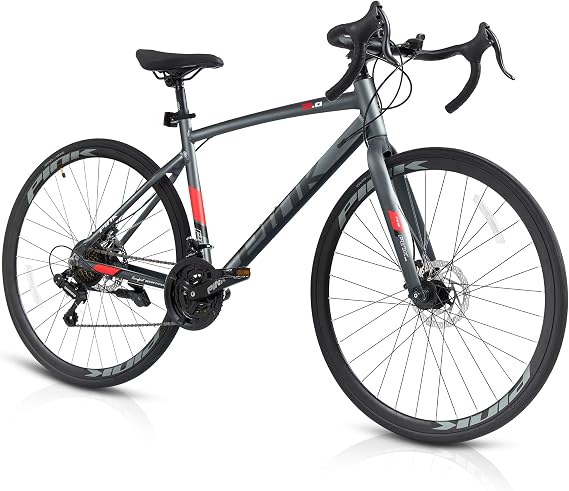
Handling both gravel roads and city streets can be tricky on a bike not built for mixed surfaces. Built with a 21-speed SHIMANO drivetrain and front suspension, the Pipleo 700C Road Commuter Bike suits riders needing speed, control, and resilience on varied urban and rural paths. Its strongest feature is its ability to adapt and maintain performance across different terrains.
Setup is straightforward with a focus on reducing maintenance demands thanks to HyperGlide+ technology. Switching gears feels precise in about 0.3 seconds, which is helpful on rolling terrain.
The front suspension softens rough patches, making daily commuting or weekend rides less tiring. Its shielded cables also keep shifting smooth and protect against grime, showing the bike is designed with practical daily use in mind.
It rides very well on paved roads and light gravel with stable handling. The double-wall rims and 700x28C armored tires handle rough surfaces without much fuss.
You can rely on the dual-disc brakes for confident and consistent stopping power. The standout compliment points to its low maintenance, while a common complaint would be that front suspension is limited compared to full suspension gravel bikes.
Shifting is impressively precise and reliable thanks to the SHIMANO 21-speed system with HyperGlide+ tech, minimizing maintenance efforts. Many appreciate the durable full internal frame combined with rugged tires, though some find the front suspension limiting when tackling more aggressive off-road paths.
The Pipleo suits riders who spend much of their time on paved roads or light gravel and value a low-maintenance bike with dependable brakes. Those needing extensive off-road capability or wider tires for rough trails may want to look for bikes with more suspension options and tire clearance.
Pros
- 21-speed SHIMANO drivetrain with quick shifting
- Front suspension smooths rougher surfaces
- Dual-disc brakes provide strong stopping power
- 700x28C armored tires for mixed terrain grip
Cons
- Front suspension only, no rear shock
- Limited tire width for very rough gravel
| Specification | Details |
|---|---|
| Bike Type | Road Bike |
| Number Of Speeds | 21 |
| Suspension Type | Front |
| Brake Style | Disc |
| Intended Riding Terrain | Paved Roads, Urban Terrain |
| Bicycle Drivetrain Type | chain drive |
9. SAVADECK T800 Carbon Gravel Bike

Weighing just 10.4kg with its T800 carbon fiber frame, this gravel bike suits riders looking for a light and strong option for mixed terrain. Its most notable strength is the balance between durable carbon build and a wide 12-speed gear range that handles climbs and flats smoothly.
Setup includes SHIMANO GRX610 shifters and RX822 rear derailleur paired with a 12-speed M6100 cassette, giving a broad set of gears to choose from. Day-to-day rides benefit from precise shifting and disc brakes that provide reliable stopping power on both paved roads and unpaved trails.
The rigid carbon fork keeps weight down without compromising the bike’s responsiveness.
Performance combines lightweight carbon and a dependable drivetrain for efficient power transfer and control. The frame’s hardness exceeds aluminum, which adds strength without extra weight.
Riders appreciate smooth gear changes and durable build, though the bike has a rigid suspension setup, so it may feel stiff over rough surfaces compared to suspension-equipped models.
Strong praise is given to the precise and smooth shifting from the SHIMANO GRX drivetrain and the impressive lightness of the T800 carbon frame. A common complaint involves the bike’s rigid suspension, which can result in a firmer ride on rough trails.
Riders who prioritize a lightweight, durable gravel bike with reliable shifting will be satisfied. Those seeking more suspension comfort on rugged terrain might want to look at other options that include front or full suspension setups.
Pros
- Lightweight frame at just 10.4kg
- Wide 12-speed gear range
- Strong T800 carbon fiber construction
- Disc brakes for reliable stopping
Cons
- No suspension, rigid fork only
- Some stiffness on very rough terrain
| Specification | Details |
|---|---|
| Bike Type | Gravel Bike |
| Number Of Speeds | 12 |
| Suspension Type | Rigid |
| Brake Style | Disc |
| Bicycle Drivetrain Type | chain drive |
10. REDSHIFT ShockStop Suspension Seatpost

Gravel riders craving comfort on long, rough trails find the REDSHIFT ShockStop Suspension Seatpost hugely beneficial. It suits anyone who rides endurance road, gravel, bikepacking, or hybrid bikes and wants to reduce fatigue with an upgrade that’s easily fitted to most bikes.
The biggest strength is how it significantly lessens saddle discomfort for longer, better rides.
Installation is straightforward as it comes in multiple diameters and lengths to fit many frames. Once fitted, you immediately notice how the dual-spring system softens bumps and vibrations during daily rides.
It maintains control well so handling on gravel or rough patches feels more confident without making the bike feel sluggish or unstable.
Performance excels at dampening shock, reducing up to 60% of vibrations, which noticeably decreases soreness and fatigue. The build quality feels solid with a smooth active suspension mechanism that persists after repeated use. Praise focuses on its comfortable ride improvement while the most common complaint mentions it adds a slight extra weight compared to rigid posts.
The seatpost is praised consistently for cutting down soreness and rider fatigue, making long rides much easier to handle. Most users find the added weight the only real downside, which is minor compared to the comfort gain. People appreciate how well the suspension works without compromising stability on varied surfaces.
Those who ride long distances on rough gravel or mixed terrain will appreciate this seatpost’s comfort benefits. Riders with lightweight-focused setups or frames without compatible seatpost sizes might want to look at other options. It’s designed for durability and comfort rather than saving every gram of weight.
Pros
- Reduces rider fatigue and vibrations by up to 60%
- Fits many bike brands and types with size options
- Dual-spring active suspension for customizable comfort
- Improves control on rough terrain
Cons
- Adds some extra weight compared to standard seatposts
- May not suit bikes with non-standard seatpost sizes
| Specification | Details |
|---|---|
| Item Type Name | Seatpost |
| Model Number | RS-50-02-MB |
| Manufacturer Part Number | RS-50-02-MB |
| Lengths Available | 280, 350, 400, 450mm |
| Diameters Available | 27.2, 30.4, 30.9, 31.6mm |
| Warranty | 2 year manufacturer |
11. ROCKBROS MT400 Mountain Bike

ROCKBROS MT400 Mountain Bike stands out with its lightweight 29-inch aluminum frame designed for quick cross-country riding and versatile terrain handling. Ideal for riders who want a gravel bike with front suspension that balances speed and comfort without adding excess weight.
Day-to-day use benefits from its lockout suspension fork, which switches easily between smooth road rides and absorbing bumps on tougher paths. The wide-range 1×10 drivetrain simplifies gear changes while offering enough climbing power.
Adjustable handlebars and quick-release wheels add convenience, making setup and maintenance straightforward.
Performance on mountain and gravel trails impresses with stable handling and efficient power transfer. The build feels solid yet not bulky, supporting confident riding on varied terrain.
Most users praise the smooth shifting and suspension versatility. Some note the single front suspension as a slight limitation for more aggressive downhill riding.
Most users appreciate the smooth shifting from the 10-speed drivetrain and the ability to lock out the suspension for efficient pedaling. The common complaint is the limited suspension, with only front fork absorption, which can feel restrictive on rough descents. This bike keeps maintenance simpler due to fewer moving parts compared to more complex drivetrains.
Riders looking for a lightweight bike that can handle both fast gravel rides and occasional trail bumps will find it well-suited. Those aiming for aggressive mountain biking or extensive downhill runs might want to look for a bike with full suspension or wider gear selections. Everyday trail and dirt road explorers will appreciate its balanced design and easy handling.
Pros
- Lightweight 29-inch aluminum frame
- Remote lockout suspension fork
- Wide-range 1×10 drivetrain
- Adjustable handlebars and quick-release wheels
Cons
- Front suspension only, limited downhill cushioning
- Single front chainring reduces gear range finesse
| Specification | Details |
|---|---|
| Bike Type | Mountain Bike |
| Number Of Speeds | 10 |
| Suspension Type | Front |
| Brake Style | Disc |
| Bicycle Drivetrain Type | chain drive |
12. SAVADECK Titan 612 Carbon Soft Tail MTB

SAVADECK Titan 612 Carbon Soft Tail MTB is a carbon fiber mountain bike built for technical trails and enduro riding. It suits riders looking for a lightweight bike with strong suspension that can handle rough terrain and steep descents while keeping control during fast cornering. Its dual-link suspension system stands out as its biggest strength.
Setup involves adjusting the DNM Air Shock and hydraulic lockout to match trail conditions, which makes daily rides flexible and comfortable. The internal cable routing keeps cables clear of mud and debris, reducing maintenance needs. You get 12 speeds controlled by trigger shifters, making gear changes quick and reliable on uneven ground.
Performance-wise, the bike handles rocky descents and root-filled climbs confidently, with stable control at speed due to its reinforced rear triangle design. The dual disc brakes offer solid stopping power in all weather conditions. Users often praise the smooth suspension but mention that it can feel a bit firm without adjustments on very rough trails.
The bike is widely praised for its smooth and stable ride thanks to the dual-link suspension and carbon frame, making technical descents easier. Commonly reported downside comes from suspension stiffness which may need tuning depending on the trail difficulty. Internal cable routing is appreciated for keeping parts cleaner and reducing wear.
Riders who want a lightweight yet durable bike for varied mountain terrain will find this model rewarding. Those preferring a softer suspension out of the box might prefer a fully adjustable or coil-sprung option instead, as the stock setup leans toward firmness on very rough ground.
Pros
- Lightweight full-suspension carbon frame
- Advanced dual-link suspension with air shock
- Internal cable routing for low maintenance
- Dual disc brakes for strong stopping power
Cons
- Suspension can feel firm on very rough trails
- Setup requires some adjustment for optimal performance
| Specification | Details |
|---|---|
| Bike Type | Mountain Bike |
| Number Of Speeds | 12 |
| Suspension Type | Dual |
| Brake Style | Disc |
| Intended Riding Terrain | Mountain Terrain, Unpaved Trails |
Best Gravel Bikes with Suspension Comparison Table
| Product | Suspension Type | Number Of Speeds | Brake Style | Intended Riding Terrain |
|---|---|---|---|---|
| Huffy Stone Mountain | Dual | 21 | Dual linear pull | Gravel, Trail |
| Tommaso Sterrata Gravel | no-suspension | 24 | Disc | Paved Roads, Unpaved Trails |
| SAVADECK T800 Gravel | Rigid | 22 | Disc | Gravel, Unpaved Trails |
| Aluminum Full Suspension | Dual | 21 | Disc | Road, Trail |
| WEIZE Trail MTB | Rigid | 1 | Disc | Mountain Terrain |
| WEIZE Dual Suspension | Dual | 18 | V Brake | Mountain Terrain, Unpaved Trails |
| Funhang 1000W E-MTB | Front | 7 | – | – |
| Pipleo 700C Commuter | Front | 21 | Disc | Paved Roads, Urban Terrain |
| SAVADECK T800 Carbon | Rigid | 12 | Disc | Paved Roads, Unpaved Trails |
| REDSHIFT ShockStop Post | – | – | – | Gravel & Road |
| ROCKBROS MT400 MTB | Front | 10 | Disc | Mountain Terrain |
| SAVADECK Titan 612 MTB | Dual | 12 | Disc | Mountain Terrain, Unpaved Trails |
- Suspension TypeDual
- Number Of Speeds21
- Brake StyleDual linear pull
- Intended Riding TerrainGravel, Trail
- Suspension Typeno-suspension
- Number Of Speeds24
- Brake StyleDisc
- Intended Riding TerrainPaved Roads, Unpaved Trails
- Suspension TypeRigid
- Number Of Speeds22
- Brake StyleDisc
- Intended Riding TerrainGravel, Unpaved Trails
- Suspension TypeDual
- Number Of Speeds21
- Brake StyleDisc
- Intended Riding TerrainRoad, Trail
- Suspension TypeRigid
- Number Of Speeds1
- Brake StyleDisc
- Intended Riding TerrainMountain Terrain
- Suspension TypeDual
- Number Of Speeds18
- Brake StyleV Brake
- Intended Riding TerrainMountain Terrain, Unpaved Trails
- Suspension TypeFront
- Number Of Speeds7
- Brake Style–
- Intended Riding Terrain–
- Suspension TypeFront
- Number Of Speeds21
- Brake StyleDisc
- Intended Riding TerrainPaved Roads, Urban Terrain
- Suspension TypeRigid
- Number Of Speeds12
- Brake StyleDisc
- Intended Riding TerrainPaved Roads, Unpaved Trails
- Suspension Type–
- Number Of Speeds–
- Brake Style–
- Intended Riding TerrainGravel & Road
- Suspension TypeFront
- Number Of Speeds10
- Brake StyleDisc
- Intended Riding TerrainMountain Terrain
- Suspension TypeDual
- Number Of Speeds12
- Brake StyleDisc
- Intended Riding TerrainMountain Terrain, Unpaved Trails
How to Choose the Right Suspension Gravel Bike
Prioritizing frame material, suspension type, and tire clearance ensures a gravel bike handles rough terrain comfortably and efficiently. Choosing the right combination prevents costly upgrades and repairs, providing a smoother ride and longer-lasting performance on varied surfaces.
Suspension Quality and Adjustability
Riding over rocky paths or uneven trails reveals quickly how suspension quality shapes the experience. Bikes with just a front suspension fork absorb many bumps but can struggle on very rough terrain, while models with both front and rear suspension offer smoother rides by dampening shocks more fully. Travel length usually ranges from 30 to 60 millimeters on these bikes; shorter travel sacrifices some comfort but improves pedaling efficiency.
Longer travel adds cushioning but can feel sluggish on climbs.
An adjustable suspension lets riders fine-tune settings like compression and rebound to match trail conditions or personal style. Without this, a suspension set too soft will absorb pedaling energy and feel sluggish, while one too firm transmits every bump. Riders benefit from options to lock out suspension during steady climbs or roads, improving efficiency, and to open it for rough descents.
Frame Material and Geometry
The frame material significantly affects ride feel and bike weight. Aluminum offers a good balance of lightness and durability but tends to transmit more trail vibration, which makes effective suspension more important.
Steel frames feel heavier but provide natural compliance, subtly smoothing out small trail chatter alongside suspension. Carbon frames are lightest and can be engineered for specific flex patterns that complement suspension, though often at a higher price.
Geometry designed for mixed surfaces involves a slacker head angle and longer wheelbase compared to road bikes, which improves stability on loose terrain and helps the suspension work effectively. This geometry also allows the suspension to maintain traction by keeping the bike composed over bumps and ruts instead of bouncing unpredictably.
Component Durability and Performance
Groupsets and brakes on these bikes face constant dirt, mud, and jarring impacts. Components with wide gear ranges help tackle varied gradients found on gravel routes.
Mechanical or hydraulic disc brakes stand out for consistent stopping power in wet or muddy conditions, crucial for safety and control. Expect to maintain suspension forks and rear shocks periodically, cleaning seals and replacing oil to prevent gritty wear that reduces responsiveness.
Wheels and tires designed for gravel typically feature stronger rims and wider widths (35 to 45 mm) to withstand rough terrain and absorb shocks. Tubeless setups reduce puncture risk and provide better traction by allowing lower air pressures, which aids the suspension system’s job smoothing the trail.
Fit and Comfort
Frame size and fit matter greatly during long rides on rough roads; a frame that’s too small or large forces inefficient body positioning and reduces bike control. Proper sizing helps the rider stay balanced and allows suspension components to work as intended rather than compensating for poor posture.
The cockpit, handlebars, stem, grips, should offer comfortable reach and hand positions to reduce fatigue.
Saddle choice and its rails also contribute to comfort, especially combined with suspension. A well-padded saddle matched to the rider’s sit bones reduces stress on soft tissue during prolonged vibration.
Suspension reduces jolts transmitted to wrists and lower back, making off-road hours more sustainable.
Weight and Efficiency
Adding suspension increases total bike weight, sometimes by 1 to 2 kilograms compared to rigid models, which affects climbing and acceleration. Riders focused on speed may find suspension’s additional weight and energy absorption counters their efforts, especially if the suspension has limited lockout options. Efficient suspension tends to minimize power loss by controlling unwanted wheel movement without unnecessary travel.
Comfort-oriented cyclists benefit from accepting some weight gain in exchange for less fatigue and better control. Many appreciate that efficient suspension systems allow quick riding over rough ground with less energy wasted, striking a balance between speed and cushioning.
Maximizing Comfort and Control: Suspension Tuning Tips for Gravel Bikes
Suspension tuning on gravel bikes can make a significant difference in ride quality. Adjusting the sag, which is how much the suspension compresses under your weight, provides a solid starting point.
Most riders find setting sag around 20-30% of the total travel helps absorb bumps without bottoming out.
Compression and rebound damping control how the suspension reacts over time. Tightening compression damping slows how quickly the fork or shock compresses, preventing harsh impacts on rocky terrain.
Rebound damping adjustment affects how fast the suspension extends after compressing. Too fast can cause a bouncy ride; too slow can feel sluggish.
- Use a shock pump for accurate air pressure changes.
- Test ride on typical terrain to fine-tune settings incrementally.
- Consider your weight, tire pressure, and riding speed when adjusting.
Small tweaks often provide the biggest comfort and control gains.
Essential Maintenance Practices for Gravel Bikes with Suspension Systems
Gravel bikes with suspension require regular upkeep to maintain performance and longevity. Clean the suspension components after muddy or dusty rides to prevent dirt from damaging seals. Use a soft brush and mild detergent around the fork stanchions and shock body.
Lubricating the moving parts keeps the suspension operating smoothly. Use suspension-specific oils or greases recommended by the manufacturer. Avoid general-purpose lubricants as they can attract grit or degrade seals.
- Inspect seals and bushings for wear or leaks every few rides.
- Check air pressure in air-sprung shocks weekly to maintain correct sag.
- Schedule full suspension service annually or based on mileage.
Addressing maintenance proactively avoids costly repairs and preserves ride quality.
Comparing Full Suspension and Front Suspension Gravel Bikes: Which Suits Your Ride?
Full suspension gravel bikes provide both front and rear shock absorption, which helps on extremely rough, technical trails. This setup can smooth out bigger hits and improve traction by keeping the rear wheel in contact with the ground. However, they tend to be heavier and more complex to maintain.
Front suspension gravel bikes focus shock absorption on the fork only, making them lighter and simpler. They work well on moderately rough paths and preserve pedaling efficiency since there’s no rear suspension bob.
These bikes often cost less and involve less maintenance.
- Choose full suspension if your rides include long, rugged off-road sections and technical descents.
- Opt for front suspension if your routes combine gravel with paved roads and less severe terrain.
Both types improve comfort and control compared to rigid bikes, but the right choice depends on trail difficulty and personal preferences.
People Also Asked
How Do I Size a Gravel Bike with Suspension Correctly?
Choose a gravel bike frame size based on your height and leg inseam measurements. Check the manufacturer’s sizing guide since suspension travel can slightly change the geometry. Test rides help a lot to see if the bike feels comfortable over rough terrain.
What Suspension Settings Work Best for Gravel Biking Terrain?
Set suspension sag to roughly 20-30% of total travel for gravel riding. This balance helps absorb bumps while retaining efficient pedaling. Stiffer spring rates may suit smooth gravel but softer settings improve control on rocky paths.
How Often Should I Maintain the Suspension on My Gravel Bike?
Maintain suspension every 50-100 hours of riding, focusing on cleaning, lubrication, and seal inspection. More frequent checks are needed after muddy or wet rides. Paying attention to small noises can prevent bigger issues.
What Common Problems Affect Gravel Bikes with Suspension?
Common issues include air leaks, worn seals, and reduced responsiveness from dirt buildup. Misalignment from crashes or improper setup also causes problems. Regular inspection and keeping suspension clean helps avoid most troubles.
Is It Safe to Use Suspension Forks on Rough Gravel Trails?
Suspension forks improve comfort and control on rough gravel trails. Choosing forks with about 30-40mm travel balances cushioning and handling. Overly soft forks can cause pedal bob and reduce efficiency on climbs.
Conclusion
Choosing a gravel bike with suspension comes down to picking one with reliable suspension that suits your terrain, a frame that feels sturdy but not too heavy, and tires that handle both gravel and rough roads well. Pay attention to how the suspension adjusts and whether it absorbs shocks without losing pedal power.
Consider where you’ll store the bike and how often you plan to ride it; this helps avoid spending too much on features you won’t use. Check the comparison table and the details above to find a bike that fits your needs and budget without going overboard.
This will make your gravel rides more comfortable and enjoyable.