How Much Is A Kawasaki Ninja 1000 – Here’s the Math
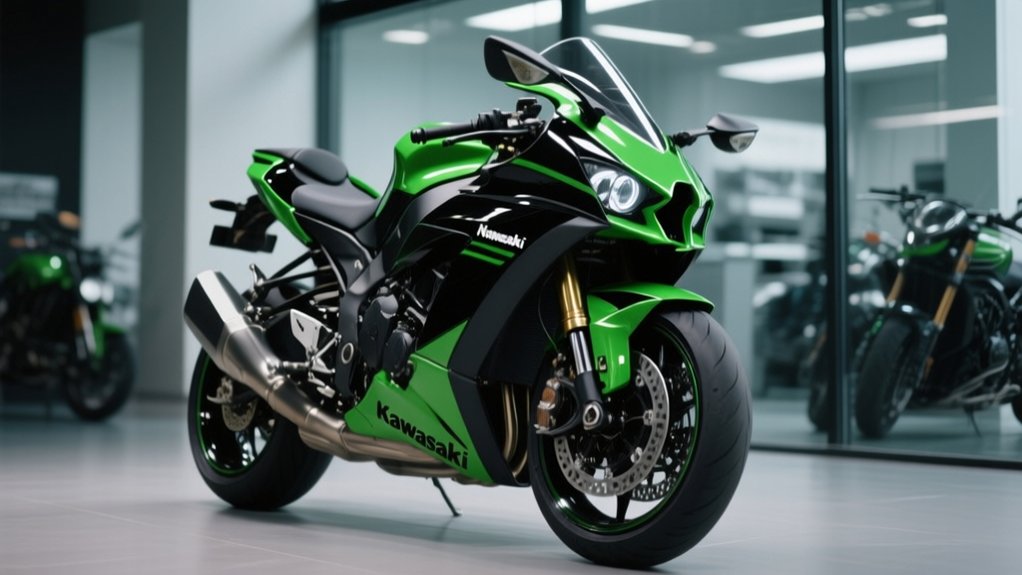
If you’re looking at a Kawasaki Ninja 1000, expect the base 2024 model to cost around $13,699. Adding the Touring Package with extras like saddlebags and charging outlets bumps the price to nearly $16,000.
Used bike prices vary depending on model year, mileage, and condition, with newer models holding more value. Comparing alternatives and timing your purchase can save you money. Keep exploring to uncover smart buying strategies and detailed cost insights.
New Kawasaki Ninja 1000 Prices in 2024
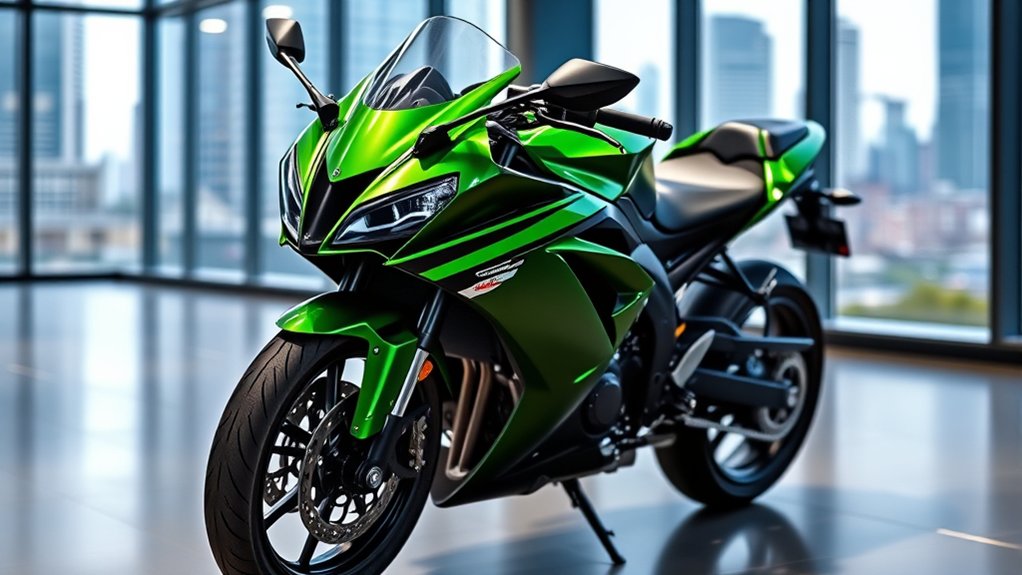
How much will you need to invest for the new Kawasaki Ninja 1000 in 2024? The base Kawasaki Ninja 1000 ABS carries a price tag of $13,699 for this model year.
If you’re eyeing enhanced touring capabilities, the Ninja 1000 Touring Package adds $2,237.95 to the cost. This package brings practical accessories like saddlebags, frame sliders, and an extended reach seat.
The 2024 model year reflects upgrades such as a TFT display, advanced electronic aids, and a larger engine capacity, which really justify its pricing.
The standard model comes exclusively in Metallic Matte Graphite Gray/Metallic Diablo Black, so you know what to expect visually.
When considering the price, weigh the benefits of the Touring Package against your riding style and budget for this latest Kawasaki Ninja offering.
Key Factors That Affect Used Ninja 1000 Prices
When you’re shopping for a used Ninja 1000, the model year really makes a difference in the price. Newer models usually come with a higher tag.
Then, there’s mileage and the overall condition of the bike—they both have a big impact on how much value it holds as time goes by.
On top of that, if the bike comes with some cool accessories, it can make it more attractive and even justify asking for a higher price.
Model Year Impact
Why does the model year matter so much when pricing a used Kawasaki Ninja 1000? The model year drives the used price largely because of updates in technology, features, and styling.
Newer models typically offer better resale value since they incorporate advanced electronics like cornering ABS and TFT displays introduced in 2017 and beyond.
For instance, the 2025+ models with a larger 1099cc engine capacity tend to be more desirable, pushing prices higher. Limited editions or versions with premium features, such as the SE’s Brembo brakes and Öhlins suspension, also command a price premium.
Understanding how these updates evolve across model years helps you gauge the bike’s market worth accurately and make smarter buying or selling decisions. It’s all about knowing what you’re getting and how much value those upgrades add.
Mileage And Condition
Although model year influences a Ninja 1000’s price, mileage and condition often have an even greater impact on its resale value. When evaluating a used Ninja 1000, you should focus on these key factors:
- Mileage: Bikes with lower mileage generally command higher prices. Once mileage exceeds 20,000 miles, expect a depreciation of 10-20%.
- Condition: Assess cosmetic damage, rust, and mechanical health. A well-maintained bike with minimal wear holds more value.
- Maintenance: Complete service records and timely repairs preserve resale value, even when mileage climbs.
Included Accessories
Mileage and condition play a big role in determining a Ninja 1000’s resale value. But the accessories that come with the bike can also make a notable difference.
Included accessories like panniers, frame sliders, and upgraded seats boost the bike’s appeal and resale value. Advanced electronics such as quickshifters and heated grips further enhance it. A touring package with luggage and convenience features typically commands a higher price.
However, the impact of aftermarket accessories depends on their quality and compatibility. So, not all upgrades will necessarily add value.
| Accessory Type | Effect on Resale Value | Notes |
|---|---|---|
| Panniers | Increases | Adds touring functionality |
| Frame Sliders | Increases | Protection appeal |
| Quickshifters | Increases | Advanced electronics |
| Aftermarket Seats | Variable | Depends on quality |
Ninja 1000 Touring Package: Features and Value
The Ninja 1000 Touring Package adds essential accessories and features for $2,237.95, transforming your ride into a more comfortable and practical machine for long-distance journeys. This touring package focuses on upgrading your Ninja 1000 with convenience and comfort without compromising performance.
Here’s what you get:
- Frame sliders, extended reach seat, and 28-liter saddlebags for protection and storage.
- DC power outlet and USB outlet to keep your devices charged on the go.
- Enhanced touring features that boost comfort and practicality for long rides.
Considering the base price of $13,699, this package offers great value by turning your Ninja 1000 into a versatile touring machine. It’s a smart investment if you want to enhance your bike’s touring capabilities efficiently.
How Model Years Affect Ninja 1000 Prices
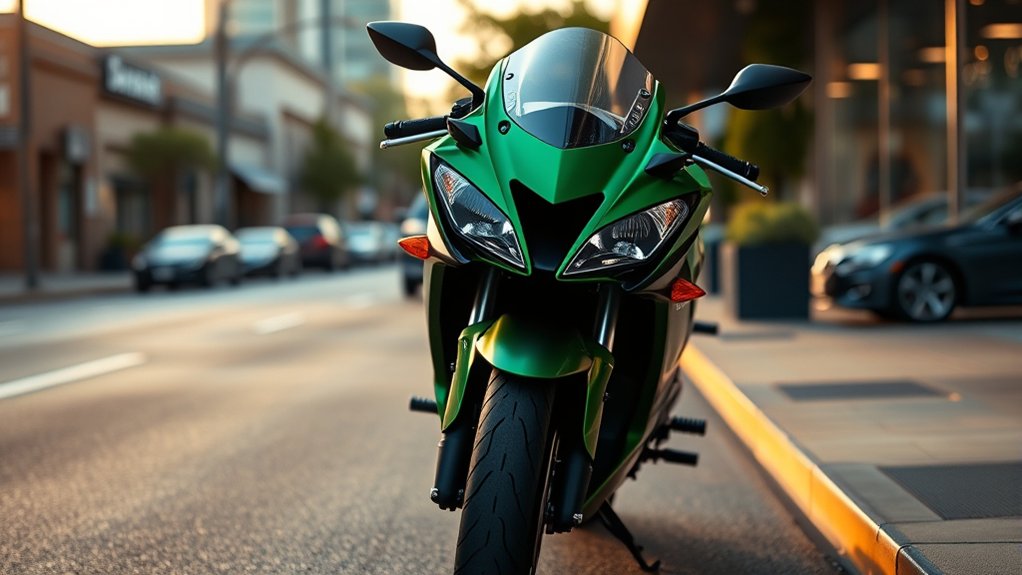
When you shop for a Kawasaki Ninja 1000, you’ll notice prices vary widely based on the model year. Newer model years generally command higher market value thanks to updated features like traction control, TFT displays, and quickshifters introduced from 2014 onward.
If you’re considering a used Ninja 1000 from 2011 to 2013, you’ll find these models more affordable but lacking some modern electronics. That’s what explains the price differences.
The 2025+ Ninja 1000SX stands out, boasting increased engine capacity and upgraded components. This pushes its resale value to the highest among recent years.
Understanding how model years affect price differences helps you make an informed choice. You can balance your budget with the features and technology you want in the Ninja 1000 market.
Sport-Touring Alternatives to the Kawasaki Ninja 1000
If the Kawasaki Ninja 1000 doesn’t quite hit the mark for you, there are plenty of other sport-touring bikes to consider.
For example, the Honda VFR800 is a more budget-friendly option that still delivers solid performance.
On the other hand, if you’re looking to splurge a bit, the BMW R 1250 RS offers premium features and top-notch technology.
It really comes down to what you value most—whether that’s comfort, advanced tech, or price.
Taking a closer look at these alternatives can help you find the perfect ride that balances all those factors just right.
Comparable Sport-Touring Models
Five standout sport-touring models offer compelling alternatives to the Kawasaki Ninja 1000, each catering to different preferences and budgets. When comparing engine displacement and pricing, you’ll find options that balance performance and comfort in unique ways.
Consider these:
- Ducati Supersport 950 – Priced around $12,995, it offers comparable power and touring features to the Ninja 1000.
- Honda VFR800F – A more affordable choice, especially used ($8,500–$10,500), with reliable sport-touring capabilities.
- BMW R 1250 RS – At about $15,995, it blends sportbike agility with touring comfort, appealing if you want versatility.
These sport-touring models show how diverse options can match or even surpass the Kawasaki Ninja 1000 in engine specs and overall value.
Pricing and Feature Differences
Although several sport-touring bikes offer impressive features, the Kawasaki Ninja 1000SX stands out by combining competitive pricing with advanced electronics and practical options. Its base price of $13,699 offers great value, especially compared to pricier rivals like the Ducati Supersport S and Honda VFR800.
The Touring Package adds useful accessories such as saddlebags and an extended reach seat for $2,237.95. This enhances comfort and convenience without breaking the bank.
| Model | Price |
|---|---|
| Ninja 1000SX ABS | $13,699 |
| Ninja 1000 Touring | $15,936.95 |
| Ducati Supersport S | Higher |
| Honda VFR800 | Higher |
| Accessories | Included in Touring |
This clear price comparison shows how Kawasaki balances features and cost, making it an accessible choice for sport-touring enthusiasts.
How to Get the Best Deal on Your Ninja 1000
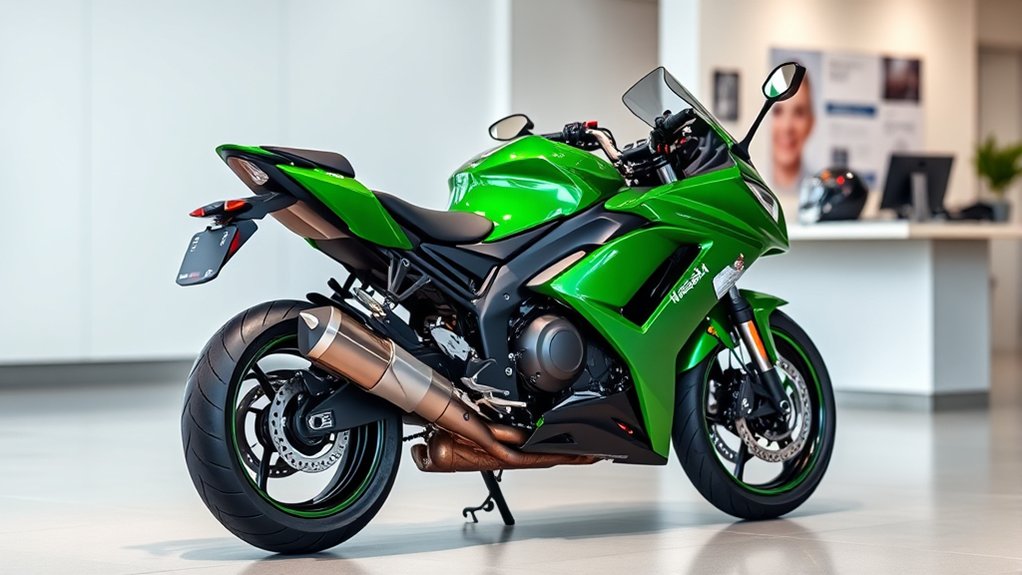
When hunting for the best deal on a Kawasaki Ninja 1000, researching current market prices for both new and used models gives you a clear advantage. You’ll spot the best deals and understand pricing trends across dealerships.
To maximize your value, focus on timing and negotiation tactics.
Here’s how to proceed: compare prices across multiple dealerships and online platforms to ensure competitive offers. Look for promotional periods or end-of-season sales when discounts and incentives are common.
Don’t forget to negotiate with dealers for extras like free accessories, extended warranties, or better financing rates.
Remember to factor in total ownership costs, including taxes, registration, and upgrades, to evaluate each deal’s true worth.
Following these steps sharpens your buying strategy and helps you secure the best possible Ninja 1000 deal.
Frequently asked questions
What Are the Maintenance Costs for a Kawasaki Ninja 1000?
You can expect to spend around $300 to $500 yearly on maintaining your Kawasaki Ninja 1000, depending on how often you ride. Routine tasks like oil changes, brake fluid swaps, and chain adjustments add up.
A full service might cost between $400 and $700.
Tires last about 4,000 to 6,000 miles and usually cost $200 to $400 each.
Staying on top of maintenance keeps costs predictable. Plus, it helps prevent pricey repairs down the road.
How Fuel-Efficient Is the Ninja 1000?
Imagine cruising down a winding road, the Ninja 1000 humming beneath you, effortlessly sipping fuel. You’ll enjoy about 40-45 mpg, which means with its 5-gallon tank, you can cover 160 to 180 miles before refueling. Its advanced fuel injection system adapts smoothly to your throttle, balancing power and efficiency.
What Insurance Premiums Can I Expect for This Bike?
You can expect insurance premiums for the Kawasaki Ninja 1000 to range between $400 and $1,200 annually. Your age, riding experience, and location play big roles.
Young or inexperienced riders usually pay more.
Urban areas tend to have higher rates because of theft and accidents.
Since it’s a high-performance bike, premiums are often on the higher side.
Adding safety features like alarms can help lower your costs.
Are There Financing Options Available for Purchasing a Ninja 1000?
Yes, you can finance a Kawasaki Ninja 1000 through many dealerships offering flexible plans. You’ll usually need a down payment of 10-20%, and interest rates can vary from 0% to about 6%, depending on your credit.
It’s smart to compare offers, especially during promotions with low or zero interest. Financing helps spread out payments, making the Ninja 1000 more affordable while fitting your budget comfortably.
How Does the Ninja 1000 Perform in Different Weather Conditions?
Riding the Ninja 1000 in bad weather is like having a trusted shield in battle. You’ll find its smooth engine and adjustable ride modes keep power steady on slippery roads.
Its ABS and traction control act like vigilant guardians, preventing slips.
The upright position and windscreen reduce fatigue and block wind and rain, so you stay comfortable. Overall, you can confidently handle rain or cold without sacrificing control or safety.
It really makes riding in tough conditions a lot less stressful.
Final Thought
You might worry the Kawasaki Ninja 1000 is out of your budget, but with careful research and timing, you can find a deal that fits. Whether you’re eyeing a new model or a well-maintained used one, understanding pricing factors and exploring options like the Touring Package helps you get the best value.
Stay informed, compare alternatives, and you’ll ride away with a sport-touring bike that’s worth every penny.