How Much Is A Kawasaki Mule – Numbers to Know
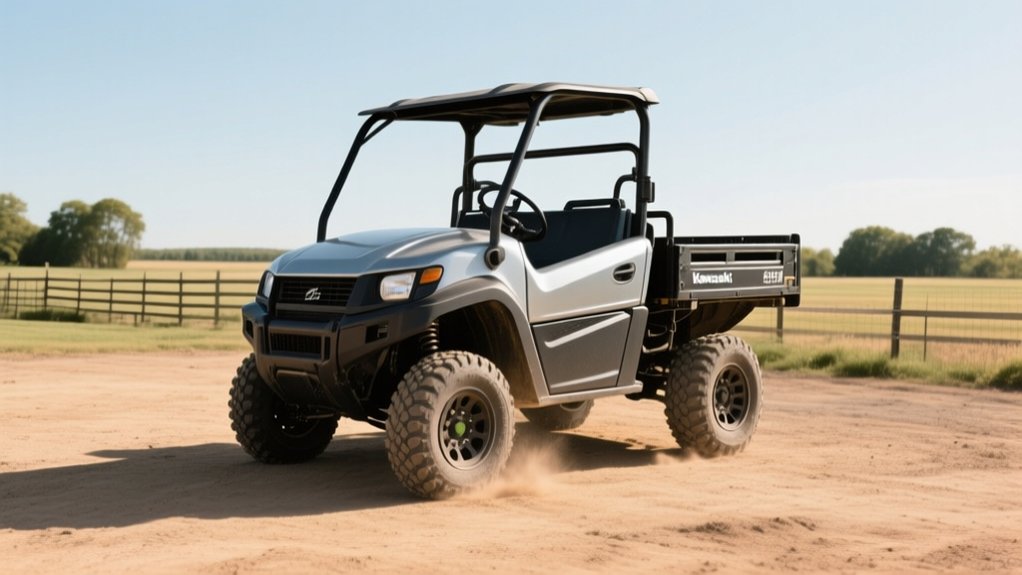
You can expect to pay between $8,000 and $15,000 for a new Kawasaki Mule. Models like the 4010 typically cost around $12,000 to $14,000.
Used Mules range from $3,000 to $7,000, depending on age, condition, and features such as engine size, four-wheel drive, and accessories. Pricing also varies by year and seller type. Understanding these factors will help you spot the best value and avoid overpaying.
More details on pricing and buying tips come next.
How Much Does a Kawasaki Mule Really Cost?
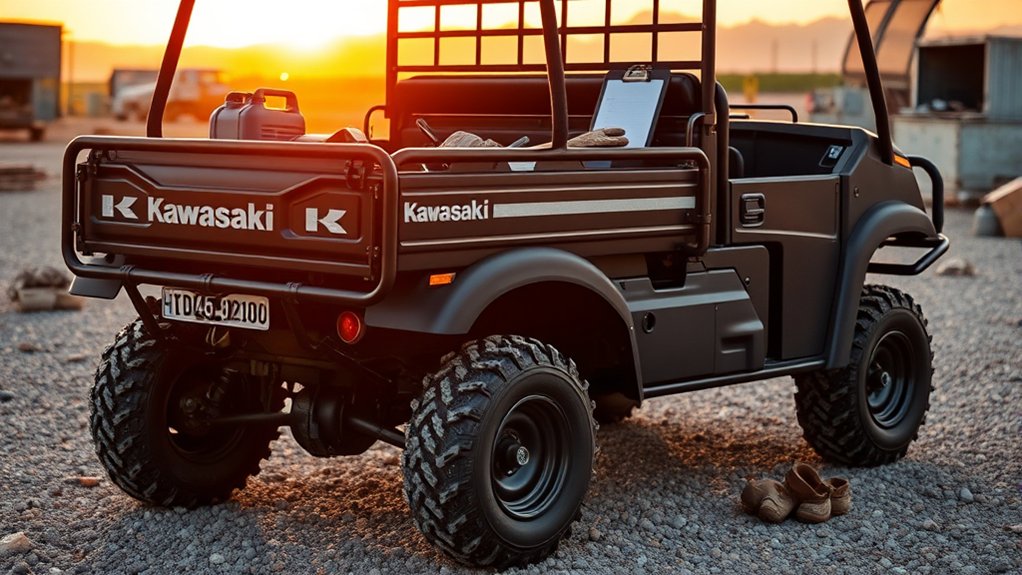
How much does a Kawasaki Mule really cost? New models typically range between $8,000 and $15,000.
New Kawasaki Mule models generally cost between $8,000 and $15,000 depending on features and year.
Popular options like the Kawasaki Mule 4010 are usually priced around $12,000 to $14,000.
If you’re thinking about used Mules, expect to pay anywhere from $3,000 to $7,000.
The price depends on factors like age, condition, and mileage.
It’s always a good idea to check the VIN to verify the vehicle’s history and make sure it matches the seller’s description.
Prices can vary based on the year, configuration, and whether you’re buying from a dealer or a private party.
Keep in mind, additional accessories and attachments can add to the cost, but those aren’t included in the base price.
Knowing these price ranges and checking the VIN will help you make a smart purchase decision.
What Features Affect Kawasaki Mule Prices the Most
Understanding the price range of Kawasaki Mules is just the start; the features included in each model greatly impact what you’ll pay. Engine size and horsepower stand out, with larger V-twin engines typically commanding higher prices.
Features like four-wheel drive, limited-slip differentials, and enhanced suspension systems also raise the cost by improving capability and comfort.
Additional accessories such as windshields, cargo beds, and extra lighting add to the overall value. Model year and factory-installed option packages influence both the initial price and resale value.
Finally, whether the Mule is new or used, its condition and mileage play pivotal roles in pricing.
Want to Save Money? Tips for Buying a Kawasaki Mule
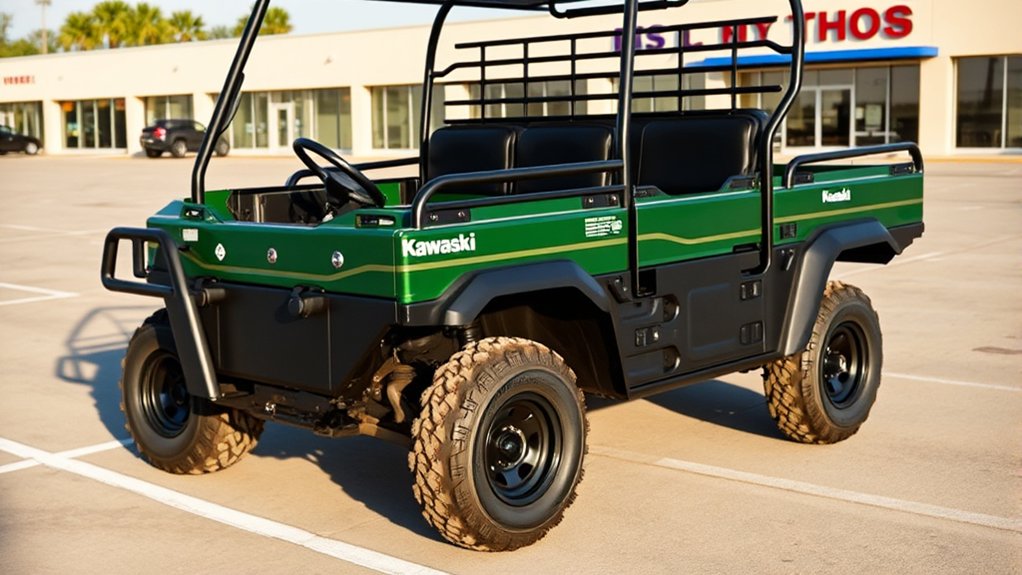
Several practical strategies can help you save money when buying a Kawasaki Mule. First, research the specific model and year to understand its market value, so you don’t end up overpaying. Then, compare prices from dealerships, online marketplaces, and private sellers to find the best deal.
Focus on used Kawasaki Mules with low hours, solid maintenance records, and minimal wear for better value. Timing your purchase during off-peak seasons or sales events can also help you score discounts. It’s worth keeping an eye out for those deals.
Don’t forget to find the VIN and check the vehicle history report carefully. This will confirm it hasn’t been in accidents or suffered flood damage, which can really hurt resale value.
Following these steps will help you make an informed, cost-effective purchase.
Where’s the VIN on Your Kawasaki Mule and Why It Matters
Although it may require you to lower or remove the seat, locating the VIN on your Kawasaki Mule is essential for accurate vehicle identification.
On the Kawasaki Mule 4010, you’ll find the VIN behind the right knee area on the frame bar where the seat mounts. It’s positioned under the seat, so you’ll need to lean down for a clear view.
Knowing this exact location matters because the VIN is your key to accessing detailed information about your Mule. Using a VIN decoder, you can verify specifications, check the vehicle’s history, and confirm compatible parts.
This is especially important for theft prevention and resale accuracy.
Being able to quickly find and decode your Mule’s VIN ensures you’re working with precise, reliable data. It makes things a lot easier when you need to check on your vehicle or order parts.
How to Use VIN Decoding to Confirm Your Mule’s Value
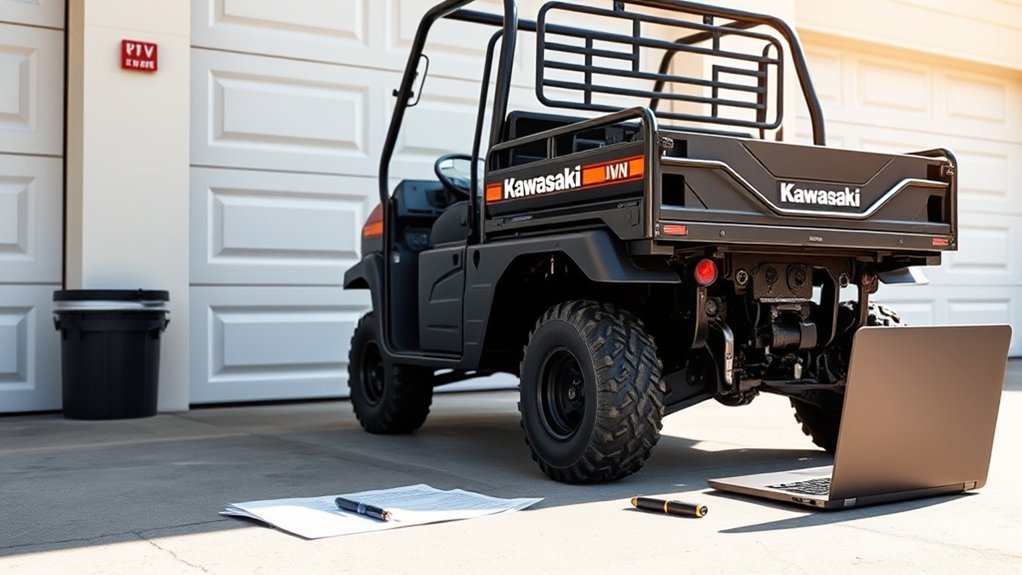
When you decode your Kawasaki Mule’s VIN, you reveal a wealth of information that directly impacts its value. VIN decoding uncovers the model, year, factory options, and trim levels, giving you a clear picture of your Mule’s specifications.
By analyzing the serial number, you can access detailed vehicle history reports, including ownership records, odometer readings, accident history, and any salvage or flood damage. These factors are essential since they greatly influence the market value.
Cross-referencing this data with current market trends allows you to establish a fair and competitive price for your Kawasaki Mule.
In short, VIN decoding guarantees you fully understand your Mule’s condition and background, helping you confirm its accurate market value confidently and objectively.
Frequently asked questions
What Is the Typical Lifespan of a Kawasaki Mule?
The typical lifespan of a Kawasaki Mule ranges from 10 to 15 years if you maintain it properly.
With regular servicing and careful use, you can often push that lifespan beyond 15 years, sometimes even over two decades.
The key factors affecting how long your Mule lasts include how hard you use it, how well you care for it, and the conditions you operate in.
Doing your part keeps it running strong longer. Just a little attention goes a long way!
Can Kawasaki Mules Be Used for Recreational Activities?
You’ll find Kawasaki Mules perfect for turning work into play. Their sturdy build and four-wheel drive let you explore trails and rough terrain with ease.
You can customize them with windshields and lighting to boost comfort and fun.
While primarily designed for utility, their compact size and rugged suspension make them well-suited for recreational outings.
Just remember to wear proper safety gear and follow local rules to keep your adventures safe and enjoyable.
How Much Does Kawasaki Mule Maintenance Usually Cost?
You’ll typically spend between $200 and $500 annually on Kawasaki Mule maintenance, depending on how much you use it. Routine tasks like oil changes, brake checks, and tire rotations keep costs manageable.
Expect parts replacements like spark plugs or drive belts to run $50 to $150 each. It’s a good idea to keep up with scheduled services every 100 to 200 hours to avoid expensive repairs.
Unplanned fixes, such as transmission issues, can push costs well beyond $1,000. So, staying on top of regular maintenance really pays off in the long run.
Are Kawasaki Mules Suitable for All Terrains?
Think of a Kawasaki Mule like your reliable hiking boots. They’re built tough for most trails but might struggle on sheer cliffs.
You’ll find it excels on mud, uneven ground, and forest paths thanks to four-wheel drive and adjustable differential locks.
However, extreme rocky or steep terrain could challenge it without mods.
What Warranty Options Are Available for Kawasaki Mules?
You’ll find Kawasaki Mules come with a standard limited warranty, usually covering 12 months or a set number of hours.
You can also purchase extended warranty options for longer coverage beyond the factory warranty. These warranties typically cover manufacturing defects and specific components but exclude wear items or misuse.
Some dealers offer additional service plans or maintenance warranties.
It’s best to check with your local authorized dealer for exact terms and options. That way, you can find the coverage that works best for you.
Final Thought
Picture yourself behind the wheel of your Kawasaki Mule, knowing exactly what you’ve invested and why. By understanding the key features that affect prices and using VIN decoding, you can confidently navigate the buying process.
Whether you’re hunting for the best deal or verifying value, these insights guarantee you make a smart, informed choice. With the right knowledge, your Kawasaki Mule won’t just be a purchase, it’ll be a reliable partner for every adventure.