How Much Is Advanced Motorcycle Training – Facts & Figures
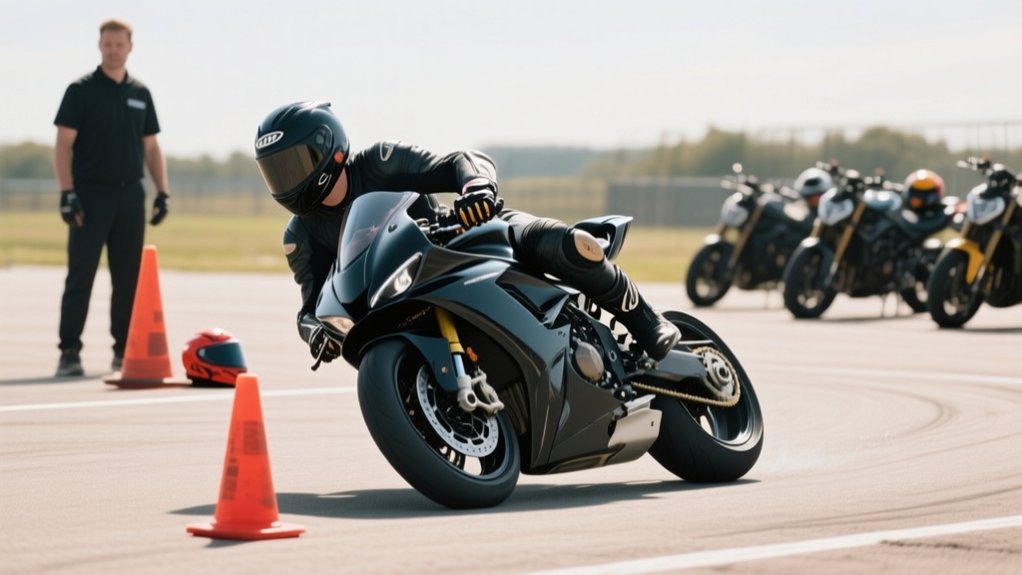
You’ll typically pay between $50 and $80 for advanced motorcycle training. This usually includes practical riding skills, risk management, and safety strategies tailored to your experience level. Tuition often covers classroom instruction and range exercises.
Sometimes safety gear is included too, but keep in mind there might be extra costs like registration fees, certification, and additional gear. Course length, location, and specialization can also affect pricing.
Knowing these details can help you pick the best option and budget effectively. It’s worth doing a bit of research before you commit.
Types of Advanced Motorcycle Training Courses
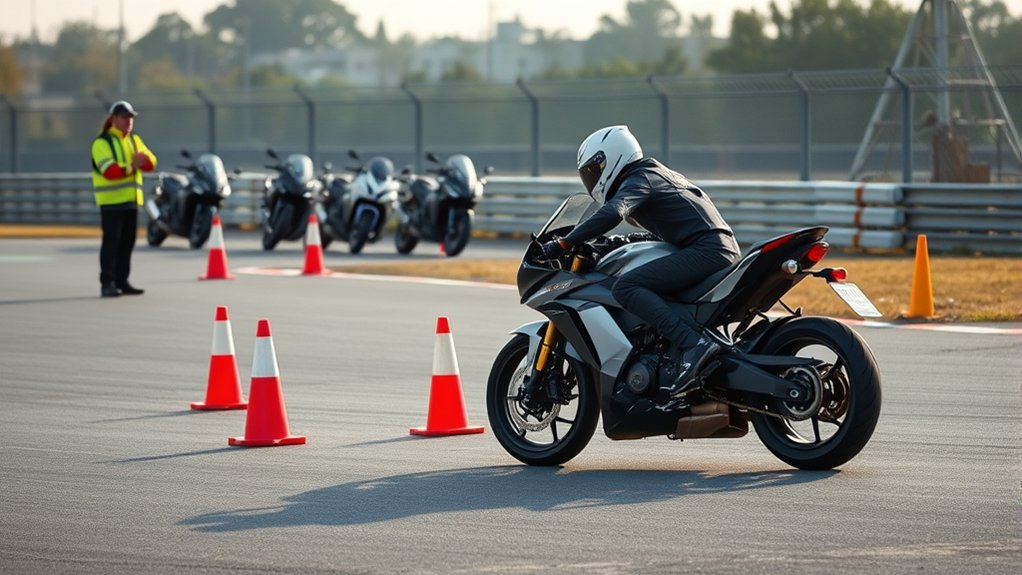
When you pursue advanced motorcycle training, you’ll find courses designed to sharpen your skills through both classroom learning and practical riding exercises. The Advanced Rider Course (ARC) from the Motorcycle Safety Foundation is a prime example, focusing on risk management, decision-making, and riding strategies.
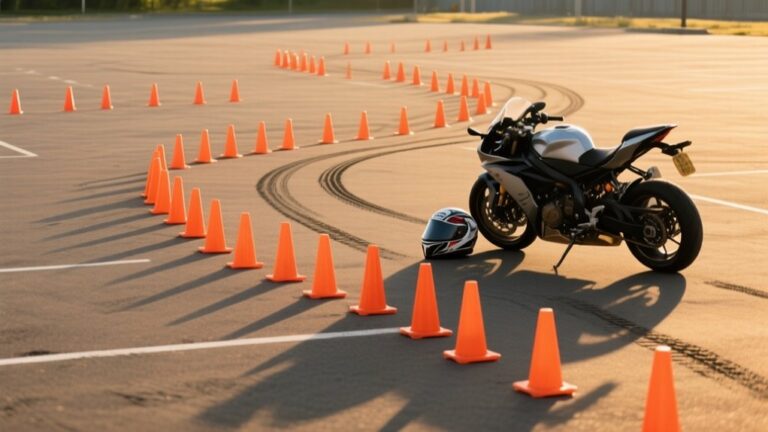
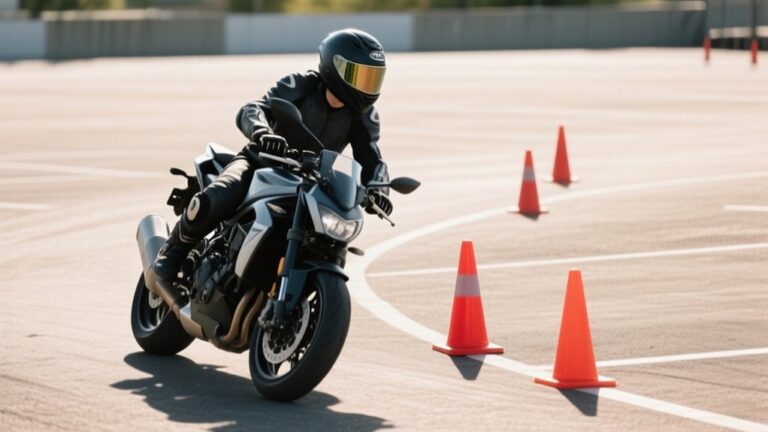
Level 3 ARC programs typically combine classroom instruction with on-range drills like quick stops, curve adjustments, and tight control maneuvers.
These courses build on your foundational skills by emphasizing hazard perception and advanced techniques. Some specialized courses, like the 3-Wheeled Basic Rider Course (3WBRC), cater to specific motorcycle types and meet licensing requirements in states like Illinois.
Building on basics, these courses highlight hazard awareness and cater to unique motorcycle licensing needs.
Course fees generally range from $50 to $100, depending on duration and program specifics.
This targeted approach guarantees you develop all-encompassing motorcycle safety skills tailored to your riding needs. So, whether you’re looking to improve your technique or meet state requirements, there’s a course designed just for you.
How Rider Experience Affects Course Selection
You’ll find that your riding experience plays a big role in choosing the right advanced training course for you.
Usually, courses ask that you have at least a year of riding under your belt or have covered around 1,000 miles. This helps make sure you’re prepared to tackle more challenging skills.
Picking a course that matches what you can already do means you’ll be able to improve safely and get the most out of your training.
Experience Levels Defined
Although rider experience varies widely, courses are structured to match your skill level and guarantee effective learning. Rider education categorizes experience levels to help you select the right training. Beginners with less than six months ride in the Basic RiderCourse (BRC).
After gaining foundational skills, you can progress to intermediate courses like BRC2. Experienced riders, with years of riding and 1,000+ miles, often enroll in advanced courses focusing on cornering, braking, and risk management.
| Experience Level | Typical Ride Time | Recommended Course |
|---|---|---|
| Beginner | < 6 months | Basic RiderCourse |
| Intermediate | 6 months – 1 year | BRC2 or equivalent |
| Experienced | > 1 year, 1,000+ miles | Advanced RiderCourse |
This structure assures rider education efficiently builds your skills at every stage. It’s designed to help you become a safer, more confident rider no matter where you’re starting from.
Matching Skills To Courses
Since rider experience varies widely, selecting the right course level is crucial to match your current skills and guarantee effective learning. If you’re a beginner with no prior experience, starting with foundational rider courses like the Basic Rider Course (BRC) is necessary.
After at least six months of riding, you can advance to Level 2 courses that build on your motorcycle skills.
More experienced riders who’ve completed basic training and want to refine their abilities should consider advanced classes such as the ARC U or the MSF Advanced Rider Course.
Those with professional or competition experience often pursue specialized or advanced courses to challenge themselves further.
Matching your experience to the appropriate course ensures you develop skills safely and effectively without facing challenges beyond your current ability.
Typical Costs of Advanced Motorcycle Training
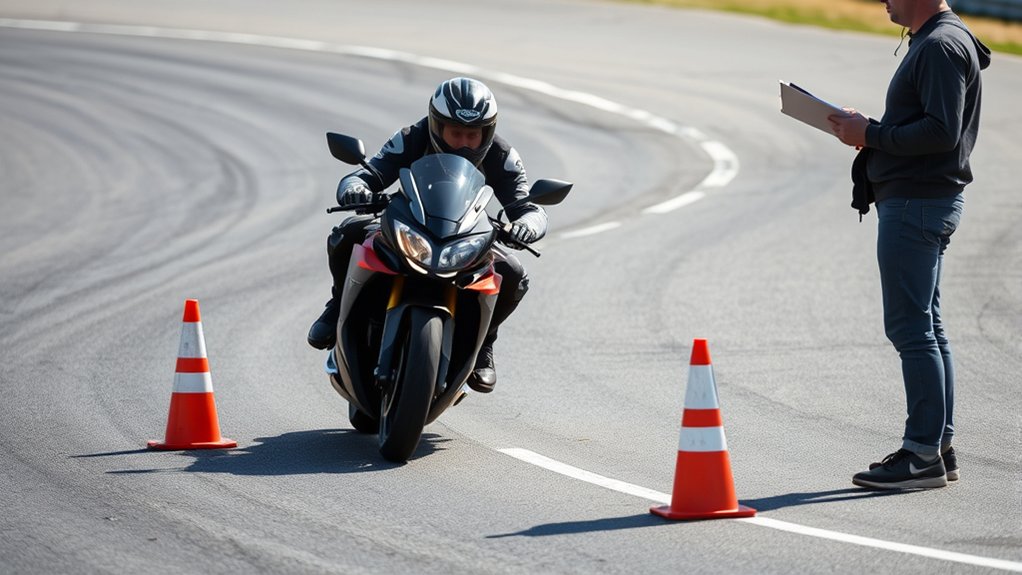
You’ll find that advanced motorcycle training courses usually cost between $50 and $100. The registration fees are often included in the tuition, so you don’t have to worry about extra charges there.
For example, basic programs like the Level 2 BRC 2U course are priced around $50. More detailed options typically range from $60 to $80, depending on what’s offered.
Just keep in mind that specialized sessions or private lessons might add extra fees on top of the base cost.
Course Tuition Breakdown
How much does advanced motorcycle training typically cost? The course tuition generally falls between $50 and $60, covering essential instruction and practical riding exercises. Here’s a clear breakdown:
- Level 2 BRC 2U course tuition is $50.
- Level 3 ARC U course tuition is $60.
- Tuition includes classroom time and range practice.
- Additional costs may apply if you need safety gear or optional materials.
Keep in mind, the core training fee stays within the $50 to $60 range, making it affordable for most riders. While safety gear might require extra investment, the tuition itself guarantees you get extensive training.
This setup lets you budget effectively without any unexpected tuition hikes.
Registration Fees Included
Several advanced motorcycle training courses include registration fees that typically range from $50 to $60. Most programs charge an additional $10 on top of the tuition. These registration fees are generally non-refundable and require full payment when you enroll to secure your spot.
For example, Level 2 and Level 3 courses usually apply these fees. They cover classroom instruction, range exercises, and sometimes safety gear.
While basic skills and safety courses cost around $80 plus tax, advanced motorcycle training registration fees specifically guarantee your place in the program and contribute to administrative costs.
Understanding these fees helps you budget accurately and avoid surprises when signing up for advanced motorcycle training. Keep in mind that registration fees are a standard part of the total cost structure. It’s good to know what you’re paying for upfront.
What Tuition Typically Covers in Training
What exactly does your tuition cover when you enroll in advanced motorcycle training? Understanding what’s included helps you gauge the true value of the course.
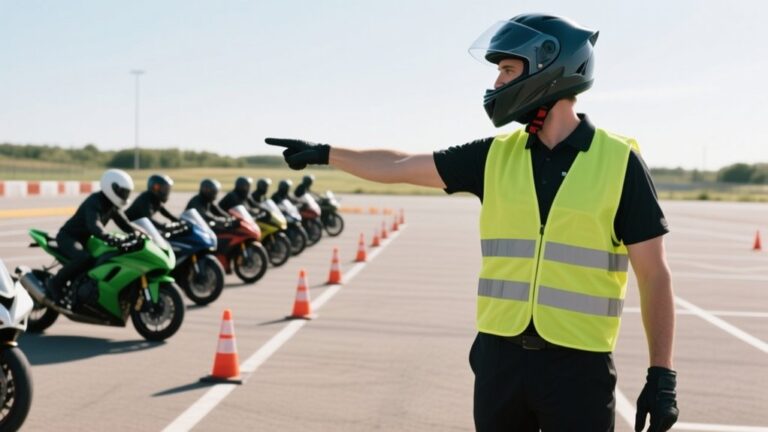
Typically, your tuition covers instructor-led classroom sessions that refine key skills like braking, cornering, and hazard management. You’ll also get practical riding practice on designated ranges or facilities to apply these techniques safely.
Tuition includes expert-led classes and hands-on riding practice to sharpen braking, cornering, and hazard skills.
Course materials and safety guidelines are included too, supporting your learning and compliance. Plus, there’s a set number of instructional hours, usually between 5 to 8, ensuring focused, intensive training.
Keep in mind, while tuition covers thorough training elements, items like personal protective equipment or proof of insurance often fall outside the included fees.
This setup makes sure your tuition directly invests in skill development and safety knowledge.
Extra Expenses to Budget for Beyond Tuition
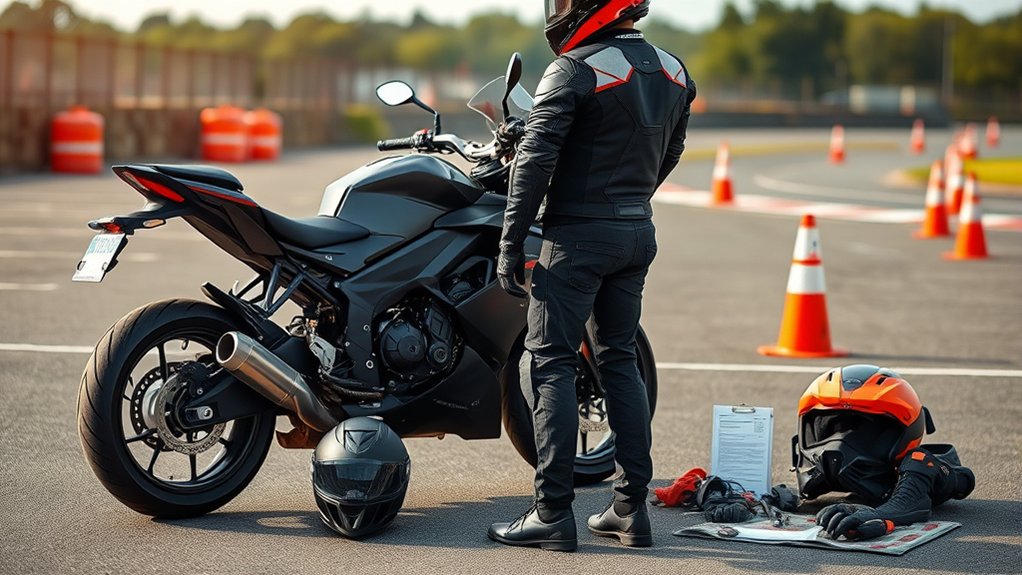
Though tuition covers the core training, you’ll need to budget for extra expenses that can add up quickly. Additional costs often include safety gear like helmets, gloves, and protective clothing, ranging from $100 to $500. Some courses charge for accessories or optional aids, adding $50 to $200.
Don’t forget certification fees or licensing renewals if applicable. Transportation and lodging may also factor in for out-of-area courses, especially multi-day ones. Post-course practice sessions or refresher classes might be needed to maintain your skills.
| Expense Type | Typical Cost Range | Notes |
|---|---|---|
| Safety Gear | $100 – $500 | Quality and brand influence |
| Optional Accessories | $50 – $200 | Course-specific items |
| Certification Fees | Varies | Licensing or endorsements |
| Transportation/Lodging | Varies | Depends on course location |
| Refresher Classes | Varies | Skill maintenance |
How Course Length and Location Impact Costs
How much you pay for advanced motorcycle training often depends on the course length and location. These factors directly influence the overall cost, so understanding their impact helps you budget effectively. Consider these points:
- Course length varies. Shorter sessions around 5 hours cost about $50, while longer ones up to 8 hours can reach $60.
- Location affects pricing. Urban courses typically charge more than rural ones because of higher demand and facility costs.
- Training type matters. Range-based sessions often cost more than classroom-based ones due to different facility fees.
- Regional factors like instructor availability and local demand also influence course fees. So, it’s a good idea to check what’s available in your area before deciding.
Finding Affordable Advanced Motorcycle Training Programs
Since advanced motorcycle training can vary widely in cost, you can find affordable programs that fit your budget without sacrificing quality. Many courses, like the MSF Level 3 ARC U, offer thorough 8-hour sessions for around $60, making them a cost-effective choice.
Look for local motorcycle safety courses that might be free or discounted to encourage rider skill development.
You can also benefit from discounts or package deals through motorcycle clubs or by enrolling in multiple sessions.
Community colleges and vocational schools often provide affordable training at lower rates than private providers.
Furthermore, seek financial aid or sponsorship opportunities offered by safety organizations or rider associations.
Frequently asked questions
Are Advanced Motorcycle Training Certifications Recognized by Insurance Companies?
Yes, many insurance companies recognize advanced motorcycle training certifications. When you complete programs like the MSF Advanced Rider Course, insurers often see you as a safer, more skilled rider.
This recognition can lead to premium discounts.
However, recognition varies by insurer and state, so you should check with your provider. Be prepared to show proof of certification, as some insurers require it to apply any discounts.
It’s always a good idea to ask before you assume you’ll get a break.
How Often Should I Retake Advanced Motorcycle Training Courses?
You should retake advanced motorcycle training every 2 to 3 years to keep your skills sharp and stay updated on safety techniques.
If you’ve had a significant experience change or an accident, consider retaking a course sooner.
If you ride frequently or compete, taking refresher courses annually is smart.
Regular training not only reinforces your knowledge but can also qualify you for insurance discounts.
It’s a practical investment in both your safety and finances.
Can Advanced Training Improve My Chances in Motorcycle Racing Events?
Yes, advanced training can definitely improve your chances in motorcycle racing events. It sharpens your precision braking, cornering, and throttle control, which are essential for competitive racing.
You’ll gain faster reaction times and better handling skills, allowing you to execute the best racing lines and manage risks effectively. This training boosts your confidence and reduces crash risk.
All of this helps you finish races safely and place higher thanks to your enhanced technical proficiency. So, if you want to up your game, advanced training is definitely worth considering.
What Are the Safety Benefits of Advanced Motorcycle Training?
Think of advanced motorcycle training as your safety net, weaving a stronger shield around you. It sharpens your control and quickens your reactions so you can dodge danger like a pro.
You’ll gain confidence in handling sharp turns and sudden stops, which reduces crash risk considerably.
Plus, it boosts your decision-making skills. This helps you spot and avoid hazards before they become threats, keeping you safer on every ride.
Are There Group Discounts Available for Advanced Motorcycle Training?
Yes, you can often get group discounts for advanced motorcycle training. Many providers offer 10% to 20% off when you register with three or more riders, especially if you book early.
Motorcycle clubs or organizations may also qualify for special rates.
To secure the best deal, you should contact the training provider directly and ask about eligibility requirements.
Also, consider bulk registrations to maximize your savings.
It’s definitely worth checking out if you’re planning to train with a group.
Final Thought
You might think advanced motorcycle training is just another expense, but the skills and confidence you gain far outweigh the cost. While tuition and extra fees can add up, investing in your safety and expertise transforms your riding experience.
Balancing course length, location, and your skill level helps you find the right fit without breaking the bank. Ultimately, smart choices in training pay off every time you hit the road.