
Top 12 Best Honda Generator for RV You Can’t Miss!
Many people who own RVs have dealt with the frustration of a generator that sputters or cuts out right when they need power the most. A reliable, best honda generator for rv can avoid this by providing steady electricity for appliances and devices during travel or camping. Those cheap alternatives often lack the durability and quiet operation necessary for an enjoyable outdoor experience.
The main factors that distinguish a good generator in this category are fuel efficiency, noise level, and weight. Generators in the 2000 to 3000-watt range usually offer the right balance of power without being too bulky.
Quiet operation around 50 to 60 decibels makes a big difference when running overnight. Portability also matters since it needs to fit comfortably in limited storage spaces and be easy to transport by hand.
Need a Quick Check?
| Image | Product | Price |
|---|---|---|
Our Top Picks 1  | Honda EU3200i Generator | Check Price |
Our Top Picks 2 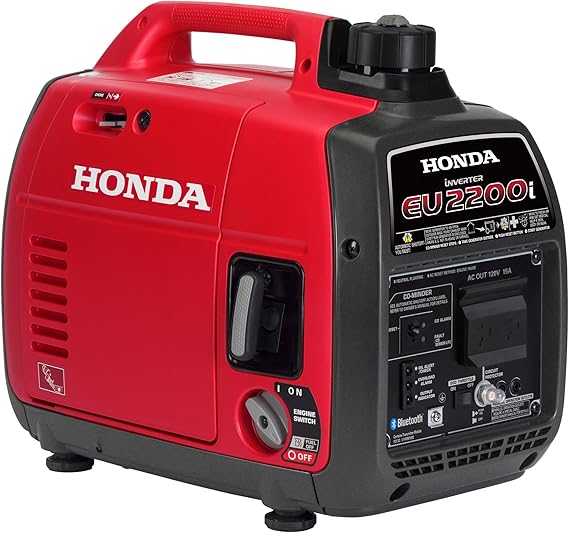 | Honda EU2200i Generator | Check Price |
Our Top Picks 3  | Honda EU7000iS Generator | Check Price |
Our Selected Top 12 Honda Generator for Rv Worth Considering
This list features a carefully chosen selection of portable generators ideal for RV use. Each review covers performance, suitability for different needs, and highlights both strengths and limitations, helping readers make an informed decision based on practical details.
1. Honda EU3200i Inverter Generator
Power outages or camping trips with RVs demand a reliable and quiet power source, and this generator fits that bill. It suits anyone needing steady electricity for sensitive appliances like fridges and AC units, with the biggest strength being its quiet operation, allowing you to keep your neighbors undisturbed.
Setting it up is straightforward, thanks to an electronic ignition system that makes starting easy. Its lightweight and portable design means moving it around isn’t a chore. The LED display helps monitor output easily, and a 1.2-gallon gas tank offers about 8 hours of runtime, making it convenient for day-to-day powering needs on the road or at home.
This generator delivers 3200 watts continuously, enough to handle most 13,500 BTU RV air conditioners or home appliances without faltering. It’s built around a 4-stroke, 208cc engine that runs smoothly and quietly at 54 to 58 dB(A), quieter than a normal conversation.
Common praise highlights how silent it is, while the main complaint is that it only offers one power outlet.
The quietness of the generator stands out as its biggest advantage, making it suitable for noise-sensitive environments. At the same time, some people find the single power outlet limiting for running multiple devices at once. Maintenance is straightforward, but managing power distribution requires planning.
This generator is great for people with RVs or homes who need quiet, dependable backup power for essential appliances. Those needing multiple outlets or longer runtime might want to explore other models with bigger fuel tanks and more outlets.
Pros
- Super quiet operation for camping or RV use
- Easy electronic ignition system
- Lightweight and portable design
- LED display for easy monitoring
Cons
- Only one power outlet available
- Small fuel tank limits extended use
| Specification | Details |
|---|---|
| Output Wattage | 3200 watts |
| Fuel Type | Gas |
| Tank Volume | 1.2 gallons |
| Engine Displacement | 208 cubic centimeters |
| Runtime | 8 hours |
| Noise Level | 54 to 58 dB(A) |
2. Honda EU2200i Inverter Generator
2200 watts of power provide enough juice for most RV needs, from small AC units to microwaves. It suits anyone needing a reliable, quiet generator on the go, especially for camping or road trips where noise matters most.
Starting it is simple thanks to the magneto ignition system. The 1-gallon gas tank lets you run it up to 8 hours before refilling.
Carrying it around isn’t a pain because it’s portable and light enough for one person. Two power outlets offer convenient options for plugging in multiple devices. It stays quiet between 48 to 57 dB(A), so it won’t bother your campsite neighbors.
The continuous 2200 watts performance keeps essentials like refrigerators and computers running steady; it uses a 4-stroke engine that feels solid and well-built. Many appreciate the quietness and reliable power during trips.
On the downside, some mention the tank size demands refueling on longer outings, and others wish it had more than two outlets.
Quiet operation stands out as a major plus, allowing use without disturbing nearby people. The main drawback is the limited fuel capacity, making it necessary to stop and refuel during extended use.
This model fits those who want a lightweight and noiseless generator for moderate power needs during RV trips. Larger groups or longer excursions might need a generator with more outlets and bigger fuel capacity.
Pros
- Quiet operation at 48 to 57 dB(A)
- Portable and easy to carry
- Provides stable power for sensitive devices
- Eight-hour runtime per tank
Cons
- Small fuel tank requires frequent refills
- Only two power outlets available
| Specification | Details |
|---|---|
| Wattage | 2200 watts |
| Fuel Type | Gasoline |
| Tank Volume | 1 gallons |
| Runtime | 8 hours |
| Output Voltage | 120 volts |
3. Honda EU7000iS Inverter Generator
Anyone needing reliable power for an RV or home backup will appreciate the quiet strength of the Honda EU7000iS Inverter Generator. It stands out for its powerful 7000-watt output, making it suitable for running multiple devices, including sensitive electronics, without worry.
Setting it up is straightforward with an electric start and built-in wheels that make moving it easier. The fuel tank holds 5.1 gallons, which supports about 6 and a half hours of runtime at a steady power level.
Its quiet operation, running between 52 and 58 decibels, is ideal for camping or neighborhood-friendly outdoor activities.
It handles its job efficiently, providing stable 240-volt power suitable for various residential and outdoor needs. The build is solid with a 389cc, 11.7 hp 4-stroke engine and electronic ignition, ensuring reliable starts. The strongest praise centers on how quiet it is, while the main downside noted is the limited runtime at full power before refueling is needed.
Quiet operation is the most appreciated feature, allowing use in noise-sensitive environments like campsites and neighborhoods. A common complaint is the runtime, which requires refueling more often during extended use at full power.
The generator fits users who need a strong, quiet, and portable power source for RVs or home backup during outages. Those requiring longer runtimes without stopping might look for models with larger fuel capacity or better fuel efficiency.
Pros
- Runs quietly at conversation-level noise
- Strong 7000-watt continuous output
- Electric start with easy mobility wheels
- Stable power for sensitive electronics
Cons
- Runtime limited to about 6.5 hours at full load
- Only three power outlets available
| Specification | Details |
|---|---|
| Output Wattage | 7000 watts |
| Fuel Type | Gas |
| Tank Volume | 5.1 gallons |
| Runtime | 6 hours and 30 minutes |
| Engine Power Maximum | 11.7 hp |
| Noise Level | 52 to 58 dB(A) |
4. Honda EU2200i Companion Inverter Generator

The EU2200i Companion is perfect for people with RVs who want reliable, quiet power, featuring a built-in 30A outlet made just for RV hookups. Compact and portable, it delivers a solid 2200 watts, making it well-matched for running essential appliances without overwhelming noise.
Setting up takes minimal effort thanks to its portable size and straightforward ignition system. The quiet operation at 48 to 57 dB(A) means it won’t disturb campsites or neighbors. The included 30A outlet simplifies connecting to RV power systems, while the inverter technology ensures smooth voltage for sensitive devices like laptops or microwaves during daily use.
Power delivery feels consistent, managing loads like refrigerators and small AC units with ease. Construction feels sturdy, centered around Honda’s reliable GXR120 engine. Most appreciate how quiet it runs compared to other generators, although its 3-hour runtime on a 0.95-gallon tank requires planning refuels on longer outings.
Quiet operation receives high marks, making it well-suited for campgrounds and quiet environments. Users frequently mention the short runtime as a drawback, requiring more frequent refueling during extended use. The steel build and reliable engine encourage confidence in lasting performance.
Those prioritizing noise and clean power for small RV appliances will find it a solid choice. Larger RV setups demanding higher wattage or longer runtimes should explore models with greater fuel capacity and power output.
Pros
- Built-in 30A outlet for RV compatibility
- Quiet operation at 48 to 57 dB(A)
- Portable and compact design
- Stable inverter power for sensitive electronics
Cons
- Runtime only 3 hours per fill-up
- 2200 watts might limit larger RV appliances
| Specification | Details |
|---|---|
| Output Wattage | 2200 watts |
| Fuel Type | Gas |
| Tank Volume | 0.95 gallons |
| Runtime | 3 hours |
| Engine Type | Honda GXR120 |
5. Honda EU3000iS Inverter Generator

Honda EU3000iS Inverter Generator stands out as a reliable and quiet power source for RV use and home backup. It works well for running appliances like furnaces, refrigerators, and mid-range RV air conditioners while providing stable power for sensitive electronics.
Setting up the generator is straightforward, thanks to the electric start and gas-powered engine. The 3.4-gallon fuel tank supports up to 19 hours of runtime, which makes it easy to rely on during a trip or power outage.
Operating noise stays between 50 and 57 dB(A), so it’s quiet enough not to disturb neighbors or your own downtime outdoors.
Power delivery is steady, with a running wattage of 2800 watts sufficient for most RV needs. The machine’s build features a 418 cc, 4-stroke engine designed for durability and consistent output.
Most users appreciate how quietly it runs; the biggest drawback mentioned is its weight, which can be cumbersome for some to transport.
The generator’s quiet operation at noise levels below a normal conversation is highly praised. Many appreciate the electric start for its convenience, though some mention that the unit’s weight makes moving it a bit challenging. It performs consistently when powering typical RV appliances and small electronics.
People needing a noise-sensitive solution with steady power will be happy with this generator. Those who require a lighter unit for occasional movement might want to look at smaller or more portable alternatives.
Pros
- Super quiet operation at 50-57 dB(A)
- Electric start for easy use
- Long runtime of up to 19 hours
- Stable power suitable for sensitive electronics
Cons
- Heavier than many portable generators
- Limited to gasoline fuel only
| Specification | Details |
|---|---|
| Wattage | 3000 watts |
| Fuel Type | Gasoline |
| Tank Volume | 3.4 gallons |
| Runtime | 19 hours |
| Engine Displacement | 418 cubic centimeters |
6. Honda EU3200i Inverter Generator
Running an RV without worrying about power interruptions feels simple with a quiet generator designed for sensitive electronics. Ideal for those who need steady, clean electricity on the road, it shines most in delivering reliable power that won’t damage your devices during long trips.
Setting it up involves little fuss thanks to an electric start and a clear LED panel that shows fuel level and Eco Throttle status at a glance. The generator’s Oil Alert adds confidence by automatically shutting down the engine when oil runs low, helping avoid damage.
A safety feature called CO-MINDER monitors carbon monoxide levels and turns off the unit if gas reaches unsafe levels.
It handles a strong running wattage of 2600 and a starting wattage of 3200, enough for many RV needs. The build offers good protection for the engine and stable power thanks to its inverter technology.
Most praise focuses on its reliable power output and quiet operation. Some find the 3-hour runtime per 5 gallons limiting for longer stays without refueling.
Clean and consistent power delivery with built-in safety alerts makes this generator dependable for RV use. A common drawback is a relatively short runtime, which requires frequent refueling on extended trips.
Those who value quiet, stable power for their electronics will appreciate this generator. People planning longer off-grid stays or who need lighter gear might want to explore other options.
Pros
- Electric start for easy operation
- Clean power safe for electronics
- Oil Alert helps prevent engine damage
- CO-MINDER adds safety against carbon monoxide
Cons
- Runtime limited to about 3 hours
- Heavy for some users during transport
| Specification | Details |
|---|---|
| Output Wattage | 3200 watts |
| Fuel Type | Gasoline |
| Tank Volume | 5 gallons |
| Engine Displacement | 208 cubic centimeters |
| Runtime | 3 hours |
| Total Power Outlets | 3 |
7. Honda EU2200i Inverter Generator

Perfect for RV users seeking reliable power, this generator delivers up to 2200 watts and operates quietly. Compact and fuel-powered, it suits camping trips and job sites where steady energy is key.
Its standout feature is the full manufacturer warranty, adding assurance to its sturdy design.
Getting started is straightforward with a recoil ignition, no complicated process involved. The tank holds enough gasoline for about 8 hours of continuous running at 120 volts, fitting easily into RV storage spaces. Two power outlets let you plug in multiple devices, making day-to-day use practical for charging and running appliances.
Performance-wise, it delivers a constant 2200 watts without flicker or drop. The engine’s 121 cubic centimeters displacement offers solid fuel economy for its size.
Users often praise the quiet operation and reliability, but some find the need for manual recoil starting a bit inconvenient compared to electric starters.
The quiet running and reliable power make this generator a solid choice for camping and RV use. Many value the full warranty for added security, although the manual recoil start is often seen as a slight inconvenience.
People who want dependable, straightforward power without extra weight or complexity will find it fits well. Those looking for electric start or more outlets might prefer exploring other models.
Pros
- Quiet operation suitable for campsites
- Compact size fits easily in RVs
- Full manufacturer warranty included
- Long 8-hour runtime on one tank
Cons
- Recoil start requires effort and practice
- Only two power outlets available
| Specification | Details |
|---|---|
| Wattage | 2200 watts |
| Fuel Type | Gasoline |
| Tank Volume | 121 cubic centimeters |
| Output Voltage | 120 Volts |
| Runtime | 8 hours |
| Total Power Outlets | 2 |
8. Honda EB2200i Inverter Generator

Compact and built with durable materials, the Honda EB2200i Inverter Generator suits anyone needing reliable, portable power. Its standout feature is quiet operation, running quieter than a normal conversation, perfect for use around your RV without disturbing neighbors.
Setup involves just pulling the recoil start and it’s ready to go. It runs smoothly on gasoline, with a small tank that holds 0.95 gallons, enough for about 8 hours of operation. The unit stays lightweight and easy to move, with two power outlets offering 120 volts, which covers standard RV needs without fuss.
Power delivery is steady up to 2200 watts, adequate for lighting, electronics, and small appliances. Built with a 4-stroke, 121cc engine, it’s designed to last through repeated use at job sites or campsites.
Praise focuses on its quietness and reliability, while most complaints mention limited runtime and manual recoil start as drawbacks.
The quietness of the generator receives consistent praise as neighbors barely notice it running, making it easy to use in close quarters. A common drawback is the manual recoil start, which some find inconvenient compared to electric options. Runtime also falls short for those expecting longer continuous use without refueling.
Ideal for RV travelers looking for a quiet, reliable source of moderate power to run basic appliances and electronics. Those needing extended runtimes or electric starting features might want to consider a different model better suited for heavy or longer use.
Pros
- Super quiet operation, 48 to 57 dB(A)
- Compact and portable design
- Reliable 4-stroke engine
- Two standard 120V power outlets
Cons
- Limited tank capacity limits longer use
- Recoil start lacks electric convenience
| Specification | Details |
|---|---|
| Output Wattage | 2200 watts |
| Fuel Type | Gasoline |
| Tank Volume | 0.95 gallons |
| Engine Displacement | 121 cubic centimeters |
| Runtime | 8 hours |
9. Honda EG4000 Portable Generator

Quiet operation is immediately noticeable, making the Honda EG4000 Portable Generator a great choice for RV users seeking dependable power without loud noise. It suits those needing steady performance with enough outlets and a long runtime to keep essentials running during trips and campsite stays.
Setup is straightforward with a magneto ignition system that gets the engine going quickly. A 6.3-gallon tank supports about 14 hours of continuous use, which covers extended outings well.
Its portability adds convenience when moving it around, and having five power outlets means multiple devices can run simultaneously without hassle.
Power delivery feels consistent with a running wattage of 3500 and brief peaks to 4000 watts for startup surges. Built around a 4-stroke 418cc engine, it holds up well to regular use.
Common praise focuses on its quietness, while some mention its weight as a drawback when carrying it longer distances.
Quietness is the most praised feature, making it great for noise-sensitive environments. A notable downside is its weight, which can be inconvenient for users needing frequent mobility. Its 14-hour runtime reduces refueling frequency on longer trips, which is a practical benefit.
Anyone prioritizing quiet and steady power for their RV or campsite will find it reliable. Those who want something lighter or with a higher starting wattage might want to consider alternative models better suited to those needs.
Pros
- Quiet operation suitable for camping and residential use
- Long 14-hour runtime on a full tank
- Multiple outlets support several devices at once
- Simple magneto ignition for reliable starts
Cons
- Heavier than some portable models, challenging to carry far
- Starting wattage slightly lower than running wattage
| Specification | Details |
|---|---|
| Running Wattage | 3500 watts |
| Starting Wattage | 3300 watts |
| Tank Volume | 6.3 gallons |
| Engine Displacement | 418 cubic centimeters |
| Total Power Outlets | 5 |
| Runtime | 14 hours |
10. Honda EG4000 Generator

Perfect for RV travelers seeking reliable power without excess noise, this generator delivers enough muscle to run large appliances while staying surprisingly quiet. Its greatest strength lies in providing stable, consistent output ideal for sensitive electronics and heavy-duty tools alike.
Setting it up is straightforward thanks to its portable design and electric ignition. A sizeable 5-gallon tank means fewer refills on camping trips, while the 14-hour runtime covers extended use.
Running at a moderate 66-67 dB(A), it won’t disturb neighbors or your own peace during quiet evenings at the campsite.
Handling a full 4000 watts continuously, this generator meets demands with a smooth and steady voltage within +/-1%. The 4-stroke engine feels solid, built for durability. Many users appreciate how quiet it runs compared to similar models, though some note its weight can make it less handy for those seeking ultra-light gear.
This generator is praised for its quiet operation and consistent power output, running solidly at a moderate sound level. Some find its weight a drawback when compared to lighter models, which could be challenging for frequent transport.
Those seeking a strong, dependable generator for extended RV stays will appreciate its features. People prioritizing ultra-light or frequent mobility might prefer smaller units with less output.
Pros
- Stable voltage within +/- 1%
- Runs quietly for its power range
- Long runtime with 5-gallon tank
- Three power outlets for multiple devices
Cons
- Relatively heavy for portability
- Limited to 50 hertz frequency
| Specification | Details |
|---|---|
| Output Wattage | 4000 watts |
| Fuel Type | Gas |
| Tank Volume | 5 gallons |
| Runtime | 14 hours |
| Sound Level | 66-67 dB(A) |
| Engine Type | 4 Stroke |
11. Honda EU2200i Companion Inverter Generator

Power outages or boondocking trips require reliable energy that’s easy to carry and quiet enough for tight spaces. Perfect for RV travelers seeking a portable and fuel-efficient unit, it features quiet inverter technology that keeps noise levels low while running.
Setting up involves simple positioning thanks to its lightweight 46.5-pound design, making transport straightforward. The 0.95-gallon tank fuels long runtimes around eight hours, so refilling isn’t a frequent task.
Electronic ignition starts the engine quickly, and just one outlet means managing your connected devices thoughtfully. Quiet operation keeps campground noise down, making it easy to fit into outdoor living.
Steady power output of 2200 watts meets typical RV needs, and the Honda 4-stroke engine is known for durability over time. Users appreciate how quiet it runs even under load.
Some find the single power outlet limiting, especially when juggling multiple appliances at once. The build feels solid and reliable, suited for repeated use and travel.
The generator runs quietly even when powering multiple devices, which makes it suitable for residential and campground use. However, many note that having only one outlet means plugging and unplugging appliances frequently to manage power.
People looking for lightweight, low-noise generators for RV trips will appreciate this unit’s design and efficiency. Those needing multiple outlets or longer continuous power without refueling might want to consider models with larger tanks or more outlets.
Pros
- Weighs only 46.5 pounds for easy transport
- Quiet operation at 50 dB(A)
- Efficient fuel consumption with long runtime
- Durable Honda engine with electronic ignition
Cons
- Single power outlet limits simultaneous device use
- Tank size may require refilling on longer trips
| Specification | Details |
|---|---|
| Wattage | 2200 watts |
| Fuel Type | Gasoline |
| Tank Volume | 0.95 gallons |
| Running Wattage | 1800 watts |
| Runtime | 8 hours |
| Engine Type | 4 Stroke |
12. Honda EM6500SX Generator

Providing 6,500 watts of running power and a 7,000-watt surge to start heavier gear, this generator is perfect for RV users who need reliable and powerful backup energy. Its electric start and gasoline engine make it a practical choice for powering large appliances during trips or outages without fuss.
Setting it up is straightforward thanks to the electric ignition system, and the 6.2-gallon tank supports a runtime of around nine hours. The quieter operation at 64-66 dB(A) keeps noise low enough to not disturb your RV experience. The intelligent automatic voltage regulation (iAVR) stabilizes power output, protecting sensitive devices from voltage fluctuations.
It handles your power needs well, reliably supporting freezers, furnaces, and sump pumps. Its build feels sturdy and functional, designed for everyday use without unnecessary complexity. Common praises focus on its quietness during operation, while some note the weight and size make it less portable for solo users.
Quiet operation is the most appreciated feature, allowing it to run near your RV without making too much noise. However, the generator’s weight and size come up often as a drawback for those expecting easier portability during trips.
Ideal for users needing steady power for RV appliances while prioritizing quieter running. Those who want something lighter or more compact should look for smaller or inverter-style alternatives instead.
Pros
- Provides strong 7,000 watts starting power
- Quiet operation at 64-66 dB(A)
- Electric start for easy use
- Runs up to 9 hours on 6.2 gallons
Cons
- Relatively heavy and bulky to move
- Gasoline fuel requires proper storage and handling
| Specification | Details |
|---|---|
| Output Wattage | 6500 watts |
| Starting Wattage | 7000 watts |
| Fuel Type | Gas |
| Tank Volume | 6.2 gallons |
| Runtime | 9 hours |
| Ignition System Type | electric start |
Comparison of Best Honda Generators for RV
| Product | Wattage | Fuel Tank Volume | Portability | Recommended Uses |
|---|---|---|---|---|
| Honda EU3200i Generator | 3200 watts | 1.2 gallons | Lightweight, Portable | Residential |
| Honda EU2200i Generator | 2200 watts | 1 gallon | Portable | Monitoring |
| Honda EU7000iS Generator | 7000 watts | – | Wheels, Super Quiet | Residential, Outdoor |
| Honda EU2200i Companion | 2200 watts | 0.95 gallons | Portable | Monitoring |
| Honda EU3000iS Generator | 3000 watts | 3.4 gallons | Electric Start | – |
| Honda EU3200i Inverter | 3200 watts | 5 gallons | Electric Start | Residential |
| Honda EU2200i Inverter | 2200 watts | 121 cc (engine size) | – | Camping, RV, Job Site |
| Honda EB2200i Generator | 2200 watts | 0.95 gallons | Portable | Commercial |
| Honda EG4000 Portable | 4000 watts | 6.3 gallons | Portable | Camping, Residential |
| Honda EG4000 Generator | 4000 watts | 5 gallons | Portable | Commercial |
| Honda EU2200i Companion | 2200 watts | 0.95 gallons | Portable | Commercial |
| Honda EM6500SX Generator | 6500 watts | 6.2 gallons | Electric Start | Residential |
- Wattage3200 watts
- Fuel Tank Volume1.2 gallons
- PortabilityLightweight, Portable
- Recommended UsesResidential
- Wattage2200 watts
- Fuel Tank Volume1 gallon
- PortabilityPortable
- Recommended UsesMonitoring
- Wattage7000 watts
- Fuel Tank Volume–
- PortabilityWheels, Super Quiet
- Recommended UsesResidential, Outdoor
- Wattage2200 watts
- Fuel Tank Volume0.95 gallons
- PortabilityPortable
- Recommended UsesMonitoring
- Wattage3000 watts
- Fuel Tank Volume3.4 gallons
- PortabilityElectric Start
- Recommended Uses–
- Wattage3200 watts
- Fuel Tank Volume5 gallons
- PortabilityElectric Start
- Recommended UsesResidential
- Wattage2200 watts
- Fuel Tank Volume121 cc (engine size)
- Portability–
- Recommended UsesCamping, RV, Job Site
- Wattage2200 watts
- Fuel Tank Volume0.95 gallons
- PortabilityPortable
- Recommended UsesCommercial
- Wattage4000 watts
- Fuel Tank Volume6.3 gallons
- PortabilityPortable
- Recommended UsesCamping, Residential
- Wattage4000 watts
- Fuel Tank Volume5 gallons
- PortabilityPortable
- Recommended UsesCommercial
- Wattage2200 watts
- Fuel Tank Volume0.95 gallons
- PortabilityPortable
- Recommended UsesCommercial
- Wattage6500 watts
- Fuel Tank Volume6.2 gallons
- PortabilityElectric Start
- Recommended UsesResidential
How to Choose the Right Honda Generator for RV
Consider key factors like power output, fuel efficiency, and portability to ensure the generator meets your RV’s energy needs without unnecessary bulk. Choosing the right specifications helps avoid overpaying for extra features or running out of power, saving money and preventing inconvenience on your trips.
Power Output and Capacity
RV appliances like air conditioners and microwaves draw a lot of power, especially during startup. Generators with a continuous rating below the combined wattage of your devices struggle to keep everything running smoothly.
Spare capacity in surge wattage is essential to handle these spikes; otherwise, expect frequent breaker trips or dimming lights.
Choosing a generator that provides between 2000 and 3500 running watts and at least 20-25% higher surge capacity covers most RV needs. Fuel efficiency impacts how long the generator can run without refueling, which matters on long drives or at campsites with limited fuel supplies.
Models that offer 7 to 10 hours of runtime at 50% load strike a good balance between output and fuel consumption.
Portability and Size
Portability is crucial since generators often need to be moved from storage compartments to outdoor setups. Units around 40 to 60 pounds are heavy enough for durability but still manageable for one person to carry or wheel out.
Bulky machines can become a hassle if they don’t fit well inside RV storage bays or take up space meant for other gear.
Look for generators with built-in handles or wheels; they make the difference between a quick setup and a struggle. Dimensions should be checked against your RV’s storage space; a generator too wide or tall might not fit properly, limiting accessibility.
Compact designs that fit under benches or in storage lockers save time and reduce clutter.
Noise Levels
Noise from generators can be distracting, especially in quiet campgrounds where other travelers value peace. Units rated around 50 to 60 decibels run quieter than older models, generally comparable to a normal conversation. Without this consideration, you risk constant background noise that reduces your enjoyment.
Inverter technology and quality mufflers reduce engine noise and vibrations significantly. They allow you to run equipment without overpowering your environment.
Some generators also include noise-reducing enclosures, keeping sound levels reasonable during extended use.
Fuel Type and Runtime
Most RV trips rely on gasoline or propane because these fuels are widely available along roadways and in campgrounds. Generators that only use one fuel type limit flexibility and could leave you stranded if that fuel runs out.
Dual-fuel options are practical for longer trips where access to specific fuel types varies.
Run times of 8 to 12 hours on a full tank mean fewer stops for refueling, which is especially convenient overnight. Longer runtimes allow continuous operation of refrigeration and climate control systems without interruption, helping maintain comfort and food safety on the road.
Safety Features and Ease of Use
Automatic shutoff systems protect the generator engine from damage and avoid hazards. When oil runs low or output surpasses safe limits, these features prevent breakdowns and reduce maintenance costs.
Ignoring such protections results in repairs or outages during trips.
Controls should be straightforward, with clear labels and indicators showing fuel levels, oil status, and load. This helps avoid operational errors and speeds up setup. Built-in carbon monoxide detection or alarms are critical safety components, especially if running the machine near enclosed spaces.
Overheating safeguards also prevent fires and extend the generator’s lifespan.
Tips for Maximizing Fuel Efficiency When Using a Honda Generator in Your RV
Honda generators are known for fuel efficiency, but how you operate them in your RV determines actual consumption. Running the generator at a consistent, moderate load rather than near idle or maximum capacity helps keep fuel usage steady.
Avoid frequently switching the generator on and off as startup uses more fuel. Store extra fuel safely and use fresh gasoline to improve engine performance. Using the Eco-Throttle feature, if available, adjusts engine speed based on power demand, which reduces fuel consumption during light loads.
Additional tips to maximize fuel efficiency:
- Turn off appliances you don’t need before starting the generator.
- Schedule heavy power use in batches rather than piecing it throughout the day.
- Keep the generator’s air filter clean to maintain proper airflow.
- Use low-wattage LED lights inside the RV to reduce power draws.
Following these straightforward practices makes a noticeable difference in how far a tank of fuel will last during camping trips.
Essential Maintenance Practices to Prolong the Life of Your Honda RV Generator
Routine maintenance ensures your Honda RV generator runs reliably over the years. Check the oil level regularly, especially after long usage hours, and replace it with the recommended oil type.
A clean air filter is essential; replace or clean it according to the owner’s manual. Spark plugs should be inspected yearly for wear and replaced if fouled. Fuel lines need visual checks for cracks or leaks that can cause performance issues or hazards.
Basic maintenance steps to keep in mind:
- Drain the fuel tank if storing for extended periods to prevent gum deposits.
- Run the generator monthly, even if unused, to keep internal parts lubricated.
- Keep the exterior clean and free from dust buildup.
- Use only genuine Honda parts for replacements to maintain performance integrity.
Adhering to these simple guidelines can prevent unexpected breakdowns and extend the life of your generator in your RV setup.
Comparing Honda Generators with Other Top Brands for RV Use
Honda generators distinguish themselves in the RV market through reliable build quality and quieter operation compared to many other brands. Their engines typically have a reputation for longevity, supported by a worldwide dealer network for parts and service. Models like the EU2200i are popular for combining fuel efficiency with sufficient power for most RV needs.
Compared to brands such as Champion or Westinghouse, Honda units often weigh less, making them easier to move around campsites.
Points to consider when comparing with other brands:
- Honda generators generally have lower noise levels.
- They command a higher price, reflecting build durability and quieter operation.
- Other brands may provide more power options but sometimes at the cost of louder engines or heavier weight.
- Warranty periods and availability of customer support can vary widely.
Understanding these trade-offs helps you decide which generator fits your RV lifestyle and budget without sacrificing the features you need most.
People Also Asked
How Do I Choose the Right Generator Size for My RV?
Match the generator’s output to the total wattage of the appliances and devices you plan to run simultaneously. It helps to check the starting and running watt requirements since some devices need more power at startup. Buying a generator with slightly higher capacity than needed avoids overload.
What Safety Precautions Should I Take When Using a Generator?
Always operate the generator outdoors to prevent carbon monoxide poisoning and keep it away from windows or vents. Place it on a flat surface to avoid tipping and fuel spills. Using a carbon monoxide detector inside the RV is also a wise precaution.
How Long Can a Typical RV Generator Run Continuously?
Many RV generators can run continuously for 8 to 12 hours on a full fuel tank. Running it for longer periods can cause overheating, so plan for breaks and check the oil level regularly. Carry extra fuel safely stored and keep the unit ventilated.
What Are Common Problems with Portable Generators for RV Use?
Common issues include hard starting, inconsistent power output, and overheating. Dirt and debris can clog air filters or carburetors, leading to performance problems. Regularly cleaning and replacing parts such as spark plugs helps avoid these troubles.
How Do I Properly Maintain and Care for an RV Generator?
Regular oil changes and air filter cleaning are essential for long-term reliability. Run the generator under load periodically even in storage to keep components lubricated. Also, store it in a dry place, and drain fuel if it won’t be used for a while to prevent gum buildup.
Conclusion
Choosing the right Honda generator for your RV depends on power output, fuel efficiency, and portability. Make sure the wattage covers your essential appliances without overloading.
Fuel consumption matters for longer trips, and the weight and size should fit your storage space and ease of handling.
Think about how often you will use the generator and how much space and money you can allocate before making a decision. Review the comparison table and detailed picks above to find the model that fits your specific needs and budget.