How Much Does Motorcycle Training Cost – Full Breakdown
You’ll typically pay between $175 and $425 for motorcycle training, depending on your location, course type, and duration. Two-wheel courses usually cost less than three-wheel ones. Longer sessions with advanced skills tend to raise the price.
Some states offer free or subsidized programs, especially for military personnel. Registration fees are often refundable. Gear and licensing fees might be extra.
Keep exploring to uncover how these factors influence the total cost and your savings options.
How Much Do Basic Motorcycle Training Courses Cost?
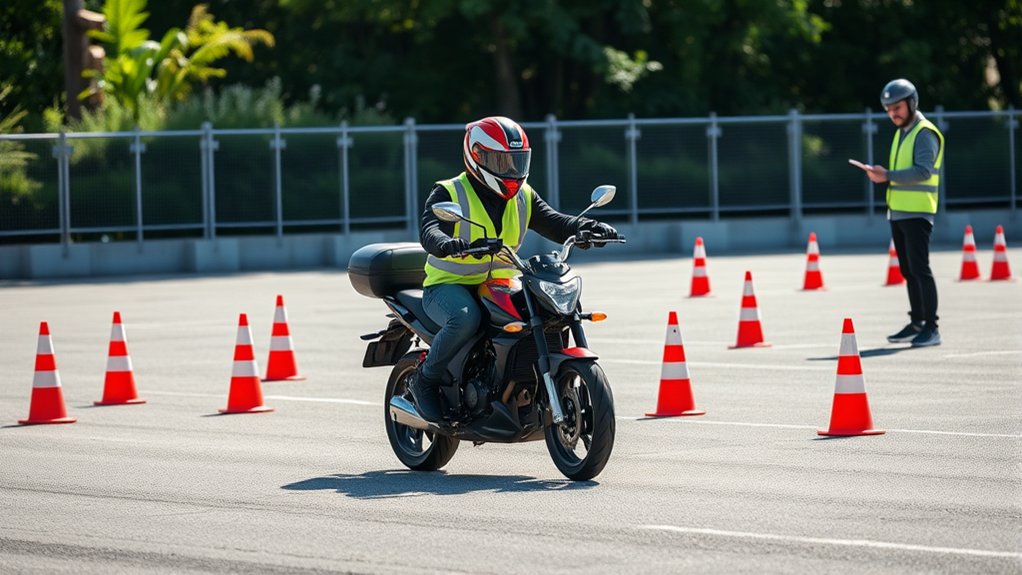
Wondering how much basic motorcycle training courses will set you back? The training cost varies widely depending on location and program.
Some motorcycle training courses are free or charge a small refundable registration fee, like Illinois’s course, which asks for about $20 upfront but returns it later.
Certain motorcycle courses cost little to nothing, with refundable fees like Illinois’s $20 upfront charge.
In contrast, states like California and New Jersey offer extensive programs with prices around $425 and $395, respectively. These include motorcycle use and safety gear or classroom instruction.
Meanwhile, Oregon’s Basic Rider Course ranges from $175 to $225 based on options and license waivers.
These training courses prepare you well and often help you qualify for a motorcycle license. So, the investment is usually worth it if you want to ride legally and safely.
How Do 2-Wheel and 3-Wheel Course Prices Compare?
You’ll find that 2-wheel motorcycle courses usually cost a bit less than 3-wheel options. That’s mainly because 2-wheel courses are more widely available and use simpler equipment.
Plus, many 2-wheel courses include online lessons or private sessions, which can be pretty convenient.
On the other hand, 3-wheel training tends to focus more on in-person instruction with specialized gear. So, it might be a bit pricier because of that hands-on approach.
Knowing these price differences and what each course offers can really help you pick the one that fits your needs best.
Price Differences Overview
How do the costs of 2-wheel and 3-wheel motorcycle training courses compare?
Generally, 2-wheel courses range from $175 to $395, with fees varying by provider and course length.
In contrast, 3-wheel courses, covering sidecars or trikes, usually cost a bit more, around $200 to $300.
Basic 2-wheel training tends to be less expensive than advanced or specialized sessions.
3-wheel training can be pricier because of the unique skills involved.
But many providers offer discounts or subsidies that can lower fees for either course type.
Location and course complexity play big roles in cost differences, so it’s worth checking out options near you.
Course Inclusions Comparison
Although 2-wheel and 3-wheel motorcycle training courses share many similarities in pricing, the inclusions can vary slightly depending on the course type. Course fees for both typically range within a detailed spectrum, often covering essential training components like classroom instruction and practical riding sessions.
For 2-wheel courses, you’ll usually get a mix of in-person and sometimes online instruction, along with access to safety gear and training motorcycles.
Meanwhile, 3-wheel courses, such as Sidecar or Trike programs, include knowledge and riding components too. Some even offer discounts for military or in-state participants.
Regardless of which course you choose, the fees generally cover extensive instruction, safety gear, and hands-on practice. This way, you’re well-equipped for safe riding on either two or three wheels.
How Course Duration and Content Impact Motorcycle Training Prices
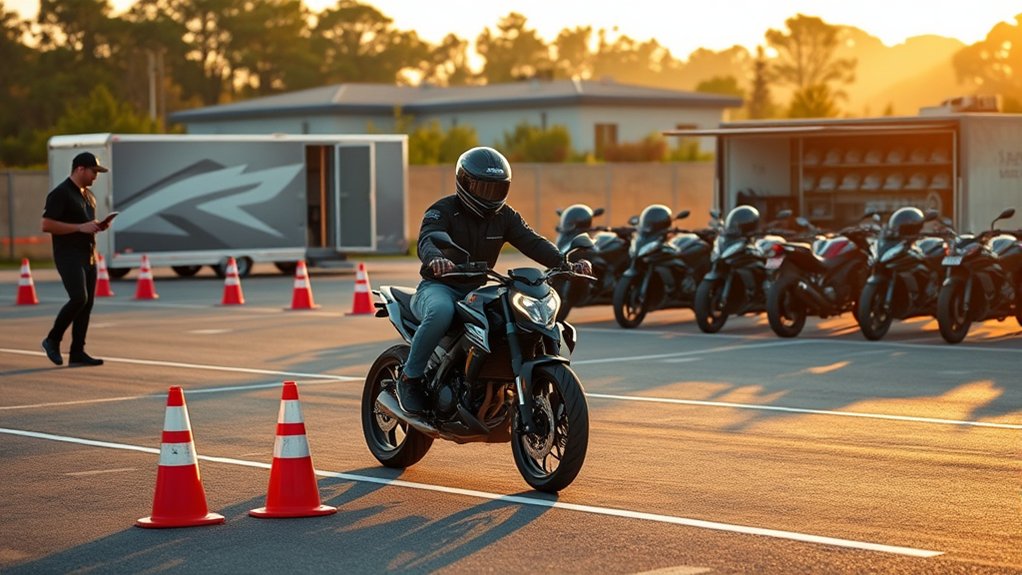
You’ll notice that longer courses with hands-on riding practice usually cost more because they offer more instruction time and skill-building opportunities.
Courses can vary quite a bit in length and often include different components, like online lessons or emergency braking drills. These extras can definitely affect the price.
Course Length Variations
Wondering why motorcycle training costs vary so much? It often comes down to course length and duration. Shorter courses, typically 6-8 riding hours combined with brief classroom sessions, usually have a lower training cost.
On the other hand, longer programs like full two-day courses include more riding hours, drills, and personalized feedback, which naturally increase the price. Some courses offer online components, reducing in-person time and lowering costs without compromising essential skills.
Extended course durations allow instructors to cover advanced techniques and special rider modules, further impacting the overall cost. When choosing your training, consider how much time you want to spend learning and practicing.
Course length directly influences both your skill level and what you’ll pay.
Included Training Components
How does the content of a motorcycle training course affect its price? The training components you get play a big role.
Courses with longer durations, typically between 5 to 16 hours, cost more because you spend more time learning.
When practical riding is included, like on-range exercises and using actual motorcycles, the price rises due to instructor attention and equipment upkeep.
Adding safety gear and instructor-led demonstrations also bumps up the cost, especially if the course offers hands-on experience.
Some courses combine online eLearning with practical sessions, which tend to be pricier since they provide extensive content.
Plus, advanced skills like cornering and swerving demand extra time, increasing the course duration and overall price.
Understanding these factors helps you choose training that fits your needs and budget.
Additional Fees Beyond Tuition in Motorcycle Training
Although many motorcycle training courses offer low or no tuition fees, you should be prepared for additional costs that can add up. Beyond tuition, you might encounter licensing fees for endorsements or testing that aren’t fully covered by the course.
Some programs require you to bring your own safety gear, like helmets and gloves, which can be an extra expense.
Administrative fees may also apply for things like replacement completion cards or rescheduling lessons. Plus, watch out for late registration or additional practice session charges.
Understanding these additional costs helps you budget wisely and avoid surprises.
This way, you can keep your training experience smooth and stress-free as you work toward getting licensed and on the road safely.
Understanding Refundable Registration Fees
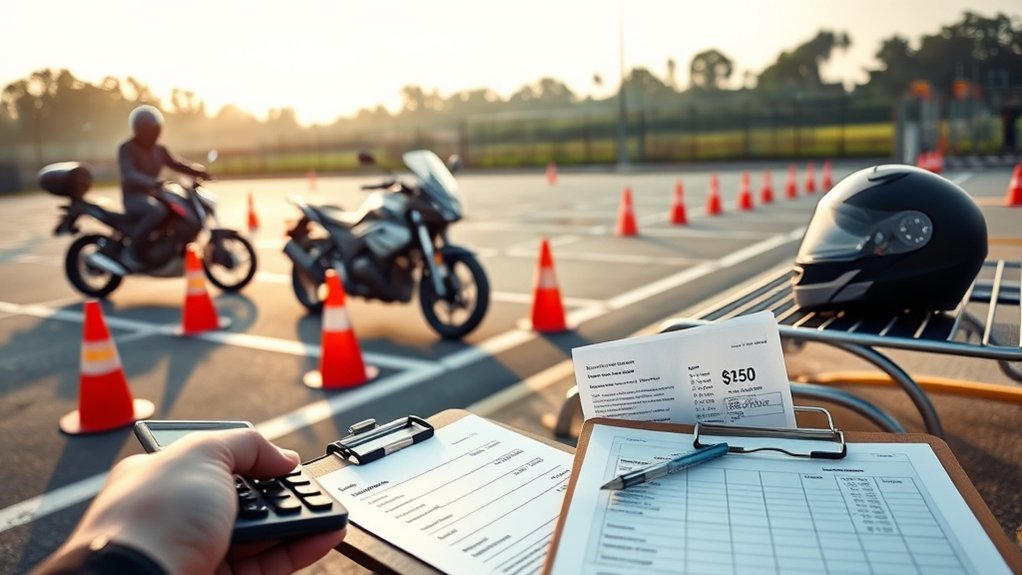
When you sign up for a motorcycle training course, you’ll usually pay a refundable registration fee—around $20—to reserve your spot. It’s kind of like putting down a deposit.
To get that fee back, you’ll need to finish the course and then reach out to the regional center to request your refund.
Knowing how this works and who to contact can make it easier for you to plan your training budget without any surprises.
Registration Fee Details
Why do many motorcycle training programs ask for a registration fee upfront? This fee, often around $20, acts as a security deposit to secure your spot and shows commitment. The registration fee may be part of the total course cost or listed separately during sign-up.
The good news is that it’s usually refundable once you complete the course and meet the program’s conditions. Programs hold this refundable fee to confirm attendance and adherence to policies, returning it after you finish all required sessions.
However, it’s essential to verify each course’s specific refund rules, as some have strict deadlines or requirements.
Understanding these registration fee details helps you budget confidently and avoid surprises during your motorcycle training journey. It’s always a good idea to ask questions upfront so you know exactly what to expect. This way, you can focus on learning and enjoy the ride!
Refund Process Explained
How do you get your registration fee back after completing a motorcycle training course? Most programs require a refundable registration fee, usually around $20.
To secure your refund, follow these steps:
Contact the regional training center after your course completion. Submit any required verification or proof of finishing the course. Request your refund promptly to avoid delays.
If you cancel before the course starts, notify the center immediately to qualify for a full refund. Keep in mind, some programs may charge a cancellation fee or limit refunds if you cancel late or after the course begins.
Regional Center Contacts
Where can you find the right contact information to claim your refundable registration fee? The key lies with your regional center. Each regional center keeps specific contact details to help you process refunds related to registration fees.
Since refundable registration fees usually involve a $20 deposit, reaching out to the correct regional center promptly is essential to secure your refund. Keep your registration confirmation handy when you contact them; this makes the process smoother.
Remember, refundable registration fees are designed to encourage commitment while giving you flexibility if your plans change. Because these fees vary by location and provider, the regional center is your best resource for accurate information and assistance.
Don’t hesitate to contact your regional center to guarantee you get your refund without hassle.
What Equipment and Materials Are Included in Course Prices
Although course prices can vary, most motorcycle training programs include essential safety gear like helmets, gloves, and motorcycles for your use during sessions at no extra charge. The course fee generally covers not just riding practice but also classroom instruction and access to all necessary equipment.
You’ll find that many courses provide training materials such as manuals or online resources to support your learning journey. Some programs offer equipment rental, while others might ask you to bring your own gear that meets safety standards.
Here’s what’s typically included:
- Complete safety gear for practice sessions
- Access to training motorcycles and equipment
- Course manuals and supplementary learning resources
- Equipment rental options or guidelines for personal gear
This setup guarantees you’re fully equipped without worrying about extra costs.
How To Get Free or Subsidized Motorcycle Training
If you’re looking to save money on motorcycle training, many programs offer free or subsidized options that can considerably reduce your expenses. Check out state-sponsored training programs like Illinois’s Cycle Rider Safety Training, which often only charge a refundable registration fee.
You can also explore funding opportunities through military discounts, local grants, or reciprocity agreements if you’re an out-of-state rider. Contacting local motorcycle safety organizations can help uncover these free or subsidized training programs.
| Type of Funding | Eligibility | Benefit |
|---|---|---|
| Refundable Fees | All participants | Free access with deposit refund |
| Subsidies | Military, residents | Partial or full cost coverage |
| Reciprocity Programs | Out-of-state riders | Waive fees or training credits |
These options make quality training affordable and accessible. It’s definitely worth checking out what’s available in your area!
How Your Location Changes Motorcycle Training Prices
Because motorcycle training prices vary widely across the country, your location plays a big role in how much you’ll pay. Training costs depend heavily on the state and the specific training provider, leading to significant price variation.
For example, some states offer free or low-cost courses, while others charge several hundred dollars. Understanding your location’s options helps you budget wisely.
Consider these location-based factors influencing training costs:
- Illinois offers free basic courses with a refundable registration fee.
- California charges about $425 for its safety program.
- New Jersey’s courses range roughly from $175 to $225, with extra fees for advanced lessons.
- Washington provides subsidies that can reduce prices through the Department of Licensing.
Knowing your state’s pricing landscape makes choosing the right training easier and more affordable.
How Military and Out-Of-State Riders Can Save on Training
Your location matters a lot when figuring out motorcycle training costs, but there are also ways to save if you’re military or riding across state lines. Military personnel often get license waivers for out-of-state MSF courses, cutting training costs considerably.
Some states, like Washington, offer discounts or subsidies for active-duty military and veterans. Reciprocity agreements mean out-of-state riders can avoid repeating courses or testing fees, saving both time and money.
| Rider Type | Savings Opportunity |
|---|---|
| Military (Active Duty) | Free/reduced training courses |
| Military (Veteran) | Discounts via state programs |
| Out-of-State Riders | License waiver through reciprocity |
| Washington Residents | Subsidies on training costs |
Take advantage of these options to reduce your training costs efficiently. It’s definitely worth checking what benefits you might qualify for before signing up.
Finding Accurate Pricing and Registration Info
When searching for motorcycle training courses, you’ll want to gather accurate pricing and registration details upfront to budget effectively and avoid surprises. Costs and fees vary widely depending on location and course type, so checking official sources is key.
For example, Illinois offers free courses but charges a refundable $20 registration fee. Meanwhile, California’s program costs between $395 and $425, including gear and bike use.
Keep these tips in mind to find reliable info:
- Verify course cost and what’s included, like equipment or licenses.
- Check if registration fees apply and their refund policies.
- Look for discounts or reimbursements for military or residents.
- Confirm deadlines and required paperwork for smooth registration.
Doing this helps you plan confidently and secure your spot without unexpected expenses.
Frequently asked questions
What Age Requirements Apply for Motorcycle Training Enrollment?
You typically need to be at least 16 to enroll in motorcycle training.
For minors aged 16 or 17, there are usually specific rules. They often have to complete training and pass exams to get a license.
If you’re 18 or older, you can usually join without extra restrictions.
Just keep in mind that age requirements can vary by state or provider.
Are There Any Health or Fitness Prerequisites for Motorcycle Courses?
It’s funny how riding a bike as a kid actually preps you for motorcycle training. You’ll need good balance and coordination, just like cycling. You don’t have to be an athlete, but decent physical fitness, including clear vision and hearing, helps a lot.
You’ll also want enough hand and arm strength to handle controls comfortably. Most courses don’t require formal health screenings.
But if you have serious conditions, check with your doctor first.
Can I Retake a Motorcycle Training Course if I Fail Initially?
Yes, you can usually retake a motorcycle training course if you don’t pass the first time. Many programs let you try again, sometimes charging a small rescheduling fee or requiring you to pay full registration again.
Some even allow unlimited retakes until you succeed.
Just make sure to check your specific training provider’s policy so you know what to expect. Keep practicing—you’ll get there!
How Soon After Completing Training Can I Take the Motorcycle License Test?
You can usually take your motorcycle license test soon after completing your training, often right away if you pass all evaluations.
In many places, like Illinois, your course completion card lets you skip the DMV riding skills test for up to a year.
To be sure, check with your local licensing office or training provider to confirm exact timing and requirements.
Getting your license soon after training keeps your skills fresh and your motivation high!
Are Motorcycle Training Certificates Valid Nationwide or Only Locally?
Motorcycle training certificates are often valid nationwide, especially if they’re from recognized programs like the MSF. However, some states may have extra requirements or only accept certificates for a limited time, usually one year.
You should check with your local DMV or licensing agency to confirm if your training certificate will be accepted for licensing or endorsement purposes. Staying informed guarantees you’re fully prepared and won’t face unexpected hurdles.
Final Thought
Managing motorcycle training costs can feel like riding through a winding road, but with the right info, it’s manageable. By understanding course types, durations, extra fees, and location differences, you can find options that fit your budget.
Don’t forget to explore subsidies or military discounts. They can greatly lower expenses. Stay informed, compare prices, and you’ll be confidently on your way to mastering the road without breaking the bank.