
Top 12 Best Battery for Classic Car That Lasts Long!
Classic car enthusiasts understand the frustration of a battery that drains quickly or won’t hold a charge. The best battery for classic car use needs to withstand long periods without driving and provide reliable power when you turn the key. Poorly chosen batteries often struggle with the lower electrical demands and unique size constraints of older models.
Choosing the right battery means paying attention to size compatibility, cold cranking amps (CCA), and construction quality. Classic cars generally require batteries with moderate CCA ratings, often between 400 and 600, to start engines without modern high-tech ignition systems. A good battery fits securely in the original tray and uses materials that resist corrosion, ensuring long service life and easier maintenance.
Need a Quick Check?
| Image | Product | Price |
|---|---|---|
Our Top Picks 1 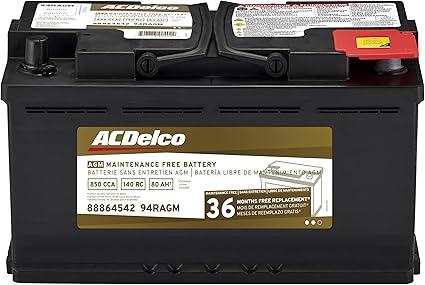 | ACDelco Gold 94RAGM | Check Price |
Our Top Picks 2  | Mighty Max MM-G35 AGM | Check Price |
Our Top Picks 3  | Group 49 AGM Battery | Check Price |
Our Selected Top 12 Battery for Classic Car for Different Needs
This list features carefully chosen batteries designed specifically for classic cars, highlighting their performance, compatibility, and durability. Each review explains who the battery suits best, along with its main advantages and potential drawbacks to help you make an informed decision.
1. ACDelco Gold Automotive Battery 94RAGM
Reliable starting power comes easy with this battery designed for classic cars and similar vehicles. It suits drivers who want steady performance under tough conditions, offering confidence from the first turn of the key. The main strength lies in its advanced AGM technology that keeps juice flowing when you need it most.
Setting it up is straightforward thanks to its vehicle-specific fit, which means it slots in without fuss. Daily use reveals a system that resists leaks and maintains pressure, so you don’t have to worry about slow drains or corrosion. The marine terminals make connecting sturdy, which suits older cars where solid contact is crucial for smooth starts.
Strong starting power is backed by high-density plate construction, making cold mornings less of a hassle. The construction feels solid, built to last with components that fight wear over time.
The most common praise is reliable power during demanding starts. Some note the weight could be on the heavier side, though it tends to feel like a trade-off for durability.
Reliable starting power under harsh conditions is a recurring highlight. The heavy weight shows up often as a downside but is tied to its durable build and technology. Leaks are rare due to the valve system, which keeps the battery in good shape over time.
People who want a solid, dependable battery for daily driving or classic car restoration will find it a smart choice. Those looking for a lighter, simpler battery with standard terminals might want to explore other models.
Pros
- Advanced AGM technology for consistent power
- Leak-resistant pressurized valve system
- Vehicle-specific fit simplifies installation
- Backed by a 36-month warranty
Cons
- Can feel heavy compared to standard batteries
- Marine terminal style may need adapter for some vehicles
| Specification | Details |
|---|---|
| Voltage | 12 volts_of_direct_current |
| Terminal | Marine Terminal |
| Automotive Fit Type | Vehicle Specific Fit |
| Compatible Vehicle Type | Passenger Car, SUV/Crossover, Truck, Van |
| Number Of Cells | 1 |
2. Mighty Max Battery MM-G35 AGM Car Battery
Great for classic cars needing steady, reliable power, the Mighty Max Battery MM-G35 delivers solid 12V 55Ah capacity with a strong 650 CCA start. Its standout feature is consistent performance in all seasons, especially when cold weather can be tough on older vehicles.
Installation is straightforward thanks to a vehicle-specific fit that works well for passenger cars. You’ll notice the sealed AGM design keeps things clean without the mess of traditional batteries.
It provides enough reserve capacity for longer runs without frequent recharging, which is handy on road trips or slow commutes where your engine’s power demands fluctuate.
Starting power is steady and reliable no matter the temperature or road conditions, thanks to its shock- and vibration-resistant build. The sealed design prevents spills and reduces maintenance worries, so you can trust it to keep the classic engine humming. While many praise its extended reserve capacity, some mention the battery’s weight makes handling a bit cumbersome during installation.
Many find the battery’s starting power reliable across seasons, and appreciate the low-maintenance sealed design that prevents leaks and spills. The most common complaint concerns its weight, which can make installation a bit tricky for one person or in tight engine bays.
Anyone wanting dependable, steady power for their classic car and who doesn’t mind the extra heft will be satisfied. Those looking for a lighter battery or a smaller package for very tight spaces might want to consider alternatives.
Pros
- Strong cold-weather starting power
- Spill-proof sealed AGM construction
- Long 100-minute reserve capacity
- Shock and vibration resistant
Cons
- Heavier than other batteries in its class
- May be bulkier for some engine compartments
| Specification | Details |
|---|---|
| Voltage | 12 volts |
| Battery Capacity | 55 amp_hours |
| Cold Cranking Amps (CCA) | 650 |
| Reserve Capacity | 100 minutes |
| Automotive Fit Type | Vehicle Specific Fit |
3. Group 49 AGM Maintenance Free Car Battery
Absorbent Glass Mat (AGM) design makes this battery a maintenance-free option well-suited for classic cars that demand reliable starts. Its fast charging ability and compatibility with start-stop systems are standout features for anyone looking to reduce fuel use and emissions slightly while keeping their vehicle running smoothly.
Installation takes standard Group 49 dimensions and terminal layout, making it straightforward to fit into many classic car models. The maintenance-free quality means no need to top up fluids or check acid levels, saving time and trouble day to day. Quick charging helps keep the battery ready even after shorter drives or frequent stops.
Starts the car dependably, holding charge well because of high discharge capacity. The battery shell uses a patented alloy that resists corrosion and prevents leaks, which adds to its safety and longevity.
Common remarks include satisfaction with its lasting power, while some note the physical size requires checking fit carefully before purchase.
The battery is praised for its reliable starting power and long-lasting charge. It also receives positive notes for safety from corrosion and leaks, while some find the size a challenge fitting certain classic car compartments.
Ideal for those with classic cars seeking a maintenance-free, quick-charging battery that performs reliably with start-stop demands. Those with vehicles limited by space or budget might prefer smaller or simpler battery types instead.
Pros
- Maintenance-free AGM design
- Fast charging, 40% quicker than SLA batteries
- Corrosion and leak-resistant alloy
- Supports start-stop vehicle function
Cons
- Physical size may not fit all classic cars
- More costly than traditional flooded batteries
| Specification | Details |
|---|---|
| Voltage | 12 volts |
| Capacity | 95Ah |
| Dimensions | 13.9 inches x 6.89 inches x 7.48 inches |
| Terminal Type | A1 |
| Battery Group Size | BCI 49 DIN H8 L5 |
4. OPTIMA YellowTop DH7 Sealed AGM Battery

High cold cranking amps stand out on this battery, making it ideal for classic cars that need a reliable start, especially in colder weather. It suits drivers looking for a dependable 12-volt battery with strong vibration resistance and a maintenance-free design.
Installation is straightforward due to its vehicle-specific fit and F1 terminal type. The maintenance-free aspect means no topping off fluids, which saves time in daily upkeep.
Its sealed AGM design handles vibration well, so it stays steady on rougher roads. Faster charging ability comes in handy for keeping it ready without long waits.
This battery delivers solid starting power in various weather conditions thanks to its 880 Cold Cranking Amps rating. Construction with 99.99% pure lead and radial grid plates improves lifespan and corrosion resistance, adding to durability.
The most praised feature is its long life compared to standard flooded batteries, while the common complaint touches on its weight, which is a bit hefty at 54 pounds.
Longevity and strong starting power stand out as major benefits, backed by its vibration resistance and a maintenance-free setup. The main drawback noted is its relatively heavy weight, which may affect installation and handling.
Drivers who want a battery that lasts longer and handles rough roads well will appreciate this one. Those needing a lighter or more compact option may want to look for alternatives.
Pros
- Maintenance-free design
- Excellent vibration resistance
- Faster charging capability
- Longer life than standard batteries
Cons
- Heavier than many other batteries
- Size may be tight in some engine bays
| Specification | Details |
|---|---|
| Voltage | 12 volts |
| Cold Cranking Amps | 880 |
| Capacity (C20) | 80 AH |
| Weight | 54 pounds |
| Terminal Type | F1 Terminal |
5. OPTIMA RedTop 6V Sealed AGM Battery

Offering 800 Cold Cranking Amps at 6 volts, this battery is ideal for classic car enthusiasts needing reliable starting power in tough weather. Its sealed AGM design and SpiralCell technology deliver durability and strength far beyond standard flooded batteries, making it a solid pick for those valuing long life and maintenance-free use.
Setup involves a straightforward installation thanks to its SAE terminals and vehicle-specific fit. Day-to-day, it handles basic electrical demands without fuss, while its fast charging and 100-minute reserve capacity mean it stays ready without frequent attention. The battery’s sealed nature means no fluid checks or topping off, making regular care practically unnecessary.
Performance is strong with consistent starting power, even in cold conditions, thanks to its SpiralCell technology and high-quality pure lead plates. The build feels solid and vibration-resistant, boosting its durability.
Reviews praise its lasting life and weather resistance, while the most common downside is its weight at 18.5 pounds, which some find a bit heavy for certain applications.
Most reviews highlight the battery’s long-lasting power and ability to start engines reliably in harsh weather conditions. The frequent criticism concerns its weight, which can be cumbersome for some to handle during installation.
This battery suits classic car drivers prioritizing durability and low maintenance over weight or cost. Those seeking a lighter or more budget-friendly option might look elsewhere, but for lasting performance, it remains a strong contender.
Pros
- Maintenance-free design
- High vibration resistance
- Fast charging capabilities
- Strong 800 CCA for cold starts
Cons
- Heavier than some alternatives
- More expensive than standard flooded batteries
| Specification | Details |
|---|---|
| Voltage | 6 volts |
| Cold Cranking Amps | 800 |
| Weight | 18.5 pounds |
| Reserve Capacity | 100 minutes |
| Size | 10.06″ Long x 3.63″ Wide x 8.13″ Tall |
| Terminal Type | SAE Terminal |
6. ACDelco Gold Automotive Battery 51RAGM

Classic cars often need a battery that can deliver reliable power without surprises, especially on cold mornings or after long storage. The ACDelco Gold Automotive Battery 51RAGM suits drivers looking for strong starting performance backed by advanced AGM technology, making it a solid choice for vehicles demanding steady power in tough conditions.
Setting up the battery is straightforward thanks to its vehicle-specific fit, which means it matches your car’s requirements without fuss. The leak-resistant pressurized valve system and high-density plate construction mean daily use involves less worry about spills or wear.
Designed to fit passenger cars, it stays solid across various driving situations, making it practical for routine starts and consistent power needs.
Starting the engine is reliable thanks to the quality build that avoids common battery failures. The durable envelope separators and GM-backed design help it last for a long time.
Most praise focuses on its consistent starting power, while some mention its weight as a minor inconvenience during installation or removal.
Consistent starting power and durability are the battery’s main strengths according to everyday use, though its weight is a common point of complaint. Its sealed design and AGM build help reduce maintenance and improve reliability compared to traditional batteries.
Drivers who prioritize dependable starting performance in demanding situations will find this battery fits well. Those seeking a lighter or more budget-focused option might want to explore other choices outside this specific model.
Pros
- Advanced AGM technology for reliable starts
- Leak-resistant pressurized valve system
- Vehicle-specific fit ensures easy installation
- 36-month warranty included
Cons
- Relatively heavy compared to some alternatives
- May be pricier than generic replacement batteries
| Specification | Details |
|---|---|
| Voltage | 12 volts_of_direct_current |
| Automotive Fit Type | Vehicle Specific Fit |
| Compatible Vehicle Type | Passenger Car |
| Warranty | 36-month |
7. ExpertPower EXP1270 12V 7Ah SLA Battery

Providing a steady 12V 7Ah output, this battery fits well into classic cars that need a reliable power source without fancy upgrades. Its main strength lies in being maintenance-free and spill-proof, making it ideal for anyone looking to swap out their old 1270 battery with minimal fuss.
Installation is straightforward thanks to its compatibility with standard F1 terminals, so swapping batteries is a quick job that doesn’t demand special tools. The compact size of 5.94 x 2.56 x 3.70 fits snugly where the original battery sat. Day-to-day, it runs quietly and consistently, staying charged enough to support your car’s setup or auxiliary electronics without frequent recharges.
Built from lead-acid construction, it delivers reliable power for security devices and ride-on cars as well as classic vehicles. Its maintenance-free design avoids leaks and spills, a primary plus in customer feedback.
The most common gripe is its limited one-year warranty, which may worry those hoping for longer coverage.
Reliable power delivery and spill-proof design are praised, making it a near worry-free replacement in classic car setups. However, some mention that the one-year warranty period is shorter compared to other batteries, which could be a concern if looking for long-term security.
Those needing a drop-in replacement for smaller 12V 7Ah applications will find it well suited. It works best for classic cars or devices requiring this exact size and voltage. For higher-capacity or extended warranty needs, exploring alternatives would be wise.
Pros
- Maintenance-free and spill-proof design
- Fits standard 1270 battery slots
- Simple installation with standard terminals
- Consistent 12V output under load
Cons
- One-year warranty may feel short
- Only suitable for smaller 7Ah needs
| Specification | Details |
|---|---|
| Voltage | 12V |
| Capacity | 7Ah |
| Battery Type | Lead Acid |
| Dimensions | 5.94″ x 2.56″ x 3.70″ |
| Terminals | Standard F1 |
| Warranty | One Year |
8. Weize Platinum Group 35 AGM Car Battery

Car enthusiasts working on classic rides that require a dependable replacement battery will find this one fits well. Its standout point is how it matches AGM specs for cars needing that specific battery type, delivering solid power and a good cycle life for its size.
Installation involves checking the 9.06 by 6.89 by 8.82-inch dimensions to make sure it fits the battery tray, plus matching the tapered terminals where the left is negative and right is positive. Daily driving means reliable starts with a 55AH capacity and 650 CCA to tackle cold mornings without letting you down.
It does its main job of starting the engine well, even in colder weather, thanks to the 650 cold cranking amps. Built as an AGM battery, it is designed to last up to twice as long as regular batteries under cycling conditions.
The main praise is how long the battery holds up, but some note that terminal position and size mean you have to double-check fit before buying.
The battery’s long cycle life stands out as its biggest advantage, making it a reliable choice over conventional batteries. Most comments point out the need to carefully check battery dimensions and terminal positions before purchasing to prevent fitment problems.
Those with classic cars originally equipped for AGM batteries will find the power and longevity they need here. Anyone unsure about battery size or terminal setup might want to consider other options with more flexible fitment for their vehicle.
Pros
- Good for cold starts with 650 CCA
- Up to 2 times longer cycle life
- AGM type suits cars needing that battery
- Compact size fits many passenger cars
Cons
- Fit must be verified to avoid issues
- Terminal layout limits placement options
| Specification | Details |
|---|---|
| Voltage | 12 volts |
| Capacity | 55AH |
| Cold Cranking Amps | 650 CCA |
| Dimensions | 9.06″ L x 6.89″ W x 8.82″ H |
| Terminal Type | Tapered terminal (Left negative (-), Right positive (+)) |
| Charging Voltage | 14.4~15.0V |
9. Group 47 AGM Car Battery 12V 60Ah

Known for its solid 60Ah capacity and 680 cold cranking amps, this Group 47 AGM battery is ideal for classic car enthusiasts seeking reliable starts in cold weather. It stands out by offering a fit matching standard BCI Group 47 specs combined with a durable AGM design that handles temperature swings well.
Setup requires checking your car’s battery dimensions and terminal placement carefully, as the tapered left negative and right positive terminals need to align for an easy swap. On a daily basis, the low self-discharge rate means the battery remains ready even after long periods without driving. The voltage and charging limits fit most classic vehicle setups without special adjustments.
Performance shines in consistent starting power down to -30°C and solid reserve capacity with 105 minutes runtime. The construction is maintenance-free thanks to AGM technology, sealing electrolyte inside and reducing leaks. Most feedback praises its dependable cold start ability, while some mention the need to confirm exact fit before purchase to avoid installation problems.
Reliable cold starts and long storage without losing charge stand out as strengths, while many users stress checking exact size and terminal layout before buying to avoid fitting issues. The battery’s sturdy build performs well across different temperatures, reflecting the quality of AGM technology.
Classic car enthusiasts who need dependable power in cold climates will appreciate this battery’s performance and maintenance-free design. Those with unusual battery dimensions or charging systems above 18A might need to explore other options.
Pros
- Good cold weather starting at -30°C
- Low self-discharge after 90 days
- Exact fit for BCI Group 47
- Maintenance-free AGM design
Cons
- Must confirm dimensions and terminal placement
- Charging current limited to 18A max
| Specification | Details |
|---|---|
| Voltage | 12.8 volts |
| Capacity | 60Ah |
| Cold Cranking Amps (CCA) | 680A |
| Reserve Capacity (RC) | 105 minutes |
| Dimensions | 9.53“ L x 6.85” W x 7.48″ H |
10. OPTIMA RedTop 25 Sealed AGM Battery
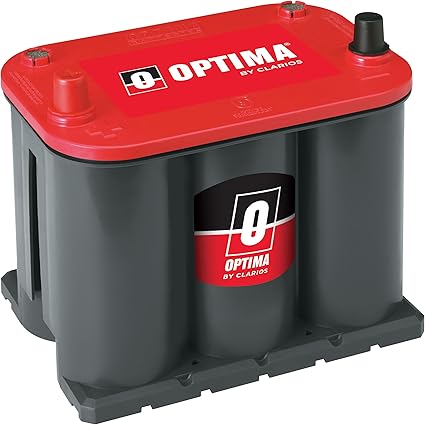
OPTIMA RedTop 25 Sealed AGM Battery is perfect for classic car drivers who need dependable starting power in cold weather. Its biggest strength lies in SpiralCell Technology, delivering steady current and impressive crank amps to jump-start engines when it matters most.
Installation is straightforward thanks to its size and SAE terminals, fitting many passenger cars and trucks. Maintenance is minimal since it’s sealed and maintenance-free, making daily use convenient. The battery’s faster charging and long reserve capacity mean fewer worries about power running out during routine drives or short stops.
Starting power holds strong even in adverse weather, helped by 720 Cold Cranking Amps and 99.99% pure lead plates inside. The battery is fifteen times more vibration-resistant than flooded types, supporting longevity.
Many appreciate its durability, though some note the 31.7-pound weight as a consideration during handling.
The OPTIMA RedTop 25 battery is known for delivering strong starting power even in cold weather, thanks to its SpiralCell technology and high cold cranking amps. Many appreciate the long vibration resistance and longer lifespan compared to standard flooded batteries. Some find it heavier and pricier than basic batteries, but it compensates with reliability and speed of charging.
Classic car enthusiasts looking for dependable starting power without having to replace their battery often will appreciate this product. Those needing a lightweight option or with very minimal electrical demands might prefer a simpler, less expensive model. It works best for vehicles requiring high-performance starting in rough conditions rather than just basic use.
Pros
- Strong starting power in cold weather
- Maintenance-free sealed design
- Highly resistant to vibration damage
- Fast charging capabilities
Cons
- Weighs 31.7 pounds, heavy to carry
- Higher cost than standard flooded batteries
| Specification | Details |
|---|---|
| Voltage | 12 volts |
| Cold Cranking Amps (CCA) | 720 |
| Reserve Capacity | 90 minutes |
| Size (L x W x H) | 9.38″ x 6.75″ x 7.69″ |
| Weight | 31.7 pounds |
| Terminal | SAE Posts |
11. Interstate Group H6 12V 70Ah AGM Battery

Powering up a classic car feels reliable with this AGM battery that suits anyone wanting solid starts and durable performance. Its standout feature is the long life span, designed to last much longer than traditional batteries, making it a smart choice for keeping older cars running smoothly.
Installation is straightforward thanks to the top post terminals fitting most passenger cars, trucks, and SUVs. Everyday use impresses with steady power delivery for starting and running accessories without dips, thanks to the pure lead AGM design.
It handles the stop-start demands in classic cars well, keeping everything plugged in without trouble.
It meets or even exceeds starting requirements, so no worries about power on cold mornings or after long idle periods. The battery is built with more lead packed inside, which explains why it lasts two to three times longer than standard flooded types. Some find the weight a bit heavier, but most appreciate the durability and reliability it offers consistently.
The battery’s main strength is its impressive lifespan, lasting significantly longer than flooded types in everyday use. Common feedback points to its weight and the necessity of confirming compatibility with the specific classic car model before purchase.
Those prioritizing longevity and steady power output will be satisfied with this choice. People seeking a lighter or simpler fit might want to consider other options.
Pros
- Lasts 2X-3X longer than conventional batteries
- Handles start-stop conditions well
- Top post terminals fit classic car setups
- Maintains power for accessories reliably
Cons
- Heavier weight than standard batteries
- May require checking fit with vehicle beforehand
| Specification | Details |
|---|---|
| Voltage | 12 volts |
| Capacity | 70Ah |
| Type | Automotive Pure Lead AGM |
| Terminal | Top Post |
| Compatible Vehicle Types | Passenger Car, Truck, SUV |
12. OPTIMA YellowTop D34/78 Sealed AGM Battery

Reliable power and durability make the OPTIMA YellowTop D34/78 a solid choice for classic cars needing a tough, long-lasting battery. It suits vehicles with higher electrical demands and shines when quick starts and endurance are a priority.
Installing the battery is straightforward with its dual SAE & GM terminals and a vehicle-specific fit that measures 10 x 6 7/8 x 7 13/16 tall. In daily use, its maintenance-free design means no topping off fluids, while SpiralCell Technology ensures it handles vibrations well and charges faster, keeping your classic car ready to go without extra upkeep.
Expect solid starting power even in less-than-ideal weather, backed by 750 Cold Cranking Amps and 120 minutes of reserve capacity. The battery is notably heavier at 43.5 pounds, but that weight contributes to its sturdy build.
Most praise praises its vibration resistance and lifespan, though some find the size and weight a bit much for tighter engine compartments.
The battery’s standout feature is its ability to resist vibration and last up to three times longer than standard flooded batteries, helping it perform reliably over time. Some users note the heavier weight and size present challenges when fitting in smaller engine bays.
Classic car enthusiasts with demanding electrical systems and space for a larger battery will appreciate this option. Those needing a lightweight or compact option may want to look for a different fit better suited to their vehicle’s constraints.
Pros
- Maintenance-free with no need for fluid topping
- High resistance to vibration for rough conditions
- Quick charging speeds reduce downtime
- Strong starting power in cold weather
Cons
- Relatively heavy at 43.5 pounds
- Larger size may not fit all classic cars easily
| Specification | Details |
|---|---|
| Voltage | 12 volts |
| Cold Cranking Amps | 750 |
| Reserve Capacity | 120 minutes |
| Size | 10″ x 6 7/8″ x 7 13/16″ tall |
| Weight | 43.5 pounds |
| Terminal Type | SAE Terminal |
Best Batteries for Classic Cars Comparison Table
| Product | Compatible Vehicle | Voltage | Terminal Type | Capacity |
|---|---|---|---|---|
| ACDelco Gold 94RAGM | Passenger Car, SUV, Truck | 12 volts DC | Marine Terminal | – |
| Mighty Max MM-G35 AGM | Passenger Car | 12 volts | – | 55 amp_hours |
| Group 49 AGM Battery | Passenger Car | 12 volts | – | – |
| OPTIMA YellowTop DH7 | Passenger Car | 12 volts | F1 Terminal | – |
| OPTIMA RedTop 6V | Passenger Car, Truck | 6 volts | SAE Terminal | – |
| ACDelco Gold 51RAGM | Passenger Car | 12 volts DC | – | – |
| ExpertPower EXP1270 12V | – | 12 volts | – | – |
| Weize Platinum Group 35 | Passenger Car | 12 volts | A Terminal | – |
| Group 47 AGM 60Ah | – | 12.8 volts | – | 60Ah |
| OPTIMA RedTop 25 | Passenger Car, Truck | 12 volts | SAE Terminal | – |
| Interstate Group H6 70Ah | Passenger Car, Truck, SUV | 12 volts | Top Post | 70Ah |
| OPTIMA YellowTop D34/78 | Passenger Car | 12 volts | SAE Terminal | – |
- Compatible VehiclePassenger Car, SUV, Truck
- Voltage12 volts DC
- Terminal TypeMarine Terminal
- Capacity–
- Compatible VehiclePassenger Car
- Voltage12 volts
- Terminal Type–
- Capacity55 amp_hours
- Compatible VehiclePassenger Car
- Voltage12 volts
- Terminal Type–
- Capacity–
- Compatible VehiclePassenger Car
- Voltage12 volts
- Terminal TypeF1 Terminal
- Capacity–
- Compatible VehiclePassenger Car, Truck
- Voltage6 volts
- Terminal TypeSAE Terminal
- Capacity–
- Compatible VehiclePassenger Car
- Voltage12 volts DC
- Terminal Type–
- Capacity–
- Compatible Vehicle–
- Voltage12 volts
- Terminal Type–
- Capacity–
- Compatible VehiclePassenger Car
- Voltage12 volts
- Terminal TypeA Terminal
- Capacity–
- Compatible Vehicle–
- Voltage12.8 volts
- Terminal Type–
- Capacity60Ah
- Compatible VehiclePassenger Car, Truck
- Voltage12 volts
- Terminal TypeSAE Terminal
- Capacity–
- Compatible VehiclePassenger Car, Truck, SUV
- Voltage12 volts
- Terminal TypeTop Post
- Capacity70Ah
- Compatible VehiclePassenger Car
- Voltage12 volts
- Terminal TypeSAE Terminal
- Capacity–
How to Choose the Right Battery for Classic Cars
Choosing a battery for a classic car depends mainly on size, power output, and durability to ensure a proper fit and reliable starting power. Selecting the right battery prevents frequent replacements and electrical issues, saving money and avoiding frustration over time.
Size and Fit
Classic cars often have battery trays that differ noticeably from modern vehicles in size and shape. Batteries that are too large won’t fit without modification, and batteries that are too small can shift, risking damage. Terminal placement plays a big role in installation ease; a battery with terminals in the wrong spot can cause cables to stretch or require awkward rerouting, which may lead to premature wear or electrical problems.
Measures for length, width, and height of the battery should closely match the original battery’s specs. The terminal layout should correspond to the classic car’s cable setup to avoid any tension.
Also, ensure that the mounting style and holddown clamps line up. Without these considerations, you’ll face ongoing hassles or compromises in safety and reliability.
Cold Cranking Amps Cca
Starting a classic car on a cold morning can be difficult without a battery that delivers enough current right away. The Cold Cranking Amps (CCA) rating indicates a battery’s ability to provide high bursts of power to crank the engine under cold conditions.
A battery with insufficient CCA can struggle to turn over the engine, resulting in slow or failed starts.
Engines with larger displacements generally require batteries with higher CCA ratings, especially in colder regions where thick oil and low temperatures increase starting demands. Choosing a battery with a CCA rating at or above the classic car’s original specification ensures reliable starting performance.
Most traditional cars need 400 CCA or more; less than that can trip up a cold start.
Battery Technology and Materials
Batteries come in several chemistries, and these choices affect how much care the battery needs and how it holds up over time. Lead-acid batteries are traditional but need more upkeep and are sensitive to vibrations common in older cars.
AGM batteries, however, resist corrosion better and tolerate vibration and heat swings typical of classic vehicle use.
Corrosion resistance is key since acid leaks or buildup on terminals shortens battery life and reduces performance. Batteries made with thick, durable plates and sealed casings handle temperature changes and rough roads better. A battery with materials that manage vibration reduces the risk of internal damage, which is common in vintage cars due to their less refined suspension designs.
Maintenance Requirements
Batteries that require topping off with distilled water involve regular access and maintenance. These can be inconvenient if the battery is hard to reach or if fluid levels are not frequently checked, leading to shorter battery life.
Sealed, maintenance-free batteries eliminate this chore and tend to reduce corrosion buildup around terminals, reducing cleaning frequency.
Good batteries in classic cars facilitate easy terminal access for cleaning without special tools and include features designed to minimize corrosion, like specially coated terminals or anti-corrosive sprays. Choosing less maintenance-intensive batteries can save time and effort, especially if the car is used seasonally or stored for long stretches.
Compatibility with Classic Car Electrical Systems
Historic vehicles have electrical systems designed for specific voltages and capacities that modern batteries don’t always match. Using a battery with the right voltage and capacity maintains the original functionality and avoids electrical strain. Carbureted engines and vintage ignition systems may also be sensitive to the type of current and electrical stability the battery delivers.
A battery that’s incompatible can cause erratic behavior in accessories or ignition, leading to frequent troubleshooting. Classic cars often have lower electrical loads, so a battery with excessive capacity is unnecessary and sometimes even problematic.
Checking that the battery supports vintage accessories and the electrical system’s demands ensures smoother operation and preserves the vehicle’s integrity.
Proper Maintenance Tips to Extend Your Classic Car Battery’s Lifespan
Battery maintenance is key to keeping a classic car running smoothly. Regularly cleaning the battery terminals prevents corrosion, which can cause poor electrical connections and lead to starting problems. Use a mixture of baking soda and water with a wire brush for cleaning, then rinse with water and dry thoroughly.
Keeping the battery tightly secured reduces vibrations that can damage internal components over time. Checking the electrolyte levels in lead-acid batteries is necessary; top off with distilled water if levels are low, but avoid overfilling.
Avoid letting the battery fully discharge, especially during storage periods, as this can shorten its lifespan. Using a trickle charger or battery maintainer will keep the charge stable without risking overcharging.
Inspect cable connections frequently to ensure they are tight and free from rust. This simple routine of checks and care extends the battery’s life and reliability, which is essential for classic cars that might not be used daily.
Common Mistakes to Avoid When Installing a Battery in Your Classic Car
Failing to disconnect the negative terminal first can cause sparks, damaging the battery or car electronics. Ensure the car’s engine and all electrical accessories are off before starting installation to prevent shorts.
Avoid overtightening battery terminal clamps, as this can crack the battery posts or strip the threads. Improper orientation of the battery can cause acid leakage or poor fitment, so check the polarity and dimensions carefully to match the vehicle’s requirements. Never mix old and new batteries, as this can lead to uneven charging and accelerated wear.
Using the wrong type of battery for the classic car can result in insufficient power or premature failure. Double-check that the battery has adequate cold cranking amps (CCA) for your engine size. Taking the time to handle these details properly avoids damage and ensures the battery performs well right from the start.
Comparing Lead-Acid and AGM Batteries for Classic Car Use
Lead-acid batteries remain the traditional choice due to their lower cost and wide availability. They use a liquid electrolyte that requires occasional maintenance, such as checking water levels. Their performance is reliable for vehicles used regularly, but they can be sensitive to deep discharges and vibrations.
AGM (Absorbent Glass Mat) batteries contain the electrolyte in a fiberglass mat, making them spill-proof and less prone to damage from movement. These batteries have a lower self-discharge rate, which is beneficial for classic cars stored for extended periods.
AGM batteries usually handle repeated starts and stops better, maintaining voltage more consistently. However, they typically come at a higher price and may require a compatible charger.
The choice between the two depends on how the classic car is used, budget, and preference for maintenance effort.
People Also Asked
How Do I Choose the Right Battery Size for My Classic Car?
Choose a battery size by checking your classic car’s manual or the original battery label for group size. Batteries vary in dimensions and terminal placements, so matching those ensures proper fit and connection without modifying the battery tray or cables.
What Are Common Safety Precautions When Installing a Classic Car Battery?
Always disconnect the negative terminal first to avoid sparks and wear gloves and eye protection. Avoid leaning over the battery while working, as it can emit harmful gases.
How Long Does a Typical Classic Car Battery Last on Average?
A typical classic car battery lasts about 3 to 5 years under normal conditions. Long storage periods or infrequent use can shorten lifespan, so regular checks and trickle charging help maintain it.
Can I Use Modern Batteries Safely in Older Classic Cars?
Modern batteries can be used safely if you choose one with the correct voltage and terminal configuration. Some new batteries also resist vibration better, which suits classic cars without advanced battery mounts.
What Are Signs of Battery Problems in a Classic Car Engine?
Slow engine cranking, dim headlights, or difficulty starting point to battery problems. Corroded terminals and flaky battery casing are physical signs to inspect early to avoid getting stranded.
Conclusion
Choosing the right battery for a classic car mainly involves checking the size to fit your car’s compartment, making sure it delivers enough cold cranking amps for starting, and looking for something that won’t corrode or leak. These factors keep your car reliable without surprises.
Consider how much space you have, your budget, and how often you plan to use the car. This keeps you from overpaying or buying something that won’t last. Go back to the comparison table and the picks above to find the option that fits your needs best.