
Top 12 Best Battery for a Honda CRV You Can’t Miss!
Starting your Honda CR-V on a cold morning only to hear a weak, sluggish crank is a familiar frustration for many. That’s often the result of a poorly chosen or cheap replacement battery that just can’t handle the demands of this vehicle.
Finding the best battery for a Honda CR-V means avoiding constant jump-starts and unexpected stalls, especially during harsh weather or long trips.
The most important factors for a good CR-V battery are the size, cold cranking amps (CCA), and reserve capacity. The battery must fit securely in the designated compartment to prevent movement and damage.
The ideal CCA rating is usually between 500 and 650, ensuring enough power to start the engine quickly in cold conditions. Reserve capacity, typically around 90 minutes, helps maintain electrical functions if the alternator fails. These specs combined mean a reliable start and steady performance without frequent replacements.
Need a Quick Check?
| Image | Product | Price |
|---|---|---|
Our Top Picks 1  | ACDelco Gold 51RAGM | Check Price |
Our Top Picks 2  | Group 47 H5 AGM | Check Price |
Our Top Picks 3  | Weize Platinum 35 | Check Price |
Our Selected Top 12 Battery for a Honda Crv Picks for Every Need
This list features a variety of car batteries suitable for different driving needs and conditions. Each review covers performance, ideal user scenarios, and key advantages and disadvantages to help you find the most compatible and reliable battery for your Honda CRV.
1. ACDelco Gold Automotive Battery 51RAGM
Cold mornings and long drives demand a battery that won’t quit, especially in a Honda CRV. The ACDelco Gold Automotive Battery 51RAGM suits drivers who need reliable starting power under tough conditions.
Its biggest strength lies in consistent, dependable power thanks to advanced AGM technology.
Installation fits right into place since it’s designed for passenger cars like the CRV. The leak-resistant pressurized valve system means you don’t have to worry about battery fluid escaping during everyday use.
The 12-volt DC output keeps your vehicle’s electrical systems running smoothly whether you’re commuting or running errands.
Starting the engine requires strong power, and this battery delivers with its high-density plate construction. The build feels solid and secure, reducing the chance of damage from vibrations. Most praise highlights how reliable it is in all weather, while some mention its weight as a downside when handling it.
The battery consistently provides dependable starting power even in demanding weather and conditions, praised for durability and leak resistance. A common complaint is that it can be somewhat heavy, making installation a bit more challenging for some users.
Drivers who want a battery specially designed for passenger cars and high reliability should be satisfied with this option. Those looking for a lighter or more universally fitting battery might want to explore alternatives better suited to their needs.
Pros
- Advanced AGM technology for reliable start
- Leak-resistant pressurized valve system
- Durable high-density plate construction
- 36-month warranty backed by GM
Cons
- Heavier than some other car batteries
- Fit focused on specific vehicle types only
| Specification | Details |
|---|---|
| Vehicle Type | Passenger Car |
| Voltage | 12 volts_of_direct_current |
| Automotive Fit Type | Vehicle Specific Fit |
| Warranty | 36-month |
2. Group 47 H5 Car Battery 12V 60AH AGM
Fast charging speed is impressive, with a time 40% quicker than traditional SLA batteries, making it a reliable choice for Honda CR-V drivers seeking efficiency. The Group 47 H5 battery fits passenger cars with a 12V system and offers maintenance-free AGM technology, ideal for vehicles with start-stop functions.
Installation is straightforward, fitting the BCI 47 DIN H5 L2 size perfectly without extra adjustments. It supports the start-stop system in your car, helping to save around 10% on gas costs and reduce CO₂ emissions. The maintenance-free design means no topping up, and its leak-proof build adds to everyday convenience and safety.
Power delivery during engine start is consistent, thanks to a high discharge capacity. The battery’s patented alloy increases corrosion resistance, making it durable and safe over time.
Some users find it a bit heavier than expected, but most value its solid build and faster recharge speed compared to older types.
The battery reliably delivers rapid charging and excellent corrosion resistance, yet its weight and terminal setup may require consideration during purchase. Many appreciate the upgraded charging time, while some wish for a lighter unit.
Those driving a Honda CR-V with start-stop technology will find this battery suits their needs well. Drivers seeking lighter options or different terminal layouts might want to explore other sizes or models.
Pros
- Fast charging, 40% quicker than standard SLA batteries
- Maintenance-free design saves time and effort
- Improved corrosion resistance from patented alloy
- Compatible with start-stop vehicle functions
Cons
- Heavier than some alternative batteries
- Specific terminal type limits interchangeability
| Specification | Details |
|---|---|
| Voltage | 12 volts |
| Capacity | 60Ah |
| Battery Type | AGM (Maintenance Free) |
| Dimensions | 9.53 inches x 6.89 inches x 7.48 inches |
| Terminal Type | A1 |
| Compatible Battery Size | BCI 47 DIN H5 L2 |
3. Weize Platinum AGM Battery Group 35
People looking for a tough, reliable battery that handles cold starts well will appreciate this AGM battery. It’s designed for passenger cars like the Honda CRV, especially when an AGM type is needed.
Its standout feature is a solid 650 cold cranking amps, which really helps on chilly mornings.
Getting it set up requires checking the size and terminal placement carefully to avoid fit issues, since it measures 9.06 by 6.89 by 8.82 and has tapered terminals with left negative and right positive positions. Day to day, it delivers steady power without frequent drops, thanks to its 55AH capacity.
The AGM design means it handles charge cycles much better than standard batteries, lasting up to twice as long.
In terms of performance, it consistently starts the engine in cold weather without hesitation. The build quality supports a long service life, making it dependable for regular driving.
Common praise highlights how reliable it is in low temperatures. Some notes mention that the fit and terminal layout require careful checking before buying to avoid installation issues.
Reliable cold-starting ability gets the most praise, helping vehicles fire up without fail in winter. Fitment challenges appear regularly, mainly due to the tapered terminals and precise size requirements. Confirming these details before purchase avoids any issues with installation.
This battery suits drivers who need an AGM replacement with solid cold weather performance and long lifespan. Those with vehicles that originally use flooded batteries should consider alternatives, as this battery is not compatible with non-AGM systems.
Pros
- Strong 650 cold cranking amps for cold starts
- Up to 2 times longer cycle life than conventional batteries
- AGM technology prevents acid spills or leaks
- Compact size fits well in compatible vehicles
Cons
- Requires exact size and terminal match for proper installation
- Not compatible with vehicles originally using flooded batteries
| Specification | Details |
|---|---|
| Voltage | 12 volts |
| Capacity | 55AH |
| Cold Cranking Amps (CCA) | 650 |
| Battery Dimensions | 9.06″ L x 6.89″ W x 8.82″ H |
| Terminal | Tapered terminal (Left negative (-), Right positive (+)) |
4. Mighty Max MM-G35 AGM Battery

The Mighty Max MM-G35 AGM Battery features a sealed, spill-proof design and strong cold cranking amps, perfect for Honda CRV drivers who need reliable starting power in any weather. It’s especially suited for drivers focused on durable performance and consistent power delivery without maintenance hassles.
Installation goes smoothly thanks to its vehicle-specific fit, making replacement simple. The battery’s sealed AGM design means there is no worry about acid leaks during everyday use.
Its 100-minute reserve capacity supports longer run times, so occasional extended idling or accessory use doesn’t drain it quickly.
Starting a Honda CRV is reliably quick across seasons with 650 CCA providing a steady burst of power. Rugged construction means it handles shocks and vibrations well, reassuring on rough roads.
Reviews praise its durability and steady output, though some note it might not fit less common vehicle models without adjustment.
Many users value the powerful starting ability and sealed design that prevents maintenance issues. At the same time, some users face fitment issues on less common vehicles beyond standard Honda CRV models. Its sturdiness and steady power output make it dependable for regular driving conditions.
Those needing a maintenance-free, weather-resistant battery suited specifically for passenger cars like the Honda CRV will find this a solid choice. Drivers with unique fit requirements or higher amperage demands should consider alternative batteries designed for those specific needs.
Pros
- Sealed and spill-proof design prevents leaks
- High 650 CCA for reliable cold starts
- 100-minute reserve capacity extends running time
- Durable against shock and vibration
Cons
- May require fit adjustments for some vehicle models
- Higher amp rating might not suit all accessory demands
| Specification | Details |
|---|---|
| Voltage | 12 volts |
| Battery Capacity | 55 amp_hours |
| Cold Cranking Amps (CCA) | 650 |
| Reserve Capacity | 100 minutes |
| Automotive Fit Type | Vehicle Specific Fit |
5. OPTIMA D51R YELLOWTOP AGM Battery

OPTIMA D51R YELLOWTOP AGM Battery delivers reliable starting power and durability, ideal for anyone who needs a tough battery for a Honda CRV. Its main strength lies in handling high electrical demands while offering long life and resistance to vibration.
Setup is straightforward thanks to its SAE posts and vehicle-specific fit. Daily use benefits from maintenance-free design and fast charging, which is handy during cold mornings or heavy use.
The battery’s 450 Cold Cranking Amps ensure your CRV starts quickly, even when temperatures drop.
Performance is solid with SpiralCell Technology using 99.99% pure lead, contributing to steady power delivery in tough conditions. Construction resists vibration significantly, adding to long-term reliability. Most praise highlights its power and durability, while occasional mentions point to its weight as a downside.
Power and durability impress most users, making it dependable even in bad weather. The hefty weight comes up as the main drawback, which can make handling or installation a bit tougher.
Perfect for drivers who value longevity and strong starting power under demanding conditions. Those looking for a lighter or less costly option might want to consider other battery types.
Pros
- Fifteen times more vibration resistant
- Fast charging capabilities
- Maintenance-free for convenience
- Vehicle-specific fit for Honda CRV
Cons
- Relatively heavy at 26 pounds
- Higher price than standard flooded batteries
| Specification | Details |
|---|---|
| Voltage | 12 volts |
| Cold Cranking Amps | 450 |
| Weight | 26 pounds |
| Capacity | 38 AH |
| Reserve Capacity | 66 minutes |
| Terminal Type | SAE Post |
6. HQST 12V 60Ah AGM Car Battery Group 47

Reliable starts and solid performance stand out when using this battery in a Honda CRV. It suits daily SUVs needing dependable cold-weather starts and a fit that matches OEM parts closely. The biggest advantage is powerful cold cranking amps, which handles winter mornings without hesitation.
Setting up is straightforward since it fits the BCI Group 47 battery slot without any modification. Its SAE Top Post terminals make connecting to the vehicle’s existing cables simple.
Designed for start-stop vehicles, it recharges quickly during driving. You notice consistent power delivery through daily use, especially in fluctuating temperatures ranging from -40℉ to 140℉, so cold or hot days won’t slow you down.
Performance-wise, it delivers a strong 680 CCA that easily starts engines in freezing conditions around 0℉. AGM design improves durability and reduces electrolyte loss, meaning less maintenance compared to regular flooded batteries. Reviews highlight its dependable power, but some mention the battery’s weight and occasional difficulty fitting tight spaces as drawbacks.
Powerful cold starts in very low temperatures gain the most praise, ensuring the vehicle starts reliably without fail. Many find the battery’s weight challenging, and fitting it in some engine bays requires extra care.
Daily SUV drivers and those in cold climates will appreciate the strong starting performance and quick recharge. Anyone with limited space around the battery compartment or looking for a lighter option might want to explore alternatives.
Pros
- Strong cold cranking power for winter starts
- Fits BCI Group 47 battery slots precisely
- Fast recharge for start-stop vehicles
- Wide operating temperature range
Cons
- Heavier than some other options
- Can be tricky to fit in tight battery compartments
| Specification | Details |
|---|---|
| Voltage | 12 volts |
| Battery Capacity | 60 amp_hours |
| Cold Cranking Amps | 680 CCA |
| Automotive Fit Type | Vehicle Specific Fit |
| Operating Temperature Range | -40℉ to 140℉ |
| Terminal Type | Standard SAE Top Post (T2) |
7. Interstate Batteries Group 51R Car Battery

Reliable power and fit make Interstate Batteries Group 51R a solid choice for a Honda CRV. It suits drivers looking for durability in hot to moderate climates and values consistent starting power with 500 Cold Cranking Amps.
Installation is straightforward since this battery matches over 250 vehicle models, including many SUVs and passenger cars. Setup involves standard top-post terminal connections.
The battery’s reserve capacity of 85 minutes supports daily driving needs without frequent recharges, making it practical for stops and errands under typical conditions.
It delivers dependable starts with a high electrolyte-to-lead ratio that helps resist extreme temperatures well. The battery’s durable flooded design offers good life expectancy, with 25-30 cycles at 80% depth of discharge. Reliable performance is praised, though some find that it requires occasional maintenance typical of flooded batteries.
The battery earns strong praise for dependable starting power and long life in warm or moderate weather. Some find maintenance necessary due to its flooded design, which means occasional checks and water refills.
Drivers in hot or mild climates who want a dependable, widely compatible battery will appreciate its performance. Those in colder regions or who want minimal upkeep might look for sealed AGM options instead.
Pros
- Fits many vehicle models including SUVs
- Good battery life in hot to moderate climates
- Solid 500 CCA for reliable starts
- Top-post terminals for easy installation
Cons
- Requires regular maintenance like other flooded batteries
- Less suitable for extreme cold climates
| Specification | Details |
|---|---|
| Voltage | 12 volts |
| Cold Cranking Amps (CCA) | 500 |
| Reserve Capacity | 85 minutes |
| Terminal Type | Top Post |
| Group Size | 51R |
| Compatible Vehicle | Passenger Car, SUV |
8. Platinum AGM Car Battery Group 140R H4

AGM technology forms the core of this battery, providing solid durability and reliable performance. It fits well with Honda CRV models requiring size 140R (H4) batteries and offers a good balance of power and compatibility for everyday driving needs. Its standout feature is dependable cold starting even in chillier weather conditions.
Installation requires checking size, terminal arrangement, and cold cranking amps to match your original battery. The tapered terminal design with left negative and right positive aligns with common setups in passenger cars and SUVs.
Daily use generally involves no surprises, as the 570 CCA ensures the engine gets fired up promptly, regardless of weather. It sits securely with its exact dimensions, avoiding fitment hassles.
It excels at starting engines, delivering reliable power in cold mornings or quick restarts. Build quality is solid, emphasizing a good fit and stable terminal connections.
Most praise mentions its consistent performance without failures, while a small number note occasional concerns with terminal corrosion over time.
Consistent starting power is the most praised trait, ensuring no hesitation in cold weather. Terminal corrosion comes up most frequently as a drawback, suggesting occasional maintenance might be required to keep connections clean.
Drivers needing dependable cold starts in a properly fitting battery size will find this a good match. Those requiring higher capacity for extra electrical loads may want to explore alternatives with greater amp-hour ratings.
Pros
- Reliable cold-starting with 570 CCA
- Exact fit for size 140R (H4) vehicles
- Secure tapered terminal design
- Compact dimensions for easy placement
Cons
- Some reports of terminal corrosion over time
- Capacity may be on the lower side for heavy accessory use
| Specification | Details |
|---|---|
| Battery Type | AGM |
| Voltage | 12 volts |
| Cold Cranking Amps (CCA) | 570 |
| Dimensions | 7.48″ L x 6.89″ W x 8.15″ H |
| Capacity | 50Ah |
| Terminal Type | Tapered terminal (Left negative (-), Right positive (+)) |
9. OPTIMA DH5 YELLOWTOP AGM Battery

Known for its reliable power and durability, the OPTIMA DH5 YELLOWTOP AGM Battery is ideal for Honda CRV drivers seeking strong starting power and a battery that performs well under tough conditions. Its standout feature is the PureFlow Technology that improves resistance to vibration and corrosion, crucial for long-term use.
Installation is straightforward since the battery fits passenger cars and similar vehicles with SAE terminals. Daily use means you benefit from a maintenance-free design, so no need to check fluid levels. The fast charging abilities and 115-minute reserve capacity help maintain steady performance, even during heavy electrical demand or bad weather.
The battery delivers excellent starting power with 700 Cold Cranking Amps, making cold mornings less of a hassle. Built to last, it offers 15 times more vibration resistance than standard flooded batteries and up to three times the lifespan.
Some find its 44-pound weight a bit heavy, but durability and consistent power overshadow this minor inconvenience.
Many appreciate the battery’s vibration resistance that significantly extends its lifespan. The most common complaint centers on the battery’s weight, which makes handling and installation a bit tougher than lighter models.
Ideal for anyone needing durable performance in varying weather and tough driving conditions. Those looking for a lighter, more budget-friendly option might consider other models better suited for casual use.
Pros
- Maintenance-free design
- Exceptional vibration resistance
- Fast charging capability
- Reliable cold weather starts
Cons
- Heavier than some competitors
- Higher price point
| Specification | Details |
|---|---|
| Voltage | 12 volts |
| Cold Cranking Amps | 700 |
| Capacity (C20) | 64 AH |
| Reserve Capacity | 115 minutes |
| Weight | 44.0 pounds |
| Terminal Type | SAE Terminal |
10. AGM Battery BCI Group 47 Car Battery

AGM Battery BCI Group 47 is a solid pick for anyone needing a reliable replacement battery for a Honda CRV that handles cold starts well and lasts through demanding conditions. Its biggest strength lies in delivering consistent 680 cold cranking amps, making it a trustworthy choice for dependable power when you need it most.
Installing the battery requires a quick check of dimensions and terminal placement since it’s built with tapered terminals, left negative and right positive. The compact size fits well in most CRV models matching the BCI Group 47 standard.
Day-to-day use shows low self-discharge, keeping it ready after sitting unused for a few months, and it works comfortably across a wide temperature range from -22°F to 158°F.
It performs strongly in starting your vehicle, especially in colder weather, thanks to its 60AH capacity and 680 CCA rating. The battery’s 12.8-volt output remains stable, and its AGM design ensures durability. Reviews highlight how reliable it is under various conditions, though a few mention the need to double-check compatibility due to size and terminal layout before installing.
Many users praise the battery’s solid cold cranking power and dependable charge retention over time. The most common downside is having to carefully check dimensions and terminal polarity before purchase to avoid installation problems.
Drivers looking for a dependable and rugged battery suitable for cold climates and extended downtime will find this one a good match. Those concerned about exact fit or needing non-tapered terminals might want to explore other options first.
Pros
- Strong 680 CCA for reliable cold starts
- Low self-discharge after long storage
- Operates well in extreme temperatures
- Compact size suits many CRV models
Cons
- Must verify fit due to specific dimensions
- Tapered terminals not standard for all vehicles
| Specification | Details |
|---|---|
| Voltage | 12.8 volts |
| Capacity | 60AH |
| Cold Cranking Amps (CCA) | 680A |
| Reserve Capacity (RC) | 105 minutes |
| Dimensions | 9.53“ L x 6.85” W x 7.48″ H |
11. OPTIMA 25 REDTOP AGM Battery
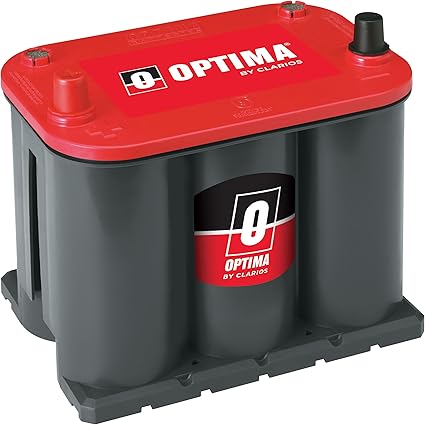
Starting a Honda CRV in cold weather without worrying about battery failure can be a stress saver. Ideal for drivers seeking reliability and endurance, this battery’s key strength lies in its ability to provide powerful starting even under harsh conditions thanks to its high cold cranking amps and AGM construction.
Installation fits smoothly with standard SAE terminals and the specific size works well in most Honda CRV models. Daily use reveals fast recharge times and a maintenance-free setup meaning no electrolyte checks or water additions. The battery handles the vehicle’s basic electrical needs without any added upkeep, making it convenient for regular day-to-day driving.
It reliably delivers strong starting power with 720 cold cranking amps and 90 minutes reserve capacity so you won’t be stranded easily. The shell is sturdy and vibration-resistant, built to outlast typical flooded batteries by quite a margin.
Some find the battery a bit heavy at 31.7 pounds, but the trade-off is longer lifespan and fewer battery replacements.
Most reports highlight the battery’s ability to start smoothly in bad weather and last significantly longer than typical flooded batteries. The main complaint centers around its weight, making it less convenient to handle during installation or removal.
Drivers who prioritize long-term durability and dependable starts under tough conditions will appreciate this battery. Those looking for a lighter or less expensive option might want to explore other choices better suited to casual or infrequent use.
Pros
- Strong cold weather starting power
- Maintenance-free design
- Higher resistance to vibration
- Longer lifespan than standard batteries
Cons
- Heavier than many competitor batteries
- Higher upfront cost compared to flooded batteries
| Specification | Details |
|---|---|
| Voltage | 12 volts |
| Cold Cranking Amps | 720 CCA |
| Size (L x W x H) | 9.38″ x 6.75″ x 7.69″ |
| Weight | 31.7 pounds |
| Capacity | 44 AH |
| Terminal Type | SAE Terminal |
12. OPTIMA DH7 YELLOWTOP AGM Battery

880 Cold Cranking Amps make this battery stand out for anyone needing reliable starts in a Honda CRV. With a 12-volt setup and maintenance-free design, it suits drivers looking for durability and strong performance without fuss.
Installing the battery is straightforward with its specific fit for passenger cars. Its faster charging capabilities mean less downtime after driving, while PUREFLOW TECHNOLOGY ensures it resists vibration and corrosion well. Day-to-day, the battery holds charge consistently and requires no maintenance, which makes life easier on busy mornings or harsh weather days.
Performance-wise, it delivers optimal starting power even in bad weather thanks to its pure lead radial grid plates. The build stands out for vibration resistance, lasting up to three times longer than standard flooded batteries. Many reviews highlight its durability, but a common note is its relatively heavy weight, which might make handling a bit cumbersome.
Durability stands out as the strongest feature, thanks to its vibration resistance and long lifespan compared to flooded batteries. Handling its weight is noted as the most frequent drawback, making installation or removal more challenging.
Those who want a rugged, long-lasting battery for steady starts will appreciate this one. Drivers looking for a lighter or more universal battery fit might consider other options better suited to their needs.
Pros
- Very high cold cranking amps for tough starts
- Maintenance-free for convenience
- Fifteen times vibration resistance
- Faster charging after use
Cons
- Heavy at 54 pounds, harder to handle
- Specific fit means less flexibility across models
| Specification | Details |
|---|---|
| Voltage | 12 volts |
| Cold Cranking Amps | 880 |
| Size | 12.44″ Length x 6.88″ Wide x 7.5″ Tall |
| Weight | 54 pounds |
| C20 Capacity | 80 AH |
| Terminal Type | F1 Terminal |
Best Batteries for Honda CRV Comparison Table
| Product | Compatible Vehicle | Voltage | Battery Capacity | Terminal |
|---|---|---|---|---|
| ACDelco Gold 51RAGM | Passenger Car | 12 volts | – | – |
| Group 47 H5 AGM | Passenger Car | 12 volts | – | – |
| Weize Platinum 35 | Passenger Car | 12 volts | – | A Terminal |
| Mighty Max MM-G35 | Passenger Car | 12 volts | 55 amp_hours | – |
| OPTIMA D51R YellowTop | Passenger Car | 12 volts | – | SAE Terminal |
| HQST 12V 60Ah 47 | SUVs, Sedan | 12 volts | 60 amp_hours | – |
| Interstate Group 51R | Passenger Car, SUV | 12 volts | – | Top Post |
| Platinum AGM 140R H4 | Passenger Car, SUV | 12 volts | – | – |
| OPTIMA DH5 YellowTop | Passenger Car, RV, Truck | 12 volts | – | SAE Terminal |
| AGM Group 47 | – | 12.8 volts | – | – |
| OPTIMA 25 RedTop | Passenger Car, Truck | 12 volts | – | SAE Terminal |
| OPTIMA DH7 YellowTop | Passenger Car | 12 volts | – | F1 Terminal |
- Compatible VehiclePassenger Car
- Voltage12 volts
- Battery Capacity–
- Terminal–
- Compatible VehiclePassenger Car
- Voltage12 volts
- Battery Capacity–
- Terminal–
- Compatible VehiclePassenger Car
- Voltage12 volts
- Battery Capacity–
- TerminalA Terminal
- Compatible VehiclePassenger Car
- Voltage12 volts
- Battery Capacity55 amp_hours
- Terminal–
- Compatible VehiclePassenger Car
- Voltage12 volts
- Battery Capacity–
- TerminalSAE Terminal
- Compatible VehicleSUVs, Sedan
- Voltage12 volts
- Battery Capacity60 amp_hours
- Terminal–
- Compatible VehiclePassenger Car, SUV
- Voltage12 volts
- Battery Capacity–
- TerminalTop Post
- Compatible VehiclePassenger Car, SUV
- Voltage12 volts
- Battery Capacity–
- Terminal–
- Compatible VehiclePassenger Car, RV, Truck
- Voltage12 volts
- Battery Capacity–
- TerminalSAE Terminal
- Compatible Vehicle–
- Voltage12.8 volts
- Battery Capacity–
- Terminal–
- Compatible VehiclePassenger Car, Truck
- Voltage12 volts
- Battery Capacity–
- TerminalSAE Terminal
- Compatible VehiclePassenger Car
- Voltage12 volts
- Battery Capacity–
- TerminalF1 Terminal
How to Choose the Right Battery for Your Honda CRV
Choosing the right battery for your Honda CRV involves considering factors like size, cold cranking amps, and reserve capacity to ensure proper fit and reliable starting power. Selecting the correct battery prevents premature failure, saving money and avoiding inconvenient breakdowns.
Size and Fit
Trying to install a battery only to find it doesn’t fit correctly is frustrating and wastes time. The battery must match the exact dimensions recommended for the Honda CRV to fit within the tray and secure properly.
Terminal placement is critical too; cables need to connect without stretching or being forced, which can cause damage or poor contact over time. A mismatch there often leads to electrical issues or difficulty during installation.
Look for a size group approved for this vehicle, which includes length, width, and height measures. The holddown system should line up with existing mounts or clamps to keep the battery secure, especially over rough roads.
Checking these details before purchase means a straightforward swap and reliable function without unexpected adjustments.
Cold Cranking Amps Cca
Engine start performance depends heavily on the battery’s Cold Cranking Amps (CCA). In colder temperatures, a higher CCA helps deliver enough power to start the engine when the oil is thick and the battery’s chemical reactions slow down.
Neglecting this can lead to sluggish starts or failures, especially during winter mornings or after the vehicle has been sitting.
Choosing a battery with a CCA that matches or slightly exceeds the vehicle’s recommendations fits most regions. For colder climates or frequent short trips where the battery isn’t fully recharged, a higher rating is beneficial. Overspending on too high a CCA doesn’t provide much added value, so balancing cost and need is key.
Battery Type and Technology
Batteries typically come in types like standard lead-acid, AGM, and maintenance-free variants. AGM batteries resist vibration better, which is useful in vehicles that spend time on uneven roads, reducing internal damage and prolonging life. Maintenance-free models avoid the hassle of checking fluid levels, cutting down on routine care.
Spillproof designs add safety, especially if the battery shifts slightly under the hood. Expect AGM and maintenance-free types to cost more but often provide steadier performance and longer lifespans.
Daily experience shows AGM batteries hold voltage well, giving consistent starts even after long periods of inactivity.
Warranty and Lifespan
A battery backing itself with a solid warranty shows manufacturer confidence and offers protection against early failure. Comprehensive coverage that includes free replacement within the initial period provides reassurance during the first tough months of ownership. Understanding whether a warranty is prorated afterward is important; some only offer percentage coverage on older batteries.
Looking at the expected service life is practical too. Some batteries list 4 to 5 years under typical use, though this depends on driving habits and conditions.
Warranties combined with a realistic lifespan estimate help plan for replacement and avoid unexpected breakdowns.
Maintenance and Ease of Use
Many drivers prefer batteries marked as maintenance-free to avoid opening caps or checking fluid levels regularly. This reduces hassle and the risk of spills during inspection.
Accessibility in the engine bay matters during installation or later checks, tight spaces can turn a simple swap into a struggle.
Corrosion-resistant terminals are valuable because corrosion buildup slows electrical flow and can eventually cause starting problems. Terminals coated with protective materials stay cleaner longer, cutting down on upkeep and improving long-term reliability.
Proper Maintenance Tips to Extend Your Honda CRV Battery Life
Keeping your Honda CRV battery in good shape calls for some simple routine actions. Regularly cleaning the battery terminals with a wire brush can prevent corrosion, which is a common cause of poor electrical connection. Tightening the battery terminals ensures the power flow remains consistent.
Checking the battery charge with a voltmeter every few months identifies if the battery is losing its ability to hold a charge.
Portable jump starters can be a useful backup but relying on frequent jump-starts indicates the battery may need replacement.
- Park in shady areas or use a battery insulator in hot climates to avoid excessive heat damage.
- Avoid short trips that don’t let the battery fully recharge from the alternator.
- Turn off all electronics like lights and radio when the engine is off to conserve battery power.
Routine checks and small habits like these will help your battery last closer to the 3-5 year typical lifespan.
Common Mistakes to Avoid When Replacing Your Honda CRV Battery
Replacing a Honda CRV battery requires attention to some details to avoid common pitfalls. The battery size and terminal placement must match the original; otherwise, fitting issues or connection problems could arise. Never swap a battery while the engine is running to protect your vehicle’s electrical system.
Recycling the old battery is important to comply with environmental rules and avoid fines. Many auto shops offer disposals for used batteries.
- Failing to securely fasten the battery can lead to damage from vibrations while driving.
- Using oil or grease on the terminals to prevent corrosion is a bad idea, as it can interfere with the electrical connection.
- Double-check the battery’s cold cranking amps (CCA) rating because a lower rating might cause starting problems in cold weather.
Attention to these elements will prevent damage and ensure your new battery works reliably.
Comparing OEM vs Aftermarket Batteries for Your Honda CRV
The choice between OEM and aftermarket batteries for your Honda CRV often depends on budget and availability. OEM batteries are made by manufacturers who supply parts for Honda and typically meet exact specifications on size, terminal layout, and performance ratings. This can guarantee a fit without modification and reliable compatibility.
Aftermarket batteries often cost less and offer a wider selection of brands and features such as longer warranties or enhanced vibration resistance. However, not all aftermarket options are equal; quality varies significantly between brands.
- OEM is generally a safe bet for maintaining factory standards.
- Aftermarket batteries can be a good value if you choose a reputable brand.
- Check the warranty terms whether you choose OEM or aftermarket.
Balance your priorities between cost, warranty, and specific features preferred for your driving habits.
People Also Asked
How Do I Know the Right Battery Size for My Honda CRV?
The right battery size for a Honda CRV is usually Group 35, but you should check your owner’s manual to be sure. The manual lists the proper size and specifications to fit your specific model and year.
What Safety Precautions Should I Follow When Changing My CRV Battery?
Disconnect the negative terminal first and wear eye protection during the battery change. Cold or damp weather can make terminals slippery, so keep tools dry and avoid short circuits.
How Long Does a Typical Battery Last in a Honda CRV?
A typical battery in a Honda CRV lasts about 3 to 5 years depending on climate and driving habits. Regularly checking battery voltage helps catch early signs of failure.
Can I Use a Battery from Another Car Model in My CRV?
A battery from another car might fit if it matches size, terminal type, and cold cranking amps, but avoid guessing. Compare the battery group number and specifications to what your CRV requires.
What Are Common Problems After Installing a New Battery in a CRV?
Common problems include loose terminals, poor connections, or a reset needed for the vehicle’s computer system. Always clean terminals before installation and check that cables are firmly attached.
Conclusion
Choosing the right battery for a Honda CRV mostly comes down to size, cold cranking amps, and durability. The battery needs to fit securely in the engine bay, deliver enough power to start the engine reliably in your climate, and last through regular use without frequent replacements.
Make sure to pick a battery that fits your budget and driving habits, whether you use your vehicle every day or just occasionally. Take another look at the comparison table and the details above to find the balance that works best for your needs.