
Top 12 Best Tires for Nissan Leaf That Boost Performance!
Cheap or poorly matched tires on a Nissan Leaf can make everyday driving frustrating. The wrong tires reduce traction on wet or icy roads, wear out quickly, and may negatively affect the electric range. Finding the best tires for Nissan Leaf means focusing on options designed to handle the car’s light weight and instant torque from its electric motor.
Good tires for a Nissan Leaf need a balance of low rolling resistance to preserve battery life and enough grip for safe handling. Tire size usually matches the factory specs, often 15 to 17 inches in diameter, which affects ride comfort and efficiency.
The compound matters too; softer rubber helps traction but wears faster, while harder compounds can last longer but may lose grip, especially in cold weather.
Need a Quick Check?
| Image | Product | Price |
|---|---|---|
Our Top Picks 1 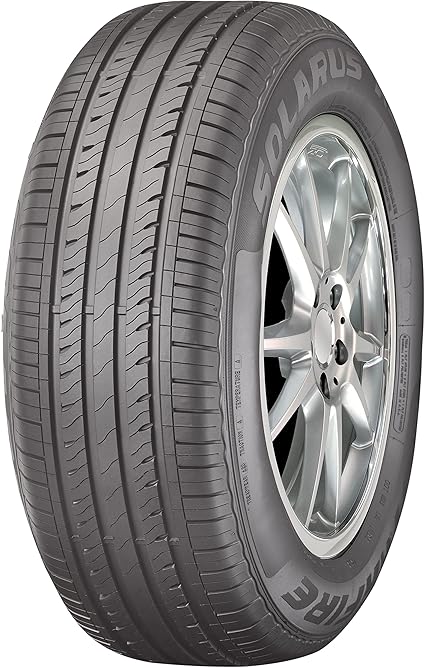 | Starfire Solarus AS | Check Price |
Our Top Picks 2  | Ironman iMove Gen 3 | Check Price |
Our Top Picks 3  | Sailun ERange EV | Check Price |
Our Selected Top 12 Tires for Nissan Leaf Worth Your Money
This list includes a carefully chosen selection of tires that improve the Nissan Leaf’s performance and efficiency. Each review covers how the tire handles various conditions, its ideal user, and highlights both advantages and potential drawbacks to help you make an informed choice.
1. Starfire Solarus AS Tire
Starfire Solarus AS stands out with its 50,000-mile warranty and dependable all-season performance, making it a solid choice for Nissan Leaf drivers focused on long-lasting traction and fuel efficiency. Designed for everyday users looking for balanced wear and grip, it fits comfortably as a universal touring tire for year-round conditions.
Getting these tires set up on a 17-inch rim is straightforward due to their universal fit. The symmetrical tread design supports consistent traction in mud and snow while maintaining low rolling resistance, which helps keep your electric Leaf’s energy use in check.
The 44 psi max pressure lets you fine-tune for comfort and performance depending on your daily drive.
Constructed as radial tires, they handle typical road duties well, providing good grip in wet and dry weather thanks to the M+S rating. The 94 load index and 1477-pound capacity fit the Leaf’s needs precisely. One strong praise is the durability over long miles, matching the promised warranty.
On the downside, some find the tread wears faster than expected under heavier city use.
Durability over extended mileage is the best feature, keeping the tire reliable for many seasons, while some notice the tread wears down faster than expected during stop-and-go city driving. The balance between performance and wear is noticeable in daily driving conditions.
Drivers wanting long-lasting all-season tires with good economy will appreciate this choice, particularly those on mostly suburban or highway routes. Those frequently navigating heavy traffic or carrying extra loads might look for tires with tougher tread compounds or higher load ratings.
Pros
- Long 50,000-mile warranty adds confidence
- Good traction in mud and snow conditions
- Fuel economy-friendly design for electric vehicles
- Universal fit simplifies installation on Leaf wheels
Cons
- Tread may wear quicker in heavy urban driving
- Load capacity limits heavier vehicle use
| Specification | Details |
|---|---|
| Rim Size | 17 inches |
| Load Index | 94 |
| Speed Rating | V |
| Load Capacity | 1477 pounds |
| Tread Type | Symmetrical |
| Maximum Pressure | 44 psi |
2. Ironman iMove Gen 3 A/S UHP Tire
Ironman iMove Gen 3 A/S UHP Tire works well for sport and performance-oriented coupes and sedans, making it a solid choice for Nissan Leaf drivers seeking strong dry and wet road traction. Its greatest strength lies in balancing grip and a quiet, comfortable ride, ideal for everyday city or highway driving.
Installation on a 16-inch rim fits universally and the asymmetrical tread pattern with larger blocks provides confident handling on dry roads. On wet or snowy days, extra sipes bite into the surface, adding safety. The tire maintains a smooth ride by reducing road noise and vibrations, contributing to comfort during daily commutes and longer drives.
Built with offset sipes and sharp angled slits, the tire performs well in providing grip in snowy conditions uncommon for a summer tire. Its radial construction and 51 psi maximum pressure promote stability and durability. Positive feedback often highlights how quiet the ride is, while some users mention limited performance in deeper snow as a drawback.
Quietness and comfort come across as the strongest points, while some find it less effective in heavier snow despite added sipes. The design clearly favors urban and sporty driving conditions over harsh winter environments.
Drivers focused on smooth rides and handling in dry and wet conditions will appreciate this tire. Those needing a dedicated winter performance tire would be better off selecting options specifically rated for snow and ice.
Pros
- Good traction on dry and wet roads
- Quiet and comfortable ride quality
- Extra sipes improve snow grip
- Universal fit for 16-inch rims
Cons
- Not designed for deep snow conditions
- Rated for summer use only
| Specification | Details |
|---|---|
| Rim Size | 16 inches |
| Speed Rating | V |
| Load Index | 91 |
| Tread Type | Asymmetrical |
| Maximum Pressure | 51 psi |
3. Sailun ERange EV Touring Tire
Driving on these tires feels smooth and quiet, ideal for electric cars like a Nissan Leaf. Their best feature is the quiet ride combined with solid grip on wet roads, making them great for daily city commutes or longer trips.
They’re built specifically for electric or hybrid vehicles, which makes a noticeable difference in handling.
Installation is straightforward with their 17-inch rim size fitting well on Leaf models. The reinforced sidewall helps support the extra battery weight, improving cornering and overall stability.
The asymmetrical tread design offers consistent traction in all seasons. A quieter ride comes from SilentTread technology, making daily driving less fatiguing, especially on highways.
Grip is reliable both on wet and dry surfaces, thanks to the EcoPoint3 technology combined with a long-lasting tread life advertised at 45,000 miles. Constructed with a radial design and extra load capacity (XL), these tires handle the Leaf’s weight effectively.
Some users note occasional firmness on rough roads, but most appreciate the balance of comfort and performance.
The quiet ride is a frequent compliment, making everyday driving more comfortable. The firm feel over uneven roads is the most common concern, suggesting a trade-off between handling and smoothness. Its tread life and grip stand out for electric vehicles like the Nissan Leaf.
People who want a balance of traction and durability with quieter road noise will find these tires suitable. Those driving on very rough roads or with different rim sizes might want to explore other options with softer sidewalls or alternative fitments.
Pros
- Quiet ride with SilentTread technology
- Good wet and dry traction
- Reinforced sidewall supports extra battery weight
- Long 45,000 mile tread life warranty
Cons
- Can feel firm on rough pavement
- Limited to 17-inch rims only
| Specification | Details |
|---|---|
| Rim Size | 17 inches |
| Load Index | 95 |
| Speed Rating | V |
| Tread Type | Asymmetrical |
| Load Range | XL |
| Seasons | Year Round |
4. Fullway HP108 All Season Radial Tire

Perfect for those who want durable all-season tires without breaking the bank, the Fullway HP108 offers solid performance for Nissan Leaf drivers. Its load capacity and speed rating stand out as key advantages, suiting those who prioritize reliability and sturdy construction in their tires.
Installation fits well with the Leaf’s 18-inch wheels, making setup straightforward. The radial construction supports consistent contact with the road throughout different weather conditions, including light rain or dry pavement.
Maintaining the recommended 49 psi pressure keeps the ride smooth, and the highway tread pattern contributes to quiet driving, which is a nice everyday benefit on city and suburban roads.
Handling roads in all seasons, the tire’s 380AA traction rating backs good grip during wet and dry periods. Its XL-extra load design can support 1653 lbs, giving confidence under heavier loads or sudden maneuvers. Most reviews mention the tire’s reliable durability, though some note it might not perform as well on snowy or icy surfaces compared to winter-specific tires.
The Fullway HP108 tires receive praise for their solid load support and strong all-season grip, making daily drives comfortable and safe under moderate conditions. Some find they fall short during harsher winter weather, which is their most frequent drawback. Quiet ride quality and durability are common highlights.
Drivers needing good year-round performance on mainly dry or wet roads will appreciate these tires. Those facing frequent heavy snow or ice events may want to consider specialized winter tires for safer handling during cold months.
Pros
- Supports heavy loads up to 1653 pounds
- All-season traction with 380AA rating
- High speed capability rated at 168 mph
- Quiet highway tread design
Cons
- Less effective on snowy or icy roads
- Rim/wheel not included with tire
| Specification | Details |
|---|---|
| Rim Size | 18 inches |
| Load Index | 98 |
| Speed Rating | W (168 mph) |
| Load Capacity | 1653 pounds |
| Maximum Pressure | 49 psi |
| Seasons | Year Round |
5. Goodyear Assurance All-Season Radial Tire

Designed with an asymmetrical tread and wide grooves, the Goodyear Assurance All-Season Radial Tire suits drivers looking for dependable performance in wet, dry, and snowy conditions. Its biggest strength is the balanced traction it provides across seasons, making it well-suited for year-round use on a Nissan Leaf.
Setup involves fitting onto a 16-inch rim, and the tire maintains a maximum pressure of 51 psi. Its wide tread grooves help evacuate water and slush, which keeps grip consistent during wet drives. Road noise stays low thanks to an optimized tread pattern, contributing to a quieter daily rush-hour commute or weekend trip.
The tire handles wet and dry conditions confidently due to large, stable shoulder blocks that improve control. The multiple biting edges assist with all-season traction including snowy patches, offering safety in variable weather.
A 65,000-mile tread life backed by a lifetime warranty speaks to durability. Some find it less responsive at higher speeds, reflecting the H speed rating limit.
Strongest praise lies in excellent all-season traction combined with quiet ride quality. Common complaint highlights limited responsiveness and speed rating at higher velocities, which may affect spirited driving.
Drivers prioritizing safety and longevity in everyday conditions will appreciate this tire. Those needing sharper handling or higher speed capabilities might want to explore other options.
Pros
- Great traction in wet and snowy conditions
- Reduced road noise for quieter driving
- Long tread life with lifetime warranty
- Wide grooves help prevent hydroplaning
Cons
- Speed rating limits high-speed driving
- Less responsive handling at faster speeds
| Specification | Details |
|---|---|
| Rim Size | 16 inches |
| Load Capacity | 1356 pounds |
| Tread Type | Asymmetrical |
| Speed Rating | H |
| Maximum Pressure | 51 psi |
| Tread Life | 65,000 miles / 105,000 km |
6. Landspider Citytraxx H/P All Season Tire

Comfortable ride and solid all-season traction stand out on these 17-inch tires that suit drivers looking for good value and reliable handling on a Nissan Leaf. The Landspider Citytraxx H/P offers a load capacity higher than typical passenger tires, making it a dependable choice for everyday urban and highway driving.
Setting them up on the Leaf’s 17-inch rims is straightforward, as the fit is universal and designed for extra load support. The asymmetrical tread pattern helps maintain firm grip in a variety of conditions, from wet streets to light snow. The tires hold up well under pressure, rated to a maximum of 49 psi, which lets you keep the handling responsive and safe on different surfaces throughout the year.
These tires deliver good performance in all seasons thanks to their UTQG 420AA rating, ensuring they grip confidently while maintaining durability. The radial construction with four plies adds to their strength, supporting up to 1653 pounds per tire. Positive feedback highlights steady handling and grip, especially in wet conditions, while occasional notes mention a bit more road noise than expected.
The tires are praised for steady grip and safety across seasons, making them reliable for daily drives. The most frequent complaint points to road noise, which some find louder than expected on open highways.
Those seeking durable, all-season tires with strong load capacity will appreciate these. Drivers wanting the quietest ride possible might look for alternatives instead.
Pros
- High load capacity supports heavier loads safely
- Good year-round traction on various road surfaces
- Fits standard 17-inch rims commonly on Nissan Leaf
- Durable radial construction with four ply rating
Cons
- Can produce noticeable road noise at highway speeds
- No rims or wheels included, tires only
| Specification | Details |
|---|---|
| Rim Size | 17 inches |
| Load Index | 98 |
| Speed Rating | W (168 mph) |
| Load Capacity | 1653 pounds |
| Tread Type | Asymmetrical |
| Maximum Pressure | 49 psi |
7. Lexani LXUHP-207 Tire

Perfect for Nissan Leaf drivers seeking greater grip in warm weather, these tires stand out with their strong hydroplaning resistance. Ideal for summer driving, the Lexani LXUHP-207 focuses on safety and comfort, making it a solid choice over more basic alternatives.
Installation on an 18-inch rim is straightforward, fitting well without extra fuss. Wide lateral grooves push water away efficiently, so wet roads feel less daunting.
The V-shaped tread pattern really helps with traction during quicker stops and cornering, while the tire’s design keeps road noise and vibrations low, making daily drives more pleasant for everyone inside.
The asymmetrical construction delivers reliable grip and braking, especially noticeable when driving at higher speeds. Built to hold up to 1389 pounds per tire and designed for a 50,000 mile tread life, these tires balance durability with performance. Reviews praise the quiet ride, though some mention the tires aren’t suited for colder seasons since they are summer-specific.
Quietness and safety in wet conditions are standout qualities, making longer drives more comfortable. Most users acknowledge the tires perform best in warm weather, with limited use in cooler or winter months.
Drivers looking for dependable summer tires with good traction and a smooth ride will find these suitable. Those needing all-season capabilities or winter performance should consider other options.
Pros
- Excellent water evacuation reduces hydroplaning risk
- Quiet ride with low road vibrations
- Improved traction and braking at higher speeds
- Long tread life of 50,000 miles
Cons
- Only suitable for warm weather driving
- Speed rating W limits some high-speed uses
| Specification | Details |
|---|---|
| Rim Size | 18 inches |
| Load Index | 92 |
| Speed Rating | W |
| Load Capacity | 1389 pounds |
| Tread Type | Asymmetrical |
| Seasons | Summer |
8. Starfire Solarus HT All-Season Tire

Handling mixed weather and varying road conditions without switching tires is easier with all-season options. Fans of Nissan Leaf who want a quiet drive and reliable traction can find a solid choice in this tire. Its biggest selling point is the promise of lasting tread combined with year-round usability.
Putting the tire on an 18-inch rim works smoothly thanks to its universal fit. Day-to-day driving feels comfortable, with noise kept to a minimum. The balanced symmetrical tread helps maintain control through mud and light snow, making it convenient for drivers who don’t want to swap tires seasonally.
The 44 psi maximum pressure means it can be kept firm for better efficiency.
Equipped to carry up to 2039 pounds and built with radial construction, the tire stands up decently to wear. Many appreciate how consistent the tread life runs, making it dependable for long-term use.
Some reports mention it doesn’t excel in deep snow or very slippery conditions, but road grip on dry and wet surfaces meets expectations for an all-season tire at this price level.
The tire impresses with consistent tread life and reduced road noise, making everyday commuting comfortable. Commonly noted is its limitation under severe winter conditions like deep snow, where grip declines noticeably.
Drivers seeking a dependable all-season tire with quiet performance and durability will be satisfied. Those frequently facing harsh winter weather or heavier loads might want to explore tires with higher load ranges and greater winter-specific traction.
Pros
- Quiet ride on highways and city streets
- Good all-season traction including mud and snow
- 50,000 mile warranty adds long-term value
- Universal fit works well with many 18-inch rims
Cons
- Not ideal for deep snow or ice
- Load range B limits heavy-duty use
| Specification | Details |
|---|---|
| Rim Size | 18 inches |
| Load Capacity | 2039 pounds |
| Speed Rating | H |
| Maximum Pressure | 44 psi |
| Tread Type | Symmetrical |
| Season | Year Round |
9. Nexen Aria AH7 All Season Radial Tire

80,000 miles of tread life warranty stands out for anyone wanting long-lasting tires on a Nissan Leaf. Suited for drivers looking for reliable all-season performance with solid coverage, these tires focus heavily on durability and road protection.
Installation on a 16-inch rim was straightforward. The four-groove design helps with handling and braking in different weather, while the asymmetric tread keeps the ride quiet by reducing noise.
Stiff tread blocks give better grip around corners when driving faster, making daily drives more confident and stable.
Handling and grip are solid throughout all seasons, with tires holding up well even during cornering thanks to sturdy tread blocks. Asymmetrical tread design is carefully made to avoid uneven wear, extending life and saving for replacements.
The most common downside mentioned is occasional road noise despite noise reduction efforts.
Warranty and coverage details impress most, including road hazard replacement and roadside support. Road noise reduction works but doesn’t completely eliminate tire sound for quieter roads.
Drivers wanting durable, all-season tires with a long warranty will be pleased. Those seeking ultra-quiet tires or higher speed ratings might want to look for alternatives.
Pros
- Long 80,000 mile tread life warranty
- Quiet ride with random pitch variation
- Good grip during higher speed cornering
- Includes roadside assistance and trial period
Cons
- Some road noise despite noise reduction design
- Speed rating limited to H (up to 130 mph)
| Specification | Details |
|---|---|
| Rim Size | 16 inches |
| Load Index | 101 |
| Speed Rating | H |
| Load Capacity | 2105 pounds |
| Tread Type | Asymmetrical |
| Maximum Pressure | 44 psi |
10. Nexen NPriz AH All-Season Radial Tire

Drivers looking for dependable year-round tires for a Nissan Leaf will appreciate this radial tire designed for consistent performance. Its standout feature is reliable traction in diverse weather conditions, making it suitable for daily commuting and occasional longer trips without sacrificing safety.
Installation on a 16-inch rim is straightforward since it comes as a tire-only option, without a wheel. Regularly maintaining the correct pressure up to 44 psi helps keep the ride smooth and efficient. The tire’s symmetrical tread pattern offers predictable handling, which is reassuring on wet or dry roads throughout the year.
Handling wet roads and light winter conditions holds up well thanks to its design and tread type. Carrying a load of up to 1356 pounds per tire suits the Nissan Leaf’s typical needs without strain.
The most common praise highlights solid grip and comfort, while some mention that the speed rating T limits higher-speed driving scenarios.
Strong grip and steady handling stand out as key positives, making it a solid choice for most driving conditions. A common drawback is the speed rating T, which restricts use on fast highways or track scenarios, so it fits best below those thresholds.
Drivers who want reliable, consistent performance all year round will find these tires well-suited for city and suburban roads. Those who often drive at high speeds or want a quick-accelerating tire might want to explore options with higher speed ratings.
Pros
- Reliable traction in varied weather conditions
- Comfortable ride with balanced handling
- Good load capacity for everyday driving
- Year-round use without switching tires
Cons
- Speed rating T limits higher-speed driving
- Sold as tire only, no wheel included
| Specification | Details |
|---|---|
| Rim Size | 16 inches |
| Load Index | 91 |
| Speed Rating | T |
| Load Capacity | 1356 pounds |
| Tread Type | Symmetrical |
| Maximum Pressure | 44 psi |
11. Nexen N Blue 4S 2 All Weather Tire

Designed for year-round driving, these tires offer Nissan Leaf drivers reliable traction across all kinds of weather. Their standout feature is improved snow performance, offering better grip compared to typical all-season tires, making them a solid pick for varied climates.
Installing these 17-inch tires is straightforward, fitting most standard rims suited for electric cars. Jagged shoulder blocks help with snow traction by about 20%, while angled wave shapes and micro-sipes push water and snow out from under the tire, so you can expect steady handling on wet or icy roads. The rubber compound adapts well, giving a comfortable ride through changing conditions.
Built with a directional tread pattern and a sturdy radial construction, these tires hold up well against daily wear and varying road surfaces. The 70,000-mile tread warranty reflects confidence in their durability. Many appreciate the solid grip during snowy conditions.
Some find the load capacity at 16 ounces a bit limiting for heavier loads, but overall the tread design and weather certifications reassure safety year-round.
Many appreciate the enhanced snow traction and reliable grip in mixed weather, with the most common downside being the limited load capacity which could affect heavier drives. Users find the tire very practical for seasonal transitions thanks to its certified all-weather capabilities.
Drivers navigating year-round climates and needing dependable wet and snow performance will likely be satisfied. Those requiring higher load capacities or more specialized summer or winter tires should explore other options for their specific needs.
Pros
- Improves snow traction by 20% over standard all-season tires
- Handles wet roads well due to angled tread design
- Comes with a 70,000-mile tread wear warranty
- Includes roadside assistance for 36 months
Cons
- Load capacity limited to 16 ounces
- Some may find the tread wears faster under heavy use
| Specification | Details |
|---|---|
| Rim Size | 17 inches |
| Load Index | 90 |
| Speed Rating | V |
| Tread Type | Directional |
| Maximum Pressure | 51 psi |
12. Bridgestone Ecopia EP500 Touring ECO Tire

Bridgestone Ecopia EP500 Touring ECO Tire is designed for Nissan Leaf drivers looking for efficient, year-round performance. It stands out for its eco-friendly approach and solid reliability, fitting well with electric vehicles that benefit from fuel-saving tires without sacrificing safety.
Setting it up on a 20-inch rim goes smoothly, thanks to its universal fit and radial construction. Daily driving feels stable, with the asymmetric tread pattern that handles well in various conditions throughout the year. It keeps noise levels reasonable, while the 41 psi maximum pressure offers confidence in maintaining proper inflation for longer tire life.
Its main job of providing safe traction and durability gets good marks, backed by a load capacity of 1279 pounds and an XL load range for heavier demands. Polish manufacturing adds to its consistent build quality. Reviews often highlight its fuel efficiency, though some mention it could improve in extreme wet grip and cornering precision.
Reviews point out the tire’s ability to save energy and provide extended wear as a strong plus, making it practical for everyday EV driving. On the downside, wet traction and cornering precision show room for improvement under demanding conditions.
Drivers prioritizing fuel economy and all-season use will appreciate this tire’s balance. Those frequently navigating heavy rains or sharp turns might want to look for options better suited to those specific needs.
Pros
- Good fuel efficiency for electric vehicles
- Year-round traction with asymmetric tread
- Reliable load capacity of 1279 pounds
- Universal fit on 20-inch rims
Cons
- Could improve wet weather grip
- Handling not as sharp on aggressive cornering
| Specification | Details |
|---|---|
| Rim Size | 20 inches |
| Load Capacity | 1279 pounds |
| Load Index | 89 |
| Speed Rating | Q |
| Tread Type | Asymmetrical |
| Maximum Pressure | 41 psi |
Best Tires for Nissan Leaf Comparison Table
| Product | Rim Size | Load Capacity | Speed Rating | Seasons |
|---|---|---|---|---|
| Starfire Solarus AS | 17 inches | 1477 pounds | V | Year Round |
| Ironman iMove Gen 3 | 16 inches | 16 ounces | V | Summer |
| Sailun ERange EV | 17 inches | 16 ounces | V | Year Round |
| Fullway HP108 All Season | 18 inches | 1653 pounds | W | Year Round |
| Goodyear Assurance AS | 16 inches | 1356 pounds | H | Year Round |
| Landspider Citytraxx H/P | 17 inches | 1653 pounds | W | Year Round |
| Lexani LXUHP-207 | 18 inches | 1389 pounds | W | Summer |
| Starfire Solarus HT | 18 inches | 2039 pounds | H | Year Round |
| Nexen Aria AH7 | 16 inches | 2105 pounds | H | Year Round |
| Nexen NPriz AH | 16 inches | 1356 pounds | T | Year Round |
| Nexen N Blue 4S 2 | 17 inches | 16 ounces | V | Year Round |
| Bridgestone Ecopia EP500 | 20 inches | 1279 pounds | Q | Year Round |
- Rim Size17 inches
- Load Capacity1477 pounds
- Speed RatingV
- SeasonsYear Round
- Rim Size16 inches
- Load Capacity16 ounces
- Speed RatingV
- SeasonsSummer
- Rim Size17 inches
- Load Capacity16 ounces
- Speed RatingV
- SeasonsYear Round
- Rim Size18 inches
- Load Capacity1653 pounds
- Speed RatingW
- SeasonsYear Round
- Rim Size16 inches
- Load Capacity1356 pounds
- Speed RatingH
- SeasonsYear Round
- Rim Size17 inches
- Load Capacity1653 pounds
- Speed RatingW
- SeasonsYear Round
- Rim Size18 inches
- Load Capacity1389 pounds
- Speed RatingW
- SeasonsSummer
- Rim Size18 inches
- Load Capacity2039 pounds
- Speed RatingH
- SeasonsYear Round
- Rim Size16 inches
- Load Capacity2105 pounds
- Speed RatingH
- SeasonsYear Round
- Rim Size16 inches
- Load Capacity1356 pounds
- Speed RatingT
- SeasonsYear Round
- Rim Size17 inches
- Load Capacity16 ounces
- Speed RatingV
- SeasonsYear Round
- Rim Size20 inches
- Load Capacity1279 pounds
- Speed RatingQ
- SeasonsYear Round
How to Choose the Best Tires for Nissan Leaf
Choosing the right tires for a Nissan Leaf involves considering factors like tread design, durability, and energy efficiency to ensure safety and maximize driving range. Proper tires reduce road noise and wear, saving money on frequent replacements and improving overall performance.
Size and Fit
Swapping tires without checking size can lead to rubbing against the wheel wells or inaccurate speedometer readings. Tires that don’t meet the exact size specifications of the Nissan Leaf can also throw off handling and decrease efficiency.
Most Leaf models use tires sized around 205/55R16, but checking the owner’s manual or sidewall markings on the current tires ensures proper fit.
Load index and speed rating often go overlooked but are critical. Using tires with a lower load index than recommended can risk premature wear or even failure under the Leaf’s weight. Speed rating must at least match the vehicle’s top speed capability; the original tires usually carry ratings like H or V to balance durability and performance.
Also take note of tire clearance; tight spaces in wheel wells mean even a slight oversize tire can cause rubbing during turns or on bumps, damaging both tire and bodywork.
Energy Efficiency
Electric cars like the Leaf benefit greatly from tires with low rolling resistance because they require less energy to keep moving, extending the driving range. These tires usually feature harder rubber compounds and optimized tread patterns that reduce friction on the road.
Materials such as silica blends often help reduce energy consumption but might compromise traction on wet roads if not well balanced. Some tires engineered for energy efficiency will wear faster, so daily drivers should look for models that maintain durability while offering lower rolling resistance.
Choosing tires specifically made for electric vehicles generally strikes a better balance between saving battery power and retaining grip and longevity.
Tread Pattern and Traction
Traction really shows its importance during changes in weather. Smooth summer treads might perform well in dry conditions but become unsafe as rain or snow arrive. Tread patterns with wider grooves and more siping help channel water away and provide better grip on slippery surfaces.
For year-round use in temperate climates, all-season tires with a balanced tread pattern offer decent grip on wet and dry roads. In colder areas, winter tires with softer compounds and aggressive tread designs significantly improve safety on snow and ice.
Failing to match the tires to seasonal conditions typically leads to longer stopping distances and reduced handling confidence.
Noise Levels
Road noise can become a constant annoyance during commutes, especially on rough pavement or at highway speeds. Tires designed specifically for quieter operation often use specialized tread patterns with variable pitch blocks that disrupt noise frequencies.
Denser tread patterns with closely spaced blocks absorb sound better but might sacrifice some grip or fuel efficiency. It’s common to find a compromise as very quiet tires sometimes reduce traction, especially on wet surfaces. For drivers prioritizing quiet rides, looking for tires marketed with noise-reducing technology is wise, but be aware these choices might affect other characteristics.
Durability and Longevity
Tires showing high treadwear ratings (for example, 500 and above) usually last longer under normal driving conditions. Using tires with poor durability can mean replacing them much more frequently, which adds cost and inconvenience.
Scuff resistance and puncture protection come into play in urban environments where debris and curbs are common hazards. Some tires use reinforced sidewalls or tougher rubber compounds to withstand this stress.
Checking warranty coverage provides insight into the manufacturer’s confidence in durability, a longer warranty generally indicates better build quality and materials suited for longer life.
Optimizing Tire Performance for Nissan Leaf in Different Weather Conditions
Matching the right tires to seasonal weather can have a significant impact on your Nissan Leaf’s performance and safety. Summer tires offer increased grip on dry and wet roads in warm weather due to specialized rubber compounds. As temperatures drop below 45°F, these tires harden and lose efficiency, which means they won’t perform well in colder climates.
Winter tires use softer rubber that stays pliable in cold conditions, improving traction on ice and snow. Select models also feature deeper tread patterns and siping to disperse slush and water effectively.
For mild climates with occasional rain but little snow, all-season tires provide a balanced option by combining features of both summer and winter tires, although they sacrifice some extremes of performance.
- Choose summer tires for warm, dry, and wet road conditions.
- Switch to winter tires if you regularly face snow, ice, or temperatures consistently below 45°F.
- Consider all-season tires for moderate climates without severe winters.
Rotating the tires seasonally allows the Nissan Leaf to maintain optimal handling, braking, and energy efficiency throughout the year.
Essential Tire Maintenance Tips to Maximize Longevity on Your Nissan Leaf
Maintaining proper tire care significantly extends the life and performance of your Nissan Leaf’s tires. Regularly checking tire pressure is critical; underinflated tires increase rolling resistance, reducing efficiency and causing uneven wear.
The recommended pressure can be found on the driver’s side door jamb and should be checked at least once a month.
Rotating the tires every 5,000 to 7,000 miles helps to promote even wear. The Nissan Leaf’s front-wheel-drive setup means the front tires often wear faster, so moving them to the back makes their lifespan more uniform. Inspect the tread depth regularly using a tread gauge or the built-in tread wear indicators to ensure safety and handling performance.
- Maintain recommended tire pressure for better energy use and handling.
- Rotate tires periodically to avoid premature wear.
- Check tread depth for safe traction and replace tires before they get too worn.
- Keep tires balanced and aligned to prevent vibration and uneven wear.
These simple practices keep the tires in good condition and support the Nissan Leaf’s smooth and efficient driving experience.
Comparing All-Season vs. Winter Tires for Enhanced Safety and Efficiency
All-season tires on a Nissan Leaf are designed to handle a variety of road conditions including dry and wet surfaces. They provide moderate tread life and are cost-effective, making them a practical choice for drivers in regions without severe winters.
However, their performance drops on ice and deep snow, which can compromise safety in winter months.
Winter tires, crafted from softer rubber compounds, maintain flexibility in cold temperatures, allowing better grip on icy and snowy roads. The tread patterns clear slush and reduce the risk of hydroplaning, which improves braking and cornering. This leads to safer handling in harsh weather but they wear faster when used in warmer conditions.
- All-season tires offer convenience and decent performance year-round in moderate climates.
- Winter tires improve traction and safety in cold, snowy, or icy conditions.
- Swapping tires seasonally can optimize safety and prolong tire life.
Choosing between these tire types depends on your local weather and driving needs, balancing safety with tire longevity and efficiency.
People Also Asked
What Tire Size Fits a Nissan Leaf Perfectly?
The standard tire size for a Nissan Leaf is usually 215/50R17, though some models might use 205/55R16. Checking the manual or the sticker inside the driver’s door helps you buy the exact size without guessing. Using the right size keeps driving smooth and prevents speedometer errors.
How Often Should I Rotate Tires on My Electric Car?
Tire rotation every 5,000 to 7,500 miles suits an electric car like the Leaf to ensure even wear. These cars put different pressure on front and rear tires because of their weight distribution and regenerative braking. Regular rotation stretches tire life and improves safety.
Are All-Season Tires Safe for Winter Driving in a Leaf?
All-season tires can work for winter driving but might not be ideal for heavy snow or ice in a Leaf. Dedicated winter tires provide better grip at low temperatures and on slippery surfaces. Swapping tires seasonally is safer and extends tire life.
How Long Do Tires Typically Last on a Nissan Leaf?
Tires on a Nissan Leaf typically last around 30,000 to 50,000 miles depending on the tire brand, driving habits, and road conditions. Monitoring tread depth and replacing tires before they get too worn helps maintain good traction and ride comfort.
What Are Common Tire Issues for Electric Vehicles Like Leaf?
Electric vehicles like the Leaf often face faster front tire wear due to regenerative braking and higher torque. Tire pressure management is key since EVs carry extra battery weight, which affects how tires wear and handle. Checking tread and pressure frequently prevents unexpected failures.
Conclusion
Choosing tires for a Nissan Leaf means focusing on factors like tire size compatibility, energy efficiency to support electric range, and suitable tread for your typical driving conditions. Prioritize tires that offer a balance between grip and low rolling resistance to maintain good handling and extend battery life.
Think about how often you drive and the typical road conditions around you before making a choice. Budget can also influence which option fits best. Review the comparison table and product details above to find tires that align with your daily needs and preferences.