
Top 12 Best Pneumatic Angle Grinder You Can’t Miss Today
Working with a cheap pneumatic angle grinder often leads to frustration. Blades slip, motors bog down, and handling becomes unsafe, especially on tough surfaces.
The best pneumatic angle grinder balances power and control, avoiding those common pitfalls that slow down projects or risk injury.
What separates a solid pneumatic angle grinder from a poor one comes down to a few key factors. Motor power around 0.5 to 1 horsepower is typical for grinding and cutting tasks.
A well-built tool uses durable metal housing to withstand regular use and heat. Also important is the weight and balance, usually between 3 to 5 pounds, which affects how long you can work comfortably. Safety features like a secure guard and smooth throttle control help prevent accidents and keep the tool steady under pressure.
Need a Quick Check?
| Image | Product | Price |
|---|---|---|
Our Top Picks 1  | Ingersoll Rand 3445MAX Angle Grinder | Check Price |
Our Top Picks 2 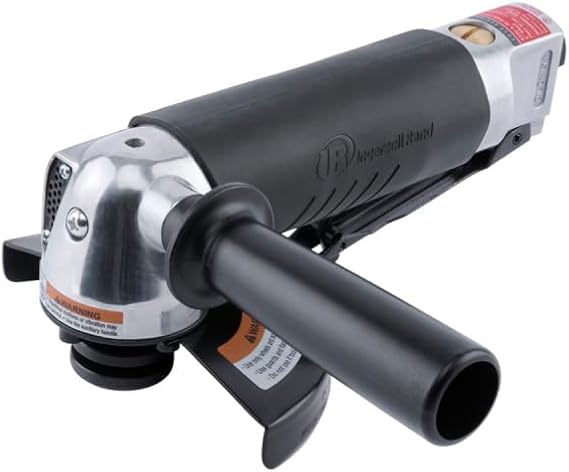 | Ingersoll Rand 422G-A Angle Grinder | Check Price |
Our Top Picks 3  | Chicago Pneumatic CP7545-B Grinder | Check Price |
Our Selected Top 12 Pneumatic Angle Grinder You Can Trust
This list features carefully chosen pneumatic angle grinders designed for various tasks and skill levels. Each review explains how the tool performs, highlights its strengths and weaknesses, and suggests the types of users or projects it best serves, helping readers make informed decisions.
1. Ingersoll Rand 3445MAX Air Angle Grinder
Lightweight and powerful, the Ingersoll Rand 3445MAX Air Angle Grinder fits anyone needing a compact tool for precise metal grinding and cutting. Its biggest strength lies in balancing power and control, making it especially suitable for tight spots and detailed work.
Setting up takes just attaching the 4.5 wheel and connecting to an air compressor (not included). The 1.4-pound design and ergonomic auxiliary handle make it easy to hold steady while working.
A variable-speed lever adjusts the power, so you can grind, cut, or polish metal with fine control, even in tricky areas.
It performs well with a 0.88 hp motor and spins up to 12,000 rpm, providing enough speed and torque for most metal tasks. The lightweight composite housing cuts down vibration, helping reduce hand fatigue. Most users appreciate its solid build and smooth handling, though some note that the air compressor must be purchased separately.
Strong points include the grinder’s balance of light weight and power, which allows precise work even in confined spaces. The need to supply your own air compressor is the most common issue found by those who get this tool.
Anyone needing a lightweight but capable air grinder for metal shaping and cutting will find value here. Those without access to a reliable compressor or seeking a cordless option should explore other tools.
Pros
- Lightweight design at just 1.4 pounds
- Variable-speed lever for precise control
- Ergonomic auxiliary handle for easy maneuvering
- Built with vibration-reducing composite housing
Cons
- Air compressor not included in the package
- Requires maintenance for optimal long-term durability
| Specification | Details |
|---|---|
| Power Source | Air Powered |
| Horsepower | 0.88 hp |
| Maximum Rotational Speed | 12,000 rpm |
| Wheel Size | 4.5″ |
| Voltage | 120 volts |
| Thread Size | 5/8″-11 |
2. Ingersoll Rand 422G-A Air Angle Grinder
Choosing a pneumatic angle grinder with reliable power and comfortable handling is key, and the Ingersoll Rand 422G-A fits that need well. Suited for metalworking and weld grinding, its strong motor and ergonomic design make it stand out among grinders for routine tasks requiring precision and control.
Setting up involves connecting to an air compressor (not included), and the lightweight 4.14-pound body feels well balanced during use. The ergonomic grip helps maintain control while the locking lever and tease throttle allow for fine throttle adjustments.
Overspeed protection keeps speed steady, which is reassuring when working on metal finishes.
Powered by a 0.6 hp motor, the grinder spins up to 12,000 rpm with a 5 wheel, handling finish grinding efficiently. Its metal housing adds durability while vibrations remain low enough for steady control. Many appreciate how consistent the speed stays, though a few find the air hose restricts mobility in tight spaces.
Many users praise the steady speed control and effectiveness on metal finishes, making it reliable for welding tasks. Frequent comments note that the air hose occasionally restricts maneuverability, especially in confined working areas.
People seeking consistent performance and comfort during metal grinding will find this grinder a good match. Those needing cordless freedom or occasional use without an air compressor might consider other options.
Pros
- Good power-to-weight ratio at 4.14 pounds
- Ergonomic grip for better handling
- Motor controller prevents overspeeding
- Durable metal housing reduces vibrations
Cons
- Air hose limits movement in tight spots
- Compressor not included, adds to setup cost
| Specification | Details |
|---|---|
| Power Source | Air Powered |
| Wattage | 447.6 watts |
| Maximum Rotational Speed | 12000 rpm |
| Horsepower | 0.6 hp |
| Wheel Size | 5″ |
3. Chicago Pneumatic CP7545-B Air Angle Grinder
Grinding or polishing in tight spaces calls for a tool that’s both powerful and easy to handle. Ideal for heavy-duty tasks, this air angle grinder delivers strong performance without weighing you down.
Its standout feature is the 1.13 horsepower motor that reaches up to 12,000 RPM, cutting through tough jobs quickly.
Setting it up is straightforward with an air-powered connection, and the lightweight, compact design makes it easy to maneuver around corners or close quarters. The surface grip and composite housing keep it comfortable during long hours, while the lock-off throttle and safety lever give you control and prevent accidental starts.
Changing the wheel is simple thanks to the keyless adjustable guard.
Grinding tasks feel efficient and smooth, thanks to the high-speed motor. The build places safety first with a sturdy steel wheel guard and safety lever, so you get reliable protection alongside power. Reviewers appreciate its speed and comfort but occasionally mention the need to stay aware of the weight during extended use, as it can feel a bit tiring over time.
The grinder is praised for its powerful motor that runs at 12,000 RPM and comfortable grip for easy handling. Most users appreciate the safety features like the lock-off throttle, though some note that it can feel a bit heavy during extended work sessions.
This tool fits well for those tackling tough grinding or polishing in compact areas and who have access to an air-powered setup. Those needing something lighter or cordless might look for alternative options better suited to long, continuous use without air supply.
Pros
- Strong 1.13 horsepower motor for fast grinding
- Compact and lightweight for tight spaces
- Lock-off throttle prevents accidental starts
- Steel keyless adjustable wheel guard
Cons
- Can feel tiring after prolonged use
- Requires air power source for operation
| Specification | Details |
|---|---|
| Power Source | Air Powered |
| Voltage | 120 volts |
| Wattage | 840 watts |
| Maximum Rotational Speed | 12000 rpm |
| Horsepower | 1.13 |
4. JET JAT-451 Pneumatic Angle Grinder

Reaching speeds up to 12,000 RPM, this angle grinder suits those who need precise control combined with strong performance. Its variable-speed throttle and two-position grip make it comfortable for extended use on a variety of metalworking tasks.
Setup is straightforward thanks to the pneumatic power source, and the safety throttle lock gives confidence by preventing accidental startups. Adjusting the wheel guard is easy with its toolless 360-degree swivel and nine preset positions, ensuring better visibility and adaptability when you’re working in tight spots or awkward angles.
Performance matches expectations for its 0.9 horsepower, delivering consistent torque through precision spiral bevel gears. The tapered gear housing improves your view of the work area when grinding. Reviews often praise its durability, backed by a rugged ball bearing design, though some note the weight can be tiring during long jobs.
This grinder stands out for its balance between power and control, with many noting its long-lasting build and safety features. The most common downside is the fatigue caused during extended use due to its weight. Swiveling wheel guard adds practical flexibility, but the pneumatic requirement means it’s less suited for locations without compressed air access.
People who spend hours on metal grinding and value safety will find it a solid choice. Those who need a lighter tool or more portability should look toward electric models instead.
Pros
- Variable-speed throttle for controlled speed adjustments
- Safety throttle lock prevents accidental startups
- Adjustable wheel guard improves work visibility
- Durable ball bearing design for long life
Cons
- Weight can cause fatigue over long use
- Requires pneumatic setup limiting portability
| Specification | Details |
|---|---|
| Maximum Rotational Speed | 12,000 rpm |
| Horsepower | 0.9 |
| Power Source | Pneumatic |
| Grip Positions | Two-position ergonomically-designed grip |
| Wheel Guard | Toolless swivels 360° with nine preset positions |
5. Ingersoll Rand 301B Air Die Grinder

Ideal for automotive and industrial work, this compact pneumatic angle grinder shines in tight spaces where control and power are key. Its biggest strength lies in delivering a solid 21,000 rpm with a light, easy-to-handle design that won’t weigh you down during extended use.
Setting up involves connecting it to an air compressor, which isn’t included, then using the self-locking throttle to control the tool safely. The 1/4 collet fits standard burrs, making it versatile for grinding, cutting, and polishing jobs. Its right-angle build makes it easy to reach tight corners without awkward repositioning, reducing user fatigue over time thanks to its lightweight metal frame.
Grinding tasks feel precise thanks to the high-speed 0.25 hp motor running up to 21,000 rpm, which handles both delicate and heavy-duty work. The metal body supports durability during tough use, though a few mention the noise level being a bit loud.
Most praise the compact size and throttle safety, while the main drawback noted is the absence of an included air compressor.
The grinder gets high marks for its powerful 21,000 rpm motor and manageable weight, making lengthy jobs less tiring. Its self-locking throttle adds important safety control, but the lack of an included air compressor means added initial cost. Noise is noticed but expected from air-powered tools.
Those needing a compact and fast grinder for automotive or industrial tasks will be satisfied. Users without an air compressor or who prioritize quiet tools might want to explore other options better suited to those needs.
Pros
- Compact right-angle design for tight spaces
- Lightweight at just over one pound
- High speed up to 21,000 rpm
- Self-locking throttle for safety and control
Cons
- Air compressor sold separately
- Noise level can be quite high during use
| Specification | Details |
|---|---|
| Power Source | Air Powered |
| Maximum Rotational Speed | 21000 rpm |
| Minimum Speed | 8000 rpm |
| Weight | 1.02 pounds |
| Collet Size | 1/4″ |
6. Ingersoll Rand 3101G Air Die Grinder

Compact and lightweight, this 1/4 collet pneumatic die grinder is ideal for precision polishing tasks in automotive and fabrication shops. Its main strength lies in combining a 0.33 hp motor with a 20,000 rpm speed for consistent, high-speed operation in tight spaces.
Setup involves connecting to your air compressor (sold separately), and the self-locking throttle provides safe control by keeping the tool off until you engage it. The right-angle design lets you reach awkward angles easily, while its 1.3-pound weight limits hand fatigue during longer projects, making day-to-day use comfortable and manageable.
The grinder performs well with steady high rpm tailored for polishing work. Built with an aluminum housing and precision ball bearings, it offers reliable durability through repeated use. Most praise centers on its compact size and control, while some note that the fixed 20,000 rpm speed doesn’t allow for variation.
The grinder receives positive remarks for its compact size and easy control, making it a reliable tool for detailed polishing. The most frequent downside mentioned is that the speed cannot be adjusted, which may limit versatility for some tasks.
Those needing a consistent high-speed, lightweight air grinder for polishing will appreciate this model. Users requiring variable speed or a built-in air source should look for alternatives that better fit those criteria.
Pros
- Lightweight for reduced user fatigue
- Right-angle design allows precise access
- Safe self-locking throttle control
- Durable aluminum housing and ball bearings
Cons
- Speed fixed at 20,000 rpm, no variable control
- Air compressor sold separately
| Specification | Details |
|---|---|
| Power Source | pneumatic-powered |
| Collet Size | 1/4″ |
| Maximum Rotational Speed | 20000 rpm |
| Minimum Speed | 20000 rpm |
| Motor Power | 0.33 hp |
| Weight | 1.3 pounds |
7. Unbranded 1/4 Angle Air Die Grinder Kit

Unbranded 1/4 Angle Air Die Grinder Kit offers powerful grinding with a compact design that fits tight spaces. Ideal for detailed work, its 0.32HP motor and 90-degree head help you reach awkward angles easily while keeping control through the built-in speed regulator.
Setup involves connecting the air supply to use the 20,000 RPM grinder. The lightweight aluminum body and low vibration feature help reduce hand fatigue during extended use.
Included 22 grinding discs mean it’s ready for different tasks like polishing or deburring without hunting for extra accessories.
The grinder performs well for precision tasks like engraving and smoothing. Durable ball bearings keep the motor running smoothly, and the rear exhaust directs airflow away from your hands. Most praise focuses on its power in a small size; the common complaint involves handling the fast speed without getting too rough on delicate tasks.
This grinder is praised for packing strong power in a small, lightweight frame with useful low vibration and good control options. It handles precision tasks well but demands care with its high-speed output to prevent damage during delicate jobs. Users appreciate the ready-to-go discs included.
Anyone needing a powerful, compact pneumatic grinder for tight or angled spaces will find this convenient and efficient. Those who often work on very fine or fragile materials might want to look for a model with more speed settings or softer operation.
Pros
- Compact design fits tight spaces
- Built-in speed regulator for control
- Low vibration reduces hand fatigue
- Comes with 22 grinding discs
Cons
- Speed can be hard to manage on delicate work
- Not a widely known brand
| Specification | Details |
|---|---|
| Power Source | Air Powered |
| Maximum Rotational Speed | 20000 rpm |
| Horsepower | 0.32 hp |
| Wheel Diameter | 2 inches |
| Voltage | 115 volts |
| Wattage | 800 watts |
8. Chicago Pneumatic CP875 Right Angle Air Die Grinder

Feels light and easy in hand, perfect for squeezing into tight spots without strain. Ideal for anyone tackling detailed grinding or polishing tasks where space is limited.
Its biggest strength lies in powerful speed combined with a compact design, fitting comfortably in awkward angles.
Setup involves connecting to an air compressor and adjusting the built-in air regulator to control speed. The safety throttle lever stops accidental starts, giving you confidence during use. Weighing just under a pound, it’s easy to hold steady for longer periods without fatigue, and the 90-degree angle head helps reach confined areas with ease.
Grinding and polishing run smoothly at a high speed of 22,500 rpm, handling light chamfering and deburring well. The unit feels solid yet lightweight, making it manageable in tight spaces.
Most praise highlights its effective power and compact size, though some note it may lack enough horsepower for heavy-duty grinding.
Strongest praise focuses on how well the grinder tackles detailed jobs in cramped areas without fatigue. The most common complaint notes it’s not powerful enough for more demanding cutting or grinding beyond light maintenance.
Anyone needing a lightweight, precise tool for polishing, deburring, or light grinding will appreciate its ease of use. For heavy material removal or industrial-scale jobs, a stronger angle grinder would be a better fit.
Pros
- Compact 90-degree angle head fits tight spaces
- Lightweight at 0.99 lb for easy control
- Safety throttle lever prevents accidental starts
- Built-in air regulator supports precise speed control
Cons
- 0.3 HP may struggle with heavy grinding tasks
- Limited to lighter maintenance and polishing work
| Specification | Details |
|---|---|
| Power Source | Air Powered |
| Wattage | 220 watts |
| Maximum Rotational Speed | 22500 rpm |
| Horsepower | 0.3 |
| Weight | 0.99 lb |
| Length | 4.88 inches |
9. Ingersoll Rand 5102MAX Air Die Grinder

Compact and lightweight, the Ingersoll Rand 5102MAX Air Die Grinder suits anyone needing a reliable tool for grinding, polishing, or cutting in tight spots. Its main strength lies in delivering solid power and high speed without wearing you out during longer tasks.
Setting it up is quick, with the 1/4 collet fitting standard accessories easily. The low-profile throttle offers precise control, making it easier to handle intricate work.
Its right-angle shape helps reach confined areas, and weighing just 1.0 pound, it’s comfortable to hold throughout the day without causing excessive fatigue.
Performance stays consistent at 20,000 rpm, providing enough power for sanding, deburring, and polishing jobs. Built with a composite housing, the construction feels tough and durable.
Most praise highlights its lightweight design that reduces strain, while a common gripe revolves around the absence of an included air compressor, which buyers have to source separately.
Users appreciate how light and maneuverable the tool is during extended use, but many note the need to buy an air compressor separately as inconvenient. The spindle lock feature also makes swapping attachments straightforward and fast.
Ideal for those working in tight spaces who value comfort and control during detailed grinding or polishing. Not suitable for someone lacking an air compressor already or needing a heavier-duty die grinder housing metal construction.
Pros
- Compact right-angle design for tight space access
- Lightweight at only 1.0 pound, reduces fatigue
- Strong 0.4 hp motor with 20,000 rpm speed
- Spindle lock makes abrasive changes quick
Cons
- Air compressor must be purchased separately
- Composite housing less impact-resistant than metal
| Specification | Details |
|---|---|
| Power Source | Air Powered |
| Maximum Rotational Speed | 20000 rpm |
| Power Rating | 0.4 hp |
| Weight | 1.0 pound |
| Collet Size | 1/4″ |
10. Klutch 4-1/2 Air Angle Grinder

Lightweight composite housing makes the Klutch 4-1/2 Air Angle Grinder easy to handle for extended work sessions. Designed for users needing a powerful yet manageable tool, its standout feature is a 0.9 HP motor that delivers reliable speed and torque for cutting or grinding tasks.
Setup starts with connecting to an air supply, and the grinder feels balanced in hand. Its tuned exhaust helps keep noise down, which is a welcome relief during long jobs.
The swivel guard adjusts to nine positions, allowing safer and more precise work angles. Lightweight construction lets you maneuver it without straining your wrist.
Running at 12,000 RPM, the grinder performs well on various materials, from metal to masonry. The composite housing feels durable enough for everyday use. Strong motor power is noted as a plus, while some users mention the noise level still being a bit high despite the exhaust design.
The adjustable guard adds extra safety and flexibility.
The most appreciated feature is the grinder’s strong motor output combined with a lightweight design that reduces fatigue. Common complaints focus on the noise level, which remains fairly loud despite attempts to keep it down with a tuned exhaust.
Those needing a balance of power and maneuverability will find this grinder suitable. People without access to an air compressor or who need very quiet tools might want to consider electric models instead.
Pros
- Lightweight composite housing for easy handling
- Powerful 0.9 HP motor
- Tuned exhaust reduces noise levels
- Swivel guard adjusts to nine positions
Cons
- Noise still noticeable during use
- Requires air compressor to operate
| Specification | Details |
|---|---|
| Power Source | Air |
| Maximum Rotational Speed | 12,000 rpm |
| Horsepower | 0.9 hp |
| Voltage | 11 volts |
| Wattage | 671 watts |
11. Rockwood 4 Air Angle Grinder

Power stands out right away with the Rockwood 4 Air Angle Grinder, making it suitable for professionals needing a reliable tool for tough grinding tasks. It fits best in workshops or job sites where durability and steady high speed matter most.
Setup involves connecting the 1/4 in. FNPT air inlet to your compressor, then fitting a 4-inch grinding wheel. The removable auxiliary handle helps with control during grinding, while the size and weight stay manageable for long sessions.
Keeping it clean is straightforward, with the rugged design built to handle repetitive use without much fuss.
Grinding performance is strong thanks to the high-torque ball bearing motor spinning up to 10,000 rpm. It consistently delivers the power needed for heavy-duty jobs, holding up well under regular use.
The build quality feels solid with materials designed to last, though some note the air consumption at 6 CFM requires a steady supply of compressed air to maintain speed.
Its strongest point lies in delivering reliable high torque and speed for heavy grinding, with users appreciating its solid construction that holds up well over time. Common complaints revolve around the air consumption needing a consistent air supply to avoid losing power during use.
Professionals working in environments with stable air compressor support will find this grinder well suited to demanding jobs. Those with limited compressor capacity or needing low-air-use tools might want to look at models with lower air consumption.
Pros
- Durable, heavy-duty construction
- High torque motor for tough tasks
- Removable auxiliary handle for better grip
- Compact and reasonably lightweight design
Cons
- Requires steady compressed air supply
- Air consumption might be high for smaller compressors
| Specification | Details |
|---|---|
| Power Source | pneumatic-powered |
| Maximum Rotational Speed | 10000 rpm |
| Arbor Diameter | 5/8 in. [16mm] |
| Air Consumption | 6 CFM [170 L/Min] 90 Psi [6.2 Bar] |
| Inlet Thread Size | 1/4 in. FNPT |
| Grinding Wheel Diameter | 4 in. |
12. WORKPRO Air Angle Die Grinder

Perfect for precision tasks in tight spaces, it suits anyone needing a reliable pneumatic angle grinder with a 90-degree head for easy access. Its biggest strength is flexibility, letting you reach small or awkward spots without strain.
Setup is straightforward but remember to remove the dust plug before connecting to your air compressor. Two collets included support different grind sizes, and the safety-lock throttle keeps it from starting accidentally.
The tool feels balanced in hand, making daily grinding, polishing, or deburring less tiring.
Running at a maximum speed of 20,000 RPM, it handles cutting and shaping with consistent power. The build follows a simple, durable design geared toward extended use. Reviews often highlight steady performance, though some mention occasional stiffness when switching tools.
Precision and flexibility stand out with steady power output for detailed grinding work. The most common setback is the extra step of removing the dust plug before connecting, which some may overlook initially.
Anyone needing to work in confined spaces will appreciate this grinder’s design and control. Those looking for an all-in-one kit or cordless option might want to explore elsewhere due to missing accessories and air compressor requirements.
Pros
- Easy to access tight or angled spots
- Comes with two collet sizes
- Integral safety-lock prevents accidental startup
- Runs at 20,000 RPM continuous power
Cons
- Requires removing dust plug before use
- Air compressor sold separately
| Specification | Details |
|---|---|
| Power Source | Corded Electric |
| Maximum Rotational Speed | 20000 rpm |
| Collet Sizes | 1/4″, 1/8″ |
| Head Angle | 90 degrees |
| Safety Feature | Integral safety-lock throttle lever |
Best Pneumatic Angle Grinders Comparison Table
| Product | Power Source | Max RPM | Horsepower | Wattage |
|---|---|---|---|---|
| Ingersoll Rand 3445MAX Angle Grinder | Air Powered | 12000 rpm | 0.88 hp | – |
| Ingersoll Rand 422G-A Angle Grinder | Air Powered | 12000 rpm | 0.6 hp | 447.6 watts |
| Chicago Pneumatic CP7545-B Grinder | Air Powered | 12000 rpm | 1.13 hp | 840 watts |
| JET JAT-451 Angle Grinder | Pneumatic | 12000 rpm | 0.9 hp | – |
| Ingersoll Rand 301B Die Grinder | Air Powered | 21000 rpm | – | – |
| Ingersoll Rand 3101G Die Grinder | Pneumatic-Powered | 20000 rpm | – | – |
| Unbranded 1/4 Air Die Grinder | Air Powered | 20000 rpm | 0.32 hp | 800 watts |
| Chicago Pneumatic CP875 Die Grinder | Air Powered | 22500 rpm | 0.3 hp | 220 watts |
| Ingersoll Rand 5102MAX Die Grinder | Air Powered | 20000 rpm | 0.4 hp | – |
| Klutch 4-1/2 Air Grinder | Air | 12000 rpm | 0.9 hp | 671 watts |
| Rockwood 4 Air Grinder | Pneumatic-Powered | 10000 rpm | – | – |
| WORKPRO Air Die Grinder | Corded Electric | 20000 rpm | – | – |
- Power SourceAir Powered
- Max RPM12000 rpm
- Horsepower0.88 hp
- Wattage–
- Power SourceAir Powered
- Max RPM12000 rpm
- Horsepower0.6 hp
- Wattage447.6 watts
- Power SourceAir Powered
- Max RPM12000 rpm
- Horsepower1.13 hp
- Wattage840 watts
- Power SourcePneumatic
- Max RPM12000 rpm
- Horsepower0.9 hp
- Wattage–
- Power SourceAir Powered
- Max RPM21000 rpm
- Horsepower–
- Wattage–
- Power SourcePneumatic-Powered
- Max RPM20000 rpm
- Horsepower–
- Wattage–
- Power SourceAir Powered
- Max RPM20000 rpm
- Horsepower0.32 hp
- Wattage800 watts
- Power SourceAir Powered
- Max RPM22500 rpm
- Horsepower0.3 hp
- Wattage220 watts
- Power SourceAir Powered
- Max RPM20000 rpm
- Horsepower0.4 hp
- Wattage–
- Power SourceAir
- Max RPM12000 rpm
- Horsepower0.9 hp
- Wattage671 watts
- Power SourcePneumatic-Powered
- Max RPM10000 rpm
- Horsepower–
- Wattage–
- Power SourceCorded Electric
- Max RPM20000 rpm
- Horsepower–
- Wattage–
How to Choose the Right Pneumatic Angle Grinder
Choosing the right pneumatic angle grinder depends on factors like power, size, and ease of use, which affect performance and comfort during tasks. Selecting a grinder that matches your specific needs helps prevent damage and costly repairs, ensuring efficient and safe operation.
Power and Speed
Using a pneumatic grinder that requires less air pressure than your compressor can deliver makes the tool struggle and underperform. An air pressure rating around 90 PSI is common for these grinders, which ensures they reach their optimal speed and torque. The RPM range usually spans from 6,000 to 12,000, with variable speeds better for different materials, lower RPMs prevent overheating when grinding metals, while higher speeds are ideal for cutting tasks.
Torque rating is essential for cutting tough metals or thick materials. Machines with higher torque maintain steady performance without bogging down.
Machines underpowered in torque tend to stall or wear brakes faster. Look for torque ratings above 5 Nm if you plan to work with hard metals or thicker materials regularly.
Size and Ergonomics
Extended use with a bulky or heavy grinder can cause wrist and forearm fatigue quickly, making projects feel much longer. Lighter tools around 3 to 4 pounds, well-balanced between the front and rear, offer noticeable comfort during long cuts.
A poorly balanced grinder tips forward or backward, increasing strain as you adjust grip constantly.
Ergonomic handles with rubberized grips reduce vibrations and provide a secure hold, which matters during precision work. Compact models with a smaller head diameter, approximately 2.5 to 3 inches, fit better in tight spots and awkward angles without forcing uncomfortable wrist positions.
Build Quality and Durability
Plastic housings on cheaper models tend to crack or wear quickly, especially under heavy use. Metals like die-cast aluminum or magnesium provide a solid shell that lasts through impacts and daily bumps. Internal components made with hardened steel resist wear from sanding dust and grinding debris.
Dust and moisture can quickly ruin a tool if not protected. Look for units with sealed ball bearings and rubber gaskets at vulnerable points. Durable construction shows in reinforced corners and no loose parts that rattle after some use.
Dropping a well-built grinder rarely results in immediate failure.
Safety Features
Safety guards are non-negotiable to shield hands and face from flying sparks and fragments. Many models include adjustable or quick-release guards for convenience while maintaining protection.
Throttle locks or trigger safeties prevent accidental startups, critical when changing discs or moving the tool around.
Vibration makes a difference not just in comfort but in reducing long-term hand fatigue and injury risks. Machines with built-in antivibration mechanisms or cushioned handles let you work longer without discomfort, helping maintain control and precision.
Compatibility and Maintenance
Not all pneumatic grinders easily connect to standard 1/4-inch air hose fittings, so double-check fittings before purchase. Tools compatible with common accessories like quick-connect couplers speed up setup.
Disassembly should be straightforward, with accessible screws and clear instructions, allowing users to clean internal parts and swap out worn components.
Regular lubrication and cleaning extend tool life. Recommended maintenance schedules usually involve applying pneumatic tool oil before each use and occasional bearing inspections. Keep spare parts like O-rings and replacement guards handy, as some parts wear out faster based on workload and environment.
Effective Safety Practices When Using Pneumatic Angle Grinders
Wearing proper eye and ear protection is crucial during pneumatic angle grinder operation. The tool spins at high speeds and can throw off sparks and small debris, which can cause eye injuries. Using safety glasses with side shields or a full face shield reduces this risk.
Hearing protection guards against prolonged noise exposure, which can damage hearing over time.
Holding the grinder firmly with both hands improves control and helps prevent kickback accidents. Checking that the guard is securely in place before starting the tool adds a layer of protection by deflecting sparks and fragments.
Also, avoid loose clothing or jewelry that could get caught in the tool’s moving parts.
- Always disconnect the air supply before changing discs or making adjustments
- Work in a well-ventilated area to reduce dust inhalation
- Inspect the grinding wheel for cracks or damage prior to use
Maintaining and Cleaning Your Pneumatic Angle Grinder for Longevity
Regular lubrication of the air motor is important for keeping a pneumatic angle grinder running smoothly. Manufacturer instructions usually recommend applying oil through the air inlet before each use. This prevents parts from wearing prematurely and keeps the tool responsive.
Compressed air should be used to blow out dust and debris after use, especially around the air inlet and exhaust ports. Accumulated grit can reduce performance and clog internal components. Replace grinding discs as soon as they become worn down to maintain optimal cutting or grinding efficiency.
- Store the grinder in a dry, dust-free environment to prevent rust
- Periodically check for air leaks in the hose connections
- Clean or replace air filters on the compressor to avoid contaminants
Comparing Pneumatic Angle Grinders with Electric and Cordless Alternatives
Pneumatic angle grinders are lighter and maintain consistent power because they rely on air pressure rather than battery charge. This can be beneficial for extended use, as fatigue is reduced and tool performance does not drop off over time like batteries do.
Electric grinders offer convenience since they only need a power outlet, and cordless models add portability without hoses. However, they tend to be heavier and sometimes generate more heat during prolonged tasks.
Pneumatic grinders are generally more durable and easier to repair because of their simpler mechanical design.
- Pneumatic tools require an air compressor, which adds upfront cost and limits mobility
- Electric grinders may have more variable speed options built-in
- For heavy-duty industrial work, pneumatic grinders usually provide better continuous performance
People Also Asked
How Do I Choose the Right Size Pneumatic Angle Grinder?
Choose a pneumatic angle grinder based on the disc size preference and the type of work you plan to do. Smaller grinders around 4-5 inches work well for detail work, while 7-inch grinders handle heavier grinding or cutting tasks better. Match the tool size with the air compressor’s capacity to avoid losing power.
What Safety Precautions Should I Follow When Using a Pneumatic Angle Grinder?
Always wear eye and ear protection when operating the grinder to protect against flying debris and noise. Ensure the area is well-ventilated and clear of flammable materials. Secure your workpiece firmly and maintain a firm grip on the tool during use to avoid kickback.
How Long Does a Typical Pneumatic Angle Grinder Last with Regular Use?
A pneumatic angle grinder typically lasts several years with regular use if properly maintained. The actual lifespan depends on factors such as duty cycle, load, and maintenance. Keeping the tool clean and lubricated helps extend its working life considerably.
What Are Common Problems Encountered with a Pneumatic Angle Grinder?
Common problems include air leaks, loss of power, and worn-out bearings causing vibration or noise. Blocked air filters can reduce efficiency. Regular inspection and replacing worn parts promptly can prevent these issues and keep performance consistent.
How Do I Maintain and Care for My Pneumatic Angle Grinder Properly?
Regularly lubricate the tool according to the manufacturer’s instructions to prevent internal rust and wear. Clean out dust and debris after use, and check air hoses and fittings for leaks. Storing it in a dry place helps avoid corrosion and keeps seals from drying out.
Conclusion
Choosing the right pneumatic angle grinder depends largely on the tool’s power, durability, and ease of handling. A grinder with enough power to cut or grind your materials effectively without overheating is key. Also, look for one that feels balanced and comfortable during use because this affects precision and fatigue.
Think about how often you’ll be using the grinder and the space you have to work in. A smaller, lighter model might suit occasional use or tight areas, while a heavier-duty one fits frequent, heavy jobs.
Check the comparison table and the models discussed earlier to find the best fit for your needs and budget.