
Top 12 Best Tires for a Toyota Camry That Boost Performance
Landing in a slick patch on a rainy morning or feeling your car drift during a mild turn can quickly ruin a commute. The best tires for a Toyota Camry make a difference in these moments, providing better grip and control than the generic or worn-out set that often comes with the car. Cheap tires might wear unevenly, cut down fuel efficiency, or wear out fast, forcing more frequent replacements and added cost over time.
A good set of tires for a Camry balances tread design with the right rubber compound for traction in wet and dry conditions. Size matters too, typically 215/60R16 or similar, to maintain the intended handling and braking distances. Tires rated with higher speed ratings and load indexes ensure they meet safety requirements for the car’s power and weight.
Comfort and road noise also tie into tire construction and materials, affecting daily driving experience.
Need a Quick Check?
| Image | Product | Price |
|---|---|---|
Our Top Picks 1  | Fullway HP108 Passenger | Check Price |
Our Top Picks 2  | Michelin Defender2 All-Season | Check Price |
Our Top Picks 3  | Forceum Octa Radial | Check Price |
Our Selected Top 12 Tires for a Toyota Camry Worth Buying
This list highlights twelve carefully chosen tires suitable for the Toyota Camry, covering various driving needs and conditions. Each review explains how the tire performs, identifies the ideal user, and outlines its strengths and weaknesses to help readers make informed decisions.
1. Fullway HP108 Passenger Radial Tire
Great value for those wanting reliable, year-round tires for their Toyota Camry. It’s especially suitable for drivers who prioritize strong load capacity and solid all-season traction without needing fancy extras.
Getting these set up is straightforward since they fit 17-inch rims, which the Camry commonly uses. Handling feels confident on dry or wet roads thanks to the all-season traction rating. The tires have a bit more sturdiness because of their extra load capacity and 4-ply rating, which you’ll notice when driving with heavier loads or in varying conditions.
These tires manage everyday driving with dependable grip and a smooth ride. They’re constructed with radial technology and feature a solid load index of 98, supporting a hefty 1653 pounds per tire.
Among users, most praise the strong grip and durability, while some find the ride a bit stiffer compared to softer tires.
Most users appreciate the reliable traction and load support these tires provide, especially during all-season driving. The common drawback mentioned is the firmer ride experience, which could stand out for those used to softer tires.
Drivers who often carry heavier loads or need year-round dependability will find these tires suit their needs well. Those looking for a cushier, more comfortable ride might want to explore other options better tuned for softness.
Pros
- Strong 4-ply construction for durability
- Supports heavy loads with XL rating
- Reliable traction all year long
- Fits common 17-inch rim size
Cons
- Ride can feel firmer than some prefer
- Only tires included, no rims or wheels
| Specification | Details |
|---|---|
| Rim Size | 17 inches |
| Load Index | 98 |
| Speed Rating | W (up to 168 mph) |
| Load Capacity | 1653 pounds |
| Construction Type | Radial |
| Seasons | Year Round |
2. MICHELIN Defender2 All-Season Tire
Radial construction and symmetrical tread design make the MICHELIN Defender2 All-Season Tire a solid choice for Toyota Camry drivers looking for durability. Its standout feature is a longer tread life, offering added value to those who put a lot of miles on their cars.
Fitting 16-inch rims with a universal automotive fit, this tire holds up to 1356 pounds while maintaining a 51 psi maximum pressure. The setup suits year-round driving with all-season traction, providing stable handling in everyday conditions.
The symmetrical tread pattern helps keep ride quality consistent and balanced, making daily commuting and highway cruising comfortable.
Designed to stop reliably in various weather situations, this tire’s build emphasizes longevity. It lasts up to 2 years longer than several competitors based on treadwear tests. The most common compliment is the extended tread life, while some mention its handling could feel less sporty compared to tires specialized for performance driving.
Extended tread life stands out as the main advantage, adding significant mileage over other tires. Common downsides include a less engaging feel for drivers who prioritize sharp handling. Those who want a tire that goes a long way without frequent changes will appreciate this design. Meanwhile, drivers seeking a more performance-oriented experience might look elsewhere.
Cars used primarily on the road during diverse seasons benefit from this tire’s all-season reliability and durable build. Drivers needing aggressive cornering or high-speed precision will find another option better suited. It’s engineered for steady, dependable everyday performance rather than race-ready responsiveness.
Pros
- Up to 2 years longer tread life than competitors
- Reliable stopping power in various weather
- Universal fit for easy installation
- Good weight capacity of 1356 pounds
Cons
- Handling not ideal for sporty driving
- Load range limited to SL
| Specification | Details |
|---|---|
| Rim Size | 16 inches |
| Load Index | 91 |
| Speed Rating | H |
| Load Capacity | 1356 pounds |
| Tread Type | Symmetrical |
| Maximum Pressure | 51 psi |
3. Forceum Octa Passenger Radial Tire
Strong all-season traction stands out most about these tires, fitting well on a Toyota Camry with 16-inch rims. They suit drivers looking for a solid grip year-round and extra load capacity without compromising speed performance.
Handling is reliable, especially on wet or dry roads, thanks to the asymmetrical tread design.
Mounting on the standard 16-inch rims is straightforward, and the tires hold up well over daily commutes or longer drives. Rated for a maximum pressure of 44 psi, they maintain stability even under heavy loads, supporting up to 1,477 pounds each. The universal fit and radial construction make them compatible with many passenger cars, and the extra load rating reassures on busy roads.
Performance aligns closely with their high UTQG 400AA rating, ensuring long-lasting tread life and effective traction. The radial build delivers smooth rides at varying speeds, certified up to 168 mph with a W speed rating.
Positive feedback praises durability and grip, while some find the firmness a bit much on rough pavement, feeling less comfortable during bumpy rides.
Grip and tread durability receive strong praise, with many appreciating the tire’s all-season capability and weight support. Common frustrations arise from the firm ride quality, which may be noticeable on uneven pavement or harsher surfaces.
Drivers needing dependable traction through multiple seasons and carrying heavier loads will find these tires suitable. Those prioritizing a softer ride on rough roads might want to explore options with more cushioning or comfort features.
Pros
- Reliable year-round traction in diverse conditions
- Supports heavy loads with 94 load index
- High speed rating up to 168 mph
- Long-lasting tread with UTQG 400AA
Cons
- Ride can feel firm on rough roads
- Rims and wheels are not included
| Specification | Details |
|---|---|
| Rim Size | 16 inches |
| Load Index | 94 |
| Speed Rating | W |
| Load Capacity | 1477 pounds |
| Tread Type | Asymmetrical |
| Maximum Pressure | 44 psi |
4. Pirelli P Zero All Season Tire
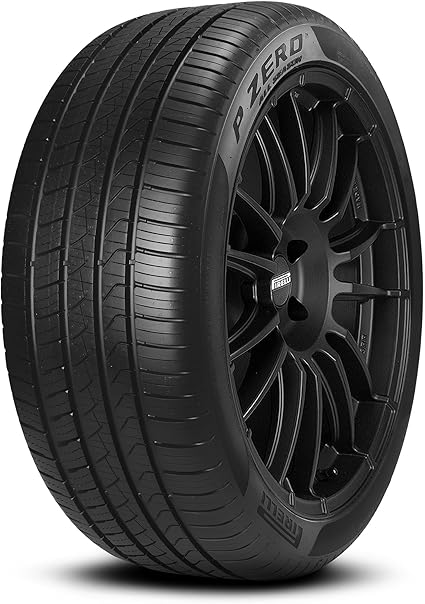
Strong grip on wet and slippery roads makes it a solid choice for Toyota Camry drivers who want dependable all-season performance. It excels at handling corners and reducing noise, fitting drivers who value safety and a quieter ride over just the lowest price.
Setup is straightforward with a 17-inch rim size that suits many Camry models. Its design includes lateral siping that helps cornering, and specific grooves that quickly push water away from the tire surface. Day-to-day, the noise reduction technology means a quieter cabin experience, while the snow traction features support added confidence in lighter winter conditions.
Built with a symmetrical tread and specialized siping, it does a good job managing hydroplaning risks and provides steady control on wet roads. The tire supports a load capacity of 1477 pounds and holds up well under pressure up to 51 psi. Common praise centers around its quiet ride and grip in wet weather, while some note it’s not ideal for heavy snow or deep winter conditions.
Reviewers commonly highlight the quietness and solid wet weather grip as standout benefits. The most frequent downside mentioned is the tire’s limited performance in harsher winter conditions, which restricts its use to milder snow situations.
Those seeking reliable all-season traction and quieter driving will appreciate this tire. It isn’t the best pick if you often face heavy snow or want a full winter-rated option. Consider alternatives if winter conditions are harsh in your area.
Pros
- Strong cornering grip on wet roads
- Quiet ride due to noise-minimizing tread design
- Good snow traction for light winter conditions
- High load capacity for stable handling
Cons
- Not recommended for heavy winter or deep snow
- Limited sizes with RunFlat and SealInside technology
| Specification | Details |
|---|---|
| Rim Size | 17 inches |
| Load Index | 94 |
| Speed Rating | V |
| Load Capacity | 1477 pounds |
| Tread Type | Symmetrical |
| Maximum Pressure | 51 psi |
5. Fullway HP108 Performance Radial Tire
Handling varied weather throughout the year can be tricky for a Toyota Camry, but the Fullway HP108 tackles it with solid, all-season grip and dependable performance. It fits perfectly on 16-inch rims and stands out for its balance of durability and speed capability, making it a great daily driver tire.
Getting these tires on is straightforward since they are designed as vehicle-specific fit for 16-inch wheels. The radial construction combined with a 4-ply rating means they hold up well under everyday stress. You can count on the asymmetrical tread for steady traction in both wet and dry conditions, suitable for year-round driving without needing swaps each season.
The tires deliver reliable performance at speeds up to 149 mph, supporting up to 1356 pounds each. The 380AA UTQG rating reflects strong wear resistance and good traction.
Most users find the tread design effective in varied weather, though some mention the tires can lose a bit of grip in heavy snow. The build quality holds up well, but the black sidewall styling is basic and not flashy.
The strongest point is the reliable all-season traction paired with a solid tread design that suits everyday driving well. A common downside is reduced grip when driving in heavy snow, which might make it less ideal for extreme winter weather.
Those sticking to mainly dry or mild wet conditions will appreciate the balance this tire offers, especially at highway speeds. Drivers frequently navigating harsh winters may want to consider a tire designed specifically for snow and ice conditions instead.
Pros
- Good all-season traction for varied weather
- Strong load capacity per tire
- Asymmetrical tread improves handling
- Suitable for speeds up to 149 mph
Cons
- Not ideal for heavy snow conditions
- Plain black sidewall styling
| Specification | Details |
|---|---|
| Rim Size | 16 inches |
| Load Index | 91 (1356 pounds) |
| Speed Rating | V (149 mph) |
| Tread Type | Asymmetrical |
| Load Range | SL (Standard Load) |
| Season | Year Round |
6. Fullway HP108 All-Season Passenger Tire

Designed for year-round use with a speed rating of H, the Fullway HP108 All-Season Passenger Tire suits those prioritizing reliable all-season traction on a budget. Its universal fit and 15-inch rim size make it a solid choice for passenger cars like the Toyota Camry.
Setup involves choosing the right rim size, here 15 inches, fitting well on most Camry models without fuss. Its symmetrical tread pattern provides consistent grip across wet and dry roads through changing seasons, helping maintain steady control.
The tire’s 4-ply rating balances durability without excessive weight, making daily drives comfortable and predictable.
Performance matches its design, handling well on paved roads in varying weather with secure traction. Radial construction adds flexibility for smoother rides.
The main praised point is dependable grip during different seasons, while the most frequent complaint focuses on a lack of specifically rated treadlife, leaving long-term wear unpredictable.
Reliable all-season grip keeps driving steady, while lack of a treadlife rating means wear can be uncertain during extended use. The design suits typical passenger car needs, especially in moderate traffic and weather conditions.
Drivers looking for consistent, everyday tires at a reasonable value will appreciate this model. Those needing high durability or heavier load handling may want to consider alternatives with specific treadlife or higher ply ratings.
Pros
- Year-round traction on dry and wet roads
- Universal fit for passenger vehicles
- Moderate load capacity suitable for average use
- Radial construction promotes smooth rides
Cons
- No treadlife rating to estimate durability
- 4-ply rating may limit heavy load uses
| Specification | Details |
|---|---|
| Rim Size | 15 inches |
| Load Index | 91 |
| Speed Rating | H |
| Load Capacity | 1356 pounds |
| Load Range | SL |
| Tread Type | Symmetrical |
7. Fullway HP108 All Season Performance Tire
Drivers looking for reliable year-round tires for their Toyota Camry will appreciate the Fullway HP108 All Season Performance Tire. It suits those who prioritize solid traction in various weather conditions, with durability as its standout feature.
Setup involves fitting the tires to 16-inch rims, with an XL load range that supports heavier loads on each tire. The radial construction and asymmetrical tread pattern provide a balance of grip and longevity, making daily commutes and longer drives steady and predictable. The tires maintain pressure up to 49 psi, which helps with consistent performance over time.
Wear resistance is strong thanks to a UTQG rating of 380AA, making these tires last through many seasons. The 99 load index supports up to 1709 pounds per tire, contributing to a stable drive.
Most people note the tires handle well in dry and wet conditions, but some mention the ride can feel a bit stiff compared to softer options.
The most praised aspect is the tire’s durability and reliable traction all year round, while the firm ride quality is the common concern. Drivers appreciate the balance of load capacity and traction, though some might notice less comfort on uneven surfaces.
The Camry is well-suited for drivers seeking reliable performance and long-lasting tires. Those prioritizing a softer, more cushioned ride may want to explore alternatives offering greater comfort over longevity.
Pros
- Good traction across all seasons
- Supports heavy loads with XL rating
- Durable tread with high UTQG rating
- Fits standard 16 inch rims
Cons
- Ride can feel firm on rough roads
- Rims and wheels not included
| Specification | Details |
|---|---|
| Rim Size | 16 inches |
| Load Index | 99 |
| Speed Rating | V (up to 149 mph) |
| Tread Type | Asymmetrical |
| Maximum Pressure | 49 psi |
| Load Range | XL |
8. Ironman iMove Gen 3 All Season Passenger Tire

Sport and performance-oriented sedans find a solid match in this tire, designed with an asymmetrical tread pattern that really shines on dry roads. Its biggest strength is balancing grip and quietness, making rides smooth and comfortable without sacrificing control.
Mounting these tires on a 17-inch rim feels straightforward, and daily drives benefit from the extra sipes and angled slits. These features dig into wet and snowy surfaces, giving confidence in changing weather.
The design also keeps road noise and vibrations noticeably low, so long trips stay pleasant for everyone inside.
Grip stays strong through dry, wet, and snowy conditions thanks to the asymmetrical tread with larger blocks and offset sipes. The tire handles weight up to 1477 pounds and supports speeds up to 149 mph with a V speed rating.
Praises often point to its quiet ride, though some mention it’s optimized more for summer, which may limit winter performance.
The tire receives strong praise for providing quiet, comfortable rides while maintaining good traction in various conditions. However, most common complaints surround its classification for summer use, which may not meet expectations in severe winter weather.
Those driving primarily in warmer months or mild winters will appreciate the balance of grip and comfort. People facing heavy snow or icy roads regularly might want to consider tires with a dedicated winter rating instead.
Pros
- Great traction on dry roads
- Improved grip on wet and snowy roads
- Quiet and comfortable ride
- Supports high load capacity
Cons
- Best suited for summer seasons
- May have limited winter performance
| Specification | Details |
|---|---|
| Rim Size | 17 inches |
| Load Index | 94 |
| Speed Rating | V |
| Tread Type | Asymmetrical |
| Maximum Pressure | 51 psi |
| Seasons | Summer |
9. Ironman iMove Gen 2 All Season Passenger Tire

Ironman iMove Gen 2 All Season Passenger Tire stands out for its ability to provide solid grip and reduce road noise, making it well-suited for Toyota Camry drivers looking for dependable, quiet all-season tires. The main strength lies in its combination of traction and comfort offered throughout the year.
Setting these tires up on an 18-inch rim is straightforward thanks to their universal fit. Daily use includes regular commutes and occasional wet-road driving, where the asymmetric tread design and strategically placed grooves play a critical role in water evacuation.
This helps reduce hydroplaning risk and keeps the ride steady and quieter than many others on the market.
Performance on both wet and dry surfaces is impressive due to the tire’s enhanced tread block geometry and siping. Built with a wear-resistant compound, these tires are meant to last, supporting durability for extended tread life.
The most frequent compliment mentions good handling and traction, while some notes point out that noise reduction might not be perfect under heavy speed conditions.
The biggest praise focuses on its solid traction and the quieter ride it provides compared to other all-season tires. Meanwhile, some find that the noise reduction doesn’t hold up as well during faster drives, which may be noticeable on highways.
This tire fits drivers who want year-round performance with dependable grip and decent comfort in everyday driving. Those prioritizing ultra-quiet highway cruising or heavier load capacities might want to explore other options.
Pros
- Good grip on wet and dry roads
- Minimizes road noise effectively
- Durable wear-resistant compound
- Universal fit for easy installation
Cons
- Noise reduction less effective at high speeds
- Load capacity limited to 1925 pounds
| Specification | Details |
|---|---|
| Rim Size | 18 inches |
| Load Index | 94 |
| Speed Rating | W |
| Load Capacity | 1925 pounds |
| Tread Type | Asymmetrical |
| Seasons | Year Round |
10. MICHELIN Defender2 All-Season Tire
Riding on a smooth, long-lasting tire really changes how your Toyota Camry handles everyday driving. Perfect for those who want confidence through rainy days without having to think about frequent replacements, this tire’s main strength is its seriously extended tread life that keeps you rolling longer.
Mounting the tire on the 20-inch rim size was straightforward and it fit perfectly as expected for a vehicle-specific fit. Running these tires all year round means reliable grip in all seasons, and you notice the symmetrical tread does a solid job on wet roads. Pressure holding steady at 51 psi helps maintain that steady, predictable feel behind the wheel.
The tire performs well for its main job, providing stopping power you can count on in bad weather and lasting notably longer than competitors according to treadwear tests. Its radial construction feels durable and supportive. Most praise points toward how long the tire lasts, while some mention the load rating and speed rating might limit high-intensity driving beyond normal use.
The longest-lasting aspect is the strongest praise for these tires, delivering up to 2 extra years of tread life compared to similar models. The most common drawback noted is the speed rating and tread design, which limit performance in more demanding driving conditions rather than everyday use.
Drivers focused on durability and consistent all-season safety will find these tires a great match for a Camry. Those looking for sportier handling or specific off-road capabilities should consider other options better tailored for those needs.
Pros
- Outlasts competitors by up to 25,000 miles
- Reliable year-round traction
- Vehicle-specific fit ensures proper mounting
- High load capacity supports heavier loads
Cons
- Speed rating H may not suit high-speed driving
- Some may want more aggressive tread for off-road
| Specification | Details |
|---|---|
| Rim Size | 20 inches |
| Load Index | 102 |
| Speed Rating | H |
| Load Capacity | 1874 pounds |
| Tread Type | Symmetrical |
| Maximum Pressure | 51 psi |
11. BFG Advantage Control Passenger Tire

A reliable all-season tire built for sedans like the Toyota Camry, it stands out for its quiet ride and steady handling. Perfect for those wanting consistent traction and smooth driving throughout the year without sacrificing comfort.
Mounted on a 21-inch rim, it fits well with a universal automotive style, providing day-to-day confidence on both wet and dry roads. The quiet comfort is noticeable thanks to the g-Wedge Sidewall Stabilizer, which keeps the ride calm by reducing road noise. Managing tread wear also feels balanced, helping maintain stability and grip as miles add up.
Constructed with radial technology, it handles everyday driving demands through a symmetrical tread pattern that offers all-season traction. Praised often is its quiet ride that makes long drives more enjoyable.
Some mention the tire’s weight as a drawback, especially when compared to lighter models, affecting fuel efficiency slightly.
Reviews highlight how quiet the ride remains even on rougher roads, making long trips more comfortable. However, the tire’s weight is a common drawback, leading to slightly increased fuel use compared to lighter tires. Those focusing on a smooth, quiet drive will appreciate its strengths.
Drivers wanting a dependable all-season tire with solid traction and comfort will find this fitting. Those prioritizing light weight and maximum fuel efficiency might want to compare other options better suited for those needs.
Pros
- Quiet ride reduces road noise significantly
- Good all-season traction for varied conditions
- Stable handling with sidewall stabilizer
- Strong load capacity for extra durability
Cons
- Heavier than some competing tires
- Higher pressure needed for optimal performance
| Specification | Details |
|---|---|
| Rim Size | 21 inches |
| Load Index | 110 |
| Speed Rating | W |
| Load Capacity | 2149 pounds |
| Tread Type | Symmetrical |
| Maximum Pressure | 50 psi |
12. BFGoodrich Advantage Control All-Season Tire

Constructed with a radial design and a symmetrical tread pattern, the BFGoodrich Advantage Control All-Season Tire fits well on sedans like the Toyota Camry. It’s best for drivers seeking reliable all-around performance, with its standout feature being strong wet stopping power.
Fitting a 19-inch rim, the tire provides a smooth and quiet ride thanks to the g-Wedge Sidewall Stabilizer. This feature helps handle tread wear and keeps the ride comfortable without excess road noise. Everyday driving feels controlled and confident on dry or wet roads, making it suitable for year-round use.
Stopping power is impressive, cutting braking distance by about 8 feet in wet conditions compared to competitors. Built to carry up to 1819 pounds with a speed rating of V, it offers good durability and control.
Most praise highlights the quiet ride, while some mention tread wear as a minor concern.
Strong wet traction and a quiet experience make this tire stand out for daily driving. Some concerns arise over tread longevity, which may affect drivers clocking many miles annually.
This tire is perfect for Camry drivers looking for a safe, controlled ride in every season. Drivers needing extreme durability or heavier load capacity might want to explore other options.
Pros
- Stops 8 feet shorter in wet conditions
- Quiet ride with reduced road noise
- Good load capacity for a sedan tire
- Even tread wear supports long-term use
Cons
- Tread wear could be better in long term
- Maximum pressure rating of 44 bar limits some heavy loads
| Specification | Details |
|---|---|
| Rim Size | 19 inches |
| Load Index | 101 |
| Speed Rating | V |
| Load Capacity | 1819 pounds |
| Tread Type | Symmetrical |
| Seasons | Year Round |
Best Tires for Toyota Camry Comparison Table
| Product | Rim Size | Load Capacity | Speed Rating | Seasons |
|---|---|---|---|---|
| Fullway HP108 Passenger | 17 inches | 1653 pounds | W | Year Round |
| Michelin Defender2 All-Season | 16 inches | 1356 pounds | H | Year Round |
| Forceum Octa Radial | 16 inches | 1477 pounds | W | Year Round |
| Pirelli P Zero All Season | 17 inches | 1477 pounds | V | NON_WINTER |
| Fullway HP108 Performance | 16 inches | 1356 pounds | V | Year Round |
| Fullway HP108 All-Season Passenger | 15 inches | 1356 pounds | H | Year Round |
| Fullway HP108 All Season Performance | 16 inches | 1709 pounds | V | Year Round |
| Ironman iMove Gen 3 All | 17 inches | 1477 pounds | V | Summer |
| Ironman iMove Gen 2 All | 18 inches | 1925 pounds | W | Year Round |
| Michelin Defender2 All-Season 2 | 20 inches | 1874 pounds | H | Year Round |
| BFG Advantage Control | 21 inches | 2149 pounds | W | Year Round |
| BFGoodrich Advantage Control All-Season | 19 inches | 1819 pounds | V | Year Round |
- Rim Size17 inches
- Load Capacity1653 pounds
- Speed RatingW
- SeasonsYear Round
- Rim Size16 inches
- Load Capacity1356 pounds
- Speed RatingH
- SeasonsYear Round
- Rim Size16 inches
- Load Capacity1477 pounds
- Speed RatingW
- SeasonsYear Round
- Rim Size17 inches
- Load Capacity1477 pounds
- Speed RatingV
- SeasonsNON_WINTER
- Rim Size16 inches
- Load Capacity1356 pounds
- Speed RatingV
- SeasonsYear Round
- Rim Size15 inches
- Load Capacity1356 pounds
- Speed RatingH
- SeasonsYear Round
- Rim Size16 inches
- Load Capacity1709 pounds
- Speed RatingV
- SeasonsYear Round
- Rim Size17 inches
- Load Capacity1477 pounds
- Speed RatingV
- SeasonsSummer
- Rim Size18 inches
- Load Capacity1925 pounds
- Speed RatingW
- SeasonsYear Round
- Rim Size20 inches
- Load Capacity1874 pounds
- Speed RatingH
- SeasonsYear Round
- Rim Size21 inches
- Load Capacity2149 pounds
- Speed RatingW
- SeasonsYear Round
- Rim Size19 inches
- Load Capacity1819 pounds
- Speed RatingV
- SeasonsYear Round
How to Choose the Right Tires for Your Camry
Consider factors like tire size, tread design, and seasonal suitability to ensure optimal performance and safety for your Camry. Choosing the right tires boosts fuel efficiency, improves handling, and reduces premature wear, helping you save money and avoid unexpected maintenance.
Size and Fit
Swapping out tires that don’t meet the original size and specifications of a midsize sedan can cause uneven handling or even safety issues under stress. It’s common to overlook the load index and speed rating, which are as crucial as matching the overall diameter and width.
Those ratings ensure the tire can handle the weight of the vehicle safely and perform correctly at highway speeds. A tire that’s too narrow or has a lower load capacity compromises stability and braking.
Sticking close to the factory size and verifying the load index and speed rating avoids surprises like vibration or premature wear. Tire sizes typically found on these sedans range from 215/55R17 to 235/45R18, but checking the door frame sticker for exact OEM specs is the safest bet.
Tread Pattern and Traction
Tread design directly affects how a tire handles dry pavement versus wet or slippery conditions. Tires with wider grooves and more siping generally push water away better, reducing the risk of hydroplaning in rain. In contrast, solid tread blocks improve grip and stability on dry roads.
For a balanced daily driver, a symmetric tread pattern with multiple biting edges offers good year-round traction. The tread depth also matters; deeper tread improves braking distance and cornering grip but can create more road noise.
Look for a minimum tread depth of 8/32 inches on new tires and consider how the pattern suits your typical driving conditions.
Durability and Wear
Assessing the longevity of tires comes down to the treadwear rating, which is a rough gauge of how long the tire tread will last compared to a reference. A higher rating usually means lasting several tens of thousands of miles more, but this varies with driving style and road conditions.
Tires with reinforced sidewalls help resist punctures and damage from curbs or potholes, a real benefit in urban or rough road environments. The rubber compound also influences lifespan. Softer compounds offer better grip but wear faster, while harder compounds last longer but may sacrifice some traction.
Ride Comfort and Noise
Tire construction affects how much road noise reaches the cabin and how smooth the ride feels. Tires with more flexible sidewalls and special noise-reducing tread designs provide quieter driving, especially on highways.
Cushioning inside the tire absorbs shocks from bumps and uneven pavement, reducing harshness through the steering wheel and seats. Balancing these comfort features with needed performance can require some trial, as firmer tires respond better in turns but transmit more noise and vibration.
Fuel Efficiency
The amount of energy lost to rolling resistance impacts fuel economy. Tires that resist rolling less require less engine power to maintain speed. This factor is often overlooked but can lead to noticeably better gas mileage.
Lighter tires and those with optimized tread patterns reduce this resistance. Some environmentally-oriented tires use special compounds and designs to help cut fuel consumption over time. While initial cost may be higher, these choices often pay off in savings on fuel bills for drivers putting on regular highway miles.
Comparing All-Season vs. Performance Tires for Toyota Camry
All-season tires on a Toyota Camry typically provide a balanced driving experience suitable for year-round conditions, especially if you face moderate climates. These tires focus on comfort, fuel efficiency, and decent traction across wet, dry, and light snow surfaces. Performance tires, on the other hand, prioritize handling and grip, particularly in dry or warm conditions.
They usually have softer rubber compounds and tread patterns designed for sharper cornering and shorter stopping distances.
Key differences include:
- Traction: Performance tires offer better grip on dry roads but may wear faster and perform poorly in cold, snowy conditions.
- Comfort and Noise: All-season tires tend to be quieter and provide a smoother ride.
- Lifespan: All-season tires usually last longer due to harder compounds.
- Fuel Efficiency: All-season tires often deliver better gas mileage due to lower rolling resistance.
Choosing between them depends on your typical driving needs and local weather patterns.
Essential Tire Maintenance Tips to Extend Longevity
Keeping a Toyota Camry’s tires in good condition starts with regular pressure checks. Underinflated or overinflated tires wear unevenly and reduce fuel efficiency.
Aim to check tire pressure at least once a month and before long trips, using the recommended PSI listed in the owner’s manual or on the door jamb sticker.
Rotating tires every 5,000 to 7,000 miles helps ensure even wear. The front and rear tires wear differently due to weight distribution and steering forces, so swapping positions extends their life and maintains balanced handling.
Inspect tires for visible damage like cuts, punctures, or bulges, and monitor tread depth periodically. The minimum safe tread depth is about 2/32 of an inch; many drivers replace tires earlier to maintain better traction. Proper alignment and balancing also contribute to even tire wear and smoother driving.
Common Mistakes to Avoid When Replacing Camry Tires
One common mistake during Toyota Camry tire replacement involves not matching the tire size and specifications exactly to the original equipment. Using the wrong size can affect handling, speedometer accuracy, and even cause premature wear. Always consult the owner’s manual or the tire placard for exact specifications.
Another issue is buying tires solely based on price. While it’s tempting to save money, cheaper tires can compromise safety, traction, and durability.
Choosing brands known for quality and reliability is a better approach.
Failing to replace all four tires at once can also cause problems. Mixing old and new tires, especially on the same axle, might lead to uneven traction and instability. When replacing just two tires, make sure to match them as closely as possible in age and tread pattern.
Lastly, overlooking professional installation can lead to improper balancing and alignment, causing vibrations and uneven tire wear.
People Also Asked
What Tire Size Fits a Toyota Camry Perfectly?
The standard tire size for a Toyota Camry usually is 215/55R17. It’s good to check your specific model and year because some trims might use a slightly different size or wheel. Always use the size recommended in the owner’s manual for best fit and performance.
How Often Should I Rotate Tires on My Camry?
Tires on a Camry should typically be rotated every 5,000 to 7,000 miles. Regular rotation helps your tires wear more evenly and can extend their life. It’s a simple step often done during oil changes, so you can maintain it easily.
Are All-Season Tires Safe for Toyota Camry Year-Round?
All-season tires can be safe for a Toyota Camry throughout the year in many climates. They handle wet and dry roads well but may struggle in heavy snow or icy conditions. For harsh winters, it’s better to switch to dedicated winter tires.
What Are Common Problems with Camry Tires?
A common issue with Camry tires is uneven wear, often caused by improper alignment or underinflation. Check tire pressure regularly and get alignment checked if you notice pulling while driving. This can prevent premature tire replacement.
How Long Do Toyota Camry Tires Typically Last?
Toyota Camry tires usually last anywhere from 40,000 to 60,000 miles depending on driving habits and tire type. Monitoring tread depth and rotating tires regularly can help you reach the upper end of this range safely.
Conclusion
Choosing the right tires for a Toyota Camry mainly depends on safety, durability, and the type of driving you do. Make sure the tires fit your driving conditions, whether that’s city streets, highways, or wet weather.
Traction and tread life are some of the practical aspects that shouldn’t be ignored.
Consider how often you drive and your budget when making a decision. Matching tires to your daily routines and environment will save you money and trouble down the road.
Revisit the comparison table and detailed reviews above to find the option that fits your specific needs.