
Top 12 Best Aero Road Bike Models for Speed and Comfort
Spending long hours on a cheap or poorly chosen aero road bike often means dealing with uncomfortable rides, frequent adjustments, and disappointing speed. The best aero road bike counters these issues by being designed specifically to reduce drag and improve efficiency on fast rides.
Without the right bike, even a strong rider can feel held back by wobbling frames or sluggish acceleration.
Key factors that set the best aero road bike apart include the frame material, typically carbon fiber, which balances weight and stiffness around 1,000 grams for responsiveness. Proper fit is crucial, with aero geometry favoring a more aggressive, forward position that still allows power output over extended distances.
Wheel design also plays a part, often opting for deep-section rims around 40-60mm to cut through wind without compromising handling stability.
Need a Quick Check?
| Image | Product | Price |
|---|---|---|
Our Top Picks 1  | Aluminum Alloy Aero Bar | Check Price |
Our Top Picks 2  | SAVADECK Falcon SLR7 | Check Price |
Our Top Picks 3  | SAVADECK Carbon 105 Di2 | Check Price |
Our Selected Top 12 Aero Road Bike Worth Your Money
This list covers a variety of aero road bikes, highlighting their performance on different terrains and riding styles. Each review explains which riders the bike fits best, along with clear details about strengths and potential drawbacks to help you make an informed choice.
1. Aluminum Alloy Bike Aero Bar
Cyclists who spend long hours on the saddle and want a more relaxed posture will find this bike aero bar useful. It suits riders looking for additional hand positions and improved comfort during long-distance rides. Its biggest strength lies in the ergonomic design that aims to reduce strain by providing padded armrests and firm grips at the bar ends.
Setting up requires just a wrench and fits handlebars with a diameter ranging from 1.05 to 1.26 inches. The bar extends a bit longer than standard handles, and padded sponge armrests can be removed for cleaning. The grips at each end improve friction, enhancing stability during rides of various lengths.
Adjusting the bars allows customization for comfort whether cycling daily or covering long distances.
Made entirely from aluminum alloy, the bars feel solid and ready for rough use on road or mountain bikes. The armrest pads offer a soft contact point, but some riders might notice they become less comfortable on very long rides.
Most praise the secure grip and ease of installation. A noted drawback involves occasional slipping when the handlebar diameter doesn’t exactly match the fit range.
The ability to adjust the bars in many positions appeals to riders wanting a custom setup. Comfort from the padded armrests is helpful, though those on longer trips sometimes find them less supportive. Installation goes smoothly when following instructions and with the included tools, but exact handlebar size can affect stability.
Anyone aiming for a simple upgrade to add aero positioning and improve comfort on road, mountain, or triathlon bikes will appreciate what this offers. Riders needing more precise fitting options or expecting hard warranty support may want to explore other options tailored to those demands.
Pros
- Ergonomic design adds comfort for long rides
- Removable armrest pads make cleaning simple
- Grips on bar ends increase hand stability
- Fits a range of handlebar diameters
Cons
- No manufacturer warranty included
- May slip if handlebar size is borderline
| Specification | Details |
|---|---|
| Material | Aluminum Alloy |
| Model Number | R23 |
| Handlebar Diameter Fit | 1.05 inch to 1.26 inch |
| Armrest Pads | Two removable sponge pads |
| Included Components | Housing, 2 piece install tool, instruction |
2. SAVADECK Falcon SLR7 Carbon Road Bike
Ultra-lightweight carbon fiber construction sets this road bike apart, making it a solid choice for riders seeking speed and ease on paved roads. Men and women looking for a fast, aerodynamic ride benefit most from the fully integrated cable design and the reliable Shimano 105 Di2 shifting system.
Assembly is straightforward with most parts pre-installed; it takes about 15 minutes to attach the handlebar, front wheel, pedals, and seat post. The internal cable routing cleans up the look and reduces drag, while hydraulic disc brakes ensure strong stopping power in any weather.
Its lightweight frame makes hill climbing and quick acceleration less strenuous.
The bike excels in smooth, precise shifting thanks to the Shimano 105 Di2 groupset and offers stable, powerful braking with hydraulic discs. Its carbon frame, fork, and seat post contribute to a low weight of 7.76kg (17.1lb).
Some riders note that the aggressive frame shape may require minor fit adjustments for comfort on longer rides.
Shimano 105 Di2 shifting provides quick and crisp gear changes, while hydraulic disc brakes give consistent stopping power in various conditions. The internal cable design keeps the bike looking clean and reduces wind resistance. Some mention the need for proper fit tuning due to the frame’s aggressive geometry.
Those who want a lightweight, electronically shifting aero road bike with dependable brakes will find this model suits their needs well. Riders sensitive to fit or preferring a fully assembled bike might consider other options or professional setup assistance.
Pros
- Lightweight carbon frame and components
- Precise electronic shifting system
- Strong hydraulic disc brakes
- Fully hidden cables improve aerodynamics
Cons
- Fit may require adjustment for comfort
- Assembly needed for basic parts
| Specification | Details |
|---|---|
| Frame Material | T1000 Carbon Fiber |
| Groupset | Shimano 105 Di2 R7170, 2×12 Speed |
| Brake Type | Hydraulic Disc Brake |
| Weight | 7.76 kg (17.1 lb) |
| Suspension | Rigid |
| Assembly Time | About 15 minutes |
3. SAVADECK Carbon Road Bike with Shimano 105 Di2
SAVADECK Carbon Road Bike with Shimano 105 Di2 suits riders who want a fast, lightweight bike with reliable electronic shifting. Its biggest strength is the combination of a T1000 carbon frame with a fully integrated Shimano 105 Di2 groupset, making it efficient and precise for paved road cycling.
Setup requires attaching the handlebar, seat post, front wheel, and pedals. Most of the bike comes pre-assembled, which helps beginners start riding quickly. The hidden cables inside the frame give a clean look and improve aerodynamics.
Braking and gear control feel consistent thanks to dual disc brakes and 2×12 speed shifting.
The bike climbs well and handles descents with stability using its carbon fiber T1000 frame and wheelset. The Shimano 105 Di2 electronic shifting operates smoothly and keeps durability in focus.
Some riders note that the bike’s rear suspension design may affect weight distribution, but the lightweight 7.8kg frame often offsets this concern.
Smooth shifting with Shimano 105 Di2 is praised for precision and reliability. The main criticism involves the rear suspension’s impact on weight distribution, which might feel off during long rides. Assembly steps can take some time for those new to bike setup but are manageable.
Riders seeking a lightweight bike with electronic shifting and good aerodynamics will find this bike suitable. Beginners comfortable with basic assembly can enjoy it. Those who prefer minimalist designs without rear suspension or want fully assembled bikes should consider other options.
Pros
- Lightweight carbon fiber frame at 7.8 kg
- Smooth and precise electronic Shimano 105 Di2 shifting
- Carbon fiber disc wheels absorb shocks well
- Hidden cables improve aerodynamics and appearance
Cons
- Rear suspension can affect overall weight balance
- Partial assembly required before first ride
| Specification | Details |
|---|---|
| Frame Material | T1000 Carbon Fiber |
| Groupset | Shimano 105 Di2, 2×12 Speeds |
| Wheelset | 700C*25C Carbon Fiber Disc |
| Brake Type | Dual Disc Brake |
| Weight | 7.8 kg (17.19 lb) |
| Suspension | Rear |
4. SAVADECK A7L 2026 Carbon Road Bike

Riding the SAVADECK A7L 2026 feels light and responsive, suited for cyclists who want speed and efficiency on paved roads. Its biggest strength lies in how the carbon frame and wheels cut through wind with minimal drag, helping keep your pace steady during long rides or sprints.
Setting it up is straightforward since the bike arrives mostly assembled. You only need to attach the handlebar, seatpost, front wheel, and pedals, which takes around 15 minutes. The full internal cable routing keeps cables out of the way, reducing clutter and making the bike easier to clean or maintain after daily rides.
The bike’s performance stays true on various road conditions thanks to the lightweight T800 carbon build and aerodynamic design. Hydraulic disc brakes provide reliable stopping power, especially helpful on steep descents or in wet weather.
The main complaint involves tight spaces during assembly for first-timers, requiring some patience to get cables perfectly aligned.
The strong praise focuses on the bike’s lightweight performance and excellent stopping power across various conditions. The main issue encountered relates to cable routing during assembly, which can be fiddly for those not familiar with bike builds. Despite this, the aerodynamic design consistently improves ride speed and smoothness on paved surfaces.
Cyclists who prioritize speed and efficient handling on smooth roads will appreciate this bike. Those frequently riding rough terrain or needing more shock absorption might want to consider a model with suspension or wider tires for added comfort. The setup suits both new and experienced riders willing to spend a bit of time assembling and fine-tuning.
Pros
- Lightweight carbon frame and rims
- Strong hydraulic disc brakes
- Clean look from full internal cable routing
- Quick assembly under 15 minutes
Cons
- Cable alignment tricky for beginners
- No suspension limits rough road comfort
| Specification | Details |
|---|---|
| Frame Material | T800 Carbon Fiber |
| Weight | 8.6 kg (18.96 lbs) |
| Speeds | 24 |
| Brake Type | Hydraulic Disc |
| Wheel Type | Carbon Rims |
| Assembly | 85% Pre-assembled, ~15 min setup |
5. SAVADECK A7L Pro 2026 Carbon Racing Bike

Lightweight and built for speed, the SAVADECK A7L Pro 2026 suits riders focused on climbing and fast rides. Its full T800 carbon construction stands out by offering tough durability while staying just 8.8kg, making it easy to accelerate and handle long distances with less effort.
Setup arrives mostly done, about 90% assembled, which saves time and avoids tool hassles. The inclusion of clipless pedals lets you get rolling quickly. Internal cable routing keeps the frame clean and reduces drag.
Shifting feels smooth with the Shimano R7120 24-speed groupset, helpful for varying terrain around town or countryside.
Built entirely from high-grade carbon fiber, the frame, fork, wheelset, and other components keep the bike extremely light and stiff. Hydraulic disc brakes provide consistent stopping, even at high speed. The most frequent complaint is about the 90% pre-assembled nature; some find the final setup steps fiddly or require adjustments after first rides.
Smooth gear changes and light weight get praised for race-ready performance. The partial assembly saves time but some find the last steps fiddly or need tuning after initial rides. Disc brakes provide strong stopping power even on descents, keeping control confident.
Riders who want a fast, light road bike for paved surfaces appreciate this model’s features. Beginners can manage the assembly with patience, while racers benefit from durable carbon and sharp handling. Cyclists needing a bike for mixed surfaces or heavy off-road use will want to consider other options.
Pros
- Ultralight carbon frame and components
- Reliable Shimano R7120 shifting system
- Powerful and stable hydraulic disc brakes
- Mostly pre-assembled, quick setup
Cons
- Final assembly can require extra adjustments
- Not suited for off-road or rough terrain
| Specification | Details |
|---|---|
| Weight | 8.8kg (19.4 lb) |
| Frame Material | T800 Full Carbon |
| Transmission | Shimano R7120 2×12-speed |
| Brake Style | Hydraulic Disc Brake |
| Assembly | 90% pre-assembled with clipless pedals included |
6. BBB Cycling Aero Bars Aluminium Tri Bars

Aluminium construction and a two-piece design make these aero bars a solid choice for riders aiming for a more aerodynamic position on their road bikes. Suited for those who want extra length and adjustability in their aero setup, the long J-bend bars deliver on creating a stretched, forward lean.
Setup involves attaching the clamp to handlebars of 25.4 or 31.8 mm diameter, which fits most standard race bikes. Adjusting the length and width of the arm rests allows a personalized fit, while foam padding adds comfort during longer rides.
The two-piece design can be mounted and adjusted without too much hassle, but keeping an eye on secure clamping is recommended.
It narrows drag effectively with its extra long 350 mm J-bend bars and multi-adjustable arm pads, helping to maintain an aerodynamic posture. Built with durable aluminium, these bars hold up well on hard rides.
The clamping mechanism stays stable generally, although a few note occasional slipping if not secured tightly. Foam padding provides welcome comfort but may wear faster than harder materials.
A key strength is the aerodynamic position achievable thanks to the long J-bend bars and adjustable arm rests. Frequent comments mention the clamping mechanism staying tight when properly installed, but it can become loose if not checked regularly. Comfort from EVA foam padding improves longer rides, though some feel it could last longer without wearing out.
Riders who want a customizable aero setup with straightforward installation will find these bars suitable. Those looking for thicker padding or a different clamp design might want to consider other options. Ideal for cyclists looking to balance aerodynamics with adjustability on aluminium aero bars.
Pros
- Adjustable arm rest length and width
- Comfortable EVA foam padding
- Clamps securely to standard handlebars
- Extra long 350 mm J-bend bars for aerodynamics
Cons
- Foam padding may wear with extended use
- Clamp can slip if not firmly tightened
| Specification | Details |
|---|---|
| Model Number | BHB-60 |
| Material | Aluminium |
| Handlebar Diameter Compatibility | 25.4 / 31.8 mm |
| J-Bend Bar Length | 350 mm |
| Included Components | AeroMax handlebars |
7. Lumos Road Bike Helmet MIPS

Weighing just about 350 grams, this helmet stands out for its lightweight design combined with safety features like MIPS. Suited for city riders and casual cyclists, it prioritizes comfort without sacrificing essential protection for everyday riding.
Setting it up involves easy attachment of magnetic Lumos Firefly mini lights, great for increasing visibility during commutes in low-light conditions. Ventilation is handled by 14 air channels that keep airflow consistent, making it comfortable on warm days.
The OptiGrip eyewear dock offers a secure place for sunglasses, avoiding the hassle of lost or scratched lenses while cycling around town.
The integrated MIPS system effectively manages rotational impacts, providing good protection on the road. The helmet’s build feels solid but still light enough for longer rides without neck strain.
The magnetic light attachment is praised for convenience, though some note the helmet’s ventilation could be a bit louder in breezy conditions than expected.
Positive feedback highlights the helmet’s combination of lightweight comfort with solid safety through MIPS technology. The magnetic light system adds practical visibility without extra hassle. A frequent downside mentioned involves the ventilation noise, which some found louder than comfortable during rides at higher speeds. The helmet remains easy to wear and adjust throughout a commute or casual ride.
Cyclists seeking a lightweight and safe helmet for city riding and casual routes will find this an effective option. Those wanting a quieter ride or compatibility with a wider range of lights might consider alternatives. Its features suit riders who value integrated safety and practical daily use over aggressive racing aerodynamics.
Pros
- Very lightweight at around 350 grams
- Effective MIPS protection system integrated
- Secure magnetic mount for additional bike lights
- Convenient sunglass storage dock
Cons
- Ventilation channels can produce noticeable noise
- Light mounting limited to Lumos Firefly mini lights
| Specification | Details |
|---|---|
| Weight | Approx. 350g |
| Ventilation Channels | 14 |
| Protection Technology | Integrated MIPS |
| Light Compatibility | Magnetic click with Lumos Firefly mini lights |
| Eyewear Storage | OptiGrip Eyewear Dock |
8. Tommaso Monza Sport Aluminum Road Bike

Designed for intermediate cyclists who want a lightweight and reliable aero road bike, the Tommaso Monza Sport Aluminum Road Bike stands out with its aluminum frame that offers good speed without a hefty price tag. Its straightforward setup and Shimano Tiagra drivetrain make it a practical choice for paved roads and fitness rides.
Setting it up is simple, with the trigger gear shifters providing quick and precise changes across 20 speeds. The linear pull brakes respond well under normal road conditions, though they require occasional adjustments for strong stopping power.
No suspension means it feels firm on smooth surfaces but offers less comfort on rough patches. The bike stays sturdy due to its aluminum frame, which also keeps weight manageable.
It performs well for road cycling, offering efficient power transfer and reliable handling on paved terrain. The Shimano Tiagra drivetrain shifts cleanly through both front and rear derailleurs. Some riders note the brakes sometimes need fine-tuning to maintain consistent braking.
The solid aluminum build holds up well but may show minor wear with heavy use.
Shifting precision with the Shimano Tiagra drivetrain stands out as a strong feature, allowing smooth gear changes during rides. Brake performance requires more frequent attention to keep responsiveness optimal, which can be inconvenient during longer rides. The aluminum frame holds up well but can reflect signs of wear depending on road conditions.
This bike suits those who ride mainly on paved roads and value efficient gear shifting and a lightweight frame. Riders prioritizing comfort over longer distances or rough terrain might prefer a bike with suspension or more advanced brake systems. Those focusing on fitness and intermediate-level road cycling will find this bike fits their needs well.
Pros
- Solid aluminum frame offers balance of weight and strength
- Shimano Tiagra drivetrain delivers smooth shifting
- 20-speed cassette covers wide range of gears
- Easy to maintain linear pull brakes
Cons
- No suspension reduces comfort on rough roads
- Brakes need regular adjustment for consistent performance
| Specification | Details |
|---|---|
| Bike Type | Road Bike |
| Frame Material | Aluminum |
| Number Of Speeds | 20 |
| Drivetrain | Shimano Tiagra |
| Brake Style | Linear Pull |
| Gear Shifter Type | Trigger |
9. Carbon Fiber Aero Bars for Road Bike
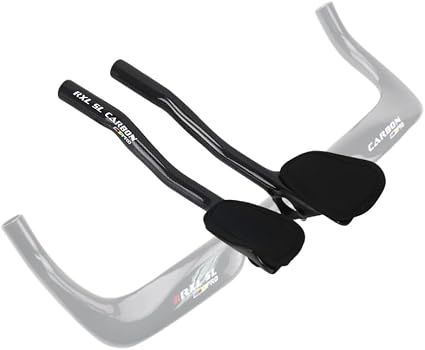
Adding clip-on aero bars to your road bike can make a big difference during long rides or triathlon training by providing a more aerodynamic position and extra arm support. These carbon fiber aero bars fit standard 31.8mm handlebars and suit riders who want a lightweight and comfortable setup to cut wind resistance and reduce arm fatigue.
Installation is straightforward with a hex wrench and a recommended tightening torque of 4Nm, making it easy to get a firm fit without over-tightening. The 340mm length offers enough extension for a comfortable hold, and the sponge pads add cushioning during rides, which can be removed for washing. They work well on road, triathlon, or long-distance bikes thanks to the 31.8mm clamp compatibility.
Crafted from T700 carbon fiber, these aerobars weigh about 320g, combining lightness with durability. The pads improve comfort but some riders mention they find them a bit thin during longer rides.
The clamp stays secure on handlebars as designed, but care is needed to tighten screws properly to avoid slippage. The gloss and matte finish options appeal to different style preferences.
The aero bars provide a noticeably lighter ride compared to metal options and support an aerodynamic position well thanks to their carbon fiber build. The sponge pads add comfort, though some find they wear out faster than expected, especially on extended rides. Tightening the clamp carefully is necessary to maintain a stable fit.
Riders looking for a lightweight and fairly affordable aero bar setup will find these a good match, particularly if using them for road or triathlon bikes. Those who plan very long rides or want extra thick padding may want to explore options with more substantial arm rests. Strong mounting discipline is key for best results.
Pros
- Lightweight carbon fiber construction
- Easy installation with standard tools
- Removable and washable sponge pads
- Compatible with various 31.8mm handlebars
Cons
- Pads somewhat thin for longer rides
- Requires careful torque to avoid clamp slipping
| Specification | Details |
|---|---|
| Material | T700 Carbon Fiber |
| Clamp Diameter | 31.8 mm |
| Length | 340 mm |
| Weight | Approx. 320 g |
| Included Components | Aero bars for road bike |
| Finish Options | Gloss and Matte |
10. Schwinn Volare 1300 Road Bike

14-speed shifting and a lightweight aluminum frame make this bike a solid choice for intermediate riders who want a fast, agile road bike. Suited for riders from 5’8 to 6’2, it combines comfort with speed on paved roads while keeping the weight manageable for climbs and quick maneuvers.
Setting up the bike involves adjusting the ergonomic drop handlebar and getting familiar with the A050 trigger shifters, which change gears quickly and precisely. The 700c wheels paired with 28c sport tires maintain a smooth roll and good grip on asphalt.
The rigid alloy fork keeps the ride firm without unwanted bounce, letting you feel fully connected to the road.
The bike delivers responsive handling and efficient pedaling, thanks to its lightweight aluminum frame and rigid fork. High-profile alloy wheels add some extra durability without weighing it down. Caliper brakes provide reliable stopping power, although some find the brake feel a bit stiff until they’re properly adjusted.
The frame and components hold up well after repeated rides.
Precision in gear changes stands out, helping maintain speed on varying terrain. Brake adjustment issues appear often but can be fixed with some setup time. The frame’s lightness and tire combination support fast riding yet some roughness on bumpy roads is noticeable. Durability remains strong after time in regular use.
Riders aiming for a fast, nimble bike on smooth surfaces will appreciate this bike’s design. Those who frequently face rough or unpaved terrain might want to explore options with suspension to improve comfort. Anyone looking for straightforward road performance without extra features will find this bike aligns well with their needs.
Pros
- Lightweight frame for quicker acceleration
- Precise 14-speed trigger shifters
- Comfortable ergonomic drop handlebar
- Durable alloy wheels with sport tires
Cons
- Brake feel requires adjustment
- Rigid fork lacks shock absorption
| Specification | Details |
|---|---|
| Bike Type | Road Bike |
| Number Of Speeds | 14 |
| Frame Material | Aluminum |
| Brake Style | Caliper |
| Wheel Size | 700c |
| Tire Width | 28c |
11. SAVADECK A7L Carbon Road Bike

Riders looking for a lightweight, aerodynamic road bike to tackle paved roads will appreciate the SAVADECK A7L Carbon Road Bike. It suits cyclists who want a balance between speed and comfort without extra weight. Its main strength is the T800 carbon fiber frame that keeps the bike light at just 8.9 kg (19.6 lbs).
Setting up the bike is straightforward with 85% pre-assembly, so the handlebar, seatpost, front wheel, and pedals take about 15 minutes to install. The fully internal cable routing prevents cables from snagging or clogging airflow.
The included 700x25C carbon wheelsets provide good grip on corners, while the hydraulic disc brakes offer confident stopping power every day.
For performance, the bike delivers a stiff ride thanks to its tapered head tube, improving handling and stability at speed. The frame, forks, and rims all absorb vibrations well to reduce fatigue on longer rides. The most praised feature is its lightweight feel, but complaints revolve around the assembly process being tricky for complete beginners.
The bike receives strong praise for its lightweight carbon frame and solid construction that makes it efficient for speed and climbs. The internal cable routing is also noted for keeping the bike streamlined. The main complaint regards the assembly process, which can be confusing without some experience or tools.
Anyone wanting a fast, aerodynamic road bike with reliable brakes will find this a solid option. Riders who prefer a more cushioned ride or less hands-on assembly might look for a bike with front suspension or a fully pre-assembled model. It performs best on smooth paved roads where weight and stability matter most.
Pros
- Lightweight T800 carbon fiber frame
- Hydraulic disc brakes for strong stopping power
- Fully internal cable routing for clean look
- Includes clipless pedals and quick assembly
Cons
- Assembly might challenge complete beginners
- Rigid suspension may feel harsh on rough roads
| Specification | Details |
|---|---|
| Frame Material | T800 Carbon Fiber |
| Weight | 8.9 kg (19.6 lbs) |
| Wheel Size | 700x25C |
| Brake Style | Hydraulic Disc |
| Speeds | 24-speed |
| Assembly Level | 85% Pre-assembled |
12. COOSPO TR70 Bike Radar Tail Light

COOSPO TR70 Bike Radar Tail Light suits cyclists who want more than just a tail light by combining high visibility with radar alerts. Its defining feature is the integrated radar that warns you of approaching vehicles, improving safety on busy roads. This makes it a solid choice for both road and commuter riders focused on situational awareness.
Setting up is straightforward thanks to the quick-release mount that fits most seat posts, including aero styles. Pairing with Garmin devices or the COOSPO app provides real-time radar information right at your fingertips. Multiple lighting modes adapt to different conditions, and the 40-hour battery life means you can ride multiple days between charges, using the convenient USB-C port for quick refills.
The tail light provides a broad 220° visibility area with 70 lumens brightness, making you visible day and night. Its IPX7 water resistance holds up well in rain and splashes, confirming its durability.
The most common note is about installation: it fits securely on most posts, but some users mention the radar alerts may need occasional recalibration.
Radar technology combined with bright lighting stands out as a key benefit for safety, though some riders mention recalibrating alerts for accurate performance. Installation usually goes smoothly, but maintaining alert accuracy is important to get full advantage.
The product fits well for urban riders and mixed-terrain cyclists wanting extra awareness behind them. Those not using compatible Garmin or COOSPO devices might find less value, as real-time radar data requires app or computer connection to display alerts effectively.
Pros
- Radar alerts for approaching vehicles
- Multiple lighting modes for day and night
- Long battery life with fast USB-C charging
- Fits 99% of seat posts without tools
Cons
- Radar alerts can need recalibration
- Avoid fast charging despite USB-C port
| Specification | Details |
|---|---|
| Max Light Output | 80 lumens |
| Battery Life | Up to 40 hours continuous use |
| Water Resistance | IPX7 waterproof |
| Mounting Type | Seatpost quick-release mount |
| Connectivity | Bluetooth, Garmin, COOSPO apps |
Best Aero Road Bikes Comparison Table
| Product | Bike Type | Number of Speeds | Brake Style | Material |
|---|---|---|---|---|
| Aluminum Alloy Aero Bar | – | – | – | Aluminum Alloy |
| SAVADECK Falcon SLR7 | Road Bike | 24 | Disc | – |
| SAVADECK Carbon 105 Di2 | Road Bike | 24 | Disc | Carbon |
| SAVADECK A7L 2026 | Road Bike | 24 | Disc | – |
| SAVADECK A7L Pro 2026 | Road Bike | 24 | Disc | – |
| BBB Aluminium Aero Bars | – | – | – | Aluminium |
| Lumos Road Helmet MIPS | – | – | – | – |
| Tommaso Monza Sport | Road Bike | 20 | Linear Pull | Aluminum |
| Carbon Fiber Aero Bars | – | – | – | Carbon Fiber |
| Schwinn Volare 1300 | Road Bike | 14 | Caliper | Aluminum |
| SAVADECK A7L Carbon | Road Bike | 24 | Disc | Carbon |
| COOSPO TR70 Radar Light | – | – | – | – |
- Bike Type–
- Number of Speeds–
- Brake Style–
- MaterialAluminum Alloy
- Bike TypeRoad Bike
- Number of Speeds24
- Brake StyleDisc
- Material–
- Bike TypeRoad Bike
- Number of Speeds24
- Brake StyleDisc
- MaterialCarbon
- Bike TypeRoad Bike
- Number of Speeds24
- Brake StyleDisc
- Material–
- Bike TypeRoad Bike
- Number of Speeds24
- Brake StyleDisc
- Material–
- Bike Type–
- Number of Speeds–
- Brake Style–
- MaterialAluminium
- Bike Type–
- Number of Speeds–
- Brake Style–
- Material–
- Bike TypeRoad Bike
- Number of Speeds20
- Brake StyleLinear Pull
- MaterialAluminum
- Bike Type–
- Number of Speeds–
- Brake Style–
- MaterialCarbon Fiber
- Bike TypeRoad Bike
- Number of Speeds14
- Brake StyleCaliper
- MaterialAluminum
- Bike TypeRoad Bike
- Number of Speeds24
- Brake StyleDisc
- MaterialCarbon
- Bike Type–
- Number of Speeds–
- Brake Style–
- Material–
How to Choose the Best Aero Road Bike
Focus on frame material, weight, and aerodynamic design since these directly impact speed and comfort. Proper fit and durability reduce the risk of adjustments or replacements later. Choosing the right balance of stiffness and ride quality helps avoid unnecessary costs and frustration during rides.
Frame Aerodynamics
Riding through windy conditions highlights how much difference tube shaping makes. Frames with carefully contoured tubes cut through the air rather than pushing against it, which means less drag and better speed without extra effort.
A bike with boxy or oversized tubes feels sluggish on open roads, especially at speeds above 20 mph. Look for frames that use thin, tapered tubes crafted from carbon fiber, the common choice for reducing air resistance without adding weight.
The fork and seat stays play a surprisingly big role in managing airflow around the frame. Narrow, curved seat stays help air flow smoothly behind the bike, improving stability and keeping the ride predictable even in crosswinds.
The fork’s shape matters too; blades shaped to direct wind around the wheel reduce buffeting and help maintain speed. Bikes that miss these touches often feel twitchy in gusts, which can be tiring over long rides.
Fit and Geometry
Long rides quickly become uncomfortable with the wrong frame geometry. A too-aggressive angle forces you to hold a low position that strains your back and neck, while a relaxed setup might feel sluggish and less aerodynamic. Finding the right balance is essential.
Pay attention to frame size and measurements known as stack and reach. Stack is the vertical distance from the bottom bracket to the top of the head tube, and reach measures the horizontal distance from the bottom bracket to the head tube.
These numbers determine how stretched out or upright you’ll feel. For most riders, picking a frame with stack and reach close to your body dimensions prevents constant adjustments and allows better control, especially on technical descents.
Adjustability around the cockpit and seatpost can fine-tune your position without changing the frame. Many models offer stems with adjustable angles and micro-adjust seatposts made of carbon or aluminum that allow slight tweaks forward or backward.
This comes in handy to dial in your position for better aerodynamics without sacrificing comfort over several hours. A bit of trial and error here pays off as good adjustability means you avoid numb hands and saddle discomfort.
Component Quality
Riding a bike with a drivetrain that slips or a braking system that fades under pressure creates frustration and safety concerns. Higher-quality drivetrains use precise shifting mechanisms and durable materials like steel and carbon, which stand up better to long rides and varied conditions.
Typically, a groupset rated from mid to high-end ensures smoother gear changes with less maintenance. Braking systems with hydraulic disc brakes offer more consistent stopping power in wet or steep situations compared to mechanical ones, though they add a bit of complexity during upkeep.
Wheelsets present a balancing act between weight and stiffness. Lighter wheels improve acceleration but might sacrifice rigidity, resulting in less control when sprinting or cornering hard.
High-quality groupsets and wheels use carbon or well-engineered aluminum alloys, aiming to support riders who want efficiency while maintaining responsiveness. Compatibility plays a big role with these parts. Components should support future upgrades such as wider tires or electronic shifting, and standard sizing (11 or 12-speed cassettes) simplifies maintenance and replacement.
Ignoring compatibility leads to compatibility headaches and limits options when upgrading.
Weight and Stiffness
Riders often notice the difference climbing steep hills when carrying an extra pound or two on their bike. A frame made from lightweight carbon fiber or high-grade aluminum typically falls between 700 and 900 grams, which can shave off precious seconds in long ascents.
Too heavy of a frame makes acceleration sluggish and tiring, especially on rolling terrain where frequent speed changes occur. Everyday use reveals that a lighter bike means less effort starting off stoplights and smoother handling on climbs.
Stiffness plays a crucial role in power transfer and control, particularly during sprints. Frames rated for higher stiffness prevent energy loss by flexing less, delivering more direct force to the pedals.
This stiff feel also improves stability when pushing hard, but excessive rigidity can lead to a harsh ride on rough roads. Look for medium to high stiffness ratings in frames made from carbon or advanced alloys, often highlighted in product specs by manufacturers. Balancing stiffness without sacrificing comfort gives a rider confidence to accelerate efficiently and maintain control on varied surfaces.
Ride Comfort and Handling
Riding over rough pavement or a cobblestone street quickly reveals how much frame compliance affects comfort. A bike with some built-in flex in the carbon or alloy tubing smooths out small bumps, which can make a long ride far less tiring and reduce hand and arm numbness.
On the other hand, overly stiff frames transmit every vibration directly, leading to discomfort and quicker fatigue. Look for frames that strike a balance between stiffness for power transfer and enough compliance to absorb road buzz. Carbon fiber with engineered layups is common here, often paired with a seat post designed to flex slightly.
Handling at high speeds demands stability. Some designs feel twitchy or overly eager to turn, which can be unsettling on fast descents or in crosswinds. Bikes with a longer wheelbase and slightly more relaxed head tube angle tend to hold a straight line better.
Tire clearance also makes a difference, not just for fitting wider tires but allowing those with better shock absorption. Wider tires run at lower pressures soak up vibrations better, adding to overall ride quality without sacrificing speed.
Prioritize frames that allow at least 28mm wide tires if comfort and handling are priorities.
Optimizing Your Riding Position for Aero Road Bike Performance
Adjusting your saddle height and handlebar position can make a big difference in how your aero road bike performs. A saddle that’s too high or low affects both power output and comfort during long rides.
Aim for a position where your leg extends nearly fully at the bottom of the pedal stroke, with a slight bend at the knee for efficient pedaling.
Handlebar adjustments are equally important:
- Set the drops low enough to reduce wind resistance but high enough to maintain control and comfort.
- Use the reach adjustment to avoid overstretching, which can cause fatigue in the shoulders and back.
- Experiment with different stem lengths and angles to find the balance between an aggressive aero posture and stability.
Small changes can have a major impact on your riding efficiency and comfort during longer efforts.
Essential Maintenance Tips to Prolong Your Aero Road Bike’s Lifespan
Keeping the drivetrain clean is critical for smooth shifting and prolonging component life. Wipe down the chain after every ride and apply lubricant sparingly to avoid attracting dirt.
Use a degreaser periodically to remove built-up grime from the cassette and chainrings.
Check tire pressure before every ride. Aero road bikes typically have narrow tires that run at higher pressures, usually between 80 and 110 psi depending on tire and rider weight. Proper inflation reduces the risk of pinch flats and improves rolling efficiency.
Inspect brake pads for wear and alignment. Aero frames often have tighter clearance around the brakes, so small adjustments can make a big difference in stopping power.
Replace pads once the grooves wear down to ensure consistent performance.
- Regularly tighten bolts on the stem, seatpost, and handlebars to prevent any loosening over time.
- Keep the frame clean using mild soap and water to avoid abrasive buildup that could scratch the paint.
- Store the bike indoors or use a protective cover to shield carbon components from UV damage.
Comparing Aero Road Bikes with Endurance Models: Which Suits Your Needs?
Aero road bikes focus on reducing wind resistance with frame shapes and components designed to cut through the air more efficiently. They typically have a more aggressive riding position, encouraging you to lean forward, which can help maintain higher speeds on flat terrain and during sprints.
Endurance bikes, on the other hand, prioritize comfort for longer rides. Their geometry usually features a more upright posture, relieving pressure on your back and neck. This makes them better suited for rough roads or days when you want to avoid fatigue.
Key differences to consider:
- Frame design: Aero bikes have tube shapes that minimize drag; endurance frames focus on vibration damping.
- Riding position: Aero requires a lower, stretched posture; endurance offers a relaxed fit.
- Weight: Aero models often use lighter materials; endurance bikes might add weight for comfort features.
Your choice depends on whether speed or comfort is the priority for your typical rides.
People Also Asked
How Do I Properly Size an Aero Road Bike?
Choose a frame size based on your height and inseam measurement, but also consider reach and stack values for comfort. It’s helpful to test ride different sizes because geometry varies between brands and that affects riding position and handling.
What Maintenance Is Needed to Keep an Aero Road Bike Lasting?
Regularly clean your drivetrain and keep it well-lubricated to maintain shifting performance. Check brake pads and tires often since aero frames can have different clearance and wear patterns. Don’t forget to inspect all bolts and components for tightness, especially after long rides.
Are Aero Road Bikes Safe for Long Distance Rides?
Aero road bikes are safe for long rides if properly fitted and maintained. Their design can reduce fatigue by cutting wind resistance, but staying comfortable with appropriate riding posture and hydration is crucial. Carry tools for on-the-road repairs due to slightly more complex parts.
How Do I Check Compatibility of Aero Wheels and Frames?
Check the wheel manufacturer’s specifications for rim depth and hub compatibility to ensure they fit the frame’s dropout and brake type. Some aero frames have unique axle standards or require specific brake calipers, so matching those with your wheels avoids fitting issues.
What Common Problems Should I Watch for with Aero Road Bikes?
Watch for brake clearance issues as many aero designs have tight spacing that may not fit all tire widths or brakes. Cable routing problems can arise since many use internal lines, which complicate maintenance or upgrades. Also, beware of frame damage from improper clamping during transport or bike stands.
Conclusion
The most important factors when choosing an aero road bike are frame stiffness, weight, and aerodynamics. Look for a bike that balances a stiff frame for efficient power transfer with a reasonable weight, so climbing and acceleration feel smooth. The aerodynamic design should reduce drag while still being comfortable for longer rides.
Tire clearance and geometry also have an impact on ride quality and handling.
Think about where you’ll store the bike, your budget, and how often you plan to ride to narrow down the best option. Some models fit smaller spaces better or require less maintenance.
Check the comparison table and detailed picks above to match these features with your specific needs and find a bike that makes sense for your riding style and setup.