
Top 12 Best Mountain Bike Tires for Rocky Terrain Tested
Riding over rocks with the wrong tires quickly turns a trail into a series of flat tires and frustrating stops. The best mountain bike tires for rocky terrain handle sharp edges without shredding or puncturing, keeping the ride smooth and safe.
Tires lacking proper toughness wear down fast and struggle to grip uneven surfaces, leading to slips and unexpected stops.
Durability is key, with tires often made from thicker rubber compounds that resist cuts and tears. The tread pattern matters too, knobby designs spaced to repel mud but grip rock edges help maintain control.
Most riders choose tires between 2.2 and 2.6 inches wide for a balance of stability and responsiveness, with reinforced sidewalls to prevent pinch flats. Proper sizing ensures the tire fits the rim tightly, which improves handling and reduces the risk of damage.
Need a Quick Check?
| Image | Product | Price |
|---|---|---|
Our Top Picks 1  | WTB Velociraptor Tire | Check Price |
Our Top Picks 2  | 26×2.10 MTB Tire Set | Check Price |
Our Top Picks 3  | Maxxis Minion DHR II | Check Price |
Our Selected Top 12 Mountain Bike Tires for Rocky Terrain for Different Needs
This list covers mountain bike tires designed specifically for rocky trails, highlighting their durability, grip, and comfort. Each review explains how the tire performs under tough conditions, identifies suitable riders, and points out practical advantages and drawbacks.
1. WTB Velociraptor Mountain Bike Tire
Heavy-duty traction stands out on rocky trails with the WTB Velociraptor Mountain Bike Tire, designed for riders who need control and grip on technical downhill runs. Its rear-specific tread pattern digs in on tough terrain, making it a strong choice for aggressive trail riders focusing on braking performance and traction.
Setup involves fitting the tire on a 26-inch wheel, a size compatible with many mountain bikes including older models. The wire bead adds durability without adding much weight, while the single-ply casing keeps the tire relatively light.
Pairing with WTB tubes is suggested for better longevity. Daily riding feels confident when braking or accelerating across uneven rocks, thanks to the aggressive knob spacing that prevents slips.
Traction really delivers on rocky surfaces, allowing riders to maintain control on steep descents. The build balances durability and weight well; the wire bead holds tight under stress, improving reliability on rough trails.
While most appreciate the gripping tread, some mention the tire weighs 829 grams, which might feel heavy when climbing. It has maintained popularity since the mid-1990s due to its consistent performance.
Grip on rocky trails stands out as the strongest advantage, keeping riders stable under hard braking. The main complaint relates to weight, which can make pedaling uphill feel more strenuous compared to lighter tires. The wire bead and tread design receive consistent praise for reliability and traction.
Riders who focus on technical downhill performance will appreciate the traction and durability here. Those prioritizing light weight for long climbs might prefer other tires with lighter construction or folding beads. This tire suits riders using older or standard 26-inch wheels who need dependable braking control on tough terrain.
Pros
- Strong grip on rocky surfaces
- Durable wire bead construction
- Compatible with many 26-inch bikes
- Effective braking control on technical trails
Cons
- Relatively heavy at 829 grams
- Single-ply casing may wear faster in harsh conditions
| Specification | Details |
|---|---|
| Size | 26” |
| Weight | 829 g |
| Tread Type | Rear Specific with wide spaced knobs |
| Bead Type | Wire Bead |
| Casing | Single-ply |
| Warranty | 2 Year Manufacturer |
2. Mountain Bike Tires Set 26×2.10 with Tubes
Durability and strong traction make these 26×2.10 mountain bike tires a practical choice for riders tackling rocky terrain. They suit cyclists needing reliable shock absorption and puncture resistance during off-road rides, providing stable grip and quick installation.
Setup is straightforward thanks to the foldable design that saves storage space and eases installation. The included 32 mm Schrader valve tubes fit standard 26-inch wheels with widths from 1.95 to 2.125 inches.
A 40 PSI rating suits medium pressure riding, balancing firmness and shock absorption for rough surfaces.
The rubber construction offers solid shock absorption and durability against the knocks common on rocky paths. The tread pattern focuses on corner control and trail grip.
The tires hold traction well on dirt, gravel, and rocks, but some feedback points to occasional difficulty inflating tubes through the shorter valve length in certain rims.
Exceptional grip on mixed surfaces and effective corner control stand out as major strengths. The foldable aspect adds convenience but occasionally causes issues with air pumping due to the shorter valve length. The tubes work well for shock absorption but require attention during inflation.
Riders focusing on medium-width tires for rocky or uneven trails will find reliable performance here. Those needing wider tires or specific valve types should look elsewhere, as compatibility is limited and valve length might not suit all wheel designs.
Pros
- Durable rubber offering good shock absorption
- Puncture-proof design for rough terrain
- Compact, foldable for easy storage and travel
- Strong traction with corner control tread
Cons
- Valve length may complicate inflation on some rims
- Not suitable for tire widths outside 1.95″-2.125″
| Specification | Details |
|---|---|
| Size | 26″x2.10 |
| Tire Width Compatibility | 1.95″-2.125″ |
| PSI | 40 |
| TPI | 30 |
| Valve Type and Length | 32 mm Schrader valve |
| Includes | 2 tires, 2 tubes, 2 tire levers |
3. Maxxis Minion DHR II Mountain Bike Tire
Rugged trails covered in loose rocks demand a tire that grips well and takes hits without failing. Built for riders tackling rocky terrain, the Maxxis Minion DHR II stands out for its cornering and braking traction, helping you stay in control on tricky descents.
Mounting the tire is straightforward and it fits most standard mountain bike rims. The 3C MaxxTerra compound balances durability and grip, so you won’t feel excessive drag yet get good tread life on rough paths.
Sidewalls reinforced with EXO material protect against cuts, which shows during daily rides over sharp rocks and roots. The tire’s weight is just under a kilogram, making it manageable without slowing you down noticeably.
It handles braking and cornering confidently, especially thanks to wider side knobs adapted from the Minion DHF, lending extra support at high lean angles. The tire’s compound blends grip with reasonable wear, though some note the sidewall could be stiffer on extreme trails. Traction stays strong across wet and dry conditions.
A common drawback mentioned is heavier weight compared to lighter trail tires, which might affect acceleration on smoother segments.
The tire receives praise for how well it grips during cornering and braking even on rocky surfaces, giving confidence when tackling technical descents. Sidewall protection cuts down on punctures, though some express concern about flexibility in harsh conditions. Weight is a factor that slows acceleration compared to lighter options.
Riders tackling mostly rocky, mixed-condition trails who value traction and durability will appreciate this tire. Those focused on racing or smoother paths where lighter tires improve speed might want to look at different models offering lower weight and stiffer sidewalls.
Pros
- Excellent cornering and braking traction
- Durable sidewall protection against cuts
- Balanced compound reduces rolling resistance
- Suitable for light e-bikes
Cons
- Sidewall stiffness may be lacking on severe trails
- Heavier than some lightweight trail tires
| Specification | Details |
|---|---|
| Weight | 992 g |
| Compound | 3C MaxxTerra |
| Sidewall Protection | EXO |
| Recommended Use | Trail riding |
| E-bike Compatibility | E25 (up to 16.1 MPH) |
| Warranty | 1-Year Manufacturer’s Warranty |
4. Vittoria Syerra G2.0 Mountain Bike Tire

Rolling fast with high durability stands out with the Vittoria Syerra G2.0 Mountain Bike Tire, made for riders tackling mixed surfaces like pavement, dirt, and rocky paths. Aggressive riding suits those who need solid grip and strong resistance everywhere from smooth roads to rough trails.
Setting up the tire works with standard mountain bike rims without fuss. The Anti-Pinch Flat (APF) sidewall insert protects against flats, which helps when hitting sharp rocks. Daily rides show how it manages changes in terrain without needing adjustments.
The Graphene 4C compound keeps it tough and fast, while letting you ride confidently on both climbs and descents.
Grip performance stands out with a tread designed for multiple conditions. The tire blends XC speed with trail toughness, delivering a balance between fast road rolling and reliable off-road traction.
Some mention occasional issues with sidewall wear after long rocky use, but most praise how it handles sharp terrain and loose surfaces.
High grip and speed make the tire reliable on mixed surfaces and steep descents. Reports note sidewall wear as the biggest downside after long periods on aggressive rocky trails, suggesting it may need close inspection on such rides.
The tire suits riders seeking fast, confident rides across roads and rough paths without too frequent flats. Those mostly focused on extreme rocky terrains or needing multiple tires might look for heavier-duty trail models or multi-packs to keep spares ready.
Pros
- Strong grip on diverse terrain
- Good resistance to flats with APF sidewall
- Fast rolling on pavement and dirt
- Durable Graphene 4C tread compound
Cons
- Sidewall can wear after heavy rocky use
- Single tire pack, no extras included
| Specification | Details |
|---|---|
| Brand Name | Vittoria |
| Item Weight | 0.79 g |
| Color | Black |
| Model Number | 11A00361 |
| Sidewall Protection | Anti-Pinch Flat (APF) insert |
| Material Technology | Graphene 4C compound |
5. Blackburn Mountain Bike Tire

Riders tackling rocky trails who need a tire that balances toughness and control will find the Blackburn Mountain Bike Tire suited to their needs. Its biggest strength lies in the added puncture resistance, giving more confidence on rough terrain without sacrificing grip on technical single tracks.
Setting up this tire is straightforward thanks to its carbon steel bead that is sturdy yet flexible enough to fold and unfold without damage. The tire fits 26 rims and can handle a range of widths from 1.75 to 2.25 inches.
The recommended PSI range of 35-65 helps tailor the ride feel for different trail conditions, while the tall, knobby tread grips well on a variety of surfaces.
Performance on rocky trails is solid with the optimized tread providing reliable traction and control on uneven, loose ground. A protective layer under the tread adds 30% more strength and puncture resistance, reducing flat risks.
The strongest praise focuses on the tire’s grip and durability. The most common complaint involves finding the ideal pressure balancing traction and firmness depending on the rider’s style.
The tire excels at providing solid traction and reliability on rocky, technical trails thanks to its tall knobby tread and protective puncture-resistant layer. Riders find it tough enough to avoid frequent flats but sometimes need to experiment with pressure to balance grip and comfort well.
Mountain bikers who prioritize durability and traction on rocky paths will appreciate the Blackburn tire’s design. Those seeking ultra-lightweight or extremely specialized tires might consider different options, as weight specifics and maximum performance in softer conditions are less emphasized here.
Pros
- Protective layer for 30% stronger puncture resistance
- Flexible carbon steel bead folds without damage
- Tall knob tread provides consistent traction
- Wide PSI range adapts to different terrains
Cons
- Pressure tuning necessary to avoid harsh ride
- Weight details not specified for comparison
| Specification | Details |
|---|---|
| Tire size | 26″ X 1.75 – 2.25″ |
| PSI Range | 35-65 |
| Tread type | Tall, knobby tread |
| Bead material | Carbon Steel |
| Color | Black |
| Warranty | One Year Limited |
6. Maxxis Aggressor Rear Mountain Bike Tire

Designed for fast riding on hard-packed rocky trails, the Maxxis Aggressor rear tire suits riders who need reliable grip without slowing down. It stands out with its dual compound tread that balances rolling efficiency and traction, especially when paired with aggressive front tires.
Installing the tire is straightforward thanks to its tubeless-ready build, which reduces flats and lets you run lower pressures for better control on sharp rocks. The EXO sidewalls protect against cuts during trail impacts, making it practical for daily rides where punctures would usually be a concern.
The tire grips well around corners thanks to its dedicated knob design and holds up against abrasion with its reinforced sidewalls. A common complaint involves its suitability mostly as a rear tire; performance isn’t balanced enough for front use. It rolls fast on smooth sections but keeps traction on rougher rocks as promised.
Strong grip around corners and resistant sidewalls are frequent highlights, offering confidence on sharp, rocky trails. However, the tire performs best only on the rear wheel, limiting versatility. Riders often notice the tire does not suit front-wheel duties as well as others do, which is important depending on your setup.
Riders focusing mainly on rear tire performance on hard-packed rocky trails will find the right balance here. Those wanting a tire for front use or wider size options should consider alternatives better tailored for those needs or terrain types.
Pros
- Good balance of fast rolling and grip
- EXO sidewalls resist cuts and abrasions
- Works well as rear tire on rocky terrain
- Compatible with light-duty e-bikes (up to 16.1 MPH)
Cons
- Not ideal for front tire use
- Limited size options (only 26×2.30 available)
| Specification | Details |
|---|---|
| Size | 26×2.30 |
| Weight | 1.8 pounds |
| Construction | Dual Compound tread, EXO sidewall |
| Special Features | Tubeless ready, E25 e-bike rated |
7. Mountain Bike Tires Set 26-29 Inch 2 Pack

MOHEGIA Mountain Bike Tires Set 26-29 inch 2 Pack fits riders who want reliable traction on rocky and varied terrain. Its strongest feature is a block-pattern tread with reinforced shoulder knobs that offer steady grip and control where the ground is uneven or loose.
The set includes tubes and tire levers, making it good for anyone replacing worn tires on common 26-inch mountain bikes.
Setup includes unfolding the lightweight folding tires and leaving them flat for a day or two to reduce wrinkles before mounting. The included Schrader valve inner tubes make inflation straightforward. Tires fit widths from 1.95 to 2.125 and a pressure range of 35-65 PSI, so you get options to adjust firmness for trail conditions.
Tire levers in the set help with changing tires without damage.
The tread provides solid traction and cornering on dirt trails and rocky paths, resisting wear thanks to strengthened sidewalls. Quality rubber improves durability on rough terrain.
A common complaint involves the tire requiring time to settle flat before installation, which delays quick swaps. Praise highlights the grip and toughness for trail riding as well matched to outdoor cycling demands.
Grip and durability stand out for rides over gravel, dirt, and rocks, delivering confidence on difficult trails. The requirement to flatten the tires for a day or two before fitting can be inconvenient for quick tire replacements or emergencies.
Riders with 26-inch mountain bikes and typical off-road routes will find value here, especially those replacing older tires needing better traction. Those riding on larger wheels or needing faster mounting might look for tires designed for their specific needs.
Pros
- Strong grip on loose and rocky surfaces
- Durable rubber with reinforced sidewalls
- Comes with tubes and tire levers included
- Lightweight and foldable for easy transport
Cons
- Tires need 1-2 days flat before installation
- Limited to 26-inch bikes only
| Specification | Details |
|---|---|
| Size | 26×2.1 inch (ETRTO 56-559mm) |
| Tire Type | Folding bead mountain bike tires |
| Included Items | 2 tires, 2 Schrader valve inner tubes, tire levers |
| Compatibility | Fits tire widths from 1.95″ to 2.125″; 26-inch bikes |
| Max PSI | 65 PSI |
| Warranty | 90 days |
8. Schwinn Replacement 26 Mountain Bike Tire

Riding over rocky trails demands tires that grip firmly without giving up durability. Schwinn Replacement 26 Mountain Bike Tire suits riders with a 26-inch rim looking for a reliable tire with solid traction.
Its standout feature is the wide, blocky knobs that keep the bike stable on loose rocks and uneven ground.
Putting the tire on a rim between 19mm and 29mm width feels straightforward since it fits standard 26-inch frames. Daily rides benefit from the knobs extending beyond the tire edges, protecting the sidewalls from impacts. Running pressure between 40 and 65 PSI means you can adjust for a balance between softness on rough terrain and firmness for control.
Its steel bead adds strength, making mounting sturdy but a bit less flexible than folding bead tires.
The tire handles rocky terrain with confidence due to its aggressive tread pattern, staying glued to loose spots better than smoother tires. The steel bead construction delivers durability, helping the tire resist punctures from sharp rocks. A notable appreciation comes from the traction and protection it provides, while a common critique is the tire can feel heavier and less agile compared to lighter options.
Traction and sidewall protection stand out sharply, making the tire dependable on rough trails. However, the steel bead adds weight and stiffness, leading to less nimble handling and a tougher installation. Some riders might find the durability worth the trade-offs, while others could miss quicker acceleration and easier setup from lighter tires.
Riders seeking toughness with reliable grip on rocky terrain will find this tire suitable. Those prioritizing light weight and faster responses for racing or less aggressive trails might prefer tires with folding beads and lighter compounds instead.
Pros
- Strong traction on loose and rocky surfaces
- Steel bead offers extra durability
- Sidewalls guarded by extended outer knobs
- Fits a wider range of rim widths (19-29mm)
Cons
- Heavier than some high-performance tires
- Less flexible mounting due to steel bead
| Specification | Details |
|---|---|
| Diameter and Width | 26 x 1.95 inch |
| ETRTO Size | 54-559 |
| Recommended PSI | 40 to 65 |
| Bead | Ultra durable steel bead |
| Tread | Wide, blocky knobs with extended outer knobs |
| Manufacturer | PACIFICCYCLE |
9. Mountain Bike Tires Set 26×1.95/2.125 with Tubes

Good for riders tackling rocky terrain, the Mountain Bike Tires Set 26×1.95/2.125 offers durable grip and stable control. It’s suited for mountain biking enthusiasts who want reliable performance across mixed trails without fussing over complex setups.
Setup is straightforward with two folding tires, tubes, and tire levers included. The folding bead design makes storage and transport easier. Expect to unfold the tires and let them lay flat for a day or two before installation.
Inflating to the recommended 40 PSI suits a range of 26-inch mountain bikes with tire widths between 1.95 and 2.125 inches, fitting nicely on various frames.
A durable rubber compound and reinforced casing stand out for wear resistance and shock absorption on challenging rocky paths. The Trail Control Tread with raised knobby blocks and strong shoulder knobs provide stable traction and responsive steering on uneven surfaces.
The main critique highlights that the tires require a couple of days to properly flatten out before mounting, which delays immediate use.
Stable grip and durable build receive strong praise for handling rocky and uneven trails confidently. The need to unfold and wait for the tires to flatten before mounting slows the initial setup and can cause slight inconvenience for those in a hurry.
Riders who value reliable traction and straightforward installation with ready-to-go tubes will find this kit convenient. Those looking for tires they can mount and ride immediately or wanting a longer warranty might seek alternatives better suited to faster needs.
Pros
- Includes tubes and tire levers for easy replacement
- Good traction with raised knobby tread blocks
- Folding bead design aids storage and transport
- Durable rubber absorbs shocks on rough trails
Cons
- Tires need 1-2 days to lay flat before installation
- Only a 60-day warranty period offered
| Specification | Details |
|---|---|
| Size | 26×2.125 inches |
| Inner Tubes Included | 2 Schrader valve tubes |
| Recommended Inflation | 40 PSI (275 Kpa / 2.75 BAR) |
| Tread Type | Raised knobby blocks with reinforced shoulder knobs |
| Compatibility | Most 26-inch mountain bikes with 1.95–2.125 inch tires |
| Package Includes | 2 tires, 2 tubes, 2 tire levers |
10. Folding Mountain Bike Tire 26×1.95 with Tubes

Premium rubber and nylon cord construction form the base of these folding mountain bike tires. Designed for riders tackling rocky trails and mixed surfaces, they fit 26-inch wheels with widths around 1.95 inches.
Their standout quality is durability combined with compact foldability for easy transport and storage.
Setting up these tires involves fitting them on 26 wheels with tire widths from 1.95 to 2.125 inches. The tires come with inner tubes sized 26 x 1.75-2.125 and use Schrader valves with 32 mm stems, which fit most pumps easily. Included tire levers and liners help with installation and protect from rim damage.
PSI can range from 30 to 80, letting you adjust firmness for rougher rides.
The tread pattern offers solid grip on gravel, dirt, and rocky paths, helping to maintain control on uneven terrain. Construction from premium rubber and nylon reinforcement provides strong wear and puncture resistance.
Many note the grip holds well on mixed surfaces, but some mention the tires feel a bit stiff at the lower PSI end. Folding design aids storage but requires care to avoid creases.
Durability and grip stand out as strong features, especially on rough paths. Ease of installation is improved by the included tire levers and rim strips. Some riders find the tires less flexible at lower pressures, which might affect comfort in very rough conditions. Folding feature is handy but needs careful handling to avoid damaging the tire structure.
Those who ride frequently on rocky or mixed terrain and need durable tires that pack down small will find these suitable. Riders looking for extremely supple tires or very low-pressure options may prefer tires with a different construction or tread design.
Pros
- Durable rubber with nylon cord reinforcement
- Compact folding design for travel and storage
- Strong grip on rocky and mixed terrains
- Includes tubes, tire levers, and rim strips
Cons
- Tires can feel stiff when inflated at lower pressure
- Folding requires care to prevent tire creases
| Specification | Details |
|---|---|
| Size | 26″x1.95″ (ETRTO:54-559 mm) |
| Tire Width Range | 1.95″-2.125″ |
| Inner Tube Size | 26″x1.75-2.125″ |
| Valve Type and Length | Schrader valve, 32 mm |
| TPI (Threads Per Inch) | 60 |
| PSI Range | 30-80 |
11. Vittoria Mezcal XC Trail Tubeless Mountain Bike Tire
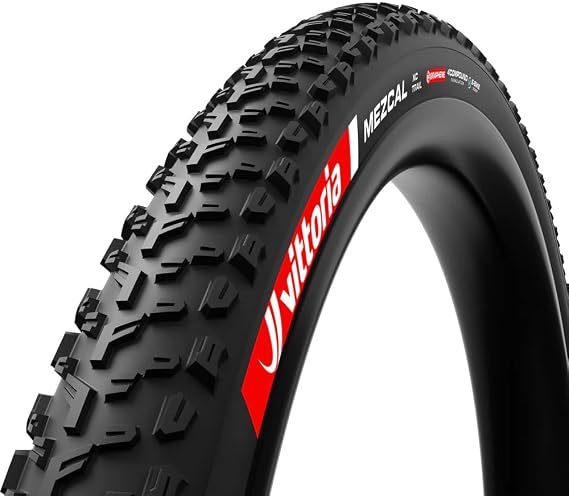
Vittoria Mezcal XC Trail Tubeless tire stands out for its fast-rolling design tailored to cross-country riders needing speed on rocky and mixed terrain. It suits mountain bikers who want a balance between low rolling resistance and good grip without sacrificing durability.
Setting up this tire tubeless is straightforward, thanks to its TNT ready design, allowing you to run lower pressures safely. The reinforced casing provides confidence against sharp rocks and rough surfaces.
You get a tire that feels responsive and maintains traction in dry, loose, and wet trail conditions, making daily rides efficient and reliable.
Handling sharp rocks and rough trails is strong where it counts, with dense knobs that grip well on climbs and corners. The casing holds up to punctures better than many in its class.
Praise often highlights the smooth, fast-rolling ride, while a common complaint mentions the knobs can feel a bit low-profile on very muddy trails.
Reports show the tire rolls quickly and grips well on various trails, especially hardpack and rocky surfaces. The reinforced casing adds durability, yet some find the tread’s low-profile knobs less effective in slippery or muddy conditions. Many appreciate the straightforward tubeless conversion setup that cuts down on flats and keeps the ride light.
Riders who prioritize speed on mixed and rocky terrain will like this tire’s balance of traction and efficiency. Those tackling deep mud or very loose ground regularly might want to look at something with more aggressive tread to avoid slipping. It suits cross-country and trail riders who need a tire that performs well across different surfaces without extra weight.
Pros
- Low rolling resistance for faster rides
- Good grip on dry, loose, and wet surfaces
- Reinforced sidewall protects against punctures
- Easy tubeless setup for improved traction
Cons
- Low-profile knobs may struggle in heavy mud
- Puncture resistance good but not invincible
| Specification | Details |
|---|---|
| Brand Name | Vittoria |
| Model Number | 11A00761 |
| Type | Tubeless-Ready (TNT) |
| Terrain | Mixed terrain including hardpack, roots, and light mud |
| Color | Black |
12. Schwalbe Nobby Nic MTB Bicycle Tire

Designed for mountain biking over mixed terrain, this tire suits trail riders who need grip and durability on rocky surfaces. Its standout feature is the Addix compound, which balances strong traction with low wear, making it reliable for long rides on unpredictable trails.
Setting up a single wire bead tire that weighs 749 grams is straightforward for any standard mountain bike rim. The tread design assists with self-cleaning, which helps maintain traction as you ride through mud or loose rocks. Its compatibility with e-MTBs also means it handles higher speeds and heavier bikes without compromising control.
The tire performs well on rocky ground thanks to stable shoulder blocks that improve cornering grip. The center tread design supports secure braking and acceleration. The tire’s sturdy design allows it to handle speeds up to 50 km/h on electric mountain bikes.
Most praise focuses on its consistent traction, while some find the wire bead less flexible compared to folding beads.
Consistent praise highlights the tire’s grip and durability on rocky terrain, making it dependable over varied trail conditions. The primary complaint notes the wire bead causing less flexibility, which may complicate mounting or reduce comfort for some riders who prefer lighter, folding bead options.
Riders who want reliable traction and long-lasting wear on tough trails will appreciate this tire. Those prioritizing quick setup, lightweight folding beads, or exclusively downhill biking might want to explore other tires designed specifically for those uses.
Pros
- High grip with stable shoulder blocks for cornering
- Good wear resistance for longer rides
- Effective tread spacing reduces mud build-up
- Suitable for regular and electric mountain bikes
Cons
- Wire bead limits tire flexibility
- Heavier than some folding bead tires
| Specification | Details |
|---|---|
| Item Weight | 749 g |
| Included Components | Wire Bead Tires |
| Model Number | 11159128.02 |
| Manufacturer Part Number | Schwalbe-TIRE17040 |
| Color | Black |
| E-Bike Ready | Yes (up to 50 km/h) |
Best Mountain Bike Tires for Rocky Terrain Comparison
| Product | Brand | Weight | Tire Size | Warranty |
|---|---|---|---|---|
| WTB Velociraptor Tire | WTB | 829 g | – | 2 Year Manufacturer |
| 26×2.10 MTB Tire Set | WHEELO | – | 26×2.10 | – |
| Maxxis Minion DHR II | Maxxis | 992 g | – | 1 Year |
| Vittoria Syerra G2.0 | Vittoria | 0.79 g | – | – |
| Blackburn MTB Tire | Blackburn | – | – | 1 Year Limited |
| Maxxis Aggressor Rear | Maxxis | 1.8 pounds | 26×2.30 | 1 Year |
| 26-29 Inch MTB Tires | MOHEGIA | – | 26×2.10 | 90 days |
| Schwinn 26″ Replacement | Schwinn | – | 26×1.95 | 1 Year Limited |
| 26×1.95/2.125 Tire Set | MOHEGIA | – | 26×2.125 | 60 days |
| Folding 26×1.95 Tire | WHEELO | – | 26×1.95 | – |
| Vittoria Mezcal XC Tubeless | Vittoria | – | – | Limited |
| Schwalbe Nobby Nic | SCHWALBE | 749 g | – | Limited Warranty |
- BrandWTB
- Weight829 g
- Tire Size–
- Warranty2 Year Manufacturer
- BrandWHEELO
- Weight–
- Tire Size26×2.10
- Warranty–
- BrandMaxxis
- Weight992 g
- Tire Size–
- Warranty1 Year
- BrandVittoria
- Weight0.79 g
- Tire Size–
- Warranty–
- BrandBlackburn
- Weight–
- Tire Size–
- Warranty1 Year Limited
- BrandMaxxis
- Weight1.8 pounds
- Tire Size26×2.30
- Warranty1 Year
- BrandMOHEGIA
- Weight–
- Tire Size26×2.10
- Warranty90 days
- BrandSchwinn
- Weight–
- Tire Size26×1.95
- Warranty1 Year Limited
- BrandMOHEGIA
- Weight–
- Tire Size26×2.125
- Warranty60 days
- BrandWHEELO
- Weight–
- Tire Size26×1.95
- Warranty–
- BrandVittoria
- Weight–
- Tire Size–
- WarrantyLimited
- BrandSCHWALBE
- Weight749 g
- Tire Size–
- WarrantyLimited Warranty
How to Choose the Best Mountain Bike Tires
Choosing tires with sturdy sidewalls, ample tread depth, and good grip is key for rocky terrain. These features reduce punctures, improve control, and extend tire life, saving money on frequent replacements and avoiding unexpected breakdowns during rides.
Tire Width and Diameter
Riding over rock-strewn trails with narrow tires often results in poor grip and less control, which can make descending tricky and tiring. Tires between 2.3 and 2.6 inches wide improve stability by offering a wider contact patch. This gives more traction on uneven surfaces and reduces the chance of losing balance on sharp edges.
Wider tires also provide more cushioning against rocky impacts, though going beyond 2.6 inches may require checking your bike’s clearance to avoid rubbing.
Diameter plays a big role in how smoothly the wheels roll over rocks and roots. Larger diameters such as 29 inches allow wheels to curve over obstacles with less effort, keeping momentum and lowering the impact felt through the frame. However, 27.5-inch tires offer more nimbleness and better acceleration in tighter sections.
Compatibility is critical here; your frame and rims have limits on diameter and width, so verify these to avoid mechanical issues. Common rim widths for these tires range from 30 to 40 millimeters to provide enough support for wider tires without risking tire damage.
Tread Pattern and Depth
Riding over loose and jagged rocks without the right tread can feel like skating on ice. Tires with an aggressive tread pattern grip the uneven surfaces firmly, preventing slips and sudden shifts. Daily rides show how much the deep, squared knobs dig into rocky terrain, providing stability whether climbing steep inclines or bombing down technical descents.
Tires with knobs around 4 to 6 mm deep tend to hold up better against sharp edges found on trails, resisting wear and punctures longer than smoother options.
Choosing a tread depth is a balancing act. Deep, widely spaced knobs improve grip and durability but can make pedaling uphill harder by increasing rolling resistance. On the other hand, shallower patterns speed up the ride but sacrifice control on tricky descents.
A reliable tire blends these traits, often featuring pronounced knobs on the edges for cornering and a tighter center tread for easier rolling. This combination means a rider spends less energy climbing while maintaining confidence on rocky drops and loose surfaces.
Durability and Puncture Resistance
Riding over sharp rocks can quickly shred weak tire casings, leading to frustrating flats and trail stops. A tire made with cut-resistant materials like reinforced nylon or aramid fibers helps prevent deep punctures.
Casing technology that layers these materials tightly ensures the tire can withstand consistent impacts without tearing. Sidewalls tend to take a lot of abuse on rocky paths, so many tires feature extra rubber or fabric layers to protect against cuts and pinch flats caused by sharp rocks or rim hits.
For daily riders tackling tough ground, tires that offer strong sidewall protection and thick casings typically last much longer before needing replacement. Expect to see specifications like TPI (threads per inch) ratings around 60 to 120, with higher numbers often indicating tighter weaves and better durability without adding excessive weight. Tires designed this way can handle hundreds of miles on rough trails without the constant worry of punctures or sidewall damage, which means fewer stops for repairs and more reliable riding.
Tire Pressure Range
Riding rocky trails with the wrong tire pressure can turn a thrilling ride into an exercise in frustration. Too high pressure reduces the tire’s grip, making it slide over rocks rather than bite into them, leading to loss of control.
Running pressures around 25 to 30 psi tends to balance traction and rolling resistance on most setups. Lower pressures improve grip by allowing more tire contact with uneven surfaces but increase the risk of pinch flats, especially on tubed tires.
The choice between tubeless and tubed setups significantly affects how pressure impacts performance. Tubeless tires tolerate lower pressures without flats because there’s no inner tube to pinch or puncture easily.
Running around 20-25 psi in a tubeless setup increases comfort by absorbing trail impacts and improves control without sacrificing too much speed. Tubed tires generally require higher pressure, often starting around 30 psi, to avoid flats but sacrifice some cushioning and traction.
Weight and Rolling Resistance
Trying to tackle a steep climb or sprinting out of a corner becomes noticeably harder with heavier tires. They add extra momentum that takes more effort to get moving.
I’ve found tires in the 800-900 gram range strike a decent balance; they’re light enough to reduce fatigue on long rides but still rugged enough to handle sharp rocks. Going below 700 grams typically means thinner casings, which increases the chance of punctures or cuts on tough trails.
Rolling resistance plays a big role on rocky paths. Tires with aggressive knobs and softer rubber compound grip well but slow you down.
Harder compounds and smaller tread blocks roll faster but sacrifice traction. I prefer tires labeled with low rolling resistance ratings around 20-25%. They keep momentum going without feeling like you’re constantly fighting the ground.
Paying attention to tire width also helps, 28 to 29 mm widths are common for balancing grip and speed on rough terrain.
Optimizing Tire Pressure for Enhanced Traction on Rocky Trails
Lowering tire pressure increases the contact patch, which directly improves grip on uneven, rocky surfaces. For rough trails, run pressures between 22 and 28 psi depending on rider weight and tire width. Too low, and the tire may pinch flat or feel sluggish; too high, and it won’t absorb shocks well, causing loss of control.
Key points to consider when adjusting your tire pressure:
- Use a reliable gauge since minor pressure changes significantly impact traction.
- Wider tires handle lower pressures better, providing cushioning and better obstacle compliance.
- After lowering pressure, check for sidewall bulging or rim strikes, which can indicate too soft a setup.
- Reinflate before hitting paved sections to avoid excessive rolling resistance.
Fine-tuning pressure based on specific terrain and your riding style takes some trial, but it directly affects control and safety on rocky trails.
Essential Maintenance Tips to Prolong the Life of Mountain Bike Tires
Mountain bike tires endure a lot on rocky terrain, so keeping them in good shape requires more than just pumping air occasionally. Checking the tire pressure before every ride is crucial, rocky trails demand slightly lower pressure for better grip, but too low risks pinch flats. Aim for around 25-30 psi, but adjust based on your weight and ride style.
Inspect tires regularly for cuts or embedded debris. Small sharp rocks or glass pieces can cause slow leaks or make punctures worse over time. Use a pick or tweezers to remove anything lodged in the tread.
Cleaning tires with water and a brush after muddy or dusty rides prevents build-up that can weaken the rubber. Avoid harsh chemicals as they can dry out the sidewalls and cause cracking.
- Rotate front and rear tires to balance wear, especially if one faces rockier sections more often.
- Store your bike indoors in a cool, dry place to prevent UV damage and tire hardening.
- Replace tires once tread depth drops below 1.5mm or sidewalls show significant wear.
Maintaining tires this way ensures reliable performance and extends their lifespan on tough off-road trails.
Comparing Tubeless and Tubed Tires: Which Performs Better on Rocky Terrain?
Tubeless tires reduce the risk of punctures significantly on rocky trails. They use liquid sealant inside the tire that instantly seals small cuts and holes caused by sharp rocks. This feature allows you to ride on lower tire pressures, improving traction and comfort without increasing the chance of pinch flats.
In contrast, tubed tires are generally easier to install and require less maintenance. However, the inner tube is vulnerable to punctures from thorns, sharp edges, or rocks, especially at low pressures.
This makes them less reliable in rugged environments.
Here are some key differences:
- Weight: Tubeless setups are slightly lighter since they don’t have an inner tube.
- Maintenance: Tubeless tires need occasional sealant top-ups and more effort during setup.
- Comfort and Grip: Lower pressures in tubeless tires improve handling on uneven rocky surfaces.
Choosing between these depends on how often you ride rocky terrain and how much maintenance you’re comfortable with.
People Also Asked
How Do I Choose Mountain Bike Tires for Rocky Terrain?
Look for tires with strong sidewalls and aggressive tread patterns designed for grip on rocks. A tire with reinforced casing helps resist cuts and punctures on sharp and uneven surfaces often found in rocky terrain.
What Tire Size Fits Best on Rocky Trails for Mountain Bikes?
Tires between 2.3 and 2.5 inches wide offer a good balance of traction and control on rocky trails. Wider tires provide more cushioning and grip, but check your bike frame clearance to avoid rubbing during rides.
How Often Should I Replace Mountain Bike Tires Used on Rocks?
Replace tires every 1,500 to 2,000 miles if used frequently on rocky terrain, or sooner if you notice significant tread wear or sidewall damage. Regularly check for cuts or tears after rides on sharp rocks to avoid sudden failures.
Can I Use Tubeless Tires Safely on Rocky Mountain Trails?
Tubeless tires work well on rocky trails and can reduce punctures while allowing lower pressures for better traction. Proper setup with sealant is key; check sealant levels every few weeks and keep a repair kit on hand for quick fixes.
What Common Problems Occur with Mountain Bike Tires on Rocky Terrain?
Common issues include sidewall cuts, punctures, and tread chunking due to sharp rocks. Regular tire inspections and carrying a patch kit help manage these problems and keep you riding longer without interruptions.
Conclusion
Durability, tread pattern, and tire width are the key factors when choosing mountain bike tires for rocky terrain. Tires need to resist cuts and punctures while providing grip on uneven surfaces.
A wider tire helps absorb impacts, offering more control and comfort on rough trails.
Consider how often you’ll be riding and the space you have for storage when deciding on tire size and type. Tires used frequently on rough trails should justify the cost of a more durable option. Revisit the comparison table and detailed reviews above to find the tires that fit your needs best.