
Top 12 Best Heavy Duty Mountain Bike for Big Guys Revealed!
Riding a standard mountain bike when you’re a bigger rider often leads to problems like bent frames, broken spokes, or uncomfortable rides. The best heavy duty mountain bike for big guys is built to handle weight and rough terrain without falling apart or causing discomfort during long rides.
Key features that set a solid heavy duty mountain bike apart include a reinforced steel or aluminum frame designed to support higher weight limits, often rated for 300 pounds or more. Larger, stronger wheels with thick, puncture-resistant tires provide stability and durability. Proper fit is crucial too, with bigger frames and wider handlebars ensuring control and safety on tough trails.
Need a Quick Check?
| Image | Product | Price |
|---|---|---|
Our Top Picks 1  | Mongoose Dolomite MTB | Check Price |
Our Top Picks 2  | Canyon Pathlite:ON Step-Through | Check Price |
Our Top Picks 3  | Mongoose Malus Fat MTB | Check Price |
Our Selected Top 12 Heavy Duty Mountain Bike for Big Guys for Different Needs
This list features durable mountain bikes designed to support bigger riders with varying needs and terrains. Each review details the bike’s performance, suitable rider type, strengths, and potential drawbacks to help you make an informed choice based on your specific requirements.
1. Mongoose Dolomite Fat Tire Mountain Bike
Mongoose Dolomite Fat Tire Mountain Bike excels at handling rough mountain terrain for riders between 5’4 and 6′ tall. Its biggest strength lies in the oversized knobby tires paired with strong, lightweight alloy rims that keep the ride stable and manageable on tough trails.
Day-to-day rides are straightforward, thanks to the adjustable frame height and threadless headset that make customizing fit a breeze. Beach cruiser pedals provide comfort on longer routes, while the twist grip shifter and 7-speed drivetrain allow smooth gear changes as you tackle different terrains.
Front and rear mechanical disc brakes give reliable stopping power when needed.
The bike handles off-road trails well, providing solid traction and control with its fat tires and disc brakes. Constructed with a steel frame and lightweight rims, it balances durability with reduced weight. Common feedback points out its strong build but also mentions the rigid suspension isn’t great for absorbing bumps, which can affect comfort on very rough paths.
The fat tires and disc brakes earn consistent praise for grip and control on trails, making the bike reliable for off-road use. Some find the rigid suspension less comfortable over rough terrain, which could be a drawback for long, bumpy rides.
Anyone between 5’4″ and 6′ looking for a durable mountain bike with strong braking and easy gear shifting will be well served by this model. Taller riders or those wanting more suspension travel might want to consider other options.
Pros
- Adjustable frame fits various heights easily
- Fat tires for excellent off-road traction
- Front and rear mechanical disc brakes
- Lightweight alloy rims reduce overall weight
Cons
- Rigid suspension offers limited bump absorption
- Not designed for riders taller than 6 feet
| Specification | Details |
|---|---|
| Number Of Speeds | 7 |
| Suspension Type | Rigid |
| Brake Style | Disc |
| Bicycle Gear Shifter Type | Twist Grip |
| Bike Type | Mountain Bike |
2. Canyon Pathlite:ON 4 Step-Through
Riding the Canyon Pathlite:ON 4 Step-Through feels like having extra strength on every ride thanks to its powerful Bosch motor. Built for those needing a heavy-duty bike that’s easy to hop on and off, it suits bigger riders who want to comfortably explore both city streets and rougher trails without feeling weighed down.
Setup is straightforward with an adjustable seat and step-through frame, making mounts and dismounts smooth. The 10-speed trigger shifters help you find the right gearing easily while the dual disc brakes provide reliable stopping power in varying conditions. Recharging the 625Wh battery is simple, and it lasts long enough to cover both commutes and weekend adventures.
Power delivery feels natural and smooth, thanks to the Bosch Performance Line motor’s 85 Nm torque. Its aluminum frame manages a solid balance between weight and durability, supporting riders well over rough terrain.
Ease of access thanks to the step-through design is a highlight, but some find the front suspension a bit basic for very rough trails.
Strongest praise goes to the smooth, natural feel of the Bosch motor and the bike’s ease of use thanks to the step-through frame. The common complaint centers on the front suspension, which some find insufficient for highly technical off-road riding.
Bigger riders wanting a reliable, comfortable way to cover mixed surfaces will appreciate this bike. Those planning extremely challenging trail rides might want to consider models with more advanced suspension systems.
Pros
- Powerful Bosch motor with 85 Nm torque
- Step-through aluminum frame for easy mounting
- Long-lasting 625Wh battery
- Reliable dual disc brakes for safety
Cons
- Front suspension feels basic on very rough trails
- Limited to 10 speeds for varied terrain needs
| Specification | Details |
|---|---|
| Power Source | Electric |
| Motor Torque | 85 Nm |
| Battery Capacity | 625Wh |
| Number Of Speeds | 10 |
| Brake Style | Dual Disc Brake |
| Suspension Type | Front |
3. Mongoose Malus Fat Tire Mountain Bike
Comfort and durability make this bike a strong choice for bigger riders who want a stable mountain bike. Its steel fat tire frame and 26-inch wheels fit riders from 5’4 to 6’2 tall, offering a comfortable ride that handles rough terrain well.
Setting it up is straightforward thanks to the 7-speed trigger shifter, which makes gear changes smooth and manageable. Riding feels secure with front and rear disc brakes that provide reliable stopping power. Fat, 4-inch wide tires roll over rocks and roots easily, while the mountain handlebar and alloy stem give good control on various trails.
Designed with a rigid suspension, the bike meets the needs for trail riding without extra complexity. The steel frame stands up to heavy use, and the alloy rims add strength without too much weight. Most people appreciate the smooth gear shifts and steady braking.
A common downside is the rigid suspension, which can be rough on uneven paths.
Many appreciate the comfortable and stable ride thanks to the steel fat tire frame and smooth shifting. At the same time, the rigid suspension often causes discomfort on rough trails. The bike balances durability with a straightforward setup for intermediate riders.
Anyone between 5’4″ and 6’2″ looking for a mountain bike that handles rough terrain reliably will find this bike suitable. Those wanting more advanced suspension or a wider gear range should consider other models.
Pros
- Comfortable fit for riders 5’4″ to 6’2″
- Reliable front and rear disc brakes
- Fat 4-inch tires handle rough terrain well
- Smooth 7-speed gear transitions
Cons
- Rigid suspension can feel harsh on bumpy trails
- Limited speed range with only 7 gears
| Specification | Details |
|---|---|
| Bike Type | Mountain Bike |
| Number Of Speeds | 7 |
| Suspension Type | Rigid |
| Brake Style | Disc |
| Bicycle Gear Shifter Type | Trigger |
| Number Of Handles | 2 |
4. WEIZE Mountain Bike MTB Bicycle

Aluminum frame construction forms the base of this mountain bike, designed to offer a good balance of agility and stability. Ideal for bigger riders looking for a durable bike with reliable braking and gear options to handle rough trails and varied terrain without feeling too heavy or cumbersome.
Setup is straightforward thanks to the adjustable features and the 21-speed twist shifters, making gear changes smooth on both climbs and flat sections. Its dual suspension softens impacts on mountain paths, while front and rear mechanical disc brakes provide controlled stopping power on slippery or uneven surfaces like gravel and snow.
Performance is solid when tackling mountain terrain, with the lightweight frame complementing the bike’s geared drivetrain for speed variations. The strongest point lies in its effective braking system, which adapts to different surfaces well. A frequent downside noted is that braking effectiveness can vary notably depending on the surface and tire traction.
Braking control stands out as a major strength, adapting well across different terrains, though its performance can feel uneven depending on surface conditions and tire grip. The 21-speed setup also helps with smooth gear changes on varied elevations. Versatile suspension adds comfort but could demand maintenance due to mechanical nature.
Bigger riders favoring a sturdy yet lightweight mountain bike will appreciate its build and gear range. Those expecting flawless braking on all surfaces might want to look elsewhere or invest in tire upgrades. Great for mountain terrain use and riders focused on balance between speed and control.
Pros
- Lightweight aluminum frame balances strength and agility
- 21-speed twist shifters make hill climbing manageable
- Dual suspension improves comfort on rough mountain trails
- Front and rear mechanical disc brakes offer solid stopping power
Cons
- Braking performance can be inconsistent on slippery surfaces
- V brake style may require frequent adjustments for optimal stopping
| Specification | Details |
|---|---|
| FRAME MATERIAL | Lightweight aluminum |
| SPEEDS | 21 |
| SUSPENSION TYPE | Dual |
| BRAKE STYLE | V Brake |
| BICYCLE GEAR SHIFTER TYPE | Twist Grip |
| INTENDED RIDING TERRAIN | Mountain Terrain |
5. Adamant Double-Wall Alloy X5 Mountain Bike

Strong alloy construction and a straightforward design make the Adamant Double-Wall Alloy X5 stand out for bigger riders tackling mountain terrain. It’s built to handle weight well and offers solid reliability without unnecessary complexity.
Those focused on durability and ruggedness appreciate its no-nonsense setup.
Assembly comes down to basics with a rigid suspension and linear pull brakes that respond cleanly. Daily rides feel stable thanks to the double-wall alloy frame which keeps the bike firm even on rough sections.
Gear shifting involves a rear derailleur paired with a cassette setup, which handles climbs and descents with ease on rocky trails.
The bike performs steadily on mountain terrain due to its rigid suspension and reliable drivetrain system. Its construction from double-wall alloy frames supports heavier riders without feeling flimsy. Brake response is consistent considering the linear pull design.
Some users find the rigid suspension less forgiving on rough tracks, but many praise its toughness in demanding environments.
Many appreciate the bike’s solid frame and dependable braking systems that support heavy riders well on mountain paths. The main drawback noted is the lack of suspension cushioning, making rough rides physically demanding.
Those seeking durability and straightforward mountain biking will find this suitable, especially on smoother trails or graded paths. Anyone wanting more comfort over uneven terrain might need to look for models with front or full suspension.
Pros
- Strong double-wall alloy frame
- Reliable rear derailleur shifting
- Effective linear pull brakes
- Simple, rugged design fits big riders
Cons
- Rigid suspension less comfortable over bumps
- No front suspension for added shock absorption
| Specification | Details |
|---|---|
| Bike Type | Mountain Bike |
| Suspension Type | Rigid |
| Brake Style | Linear Pull |
| Gear Type | Cassette |
| Derailleur Configuration | Rear |
| Bicycle Drivetrain Type | Derailleur |
6. RHT

RHT is designed for big guys who want a mountain bike that can handle tough trails without feeling cumbersome. Its biggest strength lies in the lightweight aluminum frame paired with a strong Shimano SLX drivetrain, ensuring reliable performance and comfortable handling during long rides.
Setting up the bike is straightforward thanks to the quick-release hubs, making wheel removal simple. The Suntour XCT suspension fork absorbs bumps well, which is crucial for trail riding comfort. The WTB Trail II grips and WTB Volt saddle keep you comfortable even on extended rides, while the dual hydraulic disc brakes offer precise stopping power on varied terrain.
The bike handles mountain terrain confidently, with an 11-speed cassette and 22 total gears to tackle climbs and descents efficiently. The lightweight aluminum frame balances strength with ease of maneuvering. Most users praise the stable suspension and smooth shifting, while a common drawback is the absence of a kickstand, which could be inconvenient for quick stops.
The suspension fork does a solid job absorbing bumps without adding weight, and the Shimano SLX gears shift smoothly, making it reliable for varied trails. Common feedback notes the lack of a kickstand as a minor inconvenience during short breaks or parking.
Anyone looking for a dependable mountain bike that balances performance and comfort on mountain terrain will appreciate this bike. Those needing a more advanced suspension system or additional accessories like a kickstand might want to consider other options.
Pros
- Lightweight aluminum hardtail frame
- Shimano SLX 2×11 drivetrain
- Dual hydraulic disc brakes
- Comfortable WTB grips and saddle
Cons
- Kickstand not included
- Suntour XCT suspension travel limited to 100mm
| Specification | Details |
|---|---|
| Bike Type | Mountain Bike |
| Number Of Speeds | 22 |
| Suspension Type | Front |
| Brake Style | Disc |
| Intended Riding Terrain | Mountain Terrain |
7. FIFTY-FIFTY Nylon Composite MTB Pedals

Getting strong, reliable pedals that hold up to rough trails and heavy riders can be tough. Ideal for bigger riders who need extra durability and grip, these nylon composite mountain bike pedals stand out for their combination of strength and traction on rough terrain.
Setup involves mounting the pedals with the included M15 washers, pins, and nuts, which let you customize grip as needed. The ultra-thin 0.7-inch design lowers your chance of pedal strikes on obstacles, while the large 106×104 mm platform keeps your feet planted firmly.
Daily rides feel stable thanks to the 9 replaceable steel pins per side that prevent slipping.
Built with a shock-proof Cr-Mo spindle and a tough nylon composite body, these pedals resist abrasion and corrosion even in demanding trails. They deliver excellent grip and platform size for control, though some mention the spindle can develop creaks over time. Durability and traction are praised as top qualities.
Most praise focuses on how well the pedals grip and hold up against wear thanks to the durable materials and steel pins. Common complaints mention occasional creaking from the spindle after extended riding. Everyday use offers confident footing even on rocky paths.
Big riders who need a strong, grippy platform that resists damage will appreciate these pedals. Riders looking for thicker cushioning or absolute silence might prefer alternatives with more padding or quieter spindles.
Pros
- Strong Cr-Mo spindle for added durability
- Excellent grip with 9 replaceable steel pins per side
- Large platform keeps feet stable on rough trails
- Ultra-thin design reduces pedal strikes
Cons
- Spindle may develop creaking sounds over time
- Some find pedal thickness too thin for extra cushioning
| Specification | Details |
|---|---|
| Material | Nylon composite body, Cr-Mo spindle |
| Platform Size | 106×104 mm (L x W) |
| Pedal Thickness | 0.7 inch |
| Pins per Side | 9 replaceable steel pins |
| Included Components | 2 x 1mm M15 Washers, 6 x M3 Pins, 6 x M4 Nuts |
| Warranty | 1 year |
8. Mezzer Pro 29

Mezzer Pro 29 stands out with its Manitou Mezzer Pro Suspension Fork, perfect for mountain terrain rides, especially for bigger riders looking for strength and durability. It suits those who need a heavy-duty mountain bike with solid front suspension to handle tough trails with confidence.
Setup involves focusing on the front suspension tuning since it has a front suspension type. Daily rides over rough, uneven terrain benefit from the shock absorption of the Manitou fork, which helps you stay comfortable and secure.
Controls and maintenance center around keeping the suspension fork in good condition, which is key for lasting performance on mountain terrain.
Performance is solid when tackling mountain trails, with the front suspension fork absorbing shocks effectively. The build is focused on front suspension only, making it less complex but strong in its area.
Many highlight the smooth ride the Mezzer Pro Suspension Fork delivers. Some users mention wishing for rear suspension for more cushioning on rougher descents.
The Manitou Mezzer Pro Suspension Fork delivers a smooth and reliable ride on uneven mountain trails, but some feel the bike could benefit from rear suspension for extra cushioning. Maintenance focuses on the front suspension to keep performance steady over time.
Those seeking a durable front suspension mountain bike that can handle challenging terrain will find this model especially suitable for bigger riders. Riders wanting full suspension might prefer a different option better equipped for rough descents.
Pros
- Strong front suspension for rough mountain terrain
- Durable Manitou fork built for heavy-duty use
- Good shock absorption improves ride comfort
- Simpler front suspension reduces maintenance complexity
Cons
- No rear suspension for added comfort
- Limited to front suspension only, less versatile
| Specification | Details |
|---|---|
| Bike Type | Mountain Bike |
| Suspension Type | Front |
| Suspension Fork | Mezzer Pro Suspension Fork |
| Intended Riding Terrain | Mountain Terrain |
| Suspension Brand | Manitou |
9. Allen Sports 3-Bike Hitch Rack

Big guys who need to transport multiple heavy-duty mountain bikes will find the Allen Sports 3-Bike Hitch Rack very practical. Its biggest strength lies in its universal fit and locking quick install system, which makes it compatible with most vehicles and easy to secure.
Setting up the rack is fairly straightforward thanks to the quick install hitch feature. Everyday use revolves around loading up to three bikes without fuss, thanks to the well-spaced design and locking mechanism. The universal fit means you don’t have to worry about specific vehicle requirements, so it can move between cars with relative ease.
It does a solid job holding three bikes securely on the hitch, with the lock giving extra security when parked. The construction feels sturdy enough for heavy mountain bikes.
Some people mention the install is not as quick as expected, which might require patience. On the plus side, a limited lifetime warranty adds confidence in its durability.
The rack is praised for its sturdy build and secure locking system that keeps bikes safe during transport. However, installing it can be a bit fiddly and might require some extra time and effort before use.
People needing a reliable way to carry multiple heavy mountain bikes across different vehicles will appreciate the universal fit and security features. Those looking for a quicker setup or bike frame protection might want to explore other options.
Pros
- Fits most vehicle hitch receivers
- Locks bikes securely for safety
- Holds up to three bikes
- Includes limited lifetime warranty
Cons
- Installation may take longer than expected
- Doesn’t come with padding for frame protection
| Specification | Details |
|---|---|
| Fit type | Universal Fit |
| Included Components | 3 Bike Rack |
| Item Type Name | Hitch Mounted 3-Bike Carrier with Locking Quick Install Hitch |
| Model Number | QR535 |
| Manufacturer Warranty Description | Limited lifetime |
10. Mongoose Dolomite Fat Tire Mountain Bike
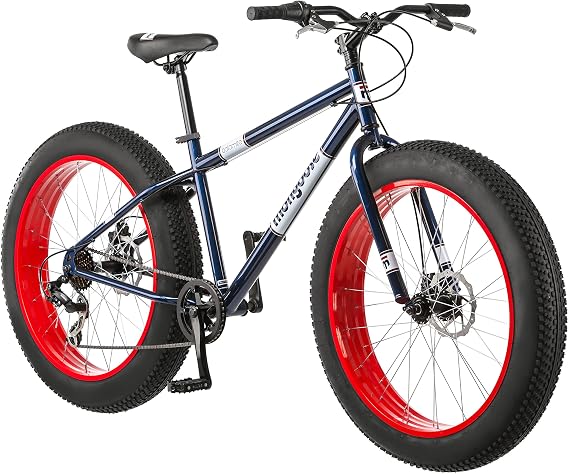
Designed for riders between 5’4 and 6′ tall, this mountain bike stands out with its oversized knobby fat tires that make tackling rough, off-road trails much easier. Its solid steel frame supports bigger riders comfortably while maintaining durability and stability in challenging terrain.
Setting up the bike is straightforward, and everyday rides feel smooth thanks to the 1 x 7 drivetrain with twist grip shifters that allow quick gear changes. The adjustable threadless headset helps dial in a perfect fit. Alloy rims keep the wheels lighter for easier handling, and beach cruiser pedals offer a comfortable ride on various trail surfaces.
The bike handles mountain and unpaved trails with ease, sticking to the terrain thanks to the fat tires. Mechanical disc brakes on both front and rear wheels provide reliable stopping power. Most users find the build solid and responsive, while some mention the rigid suspension limits shock absorption on very rough ground.
The bike’s strong points include its sturdy frame paired with big fat tires that provide excellent traction on rough trails. Common feedback points to the rigid suspension being less forgiving on bumpy or very uneven terrain, which can affect comfort during long rides.
Riders who want a durable, easy-to-fit bike for rugged outdoor adventures will appreciate its design. Those looking for more suspension comfort or a wider range of gears might want to consider other options better suited to rough mountain riding demands.
Pros
- Supersized knobby fat tires improve off-road grip
- Adjustable fit suits different rider heights
- Lightweight alloy rims reduce wheel weight
- Comfortable beach cruiser pedals for longer rides
Cons
- Rigid suspension offers less shock absorption
- 7-speed drivetrain limits gear variety
| Specification | Details |
|---|---|
| Bike Type | Mountain Bike |
| Number Of Speeds | 7 |
| Suspension Type | Rigid |
| Brake Style | Disc |
| Intended Riding Terrain | Mountain Terrain, Outdoor Terrain, Unpaved Trails |
11. Mongoose Dolomite Fat Tire Mountain Bike

Mongoose Dolomite Fat Tire Mountain Bike is made for riders between 5’4 and 6′ tall who need a sturdy bike to handle rough trails. Its oversized knobby tires provide excellent traction on uneven surfaces, making it easy to tackle mountain terrain without struggling for grip or stability.
Setting it up involves adjusting the height for comfort, thanks to its adjustable frame and threadless headset. The twist grip shifter lets you switch between seven speeds smoothly, and the beach cruiser pedals keep your feet comfortable on long rides. Front and rear mechanical disc brakes offer reliable stopping power, so safety isn’t an afterthought during trail rides.
Handling climbs and rough ground is what stands out most with this bike. The steel frame feels solid and durable, while the lightweight alloy rims keep some of the weight off your legs.
Most praise focuses on the aggressive fat tires that make uneven paths manageable, though some note that the rigid suspension can feel harsh on bumpier trails without any shock absorption.
Traction on trail surfaces is excellent thanks to the fat tires, which make bumps and loose dirt easier to handle. The main drawback lies in the rigid suspension, which some find uncomfortable over rough terrain since it lacks shock absorption.
Those seeking a durable, stable mountain bike for off-road use within an average height range will appreciate this model. Bigger riders outside the specified height range or those wanting suspension for smoother rides should look at other options.
Pros
- Strong steel frame for durability
- Supersized knobby tires for traction
- Adjustable height fits a range of riders
- Front and rear disc brakes for safety
Cons
- Rigid suspension can be uncomfortable
- Limited to riders between 5’4″ and 6′ tall
| Specification | Details |
|---|---|
| Bike Type | Mountain Bike |
| Number Of Speeds | 7 |
| Suspension Type | Rigid |
| Brake Style | Disc |
| Intended Riding Terrain | Mountain Terrain |
12. Mongoose Argus Trail Fat Tire Mountain Bike

Riding through tough terrain feels surprisingly steady and controlled on the Mongoose Argus Trail Fat Tire Mountain Bike. Best suited for riders between 5’7 and 6’1 who weigh more and want a tough bike that handles rough ground without stress.
Its biggest strength comes from those wide 4-inch tires that never let you down on tricky surfaces.
Setting up involved a straightforward twist grip shifter with seven speeds, which is easy enough for anyone new to mountain biking. Day-to-day rides have been comfortable because the steel hardtail frame is solid and feels durable. The fat tires provide plenty of grip, useful for everything from sand to snow.
No suspension means some bumps get through, but the rigid fork keeps things simple and maintenance low.
The bike handles mountain terrain well, giving confidence on loose gravel and uneven trails. While it’s built tough, the steel frame and rigid fork show strength rather than flex, making it reliable. The most common praise highlights how well the fat tires grip surfaces, letting you roll confidently.
A frequent complaint is the bike’s lack of suspension, which some riders might find harsh on rougher trails.
Fat tires deliver great traction on sandy, snowy, or gravelly terrain, making rides more stable. The rigid fork and steel frame give the bike strength but cause a rougher ride over uneven ground, raising concerns for comfort on long, rugged trails.
Riders who want a tough mountain bike that grips well on all-season trails will find this bike suits them. Those looking for smoother rides on very rough or technical courses might want to explore options with suspension for added comfort and shock absorption.
Pros
- Wide 4-inch tires for excellent grip
- Durable steel hardtail frame
- Easy-to-use twist grip shifter
- Disc brakes offer solid stopping power
Cons
- Lacks suspension, rough feeling on bumps
- Frame and fork add weight compared to lighter bikes
| Specification | Details |
|---|---|
| Bike Type | Mountain Bike |
| Number Of Speeds | 7 |
| Suspension Type | Rigid |
| Brake Style | Disc |
| Specific Uses For Product | Trail |
| Bicycle Gear Shifter Type | Twist Grip |
Best Heavy Duty Mountain Bikes for Big Guys Comparison
| Product | Suspension | Number Of Speeds | Brake Style | Skill Level |
|---|---|---|---|---|
| Mongoose Dolomite MTB | Rigid | 7 | Disc | Beginner |
| Canyon Pathlite:ON Step-Through | Front | 10 | Disc | – |
| Mongoose Malus Fat MTB | Rigid | 7 | Disc | Intermediate |
| WEIZE Mountain Bike | Dual | 21 | V Brake | – |
| Adamant X5 Alloy MTB | Rigid | – | Linear Pull | – |
| RHT Bicycle | Front | 22 | Disc | Beginner |
| FIFTY-FIFTY Nylon Pedals | – | – | – | – |
| Mezzer Pro 29 MTB | Front | – | – | – |
| Allen Sports 3-Bike Rack | – | – | – | – |
| Mongoose Dolomite Fat Bike | Rigid | 7 | Disc | Intermediate |
| Mongoose Dolomite MTB Bike | Rigid | 7 | Disc | Beginner to Intermediate |
| Mongoose Argus Trail MTB | Rigid | 7 | Disc | Beginner |
- SuspensionRigid
- Number Of Speeds7
- Brake StyleDisc
- Skill LevelBeginner
- SuspensionFront
- Number Of Speeds10
- Brake StyleDisc
- Skill Level–
- SuspensionRigid
- Number Of Speeds7
- Brake StyleDisc
- Skill LevelIntermediate
- SuspensionDual
- Number Of Speeds21
- Brake StyleV Brake
- Skill Level–
- SuspensionRigid
- Number Of Speeds–
- Brake StyleLinear Pull
- Skill Level–
- SuspensionFront
- Number Of Speeds22
- Brake StyleDisc
- Skill LevelBeginner
- Suspension–
- Number Of Speeds–
- Brake Style–
- Skill Level–
- SuspensionFront
- Number Of Speeds–
- Brake Style–
- Skill Level–
- Suspension–
- Number Of Speeds–
- Brake Style–
- Skill Level–
- SuspensionRigid
- Number Of Speeds7
- Brake StyleDisc
- Skill LevelIntermediate
- SuspensionRigid
- Number Of Speeds7
- Brake StyleDisc
- Skill LevelBeginner to Intermediate
- SuspensionRigid
- Number Of Speeds7
- Brake StyleDisc
- Skill LevelBeginner
How to Choose the Right Heavy Duty Mountain Bike
Focus on frame durability, weight capacity, and suspension quality to ensure the bike handles heavier loads and rough terrain comfortably. Choosing the right features minimizes wear and tear, preventing frequent repairs and saving money and frustration over time.
Frame Strength and Material
Mountain bike frames carry the full stress of every ride, especially on rough trails. Frames made from steel or reinforced aluminum tend to handle heavy impacts and larger rider weights better than lighter, less durable materials. A weak frame can develop cracks or bends around weld points if it’s pushed past its limits, leading to early failure.
Look for a frame rated for at least 300 pounds to ensure it can handle bigger riders. Aluminum frames with thick tubing or steel frames are often a safer choice for durability and strength. The resistance to stress during trail use means fewer worries about damage and longer bike lifespan.
Component Durability and Quality
Suspension components have to absorb shocks while holding up under extra weight. Systems with stronger springs or air shocks designed for heavier loads perform more reliably without bottoming out. Drivetrain parts, especially the chain, cassette, and derailleurs, also face higher torque and wear when ridden by bigger riders, so heavier-duty components are preferable.
Wheels built with thicker spokes, double-wall rims, and tires rated for high load capacities improve reliability. Often these parts come standard on models aimed at larger riders. Check the suspension’s spring rate or air pressure specs and look for drivetrain parts listed as “heavy-duty” or reinforced for better durability.
Fit and Comfort
Frames that are too small or have narrow geometries cause discomfort and poor control for larger riders. Bikes with extended top tubes, wider handlebars, and roomier cockpit setups help maintain posture without strain.
Proper saddle adjustment and broader seats reduce pressure points during long rides.
Suspension tuned with adjustable air pressure or coil springs capable of supporting higher rider weight adds comfort and better handling. Riders who ignore fit and suspension tuning often experience quicker fatigue and less confidence on technical trails.
Braking Performance
Brakes that can’t handle the momentum generated by a heavier rider can overheat or fade quickly on descents. Hydraulic disc brakes usually provide stronger, more consistent stopping power than mechanical versions.
Their resistance to mud, rain, and dust keeps performance stable across conditions.
Regular adjustments and maintenance like pad replacement and rotor cleaning keep these systems responsive. Some models feature easier pad changes and lever reach adjustments, which help tailor braking feel to rider strength and hand size for better control and safety.
Weight Capacity and Load Limits
Every bike comes with a maximum weight limit including rider and gear; exceeding this causes frame stress and component failure. Keeping within these limits ensures safer rides and avoids warranty issues.
Riding well beyond the weight capacity leads to cracks, bent parts, and unpredictable handling.
Higher load limits usually come from stiffer suspension, reinforced frames, and durable wheels. This impacts ride quality by preserving stability and control even with extra cargo.
Paying attention to these specs allows bigger riders to choose bikes that won’t break down under their weight.
Tips for Maximizing Comfort and Performance on Heavy Duty Mountain Bikes for Big Riders
Choosing the right saddle can make a huge difference for big riders on heavy duty mountain bikes. Look for seats designed with extra padding and wider dimensions to provide better support. Proper tire pressure is another factor that affects comfort and control.
Lowering the pressure slightly increases traction and shock absorption but avoid going too low to prevent rim damage. A strong, properly adjusted suspension system helps absorb trail bumps and reduces strain on joints.
Consider handlebars that allow for an upright position to reduce back fatigue during longer rides. Finally, use grips with sufficient cushioning to prevent hand numbness on rough terrain. Paying attention to these areas helps maintain comfort while also improving overall performance on the trail.
Essential Maintenance Practices to Extend the Life of Your Heavy Duty Mountain Bike
Regularly cleaning and lubricating the chain is critical to prevent rust and ensure smooth shifting on heavy duty mountain bikes. Check tire pressure before every ride, as underinflated tires can cause rim damage while overinflated tires reduce grip. Inspect the frame and components for cracks or wear, especially at weld points and suspension mounts.
Brake pads should be examined frequently and replaced when thin to maintain stopping power. Keeping bolts and screws tight helps avoid mechanical failures that could lead to accidents.
Don’t overlook suspension service intervals; dirt and wear can degrade performance if not addressed. Routine maintenance like tightening spokes and trueing wheels keeps the bike stable and safe for bigger riders who put more stress on the components.
Comparing Heavy Duty Mountain Bikes to Alternative Off-Road Riding Options for Larger Riders
Heavy duty mountain bikes feature durable frames and stronger components built to support higher weights, setting them apart from many other off-road options. Fat tire bikes provide excellent traction on soft surfaces but often have heavier frames that can be harder to maneuver uphill.
Electric mountain bikes add motor assistance but usually come with additional weight, which might not suit all riders. Conventional trail bikes tend to focus on lighter weight and speed rather than durability, potentially compromising longevity under heavier loads. For larger riders, selecting a bike with reinforced parts and a durable build often results in safer and more reliable trail performance.
Comparing these options helps match the bike to the rider’s weight and terrain preferences without sacrificing comfort or control.
People Also Asked
What Size Mountain Bike Frame Suits a Heavy and Tall Rider?
A mountain bike frame sized 19 to 23 inches usually fits heavy and tall riders well. Measure your inseam and compare it to the bike’s stand-over height to avoid an uncomfortable fit.
How Do I Properly Maintain a Heavy Duty Mountain Bike?
Maintaining a heavy duty mountain bike means regular checks on tire pressure, suspension, and brakes. Lubricate the chain often, especially after wet rides, to prevent rust and wear.
Are Heavy Duty Mountain Bikes Safe for Riders over 250 Pounds?
Heavy duty mountain bikes can be safe for riders over 250 pounds if the bike has reinforced frames and components like sturdier wheels. Verify the bike’s weight limit and consider upgrading wheels or suspension if needed.
What Common Problems Do Heavy Duty Mountain Bikes Face with Big Riders?
Common problems include faster wear on tires and bearings due to extra load. Suspension might also require frequent tuning or heavier springs to cope with the added weight.
How Long Can a Heavy Duty Mountain Bike Last with Regular Use?
With regular use and proper maintenance, a heavy duty mountain bike can last 5 to 10 years. Replacing worn parts like chains and tires might be necessary to keep it in good working order.
Conclusion
Durability, frame strength, and weight capacity are key when choosing a heavy duty mountain bike for bigger riders. A solid frame and strong components prevent frequent repairs and ensure safety.
Comfort also matters; the bike should fit well and handle rough terrain without putting too much strain on the rider.
Consider how often you’ll ride and where you’ll store the bike before making a purchase. This helps narrow down options within your budget and space.
Take another look at the comparison table and detailed picks above to find the model that fits your needs best.