
Top 12 Best Mountain Bike Bars That Will Boost Your Ride
Riding on rough trails can quickly become uncomfortable or even risky if the bike bars don’t suit your style or terrain. The wrong handlebar can cause poor control, wrist pain, or instability when facing technical sections.
Finding the best mountain bike bars means avoiding those common issues by choosing bars that fit your riding needs and body type well.
Good mountain bike bars usually stand out by their material, width, and rise. Aluminum remains popular for balancing weight and strength, while carbon bars reduce weight but cost more. Width often ranges from 720 to 800 millimeters, helping with leverage and control in tight corners or steep descents.
The right rise and sweep angles also improve comfort and handling by promoting a natural wrist position. Paying attention to these factors makes a noticeable difference on the trail.
Need a Quick Check?
| Image | Product | Price |
|---|---|---|
Our Top Picks 1  | Wake MTB Handlebar | Check Price |
Our Top Picks 2  | BUCKLOS MTB Bar 720mm | Check Price |
Our Top Picks 3  | PLATT High-Rise Bar | Check Price |
Our Selected Top 12 Mountain Bike Bars Worth Buying
This list features twelve carefully chosen mountain bike bars, offering detailed insights into their performance, suitability for different riders, and key advantages and drawbacks. Each review provides practical information to help you find the best match for your riding style and needs.
1. Wake MTB Mountain Bike Handlebar 31.8mm
Wake MTB Mountain Bike Handlebar 31.8mm suits riders wanting solid control without extra weight. Its strength lies in being super lightweight while staying tough, ideal for those who need precise handling on trails or downhill runs. The aluminum alloy build keeps things light and durable, standing out compared to heavier or less sturdy bars.
Setup is straightforward as long as you match the 31.8mm clamp diameter with your stem. The bar’s 720mm or 780mm length offers options depending on your bike width and style. Day-to-day, it feels sturdy under rough terrain, with a slight 9° sweep back that helps wrist comfort on long rides.
The non-slip, durable finish adds confidence in grip regardless of conditions.
Performance shines with the ergonomic design and material strength, giving excellent bike control on technical trails. The high strength Aluminum Alloy 6061 balances lightness and toughness, making it not too heavy at around 330g or 360g based on length.
A few note the limited color and style options, but most praise its reliable build and the feel it provides once mounted.
Riders often mention the bar’s impressive strength-to-weight ratio as a highlight. Many appreciate the comfort provided by the 9° sweep angle during extended rides. Some find the limited diameter and length options restrictive, especially if the bike stem doesn’t match or a different bar width is preferred.
Those needing a reliable, lightweight handlebar for mountain and downhill bikes will find this a solid fit. People requiring other clamp diameters or bar lengths might look for alternatives better suited to their specific setups.
Pros
- Lightweight but highly durable
- Ergonomic design improves control
- Works well for downhill and off-road
- Comes with housing included
Cons
- Only 31.8mm clamp diameter available
- Limited length choices (720mm/780mm)
| Specification | Details |
|---|---|
| Clamp Diameter | 31.8mm |
| Length | 720mm or 780mm |
| Weight | Approx 330g (720mm), 360g (780mm) |
| Material | Aluminum Alloy 6061 |
| Sweep Back Angle | 9° |
2. BUCKLOS Mountain Bike Handlebar 31.8mm 720mm
Handling tricky mountain trails needs sturdy and wide handlebars that give you control without weighing you down. A good fit for mountain bikers who want a reliable and adjustable riser bar, this option stands out for its precise bending and solid aluminum build that feels tough yet comfortable.
Setting it up is straightforward, thanks to the cut down markings that help customize the width easily. Daily rides benefit from the ergonomic shape and slip-resistant surface, which keep hands steady over rough terrain.
The good range of riser heights, from 20mm up to 160mm, lets you find a comfortable position no matter the trail or your preferred posture.
Made from 6061 aluminum alloy with hard anodizing and CNC precision bending, it strikes a nice balance between weight and durability. Control improvements stand out in all reviews, although some mention the large width might be too wide for narrow trails or smaller riders.
It performs well for all-mountain riding and feels solid to rely on.
Precision bending and solid build deliver reliable control over rough terrain. The handlebar’s wide 720mm design is praised for comfort but can be too wide for narrow trail areas.
Riders who like a wide grip and varied riser heights will appreciate this handlebar’s flexibility. Those preferring narrower bars or simpler setups might look for smaller width or fewer riser options elsewhere.
Pros
- Strong 6061 aluminum alloy construction
- Wide 720mm bar for better control
- Multiple riser options for comfort
- Cut down markings simplify customization
Cons
- Wide bars may not suit tight trail sections
- Some may find riser choices overwhelming
| Specification | Details |
|---|---|
| Material | 6061 aluminum alloy |
| Width | 720mm |
| Clamp Diameter | 31.8mm |
| Riser Heights | 20/30/50/90/100/120/160mm |
| Cut Down Markings | On both sides for width adjustment |
3. PLATT High-Rise MTB Handlebar 31.8mm
780mm length and a variety of riser options make these handlebars a solid choice for riders seeking control and comfort on rough trails. Designed for mountain bikers who want durability combined with ergonomic support in their bars.
Installation goes smoothly when matching the 31.8mm diameter with the stem. The range of riser heights from 35mm up to 120mm lets you adjust the handlebar position to your preference.
The 9 degrees of back sweep naturally position your shoulders and wrists, which really helps reduce fatigue during longer rides.
Made from aluminum alloy 6061, these bars hold up well against shocks and tough terrain without adding unnecessary weight. Precision bending creates smooth curves that fit well with your body’s natural posture. Most praise focuses on how sturdy yet lightweight they feel, while occasional comments mention the need to double-check compatibility with your stem before buying.
Strongest praise centers on the durable, lightweight feel and the comfort from the ergonomic back sweep. The most common issue is the need to ensure the handlebar diameter matches your stem, which some overlook before buying.
Those wanting customizable height and a comfortable wrist position will be pleased. Riders who frequently change grips or have non-standard stems might want to consider other options for better compatibility.
Pros
- Multiple riser options for personalized fit
- Lightweight yet strong aluminum construction
- Ergonomic design reduces wrist fatigue
- Precision bending for smooth curves
Cons
- Must confirm stem diameter compatibility before purchase
- Bar end diameter fixed at 22.2mm limits custom grips
| Specification | Details |
|---|---|
| Length | 780mm |
| Diameter | 31.8mm |
| Riser Heights | 35mm / 50mm / 70mm / 90mm / 120mm |
| Material | Aluminum alloy 6061 |
| Back Sweep | 9 degrees |
| Bar End Diameter | 22.2mm |
4. FIFTY-FIFTY Mountain Bike Riser Handlebar 31.8mm

Riders looking for a wide and lightweight mountain bike handlebar that improves control and comfort will appreciate this riser bar. Its standout feature is the combination of a 780mm width with a 35mm rise, making it a solid choice for all-mountain extreme riding. It fits best those who want more precision in handling without adding much weight.
Setting up the bar is straightforward thanks to the central set-up grid and cut down markings, allowing you to trim the width down to a size that suits your style. The 31.8mm diameter fits most standard stems, and the aluminum alloy material keeps the weight low at just 340g. Day-to-day rides benefit from the riser design, which puts you in a more comfortable riding position and offers increased control on rough trails.
Performance-wise, the handlebar holds up well under pressure during aggressive riding thanks to the double-butted 6061 aluminum construction and precision bending. It’s noticeably light for its width, providing a good balance of responsiveness and durability. One common downside is that some riders might find the 780mm width too wide initially, but the easy cut down marks help address that.
The handlebar earns praise for its sturdy yet lightweight aluminum build and excellent width that delivers better control on technical trails. A frequent mention is the initial challenge with its wide 780mm span, but the cut down marks allow quick customization to narrower widths.
Those who want a wider bar for aggressive mountain biking and appreciate fine tuning the width will be satisfied with this handlebar. Riders preferring narrower bars right away or looking for more color choices will want to explore alternatives.
Pros
- Super wide 780mm for better bike control
- Lightweight at 340g, good for long rides
- Adjustable width with clear cut down marks
- Comfortable riser design improves riding position
Cons
- 780mm width might be too wide for some riders
- No color options beyond black
| Specification | Details |
|---|---|
| Material | 6061 aluminium alloy, Double Butted |
| Width | 780mm |
| Rise | 35mm |
| Weight | 340g (12 oz) |
| Diameter | 31.8mm |
| Setup Features | Central set-up grid, cut down marks |
5. Funn Upturn Alloy MTB Riser Handlebar 31.8mm

Designed specifically for riders looking for an upright position and better control on technical trails, the Funn Upturn Alloy MTB Riser Handlebar stands out with its adjustable rise options. It suits mountain bikers who want to fine-tune their setup for comfort and improved handling on rough terrain.
Setting up the handlebar is straightforward as it fits only a 31.8mm clamp size, so measuring your stem is essential before buying. The various rise options, 40mm, 55mm, or 75mm, allow daily rides to be more comfortable by adjusting your posture.
This adaptability ensures easier maneuvering and better visibility when tackling tricky sections on the trail.
Performance-wise, the alloy construction delivers reliable sturdiness without feeling overly heavy. Its main role in providing an upright ride is well executed, giving you confidence on technical terrain.
The strongest praise highlights the improved handling and comfort, while the most common complaint points to the strict 31.8mm clamp compatibility, which limits its use on other stems.
Many users appreciate how the riser handlebar improves comfort and control on technical terrain thanks to its adjustable rise. A frequent downside is the bar’s compatibility limited strictly to 31.8mm clamps, which means swapping to a different size stem won’t work without replacing the handlebar as well.
Mountain bike riders seeking a more upright position and better trail visibility will find this handlebar helpful. However, those with smaller or larger stem clamp sizes should consider bars compatible with their setup to avoid installation issues.
Pros
- Multiple rise options for customized comfort
- Alloy build offers durability and weight balance
- Improves visibility with upright riding position
- Simple one-piece design for easy installation
Cons
- Works only with 31.8mm clamp stems
- Limited color and style options
| Specification | Details |
|---|---|
| Bar Clamp Size | 31.8mm |
| Rise Options | 40mm, 55mm, 75mm |
| Brand Name | Funn |
| Manufacturer Part Number | HB23UT785G75-01 |
| Included Components | 1 x Upturn Hanger |
| Model Number | HB23UT785G75-01 |
6. PNW Components Gen 4 Range Alloy MTB Handlebar
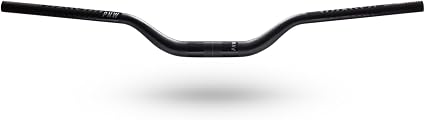
PNW Components Gen 4 Range Alloy MTB Handlebar offers durable, low-cost aluminum bars that mimic carbon’s smooth ride. Suited for riders who want solid control without breaking the bank, it stands out for combining toughness with trail-ready width and rise options.
Setting up these bars is straightforward, fitting most MTB stems thanks to the available 31.8 and 35mm diameters. The 800mm width provides plenty of room for stability, while the 25, 38, or 50mm rise lets you configure your bike’s fit to suit your riding style and comfort. The aluminum keeps things tough but still smooth enough for long trails.
Performance-wise, the alloy closely imitates carbon’s chatter absorption while being more impact-resistant. It handles rough trails with confidence and doesn’t flex under pressure.
The build quality earns praise for being reliably strong and lasting, backed by a lifetime warranty. Some note the aluminum feel is less cushioned compared to carbon, but it offers a good balance for its price.
Reviews highlight the smooth ride and durability similar to carbon bars while appreciating the value of its alloy construction. The most common issue noted is its aluminum feel, which some find less comfortable compared to carbon options, particularly over long rides.
Riders looking for a sturdy, affordable handlebar that still offers modern width and rise choices will appreciate this bar. Those prioritizing lightweight or maximum vibration damping might look at carbon bars instead.
Pros
- Aluminum alloy mimics carbon’s smoothness
- Multiple rise options for rider fit
- Wide 800mm trail handlebar width
- Compatible with most MTB stems
Cons
- Aluminum lacks cushioning of carbon bars
- May feel heavier than carbon alternatives
| Specification | Details |
|---|---|
| Material | 2014 aluminum alloy |
| Width | 800mm Trail Width |
| Stem Clamp Diameter | 31.8mm or 35mm |
| Rise Options | 25, 38 and 50mm |
| Warranty | Limited Lifetime Warranty |
7. Carbon Mountain Bike Handlebar 31.8mm

Riding with these Carbon Mountain Bike Handlebar 31.8mm feels smooth and stable, perfect for anyone who wants a lightweight yet sturdy upgrade. Its main advantage is the combination of strength and comfort, supporting an upright position that eases strain during longer rides or rough terrain.
Installation is straightforward with a 31.8mm clamp diameter that fits most stems. The flat bar design encourages an upright posture, which cuts down on back and neck stress while giving your hands a comfortable, secure grip. The 680mm width offers good control without feeling bulky, and the non-slip surface adds confidence when navigating rough trails daily.
Strong carbon fiber construction makes these handlebars stiff enough to handle aggressive riding while absorbing shocks better than aluminum counterparts. The anodized finish adds durability and a gloss black 3K look that resists scratches. Common compliments point out the noticeable weight savings and comfort, although a few mention the bars can feel less stiff under heavy impact.
The carbon fiber handlebar is praised for being light and comfortable, reducing rider fatigue with its ergonomic upright support. Some notice a slight flex under heavy impact, which can feel less stiff compared to metal bars.
Riders looking for lightweight comfort and reduced strain will appreciate these handlebars. Those focused on maximum stiffness for downhill racing might prefer a different style or material.
Pros
- Lightweight yet provides secure control
- Comfortable for riding in upright position
- Durable anodized black 3K glossy finish
- Excellent shock absorption properties
Cons
- May feel less stiff during very rough impacts
- Flat bars might not suit aggressive downhill riders
| Specification | Details |
|---|---|
| Brand Name | RXL SL |
| Material | High-strength carbon fiber |
| Width | 680mm |
| Clamp Diameter | 31.8mm |
| Finish | Black 3K Glossy |
| Manufacturer Warranty | 1 year |
8. Wake MTB Mountain Bike Handlebar 31.8mm

Wake MTB Mountain Bike Handlebar 31.8mm suits riders who want extra control and stability on rough trails. Its biggest strength lies in the wide 720 or 780 mm aluminum bar that offers solid stiffness without weighing down your bike.
Installation is straightforward, fitting most mountain and dirt bikes thanks to the standard 31.8 mm clamp size. The extra length helps maintain control on tricky terrain, while the ergonomic design keeps your hands comfortable and slip-free.
The hard anodized surface makes it easy to clean after muddy rides.
Built from high-strength aluminum alloy with CNC precision bending, it feels strong and durable on every trail. It holds up well under aggressive downhill and off-road use, delivering firm support.
Reviewers mention how stable it is, though some find the wider bars a bit bulky for tight singletracks.
Most praise highlights the stable feel and comfortable grip that makes controlling complex terrain easier. The common complaint centers on the width, which some riders consider too wide for tight or technical singletrack sections.
Riders who prefer wide bars and need extra control on rough or downhill trails will be happy with these handlebars. Those focused on narrow trails or who want more color choices might look for different models.
Pros
- Stable without compromise of stiffness
- Ergonomic and non-slip surface
- Lightweight due to double butted aluminum
- Easy to clean and durable finish
Cons
- Wider bars may feel bulky on narrow trails
- No color options, only natural aluminum
| Specification | Details |
|---|---|
| Size | 31.8 * 720 / 780 mm |
| Material | High strength Aluminum Alloy |
| Model Number | S3160-17649 |
| Manufacturer Part Number | S3160-17649 |
| Number of Items | 1 |
9. PNW Components Loam Carbon MTB Handlebar

Carbon construction with a patent-pending CBD Layup makes these bars both light and comfortable, perfect for riders who want solid handling without the usual harshness from chatter on rough trails. The 800mm width sets you up with plenty of control on descents, making it a great fit for aggressive trail riders and those hitting technical terrain.
Setting up the bars is simple since they fit most modern MTB stems with either 31.8 or 35mm clamp diameters. You can pick from three rise heights, 125mm, 38mm, or 50mm, to tailor your cockpit to your preferences. The wide carbon bars absorb trail buzz without compromising the horizontal stiffness needed when things get technical.
Everyday riding feels balanced with good feedback and comfort on rough ground.
Performance-wise, the bars handle demanding riding, including downhill and e-bike setups, thanks to their Category 5 strength rating confirmed by EFBE’s Tri-Test. Riders praise how well the bars soak up trail vibrations while staying responsive. A few find the rise options could be more varied, but most agree the strength and comfort make the bars a reliable partner for aggressive riding.
The bars are consistently praised for their ability to absorb trail vibrations without losing handling precision. Most common criticism relates to the limited range of rise options, which may not work for everyone’s preferred bike fit. Strength and build quality score high marks thanks to third-party certification.
Riders looking for wide, durable bars that soften trail chatter will appreciate these. Those needing more finely tuned rise adjustments or a budget option may want to explore other handlebars instead.
Pros
- Excellent chatter absorption for smooth rides
- Wide 800mm width for stable control
- Fits both 31.8 and 35mm stems
- Strong enough for downhill and e-bike use
Cons
- Rise options might not suit every rider’s preference
- Carbon material requires careful handling to avoid damage
| Specification | Details |
|---|---|
| Width | 800mm |
| Stem Clamp Compatibility | 31.8mm and 35mm |
| Rise Options | 125mm, 38mm, 50mm |
| Material | Carbon with CBD Layup |
| Strength Rating | MTB Gravity Category 5, suitable for e-bikes and DH |
| Warranty | Lifetime Warranty |
10. Comfort MTB Carbon Riser Handlebar 31.8mm

Lightweight and striking in appearance, the Comfort MTB Carbon Riser Handlebar suits riders looking for a durable, yet comfortable upgrade on their mountain bikes. Its biggest strength lies in the high-quality T800 carbon fiber construction, which balances strength with shock absorption, making tough trails easier on your hands.
Setting it up involves following the specified tightening torque of 4Nm, ensuring a secure fit. The ergonomic design includes an 8-degree backsweep and 3-degree upsweep on the riser version, which offers good leverage and control when steering.
Day-to-day, the handlebar’s slight elasticity helps reduce vibrations, making long rides feel smoother without extra effort.
The carbon fiber material sets it apart from typical aluminum bars by being not only lighter but also stronger and more visually appealing with its 3K glossy finish. It performs well under pressure, maintaining integrity even on rough terrain.
People often highlight its anti-shock properties, though some note the need to carefully adhere to the torque settings during installation for safety.
The handlebar is praised for its anti-shock features and visual appeal, combining strength with comfort on the trail. Some users caution that correct installation torque is crucial to avoid safety issues, making attention to detail important when putting it on the bike.
Riders who want a lightweight, comfortable option with a strong build will appreciate this handlebar. Those looking for a budget-friendly or ultra-simple setup might consider aluminum bars instead, as carbon requires more care during assembly.
Pros
- Lighter weight than aluminum alternatives
- Strong pressure resistance
- Anti-shock for reduced vibration
- Attractive 3K glossy carbon finish
Cons
- Requires precise 4Nm torque on installation
- Price may be higher than aluminum bars
| Specification | Details |
|---|---|
| Handlebar diameter | 31.8mm |
| Material | T800 Carbon Fiber |
| Riser height | 18mm |
| Riser backsweep | 8 degree |
| Length (riser) | 760mm |
11. Ritchey Comp Buzzard MTB Handlebar 820mm

Designed for riders who want more control and comfort on long mountain bike rides, the Ritchey Comp Buzzard offers an extra-wide handlebar with a flat rise to encourage a relaxed, upright position. Its wide stance helps keep you steady on rough trails, making it ideal for touring and bikepacking.
Mounting bags and accessories is straightforward thanks to the broad center section, which gives enough room for lights, bags, and gear. The 70mm rise and 27.5-degree backsweep work together to reduce wrist strain, so your hands won’t tire as quickly over long distances.
The 820mm width feels natural for navigating technical terrain without feeling cramped.
Built from double-butted 6061 alloy, the handlebar strikes a good balance between durability and weight. It handles rough conditions well, offering reliable control when the trail gets tricky. Its main strength lies in comfort and control, while some users might find the width too broad for very tight singletrack rides.
Most users praise the handlebar’s comfort during long rides and the secure control its width provides on rough terrain. A common note is that the bar’s extra width can feel cumbersome in very tight or technical sections.
Riders planning long-distance touring or bikepacking will find comfort and functionality in this bar’s setup. Those focused on aggressive trail riding in very narrow spaces might prefer handlebars with less width for better maneuverability.
Pros
- Extra-wide 820mm width for stable control
- Comfortable 27.5-degree backsweep reduces wrist pressure
- Wide center section fits bags and accessories easily
- Strong double-butted alloy construction
Cons
- Width may be too wide for tight trails
- No weight specification provided
| Specification | Details |
|---|---|
| Width | 820mm |
| Rise | 70mm Flat Rise |
| Backsweep angle | 27.5 Degrees |
| Material | Double-Butted 6061 Alloy |
| Manufacturer Warranty | 1-year limited manufacturer warranty |
| Item Count | 1 Handlebar |
12. Ritchey Comp Rizer MTB Handlebar 740mm

Finding comfortable and reliable handlebars can change your entire ride, especially when tackling mountain trails or daily commutes. Designed for those who want a balanced grip width and a natural hand position, this handlebar brings posture-friendly features without sacrificing control.
Setting up the handlebar is straightforward thanks to its standard 31.8mm clamp diameter, fitting most modern stems. The 740mm width offers a wide grip area that easily accommodates brake levers, shifters, dropper remotes, and lights without feeling cramped.
The 35mm rise option lifts the grips for a more upright stance, while the 9-degree backsweep and 2-degree upsweep put your hands in a comfortable, natural angle for better control and less fatigue on longer rides.
Built from double-butted 6061 alloy, the handlebar balances weight and strength with a 385g mass. It performs well in everyday trail conditions and urban commutes, providing confidence through its ergonomic design. The main praise centers around its comfort and the spacious grip area.
Some users have noted minor limitations in rise options for more specialized preferences, but the bar overall remains versatile.
The handlebar excels in comfort and ergonomics, offering a natural hand position and ample space for controls, praised widely. A common drawback involves the limited choice in rise options, which may not satisfy riders seeking very aggressive or flat handlebar setups.
Riders looking for reliability and comfort on varied trails or daily rides will find this handlebar fitting well. Those who prioritize very low weight or highly customized geometry might look elsewhere for a more specific fit.
Pros
- Wide 740mm grip area for versatile controls
- Comfortable 9-degree backsweep and 2-degree upsweep
- Standard 31.8mm clamp fits most stems
- Bar-end compatible for extra hand positions
Cons
- Limited rise options may not suit all riders
- Weight might be higher than ultra-light bars
| Specification | Details |
|---|---|
| Width | 740mm |
| Rise Options | 20mm or 35mm |
| Material | Double-Butted 6061 Alloy |
| Clamp Diameter | 31.8mm |
| Weight | 385g |
Best Mountain Bike Bars Comparison Table
| Product | Width | Material | Rise | Warranty |
|---|---|---|---|---|
| Wake MTB Handlebar | – | – | – | 1 year quality guarantee |
| BUCKLOS MTB Bar 720mm | 720mm | 6061 aluminum alloy | – | – |
| PLATT High-Rise Bar | – | – | High-Rise | 1 Year Warranty |
| FIFTY-FIFTY Riser Bar | 780mm | Aluminum Alloy | 35mm Rise | – |
| Funn Upturn Riser | – | – | – | – |
| PNW Gen 4 Alloy Bar | – | Alloy | 35mm clamp | – |
| Carbon MTB Bar 31.8 | 680mm | Carbon Fiber | – | – |
| Wake MTB Handlebar V2 | – | – | – | – |
| PNW Loam Carbon Bar | – | Carbon | – | – |
| Comfort MTB Carbon Bar | 680-760mm | Full Carbon Fiber | Riser | – |
| Ritchey Buzzard 820mm | 820mm | 6061 Alloy | 70mm Flat Rise | – |
| Ritchey Rizer 740mm | 740mm | 6061 Alloy | 20mm or 35mm Rise | – |
- Width–
- Material–
- Rise–
- Warranty1 year quality guarantee
- Width720mm
- Material6061 aluminum alloy
- Rise–
- Warranty–
- Width–
- Material–
- RiseHigh-Rise
- Warranty1 Year Warranty
- Width780mm
- MaterialAluminum Alloy
- Rise35mm Rise
- Warranty–
- Width–
- Material–
- Rise–
- Warranty–
- Width–
- MaterialAlloy
- Rise35mm clamp
- Warranty–
- Width680mm
- MaterialCarbon Fiber
- Rise–
- Warranty–
- Width–
- Material–
- Rise–
- Warranty–
- Width–
- MaterialCarbon
- Rise–
- Warranty–
- Width680-760mm
- MaterialFull Carbon Fiber
- RiseRiser
- Warranty–
- Width820mm
- Material6061 Alloy
- Rise70mm Flat Rise
- Warranty–
- Width740mm
- Material6061 Alloy
- Rise20mm or 35mm Rise
- Warranty–
How to Choose the Right Mountain Bike Bars
Choosing the right mountain bike bars depends mainly on width, material, and rise, as these affect comfort, control, and durability. Getting these factors right ensures better riding performance and reduces the need for frequent replacements or adjustments, saving both time and money.
Material and Durability
After switching from steel to aluminum bars, the difference in weight and durability became clear. Aluminum provides a solid balance, being strong enough to endure hits without adding extra pounds, although it may show scratches faster than steel.
Carbon bars are lighter but need careful handling to avoid cracks from impacts that wouldn’t damage metal bars. Steel, despite its weight, offers excellent resistance to bending and lasts a long time under rough weather conditions thanks to its rust-resistant coatings.
The material’s ability to handle rough terrain without bending or breaking is crucial. Look for heat-treated aluminum alloys or carbon bars with reinforced layups designed to resist impacts. Avoid inexpensive cast materials that compromise on toughness.
Consider corrosion resistance too, especially if you ride in wet environments; steel bars with good protective finishes or aluminum with anodized coating tend to last longer. This choice can save you from unexpected replacements and keep your ride safe.
Bar Width and Rise
Bar width directly influences control on technical trails. Narrow bars under 700mm can feel twitchy and limit leverage, while overly wide bars over 800mm may get caught on trees during tight maneuvers. Choosing a width around 720 to 760mm typically balances stability and practicality for most trail riders.
Rise or sweep affects wrist comfort; a slight upward rise or backsweep around 5 to 10 degrees reduces strain by positioning your wrists naturally.
Consider your bike’s frame size and posture, taller riders or those who prefer aggressive stances benefit from wider, lower-rise bars, whereas riders who seek comfort may prefer bars with more rise and sweep. Matching bar dimensions to your setup avoids unnecessary wrist fatigue or poor handling, making daily rides easier and less painful.
Weight and Stiffness
A very light bar can make climbing easier, but too much flex reduces steering accuracy and creates a mushy feel on rough trails. Conversely, extra stiff bars improve control but can transfer more trail vibration to your hands, increasing fatigue. The best bars strike a balance, often using aluminum alloys or carbon composites optimized for stiffness without excessive weight.
Stiffness affects turning precision, especially when quick direction changes are required. Bars that flex less offer better feedback and responsive handling but might sacrifice some shock absorption. Weight differences of 100-200 grams may seem small but become noticeable over long rides.
A bar’s ability to remain stiff yet light improves maneuverability and comfort during extended sessions.
Grip and Comfort Features
Bars that lack grip texture or cushioning quickly lead to sore hands and slipping when sweat builds up. Some bars feature molded patterns or rubber inserts to improve hold and dampen vibrations, reducing hand fatigue on longer rides.
Ergonomic shapes, like a slight palm swell or wing-like extensions, support natural hand positions and prevent numbness.
Compatibility with accessories matters too. Bars that accept bar ends or guards allow riders to customize hand positions or add protection on rough terrain. Choose bars designed to accommodate different grip styles, whether thick padded grips or thin racing ones; this flexibility helps maintain comfort based on personal preference and riding conditions.
Compatibility and Installation
Bar clamp diameter is fundamental for a secure fit. Mismatches force risky modifications or replacements.
Most mountain bikes use clamp diameters between 31.8mm and 35mm; selecting bars that match your stem prevents loose fittings. Some older or budget stems may require smaller diameters around 25.4mm.
Installation can range from simple clamp tightening to needing specialized tools for torque-sensitive carbon bars. Consider if your bars support attaching brake levers, shifters, or dropper post controls without interference.
Bars with additional space or specific montages ease final setup and reduce the hassle during upgrades or replacements.
Proper Installation Techniques for Mountain Bike Bars
Installing mountain bike bars correctly affects control and comfort on the trail. Start by loosening the stem bolts and positioning the bars so they align comfortably with your arms and shoulders. Most riders angle their bars slightly upward for a natural wrist position.
Use a torque wrench to tighten stem bolts to the manufacturer’s specified setting. Over-tightening can damage the carbon or aluminum, while under-tightening creates unsafe movement.
Check that the grips or lock-ons are firmly attached; slipping grips can cause accidents. Brake levers and shifters should be adjusted so you can reach them easily without moving your hand far, reducing fatigue during rides. After tightening, test bar rotation and make sure cables and hoses have enough slack to avoid tension or pinching.
Proper installation ensures better bike handling and prevents injuries caused by poor positioning or loose components.
Maintaining and Cleaning Your Mountain Bike Handlebars
Keeping mountain bike handlebars clean helps prevent damage and keeps controls responsive. Use a soft cloth with mild soap and water to wipe down bars after muddy or sweaty rides. Avoid harsh chemicals that degrade rubber grips or strip bar coatings.
For stubborn dirt, a soft brush works well on textured grips and lever pivots.
Regular maintenance steps:
- Inspect grips and bar tape for wear or looseness and replace if necessary.
- Lubricate pivot points on brake and shift levers to maintain smooth operation.
- Keep bolts tight but avoid over-tightening, especially on carbon components.
- Check for cracks or dents in the bars, which indicate the need for replacement.
Consistent care preserves the safety and comfort of your mountain bike handlebars over time.
Comparing Flat Bars and Riser Bars for Different Riding Styles
Flat and riser bars offer distinct advantages that suit different types of mountain biking. Flat bars are typically straight or have a slight sweep back toward the rider, promoting an aggressive riding posture.
This setup works well for cross-country riders focused on speed and efficient pedaling.
Riser bars curve upwards, raising hand position relative to the stem. This change provides more control on technical descents and rough terrain by improving leverage and stability. Riders who spend a lot of time on downhill sections or trails with obstacles benefit from riser bars’ ergonomic design.
Key differences to consider:
- Flat bars: lower profile, suitable for speed and narrow trails.
- Riser bars: higher hand position, better for comfort and maneuverability on rough terrain.
Deciding between them depends primarily on the terrain you ride and your preferred body posture on the bike.
People Also Asked
How Do I Choose the Right Size Mountain Bike Handlebars?
Select handlebars based on your shoulder width and riding style. Wider bars offer better control but can feel cumbersome in tight trails. Measure from one shoulder to the other or choose bars slightly wider for stability on rough terrain.
What Is the Safest Handlebar Width for Mountain Biking?
A handlebar width around your shoulder width is the safest choice. Too narrow limits control, while overly wide bars increase fatigue. Most riders find somewhere between 700mm and 780mm works well for balance and maneuverability.
How Do I Clean and Maintain Mountain Bike Handlebars Properly?
Clean handlebars by wiping them with a damp cloth after rides. Avoid harsh chemicals that can degrade grips or paint. Check bolts and grips regularly to ensure they stay tight and replace worn grips to maintain control.
Are Mountain Bike Handlebars Compatible with All Stems and Grips?
Compatibility depends on the stem clamp diameter and grip size. Most modern bars use 31.8mm clamps, so confirm your stem matches. Grips usually slide onto standard diameter bars but check for specific sizes or tapering.
What Are Common Problems with Mountain Bike Handlebars and Fixes?
Common issues include handlebar bending, worn grips, and loose bolts. Replace bent bars immediately to avoid failure. Replacing grips when slippery or torn improves control, and tightening bolts regularly prevents dangerous movement.
Conclusion
Choosing the right mountain bike bars comes down to fit, material, and width. The bars should feel comfortable and suit your riding style.
Material affects weight and durability. Width impacts control and maneuverability, so pick a size that matches your frame and preferences.
Consider your budget and how often you ride before deciding. A bar that fits well but is too expensive or rarely used may not be worth it.
Check the comparison table and detailed reviews above to find the option that works best for your setup and riding needs.