
Top 12 Best Pressure Washer for Screen Printing Reviewed!
Clogged nozzles and uneven spray patterns are common headaches for anyone who needs the best pressure washer for screen printing. Using a low-quality or mismatched washer usually results in wasted time and leftover emulsion on screens, which ruins prints and forces screens to be cleaned multiple times.
The frustration grows when the machine struggles with consistent pressure, leading to incomplete cleaning and frequent maintenance.
The most important factors for a good pressure washer in screen printing are pressure levels, water flow rate, and nozzle precision. Pressure between 1,200 and 2,000 PSI is usually enough to strip screens without damaging the mesh.
A flow rate of 1.5 to 2.5 gallons per minute ensures steady rinsing while avoiding overuse of water. The right nozzle, typically adjustable or between 25 to 40 degrees, provides control over the spray pattern, which helps prevent damage and ensures thorough cleaning. Durability and ease of cleaning also matter since frequent use demands a machine that handles harsh detergents and repeated rinsing well.
Need a Quick Check?
| Image | Product | Price |
|---|---|---|
Our Top Picks 1 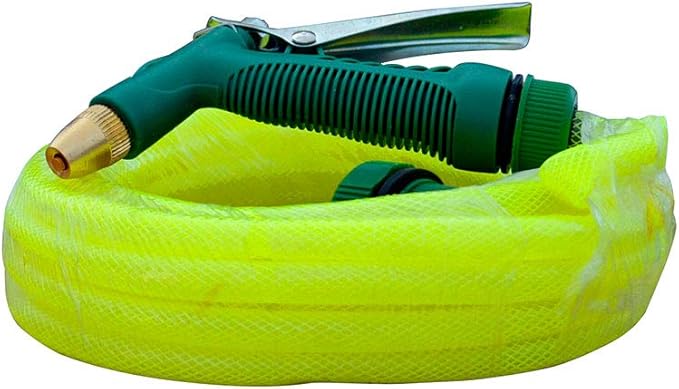 | Screen Printing Washout Booth | Check Price |
Our Top Picks 2  | Westinghouse WPX3000e Washer | Check Price |
Our Top Picks 3  | Kärcher K1700 Washer | Check Price |
Our Selected Top 12 Pressure Washer for Screen Printing for Different Needs
This list features carefully chosen pressure washers suited for various screen printing needs, highlighting their performance, ideal users, and main advantages and disadvantages. Each review provides clear insights to help find the best fit for specific cleaning tasks and preferences.
1. Screen Printing Washout Booth with Metal Hose Nozzle
Adjustable spray settings stand out for those serious about screen printing cleanup. Perfect for artists needing precise control over water pressure and flow, it lets users tailor the spray from a fine pinhole to wider coverage.
Its flexibility suits detailed rinsing tasks, making it ideal for clearing sensitive glue from screens without damage.
Setup is simple thanks to its lightweight design at just 1.48 pounds and compact size. Carrying it around the workspace is easy, and changing spray patterns requires only a gentle twist of the nozzle head. Water-saving and pressurizing features help manage usage efficiently, while operation remains straightforward without complex controls.
This product excels at removing delicate screen printing glue, enhancing how frames regenerate for reuse. The metal hose nozzle feels durable during use, though some mention the limited spray reach as a drawback.
It provides reliable cleaning effectiveness matched with a straightforward build that keeps maintenance low.
Strong spray adjustment allows precise removal of sensitive glue, vital for screen printing. The most frequent issue noted is limited spray range, which may require repositioning during use. Balancing pressure with softness is key to protecting screen frames over repeated cleaning sessions.
Ideal for screen printers needing versatile spray control and compact design. Those working on very large screens or requiring extended spray distance might prefer a more powerful or specialized pressure washer option.
Pros
- Adjustable spray from pinhole to broad flow
- Lightweight and easy to carry around
- Saves water through efficient pressurizing
- Simple operation without complicated settings
Cons
- Spray reach might be limited for larger screens
- Nozzle durability depends on careful handling
| Specification | Details |
|---|---|
| Package Dimensions | 9.33 x 6.61 x 5.12 inches |
| Item Weight | 1.48 pounds |
| Material | Metal hose nozzle |
| Adjustable Spray | Pinhole size to wider spray |
| Manufacturer | Sign-in-China |
2. Westinghouse WPX3000e Electric Pressure Washer
Powerful enough for detailed screen printing cleaning without overwhelming your space, the Westinghouse WPX3000e suits those needing strong pressure and versatility in an electric washer. Its ability to handle a variety of surfaces with steady pressure is its standout feature for both precision and general cleaning.
Setup is straightforward thanks to the lightweight metal spray gun and wand. The 25′ abrasion-resistant hose provides good reach around your work area. Swapping between the five nozzles, including options for soap and turbo spray, is quick with the easy connections.
The built-in .45 gallon soap tank helps when pre-treating inks and stencil residues.
Consistency in delivering up to 2600 PSI rated pressure makes it ideal for cutting through stubborn screen printing ink and grime. Its heavy-duty AC motor and maintenance-free piston pump give reliability in daily use.
Most praises note its solid build and effective cleaning power, while some find the water flow at rated PSI a bit low for larger jobs.
Strong points include the consistent pressure output and the variety of nozzles allowing targeted cleaning for screen printing materials. A common drawback is the lower water flow at rated PSI, which might slow cleaning on bigger surfaces or thicker layers of ink.
Those needing detailed, controlled pressure for screen printing cleanup will benefit from this washer. Users seeking higher water volume or cordless freedom should consider other models better suited for large-scale or mobile operations.
Pros
- Powerful 2600 rated PSI for thorough cleaning
- Includes 5 quick-connect nozzles for varied tasks
- Lightweight metal spray gun is easy to handle
- Sizable 0.45 gallon soap tank for detergent use
Cons
- Water flow reduced at rated PSI to 1.1 GPM
- Electric motor limits use to areas with outlet access
| Specification | Details |
|---|---|
| Maximum PSI | 3000 |
| Rated PSI | 2600 |
| Maximum GPM | 1.76 (at lowest pressure) |
| Rated GPM | 1.1 |
| Hose Length | 25′ abrasion resistant super-flex hose |
| Manufacturer Warranty | 3 Year Limited Warranty |
3. Kärcher K1700 Pressure Washer
Cleaning screens and equipment after a print run can be tough, especially when ink dries quickly and clogs. Suitable for small to medium screen printing tasks, this pressure washer stands out with its powerful 1700 PSI output, making tough cleanup manageable without overkill.
Setting up involves connecting the 20-foot hose and selecting one of the three nozzles depending on the cleaning task. The foot-operated on/off switch relieves hand strain during use, while the automatic trigger stop avoids unnecessary water use. The built-in 0.5-gallon detergent tank makes applying cleaning solution easy, simplifying the process significantly for frequent use.
Delivers solid cleaning performance for screen printing needs, cutting through ink and residue efficiently with the turbo and 15-degree nozzles. The unit feels sturdy enough for regular jobs but remains light enough to move around.
Reviews appreciate the easy operation and effectiveness, though some mention the water pressure could be a bit higher for very stubborn stains.
The strongest praise revolves around its user-friendly operation, especially the foot switch and automatic trigger stop, making longer cleaning sessions less tiring. Common complaints focus on the pressure level not always being enough for extremely tough residue.
Those handling regular screen printing cleanup will find this model practical and efficient. Users requiring extremely high-powered washing for heavy industrial use might consider more powerful options instead.
Pros
- Three nozzles provide versatile cleaning options
- On/off foot switch reduces hand fatigue
- 0.5-gallon detergent tank simplifies soap application
- Automatically stops when trigger is released
Cons
- Water pressure might be low for very stubborn stains
- Limited flow rate at 1.2 GPM for heavy-duty jobs
| Specification | Details |
|---|---|
| Brand Name | KÄRCHER |
| Model Number | 1.106-109.0 |
| Pressure (PSI) | 1700 PSI |
| Flow Rate | 1.2 GPM |
| Included Nozzles | Turbo, 15-Degree, Detergent |
| Hose Length | 20′ |
4. Simpson Pressure Washer Pump Inlet Screen Filter

Protecting your pressure washer pump from dirt and debris is key when working with fine screen printing details. Perfect for Simpson models like DXPW3025 and DXPW4035, the inlet screen filter keeps water flow steady and components safe, ensuring better cleaning performance without interruptions.
Setup involves connecting the filter securely to 5/8 washing machine or 3/4 garden hose fittings, which it fits without leaks. Day-to-day use feels reliable because the filter blocks particles efficiently, so you don’t have to worry about damaging the pressure washer’s pump.
It’s a small addition that supports consistent cleaning power, especially important when working with sensitive screen printing equipment.
Performance-wise, it does an excellent job preventing dirt from reaching the pump, keeping the flow steady during cleaning. Built by Malhehey specifically for select Simpson models, it fits snugly and works without failing under regular use.
The strongest praise highlights its effectiveness in protecting the pump, while some note that the very small size might make handling tricky at times.
The filter effectively blocks particles and protects the pump, which many praise for maintaining cleaning power. On the downside, its tiny size sometimes makes it tricky to install without fumbling.
Anyone using Simpson pressure washers it fits will appreciate the added pump protection here. Those with different models or who prefer a larger, more general filter should explore other options designed for broader compatibility or easier handling.
Pros
- Prevents dirt from entering pressure washer pump
- Fits securely with common hose connections
- Supports steady, leak-free water flow
- Lightweight and easy to attach
Cons
- Very small size can be hard to handle
- Only compatible with certain Simpson models
| Specification | Details |
|---|---|
| Product Dimensions | 0.1 x 0.1 x 0.1 inches |
| Item Weight | 1.76 ounces |
| Manufacturer | Malhehey |
| Item Model Number | 7000123 |
| Compatible Models | DXPW3025, DXPW4035, DXPW3425, DXPW4240-CA, DPW3835-CA |
5. Hose Washers with Screen Filter for Pressure Washer Inlet

Screen printers looking for a simple, practical way to protect their pressure washer’s inlet tube will appreciate these hose washers with built-in screen filters. Their biggest strength lies in catching debris before water enters the machine, helping avoid clogs and potential damage during cleaning tasks.
Setup is straightforward with most common water hose connections thanks to the 1-inch outer diameter fit. The screen filter needs to face the water source to catch particles effectively. The rubber washer creates a solid seal while the molded-in cone-shaped screen blocks debris without reducing flow.
Self-locking tabs ensure the washer stays firmly in place during frequent use.
Durability comes from rubber combined with a molded-in cone screen, holding up well under control of water flow. The washers reliably filter smaller particles, enhancing pressure washer lifespan. However, some users mention occasional difficulty aligning the self-locking tabs properly at first.
The 4.54-gram weight and compact size offer an easy handle without bulk.
These washers effectively prevent debris from entering the pressure washer, reducing cleanup issues downstream. The main complaint is that setting them up can require some patience to line up tabs correctly. Once in place, they stay put well without leaks or loss of pressure.
People using standard 1-inch hoses and wanting to protect their pressure washer during screen printing cleanups will find these perfect. Those needing filters for other sizes or quick change options might consider different products better suited to wider compatibility or easier installation.
Pros
- Fits most common water hose connections
- Rubber washer seals tightly
- Built-in cone-shaped screen filter
- Self-locking tabs hold washer firmly inside fittings
Cons
- Can be tricky to align tabs initially
- Limited to 1-inch hose sizes
| Specification | Details |
|---|---|
| Outside Diameter | 1 inches |
| Fastener Size | 1 inches |
| Item Weight | 4.54 g |
| Number of Pieces | 2 |
| Compatible Groove Diameter | 0.69 inches |
6. Westinghouse ePX3100s Electric Pressure Washer

Compact and lightweight with a surprising amount of pressure, the Westinghouse ePX3100s suits anyone who needs power without bulk. It stands out for delivering up to 2100 max PSI while weighing just 10 pounds, making it ideal for quick and effective screen printing cleanup tasks in small spaces.
Setup is straightforward thanks to the built-in holders that keep everything organized and ready to go. The electric design means no fuss with gas or heavy machinery, and it’s easy to carry around to wherever your workspace is.
The adjustable foam cannon is especially practical for getting through stubborn ink and grime with thick, clinging foam instead of just water spray.
Its main job of washing screens and equipment is well handled by its 1800 rated PSI and 1.2 GPM flow. The small size doesn’t mean it’s fragile though; it feels solidly built for regular use. Most users praise the compact portability, while a common downside noted is the pressure might fall short for really heavy-duty cleaning jobs beyond typical screen printing needs.
Many appreciate how easy it is to carry and set up due to the compact design and organized storage. Common feedback points to the pressure being just enough for everyday screen printing cleanups but not strong enough for tougher grime or larger jobs.
This model fits well for those focused on quick, small to medium screen printing maintenance who want portability without a heavy machine. Larger workshops or users needing extra power should consider higher PSI options.
Pros
- Lightweight and compact at only 10 pounds
- Delivers solid pressure for most screen cleaning tasks
- Built-in holders keep accessories organized
- Adjustable foam cannon for thick detergent application
Cons
- Pressure may be insufficient for very heavy-duty cleaning
- Limited water flow may slow large-scale tasks
| Specification | Details |
|---|---|
| Brand Name | Westinghouse |
| Model Number | ePX3100s |
| Max PSI | 2100 |
| Rated PSI | 1800 |
| Max GPM | 1.76 |
| Unit Weight | 10 pounds |
7. Portable Cordless Pressure Washer with 2 Batteries

DRONAR SC15 Portable Cordless Pressure Washer excels in delivering strong cleaning power for screen printing setups and small specialty tasks. Ideal for those needing portable, cordless convenience combined with adjustable pressure to tackle delicate screens and tougher grime alike.
Setting up the unit is straightforward, and it runs on two rechargeable batteries, so you’re not tethered to a power outlet. The smart LCD display controls three pressure modes, allowing quick shifts between gentle rinsing and intense cleaning. Its brushless motor keeps things cool and quiet, making everyday use less disruptive and reducing the need for maintenance.
Performance-wise, it delivers up to 1600 PSI and 3.5 GPM, enough to remove stubborn stains without damaging sensitive materials. The build feels solid and compact, making it easy to handle during longer cleaning sessions. Most users praise its quiet operation and battery life, while common feedback points out the limited runtime between charges.
Quiet operation and strong cleaning power stand out as key benefits, helping protect delicate screen printing equipment while effectively removing residue. The noticeable downside lies in the battery life, which may require frequent swapping or recharging during prolonged use.
Those needing cordless flexibility and adjustable pressure settings will find it well-suited for screen printing cleaning tasks. Anyone requiring continuous, extended use or multiple machines might want to consider alternatives with longer battery life or wired options.
Pros
- Portable and cordless for easy maneuverability
- Smart LCD with three pressure modes
- Brushless motor for quieter operation
- Maintenance-free design
Cons
- Battery runtime may be insufficient for long jobs
- Single unit count limits simultaneous tasks
| Specification | Details |
|---|---|
| Brand Name | DRONAR |
| Model Number | SC15 |
| Water Pressure | Up to 1600 PSI |
| Water Flow | 3.5 GPM |
| Motor Type | Brushless |
8. CHICWIND Electric Pressure Washer 2070 PSI

Pressure washing screen printing screens requires consistency and enough power to clean without damaging delicate frames. Delivering 2070 PSI with a decent 1.67 GPM flow rate, this electric pressure washer suits anyone needing a lightweight, portable machine that combines power with easy handling.
Its biggest plus is the integrated hose reel and foam cannon that keep things straightforward and efficient.
Setup is straightforward: plug it into a regular 120V outlet with the GFCI safety plug, which adds an extra layer of security at work. The included 26ft hose reel keeps the hose tidy and tangle-free, cutting down on prep time. The built-in 1L foam cannon means no extra soap attachments are necessary, so you just fill it up and spray.
The 24-pound weight makes it easy to carry around and store after use.
With an 1800W motor delivering up to 2070 PSI pressure, it handles grime on screen frames well without being overkill. The Total Stop System automatically shuts off the pump to prevent wear when the trigger isn’t engaged, which helps extend its lifespan.
The machine feels solid despite the plastic housing, though some mention that the hose reel could be sturdier. It balances performance with portability nicely.
The biggest praise revolves around how the built-in hose reel and foam cannon simplify cleaning tasks and reduce setup time. The common complaint focuses on the hose reel’s durability, with some users finding it less sturdy than expected during extended use.
Those needing a reliable, moderately powerful washer with easy mobility will appreciate this machine for screen printing cleanup. Users requiring higher pressure or professional-grade durability might look for a heavier-duty model better suited for rougher environments.
Pros
- Integrated hose reel keeps hose organized
- Built-in 1L foam cannon for convenient soap use
- Auto shutoff pump extends motor life
- Lightweight and easy to carry
Cons
- Hose reel construction could be more durable
- Pressure might be low for very heavy dirt
| Specification | Details |
|---|---|
| Maximum Pressure | 2070 PSI |
| Flow Rate | 1.67 GPM |
| Motor Power | 1800W |
| Power Supply | 120V/60Hz with GFCI plug |
| Weight | 24 lb |
| Hose Length | 26 ft (with hose reel) |
9. High Pressure Power Washer with Quick Connect Nozzles

Powerful and efficient, this pressure washer fits well for anyone needing a strong clean on screens and other intricate items. Its biggest strength lies in the high-pressure output that saves time without wasting water.
Setup involves attaching one of the four quick-connect spray nozzles or the foam cannon, making it easy to adjust water pressure from gentle washes to strong blasts. Rolling the washer around is smooth thanks to the two wheels, while the anti-tip design keeps it stable when stationary.
These features make frequent use straightforward and practical.
Cleaning performance impresses with up to 2.5 GPM of water flow that handles tough grime on complex surfaces. The build quality includes thoughtful stability in the base and easy nozzle changes. One common complaint is the weight, which can be heavy for some.
The strongest praise highlights how efficient it is at cutting pressure washing time.
High pressure and efficient water use allow cleaning jobs to finish quickly, which most appreciate. The weight and size can make moving it less convenient for some tasks.
Those needing a strong clean on detailed shapes will find it effective and manageable. People wanting a lightweight, compact machine might prefer alternatives with less bulk.
Pros
- Strong water flow at 2.5 GPM
- Multiple spray angles for various cleaning needs
- Foam cannon included for extra cleaning power
- Easy to move with built-in rollers
Cons
- Relatively heavy to transport
- Some users find setup slightly bulky
| Specification | Details |
|---|---|
| Brand Name | LWQ |
| Model Number | S5 |
| Water Flow | 2.5 GPM |
| Spray Nozzles | 4 quick-connect (0°, 15°, 25°, 40°) |
| Additional Component | 1 foam cannon |
| Item Length | 35 inches |
10. Ecotex Screen Printing Emulsion Remover

Made from a biodegradable and eco-friendly formula, Ecotex Screen Printing Emulsion Remover is perfect for anyone handling screens regularly. Its biggest strength lies in its safety and ability to clean all mesh types without harsh chemicals, making it ideal for home use or busy shops aiming to reduce chemical exposure.
Designed for immediate use, setup only requires applying it directly to the screen or equipment that needs cleaning. For routine maintenance, it can be diluted with water up to a 4:1 ratio. The fresh scent means it won’t leave behind strong odors after spraying or soaking, and it works fine in sinks, minimizing the mess around your workspace.
The remover effectively tackles tough emulsion and residue, fitting all mesh types without causing damage. It handles heavy-duty cleaning jobs while being gentle enough for daily use when diluted.
Common praise highlights its eco-friendly nature and ease of use. Some users note that bigger or very stubborn stains may require repeat applications for full removal.
The product’s standout feature is its gentle yet effective cleaning power on all mesh types, praised for not damaging screens and being eco-conscious. The most frequent downside is the need for reapplying on extremely stubborn emulsion spots, which some might find time-consuming.
Perfect for screen printers who want a safe, environmentally friendly cleaner with minimal setup. Not the best choice for those needing a pressure washer or mechanical solution for heavy-duty screen cleaning jobs due to the liquid-only format.
Pros
- Safe for all mesh types
- Biodegradable and eco-friendly formula
- Ready to use without mixing
- Fresh scent prevents odor buildup
Cons
- Might require multiple applications for heavy residue
- No power-specific features as a liquid remover
| Specification | Details |
|---|---|
| Item Form | Liquid |
| Scent | Fresh |
| Specific Uses For Product | Sink |
| Dilution Ratio | Up to 4:1 with water |
| Safety | Biodegradable and Eco Friendly |
11. Westinghouse ePX3500 Electric Pressure Washer

Compact size and light weight make it ideal for small spaces while delivering strong cleaning power, especially suited for screen printing setups that need precision. Its biggest strength lies in combining portability with enough psi to get ink off screens effectively without overwhelming delicate materials.
Setting up involves uncoiling the 25-foot nylon braided hose, which is manageable and doesn’t tangle easily. The pro-style wand is extendable and feels sturdy, allowing easy switching between five nozzle options. The onboard soap tank is handy for applying detergents, useful for breaking down ink residues.
The four quick-lock wheels help move it around smoothly, so cleaning multiple screens or other surfaces doesn’t become a chore.
It reliably delivers a rated 2000 PSI of water pressure, which is powerful enough for screen printing cleaning without risking damage. The build quality feels solid with steel components on the wand and a well-balanced design that resists tipping thanks to its low center of gravity. The strongest praise highlights its compactness and power mix, while some users note the lightweight frame can feel a bit less durable under rough handling.
The compact design combined with solid water pressure allows for efficient screen cleaning without bulk. Some users find the lightweight build less rugged, which affects perception of long-term durability.
People needing a portable and effective option for light to medium cleaning tasks will appreciate this model. For heavy-duty industrial environments demanding higher pressure or tougher construction, alternatives might be better suited.
Pros
- Compact and lightweight for easy portability
- Multiple quick-connect nozzles for varied pressure needs
- Includes onboard soap tank for chemical cleaning
- Anti-tipping design with low center of gravity
Cons
- Lighter frame may feel less durable under heavy use
- Power might be limited for very heavy-duty industrial cleaning
| Specification | Details |
|---|---|
| Max PSI | 2500 |
| Rated PSI | 2000 |
| Max GPM | 1.76 (lowest pressure) |
| Rated GPM | 1.2 |
| Hose Length | 25’ nylon braided |
| Weight | 19 pounds |
12. 5000Max Pressure Power Washer with Touch Screen

Strong cleaning power combined with a smart touch screen control suits those needing efficient grime removal for screen printing equipment. The 1800W motor and adjustable power modes deliver solid performance, making it ideal for tackling tough ink and residue on screens without wasting water.
Setup is straightforward with quick-connect nozzles and a foam cannon for adding soap easily. The 25ft high-power hose and 36ft power cord provide good reach for most workspace layouts.
Changing between soft, medium, and strong pressure is simple using the touch screen, so adjusting for different cleaning tasks doesn’t slow you down.
Strong water flow cleans stubborn stains quickly, removing dried ink and residue effectively. Build quality feels solid, but some mention the hose is a bit stiff out of the box.
The touch screen works well for mode switching, but a few note occasional glitches in responsiveness. The washer balances power and convenience nicely, though the hose handling could improve.
The strong water flow and smart power adjustment are praised for tackling tough stains and sticky inks quickly. Most critical feedback focuses on the hose stiffness making maneuvering harder and the touch screen sometimes lagging under heavy use.
People needing dependable cleaning power with flexible pressure settings will find this washer well suited. Those wanting very lightweight equipment or perfectly fluid hose movement might consider another option better matched to those priorities.
Pros
- Adjustable pressure with easy touch screen
- Long 25ft hose and 36ft power cord
- Includes 4 spray tips and foam cannon
- Powerful 1800W motor for quick cleaning
Cons
- Hose feels stiff and less flexible
- Touch screen can be unresponsive occasionally
| Specification | Details |
|---|---|
| Motor Power | 1800W |
| Power Cord Length | 36ft with GFCI |
| High-Power Hose Length | 25ft |
| Nozzles Included | 4 quick-connect spray tips (0°, 15°, 25°, 40°) |
| Foam Cannon | Included |
| Brand Name | FOTING |
Best Pressure Washers for Screen Printing Compared
| Product | Warranty | Weight | Power Type | Included Components |
|---|---|---|---|---|
| Screen Printing Washout Booth | – | 1.48 pounds | – | – |
| Westinghouse WPX3000e Washer | 3 Year Limited Warranty | – | Electric | Tools |
| Kärcher K1700 Washer | 2 Year Limited Warranty | – | – | Multiple Nozzles, Hose |
| Simpson Pump Inlet Filter | – | 1.76 ounces | – | – |
| Pressure Washer Hose Screen | – | 4.54 g | – | – |
| Westinghouse ePX3100s Washer | 2 Year Limited Warranty | – | Electric | – |
| Portable Cordless Washer | – | – | – | – |
| CHICWIND 2070 PSI Washer | – | – | – | – |
| High Pressure Power Washer | 1 Year Warranty | – | – | 1 Component |
| Ecotex Emulsion Remover | – | – | – | – |
| Westinghouse ePX3500 Washer | 3 Year Limited Warranty | – | Electric | Nozzle Tips, Hose |
| 5000Max Touch Screen Washer | – | – | – | – |
- Warranty–
- Weight1.48 pounds
- Power Type–
- Included Components–
- Warranty3 Year Limited Warranty
- Weight–
- Power TypeElectric
- Included ComponentsTools
- Warranty2 Year Limited Warranty
- Weight–
- Power Type–
- Included ComponentsMultiple Nozzles, Hose
- Warranty–
- Weight1.76 ounces
- Power Type–
- Included Components–
- Warranty–
- Weight4.54 g
- Power Type–
- Included Components–
- Warranty2 Year Limited Warranty
- Weight–
- Power TypeElectric
- Included Components–
- Warranty–
- Weight–
- Power Type–
- Included Components–
- Warranty–
- Weight–
- Power Type–
- Included Components–
- Warranty1 Year Warranty
- Weight–
- Power Type–
- Included Components1 Component
- Warranty–
- Weight–
- Power Type–
- Included Components–
- Warranty3 Year Limited Warranty
- Weight–
- Power TypeElectric
- Included ComponentsNozzle Tips, Hose
- Warranty–
- Weight–
- Power Type–
- Included Components–
How to Choose the Right Pressure Washer
Choosing the right pressure washer for screen printing depends on factors like pressure level, nozzle type, and water flow rate to ensure thorough cleaning without damaging delicate screens. Getting these right prevents wasted materials and costly repairs, making the process more efficient and reliable.
Water Pressure and Flow Rate
Working with screens that still hold stubborn ink stains after cleaning is frustrating and slows down production. The key to effective cleaning lies in having sufficient psi (pounds per square inch) and gpm (gallons per minute) to blast off ink without harming the delicate mesh. Around 1300 to 2000 psi paired with 1.3 to 2.0 gpm usually strikes a good balance, the pressure is enough to remove residues, while the flow rate ensures the cleaning is thorough and consistent.
Adjustable pressure settings make a big difference for routine use. Lower settings help protect more fragile screens, while higher ones handle tougher, dried-on ink.
A steady flow rate prevents uneven cleaning that leaves streaks or patches of leftover ink, so look for models with controls that maintain constant pressure throughout the cleaning cycle.
Nozzle Variety and Adjustability
Dealing with screens of varying sizes and ink thickness requires more than a single spray pattern. Having access to multiple nozzle types, such as 0°, 15°, 25°, and 40°, lets you select between pinpoint intensity and broad coverage.
This variety is helpful when targeting specific mesh areas without drenching surrounding parts.
Quick and easy nozzle swaps keep the cleaning process moving without delays. Some machines offer twist-and-click nozzles or simple fittings that don’t need tools, making transitions smooth. Precision control is essential on finer screen mesh to prevent oversaturation that could stretch or damage the screen fabric.
Portability and Size
During lengthy cleaning sessions, lugging around a bulky pressure washer becomes tiring and slows work down. A compact and lightweight design improves maneuverability around screens and printing stands, reducing fatigue for operators.
Machines weighing under 20 pounds tend to strike a good balance between power and portability.
Storage features such as hose reels or onboard compartments keep hoses and nozzles organized and out of the way. This reduces the risk of tripping and clutter while ensuring all accessories stay accessible and ready to use.
Durability and Build Quality
Screen printing involves frequent exposure to water and various cleaning agents, so machines made from corrosion-resistant materials like stainless steel or coated aluminum last longer. A sturdy frame and high-quality plastic housing stand up better to the wear and tear of daily use.
Internal components benefit from sealed design elements that block water intrusion, preventing damage to sensitive parts. A durable build reduces the chances of breakdowns or leaks disrupting cleaning schedules, making reliability a priority when choosing a unit.
Ease of Use and Maintenance
Setup that takes only a few minutes means you spend more time cleaning and less time fiddling with connections or settings. Models with straightforward assembly and user-friendly controls simplify operation for users of all experience levels.
Removable filters and easy-to-clean parts prevent buildup that causes malfunctions and maintain performance over time. Safety features such as automatic shutoff when idle or pressure relief valves also help avoid accidents, making regular use safer and less stressful.
Proper Maintenance Techniques to Extend the Life of Your Pressure Washer
Cleaning the pressure washer after every use is crucial for keeping it in good working condition. Residual ink and detergent can clog the nozzles or damage internal parts, so flush the system with clean water as a standard step.
Store the machine in a dry, sheltered spot to avoid corrosion, especially if you use it frequently or in humid environments.
Check the hose and connections regularly for cracks or leaks. Even small damages can affect performance and cause water loss. Using manufacturer-recommended detergents helps prevent damage to seals and pumps.
Basic maintenance checklist:
- Flush water and cleaning solution through the system after use
- Inspect and clean nozzles to avoid blockages
- Drain the pump to prevent freezing if storing in cold weather
- Regularly check hoses, fittings, and electrical components for wear or damage
Following these practices reduces the chance of breakdowns and keeps your pressure washer working effectively for screen printing projects.
Common Mistakes to Avoid When Cleaning Screens with a Pressure Washer
Applying too much pressure on screen mesh can cause tears or distort the frame, so choosing the right pressure setting matters. Start with a lower PSI and increase only if necessary to avoid damaging delicate screens. Avoid holding the nozzle too close to the surface; a distance of at least 6 to 12 inches is usually enough to clean without harm.
Using a fan spray nozzle rather than a pinpoint one prevents high-pressure damage in one concentrated spot. Also, never use harsh chemicals not intended for screen mesh, as these can degrade material integrity and reduce the screen’s lifespan.
Key mistakes to avoid:
- Using excessively high pressure settings
- Holding spray nozzle too close to the screen
- Choosing the wrong nozzle type for the cleaning task
- Applying unsuitable or harsh cleaning agents
Being mindful of these points helps keep screens functional and extends their usability for future printing.
Comparing Electric vs. Gas Pressure Washers for Screen Printing Applications
Electric pressure washers tend to be lighter and quieter, which suits indoor or small-scale screen printing areas. They require access to a power outlet but provide consistent pressure without the maintenance demands of gas models.
The lower PSI options usually are better for avoiding damage to delicate screens.
Gas pressure washers offer more power and mobility, making them suitable for larger volume operations or outdoor settings where power outlets aren’t available. They generally provide higher PSI ranges but require regular engine maintenance including fuel and oil checks.
Choosing between electric and gas involves considering:
- The size and location of your workspace
- Frequency and intensity of cleaning needed
- Portability needs
- Willingness to perform engine maintenance
Each type has practical advantages and drawbacks depending on screen printing scale and cleaning frequency.
People Also Asked
How Do I Properly Clean Screens with a Pressure Washer?
Keep the pressure washer nozzle about 12 inches from the screen and use a fan spray to avoid damaging the mesh. Start from one side and move evenly across the screen to remove ink residue without tearing. Using warm water helps break down ink faster for a cleaner rinse.
What Pressure Washer Size Is Ideal for Screen Printing Cleanup?
A pressure washer with 1,200 to 1,800 PSI is suitable for screen printing cleanup, providing enough power without risking screen damage. Electric models in this range are compact and easier to control around delicate materials. Too much pressure can weaken the mesh edges over time.
Is It Safe to Use a Pressure Washer on Delicate Screens?
Low-pressure settings and wider nozzles are safer options for delicate screens to avoid tearing the mesh. Avoid holding the spray on one spot too long as it can stretch or warp the screen. Testing on an old screen first helps gauge the right distance and pressure level.
How Long Does a Pressure Washer Last with Regular Screen Printing Use?
A well-maintained pressure washer typically lasts several years even with regular screen printing use. Routine cleaning of filters and proper storage in a dry place prevent rust and clogging. Occasional inspection of seals and hoses will extend its lifespan.
What Common Problems Occur When Using Pressure Washers for Screen Printing?
Common problems include damage to screen mesh from too much pressure and uneven cleaning due to moving the wand too fast. Water pooling can cause spots that need later scrubbing. Regularly checking the nozzle for clogs avoids inconsistent spray patterns.
Conclusion
Choosing the right pressure washer for screen printing depends mainly on water pressure, portability, and ease of use. You want enough pressure to clean ink and residue without damaging the screens. A model that’s easy to move around and operate can save time and effort, especially if you work in tight spaces or need to clean multiple screens regularly.
Consider how much space you have for storage and how often you’ll use the washer before deciding on your budget. Spending a bit more on durability can pay off if you use it frequently.
Check the comparison table and reviews above to find the one that fits your needs and workspace best.