What Is A Harley Fxr – A Closer Look
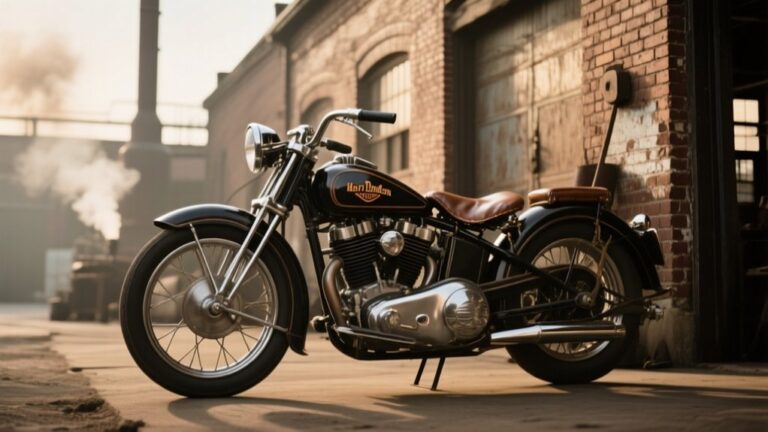
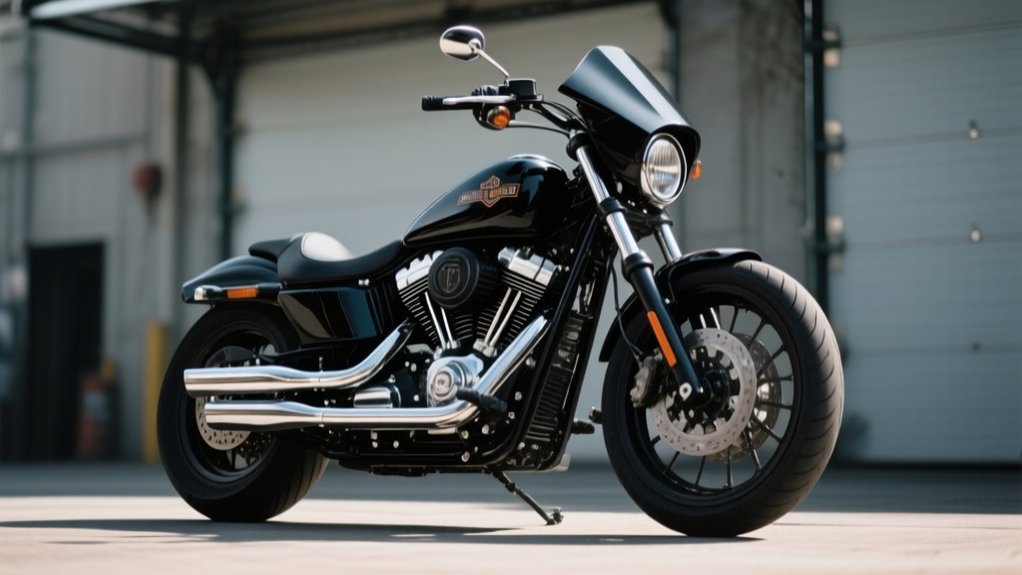
A Harley FXR stands out with its unique triangulated steel frame and rubber-mounted engine, giving you superior handling and reduced vibration. It blends classic Harley style with advanced engineering, like adjustable suspension and Evolution engines for lasting reliability. Variants range from sport-tourers to police models, each tailored for specific needs.
Identifying and maintaining one requires attention to original parts and careful restoration. If you’re curious about its legacy and collectible appeal, there’s plenty more to explore.
What Makes the Harley FXR So Special?
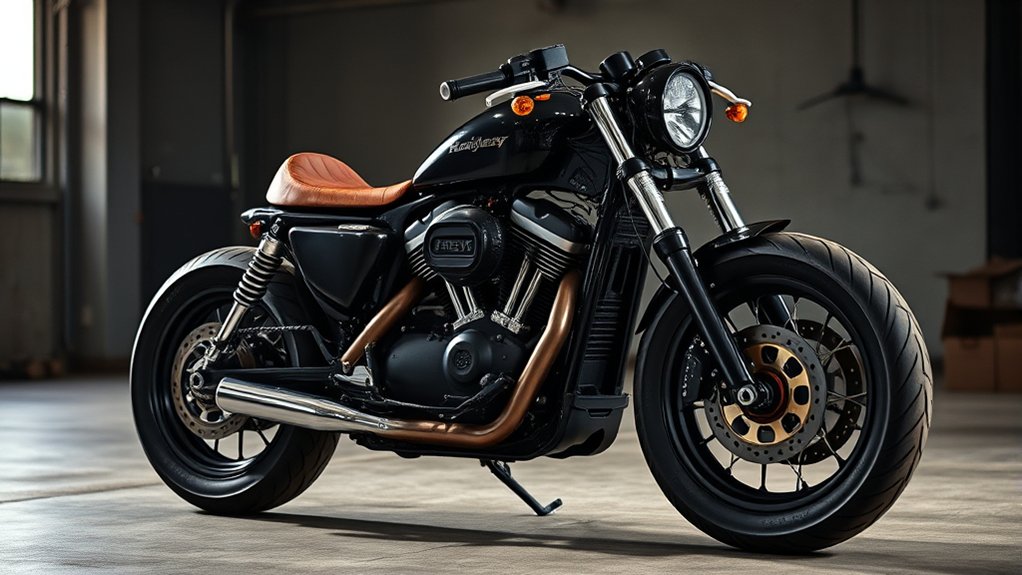
What sets the Harley FXR apart from other motorcycles? Its innovative triangulated steel frame and rubber-mounted engine work together to deliver superior handling and vibration isolation.
You’ll notice how the FXR’s design blends sporty performance with Harley Davidson’s iconic style, creating a versatile, modern bike that defies traditional aesthetics.
The frame and chassis architecture markedly improve cornering, stability, and ride comfort compared to earlier models.
If you’re a custom builder, the FXR’s distinctive frame offers extensive modification potential, making it a favorite in the customization community.
Overall, the FXR stands out as one of Harley Davidson’s most engineering-forward motorcycles, combining performance, durability, and unique styling in one cohesive package that truly elevates the riding experience.
It’s a bike that really speaks to both the rider and the builder.
Key Harley FXR Variants and Their Distinct Features
You’ll notice the FXRT really stands out with its frame-mounted fairing and hard saddlebags. It’s built specifically for sport-touring, making those long rides way more comfortable.
On the other hand, the FXRP was designed with police work in mind. It features Nova fairings and practical tweaks that suit law enforcement perfectly.
Knowing these differences gives you a better appreciation of how Harley customized the FXR platform for different roles.
FXRT Sport-Touring Design
Although Harley-Davidson had developed various FXR models, the FXRT Sport Glide stands out as a pioneering sport-touring motorcycle that combined performance and comfort in a way few others did. The FXRT Sport Glide introduced a frame-mounted fiberglass fairing with an adjustable windshield and integrated speakers, enhancing aerodynamics and touring comfort.
Its hard saddlebags expanded storage for long rides without compromising style. Powered by the 1340cc Evolution engine, it balanced spirited performance with reliability. The FXRT’s triangulated steel frame and rubber-mounted engine reduced vibration, while adjustable air suspension optimized ride quality on varied roads.
With a 3.8-gallon fuel tank, this sport-touring bike excelled in extended highway cruising. The FXRT Sport Glide remains a distinct blend of handling precision and touring amenities within Harley’s FXR lineup. It really set a standard for what a sport-tourer could be.
FXRP Police Model
When law enforcement agencies needed a reliable and performance-oriented motorcycle, Harley-Davidson answered with the FXRP Police model. This was a specialized variant of the FXR platform designed explicitly for police use. It was a limited-production police motorcycle with enhancements tailored to law enforcement demands.
Key features include a distinctive Nova fairing and hard saddlebags optimized for patrol and long-distance riding. The floorboards improve rider comfort during extended shifts. There’s also a police-specific wiring harness to support essential equipment.
Plus, upgrades on the FXR platform focused on durability and performance under rigorous conditions. The FXRP Police remains rare and is prized by collectors. It really shows Harley-Davidson’s commitment to crafting motorcycles that meet specialized law enforcement requirements.
How the Harley FXR’s Frame and Suspension Improve Handling
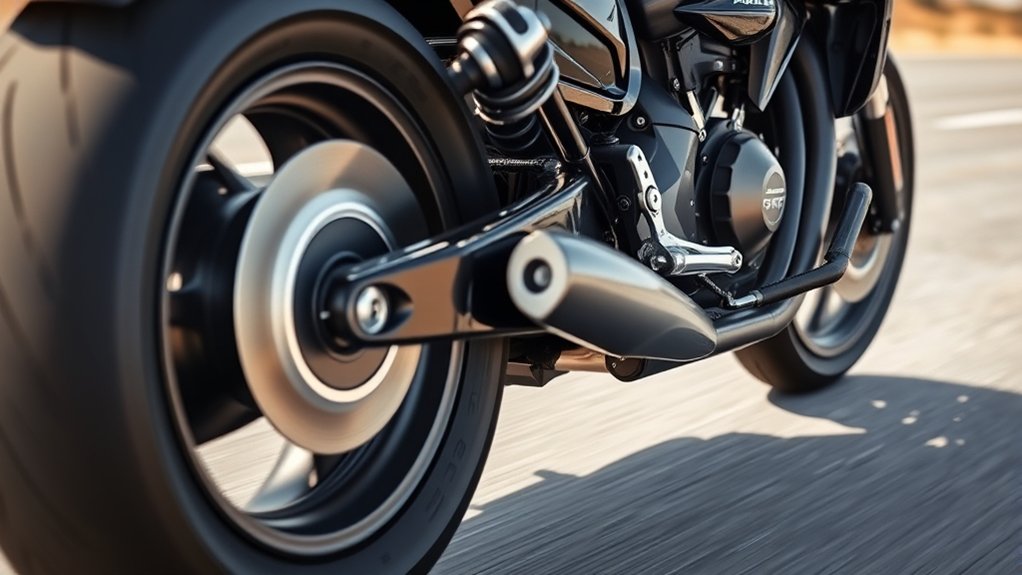
How does the Harley FXR achieve such precise handling on the road? It starts with a triangulated steel frame paired with a rubber-mounted engine, which cuts down vibrations and boosts handling stability.
The frame’s stabilizing links connect to the swingarm, enhancing chassis rigidity and allowing you to corner with confidence.
Thanks to the lowered, reinforced frame design, you get increased lean angles, making tight turns smoother and more controlled.
The suspension system further refines your ride: adjustable air-assisted front forks and dual shocks at the rear absorb bumps and maintain traction.
This combination of a stiff, vibration-isolating frame and advanced suspension delivers a responsive, predictable experience. It lets you handle the Harley FXR with both precision and comfort on varied road conditions.
Which Engines Powered the Harley FXR Over the Years?
Two main engines powered the Harley FXR throughout its production, each marking a significant phase in the bike’s evolution.
Initially, from 1982 to 1984, the FXR used the Shovelhead engine, an 80ci (1340cc) V-Twin known for its distinctive powerplant design.
Then, Harley-Davidson introduced the Evolution engine, or Evo, in 1984, which became the FXR’s signature powerplant.
Here’s a breakdown of the FXR’s engine progression:
- Early FXR models (1982-1984) featured the Shovelhead V-Twin engine.
- From 1984 onward, the Evolution engine replaced the Shovelhead across all FXR models.
- The Evo engine is an air-cooled, 45-degree pushrod V-Twin delivering about 80 horsepower.
- Limited FXR2 and FXR3 models in 1999 exclusively used the Evolution engine, solidifying Harley-Davidson’s shift.
This shift really reflects Harley’s move toward improved reliability and performance.
It was a big step that helped the FXR stand out in terms of both power and durability.
How to Spot a Genuine Harley FXR
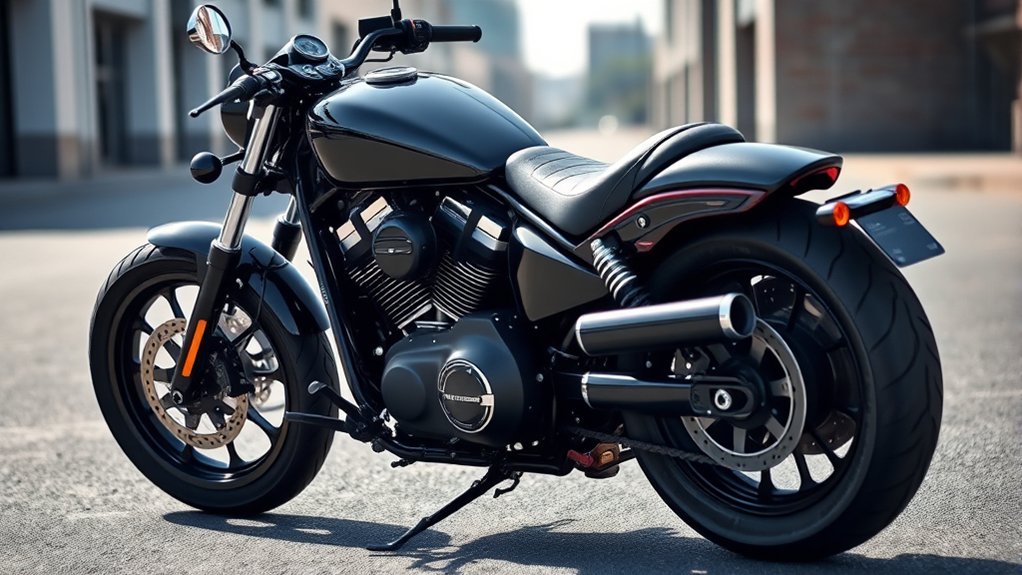
What sets a genuine Harley FXR apart from replicas or heavily modified bikes? You’ll want to start by examining the unique triangulated steel frame and checking the frame ID numbers against Harley-Davidson records through VIN verification.
Authentic FXRs feature rubber-mounted engines with visible stabilizer links in original condition. Look closely at factory components like the five-speed transmission, belt drive, and distinctive bodywork options, including fairings or luggage.
Inspect for original paint and clear factory markings on the frame and engine. Don’t overlook the correct wiring harnesses and the suspension setup, which should match the model year’s specifications.
Common Harley FXR Restoration Challenges and Maintenance Tips
When you’re restoring your Harley FXR, it’s a good idea to give the rubber engine mounts a close look. If they’re worn out, it can really affect how the bike handles.
Also, when it comes to engine rebuilds, paying attention to wear patterns and any previous modifications is key to making sure everything runs smoothly.
One thing to keep in mind is that finding original bodywork and trim parts isn’t always easy. So, planning ahead and knowing where to source authentic components will save you a lot of headaches down the road.
Rubber Mounts Inspection
How often do you check the rubber mounts on your Harley FXR? These mounts play a crucial role in isolating vibration and guaranteeing ride comfort. Regular inspection helps spot wear or deterioration early, preventing excessive engine vibration transfer and potential chassis damage.
When inspecting your Harley FXR’s rubber mounts, focus on examining rubber mounts and stabilizer links for cracks, tears, or hardening. Also, check for oil leaks or cracking around engine mounts—these are signs of deterioration.
Evaluate whether any rubber components are worn or damaged, as this can affect vibration dampening. If you find hardened or cracked mounts, make sure to replace them with OEM parts during restoration to maintain peak performance.
Consistent maintenance of these engine mounts ensures your Harley FXR runs smoothly and prolongs its structural integrity. So, don’t skip this simple but important check to keep your ride comfortable and safe.
Engine Rebuild Considerations
Why does rebuilding a Harley FXR engine demand such meticulous attention? Because every component, from the cam chest to the gaskets, must seal perfectly to maintain proper oil flow and compression.
During an engine rebuild, you need to carefully inspect the oil passages and pushrod tubes for clogging or damage. These issues can cause costly failures later on.
Don’t overlook the rubber mounts either. Worn mounts affect vibration isolation and chassis stability, which impacts engine longevity.
The primary drive and transmission also require thorough checks to prevent leaks and mechanical wear. FXR restoration challenges often stem from these critical areas.
So, maintaining tight tolerances and replacing deteriorated parts is vital.
Your careful attention to these details ensures a smooth, reliable rebuild that honors the FXR’s design integrity. Taking the time to get it right really pays off in the long run.
Sourcing Original Parts
Where can you find authentic Harley FXR parts amid a shrinking pool of original components? Sourcing original Harley FXR parts means you need to target specialized sources to secure genuine components that are essential for restoration.
Start by searching Harley-certified vendors and salvage yards that specialize in vintage Harley-Davidson. They often have OEM parts, including rubber engine mounts and Evolution engine components.
You can also explore online marketplaces and specialty dealers for factory-finished bodywork and restoration parts like stabilizer links. It’s a good way to find what you need without endless searching.
Always verify the originality of exhaust systems, fairings, and trim pieces. This helps maintain both authenticity and value.
Lastly, inspect and replace brittle or corroded factory wiring harnesses and electrical components with genuine parts. Keeping these updated ensures your bike runs smoothly and stays true to its roots.
Why Riders and Collectors Still Can’t Get Enough of the FXR?
What makes the Harley FXR such a magnet for riders and collectors alike? Its groundbreaking chassis design delivers superior handling and exceptional ride quality. This really sets it apart from other Harleys.
Riders love the FXR’s performance-oriented engineering. It features rubber-mounted engines and a stiff triangulated frame that guarantees both durability and comfort. That combination makes for a smooth and reliable ride.
The FXR’s rubber-mounted engine and stiff frame deliver unmatched durability and smooth, comfortable rides.
Collectors, on the other hand, prize the FXR because of its limited production run. This rarity adds to its historical significance as one of Harley-Davidson’s finest models. Finding original and factory-custom variants is tough, which drives up demand in the collector market.
It’s no wonder the FXR is such a prized possession. Its iconic status reflects a lasting influence on Harley’s design philosophy. Because of that, the FXR remains a standout classic that riders and collectors just can’t get enough of.
Frequently asked questions
What Is the Typical Resale Value of a Harley FXR Today?
The typical resale value of a Harley FXR today ranges from about $7,400 to $16,000.
You’ll find well-maintained, original models with documented history and rare variants fetch prices near the top of that range.
Limited editions like the FXR2 and FXR3 often go for over $15,000.
If you want the best price, focus on originality, factory-installed parts, and overall condition since collectors really value those factors.
Are There Any Notable Celebrity Owners of the Harley FXR?
Think of the Harley FXR like a classic Hollywood script. It’s been starred in by legends. You’ll find Steve McQueen, the “King of Cool,” riding one, which cemented its rebellious aura.
Billy Idol’s customized FXR further boosted its iconic status in music and pop culture.
Even Evel Knievel trusted its durability for stunts, proving the FXR’s performance isn’t just style but substance.
What Aftermarket Accessories Are Popular for Customizing the FXR?
You’ll find popular aftermarket accessories for the FXR include custom exhaust systems like dual mufflers or high-performance slip-ons, which boost sound and power.
Upgrading suspension with adjustable shocks and forks enhances handling and comfort.
You can personalize your ride with custom fairings, windshields, and luggage options.
Chrome engine covers, handlebar grips, and footpeg kits add style.
High-performance brakes and wiring harnesses improve safety and reliability.
How Does the Harley FXR Compare to Other Harley Models in Fuel Efficiency?
You’ll find the Harley FXR beats bigger models in fuel efficiency, weighs less, and rides more aerodynamically. It uses smaller 80ci engines, unlike the larger 96 or 114ci engines in touring Harleys, which guzzle more fuel.
You’ll benefit from fuel injection systems over carburetors, gaining consistent mileage.
What Riding Gear Is Recommended Specifically for Harley FXR Riders?
You should wear a full-face helmet for maximum protection, since the Harley FXR’s sporty handling demands it.
Leather jackets with armor offer essential abrasion resistance during aggressive cornering.
Don’t skip sturdy gloves with reinforced palms and knuckles to maintain grip and safeguard your hands.
Riding boots with ankle support keep you stable.
High-visibility or reflective gear greatly improves your visibility, especially on fast rides or at night.
It’s all about staying safe and comfortable while enjoying the ride.
Final Thought
When you ride a Harley FXR, you’re not just on any motorcycle. You’re on a legend built for precision and performance. Like the timeless appeal of a classic novel, the FXR’s innovative frame and powerful engines continue to captivate riders and collectors alike.
Understanding its unique features and restoration challenges lets you truly appreciate why this bike remains an icon. It blends heritage with modern handling that still sets the standard today.