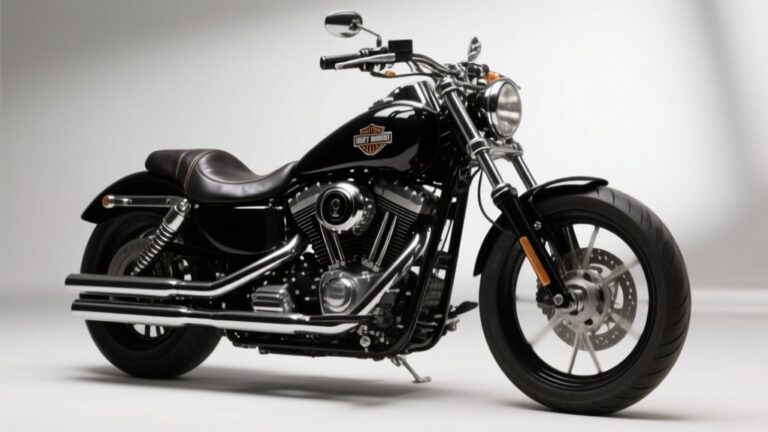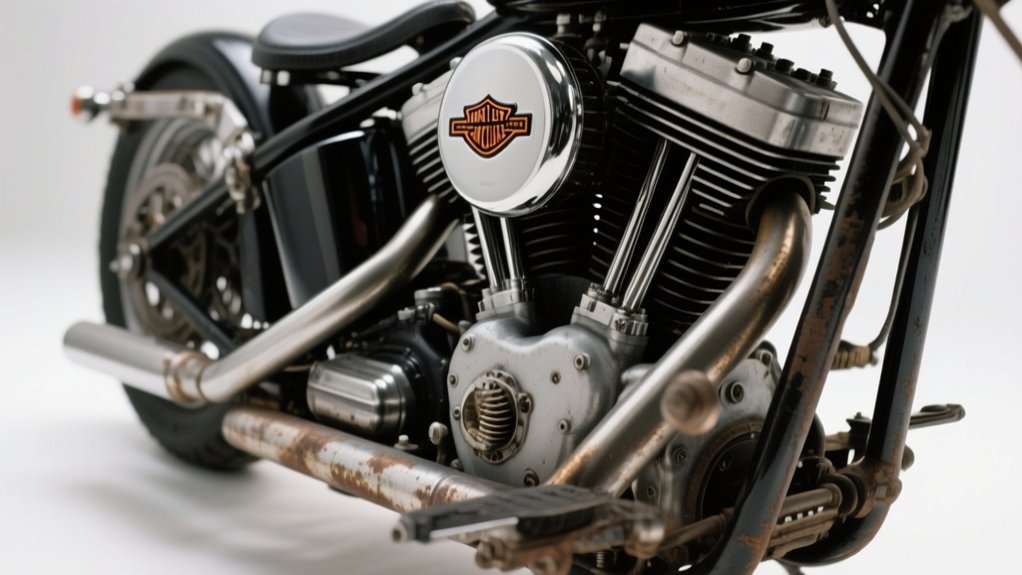
What Is A Harley Shovelhead – What to Know
A Harley Shovelhead is a classic V-twin engine introduced in 1966. It’s known for its distinctive shovel-shaped rocker covers and iron construction. The engine offers around 60 horsepower and improved performance over its Panhead predecessor.
That said, it can be prone to overheating, oil leaks, and valve wear. Maintenance and parts sourcing can be challenging, especially if you’re working on restorations.
If you want to understand its design evolution, common issues, and how it compares to newer engines, exploring further details will be valuable. There’s a lot to learn about what makes this engine unique and how it fits into Harley’s history.
What Is a Harley Shovelhead Engine?
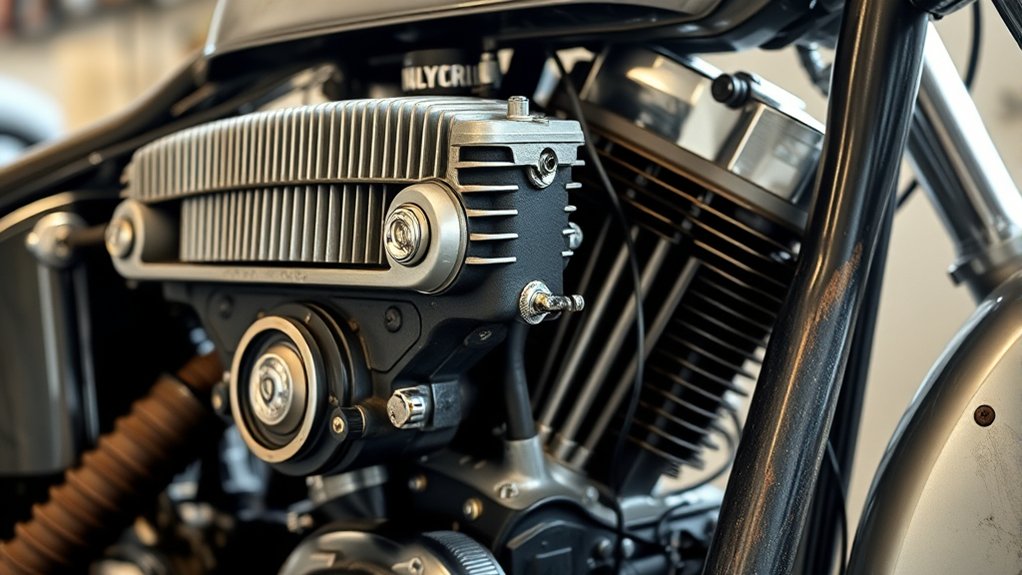
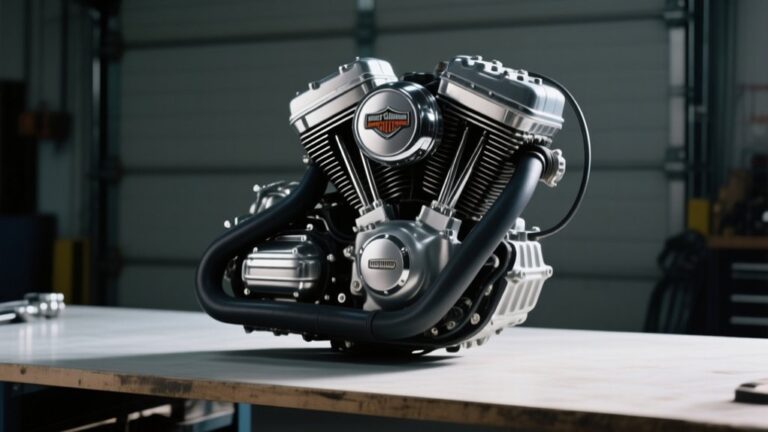
Although it was introduced back in 1966, the Harley Shovelhead engine remains a notable milestone in motorcycle engineering. You’ll recognize it by the distinctive shovel-shaped rocker covers that gave it its name.
As an evolution engine, the Shovelhead improved upon its predecessor, the Panhead, featuring shallower combustion chambers, larger valves, and optimized porting for better airflow. It initially delivered around 60 horsepower at 5,500 rpm, maintaining Harley-Davidson’s signature iron cylinders and incorporating cast-in rocker-arm pivot points within the heads for enhanced durability.
This engine marked Harley-Davidson’s third major V-twin design, bridging the gap between the Panhead and the later Evolution engine. When you work with or study the Shovelhead, you’re dealing with a pivotal step in Harley’s V-twin development lineage.
How Did the Shovelhead’s Design and Performance Evolve From Earlier Harley Engines?
When you compare the Shovelhead to earlier Harley engines, you’ll notice several purposeful design enhancements aimed at boosting performance and reliability. The Shovelhead evolved from the Panhead by incorporating shallower combustion chambers and larger valve drops. This improved airflow and combustion efficiency.
The Shovelhead improved on earlier engines with shallower combustion chambers and larger valve drops for better airflow.
It kept the iron cylinders but added cast rocker arm pivot points and the distinctive shovel-shaped valve covers, marking a clear design evolution.
There were key upgrades that further increased performance and durability. For example, Harley switched from a generator to an alternator in 1970, which improved electrical reliability. Then, in 1978, they bored and stroked the engine to 80 cubic inches and added enhanced cooling fins.
Plus, there were incremental improvements in carburetors and ignition systems to deliver better power.
All these changes made the Shovelhead a significant step forward in Harley’s engine design and overall performance evolution.
Which Harley-Davidson Big Twin Models Featured the Shovelhead Engine?
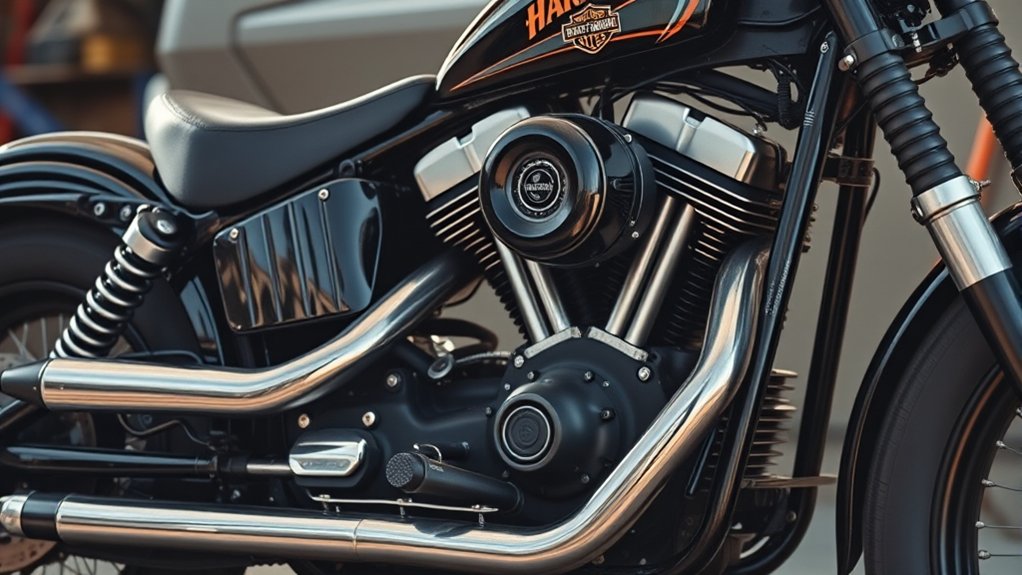
Since 1966, the Shovelhead engine has powered every Harley-Davidson big twin model, including the FL, FX, and XL series. It became a core component across Harley’s lineup until 1984.
You’ll find the Shovelhead in iconic big twin models like the FLH Electra-Glide, FX Super Glide, and the Low Rider. These cover both touring and custom styles, showing just how versatile this engine really is.
From 1970 onward, the Shovelhead replaced the earlier Panhead and became standard across all big twin models. It also served in police variants, especially the FLH Electra-Glide, highlighting its reliability in demanding applications.
When you study these big twin models, you’ll notice the Shovelhead fits various frames and styles. This really reinforces its significance as a foundational engine in Harley-Davidson’s mid-20th-century lineup.
What Are the Key Design Features of the Harley Shovelhead?
If you examine the Harley Shovelhead closely, you’ll notice its most distinctive feature: the rocker covers shaped like upside-down coal shovels. That unique shape is what gave the engine its nickname. But it’s not just about looks.
The Harley Shovelhead’s iconic rocker covers, shaped like upside-down coal shovels, give the engine its memorable nickname.
The Shovelhead also improved performance with shallower combustion chambers that optimize the air-fuel mix and larger valve drops to increase airflow.
Its cylinder heads have cast-in rocker-arm pivot points, which enhance durability and ensure precise valve operation.
Key design features include:
- Rocker covers with a unique shovel-shaped design that make the engine easy to identify and help with cooling.
- Shallow combustion chambers paired with refined porting to boost engine efficiency.
- Cast-in rocker-arm pivot points built into the heads for strong valve control and less maintenance.
All of these elements come together to deliver a powerful, reliable engine that was a big step forward from the Panhead that came before it.
What Common Mechanical Issues Did the Harley Shovelhead Face?
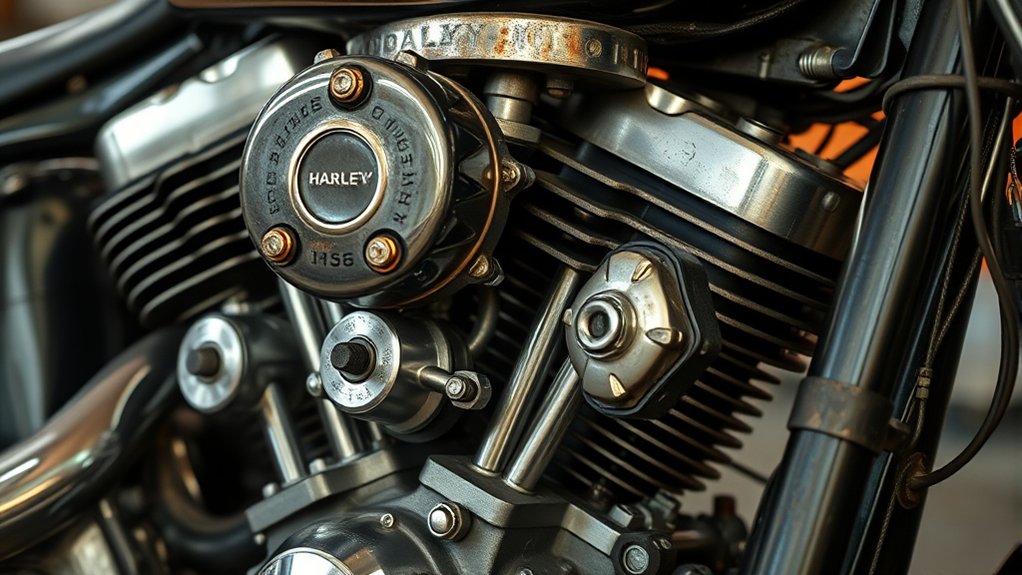
The Shovelhead’s innovative design brought notable improvements, but it also introduced several mechanical challenges that affected its reliability. You’ll often encounter overheating issues due to its limited 10 fins for cooling, which don’t dissipate heat efficiently. This excessive heat contributes to valve guide wear, causing compression loss and reduced engine performance over time.
Furthermore, oil leaks are common as oil pools in the cylinder heads and crankcase, leading to burning oil and increased consumption, sometimes up to a quart every 500 miles. These leaks not only create a mess but also risk engine damage if left unchecked. You’ll need to monitor valve seats and guides closely since wear here exacerbates performance issues.
Regular maintenance is essential to manage these persistent problems and keep the Shovelhead running smoothly. Staying on top of these issues will save you headaches down the road. It’s all about keeping things in check so your bike performs at its best.
How Did Harley-Davidson Improve the Shovelhead Over the Years?
Although the Shovelhead initially struggled with heat management and mechanical wear, Harley-Davidson took several targeted steps to improve the engine over its production years. They increased displacement from 74 to 80 cubic inches in 1978, fitting steel pistons to better handle heat expansion.
Cooling was enhanced by adding more fins and boosting airflow, though the engine still ran hot due to limited fin count.
Mechanical upgrades included larger valves, stronger valve seats, and aluminum-alloy “Power Pac” heads to improve power and durability.
Electrical reliability also improved with the 1970 alternator introduction, replacing the generator and eliminating points in the distributor.
Key Shovelhead upgrades include:
- Displacement increase with steel pistons for thermal stability
- Enhanced cooling fins and airflow design
- Electronic ignition and rubber mounts for performance and comfort
How Does the Harley Shovelhead Compare to Its Successor, the Evolution Engine?
You’ll notice the Evolution engine delivers more consistent performance, and that’s largely because of its all-aluminum construction and improved oil circulation.
These upgrades really help tackle the Shovelhead’s common problem with overheating.
On the mechanical side, the Evolution uses a modern pushrod tube layout which not only reduces wear but also makes maintenance simpler compared to the Shovelhead’s older, heavier iron parts.
When you understand these differences, it becomes clear why the Evolution engine gained a solid reputation for being more reliable and efficient.
Performance Differences
When comparing the Harley Shovelhead to its successor, the Evolution engine, you’ll notice a significant jump in performance and reliability. The Shovelhead produces about 60 horsepower, while the Evolution engine delivers 80 to 85 horsepower. That gives you a substantial power boost.
The Shovelhead’s cooling system, with only 10 fins, runs hotter and less efficiently than the Evolution’s advanced integrated design. Plus, the Evolution engine’s aluminum heads and barrels reduce weight and improve heat dissipation compared to the heavy iron Shovelhead.
Key performance differences include:
- Horsepower increase: 60 hp (Shovelhead) vs. 80–85 hp (Evolution)
- Cooling system efficiency: limited fins vs. integrated cooling design
- Material construction: heavy iron vs. lighter aluminum heads and barrels
These upgrades translate into better throttle response and sustained performance under load. Overall, the Evolution engine feels more responsive and reliable when you’re riding hard.
Mechanical Reliability
How reliable is the Harley Shovelhead compared to the Evolution engine that followed it? The Shovelhead, while durable, struggles with mechanical reliability because it tends to overheat and consumes a lot of oil. Its heavier design and inefficient cooling cause frequent valve and piston wear. This means it demands regular maintenance.
On the other hand, the Evolution engine features aluminum heads and an improved barrel design. These changes noticeably reduce overheating and oil leaks. This upgrade not only boosts durability but also cuts down on maintenance needs.
So, if you want a bike that runs cooler and needs less frequent attention, the Evolution is clearly the better choice. That said, the Shovelhead’s simpler construction and iconic sound still have a strong appeal among enthusiasts.
Despite its mechanical drawbacks, especially with overheating and oil consumption, it holds a special place for many riders.
Why Do Vintage Motorcycle Enthusiasts Still Love the Harley Shovelhead Engine?
Although the Harley Shovelhead engine dates back several decades, it still captivates vintage motorcycle enthusiasts because of its distinctive design and robust performance characteristics. You’ll appreciate the Shovelhead’s combination of classic Harley-Davidson styling with a powerful, high-torque output that delivers a smooth, muscular riding experience.
Its straightforward mechanical setup makes maintenance and restoration simpler, which is a big plus for vintage motorcycle lovers.
Key reasons enthusiasts remain devoted to the Shovelhead include:
- Iconic design symbolizing Harley-Davidson’s heritage and custom culture
- Durable construction paired with a satisfying, raw powerband
- Unique exhaust note, especially with straight drag pipes, that really enhances the nostalgia
This blend of technical appeal and emotional connection keeps the Shovelhead engine a timeless favorite among vintage motorcycle riders.
What Key Considerations Should You Know Before Buying or Restoring a Harley Shovelhead?
Before you buy or restore a Harley Shovelhead, it’s important to take a good look at the engine’s condition. Keep an eye out for things like oil leaks, overheating, and worn valve seats—these are common trouble spots.
Also, parts can be hard to find or pretty expensive, so you’ll want to check what’s available and make sure you’re getting original components if you want to keep the bike’s value and performance intact.
And don’t forget, working on these bikes often calls for some solid mechanical know-how. You might need to roll up your sleeves or find someone who really knows their stuff to handle the usual issues and make the right upgrades.
Engine Condition Assessment
When evaluating a Harley Shovelhead engine for purchase or restoration, you need to carefully inspect several critical aspects that reveal its mechanical health. Start by checking for oil leaks around the primary cover, crankcase, and valve covers. Persistent leaks often indicate worn seals or gasket failure.
Next, assess engine compression and listen for start-up sounds. Low compression or unusual noises suggest piston ring or valve seat wear.
Finally, evaluate overall engine wear by inspecting the rocker arms, valve guides, and timing chain for signs of deterioration. These issues can affect valve timing and performance.
- Look for excessive oil leaks indicating gasket or seal issues
- Measure compression to detect piston and valve wear
- Inspect rocker arms and timing components for engine wear signs
This detailed assessment helps you avoid costly surprises.
Parts Availability Challenges
Evaluating the engine’s condition gives you a clear picture of mechanical health, but sourcing the right parts can present a different set of challenges for Harley Shovelhead owners. Since production has long been discontinued, many original components like rocker covers and cylinder heads are scarce and often costly. Sometimes, you might even need custom fabrication to get what you need.
You’ll need to rely on specialized vendors or salvage yards to find genuine parts. While the aftermarket offers reproduction parts, their quality and fitment vary quite a bit. So, it’s really important to do thorough research before making a purchase.
Frequent wear items such as piston rings, valves, and gaskets may need replacement, but original versions can be limited. Also, availability changes depending on the model year, which can impact your restoration timeline and budget. Planning ahead for these parts availability challenges is key to a successful Harley Shovelhead restoration.
Mechanical Expertise Required
Although the Harley Shovelhead presents a rewarding restoration project, you’ll need a solid grasp of its mechanical intricacies to avoid common pitfalls. Mastering oil management is critical, as these engines burn oil quickly and risk leaks or pooling.
Addressing valve seat wear requires precise mechanical skills and proper tools to restore sealing and performance. You must also understand the engine’s unique cooling system. With just 10 fins, it’s prone to overheating if neglected.
Key considerations include diagnosing and repairing valve seat wear with accuracy, managing oil flow to prevent leaks and excessive consumption, and recognizing heat-related engine stress due to limited cooling fins.
Without these skills, you risk compromising reliability and authenticity in your restoration. So, make sure you’re comfortable with these areas before diving in.
Frequently asked questions
What Type of Fuel Is Best for a Harley Shovelhead?
You should use high-octane, premium unleaded fuel with an octane rating of 91 or higher for your Harley Shovelhead. This helps prevent knocking and detonation issues because of the engine’s higher compression ratios.
Avoid fuels with ethanol since they can cause corrosion and damage the fuel system. It’s always best to choose fresh, quality fuel to minimize varnish buildup.
That way, you’ll keep your vintage Harley running smoothly and reliably without any unnecessary headaches.
Are There Modern Performance Parts Available for Shovelhead Engines?
Yes, you’ll find modern performance parts for Shovelhead engines. Companies like S&S Cycle and Baker Drivetrain offer high-compression pistons, upgraded camshafts, and aftermarket carburetors tailored to these engines.
You can also upgrade cooling systems with improved head gaskets and oil pumps to tackle overheating and oil consumption.
Custom ignition systems, including electronic and multi-spark units, help optimize performance and efficiency. This lets you boost horsepower and reliability effectively.
How Loud Is a Harley Shovelhead Compared to Other Motorcycle Engines?
Imagine the Harley Shovelhead as a roaring lion in a forest of quieter birds. You’ll find it louder than most modern motorcycles, especially those with inline-four engines.
Its V-twin design and open drag pipes produce a deep, resonant growl, surpassing the volume of stock Evo or Twin Cam engines.
If you want a raw, aggressive sound that commands attention, the Shovelhead’s exhaust won’t disappoint. It offers markedly more presence than many contemporary bikes.
What Is the Typical Fuel Economy of a Harley Shovelhead?
You can expect a Harley Shovelhead to deliver around 30-40 miles per gallon, depending on your riding style and maintenance. The 80-inch models tend to use more fuel than the 74-inch ones.
If you avoid heavy throttle and high speeds, you’ll improve fuel efficiency.
Regular tuning and carburetor adjustments are essential to optimize consumption. Keep in mind, its fuel economy is modest compared to modern bikes but reasonable for its era.
Can a Shovelhead Engine Be Used in Custom Motorcycle Builds?
Absolutely, you can use a Shovelhead engine in custom motorcycle builds. Think of it like installing a steam engine in a Tesla. Its high torque and classic design make it perfect for customization.
The engine works well with various Harley frames, so you can modify or upgrade it easily.
Plus, its simple mechanics let you add performance parts like bored cylinders and electronic ignition. This gives your build both vintage flair and enhanced power.
Final Thought
Think of the Harley Shovelhead as a classic compass. Its precision and timeless design guide your ride through decades of mechanical evolution. While it may need careful tuning and mindful maintenance, owning one means embracing both its quirks and strengths.
Before you plunge into restoration or purchase, equip yourself with knowledge on its mechanical nuances and historical context. That way, you’ll navigate the road ahead with confidence. You’ll also honor the legacy beneath its iconic engine casing.