
Top 12 Best GPS Bike Computer C506 SE You Must Own Now
Riding without accurate tracking or a reliable interface can ruin the experience, especially when a cheap device loses signal mid-ride or struggles with slow updates. A best gps bike computer c506 se makes a clear difference by maintaining consistent location data and offering an intuitive display that’s easy to read under the sun or on rough terrain.
Those moments when your device cuts out or struggles to pair with sensors can leave you frustrated and guessing your progress.
The key traits that set a good gps bike computer apart include screen visibility, battery life, and durability. The screen should be at least 2.4 inches with a backlight that works in all lighting conditions.
Battery life typically ranges from 15 to 20 hours on a single charge, enough for long rides without frequent recharging. A well-built unit is water-resistant with sturdy mounting options to avoid losing it on bumpy roads. Accurate satellite connection and compatibility with heart rate monitors or power meters round out what makes a device reliable for daily and serious cyclists alike.
Need a Quick Check?
| Image | Product | Price |
|---|---|---|
Our Top Picks 1  | Magene C506SE Wireless | Check Price |
Our Top Picks 2  | Magene C506 GPS | Check Price |
Our Top Picks 3 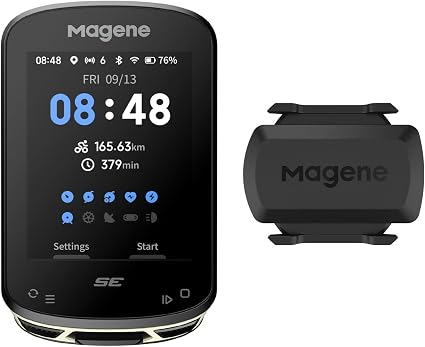 | Magene C506SE with Cadence | Check Price |
Our Selected Top 12 Gps Bike Computer C506 Se Worth Your Money
This list features twelve carefully chosen GPS bike computers, showcasing their performance, ideal users, and key advantages and disadvantages. Each review provides clear insights to help identify which model best matches individual cycling needs and preferences.
1. Magene C506SE Wireless GPS Bike Computer
Lightweight and compact, the Magene C506SE Wireless GPS Bike Computer is perfect for riders who want clear navigation and quick data access without extra bulk. Its bright 2.4-inch color screen stands out as a major advantage over basic models, making it easy to follow routes and stay on track during rides.
Setup involves pairing the device with the OnelapFit APP, allowing for route creation and GPX file uploads. Day-to-day use benefits from the three-button design, letting you control it with one hand.
The colorful screen clearly shows turn-by-turn directions, road names with zoom, and alerts for going off-course, all of which improve navigation on the fly.
Performance is solid thanks to AGNSS for quick, accurate positioning and dual Bluetooth/Wi-Fi connectivity for smooth data upload. The computer handles cadence and speed sensors well, making it reliable for tracking.
It’s built to last with a lightweight 74g body that’s easy to mount on handlebars. Some users mention the navigation features work best when connected to the app.
Navigation with clear routes and turn alerts works well when connected to the OnelapFit app, which is a strong point. The most frequent complaint involves reliance on the app for full navigation functionality, limiting offline independent use. The screen size and button interface support easy one-handed management on the bike.
Those who want reliable GPS tracking with detailed navigation aids and long battery life will appreciate this device. Cyclists preferring fully standalone navigation or a larger display might find better options elsewhere. Routine riders looking for lightweight gear and straightforward operation are a good fit.
Pros
- Color screen for easy navigation
- Lightweight at only 74g
- Long 24-hour battery life
- Dual Bluetooth and Wi-Fi connectivity
Cons
- Navigation features require app connection
- Small 2.4-inch screen may be hard to read in bright sun
| Specification | Details |
|---|---|
| Display Size | 2.4 inches |
| Battery Average Life | 24 hours |
| Connectivity Technology | ANT, Bluetooth, Wi-Fi |
| Sensor Type | Cadence Sensor, Speed Sensor, GPS |
| Mounting Type | Handlebar Mount |
| Human Interface Input | Buttons |
2. Magene C506 GPS Bike Computer
Tracking your rides with accurate navigation and quick data handling gets a lot easier with a GPS bike computer like this. Perfect for cyclists seeking detailed route guidance and seamless connectivity, it features fast WiFi transmission that makes syncing and updates quick and easy.
Setting it up involves downloading free global maps right onto the device, then using the touchscreen and three buttons to control navigation and settings. Custom routes can be created through an app or via GPX file uploads.
Daily rides benefit from instant positioning and smooth data uploads via Bluetooth or much faster WiFi.
It nails its main job of GPS tracking and route navigation with reliable precision and smooth screen interaction. The build is lightweight at just 76g and compact, making it easy to mount on your handlebars. Strong points include the fast WiFi sync and broad sensor connectivity, while the common complaint revolves around its Windows operating system compatibility which limits some users.
The device delivers exceptionally fast WiFi synchronization and reliable positioning, making route navigation easy for daily rides. Most complaints focus on its Windows-only operating system, which restricts compatibility with a wider range of smartphones.
Riders who use Windows devices and want fast data syncing will be satisfied with this bike computer. Cyclists needing broad smartphone compatibility or non-Windows systems should consider alternative models that better fit their tech environment.
Pros
- Bright 2.4” touchscreen with 3 physical buttons
- WiFi connection 28 times faster than Bluetooth
- Supports 9 sensor connections for data variety
- Waterproof and lightweight at just 76g
Cons
- Only compatible with Windows operating system
- Limited smartphone compatibility beyond app control
| Specification | Details |
|---|---|
| Screen Size | 2.4 inches |
| Battery Average Life | 24 hours |
| Connectivity Technology | ANT, Bluetooth, Wi-Fi |
| Mounting Type | Handlebar Mount |
| Operating System | Windows |
| Supported Satellite Navigation System | GPS |
3. Magene C506SE GPS Bike Computer and Speed Cadence Sensor
Real-time updates on speed, cadence, distance, and time make this device ideal for cyclists wanting clear and concise ride data. Great for those who prefer an all-in-one wireless setup that mounts directly on the handlebar.
Setting up involves attaching the handlebar mount and syncing the speed, cadence, and GPS sensors wirelessly. After pressing the buttons to cycle through the LCD display, all key stats are easy to access mid-ride.
Tracking essentials like pace and cadence on a single screen simplifies monitoring performance without distraction.
Its primary function of data tracking is solid, delivering dependable speed and distance measurements during rides. The build is practical with button controls and a readable LCD screen.
Positive feedback highlights accurate readings, while some mention the screen’s visibility could be challenging in bright sunlight.
The device provides reliable real-time speed and cadence data that riders find useful for daily cycling. The biggest drawback is the LCD screen’s visibility under strong sunlight, which may require repositioning or shading. Simplicity in controls and mounting makes it practical for quick use.
Cyclists who want straightforward tracking with wireless sensors will appreciate its features. Those expecting detailed analytics or enhanced screen visibility might prefer a higher-end GPS computer.
Pros
- Wireless connection minimizes cable clutter
- Combines speed and cadence tracking in one unit
- Simple button controls for easy navigation
- Compact handlebar mount fits securely
Cons
- LCD screen can be hard to read in sunlight
- Limited to basic data without advanced analytics
| Specification | Details |
|---|---|
| Display | LCD |
| Sensor Type | Speed Sensor, Cadence Sensor, GPS Sensor |
| Connectivity Technology | Wireless |
| Mounting Type | Handlebar Mount |
| Human Interface Input | Buttons |
4. Magene C506SE GPS Bike Computer with Speed Cadence Sensor and Heart Rate Monitor

Cyclists who want detailed ride information without fuss will find this GPS bike computer very useful. It suits riders aiming to track speed, cadence, and heart rate all in one device.
The most notable feature is its all-in-one data monitoring, which provides real-time updates during rides.
Setup is straightforward and quick, with no complicated steps involved. The handlebar mount and capacitive touch screen make accessing key data easy while on the move. Bluetooth connectivity pairs smoothly with devices like the speed cadence sensor and heart rate monitor, so you get complete cycling stats without extra clutter or wires.
Performance-wise, the GPS and sensors accurately capture cycling data for a better training experience. The device feels solid and well-built, designed to handle typical outdoor use.
The best feedback highlights its precise data tracking, while the main complaint centers on the audio output being monaural, which some may find limiting.
The device is praised for precise, comprehensive tracking of cycling data, which helps optimize rides effectively. It has a well-built design but some find the audio output could be better than monaural. Setup and daily use run smoothly thanks to Bluetooth and handlebar mounting.
Cyclists wanting integrated speed, cadence, and heart rate info in a compact setup will appreciate this bike computer. Those looking for advanced audio features or detailed software update info might prefer other options.
Pros
- Real-time tracking of speed, cadence, heart rate
- Quick and easy installation on handlebar
- Bluetooth connectivity for sensors
- Capacitive touch screen for simple control
Cons
- Audio output limited to monaural
- No clear update support details
| Specification | Details |
|---|---|
| Supported Satellite Navigation System | GPS |
| Connectivity Technology | Bluetooth |
| Mounting Type | Handlebar Mount |
| Touch Screen Type | Capacitive |
| Audio Output Mode | Monaural |
| Sport Type | Cycling |
5. Magene C506 GPS Bike Computer with Aluminum Mount

Magene C506 stands out by combining a clear 2.4-inch touchscreen with GPS tracking, ideal for cyclists who want precise navigation without extra bulk. Its aluminum handlebar mount adds durability and simple installation, making it a solid choice for everyday rides and serious training alike.
Setup is straightforward thanks to the touchscreen control, letting you tap through menus easily while on the move. The handlebar mount fits securely and keeps the screen visible at a glance.
Tracking your ride uses GPS, which is standard for cycling, and the compact size means it won’t get in your way during long trips or city commutes.
Accuracy in tracking routes and speeds meets expectations for a dedicated cycling computer. The aluminum mount feels sturdy and reliable, capable of handling typical riding conditions. Touchscreen sensitivity is generally good, though some users note it can be less responsive under wet conditions.
Battery life and software updates aren’t specified, so plan accordingly for longer rides.
GPS tracking is generally accurate and the aluminum mount holds well under typical cycling conditions. Most users appreciate the screen size and touchscreen interface, though the touchscreen performance can drop in rain or wet weather. Regular software update support is not confirmed, which might impact long-term functionality.
Avid cyclists who want a simple, reliable GPS computer with solid mounting will like this device. Those needing detailed battery info or extensive software support might want to explore other options.
Pros
- Clear 2.4-inch touchscreen display
- Durable aluminum handlebar mount
- Accurate GPS tracking for cycling
- Easy to control with touch input
Cons
- Touchscreen less responsive when wet
- No clear info on battery life or updates
| Specification | Details |
|---|---|
| Screen Size | 2.4 inches |
| Mounting Type | Handlebar Mount |
| Human-Interface Input | Touchscreen |
| Supported Satellite Navigation System | GPS |
| Control Method | Touch |
| Compatible Vehicle Type | Bicycle |
6. Magene C506 GPS Bike Computer with Speed Cadence Sensors and Heart Rate Monitor

Magene C506 GPS Bike Computer offers detailed real-time data tracking geared towards cyclists wanting to monitor their speed, cadence, and heart rate closely. It suits riders who value staying connected to comprehensive cycling stats during their rides, with a clear color display and integrated sensors as its standout feature.
Getting started involves mounting the device on the handlebar using the included setup. The capacitive touch screen and button controls make it easy to switch views while riding. Bluetooth connectivity helps link the computer with your smartphone or tablet for more data access, and the sensor integration means less fuss over multiple devices.
Seeing your current speed and heart rate instantly really helps pace your ride.
Performance-wise, the GPS tracking works reliably on road routes, while the built-in sensors deliver consistent cadence and heart rate data without frequent recalibration. The build feels sturdy with a well-sized color display that remains visible in various lighting conditions.
The most common frustration is the limited audio functionality since it only supports monaural sound output, which some may find less immersive.
The strongest praise highlights the device’s consistent performance in tracking key cycling metrics, while the most common complaint points to its monaural audio output as a limitation for some users. This balance reflects a solid focus on data over entertainment features.
Cyclists prioritizing accurate metric tracking and integration with mobile devices will find this computer fits well. Those wanting richer audio experiences or more frequent software updates might look at other options instead.
Pros
- Real-time speed, cadence, and heart rate monitoring
- Compatible with smartphones and tablets
- Capacitive touch screen plus button controls
- Clear color display useful on roads
Cons
- Audio output limited to monaural mode
- Software update status not clearly stated
| Specification | Details |
|---|---|
| Compatible Device Type | Bicycle |
| Connectivity Technology | Bluetooth |
| Display Type | Color display |
| Touch Screen Type | Capacitive |
| Mounting Type | Handlebar Mount |
| Supported Satellite Navigation System | GPS |
7. Magene C506 GPS Bike Computer with Speed Cadence Sensor and Heart Rate Monitor

Using the Magene C506 GPS Bike Computer feels like having a reliable partner on every ride. It suits cyclists who want detailed insights into their speed, cadence, and heart rate without fuss.
The standout feature is how all this data comes together clearly on the handlebar, giving easy access as you ride.
Setup involves pairing the sensors via Bluetooth, which connects smoothly with the device’s capacitive touch screen and buttons for controls. On the road, the GPS keeps track of your speed and position accurately. The heart rate monitor and cadence sensor provide continuous feedback, making it straightforward to adjust your effort.
Mounting onto the handlebar is secure, staying put even on bumpy terrain.
Performance-wise, it captures real-time cycling data reliably and displays it well on the LCD/LED screen. The device feels solid with a user-friendly interface, although some mention the buttons could be more responsive.
The biggest practical advantage lies in the combination of speed, cadence, and heart rate monitoring, though the software update status isn’t provided, which leaves some uncertainty about future enhancements.
The device’s ability to monitor speed, cadence, and heart rate simultaneously is its strongest point according to reviews. Common feedback highlights occasional unresponsiveness with the buttons, which may affect quick operation while riding.
Cyclists looking for comprehensive real-time data in one unit will appreciate this bike computer. Riders seeking longer-term software support or faster button response might consider other options before committing.
Pros
- Real-time speed, cadence, and heart rate tracking
- Capacitive touch screen and button controls combined
- Sturdy handlebar mount keeps device stable
- Bluetooth and USB connectivity options
Cons
- Buttons can feel slightly unresponsive
- No clear information on software update support
| Specification | Details |
|---|---|
| Supported Satellite Navigation System | GPS |
| Connectivity Technology | Bluetooth, USB |
| Mounting Type | Handlebar Mount |
| Display Type | LCD or LED |
| Operating System | Windows |
8. Magene C506 GPS Bike Computer and Speed Cadence Sensor

Magene C506 GPS Bike Computer and Speed Cadence Sensor offers a solid mix of tracking features that suit cyclists wanting clear, real-time data without fuss. Its standout strength is delivering speed, cadence, distance, and time updates together, helping riders monitor their progress efficiently.
Setting up both the GPS computer and cadence sensor is straightforward, getting you ready to ride quickly. The handlebar mount keeps the LCD display visible and accessible, while the buttons and capacitive touch screen allow convenient control.
Daily use focuses on reliable tracking that integrates speed and cadence data naturally during rides.
Performance-wise, it provides accurate and consistent feedback on cycling metrics. Build quality feels durable enough for regular road use.
Praise tends to highlight precise data tracking, while common complaints mention the button-based controls which some find less intuitive than fully touchscreen models.
The accurate data tracking, especially speed and cadence together, is what stands out positively. Users commonly note the display’s clarity but mention some difficulty adjusting to the button navigation compared to full touchscreen models.
Those who want solid performance without overcomplicated features will appreciate it. Cyclists looking for fully touchscreen navigation or frequent software updates might prefer other options.
Pros
- Real-time updates for speed and cadence
- Easy handlebar installation
- Capacitive touch combined with button control
- Suitable for road cycling
Cons
- Button control can feel less intuitive
- No information on software update support
| Specification | Details |
|---|---|
| Compatible Vehicle Type | Bicycle |
| Map Types | Road |
| Mounting Type | Handlebar Mount |
| Display Type | LCD |
| Supported Satellite Navigation System | GPS |
9. Magene Wireless GPS Bike Computer

Solidly built with a clear 2.4-inch LCD screen, this bike computer is perfect for riders who want straightforward GPS tracking without extra sensors. It’s great for anyone commuting or enjoying casual outdoor cycling, offering key ride info in real-time right on your handlebars.
Setting up involves simple button controls and an out-front mount that places the display comfortably in your line of sight. Daily rides benefit from its GPS sensor that measures speed, distance, and elevation without needing any wheel sensors or magnets. Temperature and gradient readings help you plan climbs and longer routes effectively.
Accuracy in GPS tracking stands out, providing reliable data on speed and distance, along with extra details like altitude and gradient that come in handy. The unit lasts up to 28 hours on its Lithium Ion battery, so it keeps up with long rides.
A common drawback is the LCD screen can be harder to read in bright sunlight compared to some alternatives.
Its GPS reliability and long battery life earn strong praise, especially for riders avoiding extra wiring or sensors. Some find the LCD screen tricky to see in strong daylight, which affects quick data checks mid-ride. Button controls work well but lack the intuitiveness of touchscreens.
Anyone who wants straightforward speed and route data without fuss will appreciate this bike computer’s straightforward approach. Riders craving a more advanced display or touchscreen might want to look elsewhere, as this suits practical use over flashy features.
Pros
- Accurate GPS without wheel sensors
- Clear, simple LCD screen layout
- Long 28-hour battery life per charge
- Provides detailed hill and route data
Cons
- LCD display visibility limited in bright sunlight
- Basic interface relies solely on button input
| Specification | Details |
|---|---|
| Display Size | 2.4 inches |
| Display | LCD |
| Battery Average Life | 28 hours |
| Battery Type | Lithium Ion |
| Sensor Type | GPS Sensor |
| Mounting Type | Out-Front Mount |
| Human Interface Input | Buttons |
10. COOSPO Wireless GPS Cycling Computer

Large 5.84-centimeter LCD screen stands out, making GPS tracking clear and easy to read for riders who want reliable positioning anywhere in the world. It suits cyclists who value detailed ride data and connection with sensors like heart rate or cadence monitors.
The biggest strength is the double global positioning modes delivering accurate GPS data even on longer routes.
Setting up requires a few minutes outdoors initially to lock the GPS signal. Daily riding involves straightforward button controls and quick sensor pairing through ANT+ technology. Speed, heart rate, cadence, and power data display all in one place for easy real-time monitoring.
Battery life supports many hours on the road, so extended rides finish without worrying about power.
GPS accuracy matches expectations with good tracking most of the time. The build feels solid with a handlebar mount that holds well under different conditions.
Praise often highlights the clear display and long battery life, while some mention the first-time GPS connection can be slow and takes patience. The device works well overall for those focusing on core cycling metrics.
Clear and bright display combined with accurate GPS tracking is the strongest feature noted. The most common complaint involves the initial location fix taking several minutes, requiring patience at the start of rides. Battery life receives steady praise for lasting multiple long sessions.
Cyclists needing detailed sensor data and reliable GPS will be satisfied with this device’s broad compatibility and display size. Riders looking for faster start-up times or touchscreen controls may want to explore alternatives better suited for those preferences.
Pros
- Accurate GPS with two global positioning modes
- Supports heart rate, cadence, power sensors via ANT+
- Long battery life of 80 hours
- Clear LCD screen with 240×320 resolution
Cons
- Initial GPS signal lock takes 3-5 minutes outdoors
- Relies on buttons instead of touchscreen input
| Specification | Details |
|---|---|
| Display Size | 5.84 centimeters |
| Display | LCD |
| Battery Average Life | 80 hours |
| Sensor Type | Cadence Sensor, GPS Sensor, Heart Rate Sensor, Speed Sensor |
| Connectivity Technology | ANT |
| Native Resolution | 240×320 |
11. Magene C506 GPS Bike Computer

Magene C506 GPS Bike Computer suits riders needing reliable GPS tracking and a solid handlebar mount. Its biggest advantage is precise navigation designed specifically for bicycles, which makes it a good pick for daily riders looking for a focused cycling device.
Setting up the C506 involves attaching it to the handlebar mount, which feels sturdy and straightforward. Day-to-day use centers on GPS accuracy, giving you real-time positioning without fuss. The software supports updates, so keeping it current won’t be complicated, though the update details aren’t clearly stated.
Performance centers on consistent GPS tracking tailored to bicycles, giving a detailed sense of location. The build quality feels durable, designed to take on road and trail rides.
The most common praise highlights its ease of handling during rides, while complaints mention unclear support for software updates over time.
The strongest praise involves how the device stays steady on the handlebar and provides dependable GPS navigation. The most frequent complaint revolves around uncertainty about the software update process and how often updates are provided.
Anyone wanting a straightforward, handlebar-mounted GPS device for regular cycling benefit from the reliable navigation. Those looking for very detailed software update info or long history of firmware support might want to consider other options.
Pros
- Dedicated GPS system for cycling
- Easy and secure handlebar mounting
- Supports software updates
Cons
- Software update details not clearly available
- Limited info on long-term performance
| Specification | Details |
|---|---|
| Compatible Vehicle Type | Bicycle |
| Mounting Type | Handlebar Mount |
| Supported Satellite Navigation System | GPS |
| Software Update Supported to Date | Unknown |
12. Wireless GPS Cycling Computer

Tracking every ride’s key stats like speed and distance can be tricky without the right device. A cycling GPS computer designed for both mountain and road biking offers an easy way to stay on top of your metrics. The clear, colorful touchscreen stands out as the main feature, making data visible and accessible at a glance during rides.
Setting it up is straightforward, with a secure mounting system that keeps the computer firmly in place even on bumpy trails or fast roads. The wireless connection makes syncing your ride data to smart devices less of a hassle, while Type-C fast charging gets the battery ready quickly for those longer sessions. The 1600mAh battery ensures it lasts through extended rides without needing frequent recharges.
Performance-wise, it reliably tracks speed, distance, calories, and altitude, showing the info clearly on its full-color touchscreen. The build feels solid, with protective rubber pads and strong elastic bands keeping it stable.
The most praised aspect is the vivid, easy-to-read display, while some note that desk mounting might limit flexibility for certain bike setups.
Many appreciate the clarity and ease of reading ride data on the full-color touchscreen during every trip. Some find the desk mounting less versatile for their preferred bike style, sometimes limiting placement options. Wireless data transfer is convenient but occasionally requires a manual update to reflect the latest ride.
Cyclists looking for clear, precise ride metrics and durable mounting will find this a solid choice. Those needing flexible mounting options or who prefer wired connections might want to consider alternatives better suited to their setup or syncing preferences.
Pros
- Vivid full color touchscreen for clear metrics
- Secure mounting with rubber pads and elastic bands
- Long-lasting 1600mAh battery capacity
- Type-C fast charging for quick power-ups
Cons
- Desk mounting may not fit all bike setups
- Wireless syncing may occasionally need manual refresh
| Specification | Details |
|---|---|
| Mounting Type | Desk |
| Battery Capacity | 1600mAh |
| Charging | Type-C fast charging |
| Data Display | Full color touchscreen |
Comparison of Best GPS Bike Computer C506 SE Models
| Product | Display Size | Battery Life | Sensors | Mount Type |
|---|---|---|---|---|
| Magene C506SE Wireless | 2.4 inches | 24 hours | Cadence, Speed, GPS | Handlebar Mount |
| Magene C506 GPS | 2.4 inches | 24 hours | 9 Sensors Connected | Handlebar Mount |
| Magene C506SE with Cadence | – | – | Speed, Cadence, GPS | Handlebar Mount |
| Magene C506SE HR & Cadence | – | – | HR, Cadence | Handlebar Mount |
| Magene C506 with Aluminum Mount | 2.4 inches | – | – | Handlebar Mount |
| Magene C506 HR & Cadence | – | – | HR, Cadence | Handlebar Mount |
| Magene C506 HR & Cadence | – | – | HR, Cadence | Handlebar Mount |
| Magene C506 with Cadence Sensor | – | – | Cadence | Handlebar Mount |
| Magene Wireless GPS | 2.4 inches | 28 hours | GPS | Out-Front Mount |
| COOSPO Wireless GPS | 5.84 cm | 80 hours | Cadence, GPS, HR, Speed | Handlebar Mount |
| Magene C506 Basic | – | – | GPS | Handlebar Mount |
| Generic Wireless GPS Computer | – | – | – | Desk |
- Display Size2.4 inches
- Battery Life24 hours
- SensorsCadence, Speed, GPS
- Mount TypeHandlebar Mount
- Display Size2.4 inches
- Battery Life24 hours
- Sensors9 Sensors Connected
- Mount TypeHandlebar Mount
- Display Size–
- Battery Life–
- SensorsSpeed, Cadence, GPS
- Mount TypeHandlebar Mount
- Display Size–
- Battery Life–
- SensorsHR, Cadence
- Mount TypeHandlebar Mount
- Display Size2.4 inches
- Battery Life–
- Sensors–
- Mount TypeHandlebar Mount
- Display Size–
- Battery Life–
- SensorsHR, Cadence
- Mount TypeHandlebar Mount
- Display Size–
- Battery Life–
- SensorsHR, Cadence
- Mount TypeHandlebar Mount
- Display Size–
- Battery Life–
- SensorsCadence
- Mount TypeHandlebar Mount
- Display Size2.4 inches
- Battery Life28 hours
- SensorsGPS
- Mount TypeOut-Front Mount
- Display Size5.84 cm
- Battery Life80 hours
- SensorsCadence, GPS, HR, Speed
- Mount TypeHandlebar Mount
- Display Size–
- Battery Life–
- SensorsGPS
- Mount TypeHandlebar Mount
- Display Size–
- Battery Life–
- Sensors–
- Mount TypeDesk
How to Choose the Right GPS Bike Computer
Choosing the right GPS bike computer depends on factors like accuracy, battery life, screen visibility, and ease of use, which ensure reliable performance during rides. Prioritizing these features helps avoid frequent replacements and frustration, ultimately saving time and money.
Display and Readability
On bright sunny days, reading the screen on a bike computer can become a frustrating task if the display isn’t up to par. A screen size of around 2 to 3 inches with a resolution above 240 x 320 pixels usually offers clear visibility without squinting. Smaller or lower-resolution screens often force riders to pause or slow down just to read important metrics.
Brightness level and an effective antiglare coating make a big difference outdoors. Displays that automatically adjust brightness based on ambient light help maintain clarity from shaded trails to direct sunlight. Customizable displays also matter because every rider tracks different stats.
Being able to select what’s shown, like speed, distance, or heart rate, and arrange it logically avoids clutter and keeps eyes on the road.
Gps Accuracy and Features
GPS accuracy varies widely among bike computers, and it shows when your recorded route suddenly takes wild detours off the trail. Devices supporting multiple satellite systems, GPS, GLONASS, Galileo, offer more stable positioning, especially under tree cover or in urban areas with tall buildings.
This reduces the chances of lost signals or major errors.
Besides standard position tracking, many models include route planning features. This lets riders follow pre-loaded courses or set a path mid-ride, eliminating the need for extra devices or smartphone apps.
Reliable turn-by-turn navigation is a real bonus for long rides or unfamiliar roads.
Battery Life and Power Management
A common complaint with bike computers is running out of battery on longer rides, sometimes miles from home. Typical battery life ranges from 10 to 20 hours on moderate use, enough for most day trips.
Look for devices with power-saving modes that dim the screen or reduce sensor updates to extend runtime.
USB charging is almost universal and convenient for use with power banks, while some models support external battery packs for very long tours. The type of battery is usually a built-in rechargeable lithium-ion, which balances weight and capacity but means you can’t swap batteries mid-ride.
Mounting and Durability
Handlebar mounting stability is crucial. A computer that wobbles or shifts with every bump is distracting and can lead to inaccurate data readings. Adjustable mounts that fit a range of handlebar diameters, from narrow road bars to wide mountain bike grips, offer better fit and security.
Strong construction is essential for riding in all kinds of weather. At least an IPX6 water resistance rating protects against heavy rain and splashes.
Shock and vibration resistance reduce the risk of damage when riding rough terrain, keeping the device functional through unpredictable conditions.
Connectivity and Compatibility
Connecting a bike computer with external sensors like heart rate monitors, cadence sensors, or power meters enables more detailed performance tracking. Bluetooth and ANT+ are the main wireless standards; dual compatibility helps pair with a wider range of devices.
Syncing with a smartphone app makes data review and ride analysis more convenient.
Regular firmware updates keep the software current and add new features, so check that the manufacturer provides active support. Compatibility with different bike types, road, mountain, gravel, and riding styles, including indoor training, ensures the device fits your specific cycling needs.
Optimizing Ride Data Accuracy with the C506 SE
The C506 SE helps maintain accurate ride data by using multiple satellite systems, including GPS and GLONASS. This dual tracking improves location precision compared to devices relying on a single satellite network.
Riders can expect more reliable speed, distance, and elevation readings, even in areas with tree cover or urban environments where signals may weaken.
Connecting the C506 SE to external sensors like cadence and heart rate monitors also adds value. These connections provide consistent, real-time data without relying solely on satellite signals.
The device updates its firmware regularly to fix bugs and improve sensor compatibility, which helps keep the data trustworthy over time.
- Supports dual satellite connectivity for better positioning
- Integrates with various bike sensors for detailed metrics
- Regular firmware updates address accuracy improvements
For riders who want dependable metrics during their sessions, the C506 SE offers practical solutions that work day-to-day on the road or trail.
Essential Maintenance Tips to Prolong Your GPS Bike Computer’s Lifespan
Proper care extends the life of a GPS bike computer like the C506 SE. Avoid exposing the device to extreme temperatures, as heat or cold can degrade battery performance over time.
Keep the screen and buttons clean from dirt and grime using a soft cloth and mild soap solution when needed.
Removing the unit from the mount when storing or transporting your bike can prevent accidental damage. Take care to charge the GPS fully but unplug it once charged to avoid unnecessary battery wear.
It helps to store the device in a dry place to prevent moisture damage.
- Clean the device gently and regularly
- Remove from bike mount during transport
- Charge fully but avoid overcharging
- Store in temperature-controlled, dry areas
Following these steps keeps the C506 SE functioning accurately and reliably for thousands of rides.
Comparing the C506 SE to Other GPS Bike Computers for Different Riding Styles
The C506 SE compares well against other GPS bike computers for riders focused on clear, straightforward data without excessive extras. Its interface keeps things simple, which some cyclists appreciate over cluttered displays found on more feature-heavy units. The device supports essential metrics like speed, distance, and elevation, along with connectivity options for heart rate and cadence sensors.
For mountain bikers or trail riders, the C506 SE’s rugged build and reliable GPS tracking perform consistently under rough conditions. Road cyclists gain accurate performance tracking without distractions, while casual riders find it user-friendly and accessible.
- Balances accuracy and simplicity better than some advanced models
- More affordable compared to higher-end GPS computers with mapping
- Durable design suited for varied riding environments
Riders choosing between different GPS bike computers should weigh their priorities for features, price, and ease of use. The C506 SE fits best for those wanting a no-frills, reliable cycling companion.
People Also Asked
How Do I Properly Care for My GPS Bike Computer?
Clean the screen and body regularly with a soft cloth and avoid exposure to extreme temperatures. Always remove it from the bike before charging or when storing for long periods to prolong battery life.
What Size Bike Computer Mount Fits the Device Correctly?
The device fits standard quarter-turn mounts designed for similar compact bike computers, commonly marketed as 31.8mm or 35mm. Check your bike handlebar diameter to pick the correct mount size.
Is This GPS Bike Computer Compatible with My Smartphone?
This bike computer typically pairs with smartphones using Bluetooth, but compatibility depends on your phone model and app availability. Installing the manufacturer’s official app ensures better syncing and data transfer.
How Long Does the Battery Typically Last on a Single Charge?
The battery usually lasts around 15 hours on a full charge, enough for long rides or multi-day trips. Carrying a portable charger can be helpful for extended tours.
What Common Problems Should I Watch for Using a GPS Bike Computer?
Signal loss, slow GPS lock, and screen unresponsiveness are typical issues. Keeping software updated and restarting the device before rides can reduce these annoyances.
Conclusion
Choosing a GPS bike computer mainly comes down to accuracy, ease of use, and battery life. You want a device that gives clear, reliable data and is simple to operate while riding. Long battery life prevents interruptions during longer trips, which can be a hassle otherwise.
Consider how often you’ll use the device and how much space you have on your bike for mounting when making your choice. Staying within your budget is also important so you get what you need without paying for extras you won’t use. Review the details in the comparison table and above picks to find the best fit for your rides.