
Top 12 Best Balance Bike for 2 Year Old Boy Reviewed!
Watching a toddler struggle to stay balanced or slipping off a poorly made bike is a common scene for parents seeking the best balance bike for 2 year old boy. Cheap models often have awkward size or uncomfortable seats that can discourage a child from learning to ride. The right balance bike fits the child’s height and weight well, allowing natural movement without causing strain or frustration.
A good balance bike typically has a lightweight frame, often between 4 to 6 pounds, that young children can easily handle. The seat height should be adjustable, usually ranging from about 11 to 16 inches, to match growing legs and ensure a proper sitting position.
Quality foam or pneumatic tires provide enough grip and cushioning without the hassle of frequent maintenance, while a sturdy frame made of metal or durable plastic ensures safety and longevity.
Need a Quick Check?
| Image | Product | Price |
|---|---|---|
Our Top Picks 1  | SEREED Toddler Bike | Check Price |
Our Top Picks 2  | 4-in-1 Toddler Trike | Check Price |
Our Top Picks 3  | KRIDDO Balance Bike | Check Price |
Our Selected Top 12 Balance Bike for 2 Year Old Boy Worth Considering
This list features a range of balance bikes designed specifically for 2-year-old boys, highlighting their performance, suitability, and key advantages and disadvantages. Each product is reviewed to help you understand which bike best matches your child’s needs and riding skills.
1. SEREED Toddler Balance Bike
Carbon steel frame construction delivers a sturdy balance bike perfect for toddlers starting their biking journey. Designed to support up to 110 lbs with safety features like rubber grips and a soft saddle, it suits active 2-year-olds learning to balance with confidence. Adjustable seat and handlebar height make it adaptable as kids grow.
Setup is simple due to the quick-release mechanism, letting parents adjust seat height from 12.6 to 17.1 inches and handlebars from 19.6 to 22.5 inches without any tools. The wide frame feels solid and stable during everyday use, while the safe footrest pad provides a comfortable place for little feet.
Its design encourages outdoor play on paved surfaces.
It performs well in helping kids develop balance and steering skills without pedals, making the transition to a pedal bike easier. Built with a rigid suspension and no brakes, it focuses on beginner skill level needs.
Most appreciate how sturdy and adjustable it is, though some might find the lack of brakes limiting as kids advance.
Many appreciate the sturdy frame and easy adjustability that grows with the child. The common drawback is the absence of brakes, which limits control once kids get faster or ride on varied terrain.
Great for parents seeking a durable, beginner-friendly bike focused on balance skills. Those wanting more advanced features like brakes or suspension may want to explore other models.
Pros
- Strong carbon steel frame supports up to 110 lbs
- Tool-free quick-release for easy height adjustments
- Safe footrest pad for comfortable riding
- Rubber grips and soft saddle improve riding comfort
Cons
- No brakes to control speed on steeper terrain
- Rigid suspension may feel less smooth on rough surfaces
| Specification | Details |
|---|---|
| Bike Type | Balance Bike |
| Number Of Speeds | 1 |
| Suspension Type | Rigid |
| Brake Style | No Brakes |
| Adjustability | Seat and Handlebars Adjustable |
2. 4-in-1 Toddler Tricycle and Balance Bike
Lightweight and versatile, the 4-in-1 Toddler Tricycle and Balance Bike suits little ones aged 10 months to 4 years. It stands out by adapting through four modes, supporting early balance development and smooth transitioning to pedal bikes.
The big, upgraded wheels handle indoor and outdoor surfaces with ease.
Assembly requires just one minute and no tools, making it simple for caregivers to get it ready quickly. The removable pedals offer flexibility for various riding stages, while the sawtooth thickening handle absorbs shocks during rides.
Compact packaging and no small parts add to its convenience for daily use and storage.
Handling steering and speed smoothly supports toddlers learning to balance and scoot. The carbon steel frame provides durability and stability, contributing to a solid ride.
Most praise goes to the bike’s sturdy build and quick setup, while some mention that the six-month warranty period may feel short for such a product.
The balance bike earns strong praise for its sturdy construction and ease of assembly, which makes it ready to ride very quickly. However, the six-month warranty is often considered short, especially for a child’s toy that can see a lot of use in various conditions.
Early walkers and toddlers who want a multi-stage riding option will appreciate this bike’s adaptability and solid materials. Those expecting a longer warranty or needing something specifically lightweight for very small toddlers might look at alternative models better suited to those needs.
Pros
- Adjusts through four modes for growing toddlers
- Quick assembly with no tools required
- Carbon steel frame ensures stable, durable ride
- Large wheels handle multiple surfaces easily
Cons
- Warranty lasts only six months
- May feel heavy for the youngest toddlers
| Specification | Details |
|---|---|
| Brand Name | LOL-FUN |
| Age Range Description | 10m – 4yrs |
| Modes | 4 in 1 balance bike and tricycle |
| Handle Design | Sawtooth thickening, shock-absorbing |
| Wheels | Extra big, suitable for indoors and outdoors |
| Warranty | 6 Month Warranty Against Manufacturer Defects |
3. KRIDDO Toddler Balance Bike
Perfect for toddlers aged 2 to 3, the KRIDDO Toddler Balance Bike stands out with its lightweight design and the option to personalize it with fun plates. Its biggest strength lies in helping little ones develop balance and coordination while keeping them engaged through customization.
Getting started is easy with adjustable handlebars and seat heights that grow with your child, making daily rides comfortable and supportive. The bike’s simple construction means little maintenance, and gliding is smooth thanks to the dual-bearing wheels that reduce knee strain during active outdoor play.
Balance and coordination feel natural on paved roads or light trails due to the steady, rigid suspension and a no-gear setup that’s intuitive for toddlers. The build offers durability while staying light enough for small kids to handle. Some mention the lack of brakes as a downside, but most appreciate how smoothly it rolls and how engaging the customizable plates are.
Most praise goes to how smoothly the bike glides with its dual-bearing wheels, making it gentle on a toddler’s knees. The customization option is a fun bonus. Complaints focus on the absence of brakes, which some see as a safety concern, especially on steeper or busier terrain.
It suits toddlers ready to build confidence balancing and enjoying simple outdoor rides. Those who want extra control or plan to ride in more challenging environments might want a model with brakes and suspension for added safety and comfort.
Pros
- Lightweight frame easy for toddlers to manage
- Customizable plates add a fun personal touch
- Adjustable seat and handlebars for growing kids
- Dual-bearing wheels ensure smooth riding experience
Cons
- No brakes included for stopping control
- Rigid suspension may feel rough on uneven surfaces
| Specification | Details |
|---|---|
| Bike Type | Balance Bike |
| Number Of Speeds | 1 |
| Suspension Type | Rigid |
| Additional Features | Adjustable Handlebars, Adjustable Seat |
| Brake Style | No |
| Intended Riding Terrain | Paved Roads, Unpaved Trails, Urban Terrain |
4. Radio Flyer Steady Start Balance Bike

Helping toddlers learn balance and coordination feels less daunting with a steady, easy-to-manage bike. Perfect for 2 year old boys taking their first scooting steps, this 3-wheel balance bike shines in its stable design that lets little ones scoot around safely and confidently without tipping over.
Setup is straightforward thanks to an adjustable seat that grows with the child. Its lightweight and chainless frame make it easy to carry indoors or outdoors. Smooth, wide wheels glide quietly over hardwood floors or paved driveways, so it feels just right for everyday play without disturbing the house or neighbors.
Built tough with a rigid suspension and durable materials, it handles the rough-and-tumble pace of toddlers learning to ride. The wide front and dual rear wheels keep the bike standing on its own, which parents appreciate.
Some find the foot brake tricky for younger toddlers who are just getting used to coordination.
The stability from the wide front and dual rear wheels stands out as the biggest advantage, allowing toddlers to ride with less fear of falling. Quiet, smooth wheels work well indoors and outdoors. On the downside, some toddlers struggle with using the foot brake early on, which may cause hesitation or frustration.
Families looking for a bike that offers balance without complicated parts will find this bike a good fit. Toddlers learning to scoot on smooth surfaces will benefit most. Those needing something for rough terrain or a simpler braking system might consider other options.
Pros
- Stable 3-wheel design prevents tipping
- Wide treaded wheels for smooth rides
- Adjusts as child grows
- Lightweight and easy to carry
Cons
- Foot brake can be hard for some toddlers
- Not suited for rough, uneven terrain
| Specification | Details |
|---|---|
| Bike Type | Balance Bike |
| Suspension Type | Rigid |
| Additional Features | Adjustable Seat, Chainless, Durable, Lightweight, Portable |
| Brake Style | Foot Brake |
| Intended Riding Terrain | Paved Roads |
5. KRIDDO Toddler Balance Bike

Holds up to 110 lbs with a tough carbon-steel frame, making it a reliable balance bike for toddlers aged 2 to 5. Ideal for introducing young kids to riding, it encourages pushing and walking skills while letting them personalize their ride with a customizable plate.
Assembly is straightforward and quick, so the bike is ready to use in no time. Kids enjoy the soft rubber grip handlebars and the padded PU seat, which add comfort during outdoor play.
The removable plate with sticker sets lets children make their bike feel personal and special, adding to the everyday fun.
Balancing is steady thanks to the well-balanced design and solid frame, providing confidence as toddlers learn to move on two wheels. The bike feels durable and safe, supporting heavier toddlers without worry. Some mention the seat height could be an issue as kids grow, but overall the bike performs well for its intended age group.
The bike is praised for its toughness and balance, making learning to ride easier and safer. A common complaint is that the seat adjustment range could be better suited to accommodate growing toddlers comfortably for a longer period.
Parents looking for a sturdy, easy-to-use balance bike with some personal touch options will appreciate this model. It suits toddlers just starting but may need replacing once their height surpasses the seat limits. Those wanting more customization or colors might explore other choices.
Pros
- Strong carbon-steel frame for durability
- Customizable name plate with stickers included
- Soft PU seat and rubber grip handlebars for comfort
- Simple assembly process
Cons
- Seat height may not adjust enough as child grows
- Limited color options
| Specification | Details |
|---|---|
| Brand Name | KRIDDO |
| Age Range Description | Toddler |
| Item Highlight | 2 Year Old Boy Birthday Gift, Easy to Assemble, Personalized Plate with 3 Sticker Sets, White |
| Manufacturer Warranty | 2 year manufacturer defect warranty |
| Weight Capacity | Holds up to 110 lbs |
6. SEREED Baby Balance Bike

Great for toddlers between 12 and 24 months, this balance bike helps little ones develop balance, steering, and coordination. It stands out for its safety features, making it a reliable choice for parents wanting their kids to learn riding confidently at an early age.
Setup is straightforward with no pedals or complicated parts. Day-to-day, the bike’s light weight and sturdy aluminum frame make it easy to handle both indoors and outdoors.
Non-slip handles and a soft seat keep your child comfortable during use, while the wheel design prevents pinching and protects floors from scrapes.
The bike performs well for beginners, supporting steady practice thanks to a 135° turning limit and gravity steering that keeps it stable. It’s built tough, with wear-resistant wheels and a solid frame. The best praise highlights the safety features, while some note the lack of brakes as a potential drawback for later learning stages.
Its standout safety features like the turning limit and no pinch wheels receive strong praise. The lack of brakes often comes up as a concern as toddlers grow and need more control.
Parents looking for a secure, beginner-friendly balance bike for young toddlers will find this a solid pick. For older kids ready to start braking and faster riding, exploring other options might be better suited.
Pros
- Safe design with 135° turning limit
- Non-slip TPU handles for better grip
- Wheels protect floors and resist wear
- Lightweight and sturdy aluminum frame
Cons
- No brakes for stopping control
- Limited to toddlers aged 12-24 months
| Specification | Details |
|---|---|
| Bike Type | Balance Bike |
| Number Of Speeds | 1 |
| Suspension Type | Rigid |
| Additional Features | Lightweight |
| Brake Style | No brake |
7. Umatoll Toddler Balance Bike

Remarkably easy to adjust and built for toddlers, this balance bike suits kids from 2 to 5 years old and excels at helping them develop balance and coordination. Its biggest strength lies in the tool-free adjustment feature, allowing the seat and handlebar height to grow alongside your child without fuss.
Setting it up requires no tools, just a quick adjustment of the seat and handlebars to fit your little one’s size. The soft rubber grips and comfortable seat add control and comfort on short rides around paved roads.
Its air-free EVA foam tires guarantee that you won’t need to worry about flats or pumping, making outdoor play more reliable for busy days.
The rigid carbon steel frame feels sturdy yet light enough for small kids to handle safely. It performs well as a starter bike by focusing on balance rather than pedals or brakes, with no braking system included. Most praise centers on how easy it is to adjust, while some mention the lack of brakes as a downside on slightly uneven terrain.
Many highlight the ease of adjusting the seat and handlebars without tools, making it simple to keep the bike comfortable as the child grows. The lack of brakes is frequently noted, which can be a concern on uneven or steeper surfaces where stopping quickly would be helpful.
Families looking primarily for a balance bike to use on flat, paved areas will find it reliable and safe for toddlers learning to ride. Those planning to use it on mixed terrain or expecting to need braking may want to explore other options.
Pros
- Tool-free seat and handlebar adjustment
- Strong carbon steel frame
- Air-free EVA foam tires never go flat
- Soft rubber grips for better control
Cons
- No brakes included
- Rigid suspension can feel rough on bumps
| Specification | Details |
|---|---|
| Bike Type | Balance Bike |
| Number Of Speeds | 1 |
| Suspension Type | Rigid |
| Brake Style | No Brakes |
| Intended Riding Terrain | Paved Roads, Urban Terrain |
8. Bobike Baby Balance Bike

Bobike Baby Balance Bike suits toddlers learning to balance and ride with confidence. Its biggest strength lies in its safety features and stable design, making it a reliable starter ride for a 2-year-old boy ready to explore walking and biking basics.
Setting it up takes only a few minutes without any specialized tools, so you can get your child on the bike close to instantly. The lightweight frame and comfortable seat allow easy handling and guiding for short rides around paved roads or urban areas. Steering is limited to 135°, preventing sharp turns that might lead to falls, while the closed non-slip wheels keep little feet safe during rides.
The bike performs well at teaching balance and walking movements thanks to its rigid suspension and simple one-speed setup. Its steel frame feels sturdy and durable for active toddlers. Many appreciate the safety-driven steering design, while some note the simple brake style as less responsive than expected during quick stops.
Many praise the steering limit and wide closed wheels for avoiding falls and protecting feet. Some express minor concerns about braking responsiveness during quick stops on varied surfaces. Assembly simplicity and lightweight design contribute well to daily use and ease of guiding young children.
Young toddlers starting their biking journey will find it a safe and comfortable choice. Those seeking a smoother ride over rough terrain or more advanced braking might want to consider alternatives designed for slightly older children or more challenging conditions.
Pros
- Safety steering limit prevents side falls
- Strong steel frame built to last
- Comfortable seat suited for toddlers
- Quick and easy to assemble
Cons
- Disc brake less responsive on sudden stops
- No suspension limits comfort on rough trails
| Specification | Details |
|---|---|
| Bike Type | Balance Bike |
| Number Of Speeds | 1 |
| Suspension Type | Rigid |
| Brake Style | Disc |
| Intended Riding Terrain | Paved Roads, Unpaved Trails, Urban Terrain |
| Additional Features | Lightweight |
9. Umatoll Toddler Balance Bike

Riding feels secure thanks to the solid carbon steel frame, perfect for a lively 2-year-old boy just starting out. The standout feature is how easily the bike adjusts to grow with your child, making it a practical choice for toddlers progressing to preschoolers needing a balance bike.
Adjusting the seat and handlebar height is straightforward with the quick-release mechanism, so the bike fits well as your child grows from 1.5 to 5 years old. The PU seat adds comfort during rides, while the TPE handlebars provide a good grip even for small hands. The puncture-resistant tires require no inflation, which means less maintenance and more time outside exploring various terrains.
Handling on paved or uneven surfaces is confident thanks to the all-terrain tires, supporting early balance skills without worrying about flat tires. Its rigid suspension suits beginners focusing on balance rather than speed.
Most praise highlights the bike’s sturdy construction and adjustable fit, while some mention the lack of brakes as a limitation when transitioning to more advanced riding later on.
The bike is praised for its sturdy build and adjustable design that accommodates growth from toddler to preschooler. The most frequent downside mentioned is the absence of brakes, which may challenge more active or slightly older riders needing better control.
Kids ready to develop balancing skills on various terrains will enjoy this bike’s stability and comfort. Those expecting to transition quickly to riding with brakes might want to consider options better suited for faster or longer rides.
Pros
- Adjustable seat and handlebar for growing toddlers
- Durable carbon steel frame ensures stability
- Puncture-resistant tires no inflation needed
- Comfortable PU seat and non-slip TPE handlebars
Cons
- No brakes which might limit stopping control
- Rigid suspension offers less shock absorption
| Specification | Details |
|---|---|
| Bike Type | Balance Bike |
| Number Of Speeds | 1 |
| Suspension Type | Rigid |
| Brake Style | No Brake |
| Intended Riding Terrain | Paved Roads, Unpaved Trails, Urban Terrain |
10. JMMD 6-in-1 Toddler Balance Bike

Perfect for toddlers aged 18 to 60 months, the JMMD 6-in-1 Toddler Balance Bike changes smoothly as your child grows. Its biggest strength lies in transforming from a parent-push trike to various bike forms, avoiding the need for multiple purchases.
Everyday use involves simple adjustments to suit your child’s growing height and skill level. The parent push handle, adjustable and capable of rotating 135°, makes controlling speed and direction straightforward. Setup requires minimal effort, with adjustable handlebars and seats that ensure the bike remains comfortable and safe through various stages of use.
The bike performs well for beginners who are learning balance and coordination. The rigid suspension keeps it steady, and the hand brake adds an extra layer of safety. It’s made for educational riding and recreation, and while it handles basic riding needs effectively, some mention that the lack of suspension makes rough surfaces feel less smooth.
The biggest praise highlights how the convertible design means only one bike is needed for several years. The most common complaint is the rigid suspension, which can make bumpy rides less comfortable.
Parents wanting a long-lasting, adaptable bike will appreciate its features and adjustability. Those prioritizing smoother rides on rough terrain or needing varied speeds might look for models with full suspension and multiple gears.
Pros
- Transforms through 6 bike modes for growing toddlers
- Adjustable push handle rotates 135° for control
- Hand brake improves child’s stopping ability
- Foldable design for easy storage and transport
Cons
- Rigid suspension can feel harsh on uneven ground
- Single speed limits riding versatility
| Specification | Details |
|---|---|
| Bike Type | Balance Bike |
| Number Of Speeds | 1 |
| Suspension Type | Rigid |
| Brake Style | Hand Brake |
| Additional Features | Adjustable Handlebars, Adjustable Seat, Foldable, Toddler Bike With Push Handle, Toddler Bike with Training Wheels |
11. Strider 12 Sport Balance Bike

Lightweight steel frames make the Strider 12 Sport Balance Bike an ideal fit for toddlers starting out, especially 2-year-old boys ready to learn quickly. Its key advantage lies in adjustable seat and handlebar heights that grow with your child, supporting confidence and comfort through the early riding stages.
Assembly is straightforward, with all tools included, so setup won’t cause stress. The foam rubber tires never go flat, making it easy to ride on different surfaces without worrying about maintenance.
Adjustments to the seat and handlebar heights cater to kids from ages 1 to 4, which means this bike can keep up as your little one grows.
Designed specifically as a beginner balance bike, it helps toddlers master balance faster than training wheels. The steel frame keeps the bike sturdy yet light at 6.7 lbs, making it easy to handle.
One common point mentioned is the lack of a braking system, which some find limiting. On the plus side, the bike offers stable rides over all terrain thanks to its durable foam tires.
Balance learning happens quickly thanks to its beginner-friendly design and lightweight frame. The most common drawback people note is the absence of brakes, which influences control on slopes or quick stops. The foam tires handle all sorts of terrain without flats, but some might find them less grippy compared to traditional air-filled tires.
Parents hoping for an easy-to-use, adjustable, and durable starter bike for children under 4 will appreciate this model. Those who need braking support or more tire traction might want to explore other options better suited for advanced terrain or braking control.
Pros
- Adjustable seat and handlebar for growing kids
- Lightweight steel frame at 6.7 lbs
- Never-flat tires suitable for any terrain
- Easy no-stress assembly with tools included
Cons
- No braking system included
- Foam tires may not provide as much grip as air-filled
| Specification | Details |
|---|---|
| Bike Type | Balance Bike |
| Seat Height Range | 11-17 in. (28-43 cm) |
| Tires | 12″ foam rubber, never flat, no-maintenance |
| Weight | 6.7 lbs. (3.0 kg) |
| Maximum Rider Weight | 60 lbs. (27 kg) |
| Skill Level | Beginner |
12. Toddler Balance Bike
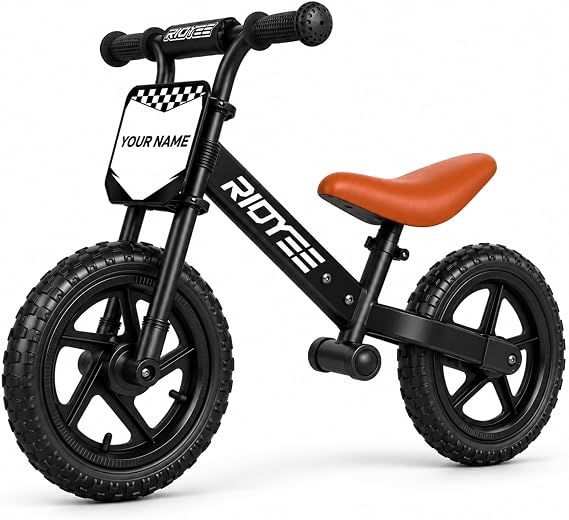
Striking a balance between sturdy design and cool style, the Toddler Balance Bike suits little riders aged 2 to 5. Its main draw is the carbon steel frame paired with an off-road look, making it stand out while promising durability for energetic toddlers.
Adjusting the seat height is quick and tool-free, so it easily grows with your child. The shock-absorbing adjustable seat keeps rides comfortable, while the anti-slip grips offer safe handling. Without brakes, the bike stays simple, focusing on balance and coordination for everyday fun and learning.
Handling the basics well, it encourages kids to develop balance without overwhelming features. Built tough with a rigid suspension and an easy grip, it offers a sporty feel.
Praises often highlight how cool it looks and tight construction. Some point out the lack of brakes as a limitation once toddlers get more confident.
The bike receives praise for its rugged construction and cool motocross-inspired look, making it both appealing and durable for little adventurers. The most common drawback mentioned is the absence of brakes, which some find limiting as children grow and require better control.
Younger toddlers learning to balance on simple, sturdy gear will appreciate this bike’s straightforward design and adjustability. Those looking for more control features or a bike that suits older kids beyond size limits might want to explore other options.
Pros
- Sturdy carbon steel frame
- Tool-free adjustable seat height
- Comfortable shock-absorbing seat
- Anti-slip handlebar grips
Cons
- No brakes for added stopping control
- Seat height range may limit taller kids
| Specification | Details |
|---|---|
| Bike Type | Balance Bike |
| Number Of Speeds | 1 |
| Suspension Type | Rigid |
| Additional Features | Adjustable Shock-Absorbing Seat, Anti-Slip Grip, Customizable Front Plate, Handlebar Cover, Racing Frame |
| Brake Style | No Brakes |
Best Balance Bikes for 2 Year Old Boy Comparison
| Product | Intended Terrain | Brake Style | Adjustable | Warranty |
|---|---|---|---|---|
| SEREED Toddler Bike | Paved Roads | No Brakes | Adjustable | – |
| 4-in-1 Toddler Trike | – | – | – | 6 Month Warranty |
| KRIDDO Balance Bike | Paved, Urban, Trails | No | Adjustable Handlebars, Seat | – |
| Radio Flyer Balance | Indoor, Outdoor | Foot Brake | Adjustable Seat | – |
| KRIDDO Toddler Bike | – | – | – | 2 Year Warranty |
| SEREED Baby Bike | Trail | No brake | – | – |
| Umatoll Toddler Bike | Paved Roads, Urban | No Brakes | Adjustable | – |
| Bobike Baby Bike | Paved, Urban, Trails | Disc | – | – |
| Umatoll Balance Bike | Paved, Urban, Trails | No Brake | Adjustable | – |
| JMMD 6-in-1 Bike | – | Hand Brake | Adjustable Handlebars, Seat | – |
| Strider 12 Sport | All Terrain | No braking | – | – |
| Generic Toddler Bike | – | No Brakes | Adjustable Seat | – |
- Intended TerrainPaved Roads
- Brake StyleNo Brakes
- AdjustableAdjustable
- Warranty–
- Intended Terrain–
- Brake Style–
- Adjustable–
- Warranty6 Month Warranty
- Intended TerrainPaved, Urban, Trails
- Brake StyleNo
- AdjustableAdjustable Handlebars, Seat
- Warranty–
- Intended TerrainIndoor, Outdoor
- Brake StyleFoot Brake
- AdjustableAdjustable Seat
- Warranty–
- Intended Terrain–
- Brake Style–
- Adjustable–
- Warranty2 Year Warranty
- Intended TerrainTrail
- Brake StyleNo brake
- Adjustable–
- Warranty–
- Intended TerrainPaved Roads, Urban
- Brake StyleNo Brakes
- AdjustableAdjustable
- Warranty–
- Intended TerrainPaved, Urban, Trails
- Brake StyleDisc
- Adjustable–
- Warranty–
- Intended TerrainPaved, Urban, Trails
- Brake StyleNo Brake
- AdjustableAdjustable
- Warranty–
- Intended Terrain–
- Brake StyleHand Brake
- AdjustableAdjustable Handlebars, Seat
- Warranty–
- Intended TerrainAll Terrain
- Brake StyleNo braking
- Adjustable–
- Warranty–
- Intended Terrain–
- Brake StyleNo Brakes
- AdjustableAdjustable Seat
- Warranty–
How to Choose the Right Balance Bike
Look for a balance bike that fits your child’s height and weight comfortably, with an adjustable seat and lightweight frame for easy handling. Choosing the right size and durable materials ensures safety, supports learning, and helps avoid frequent replacements or frustration.
Size and Fit
A toddler’s height can vary a lot, and a bike without a proper seat height adjustment quickly becomes uncomfortable and hard to control. A seat that is too high or low makes it difficult for a child to put their feet flat on the ground, which is crucial for balance and stopping safely. Most models offer adjustable seats with a range of about 11 to 16 inches in height to fit growing kids.
Weight matters as well since a heavy frame tires small kids out fast and can discourage riding. Frames made of aluminum or lightweight wood strike a good balance for toddlers’ strength.
Wheel size impacts stability; 12-inch wheels are common for this age, providing better control without being too bulky to manage.
Safety Features
An easy-to-use braking system is a lifesaver. Hand brakes designed for little hands make stopping smoother, but some bikes skip brakes in favor of foot drag which isn’t always effective. Bikes with hand brakes that have a comfortable grip and moderate lever resistance work best for toddlers still developing coordination.
Rounded edges on all parts reduce the chance of cuts or scrapes during falls or bumps. Secure fastenings prevent loose parts from creating hazards. Nonslip grips provide a firm hold during rides.
Some models include pedals as footrests; in these cases, pedals have grip textures or slight ridges to keep feet steady and prevent slipping.
Frame Material and Durability
A balance bike can take a lot of rough treatment, especially outdoors. Frames made from steel are tough but often heavier; aluminum frames last long and stay lighter.
Wood is softer but can chip or wear down faster if not sealed properly. Rust-resistant coatings or galvanized steel help maintain a clean look even after exposure to moisture and dirt.
Weight is a compromise between endurance and portability. A frame sturdy enough for uneven surfaces but light enough to carry in and out of cars or up stairs prevents frustration for caregivers and child alike.
Ease of Use and Adjustability
Adjustability without tools makes quick customization straightforward, even on the go. Seats and handlebars that slide up or down with simple clamps save time and avoid needing misplaced wrenches. Clear, step-by-step instructions with diagrams cut down assembly time and frustration.
The steering should feel smooth but responsive, avoiding stiffness that frustrates a toddler or looseness that reduces control. Simple bearing mechanisms or bushings work well, letting the front wheel turn easily while staying steady at higher speeds.
Comfort and Ride Quality
A padded seat provides relief from pressure points, which helps kids ride longer without fussing. Seats lined with foam or gel make a notable difference compared to thin plastic surfaces. The choice between foam and air tires influences how bumps feel; air tires offer better shock absorption but require occasional inflation, whereas foam tires are maintenance-free but transmit more vibration.
Frame geometry that encourages a natural lean forward supports balance instincts and builds confidence. Bikes designed with a slight downward slope from handlebars to seat let the child stay balanced without feeling stretched or cramped.
Tips for Teaching Your 2-Year-Old to Ride a Balance Bike
Starting with a balance bike built to fit a 2-year-old’s size makes learning much easier. Make sure the seat height allows their feet to touch the ground firmly.
Encourage short practice sessions on flat, soft surfaces such as grass or smooth pavement. Using a helmet can help your child feel safe, which encourages confidence.
Promote skill-building by:
- Helping them push off gently and glide forward to get used to balancing.
- Encouraging walking with the bike between rides to build familiarity.
- Keeping communication simple and positive with lots of praise.
Allow plenty of breaks to avoid frustration. Letting your toddler explore at their own pace helps them develop balance naturally without feeling pressured.
Essential Maintenance and Care for Longevity of Balance Bikes
Regular upkeep extends the life of a balance bike and keeps it safe for your child. Check the tires before every ride for air pressure or damage; some models have air-filled tires, others use foam. Lubricate the wheel bearings and steering mechanism occasionally to keep movement smooth.
Maintenance tasks to remember:
- Inspect bolts and screws weekly to prevent loosening from vibration.
- Wipe down the frame and components after outdoor use to remove dirt and grime.
- Store the bike indoors or cover it to protect from weather wear.
Replacing worn grips or pedals promptly also helps maintain control and comfort. Small efforts make the bike last through multiple children or seasons.
Common Mistakes to Avoid When Introducing a Balance Bike to Toddlers
Introducing a balance bike too early increases the risk of frustration for a toddler who isn’t ready to coordinate balance and steering. Using a bike that’s too big or has an improper seat height can cause difficulty in stopping or balancing.
Common pitfalls to avoid include:
- Rushing the learning process instead of letting your child progress gradually.
- Not providing a safe environment free of traffic and obstacles for practice.
- Failing to supervise while the child is riding, which can lead to accidents.
Opting for heavy bikes can tire younger toddlers quickly. Sticking to lightweight models suited to their size ensures better control and a more enjoyable experience.
People Also Asked
What Size Balance Bike Is Ideal for a 2 Year Old Boy?
A balance bike with 12-inch wheels is generally ideal for a 2 year old boy. The frame height should allow him to put his feet flat on the ground for stability and confidence while learning to balance. Checking seat height is helpful to ensure comfort during rides.
How Do I Properly Adjust the Seat and Handlebars?
Adjust the seat so the child can sit comfortably with feet flat on the ground. The handlebars should be at a height that does not force the child to reach up or hunch over. Small adjustments help maintain a natural riding posture and reduce strain on their back and arms.
Are Balance Bikes Safe for Toddlers Learning to Ride?
Balance bikes are safe for toddlers when used with proper supervision and protective gear like helmets. Their design promotes natural balance without pedals, reducing falls caused by pedaling mistakes. Always use a smooth, flat surface first to build confidence.
How Long Can a Balance Bike Typically Last for a Child?
A balance bike typically lasts about 1 to 2 years, depending on the child’s growth rate. Some adjustable models extend usability by accommodating seat and handlebar changes. Once a child outgrows the bike’s size or comfortably transitions to pedals, it’s time to move on.
What Common Issues Should I Watch for with Balance Bikes?
Watch for loose bolts, worn tires, and seat or handlebar slippage as common issues. Regularly check the frame for cracks or dents, especially after falls. Keeping the bike clean and properly maintained improves safety and prolongs its lifespan.
Conclusion
Choosing a balance bike for a 2 year old boy means focusing on the right size and weight so he can handle it easily. Stable construction is important to keep him safe as he learns, and adjustable seat height helps the bike grow with him.
These basic features will make the learning experience smoother and more enjoyable for both of you.
Think about where your child will be riding most often and how much you want to spend. For tighter spaces or smaller budgets, a simpler model might work well.
Take another look at the comparison table and the options above to pick the bike that fits your needs best.