
Top 12 Best Battery for Electric Bike You Should Choose
Riding an electric bike with a low-quality or incompatible battery often leads to frustrating interruptions, like sudden power drops or much shorter rides than expected. The best battery for electric bike use delivers reliable charge and stamina so you don’t find yourself stranded halfway through a commute or weekend ride.
Batteries that falter under regular use usually fall short in construction or capacity, causing inconvenience and extra cost over time.
A quality electric bike battery focuses on three main factors: battery chemistry, capacity, and fit. Lithium-ion is the standard chemistry, offering a balance of weight and power without memory effect.
Most reliable batteries range from 400 to 700 watt-hours, providing between 20 to 50 miles of range depending on terrain and rider effort. Proper fit to your bike’s frame and secure mounting are crucial, not just for convenience but also safety, considering the power involved and exposure to elements during rides.
Need a Quick Check?
| Image | Product | Price |
|---|---|---|
Our Top Picks 1  | Silver Fish 48V Battery | Check Price |
Our Top Picks 2  | Generic 48V 13Ah Battery | Check Price |
Our Top Picks 3 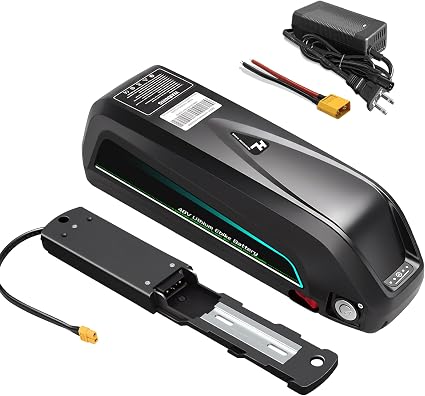 | Lithium 48V 13/20Ah Battery | Check Price |
Our Selected Top 12 Battery for Electric Bike Picks for Every Need
This list includes a variety of electric bike batteries designed for different riding styles and needs. Each review covers how well the battery performs, who it’s best suited for, and highlights both its strengths and potential drawbacks. This helps you find the right match for your bike.
1. Silver Fish 48V 15Ah E-Bike Battery
Using the Silver Fish 48V 15Ah E-Bike Battery feels solid and reliable for daily rides, designed for those who want a consistent power source for motors up to 1000W. Its standout feature is the combination of power capacity and waterproof construction, making it practical for varied riding conditions.
Setting it up is straightforward thanks to the included battery holder, screws, and keys for the anti-theft lock. The LED indicator on the battery helps you check charge levels without extra tools.
Its size and weight are manageable, and the built-in handle makes carrying easier. The IP65 waterproof housing means rain or splashes won’t interrupt your ride.
Power delivery matches what you’d expect from a 48V 15Ah unit, comfortably handling motors up to 1000W. The grade A lithium-ion cells deliver consistent output, while the alloy steel frame adds necessary durability.
Reports praise its reliable performance under normal conditions. Some note the 3-month warranty is quite short compared to competitors.
The battery regularly provides dependable power and handles everyday riding well without unexpected drops. The locking mechanism adds convenience and security during stops. Some users wish for a longer warranty period, which would better match its intended daily use.
Riders looking for a durable and waterproof 48V battery for motors under 1000W will find this option suitable. Those looking for a lighter or longer warrantied pack might consider other brands. Its combination of features targets riders prioritizing endurance and protection in varied weather.
Pros
- IP65 waterproof housing for wet conditions
- LED power indicator for easy monitoring
- Anti-theft lock included for security
- Durable alloy steel frame protects battery
Cons
- Only 3 months manufacturer warranty
- Weight could be heavy for some setups
| Specification | Details |
|---|---|
| Voltage | 48V |
| Capacity | 15Ah |
| Compatible Motor Power | 0-1000W |
| Weight | 9.3lb (4.2kg) |
| Size | 15.35 x 2.95 x 4.37 inches (390 x 75 x 111 mm) |
| Battery Management | 30A BMS |
2. 48V 13Ah Ebike Lithium Battery
48V 13Ah Ebike Lithium Battery suits riders needing reliable power for electric bikes from 0 to 1000W. Its main strength lies in the capacity and endurance of the Grade A lithium-ion cells, which support longer rides with consistent energy delivery.
Installation happens by unlocking the battery holder base using a key, then sliding the battery onto the bike’s down tube. The package includes a connecting wire, helping with setup.
Recharging takes around 6 to 7 hours to reach full charge, making overnight charging practical. The battery feels balanced in weight at 3.9KG, not adding excessive load during rides.
It delivers steady power output with a 25A BMS to prevent damage from short circuits, overcharge, and over discharge, promising up to 1000 charge cycles. The physical build is compact, measuring 14.45 by 4.13 by 2.91 inches.
The clearest praise is for its long life span, while some mention the key installation adds a small step but brings security.
Strong points include consistent power delivery over many cycles and good protection from electrical faults. The locking key system, while adding security, slows removal and installation slightly. Buyers appreciate the durability but note the key can be inconvenient at times.
Riders who want a durable battery for daily travel or longer rides will find this suitable. Those wanting quicker swap-outs or longer warranty coverage might prefer other batteries without locking mechanisms or with extended guarantees. The size and weight balance meet most standard e-bike needs well.
Pros
- Long-lasting Grade A lithium-ion cells
- Compatible with 0-1000W motors
- 25A protective BMS board included
- Relatively light at 3.9KG
Cons
- Installation requires key unlocking step
- Warranty period limited to 6 months
| Specification | Details |
|---|---|
| Voltage | 48V |
| Capacity | 13Ah |
| Weight | 3.9KG |
| Dimensions | 14.45 x 4.13 x 2.91 inches |
| BMS Current | 25A |
| Charge Time | 6-7 hours |
3. 48V Lithium Ebike Battery 13Ah/20Ah
A lithium battery pack built for 48V electric bikes, available in 13Ah and 20Ah capacities. Designed for riders who need reliable power and longer ranges without adding too much weight.
Its biggest advantage lies in balancing safety features with consistent voltage output for steady performance.
Setting up is straightforward, fitting most 48V systems without issues. The built-in smart Battery Management System prevents overcharge, overheating, and short-circuits, making daily rides more secure. The lightweight lithium build means handling and installation feel easier than older lead-acid batteries.
Charging cycles promise durability across many rides, which suits frequent commuters or longer weekend trips.
This battery supports motor powers up to 1500W, making it suitable for stronger e-bikes or even some e-motorcycles. It holds voltage well for smooth acceleration.
Customers appreciate its dependable output and safety features. On the downside, a handful mention the limited 3-month warranty period as restrictive for long-term confidence.
Reliable voltage and integrated safety systems allow consistent, worry-free rides across various conditions. The short warranty period stands out as a detail users might hesitate about, especially for heavy daily use or rougher environments.
Riders seeking predictable power and a lightweight pack for standard 48V motors will find this battery practical. Those needing longer-term backup or a broader warranty coverage might look toward other solutions with extended guarantees or bigger capacity ranges.
Pros
- Smart BMS protection for safety
- High capacity options for longer rides
- Lightweight lithium design
- Steady voltage for smooth acceleration
Cons
- Only 3 months warranty included
- Some may find capacity options limited
| Specification | Details |
|---|---|
| Voltage | 48V |
| Capacity Options | 13Ah, 20Ah |
| Compatible Motor Power | 100W-1500W |
| Material | Premium Lithium |
| Warranty | 3 months manufacturer |
4. 36V/48V 12Ah/20Ah Ebike Lithium Battery

Engineered for serious power needs, this 36V/48V 12Ah/20Ah lithium battery suits riders with a range of electric bikes, from casual commuters to high-speed DIY projects. Its biggest strength is the 20A battery management system, which guarantees safe and steady power delivery across a wide range of motors.
Setting up involves connecting using XT60/T plugs, a common standard making installation straightforward. The battery’s compact size and 2.05kg weight make it easy to fit without adding bulk. Everyday use benefits from the EV-grade lithium cells that handle varied weather and heavy loads well, providing reliable energy during rides in temperatures from -20°C to +40°C.
Performance stays consistent thanks to the battery management system preventing overcharge and short circuits. Built with durable, leak-proof seals, it stays safe under stress. Feedback highlights its long lifespan with 1500+ cycles retaining over 85% capacity.
A typical downside is limited warranty coverage of just one year, which might concern some buyers.
The battery consistently delivers steady power and lasts through many cycles while maintaining capacity above 85%. Packages are well sealed against leaks. Most users appreciate its ability to handle cold and hot temperatures without failing. Concerns mainly arise around the limited warranty and occasional size issues for smaller bike frames.
Riders needing a stable, powerful battery for a wide motor range will find this a strong choice. Those who want longer warranty protection or a slimmer pack might look elsewhere. Its durability and capacity suit people who ride frequently and deal with varied environments and loads.
Pros
- Supports motors from 100W to 2000W
- Operates in extreme temperatures (-20°C to +40°C)
- Long life cycle with 1500+ charge cycles
- Lightweight design at just 2.05 Kg
Cons
- Only 1-year warranty included
- May feel bulky on very small e-bikes
| Specification | Details |
|---|---|
| Voltage | 36V/48V |
| Capacity | 12Ah/20Ah |
| Weight | 2.05 Kg |
| Battery Management System | 20A BMS |
| Dimensions | 7.87 × 3.54 × 2.71 inches |
| Charge Cycles | 1500+ |
5. 48V Ebike Battery 13Ah/16Ah/20Ah

Charging and replacing e-bike batteries can be a pain, but a 48V Ebike Battery with options from 13Ah to 20Ah offers steady power for bikes with motors up to 1000W. It suits riders who need a reliable battery that lasts longer between charges and comes with convenient features like a USB port and an LED indicator.
Setting up takes a bit of measuring since the battery size is 14.2 by 3.54 by 4.33 inches. It connects with a female XT60 plug and has a power switch to keep it from draining when not in use.
The LED indicator gives a quick view of the charge, helping you know when to plug in. The built-in lock adds security, and the waterproof case means you can ride through some rain without worrying about damage.
Battery life depends on the capacity you pick, but the 48V system with Grade A lithium-ion cells keeps the power steady. The 30A BMS inside guards against overcharging and short circuits, which should add to safety and lifespan. The most common downside is the limited three-month warranty, and some users find the battery a bit heavy at 7.7 pounds.
The design holds up well even in wet conditions.
Long rides benefit from steady and reliable power due to the quality lithium cells and built-in protection features. The LED indicator and security lock make everyday riding easier. Some find the battery’s weight noticeable, and the short warranty might not offer enough reassurance for long-term use.
Those who want a dependable battery with extra features like a USB port and waterproof housing will find this a good match. Riders needing a lighter or longer warranty option may consider different batteries tailored for their needs.
Pros
- Long-lasting Grade A lithium-ion cells
- Built-in 30A BMS for safety
- LED indicator shows battery level
- Waterproof and secure locking design
Cons
- Only 3-month manufacturer warranty
- Relatively heavy at 7.7 pounds
| Specification | Details |
|---|---|
| Voltage | 48V |
| Capacity Options | 13Ah, 16Ah, 20Ah |
| Suitable Motor Power | 0W-1000W |
| Maximum Current | 30A |
| Dimensions | 14.2 × 3.54 × 4.33 inch |
| Weight | 7.7 lb |
6. 54.6V Charger for 48V Lithium Batteries

Charging 48V lithium batteries often means dealing with slow or unsafe chargers. This 54.6V charger fits well for someone with an electric bike or scooter who wants a faster, safer way to charge. Its biggest strength lies in balancing speed and safety during charging.
Setting it up involves matching the DC 5.5mm x 2.5mm or 2.1mm connector to your battery port. The LED indicators make it simple to see charging progress without guesswork. The 100V-240V input voltage means the same charger works at home and abroad, which is useful for travel.
Just plug it into a standard Type A socket and connect it to the battery.
Charging speed typically hits full charge in about 4-6 hours for a 48V 13S lithium battery, reducing wait time between rides. The charger includes built-in protections like over-voltage and short-circuit safety.
The casing feels solid, though some note its cord length could be longer. The LED charging status lights work reliably, helping avoid overcharging.
Charging speed and safety are the most praised features, helping batteries reach full charge promptly without risk. Some find the power cord too short for convenient placement near outlets. The LED charging lights provide clear feedback, making it easy to monitor progress.
People who need a reliable, multi-protection charger for 48V lithium batteries will appreciate this model. Those requiring longer cords or unsure about connector compatibility should consider checking options with better fit or additional accessories before purchase.
Pros
- Fast charging reduces idle battery time
- Safe with multiple built-in protections
- Global voltage compatibility for travelers
- Clear LED indicators show charge status
Cons
- Cord length may be shorter than preferred
- Connector size requires verification before purchase
| Specification | Details |
|---|---|
| Output Voltage | 120 volts |
| Output Current | 1.5 A |
| Input Voltage | 120 volts |
| Power | 81.9 watts |
| Connector Type | DC 5.5mm x 2.5mm/2.1mm |
| Power Plug | Type A – 2 pin (North American) |
7. 54.6V 2A Fast Charger for 48V Ebike Battery

54.6 volts output powers most 48V lithium ebike batteries quickly and safely. Designed for those who want a reliable and fast charger without fuss. Its universal connectors make it flexible for different electric bikes and scooters while prioritizing battery life with smart charging modes.
Setup involves picking the right connector from the five options to fit your ebike or scooter’s charging port. Plugging into a 100-240V outlet is easy, and the charger handles voltage and current automatically. It stops charging once the battery is full, so you don’t need to monitor it closely.
It’s important to avoid lead-acid batteries because this charger is exclusively for lithium types.
Charging performance matches the 2A rating, providing steady power without overheating, thanks to built-in protections against overvoltage and short circuits. The unit feels solid and compact but lacks a built-in plug, so you’ll need one separately.
Most praise the charger’s reliability and safety features. Some find the absence of a dedicated power plug inconvenient for quick setups.
Reliable charging and battery protection stand out as strengths, along with compatibility with various devices. Lack of an included plug is the most common issue, requiring extra accessories for immediate use. Charging speed matches the 2A output without overheating issues.
Best suited for anyone needing a safe, multi-connector charger for 48V lithium ebike batteries who can provide their own plug. Those needing a charger for lead-acid batteries or preferring a plug included should look elsewhere.
Pros
- Five connector types cover many ebike models
- Automatically stops charging at full battery
- Multiple safety features to protect battery and charger
- Works on 100-240V input worldwide
Cons
- No built-in power plug included
- Not compatible with lead-acid batteries
| Specification | Details |
|---|---|
| Output Voltage | 54.6 V |
| Output Current | 2 A |
| Input Voltage | 110 volts |
| Connectors Included | 5 Universal, 2-Pin Type |
| Power Rating | 109.2 watts |
8. 36V 7.8Ah Lithium Battery Pack

Someone who prefers a straightforward upgrade or replacement battery for a Jetson Bolt Pro or similar 36V electric bike will find this battery pack practical. Its main strength lies in straightforward compatibility and built-in protection features that keep the battery safe under regular use.
Installation is simple, aided by an XT60 discharge connector and SM charging connector that match common controller inputs. The battery’s size (7.48×2.75×2.75 inches) fits snugly on the Jetson Bolt Pro frame. With a dedicated 2A charger included, recharging is convenient without extra parts.
Protection from overcharging, over-discharging, and short circuits adds safety during daily rides and charging cycles.
Charging and discharging work reliably thanks to the 30A Battery Management System (BMS). The battery holds its charge well over time and fits perfectly into its designated space. Some users feel the 3-month warranty period is short for a battery, which may limit confidence in the product.
Others appreciate the safety features but want a longer runtime or higher capacity option.
Safety features such as a comprehensive battery management system and easy connection make daily use straightforward and secure. The most noted drawback is the limited warranty duration, which might raise concerns for extended reliance on the battery’s durability.
The battery suits riders needing a reliable replacement for 36V Jetson Bolt Pro models or DIY projects with similar power requirements. Those seeking longer runtimes or more extensive support may want to consider batteries with higher capacity or longer warranty coverage.
Pros
- Compatible with Jetson Bolt Pro and 36V projects
- Built-in 30A BMS for safety protection
- Includes efficient 2A charger
- Compact battery dimensions
Cons
- Short 3-month warranty period
- 7.8Ah capacity may limit longer rides
| Specification | Details |
|---|---|
| Voltage | 36V |
| Capacity | 7.8Ah / 10Ah |
| Size | 7.48 x 2.75 x 2.75 inches |
| Included Charger | 2A dedicated charger |
| Connectors | XT60 discharge, SM charging |
| BMS | 30A overcharge and short circuit protection |
9. 48V 15Ah Folding E-Bike Battery

Designed for riders who need a solid range and reliable power, this 48V 15Ah folding e-bike battery stands out by matching well with 48V 0-1000W motors. Its main strength lies in balancing a compact size with enough capacity to keep outdoor cycles running for extended trips without extra bulk.
Setup involves securing the battery holder to the bike seat tube with screws, then locking the battery in place using the included keys. The discharge port sits on top, making cable connection straightforward but requiring attention during installation. Daily charging is handled by a 54.6V 3A charger, which is included.
Handling the battery is easier due to its moderate 9.15lb weight, making removal and mounting manageable for regular use.
Power delivery holds steady thanks to the built-in 30A battery management system guarding against overcharging and short circuits. The battery casing measures 14.37 x 5.12 x 3.43 inches, fitting most standard mounts. Positive feedback highlights consistent output and safety features.
The common complaint concerns occasional bulk during transport and the need to verify compatibility due to the unit’s precise voltage and size requirements.
Consistent voltage output during rides sends reliable power to motors, reducing interruptions. The safety system prevents common battery issues like overcharging or short circuits. A downside is the battery’s physical bulk, which some find cumbersome when carrying the bike or removing the battery frequently. Getting the fit right requires measuring beforehand due to strict size and power specs.
People with 48V motors up to 1000W looking for a well-protected and ready-to-install battery will find this a practical choice. Those who need a lighter or smaller battery for compact folding bikes or who have non-standard mounts should consider alternatives designed for tighter fits or lighter weight. It suits outdoor riders focused on reliability rather than minimal size.
Pros
- Built-in 30A BMS for battery protection
- Includes charger, keys, screws, and holder
- Moderate weight for easier handling
- Fits various 48V outdoor e-bikes
Cons
- Requires exact size and voltage match
- Bulk can make transport awkward
| Specification | Details |
|---|---|
| Voltage | 48 volts |
| Capacity | 15 amp_hours |
| Weight | 9.15 lb |
| Charger | 54.6V 3A |
| Dimensions | 14.37 x 5.12 x 3.43 inch |
| Compatibility | 48V 0-1000W motors |
10. 48V 14Ah Ebike Battery for RadExpand

ShunTongDa JD-JB0114 48V 14Ah Ebike Battery is designed for Rad Power electric bikes, especially models like RadExpand 5 and RadWagon. It suits riders needing a longer range and solid power output. The standout feature is its high capacity that supports up to 200km per charge, making it a solid choice for extended rides or daily commuting.
Setup is straightforward thanks to the plug-and-play design with pre-installed base and XT-60 connectors. You only need to unlock and slide it in place, skipping any complicated wiring.
The battery’s compact size fits well on most frames, while a waterproof casing protects it from rain or dust. Integrated LED indicators help track the power level without guessing. Plus, an anti-theft lock makes it safer to leave the bike unattended.
Performance covers a wide range from standard commutes to more demanding rides thanks to its 672Wh capacity and 30A BMS that guards against overcharge and temperature issues. Build quality is solid with an IP-rated case for rough weather and automotive-grade A cells for longer battery life.
Positive notes include reliable power delivery and easy installation. Alerts point out it won’t work with Rad firmware version 1.4.0 or above, limiting compatibility.
Reliable power output and easy swapping on the bike earn strong approval. A common issue remains the lack of support with the latest Rad bike software, which means not everyone can use it without firmware concerns. The waterproof casing receives repeat mentions as a valuable feature for ride durability under wet conditions.
Those needing extended travel distances on Rad Power bikes without upgrading controller firmware will find this battery practical. Riders running updated Rad firmware 1.4.0 or higher should explore other options to avoid incompatibility. The battery fits well for everyday cycling as long as charging overnight is manageable.
Pros
- High capacity extends ride distance significantly
- Simple installation with pre-installed connectors
- Weatherproof casing suitable for various conditions
- Includes anti-theft lock and LED power display
Cons
- Not compatible with newer Rad firmware versions
- Charging time of 7 hours may feel long
| Specification | Details |
|---|---|
| Voltage | 48V |
| Capacity | 14Ah (672Wh) |
| Compatible Models | RadExpand 5, RadWagon, RadRunner 2, other 48V Rad Power models |
| Physical Size (mm) | 380 x 89 x 95 |
| Protection Features | Overcharge, short-circuit, temperature, waterproof casing |
| Warranty | 12 months |
11. 48V 10.4Ah Replacement Battery for Lectric XP

Replacing your power source feels straightforward with a battery made specifically for Lectric XP Step-Over models 1.0 and 2.0. Designed for riders who value easy installation paired with reliable power output, it delivers a practical balance of capacity and compatibility as its biggest advantage.
Setting it up is simple thanks to a 5-pin discharge port that slides right into the eBike frame without tools. The included keys control the integrated safety lock that turns power on and off. Comes with everything you need, including a charger and manual, making daily recharging and storage easy.
Its size and design fit precisely, so it stays secure during rides.
Power delivery holds steady with 500Wh output from quality 18650 lithium-ion cells, supporting motors up to 800W. The battery has protective circuits guarding against overcharge, over-discharge, and short circuits.
It handles typical city riding on paved roads well and promises over 1000 charge cycles. Some have noted awareness is required to keep the key turned on for power, which can be a minor oversight in use.
Installation is straightforward and fits neatly into the eBike frame, with the safety lock providing extra security. Users appreciate the solid 500Wh power from high-quality cells and long recharge life. Some find the need to keep the key turned on during rides requires attention to avoid power loss.
Riders who want a simple replacement with guaranteed compatibility will find this battery works well without modification. Those needing a battery for off-model eBikes or with higher capacity demands should explore other options designed for broader fit or greater capacity. This suits paved road riding and typical power requirements.
Pros
- Easy slide-in installation with tool-free connection
- Powerful 500Wh capacity supports strong motor output
- Includes charger, keys, and manual for full setup
- Secure lock system also acts as an on/off switch
Cons
- Requires key to be turned on to deliver power
- Size must match model exactly for perfect fit
| Specification | Details |
|---|---|
| Voltage | 48V |
| Capacity | 10.4Ah |
| Energy Content | 499.2 watt-hours |
| Compatible Models | Lectric XP Step-Over 1.0, 2.0 |
| Size (LxWxH) | 16.93″ x 3.93″ x 1.69″ (430 x 100 x 43mm) |
| Recharge Cycles | 1000+ |
12. 48V Lithium Ebike Battery 13Ah/20Ah

Power delivery and reliability suit riders needing a strong 48V battery for their electric bikes or scooters. The 48V Lithium Ebike Battery offers a solid balance between capacity choices and built-in safety features, making it a trustworthy replacement or upgrade for those wanting consistent voltage and plug-and-play convenience.
Setting it up typically involves connecting the universal XT60 plug, which fits most 48V systems without fuss. The IP65-sealed casing withstands outdoor conditions, helping resist dust and water during daily rides. Fast charging completes quickly using the included 54.6V charger, meaning less downtime between trips.
Its smart battery management system adds extra assurance against common battery risks.
Performance matches the expectations for a 48V pack rated 13Ah, 20Ah, or 25Ah, supporting e-bike motors from 100W up to 1400W smoothly. The strong plastic case feels rugged enough for frequent handling. A regular compliment is the reliable voltage output, while a common drawback mentions the limited 3-month warranty, which might feel short compared to other brands.
Reliable voltage delivery and safety protections get strong praise for handling motors up to 1400W without trouble. The most noted complaint points to a relatively short warranty duration, which could concern riders planning long-term use or heavy daily cycling.
Those needing flexible capacity and quick installation will find this battery fits well, especially with the convenience of plug-and-play and dust/water resistance. Buyers prioritizing extended warranty coverage or specific fit should consider other models with longer support or different connector types.
Pros
- Three capacity options fit various power needs
- Built-in BMS protects from common battery issues
- Universal XT60 plug ensures broad compatibility
- IP65 case suitable for outdoor riding
Cons
- Short 3-month manufacturer warranty
- May require voltage verification before use
| Specification | Details |
|---|---|
| Voltage | 48V |
| Capacity Options | 13Ah, 20Ah, 25Ah |
| Connector Type | XT60 |
| Protection Features | Built-in 30A Smart BMS |
| Charging Voltage | 54.6V standard charger included |
| Water/Dust Resistance | IP65 sealed case |
Best Electric Bike Batteries Comparison Table
| Product | Voltage | Capacity | Warranty | Included Components |
|---|---|---|---|---|
| Silver Fish 48V Battery | 48V | – | 3 Months | – |
| Generic 48V 13Ah Battery | 48V | 13Ah | 6 Months | Battery, connecting wire |
| Lithium 48V 13/20Ah Battery | 48V | 13/20Ah | 3 Months | – |
| Multi-Voltage 36/48V Battery | 36/48V | – | 1 | – |
| Versatile 48V Ebike Battery | 48V | – | 3 Months | – |
| 54.6V Lithium Charger | 54.6V | Charger only | – | – |
| 54.6V 2A Fast Charger | 54.6V | Charger only | – | – |
| 36V 7.8Ah Battery Pack | 36V | 7.8Ah | 3 Months | 2a Charger, connector |
| Folding 48V 15Ah Battery | 48V | 15Ah | – | – |
| RadExpand 48V 14Ah Battery | 48V | 14Ah | 1 Year | Base, keys |
| Lectric XP 48V Battery | 48V | 499.2Wh | 1000 Cycles | – |
| Lithium 48V 13/20Ah Battery V2 | 48V | 13/20Ah | 3 Months | Battery |
- Voltage48V
- Capacity–
- Warranty3 Months
- Included Components–
- Voltage48V
- Capacity13Ah
- Warranty6 Months
- Included ComponentsBattery, connecting wire
- Voltage48V
- Capacity13/20Ah
- Warranty3 Months
- Included Components–
- Voltage36/48V
- Capacity–
- Warranty1
- Included Components–
- Voltage48V
- Capacity–
- Warranty3 Months
- Included Components–
- Voltage54.6V
- CapacityCharger only
- Warranty–
- Included Components–
- Voltage54.6V
- CapacityCharger only
- Warranty–
- Included Components–
- Voltage36V
- Capacity7.8Ah
- Warranty3 Months
- Included Components2a Charger, connector
- Voltage48V
- Capacity15Ah
- Warranty–
- Included Components–
- Voltage48V
- Capacity14Ah
- Warranty1 Year
- Included ComponentsBase, keys
- Voltage48V
- Capacity499.2Wh
- Warranty1000 Cycles
- Included Components–
- Voltage48V
- Capacity13/20Ah
- Warranty3 Months
- Included ComponentsBattery
How to Choose the Right Electric Bike Battery
Battery capacity, weight, and compatibility with your bike model are key factors. Choosing the right battery ensures better ride range and avoids frequent replacements, saving money and reducing maintenance problems over time.
Battery Capacity and Range
Riding a bike only to run out of power halfway through a 20-mile journey is frustrating, especially when the battery capacity doesn’t match the distances you usually cover. Batteries measured in watthours (Wh) give a clear idea of the energy stored and how long the bike can run. A 400 Wh battery might support rides of 20-30 miles depending on conditions, while a 600 Wh battery typically extends that range closer to 40-50 miles.
The number alone doesn’t guarantee the distance because heavier riders or uphill rides drain the battery faster.
Choosing a bigger battery means a longer ride without recharging, but also more weight to carry and higher cost. A heavier battery can alter how the bike handles, making it less agile and more tiring on steep climbs or technical trails.
Balancing capacity with weight and price is key. Noticing that some batteries add 3 to 6 pounds to the bike’s weight changes how comfortable your daily rides feel, especially if you often carry the bike upstairs or load it on a rack.
Compatibility and Fit
Trying to fit a battery that doesn’t match your bike’s frame or mounting system can lead to constant adjustments or worse, a loose fit that distracts while riding. Some models require specific adapters to lock the battery securely in place. The difference between a good and a bad fit is noticeable.
A battery that slides in without force and locks firmly will stay put even on bumpy rides, while an ill-fitting one risks damage from vibration or accidental drops. For practical use, check key dimensions like length, width, and thickness, which regularly appear in product specs.
A space around 300 x 100 x 70 mm is common for mid-sized packs but measure your current battery compartment to be sure.
Voltage matching is another crucial detail. A standard e-bike motor often runs on 36 or 48 volts, and supplying a battery with a different voltage can reduce performance or harm the motor’s electronics.
Matching voltage rating to your motor ensures you get expected speed and torque without risking damage. Alongside voltage, confirm your battery’s connector type aligns with your bike’s system for smooth operation and avoiding extra adapters. Paying close attention here prevents disappointing power loss and keeps your ride consistent.
Charging Time and Convenience
Some batteries take 6 to 8 hours to fully recharge, which can turn into an overnight routine. Long charging periods mean planning ahead becomes crucial, especially for those who rely on their electric bikes daily. Batteries that recharge in 3 to 4 hours drastically cut downtime and fit better into busy schedules.
Removing the battery can be a hassle when ports are tucked under the frame or beneath the seat. A lightweight design and simple locking mechanism make frequent removal less frustrating, especially for people living in apartments or offices without dedicated bike storage.
Fast-charging is available on certain models, cutting recharge time to around 1.5 to 2 hours. This is useful when you need a quick top-up before a ride later in the day. However, fast-charging can reduce the battery’s overall lifespan, so balancing speed and durability is key.
Look for batteries with charging modes that allow switching between normal and fast charging to manage long-term performance.
Battery Longevity and Lifecycle
After around 500 to 1,000 full charge-discharge cycles, most batteries start to lose a noticeable portion of their original capacity, sometimes dropping below 80%. This decline affects how far the electric bike can go on a single charge, making rides shorter and less predictable.
Choosing a battery with high-quality lithium-ion cells and a rated cycle life closer to 1,000 cycles makes a real difference in long-term satisfaction.
Storage and charging habits play a big role in maintaining capacity. Batteries stored fully charged or completely drained for long periods show faster degradation. The best batteries come with built-in battery management systems that prevent overcharging and deep discharge.
Practical tips to extend lifespan include storing batteries at about 50% charge in a cool, dry place and avoiding daily full charges unless needed. Some models use advanced cell chemistry like lithium iron phosphate, which offers improved stability and more consistent performance throughout their life.
Safety and Build Quality
Batteries without built-in protection circuits often lead to issues like overheating or sudden power loss during rides, which is more than just inconvenient, it can be dangerous. Models with features like overcharge, overdischarge, and short-circuit prevention offer a much safer experience by managing the electrical load and preventing damage to the cells. Overdischarge, for example, can permanently reduce battery capacity, so watching for this function is essential to extend the lifespan.
The casing should be strong, typically thick plastic or metal, and have at least an IP54 rating to resist dust and splashing water. This makes a noticeable difference in durability during rainy rides or dusty trails. Some batteries claim waterproofing but fall short, resulting in corrosion or short circuits.
Checking for certifications like UL or IEC standards adds another layer of security, confirming the product has passed independent safety tests. These details make everyday use less worrisome and help avoid unexpected breakdowns far from home.
How to Maximize the Lifespan of Your Electric Bike Battery
Charging habits have a major impact on your electric bike battery’s lifespan. Avoid fully draining the battery before recharging. Lithium-ion batteries, common in electric bikes, perform best when kept between 20% and 80% charge.
Frequent partial charges help maintain capacity over time.
Temperature also affects battery health. Store and charge the battery in a cool, dry place, ideally between 50°F and 77°F (10°C to 25°C). Excessive heat can degrade the cells and reduce the overall lifespan.
- Use the charger provided by the manufacturer to prevent damage from incompatible voltage.
- Remove the battery from the bike for extended storage and charge it partially before storing.
- Avoid exposing the battery to water or extreme cold for prolonged periods.
Routine cleaning of battery contacts with a dry cloth ensures good connection. Following these steps helps keep the battery efficient for more miles and delays the need for replacement.
Common Mistakes to Avoid When Charging and Using Electric Bike Batteries
Charging an electric bike battery only when it’s fully drained can shorten its lifespan significantly. Most lithium-ion batteries perform best when kept between 20% and 80% charge.
Leaving the battery completely empty or constantly charging it to 100% stresses the cells and reduces capacity over time.
Using the wrong charger is another common issue. Always use the charger that came with the bike or one recommended by the manufacturer. Different batteries require specific voltage and current levels, and using an incompatible charger risks damage or even safety hazards.
Storing the battery fully charged or completely depleted for extended periods accelerates wear. It’s better to store the battery at around 50% charge in a cool, dry place if you won’t use the bike for a while.
- Avoid exposing the battery to extreme temperatures during charging or storage.
- Remove the battery from the bike if it’s not going to be ridden for weeks.
- Keep the charging port clean and dry to prevent connectivity issues.
Comparing Lithium-Ion and Alternative Battery Technologies for Electric Bikes
Electric bikes mostly use lithium-ion batteries because they offer a good balance of weight, capacity, and lifespan. These batteries usually weigh around 3 to 5 kilograms, which keeps the bike manageable without sacrificing too much range.
A typical lithium-ion battery for an electric bike provides between 400 and 600 watt-hours (Wh), enough for 30 to 70 miles depending on terrain and assistance level.
Alternative technologies include lead-acid and nickel-metal hydride (NiMH), but these are less common today. Lead-acid batteries are heavier and bulkier, often doubling the weight of a lithium-ion pack, which affects handling. Their energy density is lower, so the range suffers.
NiMH batteries improve a bit on weight but still lag in capacity and charge cycles.
Key differences to consider:
- Weight: Lithium-ion is much lighter, making short rides easier and long rides less tiring.
- Durability: Lithium-ion typically lasts 500 to 1,000 full charge cycles.
- Cost: Lithium-ion costs more upfront but lasts longer, so it may be cheaper over time.
People Also Asked
How Long Does an Electric Bike Battery Typically Last on a Charge?
An electric bike battery typically lasts between 20 to 50 miles on a full charge depending on the motor power, terrain, and use of pedal-assist. Riding uphill or using throttle mode drains the battery faster. Keeping track of distance on rides helps plan recharging stops effectively.
How Do I Properly Care for My Electric Bike Battery to Extend Life?
Charging the battery after every ride and avoiding deep discharge will extend its life. Storing the battery in a cool, dry place when not in use prevents damage, especially during winter months. Avoid letting the battery drain completely if you won’t use the bike for several weeks.
What Size Battery Do I Need for My Electric Bike Motor?
The battery size depends on the motor’s voltage and your riding range preference. Common e-bike motors use 36V or 48V batteries, with amp-hour ratings defining how long you can ride. Checking the bike’s motor specifications and consulting the manual ensures you pick the right battery size.
Are Electric Bike Batteries Compatible Between Different Bike Models?
Electric bike batteries are usually not compatible between different brands or models because of variations in connectors, voltage, and mounting systems. Some brands design proprietary batteries that fit only their frames. Always verify compatibility with your bike manufacturer before buying a replacement battery.
What Are Common Safety Concerns When Charging and Using E-Bike Batteries?
Overcharging and exposure to extreme temperatures can cause battery damage or even fire risks. Charging on a non-flammable surface and not leaving the battery unattended while charging improves safety. Regularly inspecting the battery for dents or swelling also helps avoid potential hazards.
Conclusion
Capacity, compatibility, and lifespan are the main factors when choosing an electric bike battery. The battery must fit your bike’s voltage and size requirements while offering enough range for your typical rides. Durability matters too, look for batteries known to hold their charge well over time to avoid frequent replacements.
Think about how often you ride and how much you want to spend. Bigger batteries give more range but cost more and weigh more, while smaller ones might be fine for occasional trips.
Check the comparison table and detailed reviews above to see which option suits your needs and setup best.