
Top 12 Best Battery for Hybrid Cars That Last Forever!
Replacing the battery in a hybrid can be frustrating when a cheap or poorly matched one fails quickly or causes issues with the car’s performance. The best battery for hybrid cars isn’t just about fitting in the compartment; it needs to handle frequent charge cycles without losing capacity too fast. Many people notice that a subpar battery leads to shorter electric-only driving times and sometimes warning lights on the dashboard.
A reliable hybrid battery typically uses high-quality lithium-ion cells designed to last around 8 to 10 years or 100,000 miles. Size and fit matter a lot since these batteries must integrate tightly with the car’s existing systems. Another crucial factor is the battery’s thermal management to prevent overheating during fast charging or heavy use.
Proper voltage output and safety features like built-in protective circuits also help maintain both performance and vehicle safety over time.
Need a Quick Check?
| Image | Product | Price |
|---|---|---|
Our Top Picks 1  | ACDelco Advantage AGM | Check Price |
Our Top Picks 2 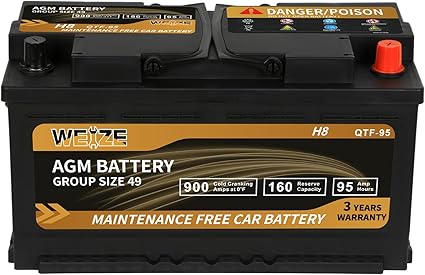 | Weize Platinum Group 49 | Check Price |
Our Top Picks 3 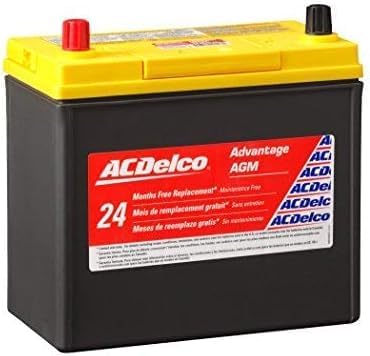 | ACDelco Silver B24RAGM | Check Price |
Our Selected Top 12 Battery for Hybrid Cars Picks for Every Need
This list features carefully chosen batteries designed specifically for hybrid vehicles, covering a range of needs and preferences. Each review explains performance, ideal user scenarios, strengths, and potential drawbacks to help you make an informed decision based on your hybrid car’s requirements.
1. ACDelco Advantage AGM Hybrid Vehicle Battery
ACDelco Advantage AGM Hybrid Vehicle Battery delivers reliable power specifically designed for hybrid vehicles. It stands out for its excellent fit and easy installation, making it suitable for those looking to replace their car battery without complex adjustments or hassle.
Its strength lies in matching vehicle-specific requirements for optimal performance.
Installing the battery is straightforward, so you won’t spend extra time adapting it to your hybrid car. The vehicle-specific fit ensures a secure connection, which is important for daily driving. It maintains steady voltage that matches your car’s electrical system, helping everything run smoothly without frequent checks or extra maintenance.
Power delivery is consistent, providing the necessary 12 volts expected from hybrid batteries. The build quality reflects its OEM lineage, offering reliable construction that supports long-term use. Many reviews praise its straightforward installation, but some mention it could be heavier than alternatives, which might affect handling during setup.
Most users find the battery’s installation process very straightforward, which simplifies replacement. On the downside, the weight can make handling the battery during installation a bit challenging for some.
This battery suits drivers who prioritize fit and ease of installation in their hybrid cars. Those needing lighter weight options or detailed capacity info may want to explore other products.
Pros
- Easy installation for hybrid vehicles
- Designed for vehicle-specific fit
- Reliable 12-volt power output
Cons
- Heavier than some other options
- Limited information on exact capacity
| Specification | Details |
|---|---|
| Voltage | 12 volts |
| Automotive Fit Type | Vehicle Specific Fit |
| Installation | Easy Installation |
| Brand | ACDelco |
2. Weize Platinum AGM Battery Group 49
Living with a hybrid car means relying on a battery that delivers steady power without fail, and this one fits right in. Designed for passenger cars, it suits anyone wanting a reliable and long-lasting option. Its biggest strength lies in providing up to twice the cycle life compared to standard batteries, making it a solid companion on the road.
Installation requires checking dimensions (13.9 L x 6.89 W x 7.48 H) and terminal positions to avoid fit issues. Everyday use involves consistent charging within 14.4 to 15.0 volts, supporting an acceptable charging current up to 28A. It holds charge well, with less than 8% self-discharge after 90 days, so it stays ready even if not used daily.
Power delivery is stable with a 900 CCA rating, easily supporting hybrid systems. The construction offers durability across a wide temperature range from -22°F up to 158°F, ensuring reliable function in diverse climates.
Some have noted the need to confirm terminal placement before buying, as a misfit can be frustrating. It handles its workload well and lasts long.
Performance praised for its long cycle life and low self-discharge keeps it dependable over time. The most common inconvenience comes from needing to check and match terminal placement to avoid installation trouble.
Drivers looking for a durable and powerful battery for their hybrid will find it reliable and well-built. Those with compact engine bays or uncommon terminal layouts might want to explore other options to ensure a perfect fit.
Pros
- Up to 2 times cycle life of conventional batteries
- Holds charge well with low self-discharge
- Suitable for wide temperature extremes
- High 900A cold cranking amps for quick starts
Cons
- Must verify terminal position to avoid fit issues
- Relatively large size may not fit all vehicles
| Specification | Details |
|---|---|
| Voltage | 12 volts |
| Capacity | 95 Ah |
| Cold Cranking Amps (CCA) | 900 A |
| Battery Dimensions | 13.9″ L x 6.89″ W x 7.48″ H |
| Operating Temperature Range | -22°F~158°F |
3. ACDelco Silver Automotive Battery B24RAGM
Perfect for drivers of hybrid cars in need of steady 12V power, this battery provides consistent energy and fits passenger vehicles nicely. Its standout feature is a leak-resistant valve system ensuring safety and dependability under demanding conditions.
Installing this battery is easy due to its vehicle-specific SAE terminal design, simplifying the replacement process. The AGM design means it handles the hybrid’s start-up and onboard electronics needs well day-to-day without worry about leaks. Minimal maintenance is required, thanks to durable separators that help the battery remain healthy despite frequent charge-discharge cycles.
The battery performs its core function of providing stable power consistently, aided by high-density plates built to last. Reviews commonly mention reliable starts and lasting performance as strong points, while some note its weight as slightly heavy compared to smaller alternatives. Construction quality and safety features come through clearly in typical use.
Consistent dependable starts and a secure leak-resistant design are the highlights, while the weight stands out as a minor drawback in everyday use. Most mention confidence in long-term reliability thanks to solid build quality, though fitting requires matching car specifications carefully.
Anyone needing a durable, reliable replacement battery for a hybrid passenger car will appreciate the safety features and stable power output. Those with different vehicle types or looking for a lighter option might want to explore alternatives better suited to their needs.
Pros
- Leak-resistant pressurized valve system
- High-density plate construction
- Designed for demanding hybrid conditions
- 24-month warranty included
Cons
- Relatively heavy compared to smaller batteries
- Limited to passenger car fit types only
| Specification | Details |
|---|---|
| Voltage | 12 volts_of_direct_current |
| Terminal | SAE Terminal |
| Automotive Fit Type | Vehicle Specific Fit |
| Vehicle Type | Passenger Car |
4. ENNOPCAR Prius Hybrid Battery 2004-09

Built with a vehicle-specific fit for 2004-09 Prius models, this battery focuses on reliable compatibility and consistent power delivery. It suits Prius drivers seeking a direct replacement that fits easily and stands up to daily driving.
Installation follows the same layout as the original Prius battery, making it straightforward for those familiar with the model. Its 28-cell count matches the factory setup, which helps maintain proper electrical balance during daily drives. Tested at 100 amps in-vehicle, it handles typical use cases without overheating or dramatic power drops.
Power output stays steady in normal conditions, delivering the expected boost to the hybrid system. The construction feels solid, reflecting careful attention to fit and durability within this specific vehicle range.
A common positive comment praises the perfect fit and immediate functionality, while some note it may not offer significant longevity beyond what the original battery provided.
Users appreciate the perfect fit and immediate functionality that matches the original battery’s performance. Common feedback mentions the battery’s lifespan alignment with factory units, meaning longevity might not exceed expectations.
Ideal for Prius drivers wanting a simple replacement that fits properly and works dependably. Those looking for longer-lasting or higher-capacity options may want to explore alternatives beyond this battery.
Pros
- Perfect fit for 2004-09 Prius models
- 28 cells matching original battery design
- In-vehicle tested at 100 amps for reliability
- Solid and durable construction
Cons
- May have similar lifespan as original battery
- No significant power improvement over stock battery
| Specification | Details |
|---|---|
| Compatible Vehicle Type | Passenger Car, Prius, 2004-2009 |
| Number Of Cells | 28 |
| Automotive Fit Type | Vehicle Specific Fit |
| In-Vehicle Testing Current | 100 amps |
5. OPTIMA RedTop 35 Sealed AGM Battery

Known for its strong starting power, this 12-Volt battery is perfect for people with hybrid cars looking for reliable performance in all kinds of weather. Its biggest strength lies in SpiralCell Technology, which provides consistent power and faster charging, helping with the frequent start-stop nature of hybrid vehicles.
Installing it is straightforward thanks to SAE post terminals that fit most passenger cars and trucks. Its maintenance-free design means daily use requires no topping up or special care.
Weighing 31.7 pounds, it fits well under the hood without extra hassle and handles vibrations better than typical batteries, making it dependable on rough roads or bumpy commutes.
Starting power remains solid even in harsh conditions, thanks to 720 cold cranking amps and a 90-minute reserve capacity for longer-lasting charge. SpiralCell Technology uses almost pure lead to boost performance over flat-plate designs. Reviews often praise its durability and longer life span, though some point out the higher weight compared to conventional options.
Performance impressed users with reliable starts in bad weather and longer life, while the weight was mentioned as a drawback for some. Its design resists vibration much better than traditional batteries, making it suitable for rough driving conditions.
People needing solid, dependable power for hybrid vehicles will appreciate the fast charging and maintenance-free features. Those prioritizing a lighter battery or on a tight budget might want to look at different options.
Pros
- Strong cold cranking amps for quick starts
- Maintenance-free design
- Fifteen times more vibration resistant
- Faster charging capabilities
Cons
- Relatively heavy at 31.7 pounds
- Higher cost than standard flooded batteries
| Specification | Details |
|---|---|
| Voltage | 12 volts |
| Cold Cranking Amps | 720 |
| Size | 9.38″ Long x 6.75″ Wide x 7.69″ Tall |
| Weight | 31.7 pounds |
| Reserve Capacity | 90 minutes |
| Terminal | SAE Post |
6. Toyota Prius OEM Hybrid Battery Module Set

Choosing a hybrid battery for your Toyota Prius gets simpler with the OEM Hybrid Battery Module Set, tailored specifically for original Toyota hybrid systems. It stands out because of its genuine Japanese manufacture, combined with careful reconditioning in the USA, making it ideal for anyone wanting reliable OEM quality without substitution compromises.
Installation fits like a glove with vehicle-specific design that matches your car’s original battery setup. Each module is tested for capacity and internal resistance, so daily driving feels consistent and balanced. The bolt terminal design keeps connections secure, reducing worries about fit or compatibility problems during setup or on the road.
Power delivery aligns closely with the original specs thanks to thorough quality checks. Its 7.6-volt output and low 10 milliohm resistance help maintain smooth hybrid function. The build maintains original materials, which users often appreciate for longevity.
The main gripe has been around availability rather than performance, with some waiting longer for stock.
Users value the original OEM quality and solid testing process that ensures consistent performance. The main issue mentioned relates to delays in getting the product due to stock constraints rather than any fault in functionality or fit.
Anyone with a Toyota Prius who wants a battery module matching original factory specs will find this set satisfying. People seeking quick delivery or broader compatibility beyond Toyota’s system might prefer alternative options.
Pros
- Original Japanese-made modules
- Professionally reconditioned in the USA
- Precise capacity and resistance testing
- Vehicle-specific bolt terminal design
Cons
- Occasionally limited stock availability
- No weight information available
| Specification | Details |
|---|---|
| Voltage | 7.6 volts |
| Resistance | 10 milliohms |
| Terminal Type | Bolt Terminal |
| Vehicle Fit Type | Vehicle Specific Fit |
| Vehicle Type Compatibility | Passenger Car, Truck, Van |
7. ACDelco Gold Automotive Battery 51RAGM

When a hybrid car needs a reliable boost, this battery steps up without fuss. Perfect for drivers who demand steady starting power no matter the weather or driving conditions.
Its standout feature is a powerful, advanced AGM design that handles pressure and vibrations well.
Installing the battery involves a vehicle-specific fit, so it aligns perfectly with passenger car models needing a 12V direct current source. Day to day, the leak-resistant valve system keeps things safe while the high-density plates ensure consistent power whenever the hybrid system draws on it. You won’t have to fuss with frequent maintenance or worry about sudden drops in performance.
Starting performance is solid and dependable thanks to modern AGM technology. The build features durable envelope separators that help prevent shorts and extend battery life, even during tough driving conditions. Many users appreciate its durability and worry-free operation, though some mention it can feel a bit heavy when handling during installation.
Most users praise the battery’s dependable starting performance and long service life thanks to advanced AGM design. A common complaint involves the battery’s weight, which can make handling difficult when fitting it into the vehicle.
Drivers who want a durable, maintenance-free hybrid battery for passenger cars will find this a strong choice. Anyone seeking a lighter option or compatibility with non-passenger vehicles should explore other alternatives.
Pros
- Reliable starting power in all conditions
- Leak-resistant pressurized valve system
- High-density plate construction supports longevity
- Vehicle-specific fit for many passenger cars
Cons
- Some find the weight cumbersome during install
- Limited to passenger car applications only
| Specification | Details |
|---|---|
| Vehicle Type | Passenger Car |
| Voltage | 12 volts_of_direct_current |
| Automotive Fit | Vehicle Specific Fit |
| Technology | AGM (Absorbent Glass Mat) |
| Warranty | 36-month warranty |
8. ACDelco Gold Automotive Battery 94RAGM
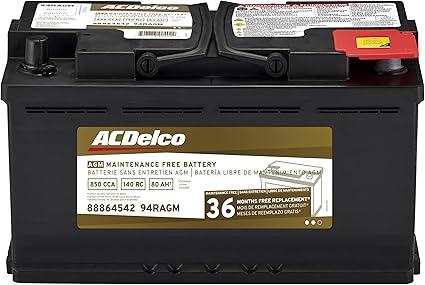
Advanced AGM technology delivers dependable power for hybrid vehicles, making it ideal for drivers needing reliable starts under demanding conditions. The 12V ACDelco Gold 94RAGM battery is designed for long-lasting service with a vehicle-specific fit that suits passenger cars, SUVs, trucks, and vans well.
Installation is straightforward thanks to the marine terminal design and vehicle-specific fit, minimizing compatibility issues. The leak-resistant pressurized valve system helps prevent messes during regular maintenance, while the high-density plate construction supports steady power delivery day to day. You won’t have to worry about constant battery checks or early replacements with typical use.
This battery’s solid build ensures reliable starting every time, even in tough weather or heavy use. Engineered for durability, it combines envelope separators and AGM technology for toughness and longevity.
Most praise comes from its consistent power and fit, while some note that terminal type may require adapters in rare applications.
Consistent power delivery and durability stand out as strong points for daily driving and hybrid applications. Occasional need for terminal adapters is the most noted inconvenience among users, especially for less common vehicles.
Drivers looking for a durable, GM-backed battery with a tailored fit like SUVs and passenger cars will appreciate it. Those needing non-standard terminals or different voltage systems should consider other options.
Pros
- Reliable starting power in demanding conditions
- Leak-resistant pressurized valve system
- Long-lasting high-density plate construction
- Vehicle specific fit reduces installation hassle
Cons
- Marine terminal may need adapters for some vehicles
- Limited to 12-volt systems only
| Specification | Details |
|---|---|
| Voltage | 12 volts_of_direct_current |
| Terminal | Marine Terminal |
| Number Of Cells | 1 |
| Automotive Fit Type | Vehicle Specific Fit |
| Compatible Vehicle Types | Passenger Car, SUV/Crossover, Truck, Van |
9. Renogy 12V 70Ah AGM Car Battery H6

Drivers looking for a reliable starting battery for hybrid cars will appreciate the Renogy 12V 70Ah AGM Car Battery H6. Its biggest strength is dependable power delivery even in extreme temperatures, making it a solid choice for those who face both cold winters and hot summers.
Installation is straightforward thanks to the included handle and terminal covers, which make handling safe and clean. Its sealed design keeps acid leaks and corrosion at bay, meaning little to no maintenance is required during daily use. Running consistently in temperatures from -30℃ to 70℃, it stands up well to various climates, giving you steady performance without extra fuss.
With 720 Cold Cranking Amps, the battery is strong enough for reliable engine starts even when the car has demanding electrical needs. Its AGM construction feels sturdy and safe, reassuring during installation and use. Most widely praised for its dependable start power, the only common critique mentions its weight, which can feel a bit heavy during handling despite the included carry handle.
Strong starting performance in cold and hot weather is the main praise for the battery. The weight is the most common issue mentioned, making it less convenient to carry despite the handle.
Drivers needing consistent power in tough climates will find this battery reliable. Those prioritizing lightweight options or longer warranties might want to explore other models.
Pros
- Reliable starting power with 720 CCA
- Sealed AGM design prevents leaks and corrosion
- Works well in extreme temperatures
- Includes carry handle and terminal covers
Cons
- Relatively heavy compared to some other batteries
- Only a 2-year warranty period
| Specification | Details |
|---|---|
| Voltage | 12V |
| Capacity | 70Ah |
| Cold Cranking Amps (CCA) | 720 CCA |
| Reserve Capacity (RC) | 120 minutes |
| Temperature Range | -30℃ to 70℃ (-22°F to 158°F) |
| Warranty | 2 Year Material and Workmanship Warranty |
10. Lithium LiFePO4 12V 40Ah Auto Battery

Designed specifically for smaller engine hybrid vehicles, this Lithium LiFePO4 12V 40Ah Auto Battery stands out with its lightweight and compact size. Best suited for cars with engines below 2.0L, it delivers a reliable power boost while fitting neatly in tighter engine compartments.
Installation goes smoothly thanks to the universal fit and M8 terminals, making it compatible with many passenger cars. The IP66 waterproof rating means it can handle exposure to the elements without worry.
Weighing just 14.8 pounds, it’s easier to handle than traditional batteries, and the recommendation to fully charge it before first use helps extend its service life.
Power delivery remains consistent in daily driving, providing sufficient start-stop performance for hybrid engines. The lithium iron phosphate chemistry adds to the product’s durability and safety during use.
Some users take note of the original threaded terminals but appreciate the added M8 screws for better compatibility. Common remarks include praise for its compactness and occasional need to verify fit with specific car models.
The battery delivers steady start-stop power and fits compact spaces well, earning praise for its size and waterproofing. Common feedback points to needing to check compatibility due to original threaded terminals, even though M8 screws improve adaptability.
Drivers with smaller hybrids under 2.0L looking for a lightweight and reliable upgrade will appreciate this battery. Those with larger engines or needing immediate use without initial charging should consider alternatives better suited for their requirements.
Pros
- Compact size fits small engine compartments
- Lightweight at 14.8 pounds
- M8 screw included for better fit options
- IP66 waterproof rating for outdoor use
Cons
- Only suitable for engines below 2.0L
- Requires full charge before initial use
| Specification | Details |
|---|---|
| Voltage | 12V |
| Capacity | 40Ah |
| Weight | 14.8 pounds |
| Terminal | M8 Terminal |
| Automotive Fit Type | Universal Fit |
| Waterproof Rating | IP66 |
11. OPTIMA YellowTop DS46B24R Sealed AGM Battery

OPTIMA YellowTop DS46B24R Sealed AGM Battery suits drivers of hybrid vehicles needing reliable power and durability. It excels at providing strong starting power, especially in poor weather, and stands out for long-lasting performance in vehicles with high electrical demands.
Installation is straightforward with the battery’s vehicle-specific SAE terminals, fitting passenger cars and trucks alike. Its sealed AGM design requires no maintenance, making daily care simple and hassle-free. Faster charging keeps it ready for use, while the 26-pound weight is manageable for handling during setup or replacement.
SpiralCell Technology offers 450 cold cranking amps to meet starting power needs even when weather conditions are tough. The battery tolerates vibrations much better than flooded types, giving it up to three times the lifespan.
Some users find the size a bit bulky for compact areas, but most praise its consistent reliability over time.
Many appreciate how reliably it delivers starting power even in cold weather and tough driving conditions. The most common drawback is the battery’s size, which might be a challenge in tighter engine bays.
Drivers needing strong, maintenance-free power for hybrid cars with high electrical demand will find this battery a solid option. Vehicles with limited battery space might require a smaller or differently shaped battery to fit properly.
Pros
- Maintenance-free sealed design
- Up to three times longer life than flooded batteries
- Resistant to vibration by fifteen times
- Faster charging capability
Cons
- Physical size may not fit all vehicles
- Relatively heavy at 26 pounds
| Specification | Details |
|---|---|
| Voltage | 12 volts |
| Cold Cranking Amps | 450 |
| Reserve Capacity | 66 minutes |
| Weight | 26 pounds |
| Capacity (C20) | 38 AH |
| Terminal Type | SAE Terminal |
12. Toyota Highlander Hybrid Battery OEM NiMH Pack

Replacing a hybrid car battery means dealing with weight, fit, and reliability. Ideal for those with a 2006-2013 Toyota Highlander Hybrid, this NiMH pack stands out for its perfectly balanced charge across modules, making sure the car runs smoothly and avoids sudden dips in power.
Installation is straightforward thanks to its vehicle-specific fit and bolt terminals, which match the original setup. Everyday driving feels steady, as the battery pack maintains a consistent charge with minimal voltage difference across its modules.
This balance supports longer battery life and ensures the hybrid system works efficiently under varied driving conditions.
The battery pack handles load well, verified by cycle tests confirming capacity and voltage stability. It’s built with 30 carefully tested modules, each at a nominal 10 volts and 6.5Ah, with less than 0.1V spread across the pack to maintain even discharge.
Many users appreciate the reliable fit and build, though some mention the weight can make handling or installation a bit taxing.
The battery’s most praised feature is the less than 0.1V voltage difference across the pack, which allows smooth and consistent power delivery. The most noted downside is the weight, which can make installation a bit more difficult for some.
Drivers with a matching Highlander model will find this pack fits well and works reliably for daily driving. Those with different models or looking for a lighter option might want to look elsewhere to avoid installation challenges or compatibility issues.
Pros
- Perfect voltage balance across modules
- Vehicle-specific fit ensures easy installation
- Cycle-tested for stable voltage and capacity
- Bolt terminals match original equipment
Cons
- Heavier weight can complicate installation
- Only compatible with 2006-2013 Highlander Hybrid
| Specification | Details |
|---|---|
| Voltage (Per Module) | 10.0V nominal |
| Capacity (Per Module) | 6.5Ah |
| Voltage Difference Across Pack | <0.1V spread |
| Resistance | 10 milliohms |
| Terminal Type | Bolt Terminal |
| Automotive Fit Type | Vehicle Specific Fit |
Best Batteries for Hybrid Cars Comparison Table
| Product | Compatible Vehicle Type | Voltage | Terminal Type | Automotive Fit Type |
|---|---|---|---|---|
| ACDelco Advantage AGM | Vehicle Specific Fit | 12 volts | – | Vehicle Specific Fit |
| Weize Platinum Group 49 | Passenger Car | 12 volts | A Terminal | – |
| ACDelco Silver B24RAGM | Passenger Car | 12 volts | SAE Terminal | Vehicle Specific Fit |
| ENNOPCAR Prius Hybrid | Passenger Car, Prius 2004-09 | – | – | Vehicle Specific Fit |
| OPTIMA RedTop 35 | Passenger Car, Truck | 12 volts | SAE Terminal | Vehicle Specific Fit |
| Toyota Prius OEM Module | Passenger Car, Truck, Van | 7.6 volts | Bolt Terminal | Vehicle Specific Fit |
| ACDelco Gold 51RAGM | Passenger Car | 12 volts | – | Vehicle Specific Fit |
| ACDelco Gold 94RAGM | Passenger Car, SUV, Truck, Van | 12 volts | Marine Terminal | Vehicle Specific Fit |
| Renogy 12V 70Ah H6 | – | 12 volts | – | – |
| Lithium LiFePO4 12V 40Ah | Passenger Car | 12 volts | M8 Terminal | Universal Fit |
| OPTIMA YellowTop DS46B24R | Passenger Car, Truck | 12 volts | SAE Terminal | Vehicle Specific Fit |
| Toyota Highlander Hybrid OEM | Passenger Car | 10 volts | Bolt Terminal | Vehicle Specific Fit |
- Compatible Vehicle TypeVehicle Specific Fit
- Voltage12 volts
- Terminal Type–
- Automotive Fit TypeVehicle Specific Fit
- Compatible Vehicle TypePassenger Car
- Voltage12 volts
- Terminal TypeA Terminal
- Automotive Fit Type–
- Compatible Vehicle TypePassenger Car
- Voltage12 volts
- Terminal TypeSAE Terminal
- Automotive Fit TypeVehicle Specific Fit
- Compatible Vehicle TypePassenger Car, Prius 2004-09
- Voltage–
- Terminal Type–
- Automotive Fit TypeVehicle Specific Fit
- Compatible Vehicle TypePassenger Car, Truck
- Voltage12 volts
- Terminal TypeSAE Terminal
- Automotive Fit TypeVehicle Specific Fit
- Compatible Vehicle TypePassenger Car, Truck, Van
- Voltage7.6 volts
- Terminal TypeBolt Terminal
- Automotive Fit TypeVehicle Specific Fit
- Compatible Vehicle TypePassenger Car
- Voltage12 volts
- Terminal Type–
- Automotive Fit TypeVehicle Specific Fit
- Compatible Vehicle TypePassenger Car, SUV, Truck, Van
- Voltage12 volts
- Terminal TypeMarine Terminal
- Automotive Fit TypeVehicle Specific Fit
- Compatible Vehicle Type–
- Voltage12 volts
- Terminal Type–
- Automotive Fit Type–
- Compatible Vehicle TypePassenger Car
- Voltage12 volts
- Terminal TypeM8 Terminal
- Automotive Fit TypeUniversal Fit
- Compatible Vehicle TypePassenger Car, Truck
- Voltage12 volts
- Terminal TypeSAE Terminal
- Automotive Fit TypeVehicle Specific Fit
- Compatible Vehicle TypePassenger Car
- Voltage10 volts
- Terminal TypeBolt Terminal
- Automotive Fit TypeVehicle Specific Fit
How to Choose the Right Hybrid Car Battery
Choosing the right hybrid car battery depends on factors like capacity, lifespan, and compatibility with your vehicle. Selecting a battery that matches your car’s specifications ensures reliable performance and prevents costly repairs or replacements, ultimately saving both money and hassle over time.
Compatibility and Fit
Many people with hybrids discover their battery replacements don’t fit properly or cause electrical problems due to not checking compatibility beforehand. Batteries vary in size, terminal type, and voltage, and fitting a battery without matching these factors can lead to installation headaches or even malfunctioning systems.
A proper match means checking your car’s manual for recommended battery dimensions and ensuring the connector types align exactly with what’s in your vehicle. Voltage needs to be consistent, typically around 12 volts for most hybrids, but confirming prevents damage to the hybrid’s control units. Physical fit alone isn’t enough; wrong connectors or voltage can cause the battery not to charge or discharge properly, harming performance and lifespan.
Battery Capacity and Power Output
Starting the car smoothly in cold weather depends heavily on the battery’s cold cranking amps (CCA). Batteries with insufficient CCA can struggle in chilly mornings, leaving you stranded.
The amp-hour (Ah) rating determines how much energy the battery can store, influencing how well it supports the hybrid’s electric components during use.
Look for a battery with at least a moderate Ah rating to maintain steady power output throughout driving cycles. The CCA should meet or slightly exceed your vehicle’s requirement for dependable starts regardless of temperature.
Power delivery matters not only for ignition but also for running high-demand electronics without dips or failures while driving.
Lifespan and Durability
Batteries wear out quickly when exposed to constant heat, cold, or heavy vibrations, common in daily driving conditions. A battery with a high cycle life and resistance to temperature swings lasts noticeably longer, avoiding frequent replacements that cost time and money.
Check specifications for cycle ratings and material quality; batteries using stable internal components and reinforced cases hold up better over the years. Poor durability often shows as reduced capacity early, unexpected shutdowns, or swelling. Choosing a battery designed for ruggedness minimizes these issues, providing consistent performance and reliability around all seasons and terrain.
Safety Features
Battery failures can lead to safety hazards like acid leaks or fires, especially under overcharging or short circuit conditions. Batteries equipped with protective mechanisms reduce these risks by monitoring charge levels and isolating faulty cells.
Look for certifications such as UL or ISO that confirm the battery meets automotive safety standards. Features that prevent thermal runaway and acid leakage are crucial for safety during everyday use.
Batteries without these protections might save money initially but pose dangers that can lead to costly damage or injury.
Warranty and Support
Warranty terms often reveal how confident the manufacturer is in their battery’s durability. Longer warranties with clear coverage for replacements or repairs under typical wear and tear ensure you’re protected against early failures.
Review the fine print for what actions void warranties, such as improper installation or extreme use conditions. Access to responsive customer support also matters when troubleshooting installation or performance questions.
Good warranty and support turn a purchase into a safer investment by reducing unexpected hassle and repair costs.
Comparing Lithium-Ion and Nickel-Metal Hydride Batteries in Hybrid Cars
Hybrid cars typically use two main types of batteries: lithium-ion and nickel-metal hydride. Lithium-ion batteries provide higher energy density, meaning they store more power in a smaller and lighter package.
This can improve fuel efficiency and extend electric-only driving range. Nickel-metal hydride batteries tend to be more durable and tolerate wider temperature ranges, making them reliable in harsher climates. Maintenance and replacement costs for nickel-metal hydride batteries are generally lower, but they are heavier and bulkier compared to lithium-ion options.
Key differences include:
- Lithium-ion batteries offer faster charging times and better overall efficiency.
- Nickel-metal hydride batteries are often more resistant to overcharging and can last longer in terms of charge cycles.
- Temperature performance varies, with nickel-metal hydride batteries handling cold better.
Choosing between the two depends on your driving conditions and budget. Both serve hybrid vehicles effectively but strike different balances between cost, performance, and durability.
Essential Maintenance Tips to Extend the Life of Your Hybrid Car Battery
Regular care extends the lifespan of your hybrid car’s battery significantly.
Keep the battery cool by parking in shaded or ventilated areas. Heat accelerates battery wear and reduces capacity over time. Avoid deep discharges; hybrid systems usually manage this, but overly draining can strain the battery.
Maintain a clean battery terminal area to prevent corrosion, which can reduce efficiency. Check for software updates from the manufacturer that optimize battery management.
Routine inspections can catch early signs of degradation or loose connections.
Practical tips include:
- Minimize frequent short trips; longer drives allow the system to maintain optimal charge cycles.
- Disable unnecessary electrical accessories to reduce battery load.
- Follow the recommended service schedule, including any battery health diagnostics.
These practices help ensure the battery performs reliably over its intended life.
Safety Precautions and Common Mistakes When Handling Hybrid Car Batteries
Handling hybrid car batteries requires caution because of their high voltage and complex design.
Always disconnect the low-voltage system before touching any high-voltage battery components. Use insulated tools and wear appropriate protective gear such as gloves and safety goggles to avoid electrical shocks. Do not attempt to open or tamper with the battery casing as it may result in chemical exposure or fire risk.
Common mistakes to avoid:
- Ignoring manufacturer guidelines for battery removal and installation.
- Exposing batteries to water or extreme temperatures beyond specified limits.
- Using non-approved chargers or jump-starting methods that can cause permanent damage.
Following these precautions ensures safe handling and prevents costly damage or personal injury.
People Also Asked
How Long Does a Hybrid Car Battery Typically Last?
Hybrid car batteries usually last 8 to 10 years or around 100,000 to 150,000 miles. Driving habits and climate affect this lifespan, so regular maintenance and gentle driving can help the battery last longer.
What Size Replacement Battery Does My Hybrid Car Need?
Your hybrid car’s replacement battery size depends on the make and model, often measured in voltage and capacity specific to that vehicle. Check the owner’s manual or consult a dealer to get the exact specifications.
Are Hybrid Car Batteries Safe to Handle and Install?
Hybrid car batteries contain high voltage and should only be handled and installed by trained professionals. Mishandling can cause serious electrical hazards, so using authorized service centers is important.
How Do I Properly Care for My Hybrid Car Battery?
To care for your hybrid car battery, keep the cooling system clean and ensure the software updates are applied during service. Avoid frequent short trips as they can prevent the battery from fully charging.
What Are Common Problems with Hybrid Car Batteries?
Common problems include gradual capacity loss, cooling system failures, and software issues affecting battery management. Keeping the cooling vents clear and having firmware updates done can prevent or delay these problems.
Conclusion
Choosing the right battery for a hybrid car comes down to capacity, durability, and compatibility with your specific model. It’s important to consider how long the battery is expected to last and how well it fits with your vehicle’s power requirements. The ability to handle frequent charge cycles without significant loss of performance also makes a difference.
Make sure the battery size and power output suit your car and driving habits, especially if you often use the electric mode. Balancing your budget with the expected lifespan is also key.
Refer back to the comparison table and detailed reviews above to find the option that meets these criteria and fits your needs best.