
Top 12 Best Beginner Bike Computer You Can’t Miss!
A common frustration for new cyclists is choosing the best beginner bike computer and ending up with something that’s hard to read or unreliable. A cheap model might lose signal frequently or have a confusing interface, turning rides into a guessing game instead of a tracking session.
Many beginners realize too late that a device without clear data or durability makes tracking distance and speed more stressful than it should be.
A usable beginner bike computer usually prioritizes screen visibility, battery life, and mounting security. A screen size around 1.5 to 2 inches balances info display with compactness, while a backlight or high contrast ensures readability in different lighting.
Battery life often ranges from 20 to 30 hours on simple models, which is enough for multiple rides without frequent charging. Secure mounts prevent the device from rattling or falling off, adding a layer of safety and convenience that’s easy to overlook.
Need a Quick Check?
| Image | Product | Price |
|---|---|---|
Our Top Picks 1 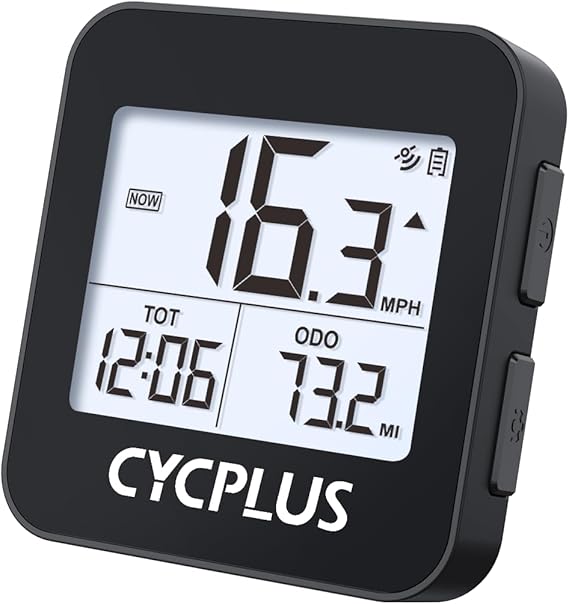 | CYCPLUS G1 GPS Computer | Check Price |
Our Top Picks 2  | CATEYE Wired Bike Computer | Check Price |
Our Top Picks 3  | Generic Wireless GPS Bike Computer | Check Price |
Our Selected Top 12 Beginner Bike Computer You Can Trust
This list features reliable and easy-to-use bike computers ideal for beginners, highlighting key performance aspects and user suitability. Each review covers strengths and weaknesses to help readers find the best match for their cycling needs and experience level.
1. CYCPLUS Wireless GPS Bike Computer G1
Tracking rides feels straightforward and reliable with this wireless bike computer, making it a solid choice for beginners who want accurate GPS and simple setup. Its strong suit is precise route tracking combined with an easy-to-read screen that works well in all light conditions.
Setup is simple thanks to the wireless design that frees your handlebar from cables. The backlit screen adjusts automatically, letting you see your speed, distance, ride time, and altitude clearly any time of day. Buttons are responsive and easy to use while riding.
Battery life lasts a solid 50 hours, meaning fewer charging interruptions during longer rides.
Accuracy in GPS tracking stands out, delivering prompt location updates that help map routes effectively. The tempered glass screen resists scratches, which adds durability, and the IPX6 waterproof rating means the computer handles rain without a hitch.
The biggest compliment often mentions its dependable GPS, while the common complaint revolves around the small 2-inch LED display feeling a bit cramped for some users.
The GPS is reliable and fast, giving accurate location updates on the route. Tempered glass protects the screen well, but the display size can feel cramped when trying to read all stats at once. Wireless setup and waterproofing make it practical for everyday rides regardless of weather.
Beginners who want clear ride data without fuss will find this a good fit. Riders needing a larger or touch-sensitive screen might prefer a different model. Those who value simplicity and durability over flashy features will appreciate how it performs day to day.
Pros
- High GPS sensitivity and accuracy
- Automatic backlit screen for day/night use
- Durable tempered glass resists scratches
- Wireless design removes cable clutter
Cons
- Small 2-inch display feels limited
- Only button controls, no touchscreen
| Specification | Details |
|---|---|
| Display Size | 2 inches |
| Display | LED |
| Battery Average Life | 50 hours |
| Battery Type | Lithium Polymer |
| Connectivity Technology | Wireless |
| Mounting Type | Handlebar Mount |
2. CATEYE Wired Bike Computer
Great for anyone just starting out, this wired bike computer keeps things straightforward and reliable. It provides all the basic stats a beginner needs, with the standout feature being its automatic stop detection that pauses time and speed tracking when you’re not riding.
Setting it up is simple, mounting easily on the handlebar with the included wired speed sensor. Daily rides show clear speed, distance, and time on the 2.17-inch LCD screen. Buttons let you toggle through current, max, and average speed, along with trip and total distance.
It pauses timing during stops automatically, which takes the guesswork out of your ride data.
Performance is solid for an entry-level device, delivering accurate speed and distance readings with consistent sensor connection. The build is lightweight and compact, designed to stay out of the way without distracting from the ride.
Most reviews praise its long battery life of up to three years on a single alkaline cell. The usual complaint centers on the wired setup, which some find less convenient compared to wireless alternatives.
The automatic stop detection is highly praised for accuracy and ease, while the wired connection is often seen as less convenient compared to modern wireless options. The long battery life means it rarely needs attention once installed, reducing ongoing maintenance.
Those new to cycling who want straightforward stats and dependable basics will find satisfaction here. Riders looking for wireless features or advanced metrics might consider other models better suited to tech-savvy users.
Pros
- Automatic stop detection pauses timing
- Long battery life up to three years
- Clear LCD display with multiple speed stats
- Simple, beginner-friendly interface
Cons
- Wired sensor can be less convenient
- No wireless or smartphone connectivity
| Specification | Details |
|---|---|
| Display Size | 2.17 inches |
| Display | LCD |
| Battery Average Life | 3 years |
| Sensor Type | Speed Sensor |
| Connectivity Technology | Wired |
| Mounting Type | Handlebar Mount |
3. Wireless GPS Bike Computer
A plastic casing keeps the Wireless GPS Bike Computer light and durable, making it ideal for everyday cyclists or beginners who want reliable ride tracking without extra sensors. Its biggest strength lies in built-in GPS, which means you don’t need a wheel sensor or magnet to get accurate riding stats.
Setting it up is straightforward thanks to buttons on the unit, and the 2.4-inch LCD makes checking your speed, distance, and time simple while on the go. You’ll find altitude, temperature, and gradient data useful for tackling hills or longer trips. Battery life stretches to about 28 hours, so it can handle several rides without needing a recharge.
Accuracy on speed and distance is solid thanks to the GPS and barometric altimeter sensors, giving trustworthy data during rides. The build feels sturdy but lightweight, fitting easily on standard mounts without fuss. Positive feedback often mentions how clear the screen is, though some users say button controls take some getting used to.
Clear visibility on the easy-to-read screen is often praised, while adjusting to the button controls is the most common complaint in reviews. The bike computer delivers solid, reliable tracking data without needing extra sensors or complicated setup.
Ideal for beginners or casual cyclists who want straightforward ride information during commutes or leisure rides. Those looking for touchscreens or more advanced smart features might want to explore other options.
Pros
- Accurate GPS tracking without wheel sensor
- Clear 2.4-inch easy-read LCD display
- Measures altitude, gradient, and temperature
- Long 28-hour battery life per charge
Cons
- Button controls can feel awkward initially
- No touchscreen functionality
| Specification | Details |
|---|---|
| Display Size | 2.4 inches |
| Display | LCD |
| Battery Average Life | 28 hours |
| Sensor Type | GPS Sensor, Motion Sensor, Barometric Altimeter, Speed Sensor |
| Battery Type | Lithium Ion |
| Mounting Type | Standard Mount |
4. CYCPLUS GPS Wireless Bike Computer M1

Bright visibility stands out right away with its 2.9-inch glare-free backlit screen, great for anyone just starting out in cycling. It suits riders looking for straightforward GPS tracking without fuss and really nails clear data display in various light conditions.
Setup is simple thanks to Bluetooth connection with your phone, which quickly syncs your ride details to the app. The buttons make navigating through menus easy while riding. Automatic screen lighting adapts to your environment, helping you read speed, cadence, and route info day or night without stopping.
Accuracy is solid with a Swiss-imported navigating chip that picks up GPS signals quickly and tracks your route reliably. The build feels durable, especially with its tempered glass that stands up to scratches well. Some mention the screen size might be small for those wanting more info at a glance, but it balances space and readability nicely.
GPS accuracy and a clear screen in sunlight are praised most, making it reliable for tracking trips. The most common complaint involves the screen size, which some find a bit tight for seeing multiple data points comfortably. Buttons can also be tricky until familiar with their layout.
Ideal for new cyclists wanting solid tracking and good visibility without complexity. Those needing a bigger screen or touchscreen might want to explore other options offering more data at once. Good fit for riders prioritizing battery life and dependable GPS connection.
Pros
- Clear 2.9-inch glare-free screen
- Accurate GPS with fast positioning
- 60 hours battery for long rides
- Tempered glass resists scratches well
Cons
- Screen might feel small for some users
- Buttons can take time to get used to
| Specification | Details |
|---|---|
| Display Size | 2.9 inches |
| Display | LCD |
| Battery Average Life | 60 hours |
| Sensor Type | Speed/cadence Sensor; GPS sensor |
| Connectivity Technology | ANT, Bluetooth |
| Mounting Type | Handlebar Mount |
5. Wahoo ELEMNT BOLT V3 GPS Bike Computer

Perfect for newcomers looking for reliable GPS navigation, this bike computer simplifies following complex routes with clear turn-by-turn instructions. It stands out by automatically syncing and downloading routes from popular cycling apps, saving you from manual uploads.
Setting up is straightforward thanks to its Bluetooth and Wi-Fi connectivity, letting you wirelessly transfer workouts and routes from services like Strava and Komoot. The 2.3-inch LCD screen provides clear information, while button controls make navigation easy even with gloves on.
The device mounts on your handlebar without hassle, making daily rides and workout tracking smooth and accessible.
It excels at accurate GPS tracking and offers helpful turn notifications via both LEDs and sounds. Built with durable materials and a handlebar mount design, it feels sturdy on the bike.
One common praise is the automatic route synchronization, while some find the button interface less intuitive compared to touchscreens.
Many praise this bike computer for its reliable automatic route syncing and clear navigation cues, helping keep focus on the ride. On the downside, some note the button controls feel clunky compared to touchscreen alternatives common on other models.
Those looking for easy GPS navigation and smooth compatibility with popular cycling apps will appreciate this device. Riders seeking a more modern touchscreen interface or simpler controls might want to explore other bike computer options.
Pros
- Automatic route downloads from popular apps
- Clear on-device turn-by-turn navigation
- Long 20-hour battery life
- Multiple sensor compatibility
Cons
- Button interface can feel less intuitive
- Lack of touchscreen controls
| Specification | Details |
|---|---|
| Display Size | 2.3 inches |
| Battery Average Life | 20 hours |
| Connectivity Technology | Bluetooth, USB, Wi-Fi |
| Sensor Type | Heart Rate Sensor, Cadence Sensor, Speed Sensor |
| Mounting Type | Handlebar Mount |
6. iGPSPORT BSC500 GPS Bike Computer

Tracking your rides and navigating new routes without fuss is a real need for many beginners. Suited for cyclists starting out who want clear data and straightforward navigation, the iGPSPORT BSC500 stands out with its large 3.3 touchscreen that keeps your stats easy to see and control.
Setting up the device is a simple process, helped by a combination of touchscreen and buttons that make it easy to operate even on the move. The ability to load routes from the iGPSPORT app means you can plan ahead and follow a smart map, avoiding the guesswork of unfamiliar areas. Displaying up to 12 data points per page allows you to customize and monitor aspects like speed, distance, and cadence at a glance.
Performance-wise, the bike computer benefits greatly from its dual-band and multi-satellite positioning system, offering accurate and reliable GPS tracking in various environments. It feels solid and practical on the bike, with a responsive interface that blends buttons and touchscreen.
A common complaint centers on occasional touchscreen sensitivity, which might require patience during sweaty or rainy rides, but it handles navigation and data tracking well without lag.
The big screen and dual-band GPS system provide clear, accurate tracking that suits road and trail rides well. The touchscreen’s responsiveness occasionally hampers ease of use during wet rides or if fingertips are sweaty, which can slow adjustments while riding.
Those keen on detailed data and reliable navigation with a modern interface will appreciate this unit. Riders wanting basic, purely button-operated devices or who frequently ride in harsh weather might find other models better suited to their needs.
Pros
- Large 3.3” screen displays up to 12 data points
- Supports touchscreen and button controls
- Dual-band, multi-satellite GPS positioning
- Smart map navigation via companion app
Cons
- Touchscreen can be less responsive in wet conditions
- Some may prefer simpler or solely button controls
| Specification | Details |
|---|---|
| Display Size | 3.3 inches |
| Sensor Type | Cadence Sensor |
| Human Interface Input | Buttons, Touchscreen |
| Battery Type | Lithium Ion |
| Navigation Satellites Supported | GPS+Beidou+GLONASS+GALILEO+QZSS |
7. SY Wireless Waterproof Bike Computer
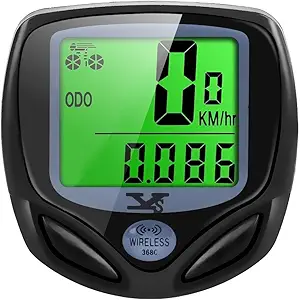
Auto wake-up on vibration makes this bike computer ideal for beginners who want easy tracking. Its wireless, waterproof design is durable and simple to mount, perfect for casual riders focused on basic stats like speed and distance.
Setting up takes just a few minutes, with handlebar mounting and button controls that keep things straightforward. The 1.2-inch LCD screen is bright enough to read at any time, especially with a backlight that turns on automatically at night. Bluetooth connectivity keeps the device synced without wires getting in the way.
Accuracy for speed and distance tracking meets basic rider expectations, delivering essential ride data consistently. The compact, lightweight build survives wet conditions without trouble.
Users often praise its automatic wake-up feature but sometimes mention the small screen size can feel a bit cramped for detailed views.
The automatic wake-up function stands out for quick readiness, though some users feel the small LCD screen limits checking ride details. The waterproof design keeps it working in all weather, making it a dependable choice for simple data tracking.
Riders wanting easy, no-fuss stats tracking in varying conditions will appreciate this computer’s straightforward features. Those looking for more advanced metrics or a larger display should consider a different model.
Pros
- Automatically wakes on bicycle vibration
- Waterproof and wireless for durability
- Day and night readable backlight
- Compact and lightweight design
Cons
- Small 1.2-inch screen limits detailed viewing
- Only basic stats like speed and distance
| Specification | Details |
|---|---|
| Display Size | 1.2 inches |
| Display | LCD |
| Sensor Type | Speed Sensor |
| Battery Type | Lithium Metal |
| Connectivity Technology | Bluetooth |
| Mounting Type | Handlebar Mount |
8. COOSPO Color Touchscreen GPS Bike Computer CS600

Ideal for beginner cyclists looking to track rides with clear data and simple navigation, the COOSPO CS600 stands out with its bright 2.4-inch color touchscreen that adjusts automatically to light. It offers easy access to detailed ride info, making it especially useful for those new to GPS bike computers who want straightforward performance tracking.
Setting up the device is straightforward thanks to the touchscreen combined with physical buttons, allowing easy menu navigation regardless of weather or gloves. Auto-backlight adapts to changing light conditions for visibility in different environments.
The handlebar mount keeps the screen within reach while riding, and syncing data via ANT or Bluetooth connects the computer with sensors or apps easily for post-ride analysis.
Satellites from GPS and GLONASS ensure fast connection and accurate tracking of speed, distance, and routes. Battery life of 36 hours suits long weekends away or multiple rides without charge.
The screen’s resolution makes on-road stats clear, but some users note occasional touch responsiveness issues. The sturdy build fits well on most handlebars and provides reliable navigation without fuss.
The bright and adjustable touchscreen provides sharp visibility in all lighting, making data easy to read. Some reports mention occasional lag in touchscreen responsiveness that can interrupt smooth navigation. Tracking accuracy and battery endurance are strong points tied to daily enjoyment.
Cyclists starting out who want a simple, accurate bike computer with route guidance and long battery life will appreciate its features. Those needing a larger display or flawless touchscreen response during intense rides might consider other options.
Pros
- High-resolution 2.4″ color touchscreen
- Auto-backlight for clear visibility
- Fast GPS and GLONASS signal acquisition
- Long 36-hour battery life
Cons
- Touchscreen can be unresponsive at times
- Screen size may be small for some riders
| Specification | Details |
|---|---|
| Display Size | 2.4 inches |
| Display | LCD |
| Battery Average Life | 36 hours |
| Sensor Type | GPS Sensor |
| Connectivity Technology | ANT, Bluetooth |
| Mounting Type | Handlebar Mount |
9. GPS Bike Computer

Offering a clear and simple display with built-in GPS, this bike computer fits beginners looking for straightforward ride data without extra sensors. It stands out for covering full ride details like speed, distance, and altitude in an easy-to-see format while skipping complex installations.
Setup is quick since no wheel sensor or magnet is required; just mount it on the handlebar and start riding. The backlight automatically adjusts, so the screen stays visible as light changes.
You get current speed, average and max speed, distance, and altitude info, making daily rides informative without overwhelming menus.
The unit tracks a wide range of metrics accurately, from elevation and gradient to temperature. Its 2.4-inch LCD screen provides a clear view under different lighting conditions. The main praise highlights the ease of setup and reliable GPS data.
Some mention that the button controls could be less fiddly.
The main strength is the straightforward installation and accurate GPS tracking without the need for additional parts. Users find the clear data display very helpful, but some struggle with the button controls. The automatic backlight works well across lighting conditions on rides.
This computer suits those new to cycling who want easy access to essential stats without complicated setup. Riders seeking highly advanced interfaces or bigger displays might prefer other models. It handles well on varied terrain with detailed altitude and gradient info for road or mountain rides.
Pros
- Simple GPS setup without extra sensors
- Automatic backlight for better visibility
- Tracks full range of ride and elevation data
- Long battery life of 28 hours
Cons
- Buttons can feel a bit fiddly during use
- LCD display smaller compared to some competitors
| Specification | Details |
|---|---|
| Display Size | 2.4 inches |
| Display | LCD |
| Battery Average Life | 28 hours |
| Sensor Type | GPS Sensor, Motion Sensor, Barometric Altimeter, Speed Sensor |
| Battery Type | Lithium Ion |
| Mounting Type | Handlebar Mount |
10. COOSPO Wireless Cycling GPS Computer

COOSPO Wireless Cycling GPS Computer is designed for beginner cyclists wanting straightforward tracking and reliable connectivity. Its standout feature is highly accurate GPS positioning with two global modes, making it well suited to riders who want precise data no matter where they ride.
Setting up requires an initial 3-5 minute wait outdoors for accurate positioning. Day-to-day, the ANT+ compatibility allows easy linking with heart rate monitors, speed sensors, cadence sensors, and power meters for a full overview of cycling performance. The LCD with a 5.84 cm screen keeps your data easy to read, controlled through simple button inputs mounted on the handlebar.
This GPS bike computer delivers on core functions, providing clear, accurate cycling stats and a battery life lasting about 80 hours to support long rides. The build feels solid with a lithium polymer battery and a resolution of 240×320 enhancing the display clarity.
One of the best features is its GPS accuracy worldwide while the main drawback people mention is the initial wait time for positioning to lock in.
The precise GPS tracking worldwide earns strong marks for riders needing exact data. The waiting time on the first positioning can be inconvenient but is necessary for accuracy.
People starting out with cycling who want simple, reliable stats and sensor support will appreciate it. Those wanting rapid startup or touchscreen controls might look for other options.
Pros
- Accurate GPS with two global positioning modes
- Supports multiple ANT+ sensors
- Long-lasting lithium polymer battery
- Clear LCD display with 240×320 resolution
Cons
- 3-5 minute wait for initial GPS lock
- Setup requires being outdoors for positioning
| Specification | Details |
|---|---|
| Display Size | 5.84 centimeters |
| Battery Average Life | 80 hours |
| Connectivity Technology | ANT |
| Native Resolution | 240×320 |
| Mounting Type | Handlebar Mount |
11. iGPSPORT BSC100S GPS Bike Computer

iGPSPORT BSC100S makes a great entry-level bike computer, featuring a clear data display and dependable GPS tracking. It stands out by quickly locking onto multiple satellite systems for precise ride tracking, making it great for daily rides or weekend adventures.
Setup is straightforward with button controls and mount-on-handlebar installation. The 2.6-inch LCD screen stays readable in bright conditions thanks to its anti-glare design, which helps keep an eye on important stats like speed or cadence while riding.
App connectivity supports review and sharing of ride data through platforms like Strava.
Tracking accuracy benefits from support of five different satellite systems, giving consistent positioning and a broad set of over 40 data points to monitor. The build feels sturdy though the button interface can take some getting used to.
Battery life offers up to 40 hours, which covers multiple long rides before needing a recharge.
The device is praised most for its accurate GPS tracking through multiple satellite support and the large, easy-to-see screen. Common feedback points to the button controls being a bit clunky to operate while on the road.
Those looking for precise ride data and a strong, long-lasting battery will appreciate this unit. Riders wanting a touchscreen or simpler control scheme may want to explore other options better suited to their preferences.
Pros
- Supports five satellite systems for faster positioning
- Over 40 riding metrics available
- Clear, anti-glare 2.6 inch screen
- Long battery life of up to 40 hours
Cons
- Button interface can feel awkward during rides
- No touchscreen functionality for easier controls
| Specification | Details |
|---|---|
| Display Size | 2.6 inches |
| Display | LCD |
| Battery Average Life | 40 hours |
| Sensor Type | Cadence Sensor |
| Connectivity Technology | ANT, Bluetooth |
| Mounting Type | Handlebar Mount |
12. Wireless GPS Bike Computer

Good for anyone starting out cycling and tracking rides, this Wireless GPS Bike Computer stands out for easy installation since it doesn’t need a wheel sensor. Its biggest strength is reliable GPS tracking built right in, making it simple to get accurate ride stats without extra accessories.
Setup is straightforward thanks to button controls and multiple language options including English and Spanish, which help make the device user-friendly throughout the ride. The 2.4-inch LCD screen shows current and average speed, trip distance, and ride time clearly. A green backlight kicks in automatically when riding in low light, so information stays readable without distractions.
Tracking speed and distance happens reliably using the integrated GPS, so no magnets or wheel sensors are required. The build feels solid with a handlebar mount that holds the device stable. While the screen is easy to read, some mention the display size feels small compared to bigger bike computers.
Battery life lasts up to 28 hours, which covers multiple long rides without needing a charge.
Strong reliability of the built-in GPS sensor is praised for giving accurate speed and distance readings without extra setup. The most mentioned downside is the smaller than average display, which might not suit users wanting more data visible at once.
Anyone new to cycling who values simple mount and no sensor installation will be happy with this device. Those wanting larger screens or more advanced controls may want to explore other options instead.
Pros
- Built-in GPS removes need for wheel sensor
- Supports 8 languages for easy setup
- Auto green backlight improves low-light visibility
- Long battery life lasts 28 hours
Cons
- Screen size is smaller than some competitors
- Button controls can feel basic
| Specification | Details |
|---|---|
| Display Size | 2.4 inches |
| Display | LCD |
| Battery Average Life | 28 hours |
| Sensor Type | GPS Sensor, Motion Sensor, Barometric Altimeter, Speed Sensor |
| Battery Type | Lithium Ion |
| Mounting Type | Handlebar Mount |
Best Beginner Bike Computers Comparison Table
| Product | Display Size | Battery Life | Connectivity | Sensor Type |
|---|---|---|---|---|
| CYCPLUS G1 GPS Computer | 2 inches | 50 hours | Wireless | – |
| CATEYE Wired Bike Computer | 2.17 inches | 3 years | Wired | Speed Sensor |
| Generic Wireless GPS Bike Computer | 2.4 inches | 28 hours | – | GPS, Motion, Altimeter, Speed |
| CYCPLUS M1 GPS Computer | 2.9 inches | 60 hours | ANT, Bluetooth | Speed/cadence, GPS |
| Wahoo ELEMNT BOLT V3 | 2.3 inches | 20 hours | Bluetooth, USB, Wi-Fi | Heart Rate, Cadence, Speed |
| iGPSPORT BSC500 GPS Computer | 3.3 inches | – | – | Cadence Sensor |
| SY Wireless Waterproof Computer | 1.2 inches | – | Bluetooth | Speed Sensor |
| COOSPO CS600 Touchscreen GPS | 2.4 inches | 36 hours | ANT, Bluetooth | GPS Sensor |
| Generic GPS Bike Computer | 2.4 inches | 28 hours | – | GPS, Motion, Altimeter, Speed |
| COOSPO Wireless GPS Computer | 2.3 inches (5.84 cm) | 80 hours | ANT | Cadence, GPS, Heart Rate, Speed |
| iGPSPORT BSC100S GPS Computer | 2.6 inches | 40 hours | ANT, Bluetooth | Cadence Sensor |
| Generic Wireless GPS Bike Computer | 2.4 inches | 28 hours | – | GPS, Motion, Altimeter, Speed |
- Display Size2 inches
- Battery Life50 hours
- ConnectivityWireless
- Sensor Type–
- Display Size2.17 inches
- Battery Life3 years
- ConnectivityWired
- Sensor TypeSpeed Sensor
- Display Size2.4 inches
- Battery Life28 hours
- Connectivity–
- Sensor TypeGPS, Motion, Altimeter, Speed
- Display Size2.9 inches
- Battery Life60 hours
- ConnectivityANT, Bluetooth
- Sensor TypeSpeed/cadence, GPS
- Display Size2.3 inches
- Battery Life20 hours
- ConnectivityBluetooth, USB, Wi-Fi
- Sensor TypeHeart Rate, Cadence, Speed
- Display Size3.3 inches
- Battery Life–
- Connectivity–
- Sensor TypeCadence Sensor
- Display Size1.2 inches
- Battery Life–
- ConnectivityBluetooth
- Sensor TypeSpeed Sensor
- Display Size2.4 inches
- Battery Life36 hours
- ConnectivityANT, Bluetooth
- Sensor TypeGPS Sensor
- Display Size2.4 inches
- Battery Life28 hours
- Connectivity–
- Sensor TypeGPS, Motion, Altimeter, Speed
- Display Size2.3 inches (5.84 cm)
- Battery Life80 hours
- ConnectivityANT
- Sensor TypeCadence, GPS, Heart Rate, Speed
- Display Size2.6 inches
- Battery Life40 hours
- ConnectivityANT, Bluetooth
- Sensor TypeCadence Sensor
- Display Size2.4 inches
- Battery Life28 hours
- Connectivity–
- Sensor TypeGPS, Motion, Altimeter, Speed
How to Choose the Right Beginner Bike Computer
Choosing the right beginner bike computer involves focusing on ease of use, essential features like speed and distance tracking, and reliable battery life. Prioritizing simplicity and functionality helps avoid unnecessary expenses and frustration, ensuring a smoother start to cycling without overwhelming complexity.
Display Clarity and Size
During a bright midday ride, it’s easy to lose track of your stats if the screen is too small or reflective. A clear, well-sized display keeps essential information in view without squinting or stopping. 2 to 3 inches diagonal screen size often hits the sweet spot for visibility without being bulky.
Larger fonts and simple layouts help riders absorb data at a glance, especially when traffic or rough terrain demands full attention.
Navigating dusk or early morning rides challenges the visibility of many devices. Backlights provide illumination but vary in quality. Some screens offer adjustable brightness or color options, which avoid glare and make reading easier at night.
A display that adapts or offers a readable contrast in both sunlight and low light saves frequent stops to check your stats.
Mounting and Compatibility
Handlebars come in different diameters and shapes, so a bike computer that clamps on securely is crucial. A loose mount causes the device to wobble or fall off, ruining the ride.
Many models come with adjustable brackets or rubber adapters to fit commonly used handlebar sizes between 22-35mm.
Watching cadence or heart rate often means pairing the computer with external sensors. Compatibility with standard Bluetooth or ANT+ sensors expands which accessories you can connect. Quick-release mounts or designs that let you move the device between bikes without hassle also prove practical for mixed cycling routines.
Battery Life and Charging
Spending a whole weekend on the trail turns frustrating with a device that dies halfway. Devices powered by rechargeable batteries typically offer 10-20 hours of active use. Some allow charging through a USB port, eliminating the need to buy and remember spare batteries.
Others rely on coin-cell batteries that last weeks but require replacement.
A clear battery indicator on the screen provides advance warning before power runs out. Some units beep or flash low battery alerts, allowing riders to plan charging rather than face unexpected shutdowns.
Charging convenience and clear life indicators reduce interruptions and keep rides uninterrupted.
Feature Set and Usability
Basic metrics like speed, elapsed time, distance, and cadence form the backbone of cycling data for new riders. Devices that display these metrics clearly without clutter improve the riding experience.
Controls that respond predictably, like one-click buttons or touchscreens with simple menus, prevent confusion mid-ride.
Many bike computers also connect wirelessly to phone apps or other sensors, tracking data without requiring complicated setup. Integration that happens quietly in the background, syncing automatically, appeals to riders who prefer to focus on the road rather than fiddling with settings.
Durability and Weather Resistance
Frequent off-road or urban rides subject devices to drops, vibrations, and dirt. A sturdy build, often plastic combined with rubberized edges, absorbs shocks and prevents cracks. Some models use scratch-resistant mineral glass or plastic to preserve screen clarity despite rough use.
Water resistance varies, but ratings of IPX5 or higher protect against rain and splashes. This withstands sudden weather changes without needing to remove the device. Protective casing or a snug fit into the mount reduces the chance of damage, helping the device endure season after season.
Tips for Maximizing the Accuracy of Your Beginner Bike Computer
Calibration plays a key role in getting the right data from a beginner bike computer. Start by setting the wheel size according to your specific tire measurement; this ensures speed and distance readings are reliable. Strong satellite signals also impact accuracy, so position the device where it has a clear view of the sky, typically on the handlebars or stem.
Magnetic sensors, if used, should be aligned correctly with the spoke magnet for consistent cadence and speed tracking.
Other practical tips include:
- Regularly update the device’s software to fix known issues.
- Replace the battery as needed since low power can affect sensor performance.
- Reset data after each ride to avoid mixing previous and current information.
Following these steps helps ensure that the bike computer provides data you can trust during your rides.
Common Mistakes to Avoid When Using a Bike Computer for the First Time
Many beginners often skip calibrating the wheel size, which leads to incorrect speed and distance readings. Another common error is improper sensor placement.
The magnet and sensor need to be aligned closely but not touching, or else the computer might not register each wheel revolution. Users sometimes forget to secure the bike computer firmly, causing it to move or disconnect mid-ride.
Additional pitfalls include:
- Starting a ride before ensuring GPS locks, resulting in inaccurate tracking.
- Using the bike computer without a basic understanding of its functions or menus, making data hard to interpret.
- Neglecting to pause or stop the timer during breaks, which inflates ride times and averages.
Avoiding these mistakes leads to smoother use and more reliable data for training and navigation.
Comparing Bike Computers with Smartphone Apps: Pros and Cons for New Cyclists
Bike computers usually provide dedicated hardware with buttons that work well even with gloves or sweat, while smartphone apps depend on touchscreens which can be tricky when riding. Standalone devices don’t drain your phone battery, a big plus for longer rides.
On the other hand, smartphone apps offer more frequent updates, customizable maps, and easier sharing of ride data without extra equipment.
Consider these points:
- Bike computers often have longer battery life specific to cycling needs.
- Apps may offer more detailed analytics but require reliable phone mounting.
- Bikes with computers avoid interruptions from calls or notifications.
Deciding between the two comes down to comfort with technology, budget, and how much detailed data you want during rides.
People Also Asked
How Do I Install a Bike Computer on My Handlebars?
Attach the mount to the handlebars using the provided band or screws, then snap the bike computer into place. Use a spot where the screen is clearly visible without blocking your view or interfering with brake and shifter cables. Make sure it’s tight so it won’t rotate while riding.
What Is the Typical Battery Life of a Beginner Bike Computer?
Beginner bike computers often have a battery life ranging from several months to a year. Models using simple button batteries usually last longer than those with rechargeable batteries. Checking the battery status regularly helps avoid surprises during long rides.
Are Bike Computers Compatible with All Types of Bikes?
Most bike computers work with various bike types including road, mountain, and hybrid bikes. Some require magnets installed on the wheel spokes and sensors on the fork, so make sure these parts suit your bike’s design. Confirm sensor placement options before buying.
How Do I Calibrate My Bike Computer for Accurate Speed Readings?
Calibration usually involves entering your wheel size into the computer to match distance and speed data accurately. Measuring your wheel’s circumference yourself or finding exact specs online improves accuracy. Double-check calibration after tire changes or pressure adjustments.
What Common Issues Should I Expect with a New Bike Computer?
Common issues include sensor misalignment, incorrect wheel size settings, and poor battery contact. These can cause inaccurate speed or distance readings. Regularly cleaning contacts and securely mounting sensors reduces problems during rides.
Conclusion
Easy setup, clear display, and reliable tracking are the most important factors for a beginner bike computer. It should offer straightforward navigation through its features without confusing menus. Battery life that lasts through several rides also matters, so you are not always charging it.
Accuracy in speed and distance measurements will help you get useful feedback as you start cycling.
Consider how much space you have on your handlebars and how often you plan to use the computer before picking one. Some models are compact and simple, while others may be bulkier with more features you might not need yet. Check the comparison table and the picks listed above to find the best match for your budget and riding habits.