
Top 12 Best Bike Computer for Triathlon You Can’t Miss!
Many triathletes know the frustration of using a bike computer that loses GPS signal halfway through a ride or features a screen too small to glance at during a race. The best bike computer for triathlon needs to deliver reliable tracking without constantly rebooting or lagging. Rides with missing data or unclear displays waste crucial seconds and cause unnecessary stress during competition.
A solid triathlon bike computer balances durability, size, and functionality. It typically has a rugged, waterproof case to withstand sweat and rain, often rated to at least IPX7.
Screens are around 2 inches diagonally, with backlighting for visibility in low light. Battery life often ranges from 15 to 30 hours to cover long training sessions or events without charging. Mounting should keep the device firmly in place on various bars, allowing easy reading without interrupting aero positioning.
Need a Quick Check?
| Image | Product | Price |
|---|---|---|
Our Top Picks 1 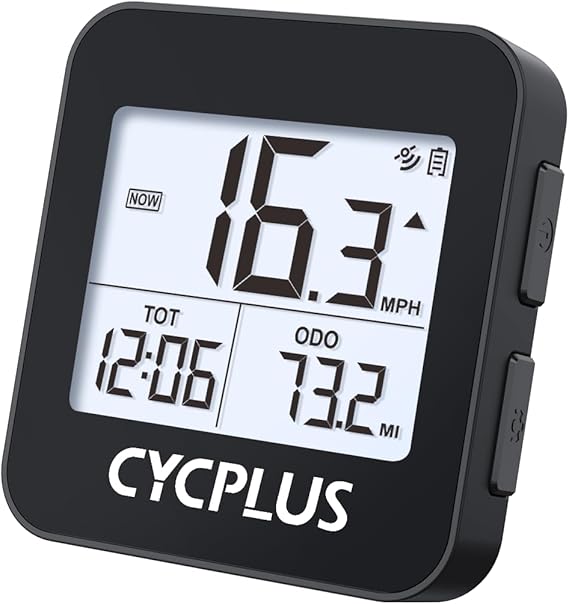 | CYCPLUS G1 Bike Computer | Check Price |
Our Top Picks 2  | Garmin Edge 1050 | Check Price |
Our Top Picks 3  | Hammerhead Karoo GPS | Check Price |
Our Selected Top 12 Bike Computer for Triathlon Worth Your Money
This list features carefully chosen bike computers designed for triathlon use, highlighting key performance aspects, ideal users, and both advantages and disadvantages. Each review provides clear insights to help you understand how the device functions during training and competition.
1. CYCPLUS Wireless GPS Bike Computer G1
Feeling confident in your route and stats is key for triathlon training, and this bike computer fits well on the handlebar without any messy cables. It’s wireless and offers highly accurate GPS tracking, making it great for athletes who want clear data on distance, time, and altitude all in one place.
Setting it up is straightforward with a button interface that keeps things simple. The automatic backlight helps you read the screen in bright daylight or darker conditions, which is a real plus during early morning rides. Battery life supports long sessions, so you don’t have to worry about charging mid-ride, and the wireless design means less clutter on your bike.
GPS performance is solid, providing fast and precise positioning for seeing your route and stats without lag. It can take a beating out on the road, thanks to the tempered glass screen and IPX6 waterproof rating, so it handles rain and random knocks well. Some users mention the screen size feels a bit small, but the clarity and backlighting often make up for it.
Accuracy and fast GPS positioning stand out as the biggest strengths, while the modest screen size often gets mentioned as a drawback in user experiences. Visibility is excellent, especially with the backlight, but the button navigation can take some getting used to.
Athletes who want reliable, wireless tracking and clear data will find this bike computer meets their needs well. Those preferring a larger display or touch controls might want to explore other options. The waterproof build suits tough weather conditions, making it a solid choice for outdoor training.
Pros
- Highly accurate GPS positioning
- Automatic backlight visible day or night
- Long battery life of 50 hours
- Wireless design reduces handlebar clutter
Cons
- Screen size may feel small for some
- Button controls less intuitive than touch
| Specification | Details |
|---|---|
| Display Size | 2 inches |
| Display | LED |
| Battery Average Life | 50 hours |
| Connectivity Technology | Wireless |
| Mounting Type | Handlebar Mount |
| Human Interface Input | Buttons |
2. Garmin Edge 1050 Cycling Computer
Garmin Edge 1050 is a premium cycling computer designed for triathletes seeking detailed tracking and advanced navigation. Its biggest strength lies in the vivid color touchscreen paired with extensive battery life, making it ideal for long rides and race days without constant recharging.
Setting up involves a quick pairing with your smartphone through Bluetooth or Wi-Fi, allowing easy sync of courses and alerts. Daily use benefits from a responsive 3.5-inch color touchscreen that lets you create and modify routes on the go.
The road surface types displayed on the map and real-time hazard alerts from other cyclists add valuable safety info during rides.
Performance-wise, it delivers precise GPS tracking with support for GLONASS and Galileo systems. The build feels solid and fit for handlebar mounting.
Reviews mostly praise the long battery life of up to 20 hours in demanding scenarios. Some users mention occasional touchscreen sensitivity issues as the main drawback.
Most reviews highlight the long battery life as a standout feature, lasting up to 20 hours during demanding use. The common complaint involves occasional issues with touchscreen responsiveness that can disrupt quick adjustments while riding.
Ideal for triathletes wanting a reliable navigation tool with extensive tracking and connectivity. Those who need broader map coverage or a more consistently responsive touchscreen might look at other options.
Pros
- Responsive 3.5-inch vivid color touchscreen
- Up to 20 hours battery in active use
- Real-time hazard alerts from fellow cyclists
- Detailed navigation with road surface types
Cons
- Touchscreen sensitivity can be inconsistent
- Only North America maps available
| Specification | Details |
|---|---|
| Battery Average Life | 60 hours |
| Screen Size | 3.5 inches |
| Connectivity Technology | Bluetooth, USB, Wi-Fi |
| Supported Satellite Navigation System | GLONASS, GPS, Galileo |
| Memory Storage Capacity | 64 GB |
| Mounting Type | Handlebar Mount |
3. Hammerhead Karoo GPS Bike Computer
With a sturdy handlebar mount and a crisp 3.2-inch LCD display, the Hammerhead Karoo GPS Bike Computer is designed for triathletes who need reliable navigation and data tracking on every ride. Its biggest strength lies in offering precise multi-band GNSS tracking, ideal for varied terrains and urban environments.
Setting up the device is straightforward thanks to its intuitive hardware and software design. Managing ride data and maps feels natural on both the touchscreen and buttons, reducing distractions while riding.
Extended battery life of 15 hours means it easily supports long sessions without constant recharging. Ample memory allows quick map rendering, letting you explore new routes without delay.
Accuracy in tracking is impressive, with multi-band GNSS technology delivering reliable positioning anywhere from city streets to rugged trails. The build quality is strong and ensures the device stays securely attached to the handlebar. High praise centers on its precise navigation and display clarity, while some users mention occasional software quirks as the main drawback.
Precise navigation receives strong praise thanks to multi-band GNSS technology, while software issues sometimes cause frustration during use. The screen works well but can struggle under bright sunlight.
Those prioritizing accurate tracking and long battery life will find it suitable. Triathletes who prefer flawless software performance or brighter screens might explore other options.
Pros
- Accurate multi-band GNSS tracking
- Easy data and map management
- Long battery life for extended rides
- Clear and responsive 3.2-inch touchscreen
Cons
- Occasional software glitches reported
- LCD display less visible in direct sunlight
| Specification | Details |
|---|---|
| Display Size | 3.2 inches |
| Display | LCD |
| Battery Average Life | 15 hours |
| Sensor Type | GPS Sensor |
| Connectivity Technology | USB |
| Mounting Type | Handlebar Mount |
4. Garmin Edge 1040 GPS Bike Computer (Renewed)

A bright 3.5-inch touchscreen stands out immediately, designed for athletes who need reliable GPS and detailed metrics during long rides. Ideal for triathletes who want a clear view of their stats, it excels in battery life, powering through extended sessions without frequent recharges.
Setting up is straightforward with Bluetooth and USB connectivity, making syncing quick and painless. It mounts neatly on the handlebar, so it stays put without getting in the way. Navigating the touchscreen while riding works well, letting you glance at performance data or reroute easily.
The battery lasts about 30 hours, which is a strong bonus for multi-hour training or race days.
Accuracy and reliability in tracking distance, speed, and elevation impress through consistent GPS performance. The Garmin feels solid and built to endure rough conditions common in triathlons.
Praised often for its long-lasting battery, some users mention occasional touch input lag when wearing gloves. Its tough design holds up well against sweat and weather during intense workouts.
The most praised feature is the battery lasting 30 hours, perfect for long triathlon sessions. The main complaint involves the touchscreen occasionally lagging when used with cycling gloves, which can slow quick adjustments during a race.
Athletes who value long battery life and a clear display on their handlebar will find this meets their needs. Those who often ride in bright sunlight or always wear thick gloves might look for a device with better glove sensitivity or higher display clarity.
Pros
- Clear, bright 3.5-inch touchscreen
- Long 30-hour battery life
- Solid build handles rough outdoor use
- Easy Bluetooth and USB syncing
Cons
- Touchscreen can lag with gloves
- LCD screen less sharp in direct sunlight
| Specification | Details |
|---|---|
| Display Size | 3.5 inches |
| Display | LCD |
| Battery Average Life | 30 hours |
| Connectivity Technology | Bluetooth, USB |
| Mounting Type | Handlebar Mount |
| Human Interface Input | Touchscreen |
5. iGPSPORT BSC500 GPS Bike Computer

A great choice for triathletes who want precise navigation and clear data at a glance, the iGPSPORT BSC500 stands out with its dual-band satellite positioning. It’s ideal for those who prioritize accurate tracking and easy route management during intense cycling sessions.
Setting up the bike computer is straightforward through the iGPSPORT app, allowing you to send cycling routes directly to the device. The combination of touchscreen and button operation means you can control it comfortably even in less ideal conditions. A large 3.3-inch display shows up to 12 cycling data points per page, keeping important stats visible without squinting.
Performance is sharp thanks to support for GPS, Beidou, GLONASS, GALILEO, and QZSS satellites, delivering highly accurate location data and resistance to signal interference. The build handles daily rides well, combining a responsive touchscreen with physical buttons. Many users appreciate the precise tracking, though some find the mix of touchscreen and buttons takes a bit to get used to.
Accuracy in navigation receives strong praise thanks to the dual-band and multi-satellite support, providing reliable positioning for routes anywhere in the world. Some users mention the touchscreen combined with buttons requires practice to operate smoothly, especially when riding or wearing gloves.
Those who focus on detailed route planning and precise location data will find this bike computer well suited to their needs. Riders wanting a simpler or fully button-operated device might want to consider alternatives.
Pros
- Large 3.3” screen shows 12 data points
- Dual-band L1 and L5 satellite signals
- Supports all major navigation satellites
- Route setting through dedicated app
Cons
- Touchscreen and buttons combo needs adjustment
- Physical buttons can be small for gloved hands
| Specification | Details |
|---|---|
| Display Size | 3.3 inches |
| Sensor Type | Cadence Sensor |
| Battery Type | Lithium Ion |
| Human Interface Input | Buttons, Touchscreen |
6. SY Bicycle Wireless Speedometer and Odometer
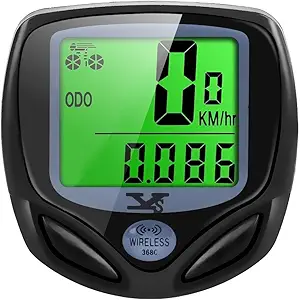
Tracking precise speed and distance during your triathlon rides is crucial, and this wireless bike computer fits that need well. Ideal for serious riders who want clear stats without fuss, it stands out for its simple auto wake-up feature that gets you riding faster.
Setting it up is straightforward with the handlebar mount and wireless speed sensor, so no tangled cords to deal with. The bright 1.2-inch LCD screen makes it easy to check your stats mid-ride, while the auto backlight helps when you’re cycling early morning or late at night.
Its lightweight and waterproof design means it doesn’t add bulk and can handle wet conditions without worry.
It reliably measures speed, distance, and riding time, providing accurate stats critical for training. The solid battery life using a lithium metal battery ensures you won’t lose readings during long sessions.
Build quality feels sturdy, though some find the button controls less intuitive. The sensor’s sensitivity to vibration wakes the device reliably, but a few mention the display can be too small to read at a glance.
The auto wake-up function is praised for starting the device instantly when you begin riding, while the most common complaint is about the small screen size making quick glances difficult during intense cycling. The waterproof feature adds confidence for rides in varying weather.
Riders needing straightforward, essential cycling stats with lightweight gear will appreciate this computer. Those preferring larger displays or more advanced controls might want to look for alternatives with bigger screens or touchscreen features.
Pros
- Auto wake-up on vibration saves battery
- Waterproof and lightweight design
- Day-and-night backlight for visibility
- Wireless setup avoids tangled cables
Cons
- Small LCD display can be hard to read quickly
- Button interface not very user-friendly
| Specification | Details |
|---|---|
| Display Size | 1.2 inches |
| Display | LCD |
| Sensor Type | Speed Sensor |
| Battery Type | Lithium Metal |
| Connectivity Technology | Bluetooth |
| Mounting Type | Handlebar Mount |
7. CYCPLUS GPS Wireless Bike Computer M1

60 hours of battery life makes this bike computer a solid option for triathletes who need a reliable GPS tracker and sensor combo. It suits riders who want a clear screen and accurate route tracking with easy synchronization to their phone after the ride. Its standout feature is the dynamic GPS positioning, which promises higher sensitivity and faster location updates.
Setup involves pairing the device with your phone via Bluetooth, which syncs your rides instantly to the companion app. The buttons are straightforward to use mid-ride, and the 2.9-inch glare-free LCD screen with FSTN tech remains readable in bright sunlight and at night thanks to automatic backlighting based on sunrise and sunset times.
Mounting on the handlebars is stable, keeping the display right where you need it.
Tracking accuracy is strong thanks to the Swiss-imported GPS chip that maintains a consistent and precise route record. The tempered glass screen resists scratches well, handling day-to-day use without damage. The clearest praise focuses on its precise tracking, while some mention the button interface could be a bit clunky compared to touch screens.
The device receives strong praise for its precision in tracking routes and reliability during long rides. Many users find the button interface less smooth compared to modern touch screens, which can interrupt focus while riding. The screen’s visibility and battery life stand out positively across reviews.
Triathletes looking for dependable GPS performance and long battery life will be pleased. Those who want advanced navigation features or a more modern control interface might prefer other models with touch capability or integrated maps.
Pros
- Accurate, fast GPS positioning
- Glare-free backlit screen
- Long 60-hour battery life
- Durable tempered glass display
Cons
- Button controls less intuitive than touch
- No advanced mapping features
| Specification | Details |
|---|---|
| Display Size | 2.9 inches |
| Display | LCD |
| Battery Average Life | 60 hours |
| Sensor Type | Speed/cadence Sensor; Gps sensor |
| Battery Type | Lithium Polymer |
| Connectivity Technology | ANT, Bluetooth |
8. Planet Bike Protege 8.0 Bike Computer

Perfect for triathletes who want a clear, reliable bike computer without fuss. It stands out for its straightforward display that shows key stats at a glance, helping keep focus on training and race performance.
Setup involves mounting it easily on handlebars between 25.0-31.8mm diameter, with a wired connection that keeps it secure and weatherproof. The auto start and stop activates when the wheel spins, so there’s no need to manually turn it on during a ride. Day-to-day tracking covers current speed, average, max speed, trip distance, and ride time, all visible on a four-line LCD screen.
Its primary job of tracking speed and distance works consistently thanks to a durable wire harness and a cadence sensor that fits bladed spokes up to 4mm. The battery lasts around a year, which is convenient.
Reviews highlight how tough the wiring is and the clear display, though some find the wired setup less convenient than wireless options.
Strong praise focuses on the durability of the wiring and the clear information layout on the LCD that keeps you informed without extra distraction. The main complaint is centered on the wired connection, which some see as less convenient than wireless options available today.
Those who want a reliable, simple bike computer with a clear screen and aren’t bothered by wires will appreciate it. Riders seeking wireless setup or compatibility with thicker spokes should consider other models.
Pros
- Easy-to-read 4-line display shows up to 5 data points
- Auto start and stop activates with wheel movement
- Heavy duty, weatherproof wire harness
- Fits most handlebars from 25.0 to 31.8mm
Cons
- Wired connection less flexible than wireless models
- Magnet limited to 4mm bladed spokes
| Specification | Details |
|---|---|
| Display Size | 4 inches |
| Display | LCD |
| Battery Average Life | 1 years |
| Sensor Type | Cadence Sensor |
| Connectivity Technology | wired |
9. Planet Bike Protegé 9.0 Wireless Bike Computer

Wireless convenience sets this bike computer apart for triathletes wanting key ride data without clutter. Its ability to track speed, distance, and temperature in one clear display makes it ideal for anyone who values straightforward, reliable metrics during training or racing.
Installation is simple using the universal bracket for handlebars or stems between 25 and 31.8 mm. The wireless design avoids tangled wires, and you get a 4-line LCD capable of showing five data points at once. Switching between two wheel sizes comes in handy when using different bikes for swim, bike, and run transitions.
Speed tracking is accurate thanks to its dedicated speed sensor, and ride data like average and maximum speed update consistently. The compact 40mm by 55mm case feels sturdy without adding weight.
A common praise is its easy-to-read display, while some note that the proprietary wireless connection can be less flexible than Bluetooth or ANT+.
The clear and roomy display receives frequent praise for showing multiple data points simultaneously, allowing riders to keep important stats visible at all times. Some find the proprietary wireless system less convenient compared to more common standards, which could affect sensor pairing options.
Those needing simple speed and distance tracking with temperature readouts will appreciate this computer’s no-nonsense approach. Triathletes wanting a lightweight, easy-to-mount device that works across different bikes fit this product well. Riders seeking Bluetooth or ANT+ connectivity might look elsewhere.
Pros
- Clear LCD shows up to 5 data points simultaneously
- Tracks dual wheel sizes for versatile bike use
- Temperature sensor included for environmental awareness
- Wireless design minimizes handlebar clutter
Cons
- Uses proprietary wireless, limiting compatibility
- Display size may feel small to some users
| Specification | Details |
|---|---|
| Display Size | 5.5 centimeters |
| Battery Average Life | 1 years |
| Connectivity Technology | Proprietary Wireless (Main Unit), Wired (Sensors) |
| Mounting Type | Handlebar Mount |
| Fits Handlebars | 25 to 31.8 mm |
10. Wired Bike Computer and Odometer

Wired Bike Computer and Odometer is a straightforward cycling computer for triathletes wanting accurate speed, distance, and calorie data on a budget. Its biggest strength lies in delivering essential stats clearly, including a handy night backlight for low-light rides.
Setting up involves mounting it securely with the handlebar mount and connecting the wired speed sensor, which immediately starts tracking data. Buttons operate all functions, and the backlight turns on with a simple key combo, making it easy to check metrics during rides or through tunnels without glare.
It records speed averages, maximum speed, riding time, and distance reliably. The build feels solid and waterproof, suited for tough weather conditions.
Common praise points to its clear, eye-friendly backlight, while the wired connection can limit flexibility compared to wireless models.
Clear backlight is appreciated for night rides, adding safety without eye strain. Wired connection delivers consistent speed readings but restricts sensor placement and cable management options.
Anyone needing key ride metrics on a budget and preferring clear visibility in dark conditions will find this bike computer suitable. Those wanting more wireless freedom or advanced features may want to consider other options.
Pros
- Measures average and max speed accurately
- Records calories and temperature data
- Clear backlight easy on eyes
- Waterproof for any weather
Cons
- Wired sensor limits installation positions
- Manual backlight activation can be awkward
| Specification | Details |
|---|---|
| Display | LCD |
| Sensor Type | Speed Sensor |
| Battery Type | Lithium Polymer |
| Connectivity Technology | Wired |
| Mounting Type | Handlebar Mount |
| Human Interface Input | Buttons |
11. GPS Computer Mount for Aero and Tri Bars

Mounting a bike computer on aero or tri bars feels solid and reliable with this setup. It fits a wide range of cycling computers and keeps everything secure during intense rides. Ideal for triathletes or time-trial enthusiasts who want both data and camera or light attachments in one spot without clutter.
Setting it up is straightforward, thanks to the included mounts for Garmin, Wahoo, Bryton, and CatEye computers. The GoPro attachment works well for action cameras or bicycle lights, using the adapters that come with the mount. Once in place, the computer stays put with no rattling, making day-to-day rides smooth and worry-free.
The mount does its main job of securely holding bike computers flawlessly and has a durable aluminum construction that handles rough rides without issues. Many appreciate the versatility and stability it provides.
The common downside is that you may need separate adapters for specific bike lights for a cleaner setup.
Many find the mount’s stability and broad compatibility its strongest point, especially appreciating no rattling during rides. The most common drawback is needing separate GoPro adapters for certain bike lights to achieve a neat setup.
Triathletes or time-trial cyclists wanting an all-in-one mount for computers, cameras, and lights will be happy here. Those using non-supported bike lights or needing mounts elsewhere on the bike might look for other options.
Pros
- Compatible with many major cycling computers
- Secure mount with no rattling
- Includes GoPro mount for cameras or lights
- Made from durable aluminum
Cons
- Requires extra adapters for some bike lights
- Limited to handlebar mounting only
| Specification | Details |
|---|---|
| Compatible Devices | Garmin Edge Cycling Computers, Wahoo Elemnt series, Bryton, CatEye |
| Mounting Type | Handlebar |
| Additional Features | Includes GoPro and Action Camera Mount |
| Material | Durable Aluminum |
| Water Resistance Level | Water Resistant |
12. COOSPO Color Touchscreen GPS Bike Computer CS600

COOSPO’s CS600 offers clear, colorful GPS tracking suited for triathletes who want reliable data and easy route navigation. Its standout feature is the bright 2.4 color touchscreen that adapts to light, making it simple to use regardless of weather or time of day.
Setting up the device is straightforward, with both touchscreen and button controls helping you toggle through menus without fuss. It connects via ANT and Bluetooth to sensors and smartphones, tracking speed, distance, and route with GPS and GLONASS satellites.
The auto-backlight adjusts instantly to various light conditions, keeping the screen easily readable during early morning rides or bright afternoons.
The bike computer delivers consistent, precise tracking throughout long sessions, backed by a 36-hour battery life that outlasts most triathlon events. The 2.4 LCD display is clear and sharp, letting you glance at metrics without distraction. Some users mention occasional touchscreen sensitivity quirks, but it performs well overall and feels rugged on the handlebars.
The CS600 excels in providing reliable, detailed ride data with a bright and responsive display that adjusts to ambient light, making it easy to check stats on the go. The most common frustration comes from moments when the touchscreen doesn’t respond immediately, which can interrupt quick adjustments.
This bike computer suits triathletes who value battery life and clear visuals for long training sessions or races. Those who want larger displays or fully tactile controls might want to consider alternative models better tailored to those preferences.
Pros
- High-resolution color touchscreen with auto-backlight
- Accurate GPS and GLONASS tracking
- Long 36-hour battery life
- Supports route navigation
Cons
- Touchscreen occasionally less responsive
- Display size may feel small for some
| Specification | Details |
|---|---|
| Display Size | 2.4 inches |
| Display | LCD |
| Battery Average Life | 36 hours |
| Sensor Type | GPS Sensor |
| Connectivity Technology | ANT, Bluetooth |
| Mounting Type | Handlebar Mount |
Best Bike Computers for Triathlon Comparison Table
| Product | Display Size | Battery Life | Connectivity | Mounting Type |
|---|---|---|---|---|
| CYCPLUS G1 Bike Computer | 2 inches | 50 hours | Wireless | Handlebar Mount |
| Garmin Edge 1050 | 3.5 inches | 60 hours | Bluetooth, USB, Wi-Fi | Handlebar Mount |
| Hammerhead Karoo GPS | 3.2 inches | 15 hours | USB | Handlebar Mount |
| Garmin Edge 1040 Renewed | 3.5 inches | 30 hours | Bluetooth, USB | Handlebar Mount |
| iGPSPORT BSC500 | 3.3 inches | – | – | – |
| SY Wireless Speedometer | 1.2 inches | – | Bluetooth | Handlebar Mount |
| CYCPLUS M1 Bike Computer | 2.9 inches | 60 hours | ANT, Bluetooth | Handlebar Mount |
| Planet Bike Protege 8.0 | 4 inches | 1 year | Wired | Handlebar Mount |
| Planet Bike Protegé 9.0 Wireless | 5.5 cm | 1 year | Proprietary Wireless | Handlebar Mount |
| Wired Bike Odometer | – | – | Wired | Handlebar Mount |
| GPS Computer Aero Mount | – | – | – | Handlebar Mount |
| COOSPO CS600 Touchscreen | 2.4 inches | 36 hours | ANT, Bluetooth | Handlebar Mount |
- Display Size2 inches
- Battery Life50 hours
- ConnectivityWireless
- Mounting TypeHandlebar Mount
- Display Size3.5 inches
- Battery Life60 hours
- ConnectivityBluetooth, USB, Wi-Fi
- Mounting TypeHandlebar Mount
- Display Size3.2 inches
- Battery Life15 hours
- ConnectivityUSB
- Mounting TypeHandlebar Mount
- Display Size3.5 inches
- Battery Life30 hours
- ConnectivityBluetooth, USB
- Mounting TypeHandlebar Mount
- Display Size3.3 inches
- Battery Life–
- Connectivity–
- Mounting Type–
- Display Size1.2 inches
- Battery Life–
- ConnectivityBluetooth
- Mounting TypeHandlebar Mount
- Display Size2.9 inches
- Battery Life60 hours
- ConnectivityANT, Bluetooth
- Mounting TypeHandlebar Mount
- Display Size4 inches
- Battery Life1 year
- ConnectivityWired
- Mounting TypeHandlebar Mount
- Display Size5.5 cm
- Battery Life1 year
- ConnectivityProprietary Wireless
- Mounting TypeHandlebar Mount
- Display Size–
- Battery Life–
- ConnectivityWired
- Mounting TypeHandlebar Mount
- Display Size–
- Battery Life–
- Connectivity–
- Mounting TypeHandlebar Mount
- Display Size2.4 inches
- Battery Life36 hours
- ConnectivityANT, Bluetooth
- Mounting TypeHandlebar Mount
How to Choose the Best Triathlon Bike Computer
Choosing a triathlon bike computer involves focusing on accuracy, ease of use, and compatibility with sensors to track performance effectively. Prioritizing these factors helps avoid costly mistakes and ensures reliable data during training and races, saving both time and frustration in the long run.
Accuracy and Sensor Compatibility
During a long ride, inaccurate distance or pace readings can make it hard to judge effort and performance. A device with precise GPS tracking helps measure distance and speed more reliably, which is vital when training or racing.
Sensor compatibility matters too; connecting to heart rate monitors, power meters, and cadence sensors adds data that refines workout quality. Multisport modes switch automatically between swimming, cycling, and running, reducing race-time fumbling. Transition timing features keep split times accurate without manual input.
Avoid basic models that lack ANT+ or Bluetooth support for sensors, as those limit tracking options. Ideally, look for a product that supports multiple satellite systems like GPS, GLONASS, or Galileo for better positioning and faster fixes.
Display and Visibility
Small, crowded screens make it tough to glance quickly during intense segments. A display around 1.5 to 2 inches diagonal with high resolution improves readability on the move.
Matte finishes reduce glare in bright sunlight, while adjustable backlighting or strong screen brightness is essential for high visibility during early morning or late evening rides. Customizing data fields lets athletes prioritize current pace, heart rate, or power output without scrolling through menus. Devices that allow layout changes for each sport stage save time and avoid distraction.
A clear, high-contrast screen ensures important data is never overlooked when seconds count.
Battery Life and Charging
Running out of battery mid-session forces either stopping or guessing effort levels, which defeats the purpose of tracking. Devices offering at least 10 to 15 hours of continuous use cover most long races and training days without recharge. Charging methods like USB-C provide quick power-ups from common sources, while some newer models support wireless charging for convenience.
Battery performance often drops in cold or hot conditions; picking one with stable life between -10 and 50 degrees Celsius avoids surprises. Faster charging speeds and easy access ports matter when time between sessions is short.
Durability and Weather Resistance
Devices regularly encounter sweat, rain, mud, and dust during triathlon workouts. A water resistance rating of at least IPX7 guards against submersion up to one meter for brief periods.
Durable materials like reinforced plastics or metal frames withstand drops and bumps from helmet mounts or accidental knocks. Repeated exposure to sunlight and moisture can degrade lower-quality devices, causing screen fogging or button failure. Solid build quality extends device lifespan and keeps readings reliable even after rough handling on open roads and trails.
Ease of Use and Connectivity
Switching screens or starting timers mid-race demands intuitive interfaces with few buttons or touch controls that respond well with sweaty hands. Simple menus reduce fumbling and allow focus to stay on performance.
Reliable pairing with smartphones ensures data syncs automatically with training apps or cloud services for quick analysis. Firmware updates delivered wirelessly keep features fresh and fix bugs without complicated procedures. Devices lacking clear update prompts or requiring cables can waste time and cause frustration.
Ongoing software support preserves the value of the investment over multiple seasons.
Maximizing Performance: How to Use Bike Computers Effectively During Triathlon Training
Bike computers provide real-time feedback that can directly affect training quality. Using features such as heart rate monitoring, power output, and cadence sensors helps maintain effort within target zones. This approach improves endurance and pacing for race day.
Key points for effective use during triathlon training include:
- Set customized data screens to display metrics that matter most like speed, distance, and elapsed time.
- Use lap markers at transitions to track split times and recovery periods accurately.
- Regularly check and calibrate speed and cadence sensors to ensure data accuracy.
- Analyze post-ride data for trends in performance to adjust training plans.
Consistent data tracking helps identify when fatigue sets in, allowing better decisions about rest and intensity. Integrating GPS tracking assists in route planning and effort distribution, especially in unfamiliar training areas.
Essential Maintenance Tips to Keep Your Bike Computer Reliable and Accurate
Maintaining a bike computer involves more than just charging it regularly. Dirt and moisture buildup on sensors and connectors can cause erratic readings, so cleaning with a soft cloth after rides is wise.
Basic maintenance tips include:
- Keep firmware up to date to benefit from performance improvements and bug fixes.
- Inspect sensor mounts to ensure they are secure and aligned, which maintains accurate cadence and speed data.
- Store the device in a cool, dry place when not in use to avoid battery degradation.
- Replace worn-out batteries or rechargeable cells before their capacity diminishes noticeably.
Following these steps helps sustain reliable data tracking during training and racing. Ignoring minor maintenance can lead to sensor failures or corrupted data that compromises workout analysis.
Comparing Bike Computers with Smartwatches: Which Is Better for Triathletes?
Bike computers focus primarily on cycling metrics, offering detailed options like power measurement and multiple sensor compatibility. These features are valuable during triathlon cycling segments but less useful during swimming or running.
Smartwatches provide multi-sport tracking and often include built-in GPS and heart rate monitoring for all three triathlon disciplines.
- Bike computers usually offer longer battery life specific to cycling usage, which benefits longer rides.
- Smartwatches integrate other useful functions, such as notifications, which some athletes find distracting during training.
- Interface simplicity on a bike computer allows quick metric checks without navigating multiple menus.
- Smartwatches often require frequent charging and may sacrifice accuracy for convenience.
Triathletes might prefer using both: a bike computer for detailed cycling data and a smartwatch for comprehensive multisport monitoring. Choosing depends on individual priorities for accuracy, battery life, and multi-sport capability.
People Also Asked
How Do I Properly Install a Bike Computer for Triathlon?
Attach the bike computer securely to the handlebars or stem using the mount and zip ties provided. Align the sensor on the fork or crank arm so it pairs correctly with the computer to get accurate data. Check the setup before your ride to ensure the screen is visible and the device is stable.
What Is the Ideal Bike Computer Size for Triathlon Handlebars?
A bike computer with a 1.8 to 2.3 inch screen fits well on triathlon handlebars without blocking cabling or creating bulk. This size balances visibility and space-saving, especially useful on aero bars. Smaller screens may be harder to read quickly during intensity changes.
Are Bike Computers Compatible with All Triathlon Bike Sensors?
Most modern triathlon bike computers work well with sensors that use ANT+ or Bluetooth. Compatibility can depend on the brand and model, so verify if your sensors match the communication protocol of the computer. Often, standard speed, cadence, and power sensors are supported.
How Long Does a Typical Triathlon Bike Computer Battery Last?
Battery life usually ranges from 12 to 20 hours on a single charge or set of batteries for most triathlon bike computers. Some models stretch longer when using low-power modes. Carrying spare batteries or a charger is practical for longer races or multiple training sessions.
What Common Problems Should I Expect with Triathlon Bike Computers?
Sensors losing connection intermittently and difficulty in viewing the display in direct sunlight are common issues. Mounting errors can also cause inaccurate data or dropouts. Regular updates of the software and cleaning sensor contacts can help maintain reliable performance.
Conclusion
Choosing the right bike computer for triathlon mostly depends on how accurately it tracks multiple sports data, its battery life during long rides, and how easy it is to operate while racing. You want something that gives clear information without distractions and holds up through swim, bike, and run segments without needing frequent charging.
Think about where and how often you will use the device to make sure it fits your budget and setup. Carefully check the comparison table and the detailed picks above to find one that matches those needs and your race style.