
Top 12 Best Bike Computer Under 100 Review & Buying Guide
A cheap bike computer often fails just when you need it most, losing signal, running out of battery mid-ride, or flashing a display that’s impossible to read in bright daylight. Finding the best bike computer under 100 means avoiding these common issues without overspending. It’s about getting reliable tracking and clear information every time you head out, whether on a quick urban spin or a longer weekend ride.
Key factors include a screen size large enough to see your speed and distance at a glance, typically around 2 inches diagonally, combined with a battery life that lasts at least 20 hours to cover extended rides. The device should attach securely to your handlebars using a sturdy, vibration-resistant mount and be water-resistant enough to handle unexpected showers.
Ease of button operation with gloves and simple charging through USB often distinguish a solid bike computer in this price range.
Need a Quick Check?
| Image | Product | Price |
|---|---|---|
Our Top Picks 1 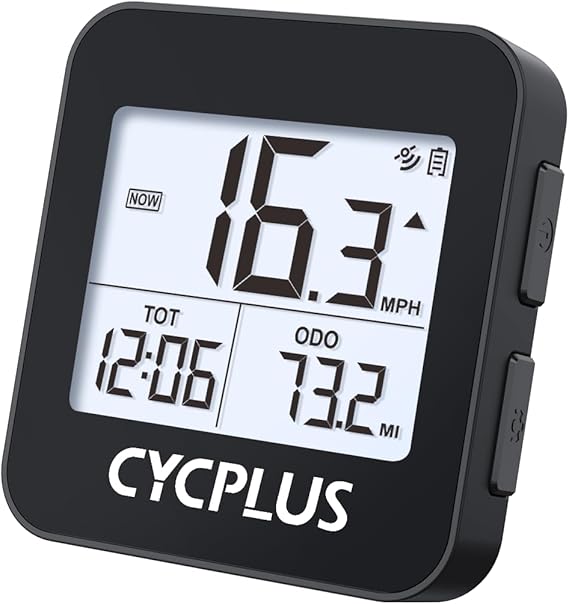 | CYCPLUS G1 GPS | Check Price |
Our Top Picks 2 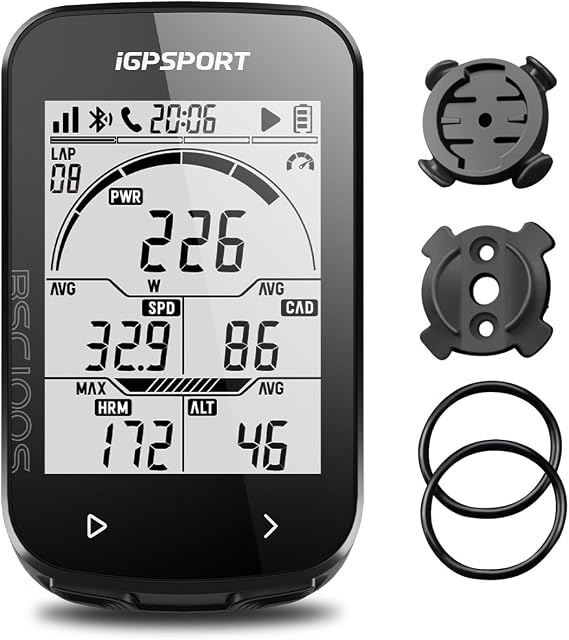 | iGPSPORT BSC100S | Check Price |
Our Top Picks 3  | GEOID CC700 Wireless | Check Price |
Our Selected Top 12 Bike Computer Under 100 Worth Buying
This list covers bike computers that offer reliable tracking and essential features within a budget. Each review explains how the device performs during rides, who will benefit most from it, and highlights key strengths and potential drawbacks to help in making a practical choice.
1. CYCPLUS Wireless GPS Bike Computer G1
Plastic casing and tempered glass make this bike computer practical and durable. It suits cyclists who want clear, accurate GPS tracking without dealing with cables. Its strongest feature is a highly sensitive GPS system that consistently provides precise route data and ride stats.
Setup involves attaching the handlebar mount and syncing wirelessly, which clears any cable clutter. The 2-inch backlit LED display stays visible in bright sunlight or darkness due to FSTN technology and automatic backlight. Using buttons for control feels straightforward.
The device automatically sleeps after 10 minutes without activity and recalls previous ride data instantly when turned back on.
GPS performance is steady and rapid, tracking current altitude, distance, and time accurately. The tempered glass screen resists scratches from nails or debris. Waterproofing to IPX6 level means rain won’t interrupt a ride.
The battery lasts around 50 hours between charges, enough for long tours. Some reports mention occasional issues with button responsiveness but overall reliability and ease of reading data stand out.
Many positive remarks focus on the GPS accuracy and clear screen, even under sunlight. The main complaint centers on occasional sluggish button response, which can disrupt quick data checks. The waterproof and wireless design is appreciated for ride convenience and durability in various weather. Battery life supports multiple long rides without frequent charging.
Cyclists looking for an easy-to-read, reliable GPS tracker without cables will find this handy. Those needing extensive data fields on a larger screen or very responsive controls may want to explore other options. The balance of features suits casual to moderately serious riders who prioritize simplicity and practicality.
Pros
- Accurate route tracking with dynamic GPS
- Backlit screen clear in sunlight and darkness
- IPX6 waterproof for rainy conditions
- Long battery life over 50 hours
Cons
- Buttons can sometimes feel unresponsive
- Limited display size for detailed stats
| Specification | Details |
|---|---|
| Display Size | 2 inches |
| Display Type | LED |
| Battery Average Life | 50 hours |
| Battery Type | Lithium Polymer |
| Connectivity Technology | Wireless |
| Mounting Type | Handlebar Mount |
2. iGPSPORT BSC100S GPS Bike Computer
A clear, large 2.6 inch screen stands out on this GPS bike computer, making it easy to read data while riding. Suited for cyclists who want reliable tracking without spending over 100 dollars, it delivers precise location information and multiple riding metrics. Its long battery life supports long sessions on the road without frequent recharging.
Setup involves pairing it via ANT+ or Bluetooth 5.0 with sensors like cadence or heart rate monitors, ensuring comprehensive ride data. The iGPSPORT app connects easily to analyze your rides and share results to platforms like Strava. Buttons control navigation on the anti-glare screen, which remains readable in sunlight and rain thanks to IPX7 waterproofing.
Accurate tracking comes from support for five satellite systems, allowing fast positioning and detailed ride data. The build feels sturdy with a reliable handlebar mount, though one downside noted is occasional button responsiveness issues. Battery life reaches an impressive 40 hours on a single charge through a type-C port, reducing downtime compared to older USB styles.
iGPSPORT BSC100S GPS Bike Computer offers global satellite coverage through five systems, ensuring faster and more accurate positioning. The 2.6 inch anti-glare screen is easy to read even in bright sunlight, and the battery lasts up to 40 hours on a single charge via a USB-C port. Common complaints include occasional software glitches and some difficulty syncing with third-party apps.
Cyclists who need a reliable, feature-packed device with long battery life and wide sensor compatibility will find this bike computer useful. Riders focused on simple metrics or those who prefer more established brands with smoother app integrations might consider other options. Water resistance and extensive data analysis appeal to those riding outdoors in variable conditions.
Pros
- Supports five global satellite systems
- Long 40-hour battery life with USB-C charging
- Over 40 types of riding data displayed
- Waterproof with IPX7 rating
Cons
- Buttons can sometimes be unresponsive
- Screen is LCD, not color
| Specification | Details |
|---|---|
| Display Size | 2.6 inches |
| Battery Average Life | 40 hours |
| Connectivity Technology | ANT, Bluetooth |
| Water Resistance | IPX7 |
| Sensor Type | Cadence Sensor |
| Mounting Type | Handlebar Mount |
3. GEOID CC700 Wireless Bike Computer
Paying attention to screen visibility and navigation accuracy often sways cyclists choosing a bike computer under 100 dollars. The GEOID CC700 Wireless Bike Computer appeals especially to riders wanting a large, colorful screen and reliable route guidance with automatic re-routing.
Setting up involves syncing AGNSS data over WiFi for quick 5-second GPS positioning and pairing sensors via ANT+ or Bluetooth, covering speed, cadence, and heart rate. Navigating the menus is straightforward thanks to three buttons and a 2.8-inch color display protected by durable Asahi glass. Uploading GPX files through the phone app enables colorful route maps with turn alerts, so you won’t lose track on unfamiliar roads.
Syncing ride records happens automatically over WiFi or Bluetooth, simplifying post-ride data management.
Tracking location uses five satellite systems to improve accuracy and speed. The build feels solid, with no-frills button controls that withstand noisy road conditions.
Brightness and colors on the big screen make data fields easy to read, with multiple customizable layouts. Common criticism points at limited battery runtime between charges and occasional syncing hiccups. It performs well on data accuracy and usability for its price range.
Bright and clear display with detailed navigation stands out strongly for everyday rides, helping to keep the route visible even in direct sunlight. The most frequent downside involves battery management, as some users find themselves needing to recharge after longer sessions more often than expected.
The device will suit cyclists who prioritize route accuracy and easy-to-read metrics during rides. Less ideal for those taking extended trips without access to frequent charging or riders wanting a purely simple, low-profile device focused on minimal data fields.
Pros
- Large, colorful 2.8-inch display
- Supports five satellite systems for quick positioning
- Wireless syncing over WiFi and Bluetooth
- Turn-by-turn navigation with automatic rerouting
Cons
- Battery life may be short for long rides
- Syncing can sometimes be inconsistent
| Specification | Details |
|---|---|
| Display Size | 2.8 inches |
| Display Type | Color display, Asahi glass |
| Connectivity | ANT, Bluetooth, Wi-Fi |
| GPS Systems | GPS, BEIDOU, GLONASS, QZSS, GALILEO |
| Sensors Supported | Speed, Cadence, Heart Rate |
| Mounting Type | Handlebar Mount |
4. CYCPLUS GPS Wireless Bike Computer M1

Tracking your cycling routes and performance gets straightforward with the CYCPLUS GPS Wireless Bike Computer M1. It suits riders who want reliable GPS tracking and detailed workout data without overspending. Its strongest point is accurate GPS positioning paired with easy syncing to a phone app.
Setting up involves attaching the handlebar mount, which fits 31.8 mm bars, using the included screwdriver in under a minute. The 2.9-inch backlit LCD screen is visible in bright sunlight and lights up automatically based on your time zone.
Connecting sensors via Bluetooth or ANT+ lets you record speed, cadence, heart rate, and altitude. Syncing with the CYCPLUSFit app keeps all data organized and links to Strava for ride history.
GPS accuracy is reliable thanks to a Swiss chip that picks up signals quickly. The tempered glass screen resists scratches from nails or debris. The mount stays steady on rough roads, holding the device firmly in place.
A common complaint is the necessity to set the time zone before the screen backlight works properly. Battery life lasts about 60 hours, enough for long rides before recharging.
GPS is quick to position and the app integration provides detailed ride stats, making it suitable for training and navigation. Many users note the screen’s automatic lighting is helpful but requires initial timezone setup, which can confuse some at first. The mount holds the device securely during bumpy rides with little wobble.
Riders wanting straightforward GPS tracking and multiple sensor data will find this device useful. Those with handlebars other than 31.8 mm or needing more advanced navigation features should consider other options. It fits well for cyclists focusing on basic route tracking and workout monitoring without spending over 100.
Pros
- High GPS accuracy with Swiss chip
- Clear 2.9-inch backlit screen
- Includes speed and cadence sensors
- Easy handlebar mount installation
Cons
- Must set time zone before backlight works
- Only fits 31.8 mm handlebars
| Specification | Details |
|---|---|
| Display Size | 2.9 inches |
| Display | LCD with FSTN technology |
| Battery Average Life | 60 hours |
| Sensor Type | Speed/cadence Sensor; GPS sensor |
| Connectivity Technology | ANT, Bluetooth |
| Mounting Type | Handlebar Mount (31.8 mm) |
5. iGPSPORT BSC500 GPS Bike Computer

A 3.3-inch touchscreen bike computer with dual-band GPS and multiple satellite support suits cyclists who want accurate navigation and easy data access without spending over 100 dollars. Its standout feature is the combination of touchscreen control and a button interface, making it practical in any riding condition.
Setting up the bike computer involves syncing routes through the iGPSPORT app or importing from popular services like Strava and Komoot. The touchscreen offers quick access to different data pages showing up to 12 cycling metrics at once, while buttons provide reliable control if gloves or rain make touchscreens tricky.
Voice navigation reduces the need to look at the screen, promoting safer riding on busy roads.
Navigation works well with signals from GPS, Beidou, GLONASS, Galileo, and QZSS satellites, improving positioning even in complex environments. The case seems durable enough for regular cycling use.
The loudspeaker occasionally struggles with volume in noisy surroundings, yet route recalculations happen smoothly if the rider strays from the original plan.
Voice alerts stand out as helpful, making navigation less distracting during rides. Some vibration or rain can reduce touchscreen sensitivity, requiring use of the buttons instead. Recalculated routes appear quickly, which helps stay on track without interruption.
Riders wanting detailed route planning and on-the-fly navigation will appreciate its features and affordable price. Cyclists who often ride in wet conditions with thick gloves or need louder audio cues might prefer a model with stronger weatherproofing or higher-volume speakers.
Pros
- Large screen shows up to 12 cycling data points
- Dual-band satellite reception improves accuracy
- Turn reminders adjust based on riding speed
- Voice navigation lowers screen glancing
Cons
- Loudspeaker volume sometimes too low in traffic
- Touchscreen responsiveness can struggle with wet gloves
| Specification | Details |
|---|---|
| Display Size | 3.3 inches |
| Sensor Type | Cadence Sensor |
| Battery Type | Lithium Ion |
| Human Interface Input | Buttons, Touchscreen |
| Satellite Systems Supported | GPS, Beidou, GLONASS, Galileo, QZSS |
6. Generic GPS Bike Computer 2.4 Screen

Riders who want detailed ride data without complex setup find the Generic GPS Bike Computer 2.4 Screen fits well. It suits cyclists tracking speed, distance, and elevation, especially those preferring a simple, sensor-free GPS experience. Its biggest strength lies in combining rich data like altitude and gradient with easy operation.
Setting it up is straightforward thanks to built-in GPS that skips the need for magnets or wheel sensors. The display is a 2.4-inch LCD with an automatic backlight, making it readable throughout changing light conditions on your rides. Auto start and stop reduce manual input, and it powers down after several minutes of no movement to save battery.
Performance covers a wide range of metrics including current speed, maximum speed, and accumulated ascent, which works well for mountain or road cycling. The build is solid enough for daily outdoor use, with IPX7 waterproofing standing up to rain.
The most frequent praise points to its battery life lasting up to 28 hours, while a common complaint mentions occasional difficulty with the button controls during rides.
The Generic GPS Bike Computer features a clear 2.4-inch LCD screen that displays key ride data like current speed, distance, and altitude, making it easy to track progress during long routes. The built-in GPS removes the need for external sensors, simplifying setup. A common downside is the screen’s relatively basic resolution, which can be harder to read under direct sunlight.
Riders looking for straightforward GPS tracking and essential ride stats under $100 will find this device practical and reliable. Those wanting advanced metrics, detailed mapping, or touchscreen navigation might want to consider more specialized bike computers with higher resolution screens and additional features.
Pros
- Tracks multiple ride metrics including altitude and gradient
- Simple GPS setup with no external sensors needed
- Long 28-hour battery life supports extended rides
- Clear LCD screen with automatic backlighting
Cons
- Button controls can be awkward during riding
- Limited mounting options beyond handlebar
| Specification | Details |
|---|---|
| Display Size | 2.4 inches |
| Display Type | LCD |
| Battery Average Life | 28 hours |
| Sensor Types | GPS, Motion, Barometric Altimeter, Speed |
| Water Resistance | IPX7 |
7. iGPSPORT BSC200S GPS Bike Computer

Offering detailed GPS bike tracking under 100, the iGPSPORT BSC200S suits cyclists wanting reliable navigation and data without a high price tag. Its standout feature is the ability to import routes from apps like Strava and Komoot and follow them easily with one-touch navigation.
Setting up involves syncing with the iGPSPORT app to create or import routes and customize the display. The handlebar mount holds the device within clear view.
Daily rides benefit from turn reminders and the Back to Start function, making unfamiliar routes safer. Notifications for calls and messages help keep you informed without stopping. Charging via type-C is straightforward and quick for daily use.
GPS signals lock quickly and track speed, distance, cadence, and more with reasonable accuracy. The semi-reflective color screen remains visible in sunlight, which is helpful on long rides. Battery life lasts through a full day of riding before needing a fast 1.5-hour charge.
Some found the screen a little small while appreciating the clear color display and organized data pages through the app.
Many appreciate the variety of GPS functions and route options allowing flexible cycling trips with good navigation support. A frequent downside mentioned is the small screen size, which means riders sometimes spend extra time looking to confirm data while moving. Buttons require some getting used to, especially when wearing thick cycling gloves.
Cyclists prioritizing detailed route navigation and long battery life will find this computer a solid choice. Those who want a larger display or touchscreen controls may want to consider other models. It fits well for riders focused on tracking multiple metrics and connecting with bike lights and radar devices from the same brand.
Pros
- Supports routes from multiple apps and custom colors
- Clear screen easily visible in bright sunlight
- Long 25-hour battery with fast USB-C charging
- Smart notifications keep you connected on the ride
Cons
- Screen size feels small for quick glances
- Buttons can be tricky to operate with gloves
| Specification | Details |
|---|---|
| Display Size | 2.4 inches |
| Display | Color, 320×240 resolution |
| Battery Life | 25 hours |
| Charging | Type-C, 1.5 hours full charge |
| Connectivity | ANT, Bluetooth, USB |
| Mounting | Handlebar mount |
8. Generic Wireless GPS Bike Computer 2.4

Generic Wireless GPS Bike Computer 2.4 tracks your rides without a wheel sensor, making it suitable for daily cyclists who want clear speed and distance data. Its biggest strength is the built-in GPS that shows detailed stats including altitude and temperature, making it handy for commuting and casual outdoor rides.
Setting it up is straightforward thanks to the included standard mount and simple button controls. The 2.4-inch LCD screen displays speed, distance, and ride time clearly at a glance. The green automatic backlight comes in handy during early mornings or dim light, and the auto start-stop function saves you the hassle of manually tracking your ride time each trip.
Performance centers on accurate GPS data combined with additional sensors like the barometric altimeter. It’s made with lightweight materials at just 50 grams and designed to withstand rain with an IPX7 rating. Some mention the display’s simplicity can feel limiting, but the clarity and battery life of up to 28 hours get consistent praise for daily use.
The bike computer provides solid ride tracking and consistent battery life that works well for daily cycling and casual routes. Complaints focus on the basic display layout and that some find the button interface less comfortable at first compared to touchscreen models.
Cyclists seeking straightforward GPS tracking and reliable battery performance will appreciate this device. Those wanting a more detailed or customizable display, or a more modern control scheme, might consider other options that offer those features.
Pros
- Accurate GPS tracking without wheel sensor
- Clear 2.4-inch LCD display with backlight
- Long battery life of 28 hours per charge
- Waterproof design for wet riding conditions
Cons
- Display limited to basic data layout
- Button controls may feel less intuitive initially
| Specification | Details |
|---|---|
| Display Size | 2.4 inches |
| Battery Average Life | 28 hours |
| Water Resistance | IPX7 waterproof design |
| Sensors | GPS, Motion, Barometric Altimeter, Speed |
| Weight | 50 g |
| Mounting Type | Standard mount |
9. Generic Wireless GPS Bike Computer 2.4

Tracking speed, distance, and elevation is straightforward with this wireless GPS bike computer. It suits riders who want reliable GPS data without fussing over extra sensors.
Its main strength is delivering detailed ride stats, including altitude and temperature, all on a clear, backlit screen that’s easy to read in different light conditions.
Setting it up involves attaching the handlebar mount and syncing with the built-in GPS, which removes the need for magnets or wheel sensors. The interface uses buttons for input, and the display turns on a green backlight automatically, helping during low light. Automatic start/stop means rides get recorded without pressing buttons at every stop, useful during city commutes or traffic lights.
GPS tracking is accurate for speed and distance, while the barometric altimeter adds detailed climbing data. The build feels solid and weatherproof enough to handle rain and ride after ride.
The clearest praise highlights the long 28-hour battery life, enough for marathon rides. The most noted drawback involves waiting for GPS signal lock initially, which can be slow at times.
Long battery life stands out as a major advantage, letting rides run without worry. The automatic start and stop reduce button presses, which users appreciate in stop-and-go traffic. Complaints most often focus on slow GPS lock times, requiring patience before heading out. Some find the buttons less responsive when wearing thicker gloves.
Riders who want detailed ride metrics without installing additional sensors will find this computer useful. Those who need instant GPS lock or very simple one-button operation might want to consider alternatives. It suits commuters and recreational cyclists who value long battery life and weather resistance over ultra-fast startup responsiveness.
Pros
- Displays speed, distance, climb, and temperature data
- Automatic start and stop for easy ride tracking
- 28 hours battery life covers long rides
- IPX7 waterproof ensures use in rain
Cons
- Slow GPS signal lock at startup
- Buttons can be fiddly with gloves on
| Specification | Details |
|---|---|
| Display Size | 2.4 inches |
| Battery Average Life | 28 hours |
| Sensor Type | GPS, Motion Sensor, Barometric Altimeter, Speed Sensor |
| Waterproof Rating | IPX7 |
| Mounting Type | Handlebar Mount |
10. Generic Wireless GPS Bike Computer 2.4

Perfect for cyclists who want straightforward GPS tracking without fuss, this bike computer tracks speed, distance, and altitude without extra sensors. Its biggest strength lies in easy setup and clear data presentation in multiple languages.
Setup involves mounting the device on the handlebar using the included bracket and connecting via USB-C for charging. Navigation uses simple buttons and an LCD screen with green backlighting, so reading stats in low light is manageable.
There’s no need for installing wheel sensors since the GPS handles speed tracking, which means less hassle and quicker start times on rides.
Performance covers speed, distance, altitude, gradient, and temperature well using GPS and a barometric altimeter. The lightweight 50-gram body feels sturdy and the IPX7 waterproof rating suits wet weather rides. A common praise is the long 28-hour battery life.
The main drawback seems to be occasional screen responsiveness lag when pressed repeatedly.
Most users find the battery life excellent and appreciate not needing to install wheel sensors. The green backlight helps in dim conditions. The slow response of the buttons is mentioned as a minor frustration but does not prevent regular use. Build quality feels solid despite the light weight.
Cyclists wanting simple GPS tracking without extra hardware will like this computer. Those looking for faster interface response or touch controls might want to consider other models. Its multi-language support and waterproof design fit a variety of riders and weather conditions.
Pros
- No wheel sensor needed for speed tracking
- Long battery life of up to 28 hours
- Clear 2.4-inch LCD with green backlight
- Displays extra info like altitude and gradient
Cons
- Screen can be slow to respond sometimes
- No touch screen, uses buttons only
| Specification | Details |
|---|---|
| Display Size | 2.4 inches |
| Battery Average Life | 28 hours |
| Mounting Type | Handlebar Mount |
| Sensor Type | GPS, Motion, Barometric Altimeter, Speed |
| Battery Type | Lithium Ion |
| Waterproof Rating | IPX7 |
11. CATEYE Padrone Wireless Bike Computer

Plastic casing and a simple wireless design define the Padrone Wireless Bike Computer. It fits riders who want straightforward ride stats without GPS or complicated menus. The biggest strength lies in delivering accurate speed and distance data without any setup fuss or distractions.
Setup uses a FlexTight bracket allowing hand installation on the handlebar with no tools needed. Speed sensor clips to the front wheel, sending data up to 70cm away with no pairing steps. Day-to-day use stays simple with a single button that toggles through current speed, trip distance, and elapsed time.
Stops automatically pause the timer and speed average, so manual resets aren’t necessary after brief breaks.
Speed measurement stays reliable during rides, and the LCD screen at 5.5 cm offers clear numbers even in bright sunlight. The wireless sensor keeps the connection stable on paved and gravel roads.
The most common complaint comes from the lack of GPS and heart rate tracking, which some find limiting. The tightness of the FlexTight mount earns praise for staying secure without sliding.
Accurate speed readings and easy installation stand out as the best features. Lack of GPS and heart rate tracking limits appeal to those wanting more data. The auto-pause function also earns positive mentions for convenience during short stops.
Riders focused on essential stats without extra features will find this bike computer fits well. Those needing GPS navigation, route tracking, or heart rate monitoring should consider more advanced options.
Pros
- Instant speed data with no pairing required
- Easy tool-free mounting and adjustments
- Auto-pause stops time and average speed
- Simple button controls avoid distraction
Cons
- No GPS or navigation features
- Speed sensor only works on front wheel
| Specification | Details |
|---|---|
| Display Size | 5.5 centimeters |
| Sensor Type | Analog Wireless |
| Battery Life | 1 years |
| Mounting Type | Handlebar Mount with FlexTight Bracket |
| Connectivity Technology | Analog Wireless |
12. COOSPO Wireless GPS Bike Computer

Compact and lightweight, the COOSPO Wireless GPS Bike Computer suits riders who want reliable tracking without bulk. Its standout feature is the accurate GPS and Beidou positioning, which provides solid location data worldwide. This makes it a strong pick for cyclists on a budget who need precision over flashy extras.
Setting up the computer involves pairing it with the CoospoRide app via Bluetooth for easy configuration and firmware updates. The 2.4-inch LCD display fits well on most handlebars without taking up much space.
ANT+ sensor compatibility allows connections to heart rate monitors and cadence sensors, though Bluetooth connections for sensors are not supported. The buttons provide straightforward control during rides, and the device lets you switch off GPS for indoor cycling sessions.
GPS accuracy is consistent across environments thanks to dual global positioning modes, and the compact design wrapped in glass-filled ABS and TPU puts balance between durability and lightness. The handlebar mount holds the device steady, yet the need to buy an extension front mount separately may be inconvenient. A frequent complaint involves no direct USB upload to Strava, requiring sync through the app instead.
Accurate positioning combined with a small, durable build receives praise for reliable tracking in diverse conditions. Complaints focus on the missing long front mount and the inability to upload activity files to Strava via USB, making the app required for syncing rides. The button interface is straightforward but limited to basic controls.
The device fits cyclists who want dependable GPS and sensor compatibility without shelling out much money or adding weight. People wanting full Bluetooth sensor support or direct PC files upload for Strava might want to consider other models. Its straightforward design appeals especially to those favoring simplicity over extra features.
Pros
- Accurate GPS and Beidou world positioning
- Lightweight and compact design
- Compatible with ANT+ sensors like heart rate monitors
- Easy app setup and firmware updates
Cons
- Extension front mount sold separately
- No USB direct Strava upload, must sync via app
| Specification | Details |
|---|---|
| Display Size | 2.4 inches |
| Display Type | LCD |
| Positioning | GPS & BEIDOU |
| Battery Type | Lithium Ion |
| Connectivity | ANT+, Bluetooth (app only) |
| Mount Type | Handlebar Mount |
Best Bike Computers Under 100 Comparison Table
| Product | Display Size | Battery Life | Connectivity | Sensors |
|---|---|---|---|---|
| CYCPLUS G1 GPS | 2 inches | 50 hours | Wireless | – |
| iGPSPORT BSC100S | 2.6 inches | 40 hours | ANT, Bluetooth | Cadence Sensor |
| GEOID CC700 Wireless | 2.8 inches | – | ANT, Bluetooth, Wi-Fi | Speed, Cadence, HR Sensor |
| CYCPLUS M1 GPS | 2.9 inches | 60 hours | ANT, Bluetooth | Speed, Cadence, GPS |
| iGPSPORT BSC500 | 3.3 inches | – | – | Cadence Sensor |
| Generic GPS 2.4 Screen | 2.4 inches | 28 hours | – | GPS, Motion, Altimeter, Speed |
| iGPSPORT BSC200S | 2.4 inches | 25 hours | ANT, Bluetooth, USB | GPS Sensor |
| Generic Wireless GPS 2.4A | 2.4 inches | 28 hours | – | GPS, Motion, Altimeter, Speed |
| Generic Wireless GPS 2.4B | 2.4 inches | 28 hours | – | GPS, Motion, Altimeter, Speed |
| Generic Wireless GPS 2.4C | 2.4 inches | 28 hours | – | GPS, Motion, Altimeter, Speed |
| CATEYE Padrone Wireless | 5.5 cm (2.16″) | 1 year | Analog Wireless | Analog Wireless Sensor |
| COOSPO Wireless GPS | 2.4 inches | – | ANT, Bluetooth | GPS Sensor |
- Display Size2 inches
- Battery Life50 hours
- ConnectivityWireless
- Sensors–
- Display Size2.6 inches
- Battery Life40 hours
- ConnectivityANT, Bluetooth
- SensorsCadence Sensor
- Display Size2.8 inches
- Battery Life–
- ConnectivityANT, Bluetooth, Wi-Fi
- SensorsSpeed, Cadence, HR Sensor
- Display Size2.9 inches
- Battery Life60 hours
- ConnectivityANT, Bluetooth
- SensorsSpeed, Cadence, GPS
- Display Size3.3 inches
- Battery Life–
- Connectivity–
- SensorsCadence Sensor
- Display Size2.4 inches
- Battery Life28 hours
- Connectivity–
- SensorsGPS, Motion, Altimeter, Speed
- Display Size2.4 inches
- Battery Life25 hours
- ConnectivityANT, Bluetooth, USB
- SensorsGPS Sensor
- Display Size2.4 inches
- Battery Life28 hours
- Connectivity–
- SensorsGPS, Motion, Altimeter, Speed
- Display Size2.4 inches
- Battery Life28 hours
- Connectivity–
- SensorsGPS, Motion, Altimeter, Speed
- Display Size2.4 inches
- Battery Life28 hours
- Connectivity–
- SensorsGPS, Motion, Altimeter, Speed
- Display Size5.5 cm (2.16″)
- Battery Life1 year
- ConnectivityAnalog Wireless
- SensorsAnalog Wireless Sensor
- Display Size2.4 inches
- Battery Life–
- ConnectivityANT, Bluetooth
- SensorsGPS Sensor
How to Choose the Best Bike Computer Under 100
Focus on basic features like accurate speed and distance tracking, easy-to-read screens, and good battery life to avoid frequent replacements or frustration on rides. Choosing a device with reliable sensors and simple controls helps prevent issues down the road and keeps costs manageable.
Display Quality and Visibility
Riding under bright sunlight can turn the screen on some devices into a frustrating blur. Many models offer screens around 2 to 2.5 inches diagonally, which strikes a good balance between readable information and compact size.
Devices without adequate contrast or those with reflective surfaces often force you to squint or stop to check data clearly, breaking the ride flow. A clear layout with large numbers and distinct symbols makes all the difference, especially on rough roads or longer rides.
Backlighting matters a lot once the sun sets or during overcast mornings. A backlight that evenly lights the entire screen allows quick glances without fiddling with buttons repeatedly.
Some units have a simple white LED backlight; others provide adjustable brightness levels for varied conditions. Look for this feature along with a straightforward screen design, layouts that cluster key data like speed, distance, and time separately help avoid confusion at a glance. On these budgets, expect simple monochrome LCDs with decent contrast rather than fancy color displays.
Battery Life and Type
Riding for hours only to find the screen dead midway ruins any ride experience. Most models last between 10 and 20 hours on a single charge or battery set, which usually matches a day’s worth of riding without recharging. Units with rechargeable lithium-ion batteries often reach the upper end of that range and take 1 to 3 hours to recharge fully.
Devices powered by replaceable coin-cell batteries offer quick swaps but can last much longer, several months or more, before needing a replacement.
Battery-saving modes are crucial for extending usage during long rides. Such features lower screen brightness, turn off the backlight, or enter standby mode after periods of inactivity. Expect to find options that automatically power down the device after 5-10 minutes without input or freeze the screen to conserve power.
Choosing a device with these power management options means fewer interruptions and less planning around charging or carrying spare batteries.
Connectivity and Compatibility
Biking without accurate data can feel like driving blind. A good device supports sensors like cadence, speed, and heart rate, which track how fast you pedal, your wheel rotations, and your fitness effort.
Missing sensor support often leads to inconsistent readings or reliance solely on GPS, which might drain the battery faster or give less detailed info on intervals. Devices with Bluetooth and ANT+ connectivity cover a wide range of sensors, so look for both if you want to use external gadgets like heart rate monitors or cadence sensors.
The mount and bike compatibility are equally important in everyday use. Some computers fit standard Garmin mounts, while others come with their own bracket systems. Choose one that fits your bike’s handlebar diameter, usually between 31.8mm and 35mm.
Check the materials too, plastic brackets are common but can break under stress, metal ones last longer. Syncing to smartphones or fitness apps like Strava or Garmin Connect is crucial for storing and analyzing rides.
Quick syncing through reliable Bluetooth connectivity lets you stay updated without fumbling with cables or complex setups.
Ease of Use and Installation
Setting up a bike computer can often take longer than expected, especially if it requires special tools or complicated installations. Some cheaper models use simple rubber bands and plastic mounts that snap on the handlebar or stem, which makes securing the device fast and straightforward.
Avoid models that demand screws without included tools, as this adds extra hassle and can leave you stranded without the right screwdriver on a ride. A good mount feels secure and doesn’t wobble on rough roads, which means the screen stays readable and the device won’t fall off after a few bumps.
Controls and menu navigation affect daily usability more than most expect. Some units have tiny buttons with confusing menus, leading to fumbling stops just to change screens or start a ride. Models with intuitive button layouts and clear, logical menus make it easy to find what you need quickly without distracted riding.
Look for units with backlit displays and button feedback, which help in early morning or low-light conditions. Simple setup screens that walk you through pairing sensors or setting wheel sizes typically cut initial setup time to under 10 minutes.
Accuracy and Data Features
Relying on a bike computer that miscalculates speed or distance can throw off your training efforts significantly. Some models use GPS only, which drains batteries faster, while others combine GPS with wheel sensors for better precision.
Good devices typically have speed and distance accuracy within 1-2%. Cadence measurement is less common under this price point but can be found paired with magnet sensors on the crank arm, providing real-time pedal revolutions per minute. Without reliable cadence data, adjusting your pedal stroke efficiently becomes guesswork.
Extra metrics like altitude or calories burned add useful context but vary greatly in accuracy here. Devices commonly use barometric sensors for altitude, which track elevation changes smoothly, unlike GPS altitude that can jump around. Calorie counts are estimates based on your inputs and speed data, so keep expectations realistic.
Data storage capabilities and export options matter for reviewing past rides or sharing with training apps. Aim for at least 8-12 hours of ride memory with ability to connect via USB or Bluetooth.
This ensures you won’t lose valuable ride stats after long sessions or away from your phone.
Optimizing Your Bike Computer for Accurate Performance
Most bike computers under $100 rely on sensors like magnets attached to the wheel and fork to track speed and distance. Proper installation of these sensors is critical for accurate readings. Position the magnet so it passes closely, within a few millimeters, of the sensor with each wheel rotation.
Loose or misaligned magnets often cause dropped signals or sudden jumps in data.
Calibrating the wheel size in the bike computer’s settings is another essential step. Measure your tire’s circumference in millimeters by rolling the bike forward one complete revolution and marking the distance. Enter this number exactly for precise speed and distance calculations.
Keep these points in mind for better performance:
- Double-check sensor alignment after rides, as bumps can shift the setup.
- Replace batteries regularly to avoid data loss mid-ride.
- Use the bike computer’s manual to explore advanced settings like cadence if supported.
Consistent maintenance and careful setup help these budget-friendly bike computers track your rides more accurately.
Common Setup Mistakes to Avoid with Budget Bike Computers
Many budget bike computers come with basic sensors and mounting kits that don’t always fit every bike frame or handlebar size perfectly. One common mistake is attaching the sensor too far from the magnet on the wheel spoke.
This causes inconsistent readings or no signal at all, which can be frustrating during rides.
Another frequent issue is not calibrating the wheel size correctly. Most budget models require manual input of the wheel circumference in millimeters.
Using a generic value like 2100 mm without measuring your actual tire can lead to inaccurate speed and distance figures.
Battery installation errors also occur often. Some budget units use coin cell batteries that require precise orientation. Inserting the battery backwards might prevent the device from powering on without any obvious indicator.
- Keep the magnet within 5 mm of the sensor to ensure proper signal transmission.
- Measure your tire circumference after fully inflating it for accurate input.
- Check battery polarity carefully and replace batteries promptly to avoid data loss.
Comparing Bike Computers with Smartphone Apps for Cycling Tracking
Bike computers designed for cycling tracking often provide more accurate and immediate feedback compared to smartphone apps. These devices use dedicated sensors like GPS and cadence trackers that are optimized to function well in various weather conditions. Their screens stay visible under bright sunlight, which can be a challenge for phone displays during outdoor rides.
Plus, bike computers tend to have longer battery life tailored for extended trips, often lasting several hours without needing a recharge.
Smartphone apps, on the other hand, rely heavily on your phone’s GPS and sensors. Some key points to consider include:
- Smartphone screen visibility drops outdoors due to glare, making it harder to glance at data quickly while riding.
- The phone battery drains faster when running GPS apps, which can limit trip length.
- Apps require mounting solutions and sometimes additional sensors to provide detailed metrics like cadence or speed accurately.
- Phones can be heavier and more cumbersome to secure on a bike handlebar compared to bike computers built for that purpose.
For rides where precise real-time data and battery longevity are priorities, bike computers under $100 offer practical advantages that many cyclists appreciate over just using a smartphone app.
People Also Asked
How Do I Install a Bike Computer Under 100 Correctly?
Mount the bike computer on the handlebars using the included bracket or strap. Ensure it is secure and positioned so you can glance at it easily without taking your hands off the grips. Double-check the sensor on the wheel or pedal alignment to avoid erratic speed or cadence readings.
Are Bike Computers Under 100 Compatible with All Bike Types?
Most budget bike computers work with standard bikes like road, mountain, and hybrid models. Some might have issues with less common wheel sizes or bikes with disc brakes affecting sensor placement. It helps to verify the sensor type and mounting options before buying.
What Common Problems Do Budget Bike Computers Have?
Common issues include inaccurate speed readings, Bluetooth connection drops, and short battery life. The screens can be hard to read in bright sunlight or dim conditions. Regularly cleaning the sensor and checking the battery contacts fixes many glitches.
How Long Does a Typical Bike Computer Under 100 Last?
Typical lifespan runs from one to three years, depending mostly on battery quality and exposure to weather. Keeping the bike computer out of heavy rain and removing batteries after long storage can prolong its functioning. Avoid impacts and clean it gently to maintain performance.
Can I Track Heart Rate with an Affordable Bike Computer?
Some affordable bike computers include heart rate monitoring but often require a separate chest strap or wrist sensor. These usually connect via ANT+ or Bluetooth. Using a compatible sensor is necessary, as built-in monitors are rare on devices under 100.
Conclusion
Choosing the right bike computer under 100 comes down to accuracy, ease of use, and how well it fits your riding style. Look for a clear display you can read at a glance and reliable data tracking for your rides. Battery life matters too, especially if you plan on longer trips or don’t want to recharge often.
Think about how often you’ll use it and where you’ll mount it to make sure it suits your bike setup and budget. Reviewing the comparison table and detailed picks above will help match these factors to what fits your needs best.