
Top 12 Best Bike for 10 Year Old Boy Kids Will Love
Bikes that don’t fit well or have flimsy parts often lead to quick frustration, especially for kids around 10 years old. Finding the best bike for 10 year old boy means avoiding models that are too big or small, or that come with unreliable brakes that affect safety during rides in the neighborhood or park. A bike that’s uncomfortable or hard to control can turn a fun weekend into a struggle for both the child and the parent.
A solid bike for this age typically weighs between 20 and 25 pounds, making it light enough for a 10-year-old to handle easily. Frame materials like aluminum strike a good balance between durability and manageable weight. Proper sizing matters most, around a 20-inch wheel diameter fits most 9 to 12-year-olds comfortably.
Reliable hand brakes combined with a simple coaster brake ensure stopping power without complex maintenance. A bike that cleans up quickly after muddy rides also keeps the experience stress-free.
Need a Quick Check?
| Image | Product | Price |
|---|---|---|
Our Top Picks 1  | WEIZE Kids Mountain | Check Price |
Our Top Picks 2  | WEIZE Freestyle BMX | Check Price |
Our Top Picks 3  | WEIZE Junior Bike | Check Price |
Our Selected Top 12 Bike for 10 Year Old Boy Worth Considering
These picks cover a variety of bikes designed for 10-year-old boys, including different sizes and styles to suit varying preferences and riding needs. Each review explains how the bike performs, highlights who it fits best, and points out its strengths and possible drawbacks.
1. WEIZE Kids Mountain Bike
Riding feels safe and manageable for kids between 6 and 13 or those around 4′ to 4’7 tall. Designed with a sturdy carbon steel frame and a low standover height, it’s ideal for 10-year-olds learning to take on hills and trails.
The dual brakes and 6-speed gears give kids control without overwhelming complexity.
Assembly doesn’t require special tools beyond typical bike setup gear, thanks to its straightforward design. The adjustable seat adapts as your child grows, and wide 20 by 2.125-inch rubber tires offer good grip for mountain terrain. Daily rides become smooth because the soft padded seat cushions longer trips and the trigger shifters on the handlebar make gear changes easy for small hands.
Kicking uphill or racing downhill proves effective with the rear derailleur and six available speeds, helping riders build strength and confidence on different trails. The steel frame holds up well against bumps and scrapes.
Brake response is consistent with the V-brakes on both wheels, though some mention the handbrakes need occasional tightening to stay reliable over time.
The bike’s strong points are its safety features and gear range that help children explore varied terrain confidently. The common issue involves brake adjustment needed after extended rides to maintain smooth stopping, making occasional maintenance necessary. Tires and frame handle rough play well, which aligns with active riding demands at this age.
Kids who are growing fast and want to try hill climbs and trail rides will benefit from this model’s build and gearing. Those needing a lighter bike for mainly flat surfaces might consider models with aluminum frames for easier handling long-term.
Pros
- Low standover height for easy mounting
- Dual V-brakes for secure stopping power
- Trigger shifters simple for kids to use
- Wide, durable tires with puncture resistance
Cons
- Brake cables may loosen with frequent use
- Steel frame adds extra weight compared to aluminum
| Specification | Details |
|---|---|
| Frame Material | Carbon Steel |
| Tire Size | 20 x 2.125 inches |
| Number Of Speeds | 6 |
| Brake Style | V Brake |
| Seat | Adjustable, soft padded |
| Terrain Type | Mountain Terrain |
2. WEIZE Freestyle BMX Bike
Suitable for boys between 4’0 and 5’8, this 20 inch BMX bike handles neighborhood streets and beginner freestyle riding well. Its main strength is a simple, durable design that supports basic tricks without complicated gears or suspension.
Setting up involves adjusting a padded saddle to fit growing riders comfortably. The 360° rotor feature lets the handlebars spin fully without tangling the brake cable, which helps when practicing spins and simple moves.
Four pegs provide spots for feet during tricks, and wide 20 x 2.40 inch tires improve stability and shock absorption on uneven pavement or BMX terrain.
The steel frame stands up to daily rides around the block and park areas. Its single-speed drivetrain means fewer parts to maintain or break during learning phases. The rear V brake offers reliable stopping power.
Feedback highlights the bike as tough and functional but advises avoiding high jumps to prevent damage since it doesn’t have suspension.
The bike holds up well under everyday street and park riding conditions. Its 360° rotor and wide tires are praised as practical and supportive for beginner freestyle practice. The rigid frame and lack of suspension mean it cannot absorb major impacts, so rough stunts risk damage. Riders are advised to keep to gentle tricks.
Those wanting a straightforward BMX that covers basic freestyle skills and neighborhood riding will find this bike well suited. It fits a broad height range and stays simple to control and maintain. Riders expecting to do advanced tricks or use it for jumps will need a model with suspension and a stronger design.
Pros
- Adjustable padded seat for comfort
- 360° rotor enables full handlebar spins
- Wide tires add grip and cushioning
- Simple maintenance thanks to single-speed setup
Cons
- No suspension limits high jumps and drops
- Designed for basic tricks only
| Specification | Details |
|---|---|
| Bike Type | BMX Bike |
| Number Of Speeds | 1 |
| Suspension Type | Rigid |
| Brake Style | Linear Pull (Rear V Brake) |
| Intended Riding Terrain | BMX Terrain, Mountain Terrain, Urban Terrain |
| Additional Features | Adjustable Seat, 360° Rotor, 4 Pegs |
3. WEIZE Kids Bike
High-carbon steel forms the frame of this bike, designed for kids aged 7 to 13 who are around 48 to 62 inches tall. It works best for those already able to balance on their own and stands out for its adjustable fit and dual braking options that help young riders control their speed safely.
Setting up the bike is fairly simple, arriving mostly assembled and including a clear kickstand for parking. The seat adjusts up to 5 inches in height without tools, alongside an adjustable handlebar for a good riding position as your child grows.
Twin brakes use a coaster system and hand brake lever, which introduce different stopping techniques during neighborhood rides.
The bike rolls comfortably on paved paths with 20 × 2.125-inch wide tires that absorb bumps well. A chain guard prevents clothes from getting caught, and the solid steel frame holds up under daily wear.
Some find the seat adjustment range limited for kids at the taller end, but many appreciate the easy assembly and reliable brakes.
Adjustability and dual brakes are praised for helping children grow with the bike and learn braking techniques. Assembly is straightforward, but the seat height limit can feel tight for some taller riders within the recommended range.
Good for independent young riders needing a sturdy bike for casual rides on paved roads. Those requiring training wheels or wider size ranges might want to consider other options.
Pros
- Adjustable seat and handlebars without tools
- Two braking options for speed control practice
- Wide tires that handle small bumps well
- Fully enclosed chain guard for safety
Cons
- Seat adjustment might not fit tallest kids well
- No training wheels included with the bike
| Specification | Details |
|---|---|
| Bike Type | Kids Bike |
| Number Of Speeds | 1 |
| Suspension Type | Rigid |
| Brake Style | Coaster |
| Power Source | Pedal Power |
4. Glerc Kids Mountain Bike

A solid and versatile mountain bike with a strong steel frame and 21-speed gears, fit for kids aged 6 to 12 who want to explore trails or rough terrain. Its big selling point is the responsive disc brakes that improve control and safety during rides.
Setting up involves adjusting the seat and handlebars to fit a child between 45 and 55 inches tall, with a suitable inseam of 21 to 25 inches. The 20-inch wheels and front suspension fork handle bumps well, while the 21-speed drivetrain lets kids choose the right gear for climbing hills or speeding on flat paths. Regular shifting uses trigger gear shifters, which are straightforward for most children to manage.
The high carbon steel frame stands up to rough use and outdoor conditions, showing durability. The front suspension eases rides over rocky or uneven ground, which kids find comfortable.
Disc brakes offer precise stopping power, but a common downside noted is the bike’s weight at 30 lbs, which some younger riders might find heavy to carry or maneuver off the bike.
The bike delivers strong braking and solid build quality, appreciated on rough trails. Weight is the main drawback, as it can slow down or tire younger riders when lifting or carrying the bike around.
Children between 6 and 12 who want a mountain bike capable of handling trail rides and varied conditions will find this model suitable. Those seeking a lighter bike mainly for casual or street riding might wish to explore lighter options within a smaller weight range.
Pros
- Durable high carbon steel frame
- 21-speed drivetrain for varied terrains
- Responsive disc brakes for better control
- Front suspension absorbs shocks efficiently
Cons
- Bike weight of 30 lbs may be challenging
- Gear shifting can take practice to master
| Specification | Details |
|---|---|
| Bike Type | Mountain Bike |
| Number Of Speeds | 21 |
| Suspension Type | Front |
| Brake Style | Disc |
| Intended Riding Terrain | Mountain Terrain |
| Bike Weight | 30 lbs |
5. MTB Mountain Bike Alloy Mag Wheel

Strong gear options and durable build make this bike a solid pick for active kids ready to ride beyond simple streets. Designed for boys and girls around 7 years and older, it can handle neighborhood paths and light trails with ease. Its standout feature is the 21-speed model that lets young riders adapt to different terrains smoothly.
Assembly arrives mostly done, so setting up the bike involves a quick finish using clear instructions and a video guide. The adjustable seat with a quick-release lets you resize it easily as your child grows.
Magnesium alloy mag wheels cut down maintenance from traditional spokes, while dual disc brakes give confidence on stops. Front suspension softens the bumps on rougher ground, ideal for trails and sidewalks alike.
Performance holds well on a variety of surfaces thanks to the range of gears and front suspension that soaks some shock. The steel frame feels sturdy and reliable during rides. Most praise focuses on smooth gear changes and strong brakes, though some note the bike’s weight at 160 pounds as a challenge when carrying or lifting it.
Smooth gear changes and dependable brakes get the most praise, making rides safer and easier across various surfaces. The common issue involves the bike’s weight, which can be cumbersome to carry for a child when off the bike or loading it into a vehicle.
Children ready to tackle different types of terrain will appreciate the gear range and suspension here. Lighter weight or simpler setup may matter more than multi-speed options for some, so a different, less bulky bike might be a better fit.
Pros
- Adjustable quick-release saddle accommodates growth
- Magnesium alloy mag wheels reduce maintenance
- Dual disc brakes offer strong stopping power
- Front suspension improves ride comfort on uneven ground
Cons
- Heavy frame makes lifting difficult
- 20-inch model has fewer gears than 24-inch
| Specification | Details |
|---|---|
| Wheel Size | 20 inches |
| Item Weight | 160 pounds |
| Frame Material | High-carbon steel |
| Gear Options | 7-speed (20-inch), 21-speed (24-inch) |
| Brake Type | Front and rear disc brakes |
| Suspension | Front suspension fork |
6. Schwinn Koen Kids Bike

Getting a 10 year old comfortable on a bike tailored to their size makes a big difference in confidence and control. Schwinn’s 20 Koen kids bike suits riders between 47 and 53 tall who are ready to explore on paved roads and urban paths. Its biggest strength lies in combining straightforward safety features with a design that grows with the child.
Assembly requires just one tool, so setting up the bike is quick, letting kids start riding within minutes. The seat adjusts without tools to match height changes as kids grow, and the included kickstand makes parking easy.
The low-step frame simplifies getting on and off, while kid-sized grips and pedals improve handling throughout daily rides.
Dual braking with a rear coaster brake and hand brake supports smooth and confident stopping on urban streets. The rigid suspension and lightweight frame make it easy to maneuver.
Most praise focuses on how well the brakes aid control during initial riding stages, but some note the single speed limits uphill performance.
The dual brake system receives strong praise for helping kids stop smoothly and build hand braking skills while still using the coaster brake. Users mention the single gear restricts riding on hills or rougher terrain but it does not affect flat urban rides. The frame geometry supports a natural upright position which adds to rider comfort.
Kids who mainly ride on flat roads and are transitioning from a beginner bike will find the Koen a solid choice. Children needing multi-speed or suspension for diverse terrains might want to explore other bikes. It fits daily neighborhood rides well without complex features that could overwhelm intermediate riders.
Pros
- Tool-free seatpost adjusts easily for growing riders
- Dual brakes combine coaster and hand brake control
- Low-step frame eases mounting and dismounting
- Quick one-tool assembly gets it ready fast
Cons
- Single speed limits uphill riding capability
- Rigid suspension offers no shock absorption
| Specification | Details |
|---|---|
| Bike Type | Kids Bike, Multi-Use Bike |
| Number Of Speeds | 1 |
| Brake Style | Coaster, Linear Pull |
| Suspension Type | Rigid |
| Intended Riding Terrain | Paved Roads, Urban Terrain |
| Bicycle Drivetrain Type | Chain Drive |
7. Bilbo Kids Bike

20-inch tires provide traction and stability on both paved roads and unpaved trails, making the Bilbo Kids Bike suited for a 10 year old boy ready to ride on a variety of surfaces. The bike stands out with its strong steel frame and reliable braking system that focus on safety and handling off-road paths.
About 85 percent of the bike arrives assembled, so the main setup tasks include attaching the front wheel, pedals, handlebar, kickstand, and saddle with the included tools. Adjustable seat and handlebars adapt to the child’s height, while the included kickstand helps keep the bike upright when parked. Training wheels come only with the smaller size, which is not this model’s case since the 20-inch version assumes some riding experience.
Performance leans on front and rear dual aluminum V-brakes, which offer precise stopping power for a 10 year old still developing coordination. The rigid suspension means no shock absorption, but the 201.95 inch off-road tires absorb bumps well on rougher terrain. The steel frame is durable but adds weight the rider may notice over time.
Some find assembly straightforward; others note the handlebar alignment requires fine-tuning for comfort.
Braking feels effective with the dual aluminum V-brakes, giving a secure and sensitive response at various speeds. The bike’s single-speed drivetrain makes pedaling simple but limits speed control on hills. The tires perform well on unpaved areas, and the bike frame endures rough riding. Assembly is mostly easy, though some find setting the handlebar alignment less precise than expected.
Riders who want a solid, straightforward bike to handle mixed terrain will find this a good fit, especially those between 45 and 58 inches tall. More experienced kids or those wanting multiple gears for hill riding should look at options offering more speed control. The lack of suspension means a bumpier ride on very rough trails, but it suits everyday.
Pros
- Durable steel frame resists rough use
- Off-road tires provide strong grip on trails
- Adjustable seat and handlebars for growing riders
- Dual V-brakes improve stopping control
Cons
- Rigid suspension offers no shock absorption
- Handlebar assembly may require extra adjustment
| Specification | Details |
|---|---|
| Wheel Size | 20 inches |
| Frame Material | Steel |
| Brake Style | Dual aluminum V-brakes |
| Number of Speeds | 1 (single-speed) |
| Suspension Type | Rigid |
| Suitable Height | 45 – 58 inches |
8. KORIMEFA Freestyle BMX Bike

Kids aged 8 to 12 who want to learn BMX tricks or ride in the neighborhood find this bike useful. Its most notable feature is the sturdy high-tensile steel frame that holds up well against rough use on BMX tracks or urban terrain.
Assembly comes almost complete, with 90 percent of it done out of the box and tools included, so the bike rolls quickly after unpacking. The adjustable handlebars and seat let you fit the bike comfortably to the rider’s height. Single-speed drive keeps things simple, while wide tires improve grip and balance on various surfaces.
The steel frame handles daily riding and freestyle practice reliably. The 2.09-inch tires provide steady ground contact.
Most find the bike strong and dependable, though some wish the brake setup was more consistent across versions. The single-speed drivetrain is easy for beginners to control. A few noted that full freestyle features like the 360° gyro can be tricky to set up for the untrained.
High-tensile steel frame durability stands out as a major advantage for BMX practice and daily riding. Most praise the stable tires and solid feel. The inconsistent brake configurations across models cause some frustration and require checking before purchase to avoid surprises. The 360° gyro and BMX pegs in full setup need careful assembling and can challenge novices.
Learners interested in freestyle BMX or riding on urban terrain will appreciate the toughness and design of this bike. Those wanting more advanced gearing or suspension should consider a different type. Kids who need easy assembly and straightforward controls will benefit most from this model’s simplicity and build strength.
Pros
- Strong steel frame handles BMX terrain well
- Adjustable seat and handlebars for fit
- Wide tires provide stable traction and balance
- Mostly pre-assembled for quick setup
Cons
- Brake setup varies by model and can confuse buyers
- 360° gyro setup requires some mechanical skill
| Specification | Details |
|---|---|
| Bike Type | BMX Bike |
| Wheel Size | 20 inch (also 18 inch version) |
| Frame Material | Hi-Ten Steel |
| Brake Style | Rear U Brake |
| Number Of Speeds | 1 |
| Weight Capacity | 143.3 lb |
9. JOYSTAR Brockway Kids BMX Bike

Designed for beginner riders between 4’0 and 4’8, the JOYSTAR Brockway Kids BMX Bike offers strong support with a durable steel frame. What stands out most is its build quality that suits street, park, or trail riding, making it a solid choice for young BMX enthusiasts.
Most of the bike comes partially assembled and includes tools, so setting it up is straightforward enough for a quick start. The adjustable seat lets the bike grow with the rider, while the single speed setup keeps things simple without confusing gear changes. Both hand and rear caliper brakes provide controlled stopping power, useful for learning safe riding techniques.
The 20-inch tires and carbon steel rims handle varied terrain without much trouble. A 165 mm one-piece crank and 36T chainring ensure consistent pedaling power.
Riders find the frame durable and reliable during daily rides. Some note the bike’s weight feels a bit heavy for very young kids, which can make maneuvering a bit tougher at times.
Durability stands out with the steel frame holding up well on BMX terrain, while the bike’s weight is sometimes a challenge for smaller or less experienced kids. The included tools help with setup, but some riders need help completing the assembly correctly.
Kids in the suggested height range who want a BMX bike for parks or streets will find this bike fits well. Riders needing a lighter or more advanced bike with multiple speeds should consider other options.
Pros
- Strong Hi-Ten steel frame
- Simple single speed drivetrain
- Adjustable seat for growing riders
- Includes 2 pegs for tricks
Cons
- Bike feels heavy for younger 10-year-olds
- Assembly requires some mechanical skill
| Specification | Details |
|---|---|
| Frame Material | Hi-Ten steel |
| Wheel Size | 20 inch x 2.125 inch |
| Speeds | 1 (Single Speed) |
| Brake Type | Rear Caliper and Hand-brake |
| Top Tube Length | 19.9 inches |
| Suggested Rider Height | 4’0″ to 4’8″ |
10. Govet Kids Mountain Bike

Govet Kids Mountain Bike suits children aged 6-13 who want a bike that handles rough ground easily. Its biggest strength lies in the durable frame and front suspension fork, making it practical for off-road paths and urban rides alike. It manages bumps without much fuss and offers a good range of gears for various speeds.
Setting up involves attaching the front wheel, pedals, handlebars, saddle, and kickstand, with tools included. The lower frame height makes it easier for kids to get on and off the bike safely. Adjustable handlebars help fit different heights within the specified range.
The tires and suspension absorb shocks from uneven terrain, providing a stable ride day after day.
Performance benefits from the Shimano 6-speed gear system, which shifts smoothly using the trigger shifter. Dual V-brakes give dependable stopping power but need occasional adjustment to keep them responsive.
The frame and fork feel sturdy, built to withstand knocks. Common feedback points to some issues during assembly and a few complaints about the brakes loosening over time.
Strong points include the sturdy build and the bike’s ability to handle rougher paths with ease thanks to the suspension and tire size. Assembly is straightforward overall, but some steps such as brake setup may require patience and fine-tuning for optimal safety and feel. The throttle-style shifter works reliably for smooth gear changes.
The bike fits children within the listed height and age range looking for a versatile bike for trails and street use. Riders wanting a simple bike with solid off-road features will appreciate it. Those needing an easier assembly or with less experience fixing bike brakes might prefer a different model with fewer setup steps.
Pros
- Lower frame makes mounting and dismounting easy
- Front suspension absorbs bumps well
- Shimano 6-speed trigger shifter performs smoothly
- Dual hand-operated V-brakes provide solid control
Cons
- Some assembly parts can be tricky to fit correctly
- Brake adjustments needed periodically to maintain responsiveness
| Specification | Details |
|---|---|
| Number of Speeds | 6 |
| Suspension Type | Front |
| Brake Style | V Brake |
| Frame | Durable, lower for easy mounting |
| Tyres | 20″x2.125″ |
| Intended Terrain | Mountain, unpaved trails, urban terrain |
11. WEIZE Kids Bike

Riding feels stable and manageable on this 20-inch bike made for kids around 6 to 12 years old. It fits growing boys well thanks to the adjustable seat height.
Its main strength lies in handling the learning curve for beginners with easy control and supportive features.
Assembly takes a short time because the bike comes mostly put together and includes simple tools and a clear video guide. The lightweight frame and smaller grips fit a child’s hands and make starting and stopping easier.
Training wheels attach and detach quickly, giving a smooth transition from assisted rides to independent pedaling.
Performance on smooth surfaces like sidewalks is reliable thanks to wide, grippy tires and a durable high-carbon steel frame that withstands everyday bumps. The coaster brake is straightforward but limits speed control. One common note highlights the solid construction, while some users find the rigid frame less comfortable on rough terrain.
High-carbon steel provides a sturdy build that holds up well to learning bumps while the coaster brake delivers simple stopping power. Many find the assembly straightforward with good instructions. The main issue is the lack of suspension which can make rides on uneven surfaces jarring.
Kids just starting to ride on sidewalks or paved paths will find stability and confidence here. Those needing a bike for off-road trails or hilly terrain should consider models with gears and suspension for better comfort and control.
Pros
- Adjustable seat fits kids 48–62 inches tall
- Lightweight frame aids handling
- Detachable training wheels add stability
- Wide tires improve grip on paved paths
Cons
- No suspension makes rough terrain uncomfortable
- Single speed limits use to flat surfaces
| Specification | Details |
|---|---|
| Bike Type | Kids Bike |
| Number Of Speeds | 1 |
| Suspension Type | Rigid |
| Brake Style | Coaster |
| Intended Riding Terrain | Paved Roads, Urban Terrain |
| Frame Material | High-Carbon Steel |
12. Kids Mountain Bike
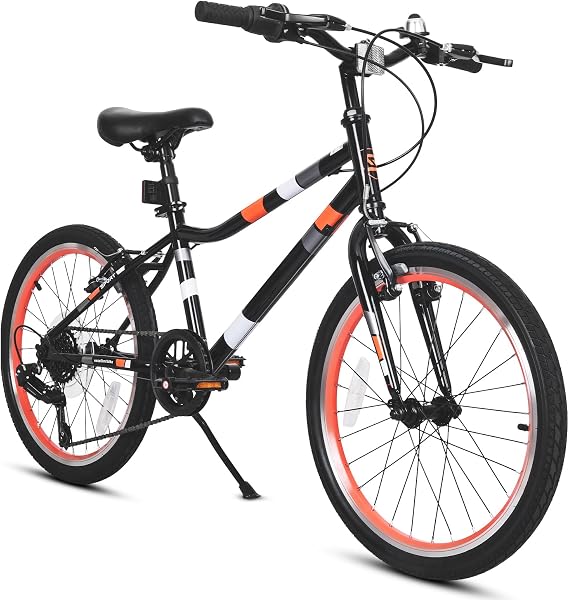
Ideal for kids aged 8 to 13, this mountain bike fits riders between 48 and 60 inches tall. It handles different terrains well and adapts quickly as your child grows, with a big advantage being the 7-speed gear system for varied riding conditions.
Setup requires minimal effort thanks to the 85% pre-assembled design and included tools. Adjusting the seat height is straightforward with a quick-release mechanism, letting the bike grow with your child.
The twist shifter changes gears smoothly, making daily rides on neighborhood roads and light gravel paths practical and enjoyable.
Performance on paved roads and park trails is solid, supported by the reliable V-brakes front and rear for effective stopping. The rigid suspension keeps things simple and maintenance low.
Best feedback mentions smooth gear shifts and dependable brakes, while some point out the bike lacks suspension for rougher off-road trails.
Riders benefit from smooth gear changes and strong brakes that give good control on paved and light gravel surfaces. The setup is straightforward, making it convenient for parents to get the bike ready without extra tools or experience. On the downside, the lack of suspension means bumps on rough trails are felt more directly, which may affect comfort on those.
This bike suits kids who mainly ride around neighborhoods, parks, and paved paths while learning to shift gears confidently. Families wanting a lightweight, adjustable bike with solid brakes will find it practical. Those planning more aggressive off-road mountain biking may prefer a model with front suspension for extra shock absorption.
Pros
- Seven-speed drivetrain for varied riding conditions
- Quick-release seat post for easy height adjustment
- Dual V-brakes provide confident stopping power
- 85% pre-assembled with included tools for setup
Cons
- No suspension for rough off-road terrain
- Some find seat padding a bit thin
| Specification | Details |
|---|---|
| Bike Type | Kids Bike |
| Wheel Size | 20 inch |
| Number Of Speeds | 7 |
| Brake Style | V Brake (front and rear) |
| Seat Adjustment | Quick release, adjustable height |
Best Bikes for 10 Year Old Boys Comparison Table
| Product | Bike Type | Number Of Speeds | Suspension Type | Intended Riding Terrain |
|---|---|---|---|---|
| WEIZE Kids Mountain | Kids Bike | 6 | Dual | Mountain Terrain |
| WEIZE Freestyle BMX | BMX Bike | 1 | Rigid | BMX, Mountain, Urban |
| WEIZE Junior Bike | Kids Bike | 1 | Rigid | Paved Roads |
| Glerc Kids MTB | Mountain Bike | 21 | Front | Mountain Terrain |
| MTB Alloy Mag Wheel | – | – | – | – |
| Schwinn Koen Bike | Kids, Multi-Use Bike | 1 | Rigid | Paved Roads, Urban |
| Bilbo Kids Bike | Kids Bike | 1 | Rigid | Paved Roads, Trails |
| KORIMEFA BMX Bike | BMX, Kids Bike | 1 | Rigid | BMX, Urban |
| JOYSTAR Brockway BMX | Kids Bike | 1 | Rigid | BMX, Mountain, Urban |
| Govet Kids MTB | Kids Bike | 6 | Front | Mountain, Trails, Urban |
| WEIZE Youth Bike | Kids Bike | 1 | Rigid | Paved Roads, Urban |
| Generic Kids MTB | Kids Bike | 7 | Rigid | Paved Roads |
- Bike TypeKids Bike
- Number Of Speeds6
- Suspension TypeDual
- Intended Riding TerrainMountain Terrain
- Bike TypeBMX Bike
- Number Of Speeds1
- Suspension TypeRigid
- Intended Riding TerrainBMX, Mountain, Urban
- Bike TypeKids Bike
- Number Of Speeds1
- Suspension TypeRigid
- Intended Riding TerrainPaved Roads
- Bike TypeMountain Bike
- Number Of Speeds21
- Suspension TypeFront
- Intended Riding TerrainMountain Terrain
- Bike Type–
- Number Of Speeds–
- Suspension Type–
- Intended Riding Terrain–
- Bike TypeKids, Multi-Use Bike
- Number Of Speeds1
- Suspension TypeRigid
- Intended Riding TerrainPaved Roads, Urban
- Bike TypeKids Bike
- Number Of Speeds1
- Suspension TypeRigid
- Intended Riding TerrainPaved Roads, Trails
- Bike TypeBMX, Kids Bike
- Number Of Speeds1
- Suspension TypeRigid
- Intended Riding TerrainBMX, Urban
- Bike TypeKids Bike
- Number Of Speeds1
- Suspension TypeRigid
- Intended Riding TerrainBMX, Mountain, Urban
- Bike TypeKids Bike
- Number Of Speeds6
- Suspension TypeFront
- Intended Riding TerrainMountain, Trails, Urban
- Bike TypeKids Bike
- Number Of Speeds1
- Suspension TypeRigid
- Intended Riding TerrainPaved Roads, Urban
- Bike TypeKids Bike
- Number Of Speeds7
- Suspension TypeRigid
- Intended Riding TerrainPaved Roads
How to Choose the Right Bike for Your Child
Choosing a bike for a 10-year-old boy means focusing on the right size, weight, and durability to match his growing skills and ensure comfort. Picking the right features avoids frequent replacements and keeps riding safer and more enjoyable.
Size and Fit
Picking a bike with the right wheel size makes a huge difference from the start. For a 10-year-old, wheels between 20 to 24 inches usually fit well, letting them gain balance and control without having to stretch uncomfortably. Bikes with too large wheels often mean the rider can’t reach the ground easily, causing shaky starts and less confidence on turns or stops.
On the other hand, smaller wheels might feel cramped and slow down their progress. Frame height also plays a key role in daily comfort; it should allow the child to stand over the bike with both feet flat on the ground.
Adjustable seats and handlebars add a lot of value because kids grow fast. Seats that slide up and down easily and handlebars that can be raised or tilted help the bike stay comfortable over months, even years, protecting the kid’s posture and control. Proper fit isn’t just about comfort, it directly impacts safety by improving handling and stopping power.
A well-fitted bike feels solid underfoot, encouraging more confident riding and fewer wipeouts.
Weight and Material
Carrying a bike that weighs over 20 pounds can turn a simple trip to the park into a chore for a 10-year-old, especially if they have to lift it in and out of a car. Frames made from aluminum tend to stick around the 18-22 pound range, which is easier for most kids to handle. Steel frames offer durability but often add extra weight, making the bike feel sluggish during play.
A lightweight frame helps with quick direction changes and longer rides without tiring the rider prematurely.
Durability matters because kids’ bikes face bumps, scrapes, and weather exposure. Frames made from aluminum or sometimes reinforced steel strike a good balance; they hold up well against rough use without being too heavy.
Quality welds and corrosion-resistant finishes prevent early rust and weakening. Transport is easier when a frame remains sturdy without bulk, especially for parents loading the bike into vehicles or carrying it short distances.
Brake System
Stopping quickly on a bike can be the difference between a fun ride and a close call. Brakes that respond too slowly or grab unevenly often cause jerky stops, unsettling young riders and increasing the risk of falls.
Coaster brakes, which activate by pedaling backward, are common for younger cyclists because they require less hand strength and coordination. However, hand brakes allow for more precise control, especially on longer rides or downhill stretches, but they demand consistent hand strength and good finger reach.
Simple maintenance keeps brakes reliable and safe. For hand brakes, cables should be checked regularly to ensure they aren’t frayed or stretched.
Pads often need replacing after a few months of regular use. Look for brake levers sized for smaller hands, often labeled as junior or kid-friendly models, to aid comfortable and effective stopping. A well-adjusted hand brake offers smooth pressure and a short travel before the brakes engage, which often translates to about 2-3 centimeters of lever movement.
That responsiveness makes braking straightforward and reduces the chance of panic stops.
Gearing and Speed Control
Riding a bike with too many gears can confuse a young rider, while too few can make pedaling uphill frustrating. A setup with around 6 to 8 gears strikes a good balance for beginners to intermediates.
This range allows the rider to find a comfortable pedal speed on moderate hills and flat routes without overwhelming them with too many options.
Shifting should feel smooth and predictable. Cheap or stiff mechanisms can disrupt the flow, causing the rider to stop or struggle mid-ride. Entry-level bikes often use trigger shifters or twist grips made from lightweight plastic, look for smooth, quiet operation with minimal effort to change gears.
Matching the number of gears to the terrain and how the bike will be used matters.
- Flat, paved paths: fewer gears are fine.
- Hilly or mixed terrain: more gears improve climbing capability.
- Casual riding: smooth and simple shifting takes priority.
Safety Features
Riding around in low light or at dusk can be risky without proper visibility features. Bikes equipped with reflectors and front or rear lights improve safety by making the child more noticeable to cars and pedestrians. Bright colors also help, as they catch attention even from a distance.
A bike with solid reflector placement on wheels and pedals, combined with LED lights, is much easier to spot than one relying on visibility from color alone.
Chain guards and padded handlebars matter more than they might seem at first glance. Without a chain guard, clothes or fingers can get caught in the chain, resulting in frustration or injury during casual rides.
Padding on handlebars softens accidental bumps and makes grips more comfortable over longer rides. Stability is another factor that influences daily confidence on the bike. Training wheels are a safe choice for those still mastering balance, but wider tires can also increase stability on uneven paths without compromising speed.
Tips for Teaching Your 10-Year-Old to Ride Confidently and Safely
Kids at this age can usually focus better, so setting short, clear goals helps build confidence. Start sessions in a flat, open space without traffic or obstacles. Use training wheels or a balance bike as a stepping stone if balancing is still tough.
Encourage your child to look straight ahead rather than down at the wheels; this stabilizes their ride and improves control.
Training sessions work best when broken into stages:
- Practice getting on and off the bike smoothly.
- Focus on starting and stopping safely, using the brakes gently.
- Work on steering around simple turns before advancing to more complex paths.
- Introduce pedaling steadily and gaining speed gradually.
Always have a well-fitting helmet and check that the bike’s brakes and tires are in good condition. Praise effort, not just success, to keep motivation high.
Essential Maintenance Tips to Keep Your Child’s Bike in Top Condition
Regularly checking tire pressure helps maintain smooth rides and prevents flats. For a typical 10-year-old’s bike, keeping tires inflated between 30 and 40 PSI works well.
Use a bicycle pump with a pressure gauge to get an accurate reading.
Chain care is another critical step. Applying bike-specific lubricant every two to three weeks reduces rust and keeps pedaling easy. After riding through mud or water, wipe the chain dry before lubrication.
- Inspect brake pads for wear and adjust cable tension if brakes feel loose.
- Clean the bike frame and components with mild soap and water after dusty rides to prevent dirt buildup.
- Store the bike indoors or under cover to minimize exposure to rain and sun, which can degrade parts over time.
Following these simple checks regularly can extend the bike’s lifespan and improve safety, making sure every ride is enjoyable and trouble-free for your child.
Comparing Popular Bike Types for Different Riding Styles and Terrains
Children’s bikes often come in various styles tailored to the type of riding and terrain they will face. For paved surfaces and smooth neighborhood streets, a classic cruiser or road bike with thinner tires offers a lighter ride and easier pedaling. These models usually have fewer gears, making them simpler to maintain and control for younger riders.
For off-road trails or rougher surfaces, a mountain bike equipped with wider, knobby tires and front suspension provides better grip and shock absorption. Though heavier, these bikes handle dirt paths and uneven ground more comfortably. They typically feature multiple gears to adapt to inclines and different conditions.
- Hybrid bikes are a blend of road and mountain bikes; they work well for kids who split their time between streets and light trails.
- Balance bikes suit younger kids still learning balance, but by 10 years old, pedal styles are usually better.
Choosing the bike style based on the likely riding surface helps ensure a safer and more enjoyable experience for a 10-year-old boy.
People Also Asked
How Do I Choose the Right Bike Size for a 10 Year Old?
The right bike size for a 10 year old generally has a wheel size between 20 to 24 inches. Measure the child’s inseam length to confirm the fit; they should be able to touch the ground comfortably with their feet while sitting on the saddle. This helps ensure control and safety when riding.
What Safety Gear Is Essential for a 10 Year Old Boy Biking?
Essential safety gear includes a properly fitting helmet, knee and elbow pads, and visible clothing, preferably with reflective strips. The helmet should sit level on the head and strap securely under the chin. Reflective clothing or lights matter a lot during low light conditions or street riding.
How Long Does a Quality Kids Bike Usually Last with Use?
A quality kids bike can last 2 to 4 years depending on frequency of use and how well it’s maintained. Regularly check tire pressure, brake functionality, and chain lubrication, as these parts tend to wear fastest with frequent riding. Adjustments to seat height and components are needed as the child grows.
What Common Problems Should I Watch for in Kids Bikes?
Common issues include loose or misaligned brakes, wheels becoming out of true, and frequent flats. Pedals may also become worn or seize up over time. Regular inspections and basic maintenance like tightening bolts and inflating tires help prevent these problems during rides.
Can I Fit Different Seats or Handlebars on a Kids Bike?
Yes, most kids bikes allow swapping seats and handlebars. Adjustable seats and handlebars accommodate growth and comfort changes. Look for models with standard fittings for easy part replacements or upgrades without needing special tools or professional help.
Conclusion
Choosing the best bike for a 10 year old boy comes down to size, durability, and ease of use. The bike should fit his height so it’s comfortable and safe to ride. Look for sturdy materials that hold up to rough play, and gears or brakes that are simple enough for him to handle.
These factors help make sure the bike keeps him interested and riding happily.
Think about where the bike will be stored and how often it will be used. A bigger, heavier bike can be tough to manage if storage space is tight or if it won’t get much use.
Check the comparison table and the picks above to see which options line up best with your budget and needs before making a choice.