
Top 12 Best Bike for a Beginner Triathlete That Wins Races
Lack of comfort and improper fit quickly show why choosing the best bike for a beginner triathlete matters. Bikes that don’t match body size or riding style can cause knee pain, reduce speed, and make training sessions harder than they should be. Many entry-level triathlon bikes also come with heavier frames or inadequate gearing, which slow down progress and lead to frustration.
A good beginner triathlon bike typically features a lightweight aluminum frame weighing around 20 to 25 pounds to balance speed and control. Proper frame size is critical; a bike that fits within a few centimeters of rider height and inseam length offers better power transfer without strain.
Gearing geared toward flat and rolling terrain, usually a compact crankset with 50/34 teeth and an 11-28 cassette, makes it easier to maintain cadence during training and races. Fit adjustments for saddle height and handlebar reach further prevent fatigue and discomfort over longer rides.
Need a Quick Check?
| Image | Product | Price |
|---|---|---|
Our Top Picks 1  | SAVADECK A7L Pro | Check Price |
Our Top Picks 2  | SAVADECK Carbon Road | Check Price |
Our Top Picks 3  | Eurobike HY XC550 | Check Price |
Our Selected Top 12 Bike for a Beginner Triathlete Worth Buying
This list features carefully chosen bikes ideal for beginner triathletes, highlighting key features relevant to new riders. Each review explains how the bike performs, who it is best suited for, and outlines its strengths and potential drawbacks to help make an informed decision.
1. SAVADECK A7L Pro Carbon Racing Bike
Ideal for beginners stepping into triathlon cycling, this ultralight road bike offers unmatched climbing ease and speed, thanks to its full carbon construction. Its biggest strength is the weight, only 8.8kg, making long rides and hill climbs more manageable for newer athletes.
Setup is straightforward with the smooth Shimano R7120 24-speed groupset, so gear changes feel precise and reliable during varied terrain. The rigid frame and dual disc brakes provide consistent stopping power on paved roads. Its lightweight carbon build includes frame, fork, wheelset, handlebar, and seat post, all designed to reduce fatigue during training sessions.
Performance-wise, the bike manages acceleration and climbing with ease, keeping solid control and speed. The carbon fiber structure is much tougher than aluminum, offering a durable yet light ride.
Praise highlights the smooth gear shifting and responsive handling. On the downside, some may find the rigid suspension less forgiving on rough surfaces.
The smooth and reliable 24-speed Shimano groupset is often praised for delivering race-quality shifting that helps maintain cadence on varying terrain. Common feedback points to the rigid suspension being less comfortable when encountering rough patches during rides.
Riders seeking a lightweight, fast bike for mostly paved roads will appreciate this build, especially on climbs and long distances. Those looking for more forgiving suspension or off-road versatility might want to consider alternatives better suited to rough surfaces.
Pros
- Extremely lightweight at 8.8kg
- Precise Shimano R7120 24-speed shifting
- Full carbon fiber frame and components
- Powerful dual disc brakes
Cons
- Rigid suspension lacks cushioning on rough roads
- T800 carbon may feel less forgiving for beginners
| Specification | Details |
|---|---|
| Bike Type | Road Bike |
| Number Of Speeds | 24 |
| Suspension Type | Rigid |
| Brake Style | Disc |
| Intended Riding Terrain | Paved Roads |
2. SAVADECK Carbon Road Bike
Carbon fiber construction and a surprisingly light weight set this bike apart for beginner triathletes focused on road cycling. Weighing just 8.9kg, it’s designed to make hills and acceleration easier while maintaining strength and rigidity. Ideal for those new to triathlon who want a fast, responsive ride without a steep learning curve on setup.
Assembly arrives 90% complete, so only basic steps remain like attaching the front wheel, handlebar, pedals, and seat post. Setting it up takes about 15 minutes with simple tools, meaning no mechanical skill is needed to get rolling.
Day-to-day rides feel smooth thanks to the rigid frame and drop bars, plus the disc brakes provide reliable stopping power on paved roads.
Climbing, shifting through 18 speeds, and handling paved roads feel solid and efficient. The T800 carbon frame is five times harder than aluminum at similar volume, making the bike light yet durable. Most appreciate the bike’s weight and stiffness, but a few note the V brake style might not offer the best performance in wet conditions compared to hydraulic discs.
The strongest praise focuses on the bike’s ultra-lightweight carbon frame helping uphill rides feel easier and accelerating smoother. The most frequent issue lies with the V brake style, which some find less reliable compared to disc brakes in wet weather. Assembly simplicity also gets positive mentions for making it beginner-friendly.
Those aiming for a fast, light entry-level road bike on paved surfaces will be happy with the design and feel. Riders expecting wet-weather braking performance or rough terrain comfort might look for options with hydraulic disc brakes or suspension features instead.
Pros
- Very lightweight at 8.9kg
- Strong T800 carbon fiber frame
- Quick setup with minimal tools
- Reliable 18-speed shifting
Cons
- V brakes less effective in rain
- No suspension limits comfort on rough roads
| Specification | Details |
|---|---|
| Bike Type | Road Bike |
| Number Of Speeds | 18 |
| Suspension Type | Rigid |
| Brake Style | V Brake |
| Frame Material | T800 Carbon Fiber |
| Assembly | 90% Pre-Assembled |
3. Eurobike HY XC550 Road Bike
Eurobike HY XC550 Road Bike fits beginner triathletes looking for solid performance on roads and commutes. It stands out for its durable carbon-steel frame, giving confidence on varied rides and lasting through training sessions.
Setup includes quick adjustments to the trigger shifters, letting you shift through 21 speeds easily, whether climbing hills or cruising flats. Daily rides benefit from dual disc brakes, which hold well on wet or steep terrain.
The 700Cx28C tires balance speed and grip, while the aluminum frame keeps the bike responsive without adding unnecessary weight.
In performance, it handles road cycling with steady responsiveness and reliable braking, thanks to front suspension smoothing minor bumps. The carbon-steel frame offers lasting durability, though some find it heavier compared to other materials.
The main praise focuses on the smooth gear changes and brakes, while complaints mainly mention the bike’s weight.
Smooth gear shifts and reliable disc brakes receive strong praise for handling changing road conditions well. Some mention the carbon-steel frame adds extra weight, which can feel cumbersome during longer rides.
Riders wanting a sturdy, manageable road bike with good braking will appreciate this model. Those prioritizing lightweight frames or more advanced suspension might want to explore other options.
Pros
- Durable carbon-steel frame for lasting use
- Dual disc brakes improve safety on tricky roads
- Shimano 21 speed shifting is smooth and quick
- 700Cx28C tires provide good balance of speed and grip
Cons
- Frame material adds noticeable weight
- Front suspension limits rough terrain use
| Specification | Details |
|---|---|
| Bike Type | Road Bike |
| Number Of Speeds | 21 |
| Suspension Type | Front |
| Brake Style | Disc |
| Frame Material | Aluminum Frame |
4. HILAND 700C Aluminum Road Bike

Riding feels light and responsive with the aluminum frame cutting through city streets or gravel trails, perfect for anyone starting triathlon training. Its greatest asset is how it balances speed and control, making it easy to handle as you build endurance and skill on varied terrain.
Setup involves a quick release seat that adjusts easily to fit your height comfortably. The drop bar shifts gears smoothly through 14 speeds, helping you tackle hills or flat roads without strain. Dual caliper brakes offer steady stopping power without adding weight, making starts and stops feel secure during daily rides or commutes.
Performance shines through stable handling and efficient use of your pedaling power. The lightweight frame supports higher speeds without feeling fragile, giving confidence on longer rides.
Riders often mention how quietly the drivetrain runs, while some wish for disc brakes for more power in wet conditions. The bike handles paved and unpaved routes well, built tough enough for beginner triathletes.
The bike’s lightweight frame and smooth, quiet drivetrain are praised for making daily riding enjoyable and efficient. Some users find the caliper brakes less effective when wet, wanting more stopping power for safety. Handling on unpaved trails is solid but can feel stiff due to lack of suspension.
Those starting triathlon who want a speed-oriented road bike for mixed surfaces will appreciate its balance of features and weight. Riders tackling mostly paved or lightly rough routes will be comfortable, while heavier off-road or wet-weather riders might look for stronger brakes and suspension options elsewhere.
Pros
- Lightweight aluminum alloy frame
- Smooth shifting across 14 speeds
- Adjustable quick release seat
- Reliable dual caliper brakes
Cons
- Brakes less effective in wet conditions
- Rigid suspension may feel harsh on rough terrain
| Specification | Details |
|---|---|
| Bike Type | Road Bike |
| Number Of Speeds | 14 |
| Suspension Type | Rigid |
| Brake Style | Caliper |
| Bicycle Gear Shifter Type | Drop Bar |
| Intended Riding Terrain | Paved Roads, Unpaved Trails |
5. The 40-Week Ironman Triathlon Training Guide

Ideal for beginners aiming to complete an Ironman triathlon, this guide delivers a clear and structured 40-week training plan. Its biggest strength lies in breaking down complex training into manageable weekly goals, helping new triathletes build endurance and skills gradually without feeling overwhelmed.
Daily use involves following weekly schedules that balance swimming, biking, and running workouts along with rest days, promoting steady progress. The plan is organized for easy reference and adapts well to a beginner’s lifestyle.
Focus on consistency and gradual improvement makes tracking your development straightforward and motivating.
Performance matches its purpose: guiding through a full Ironman preparation with various training intensities. The plan emphasizes pacing and recovery, which most reviews appreciate for preventing burnout.
Some mention that the structure can feel rigid for a flexible lifestyle, which might require personal adjustments.
The structured weekly approach helps many stay on track without feeling lost, a benefit new triathletes often highlight. Common criticism points to the plan’s rigidity, which can feel restrictive if unexpected events disrupt the schedule.
Those starting out with clear goals will find the guide supportive and manageable. Athletes needing a more flexible or tailored plan might want to explore alternatives that allow for greater personal adjustment.
Pros
- Clear weekly breakdowns for easy planning
- Balanced mix of endurance and recovery
- Designed specifically for first-time Ironman athletes
- Focus on progressive improvement to avoid burnout
Cons
- Schedule may feel too rigid for some lifestyles
- Lacks customization options for advanced training
| Specification | Details |
|---|---|
| Program Length | 40 weeks |
| Training Focus | Ironman triathlon |
| Components | Swimming, biking, running, rest |
| Level | Beginner |
6. 80/20 Triathlon Training Guide

Designed around straightforward guidance and structured progress, the 80/20 Triathlon Training Guide suits beginner triathletes aiming to build endurance without overtraining. Its biggest strength lies in its easy-to-follow approach that balances effort and recovery to optimize improvement.
Setup involves following clear daily and weekly training plans centered on an 80/20 effort split: about 80% of your training happens at low intensity and 20% at higher effort. Day-to-day use encourages a focus on consistency and gradual buildup rather than pushing too hard early on.
The guide supports adjusting workouts to personal fitness levels and schedules.
The guide performs well as a practical framework for managing training intensity and volume, reducing burnout risk. Built on research-backed principles, it provides detailed advice for pacing, recovery, and balancing swim, bike, and run workouts.
Most praise highlights how simple the plan is to integrate, while some find the rigid ratios challenging to stick to in real life.
The guide’s most praised feature is its clear and manageable training structure, which many find allows steady progress without overexertion. A common complaint notes difficulty in maintaining the strict 80/20 intensity split amidst real-world factors like time constraints and motivation fluctuations.
People wanting a well-researched plan that encourages sustainable training and patience will appreciate the approach. Those seeking more flexible or personalized coaching might prefer alternative guides with varied intensity options or adaptive training models.
Pros
- Easy-to-follow training ratio
- Balances intensity to prevent burnout
- Adjusts to different fitness levels
- Focuses on gradual endurance building
Cons
- Ratio can feel restrictive to some
- Requires discipline to stick consistently
| Specification | Details |
|---|---|
| Training Intensity Ratio | 80% low intensity, 20% high intensity |
| Focus | Endurance and recovery balance |
| Structure | Weekly and daily plans |
| Sport Emphasis | Triathlon – swim, bike, run |
7. The 20-Week Half Ironman Beginners Guide

Great for those just stepping into triathlon training, The 20-Week Half Ironman Beginners Guide clearly focuses on well-structured preparation. Its standout feature is how it organizes workouts to build endurance and strength progressively, making it a solid option for novice triathletes aiming to complete a half Ironman.
Daily use feels straightforward as the guide lays out a clear schedule over 20 weeks, reducing guesswork in training. Emphasis on gradual improvements in swim, bike, and run sessions helps maintain motivation without overwhelming the trainee.
The setup suits busy lifestyles, encouraging consistent effort without extensive equipment or complex plans.
Building fitness for a half Ironman is at the core here, and the guide delivers steady progress if followed closely. While the plan supports a variety of skill levels, some may find it rigid or limited for advanced customization. Praise centers on its clarity and approachability, whereas the typical complaint is that it may not address every individual’s pacing needs.
Many appreciate how the guide simplifies preparing for a half Ironman by breaking down training into manageable steps, though a common complaint is the lack of flexibility for individual performance variations. It works well for those who want a solid starting framework.
People new to triathlons or those needing guidance to build endurance and technique will find this helpful. More experienced athletes or those seeking tailored plans should consider other options offering more personalization.
Pros
- Clear and progressive 20-week schedule
- Balanced training across three disciplines
- Designed for beginners’ steady improvement
- Simple to follow without extra gear
Cons
- Limited customization for individual paces
- Might feel too structured for some users
| Specification | Details |
|---|---|
| Duration | 20 weeks |
| Training Focus | Half Ironman |
| Intensity | Beginner to intermediate |
| Workout Structure | Swim, bike, run sessions |
| Equipment Needed | Basic triathlon gear |
8. Zinn & the Art of Road Bike Maintenance
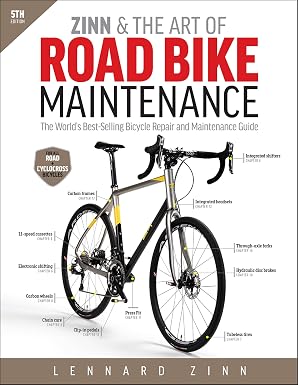
Ideal for a beginner triathlete aiming to keep their bike in great shape, Zinn & the Art of Road Bike Maintenance offers thorough guidance on repair and upkeep. Its biggest strength is helping riders handle common mechanical issues themselves, avoiding costly trips to the shop.
Setup is straightforward with clear explanations and photos that walk you through everyday repairs like fixing flats, adjusting brakes, and tuning gears. You don’t need fancy tools to follow along, so day-to-day bike care becomes less intimidating and more manageable for newcomers.
The book excels in breaking down technical maintenance into understandable steps, making it easier to keep a bike running smoothly. Written for hands-on learning, it’s detailed without jargon.
Some readers mention it can feel dense at points, especially if you are only looking for quick fixes.
Many praise the book for breaking down complex repairs into manageable steps with supporting photos, making regular maintenance less daunting. On the downside, parts of the guide can feel overwhelming if you want fast solutions instead of comprehensive understanding.
Those who want to learn and perform thorough bike maintenance themselves will find this book very useful. Riders seeking quick troubleshooting tips or minimal instruction might prefer a simpler, more concise manual.
Pros
- Clear, detailed instructions for common repairs
- Photographic guide supports easy learning
- Helps reduce maintenance costs
- Good for self-paced learning
Cons
- Occasionally dense for quick reference
- Not a beginner’s quick-fix manual
| Specification | Details |
|---|---|
| Focus | Road Bike Maintenance |
| Skill Level | Beginner to Intermediate |
| Tools Required | Basic bike tools included |
| Content Type | Step-by-step instructions and photos |
| Publication Style | Practical, hands-on guide |
9. X-Bike Foldable Stationary Exercise Bike

Trying to fit effective cardio and strength training into a busy schedule at home is easier with a compact, all-in-one solution. The X-bike Foldable Stationary Exercise Bike suits beginner triathletes looking for versatile workouts without taking up much space. Its biggest strength lies in offering five distinct workout modes that cover various fitness needs.
Setting up the bike is straightforward since it’s designed for indoor use and folds away easily when not in use, saving space. Daily workouts feel practical, whether pacing moderately or pushing for more intense sessions. You can switch between training modes to focus on different muscle groups and cardio endurance without needing other equipment.
The bike performs well as a home fitness tool, helping burn calories and build strength with consistent use. It has a solid build typical for indoor exercise bikes, giving a stable ride during workouts. Most praise highlights its variety of workout modes, while some users mention it could feel less sturdy when used aggressively.
Many users appreciate the bike’s versatility with its five workout modes, making it effective for both cardio and strength training at home. A common drawback is the perception of reduced stability when pushing the workout intensity very high. The folding feature is known for saving space but does not improve durability.
Those looking for a flexible, space-saving bike with varied training options will find it fitting. People wanting a heavy-duty bike for aggressive, daily high-intensity workouts should look for stronger alternatives better suited for rigorous use.
Pros
- Five workout modes for full-body training
- Foldable design for easy storage
- Suitable for moderate and intense workouts
- Compact build fits small spaces
Cons
- May feel less stable under aggressive use
- Limited to indoor use only
| Specification | Details |
|---|---|
| Brand Name | Goimu |
| Model Name | G0605 |
| Recommended Uses For Product | Indoor |
| Number of Workout Modes | 5 |
| Unit Count | 1 Count |
10. Mountain Bike 21-Speed Full Suspension

21-speed gearing stands out as the best feature for a beginner triathlete looking for control and versatility. Sized to fit riders from about 4.75 to 6.4 feet tall, it handles both paved roads and light trails with ease, making it a solid option for those balancing training on varied terrains.
Assembly requires setting up the dual suspension and adjusting the twist grip shifters, which feel intuitive once you get used to them. Day-to-day rides benefit from the comfortable fit options, whether you pick the 24, 26, or 27.5-inch frame size. Daily shifts between the 21 speeds come smooth, helping to manage hills and flat stretches without issue.
The dual suspension absorbs bumps well on mountain terrain while keeping the ride stable on urban roads. It feels sturdy enough for regular use, though the V-brakes demand occasional tuning.
Praised for comfortable rides and gear control, some say the bike could improve on brake responsiveness under heavy use.
The bike earns praise for smooth gear shifting and comfortable dual suspension, but many note the V brakes require frequent tuning to maintain stopping power. This affects braking confidence on longer descents.
Riders who want a reliable bike that suits mixed terrain and varying rider heights will find satisfaction here. Those focusing solely on road triathlons might prefer something lighter with more road-specific braking systems.
Pros
- Wide gear range for diverse terrain
- Comfortable fit for various heights
- Dual suspension for smoother rides
- Twist grip shifters easy to operate
Cons
- V brakes need frequent adjustments
- Heavier than road-specific triathlon bikes
| Specification | Details |
|---|---|
| Number Of Speeds | 21 |
| Suspension Type | Dual |
| Brake Style | V Brake |
| Intended Riding Terrain | Mountain Terrain, Paved Roads, Urban Terrain |
| Suitable Rider Height | 4.75–5.57 ft (24-inch), 5.3–6.3 ft (26-inch), 5.5–6.4 ft (27.5-inch) |
11. EUROBIKE XC550 Road Bike

Designed for beginner triathletes tackling paved roads, this bike offers solid control and ease of use. Its standout feature is the dual disc brake system that gives confidence when stopping in all weather conditions.
Riders looking for safety first without complexity will appreciate what it brings to their cycling routine.
Setting up the 54cm frame suits most beginners comfortably, and the 21-speed shifting system works smoothly for adjusting to different inclines or speeds without hassle. Drop-off handlebars allow you to switch hand positions to reduce wrist and neck fatigue, while the 700Cx28C tires on sturdy double wall aluminum rims provide stability and durability during daily rides.
Performance on paved roads meets expectations as the bike handles responsiveness and braking well. The build with a rigid suspension and three-spoke wheels contributes to its steady feel.
Most praise centers on the reliable disc brakes in wet conditions; a frequent note is that the bike’s weight isn’t particularly light, which might affect speed.
The bike is praised for its dependable braking in any weather, which adds a layer of safety crucial for beginners. However, the weight and rigid suspension are common drawbacks that runners-up mention, making it less ideal for those seeking faster or smoother rides on rougher surfaces.
People new to triathlon on paved courses who value control and safety will find it fitting. Those prioritizing lightweight performance or needing comfort on uneven terrain might want to explore other models better suited for speed and shock absorption.
Pros
- Dual disc brakes provide strong stopping power
- 21-speed gearing for versatile riding
- Drop-off handlebar reduces hand fatigue
- Sturdy 3-spoke aluminum wheels
Cons
- Relatively heavy compared to lighter road bikes
- Rigid suspension offers no shock absorption
| Specification | Details |
|---|---|
| Bike Type | Road Bike |
| Number Of Speeds | 21 |
| Brake Style | Disc |
| Frame Size | 54cm |
| Tire Size | 700Cx28C |
| Suspension Type | Rigid |
12. Hybrid Aluminum Commuter Bike

Lightweight and easy to handle, this bike suits someone just starting out in triathlons who needs a reliable ride for city roads and gentle hills. Its biggest strength is the lightweight aluminum frame that makes it more manageable than heavier steel bikes.
Setting it up is straightforward, with an 8-speed drivetrain giving enough gears to tackle flat terrain and moderate inclines without much fuss. The 700C wheels roll smoothly on pavement, while the rigid suspension keeps the ride direct and responsive. Day-to-day, it feels nimble and practical for urban routes and fitness rides alike.
The bike performs well on paved roads, offering a balance between speed and control thanks to its disc brakes and versatile gear cassette. The aluminum frame resists rust, which is great for daily convenience.
Most praise centers on its light weight and good maneuverability, while a few find the limited suspension less comfortable over rough patches.
This bike is praised for its light frame and smooth rolling 700C wheels that make city riding comfortable and easy. On the downside, the rigid suspension means bumps on uneven surfaces come through more noticeably. Its 8-speed gearing handles hills reasonably well for beginners.
Great choice for entry-level triathletes focusing on pavement rides and urban fitness. Riders who want more suspension comfort or plan to tackle dirt trails might want a different model suited for rougher terrain.
Pros
- Lightweight aluminum frame for easy handling
- 8-speed drivetrain adapts to various terrains
- Disc brakes provide solid stopping power
- Rust-resistant design ideal for daily city riding
Cons
- Rigid suspension may feel harsh on rough roads
- Limited to urban and paved terrain, not off-road
| Specification | Details |
|---|---|
| Bike Type | Hybrid Bike |
| Number Of Speeds | 8 |
| Suspension Type | Rigid |
| Brake Style | Disc |
| Intended Riding Terrain | Paved Roads, Urban Terrain |
Comparison of Top Beginner Triathlon Bikes
| Product | Bike Type | Number Of Speeds | Suspension Type | Skill Level |
|---|---|---|---|---|
| SAVADECK A7L Pro | Road Bike | 24 | Rigid | – |
| SAVADECK Carbon Road | Road Bike | 18 | Rigid | Intermediate |
| Eurobike HY XC550 | Road Bike | 21 | Front | Intermediate |
| HILAND 700C Aluminum | Road Bike | 14 | Rigid | – |
| Ironman 40-Week Guide | – | – | – | – |
| 80/20 Triathlon Guide | – | – | – | – |
| 20-Week Half Ironman | – | – | – | – |
| Zinn Road Bike Maintenance | – | – | – | – |
| X-bike Foldable Trainer | Indoor Trainer | 1 | – | – |
| 21-Speed Mountain Bike | Mountain Bike | 21 | Dual | – |
| EUROBIKE XC550 Model | Road Bike | 21 | Rigid | Beginner |
| Hybrid Aluminum Commuter | Hybrid Bike | 8 | Rigid | – |
- Bike TypeRoad Bike
- Number Of Speeds24
- Suspension TypeRigid
- Skill Level–
- Bike TypeRoad Bike
- Number Of Speeds18
- Suspension TypeRigid
- Skill LevelIntermediate
- Bike TypeRoad Bike
- Number Of Speeds21
- Suspension TypeFront
- Skill LevelIntermediate
- Bike TypeRoad Bike
- Number Of Speeds14
- Suspension TypeRigid
- Skill Level–
- Bike Type–
- Number Of Speeds–
- Suspension Type–
- Skill Level–
- Bike Type–
- Number Of Speeds–
- Suspension Type–
- Skill Level–
- Bike Type–
- Number Of Speeds–
- Suspension Type–
- Skill Level–
- Bike Type–
- Number Of Speeds–
- Suspension Type–
- Skill Level–
- Bike TypeIndoor Trainer
- Number Of Speeds1
- Suspension Type–
- Skill Level–
- Bike TypeMountain Bike
- Number Of Speeds21
- Suspension TypeDual
- Skill Level–
- Bike TypeRoad Bike
- Number Of Speeds21
- Suspension TypeRigid
- Skill LevelBeginner
- Bike TypeHybrid Bike
- Number Of Speeds8
- Suspension TypeRigid
- Skill Level–
How to Choose the Right Beginner Triathlon Bike
Choosing the right beginner triathlon bike involves focusing on comfort, fit, and durability to ensure a smooth transition into the sport. Prioritizing these factors helps avoid costly upgrades and reduces the risk of injury or frustration, making training and racing more enjoyable and efficient.
Frame and Fit
Bikers often feel tired and sore after a ride because the frame size doesn’t match their body. Poor fit can lead to strained muscles and even injuries over time, especially in the back and knees.
A frame that fits properly keeps the rider comfortable and efficient, letting them pedal longer without pain.
A good fit usually means a frame size that corresponds to the rider’s height, with options to adjust the seat height and handlebar position. Many bikes offer seat posts and handlebars that can be moved up, down, or forward to fine-tune reach and posture.
Taking the time to adjust these can make a big difference in reducing fatigue and avoiding long-term discomfort.
Weight and Materials
Weight makes a noticeable difference when climbing hills or accelerating out of corners. A lighter frame means less effort pushing the bike forward, but very light bikes can be pricey or fragile. For beginners, common frame materials include aluminum, carbon, and steel.
Aluminum is popular because it strikes a balance between weight and durability without a high cost. Carbon frames weigh less and absorb road vibrations better but often come with a higher price tag and less resistance to impacts. Steel is durable and forgiving but heavier.
For starters, aluminum frames usually offer reliable performance and durability for daily training and races without worry of damage.
Gearing and Drivetrain
The range of gears determines how well the bike handles different slopes and speeds. A wider gear range helps riders manage both steep climbs and fast flats comfortably.
Bikes with smooth and reliable shifting systems make training more productive and reduce frustration.
Beginners benefit from drive trains that are easy to maintain, usually with fewer gears and simpler mechanisms. Compatibility matters since replacement parts or upgrades are common after some months or years. Sticking to popular brands ensures parts are easy to find and swap when wear or damage occurs.
Aerodynamics and Design
A bike with aerodynamic tubing and integrated components reduces wind resistance and can shave seconds off overall race times. However, aggressive aerodynamic designs sometimes compromise comfort, especially on longer rides.
Finding a balance between aero benefits and a relaxed riding posture is key.
Integrated brakes, hidden cables, and streamlined frame shapes give a clean look and improve aerodynamics but can make adjustments and repairs more complicated. Simpler designs make maintenance easier and can be less stressful for someone learning the limits of their equipment.
The choice depends on how much time the rider wants to spend tuning setup versus riding.
Comfort and Controls
A poorly fitting saddle or hard handlebars quickly cause soreness, distracting from focus and performance. Comfort in these contact points is essential for endurance. Padded saddles shaped to the rider and handlebars that provide multiple grip positions help reduce muscle strain and numbness during long sessions.
Brake levers and gear shifters need to be intuitive and easy to reach without awkward hand movements. Bikes with smooth brake action and crisp gear changes allow the rider to respond instantly to race conditions or traffic.
Features that absorb road vibrations, like special frame materials or padded bar tape, improve comfort on rough roads, turning hard rides into manageable workouts.
Tips for Training Effectively with Your Beginner Triathlon Bike
Starting a training routine with your beginner triathlon bike means focusing on building endurance gradually. Aim to increase your ride time in 10 to 15-minute increments each week rather than pushing for long distances right away.
Spend some sessions practicing riding in the aero position to get comfortable with your bike’s geometry. This position reduces wind resistance but takes practice to maintain without causing strain.
Here are some training tips:
- Incorporate interval training to improve speed and power by alternating bursts of intense effort with recovery periods.
- Use brick workouts where you follow a bike ride immediately with a run to mimic race conditions and reduce muscle fatigue surprises.
- Focus on consistent cadence, aiming for a smooth pedal stroke around 80-90 revolutions per minute to conserve energy.
These steps help you adapt efficiently, making all the parts of the triathlon feel more manageable on race day.
Essential Maintenance Practices to Prolong Your Bike’s Lifespan
Keeping your triathlon bike in good condition starts with regular cleaning. Dirt and sweat buildup can cause premature wear on components and reduce performance.
Lubricate the chain every few rides, especially after wet conditions. A dry chain increases friction and will wear out faster. Use a bike-specific lube, applying it sparingly and wiping off excess.
Key maintenance tasks include:
- Check tire pressure before every ride. Running tires at the recommended psi reduces the chance of flats and improves rolling efficiency.
- Inspect brake pads monthly for wear. Replace them if the grooves are nearly gone to maintain safe stopping power.
- Tighten bolts on the handlebars, seat post, and stem occasionally to avoid any loosening during rides.
Routine maintenance like this extends your bike’s lifespan and keeps it performing reliably throughout training and races.
Common Mistakes Beginner Triathletes Make and How to Avoid Them
Beginners often devote too much time to long rides without balancing other aspects of training. This can lead to burnout or injury before race day.
Another common mistake is neglecting proper bike fit. Riding a bike that doesn’t suit your body size or shape causes discomfort and inefficient pedaling. Getting a professional fit early prevents many issues.
Additional pitfalls to avoid:
- Not practicing transitions between swimming, cycling, and running. This is a critical part of triathlons that often gets overlooked.
- Ignoring recovery days. The body needs time to repair and grow stronger; skipping rest leads to overtraining.
- Relying solely on the bike and neglecting strength training or flexibility exercises. These help improve overall performance and reduce injury risk.
Addressing these common problems early can improve progress and make training safer and more effective for beginner triathletes.
People Also Asked
How Do I Properly Size a Bike for a Beginner Triathlete?
Choose a bike frame size based on your height and inseam length. Testing the bike in person helps verify comfort and reach to the handlebars, which is crucial for longer rides and avoiding strain during a triathlon.
What Essential Safety Gear Should I Use While Triathlon Biking?
A properly fitting helmet is the most important safety gear. It’s also wise to wear bright clothing and use front and rear lights if you ride in lower visibility conditions, as well as gloves to protect your hands in a fall.
How Long Can a Beginner Triathlon Bike Typically Last with Regular Use?
A beginner triathlon bike can last several years with regular use if properly maintained. Components like tires and brake pads will wear sooner, so replacing those parts regularly keeps the bike safe and efficient.
What Are Common Maintenance Issues with Triathlon Bikes for Beginners?
Common issues include chain wear, brake adjustment, and tire punctures. Regularly checking and cleaning the chain and making minor brake adjustments can prevent bigger problems and ensure the bike runs smoothly.
Can I Use Standard Bike Accessories with a Triathlon-Specific Bike?
Most standard accessories like water bottle cages, lights, and GPS mounts fit triathlon bikes. Some aero handlebars may require specific mounts, so checking compatibility beforehand can save hassle when adding equipment.
Conclusion
Choosing the right bike for starting triathlon really depends on comfort, fit, and ease of use. A bike that fits well will save a lot of frustration and prevent injuries.
It should be simple to maintain and easy to ride since triathlon has lots of other training factors. Weight and aerodynamics matter less than being able to get out on the road without hassle.
Think about where you will store the bike and how much you plan to ride it before making a purchase. A cheaper, solid bike can be better for occasional use than an expensive one that stays in the garage. Check the comparison table and the detailed picks above to find the right balance between price, features, and practical use for your training.