
Top 12 Best Bike for Half Ironman That Will Boost Your Race
Riding a bike that isn’t built for long-distance triathlons will quickly turn a half Ironman into a lesson in frustration. The best bike for half Ironman delivers consistent comfort and speed over the 56-mile ride without causing unnecessary fatigue or discomfort. Cheap or unsuitable models often fall short by feeling unwieldy or causing aches, which slows progress and takes mental energy away from the swim and run legs.
Key factors setting the right bike apart include frame material, geometry, and fit. Carbon frames tend to be the go-to due to their light weight, typically around 15-18 pounds, which helps conserve energy.
Frame geometry should allow for an aerodynamic position without compromising comfort over several hours. A proper fit, personalized adjustments to saddle height and handlebar reach, ensures power transfer efficiency and reduces the risk of injury on race day.
Need a Quick Check?
| Image | Product | Price |
|---|---|---|
Our Top Picks 1  | German Motorcycle Half Helmet | Check Price |
Our Top Picks 2  | SAVADECK A7L Pro Carbon 2026 | Check Price |
Our Top Picks 3 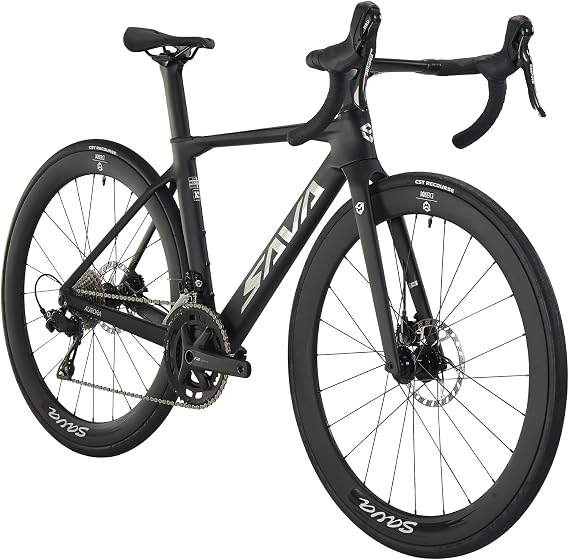 | SAVADECK A7L Carbon Shimano 105 | Check Price |
Our Selected Top 12 Bike for Half Ironman You Can Trust
This list features carefully chosen bikes ideal for half Ironman races, highlighting their performance, suitability, and key advantages and drawbacks. Each review helps you understand which bike matches different riding styles and needs, making it easier to find the right fit for your race goals.
1. German Style Motorcycle Half Helmet with Face Shield
Lightweight design and good airflow stand out immediately, making it suitable for riders who prefer less bulk on long rides. Its single biggest strength is breathability, keeping the head cool during extended use.
Getting started involves putting on the helmet and adjusting the secure chin strap. The included fashion mask provides extra protection without restricting breathability.
It’s comfortable for day-to-day use thanks to the helmet’s heat dissipation structure, which lets air circulate freely. Ventilation keeps sweat to a minimum, essential for rides in warm weather.
Protection meets standards with DOT FMVSS NO.218 certification, ensuring it meets safety regulations. The build feels solid but light enough to avoid neck strain. Most praise highlights how the airflow prevents overheating, while the common complaint centers on less coverage compared to full-face helmets.
Airflow and breathability receive strong praise for making rides comfortable even in hot weather. The most frequent downside mentioned is the limited coverage compared to other helmet types, which might concern riders prioritizing full face protection.
Those who value lightweight gear and ventilation will appreciate this helmet’s design. Riders needing full-face safety for more aggressive riding or colder weather might want to consider other options that offer greater coverage.
Pros
- Lightweight and well-ventilated
- DOT FMVSS NO.218 certified
- Fashion mask included for extra dust protection
- Heat dissipation keeps rider cool
Cons
- Coverage less than full-face helmets
- Does not include extra components
| Specification | Details |
|---|---|
| Brand Name | TRUSTERTHEE |
| Model Name | TRE-01 |
| Model Number | WLT-307 |
| Included Components | NO |
| Unit Count | 1 Count |
| Warranty Description | 90 |
2. SAVADECK A7L Pro Carbon Racing Bike 2026
Lightweight carbon fiber construction makes this bike stand out for tackling long rides and steep climbs with ease. Designed for road cyclists aiming for a competitive edge in half Ironman events, its biggest strength lies in being exceptionally light without sacrificing durability.
Setting up the bike is straightforward, with Shimano R7120 24-speed gearing that shifts smoothly and precisely. The full carbon frame, fork, wheelset, handlebar, and seat post combine to keep the overall weight down to 8.8kg, making each ride feel responsive and quick on paved roads. Disc brakes ensure confidence on descents and in varying conditions, providing consistent stopping power.
Performance is solid thanks to the rigid frame and lightweight design, which helps maintain speed during long distances and uphill segments. The carbon material is notably stiffer and five times harder than aluminum alloys of similar volume, enhancing both strength and ride quality.
The most common praise highlights the smooth gear changes, while some note the absence of suspension can lead to a harsher ride on rough surfaces.
The smooth and precise Shimano R7120 gearing delivers consistent, race-ready performance that users appreciate. At the same time, the stiff, rigid frame from full carbon construction causes a rougher ride on uneven surfaces compared to bikes with suspension.
Cyclists who prioritize lightweight design and sharp shifting on paved roads will find this bike fits their needs well. Those who often ride on rougher terrain or seek extra comfort might prefer a bike with suspension or more forgiving materials.
Pros
- Ultralight 8.8kg full carbon frame
- Precise Shimano R7120 24-speed shifting
- Reliable dual disc brakes
- Built for paved roads and climbing
Cons
- Rigid suspension may feel harsh on bumpy roads
- Expensive full carbon materials
| Specification | Details |
|---|---|
| Bike Type | Road Bike |
| Number Of Speeds | 24 |
| Suspension Type | Rigid |
| Brake Style | Disc |
| Weight | 8.8kg |
3. SAVADECK A7L Carbon Road Bike with Shimano 105
Long rides on paved roads demand a lightweight bike that handles well and lasts. Suitable for triathletes tackling a Half Ironman, this bike’s biggest strength is its carbon frame combined with Shimano 105 components. It strikes a solid balance between durability and performance without being too heavy for long distances.
Setting up the bike is straightforward thanks to the fully internal cable routing, which keeps things tidy and reduces drag. Weighing just 8.9 kg (19.6 lbs), it’s easy to manage on and off the road. The 700x25C carbon fiber rims pair perfectly with its rigid build, giving you smooth rides on a variety of road surfaces.
When cruising on paved roads, the bike feels responsive and stable thanks to a tapered head tube that increases torsional stiffness. The Shimano 105 gearing system with 24 speeds makes shifting precise, suitable for tackling different gradients. Most praise highlights the lightweight frame’s strength, while the disc brakes can sometimes feel a bit grabby under heavy braking.
Lightweight stays true with the carbon fiber frame at 8.9 kg (19.6 lbs), praised for strength and smooth shifting through 24 speeds. Some riders find disc brakes grab unexpectedly during heavy stops, which can take getting used to.
Ideal for those prioritizing speed, lightness, and clean design on paved surfaces. Riders needing more shock absorption or softer braking might want to consider alternatives with suspension or different brake types.
Pros
- Lightweight T800 carbon fiber frame
- Smooth shifting with Shimano 105
- Clean look from internal cable design
- Good vibration absorption from carbon wheels
Cons
- Disc brakes can feel grabby at times
- Limited suspension on rougher roads
| Specification | Details |
|---|---|
| Bike Type | Road Bike |
| Number Of Speeds | 24 |
| Suspension Type | Rigid |
| Brake Style | Disc |
| Bicycle Drivetrain Type | Double |
4. HILAND 700C Road Bike 14-Speed

Lightweight aluminum and a 14-speed setup make this a solid choice for riders aiming to cover pavement quickly, especially on long-distance events like half Ironman races. The 700C wheels excel at maintaining speed over open roads, giving it an edge when every second counts.
Setting the bike up is straightforward with features like an adjustable seat and quick-release seat post, allowing personalized comfort and quick adjustments between rides. Internal cable routing keeps things tidy and reduces potential snags during training.
On paved roads, gear shifting is smooth thanks to the front and rear derailleurs paired with a cassette gear type, so maintaining cadence during different terrain variations feels natural.
Performance-wise, the bike rolls efficiently on paved surfaces with rigid suspension suited to smooth roads, making it responsive in climbs and sprints alike. Lightweight construction helps reduce fatigue over long distances.
Positive reviews highlight its responsiveness and speed, while some mention the basic caliper brakes as a limitation, especially in wet conditions.
Speed and responsiveness stand out as key advantages, especially on open pavement where momentum is crucial. Many appreciate the lightweight frame contributing to easier climbs and faster rides, while others note the caliper brakes could be better for braking power and weather conditions.
Riders focused on paved road speed and long-distance efficiency will find this bike well suited. Those expecting to tackle rough terrain or requiring stronger braking performance should consider alternatives better equipped for those conditions.
Pros
- Lightweight aluminum frame reduces climbing effort
- 700C wheels maintain speed with less effort
- Adjustable and quick-release seat for easy fit changes
- Internal cable routing keeps cables protected and tidy
Cons
- Caliper brakes underperform in wet weather
- No suspension limits comfort on rough roads
| Specification | Details |
|---|---|
| Bike Type | Road Bike |
| Number Of Speeds | 14 |
| Suspension Type | Rigid |
| Brake Style | Caliper |
| Bicycle Gear Shifter Type | Drop Bar |
| Additional Features | Adjustable Seat, Durable, Lightweight, Multi-Speed, Quick Release Seat |
5. Polarized Sports Sunglasses Half Frame

People who spend hours training or racing in the sun will appreciate these polarized half-frame sports sunglasses. Designed to reduce glare and provide clear vision, they suit triathletes or serious cyclists looking for a lightweight, comfortable pair that stays put throughout long rides. Their main strength lies in excellent sun protection without bulk.
Setting them up requires no fuss, with a wrap-around frame that hugs your face well. The half-frame design keeps weight down and improves airflow, which helps avoid fogging during intense activity.
Multiple color options allow you to pick something that matches your style, and the rectangular shape combines both coverage and a modern look.
Performance shines in how well the polarized lenses cut glare, making it easier to spot road hazards or changes in terrain under bright conditions. The frame is sturdy yet light, holding up to regular use without being cumbersome.
Positive feedback often mentions the clear vision and comfort, while some note the half-frame might not suit those needing full rim protection.
The glasses deliver on keeping glare under control and fit securely thanks to their wrap-around style. A common drawback is that some users feel the half-frame design leaves too much of the eye area exposed.
Those looking for light, well-ventilated sunglasses with strong sun protection will be satisfied here. Riders wanting full rim protection or maximum coverage should look elsewhere.
Pros
- Reduces glare with polarized lenses
- Comfortable lightweight half-frame design
- Wrap-around for secure fit during movement
- Variety of color options
Cons
- Half-frame might not protect from all angles
- May not suit riders needing full rim coverage
| Specification | Details |
|---|---|
| Color | Black White/Black+black Blue/Dark Blue Mirror+orange Red/Red Mirror |
| Item Shape | Rectangular |
| Style Name | Contemporary |
| Sunglasses Form | wrap_around |
| Frame Coverage | Half-frame |
6. 24-Speed 700C Hybrid Bike with Disc Brakes

Lightweight and durable carbon steel frame sets it apart in city and road biking, making it a great fit for varied riders. Its biggest strength lies in the 24-speed drivetrain, which gives a versatile gear range for urban and mixed-terrains without sacrificing simplicity.
Setup is straightforward with an adjustable seat and internal wiring that keeps things neat and reduces drag. The trigger shifters work smoothly, letting you move through the 3 x 8 speeds easily.
Built for everyday rides, it handles both paved and unpaved trails comfortably, thanks to its dual suspension and disc brakes that provide solid stopping power.
Performance on mixed terrain is reliable, handling climbs and descents with precision. The carbon steel frame balances good weight with durability, though it’s not as light as high-end carbon models. Shifting is mostly smooth, yet some find the bike feels slightly heavy compared to pure road bikes.
The dual disc brakes offer strong stopping control, especially in variable weather.
Precision in shifting through the 24 speeds stands out as a major advantage, helping riders tackle various terrains with ease. However, the bike’s weight due to dual suspension and carbon steel frame can make it feel a bit sluggish when compared to lighter road-only bikes.
Riders looking for a versatile bike that works well on diverse surfaces and values durability will appreciate this hybrid. Those focused on lightweight performance for long, fast rides might prefer a bike specifically designed for road racing without added suspension.
Pros
- 24-speed drivetrain covers wide gear range
- Disc brakes provide strong, reliable stopping
- Adjustable seat for personalized comfort
- Internal wiring cuts down on wind resistance
Cons
- Heavier than pure road bikes
- Dual suspension adds some weight
| Specification | Details |
|---|---|
| Bike Type | City Bike, Road Bike |
| Number Of Speeds | 24 |
| Suspension Type | Dual |
| Brake Style | Disc |
| Intended Riding Terrain | Paved Roads, Unpaved Trails, Urban Terrain |
7. Canyon Grail:ON CF 7 AXS

Canyon Grail:ON CF 7 AXS delivers an impressive mix of electric power and gravel bike agility. Ideal for riders taking on long distances or rough terrain, its standout feature is the powerful Bosch Performance Line CX motor that helps you maintain speed and comfort throughout demanding rides.
Setting up the bike is straightforward with an adjustable seat and trigger gear shifters giving precise control over its 12 speeds. Daily rides feel smooth thanks to the lightweight carbon frame paired with rigid suspension and dual disc brakes, making handling reliable on both gravel and road surfaces. Battery recharging fits typical routines, supporting extended use on mountain trails and unpaved roads.
Performance stays strong over long distances, with the 85Nm torque motor pushing through tough climbs effectively. The carbon frame balances lightness and durability well, making it comfortable without sacrificing strength.
Strong points include its durability and power-assisted speed, while some note the battery life limits rides to about 2 hours before needing a recharge.
The Bosch motor offers strong, consistent power that makes climbing and long rides easier, but the 2-hour battery life can be a limiting factor on extended adventures. People appreciate the carbon frame’s balance of comfort and performance, though the suspension doesn’t soften every bump.
Riders seeking a fast, reliable e-gravel bike suited for mixed terrain will find this model well-suited to their needs. Those planning very long rides without charging opportunities or who want more suspension travel might benefit from exploring other options.
Pros
- Powerful Bosch Performance Line CX motor
- Lightweight carbon frame
- Adjustable seat for comfort
- Dual disc brakes for strong stopping power
Cons
- Battery life limited to about 2 hours
- Rigid suspension may feel harsh on rough terrain
| Specification | Details |
|---|---|
| Bike Type | Gravel Bike |
| Number Of Speeds | 12 |
| Power Source | Electric |
| Battery Life | 2 hours |
| Suspension Type | Rigid |
| Brake Style | Disc |
8. Tommaso Sterrata Sport Aluminum Gravel Bike

Riding on mixed terrain feels natural with this adventure bike, designed for intermediate riders tackling both paved roads and unpaved trails. Its lightweight build stands out, making longer rides such as a half Ironman more manageable without sacrificing durability or control.
Setting up the bike involves adjusting the Shimano Claris cassette gears and trigger shifters to match personal preference, which is straightforward for those familiar with bike mechanics. Day-to-day use benefits from the disc brakes, offering reliable stopping power in various conditions.
Having two handles ensures comfort and stability during longer rides, whether on smooth pavement or rough gravel.
Performance on both road and trail is steady thanks to the no-suspension frame, giving a responsive feel while keeping weight down. The aluminum frame contributes to its lightweight quality but means some vibration can be noticed on rougher surfaces. Many appreciate its versatile shifting system, though some riders wish it had suspension for added comfort.
Strong points include the bike’s lightweight frame and dependable gearing system, while a common drawback involves the lack of suspension, resulting in a stiffer ride on uneven surfaces. The disc brakes and multiple speeds provide solid control and adaptability for varied conditions.
Those looking for a durable, lightweight bike for mixed surfaces and comfortable with basic maintenance will find this suitable. Riders needing more cushioning from rough terrain or beginners wanting simpler setup might want to consider other options.
Pros
- Lightweight aluminum frame
- Reliable disc brake system
- 24-speed Shimano Claris drivetrain
- Good for mixed terrain riding
Cons
- No suspension means less comfort on rough trails
- Intermediate skill level required for setup and adjustment
| Specification | Details |
|---|---|
| Bike Type | Adventure Bike |
| Number Of Speeds | 24 |
| Brake Style | Disc |
| Bicycle Drivetrain Type | Shimano Claris |
| Suspension Type | No-suspension |
| Intended Riding Terrain | Paved Roads, Unpaved Trails |
9. SAVADECK A7L Pro Full Carbon Racing Bike

Lightweight and built for speed, the SAVADECK A7L Pro suits those tackling long-distance triathlons who want a strong, high-performance road bike. Its carbon fiber frame is the standout feature, making it one of the lightest options around at just 8.9kg, which is ideal for covering long paved routes efficiently.
Day-to-day rides feel smooth thanks to the Shimano R7120 2×12-speed groupset, offering crisp shifting without trouble. Setup is straightforward with the included carbon wheelset and fork, and the dual disc brakes provide solid stopping power in varied weather conditions.
The rigid suspension keeps momentum on paved roads, making each pedal stroke count.
Handling focused racing demands well, this bike’s carbon fiber frame is tough and five times harder than aluminum at the same volume. Riders find shifting fluid and reliable during intense rides, although some might consider the rigid setup less forgiving on rough surfaces.
The lightweight design makes climbs easier but requires careful handling on descents.
Many appreciate the bike’s light frame and smooth shifting, which make for efficient rides over long distances. Some note the stiff ride due to the fully rigid design, which may be uncomfortable on anything other than smooth roads. The dual disc brakes stand out as a solid safety feature.
Riders focused on fast paved routes and weight savings will be very satisfied. Those needing more comfort on rough terrain or less maintenance-intensive frames might be better off considering an alternative option.
Pros
- Very lightweight at 8.9kg
- Smooth and precise 24-speed Shimano shifting
- Strong carbon fiber frame and components
- Reliable dual disc brakes for safety
Cons
- Rigid suspension can feel harsh on rough pavement
- Carbon frame requires careful maintenance
| Specification | Details |
|---|---|
| Bike Type | Road Bike |
| Number Of Speeds | 24 |
| Suspension Type | Rigid |
| Brake Style | Disc |
| Gear Type | cassette |
| Bicycle Drivetrain Type | chain drive |
10. SAVADECK A7L Carbon Road Bike 2026

T800 carbon fiber construction makes this bike extremely light and sturdy, perfect for athletes tackling a Half Ironman. Its standout feature is a total weight of just 8.6kg, which keeps you fast and nimble on paved roads. Built with serious attention to stiffness and control, it suits riders looking for reliability and performance in one package.
Setup is straightforward with fully internal cable routing that keeps everything clean and reduces the risk of cable snags or damage on long rides. Hydraulic disc brakes provide strong stopping power and confidence in all weather, while the trigger shifters on the 24-speed drivetrain make gear changes quick and precise. You’ll appreciate the rigid fork and seatpost for a smooth feel on varied tarmac surfaces.
Handling feels sharp thanks to the tapered head tube improving torsional stiffness. The frame and rims absorb most road vibrations, easing fatigue during long efforts.
The strong hydraulic disc brakes come praised for short stopping distances, but some riders find cleaning and maintenance a little more involved compared to rim brakes. The balance between lightweight materials and powerful brakes keeps performance high.
Most praise highlights the bike’s lightweight build and excellent stopping power from the hydraulic disc brakes. Common complaints focus on the extra care required to maintain the brake system and the firm ride due to the rigid fork and seatpost setup.
Riders prioritizing speed and control on smooth pavement will enjoy this bike’s performance. Those who prefer a softer ride or easier brake upkeep might consider other options with suspension or rim brakes instead.
Pros
- Lightweight carbon frame and rims
- Strong, reliable hydraulic disc brakes
- Clean internal cable routing
- 24-speed trigger shifters for smooth shifting
Cons
- Disc brakes can require more maintenance
- Rigid fork may feel firm over rough roads
| Specification | Details |
|---|---|
| Bike Type | Road Bike |
| Number Of Speeds | 24 |
| Brake Style | Disc |
| Suspension Type | Rigid |
| Bicycle Drivetrain Type | Chain drive |
| Weight | 8.6kg (18.96lbs) |
11. HILAND 700C Aluminum Road Bike

Lightweight design stands out, making it ideal for riders looking to tackle half Ironman courses with efficiency. Offering a balance between speed and control, this bike suits those who want reliable performance on both paved roads and gravel.
Its 14-speed drivetrain is a major plus for managing varied terrains during race day.
Setting up is straightforward thanks to the adjustable seat and quick-release features, helping you fine-tune your fit before a ride. The 700C tires reduce rolling resistance, so pedaling feels smoother on longer distances.
Dual caliper brakes add confidence by providing stable stopping power without adding much weight.
Stiff aluminum alloy frame feels durable yet light under pressure, helping maintain higher speeds without drag. The mechanical setup is simple, which means less maintenance headaches on race day.
Most like the crisp shifting and braking, while some mention the lack of suspension making rough roads more noticeable.
The bike receives praise for its lightweight frame combined with strong stopping power, fitting the needs of longer rides well. Common complaints center around the lack of suspension, leaving rough surfaces more noticeable and less forgiving.
Riders who want speed, control, and simplicity will find it well-suited for half Ironman events. Those needing cushioning for rougher trails or expecting wet weather braking performance might want to consider other options.
Pros
- Lightweight aluminum alloy frame
- 14-speed professional derailleur drivetrain
- Adjustable seat with quick release
- Dual caliper brakes offer stable stopping
Cons
- Rigid suspension lacks comfort on very rough terrain
- Caliper brakes less effective in heavy rain compared to discs
| Specification | Details |
|---|---|
| Bike Type | Road Bike |
| Number Of Speeds | 14 |
| Suspension Type | Rigid |
| Brake Style | Caliper |
| Intended Riding Terrain | Paved Roads, Unpaved Trails |
12. SAVADECK Carbon Gravel Bike with Shimano U6000

Ultralight and strong, the SAVADECK Carbon Gravel Bike suits riders aiming for speed and durability in half Ironman races. Its standout feature is the premium T800 R21 carbon fiber frame, weighing just 10.4kg, making it one of the lightest options around without sacrificing toughness.
Setting up the bike is straightforward thanks to the Shimano U6000 drivetrain, which offers crisp, reliable shifting across 22 speeds. The dual disc brakes provide consistent stopping power, while the rigid suspension lets you ride confidently on both paved roads and unpaved trails. Its unisex design ensures a comfortable fit for many riders.
Performance-wise, it excels on the road with smooth gear changes that feel race-ready every time. The frame’s carbon fiber delivers strength while keeping weight low. A few riders mention the lack of suspension might be less forgiving on very rough terrain, but overall, it handles various surfaces well and has a solid build quality.
Riders appreciate the crisp, race-ready shifting from the Shimano U6000 components and the lightweight carbon frame that keeps the bike quick and responsive. Some find the rigid suspension less comfortable on rough trails, which limits its off-road comfort.
Athletes looking for a fast, lightweight road bike that can handle some gravel will be pleased with this model. Those planning extensive off-road use or needing a very customized fit might want to explore other options.
Pros
- Ultralight T800 carbon fiber frame
- Reliable Shimano U6000 drivetrain
- Strong dual disc brakes
- Versatile on paved and unpaved surfaces
Cons
- Rigid suspension can feel harsh off-road
- Unisex design may not fit all riders perfectly
| Specification | Details |
|---|---|
| Bike Type | Road Bike |
| Number Of Speeds | 22 |
| Suspension Type | Rigid |
| Brake Style | Disc |
| Bicycle Drivetrain Type | Chain drive |
Best Bikes for Half Ironman Side by Side Comparison
| Product | Bike Type | Speeds | Brake Style | Terrain |
|---|---|---|---|---|
| German Motorcycle Half Helmet | – | – | – | – |
| SAVADECK A7L Pro Carbon 2026 | Road Bike | 24 | Disc | Paved Roads |
| SAVADECK A7L Carbon Shimano 105 | Road Bike | 24 | Disc | Paved Roads |
| HILAND 700C 14-Speed Road Bike | Road Bike | 14 | Caliper | Paved Roads |
| Polarized Sports Half Frame | – | – | – | – |
| 24-Speed 700C Hybrid Disc | City, Road Bike | 24 | Disc | Mixed Terrain |
| Canyon Grail:ON CF 7 AXS | Gravel Bike | 12 | Disc | Gravel, Road |
| Tommaso Sterrata Sport Gravel | Adventure Bike | 24 | Disc | Paved, Unpaved Trails |
| SAVADECK A7L Pro Full Carbon | Road Bike | 24 | Disc | Paved Roads |
| SAVADECK A7L Carbon 2026 | Road Bike | 24 | Disc | Paved Roads |
| HILAND 700C Aluminum Road | Road Bike | 14 | Caliper | Road, Gravel, Commuting |
| SAVADECK Carbon Gravel U6000 | Road Bike | 22 | Disc | Paved, Unpaved Trails |
- Bike Type–
- Speeds–
- Brake Style–
- Terrain–
- Bike TypeRoad Bike
- Speeds24
- Brake StyleDisc
- TerrainPaved Roads
- Bike TypeRoad Bike
- Speeds24
- Brake StyleDisc
- TerrainPaved Roads
- Bike TypeRoad Bike
- Speeds14
- Brake StyleCaliper
- TerrainPaved Roads
- Bike Type–
- Speeds–
- Brake Style–
- Terrain–
- Bike TypeCity, Road Bike
- Speeds24
- Brake StyleDisc
- TerrainMixed Terrain
- Bike TypeGravel Bike
- Speeds12
- Brake StyleDisc
- TerrainGravel, Road
- Bike TypeAdventure Bike
- Speeds24
- Brake StyleDisc
- TerrainPaved, Unpaved Trails
- Bike TypeRoad Bike
- Speeds24
- Brake StyleDisc
- TerrainPaved Roads
- Bike TypeRoad Bike
- Speeds24
- Brake StyleDisc
- TerrainPaved Roads
- Bike TypeRoad Bike
- Speeds14
- Brake StyleCaliper
- TerrainRoad, Gravel, Commuting
- Bike TypeRoad Bike
- Speeds22
- Brake StyleDisc
- TerrainPaved, Unpaved Trails
How to Choose the Right Half Ironman Bike
Choosing the right bike for a half Ironman involves focusing on comfort, aerodynamics, and weight to ensure efficient riding and reduce fatigue over long distances. Prioritizing these factors helps avoid costly upgrades and prevents discomfort or mechanical issues during the race.
Frame and Fit
Riding a bike that doesn’t fit properly can lead to discomfort, numbness, and even injury after just a few miles. Sizing the frame right is crucial; a frame that’s too large forces you to reach too far, stressing your back and shoulders, while one that’s too small can cramp your legs and reduce pedaling efficiency. The geometry plays a big role as well, models with a more aggressive frame angle can improve aerodynamics by positioning you lower and more forward, which helps cut wind resistance during long rides.
Adjustability options like seat post height, handlebar reach, and stem length let riders fine-tune their posture. This is important for efficient power transfer because a proper fit means your muscles engage correctly without overexertion. Look for frames offering a range of sizes and compatibility with adjustable parts to lock in comfort over extended distances.
Weight and Materials
On hilly courses or during quick accelerations, a lighter bike feels noticeably easier to handle and less taxing on the legs. Bikes made from carbon fiber or high-grade aluminum reduce overall weight without sacrificing too much strength.
Weight savings especially pay off in climbs where every extra pound slows you down. However, durability is a concern on rough roads or frequent use, steel frames pack strength and toughness but tend to be heavier.
Materials also impact ride comfort. Carbon frames typically absorb vibrations better, making them more comfortable on longer rides.
Aluminum can feel harsher but often costs less. When choosing, balance the need for a lighter bike with the expected wear and road conditions to avoid frequent repairs or replacements.
Aerodynamics and Design
The shape of the frame tubes and their aerodynamic profiles directly affect how much wind resistance you face at speed. Bikes with narrow, teardrop-shaped tubes and hidden cables reduce drag by smoothing airflow. Any components that stick out, like brake calipers or exposed cables, add turbulence and slow you down.
Aerodynamic handlebars and aero bars help riders maintain a tucked position, decreasing frontal area exposed to wind. Integrated setups, where brakes and shifters blend into the frame, allow a more compact profile. Choosing a bike designed with these features helps save energy on flats and downhills by making pedaling more efficient against the wind.
Groupset and Gearing
Having a wide range of gears is vital for handling varied terrain, especially steep climbs and fast flats. A compact crankset combined with a cassette offering up to 32 teeth gives enough options to keep a smooth cadence without overly tiring your legs. Smooth and reliable shifting matters during races where a missed gear can mean lost seconds or interrupted rhythm.
High-quality groupsets with precise indexing reduce chain slips and hiccups, improving confidence in your ride. Maintenance plays a role too; parts that are easy to clean and replace locally save time and frustration. Look for commonly used systems to simplify sourcing spares during training and events.
Braking System and Safety
Braking performance can dramatically impact safety during wet or winding sections. Disc brakes outperform rim brakes by providing more consistent stopping power, especially in rain or mud, thanks to better modulation and shorter stopping distances.
Rim brakes may feel lighter and easier to service but tend to lose effectiveness in adverse conditions.
Choosing the right brakes involves balancing weight, stopping power, and maintenance. Disc brakes require compatible wheels and forks but offer improved control, letting riders brake later and more precisely.
Check race regulations to ensure your setup complies, and consider personal preference for feel and ease of adjustment.
Training Strategies to Maximize Performance on Your Half Ironman Bike
Consistent training focused on both endurance and speed pays off during a Half Ironman bike segment. Building a solid aerobic base through long, steady rides helps maintain stamina over the 56-mile distance.
Incorporating interval sessions improves your power output and ability to handle short bursts of effort, which often arise during climbs or overtaking other competitors.
Pay attention to your bike fit. Spending time optimizing your saddle height and handlebar position reduces fatigue and improves pedaling efficiency.
Practice riding in your intended race position. Holding an aero position for extended periods trains your muscles and prevents discomfort on race day.
- Schedule brick workouts combining bike and run to adapt your legs for the transition.
- Train in conditions similar to your race environment, including hills and wind.
- Monitor intensity with a power meter or heart rate monitor to balance effort and recovery.
Essential Maintenance Tips to Keep Your Half Ironman Bike Race-Ready
Frequent checks of your bike ensure it performs reliably during the demanding Half Ironman. Clean the chain and drivetrain after every few rides, especially in wet or dirty conditions, to prevent premature wear. Lubricate the chain properly but avoid excess that attracts dirt.
Inspect brake pads for wear and adjust cable tension if you notice reduced stopping power. Tighten bolts on the stem, seat post, and handlebars regularly to avoid any looseness that could compromise safety.
Check tire pressure before each ride; underinflated tires create more rolling resistance and increase puncture risk.
- Replace chain and cassette based on mileage and signs of stretch or skipping.
- True your wheels if they wobble or hit the brake pads unevenly.
- Carry a puncture repair kit and spare tube during training and race rides.
Comparing Triathlon Bikes and Road Bikes for Half Ironman Competitions
Triathlon bikes emphasize aerodynamics with features like aggressive frame geometry, aero bars, and integrated components to reduce wind drag. This position improves speed but requires dedicated training to sustain comfortably over long distances like a Half Ironman. Road bikes offer a more relaxed geometry, making them versatile and generally easier to handle on variable courses.
Triathlon bikes tend to be heavier and less maneuverable on technical descents or sharp turns, while road bikes provide quicker handling and are often preferred for hilly or twisty courses. Adaptations like clip-on aero bars can partially bridge the gap if a tri bike isn’t an option.
- Choose a tri bike if you prioritize aerodynamic gains and plan frequent use in time trials or triathlons.
- Consider comfort and course profile; road bikes may be better for varied terrain or longer training rides.
- Budget and bike fit should guide your decision alongside performance goals.
People Also Asked
How Do I Choose the Right Size Bike for a Half Ironman?
Choosing the right size bike depends on your height, inseam length, and reach. Visiting a local bike shop for a professional fitting helps to ensure comfort and efficiency during the race. Proper sizing prevents discomfort and injury over long distances.
What Safety Features Should a Half Ironman Bike Include?
Important safety features include reliable brakes, reflective elements, and secure, well-maintained tires. Regularly checking brake pads and tire pressure before the race keeps you safe on varied terrain and helps avoid accidents.
How Do I Maintain My Bike After a Half Ironman Race?
Clean your bike frame and drivetrain to remove dirt and debris, then lubricate the chain and check tire pressure. Inspecting for any damage and addressing issues early ensures your bike stays in good condition for future rides.
What Common Problems Arise with Bikes Used in Half Ironman Races?
Common problems include flat tires, brake wear, and chain or gear issues. Carrying a portable repair kit with spare tubes and tools can help fix these problems quickly during or after the race.
How Long Does a Typical Half Ironman Bike Last with Regular Use?
With regular maintenance and care, a half Ironman bike can last several years. Components like tires and chains may need replacing more frequently depending on use, so keeping an eye on wear helps extend overall bike life.
Conclusion
Choosing the right bike for a half Ironman mostly involves comfort, aerodynamics, and durability. Comfort matters because you will be on the bike for hours, so a relaxed fit helps prevent aches. Aerodynamics can shave time off your ride, especially on flat courses.
Durability matters too since you want something that holds up well through training and race conditions without frequent repairs.
Think about where you will store the bike and how much you want to spend before making a final choice. A bike you rarely use or cannot store easily may not be worth an expensive investment. Return to the comparison table and review the options above to find a balance that fits your schedule, space, and wallet.
That way, you get a bike suited to your actual needs on race day.