
Top 12 Best Bike for Long Distance Riding Reviewed
Long rides can quickly turn uncomfortable or even painful if the bike isn’t suited for distance. The best bike for long distance riding avoids common issues like poor cushioning, inefficient gear ratios, and frame fatigue, all of which can cut a trip short or make it a struggle. Many end up with sore backs or numb hands because their bike wasn’t designed to support long hours on the saddle.
Key differences lie in frame material, geometry, and gearing. High-quality steel or aluminum frames balance durability and weight, usually weighing between 20 to 28 pounds. Geometry that offers a relaxed posture reduces strain on the lower back and wrists.
Gear systems with a wide range, commonly 30 to 36 speeds, help tackle varying terrain without exhausting the rider. Tires around 28 to 32 mm wide provide comfort without sacrificing speed, making them ideal for extended rides.
Need a Quick Check?
| Image | Product | Price |
|---|---|---|
Our Top Picks 1  | Electric Bike 1500W | Check Price |
Our Top Picks 2  | Lightweight Aluminum Commuter | Check Price |
Our Top Picks 3  | Outroad 26″ 14-Speed Hybrid | Check Price |
Our Selected Top 12 Bike for Long Distance Riding for Every Budget
This list includes a range of bikes designed for long-distance rides, covering different budgets and riding styles. Each review explains how the bike performs on the road, highlights who it’s best suited for, and points out its main advantages and drawbacks.
1. Electric Bike 1500W Ebike
A reinforced steel frame and a 1500W brushless motor define this electric bike, aimed at riders who cover long distances on both city streets and trails. Its most notable feature is a large 36V 15Ah battery offering the potential to travel up to 80 miles on a single charge, ideal for lengthy commutes or day trips without frequent recharging stops.
Setting up takes minimal effort thanks to 90% pre-assembly, and the 5–6 hour charging window allows for overnight readiness. The bike’s G51 smart display keeps speed, mileage, and battery status clear while a built-in USB port lets you charge a phone during rides. Five riding modes, including pedal assist and pure electric, combined with seven speeds make handling varied terrain manageable.
Performance is strong with a steady 22 MPH top speed and good hill-climbing ability on moderate slopes. The front suspension cushions rough patches and the sturdy frame supports up to 330 lbs, providing confidence on uneven ground.
A common complaint is the battery life can shorten under heavier loads or hilly conditions, reducing the ride distance from the maximum advertised range.
Long-distance ability and power stand out as major advantages, with users appreciating the steady motor output and extended battery range. The most frequent drawback involves the battery life decreasing under heavier weight or on hilly roads, which can limit some riders from reaching the highest mileage claims.
People needing a reliable commuter bike for mixed road conditions up to 80 miles will find value here. Those who require extensive off-road trails or full suspension might want to look for alternatives that handle rough terrain better.
Pros
- Long range battery with quick 5-6 hour charging
- Multiple riding modes suit different terrains
- 7-speed gears for smooth shifting
- USB port for charging devices on the go
Cons
- Battery range reduces noticeably with heavier loads
- Front suspension only, limited shock absorption
| Specification | Details |
|---|---|
| Motor Power | 1500W Peak |
| Battery | 36V 15Ah |
| Range | Up to 80 Miles (PAS mode) |
| Speeds | 7-speed transmission |
| Suspension | Front |
| Load Capacity | 330 LBS |
2. Hybrid Bike Lightweight Aluminum Commuter
Lightweight aluminum frame stands out right away, making it easier to handle on city streets and bike paths. Suitable for riders who want a practical hybrid bike that balances comfort and speed for daily commuting or fitness rides. Its main strength lies in being light without sacrificing durability.
Assembly arrives mostly done at 95%, so setting it up doesn’t take long. The 700C wheels and 8-speed drivetrain let you adapt to smooth roads and moderate hills without much effort.
The upright geometry combined with a flat handlebar gives you a comfortable posture, which helps during longer rides and keeps visibility good in traffic.
The aluminum frame holds up well with regular use, and the bike rolls smoothly on paved surfaces. Dual disc brakes offer solid stopping power even in variable city conditions, though some riders note the setup may take occasional adjustment after rough rides.
Most feedback praises the bike’s lightness, but a few mention the rigid suspension can make rough roads feel harsh.
Most praise focuses on the bike’s lightweight feel and effective braking with the dual disc brakes. The 700C wheels combined with 8 speeds make rides smoother and versatile for everyday commutes. Common complaints revolve around the stiff suspension system, which might transmit road bumps more than expected, making rough surfaces less comfortable.
Riders looking for an easy-to-handle hybrid for city streets and moderate slopes will find this bike a solid fit. Those who plan to ride mainly on rougher trails or want more shock absorption may prefer a model offering suspension forks or additional cushioning features. The frame size options help match a comfortable fit for a range of heights.
Pros
- Lightweight aluminum frame resists rust
- Eight-speed drivetrain handles hills well
- Comfortable upright riding position
- Dual disc brakes for reliable stopping power
Cons
- Suspension is rigid, less forgiving on bumpy roads
- Brake adjustments may be needed after rough rides
| Specification | Details |
|---|---|
| Bike Type | Hybrid Bike |
| Number Of Speeds | 8 |
| Brake Style | Disc |
| Frame Material | Aluminum |
| Suspension Type | Rigid |
| Wheel Size | 700C |
3. Outroad Hybrid Bike 26 14-Speed Road Bicycle
Outroad Hybrid Bike 26 14-Speed Road Bicycle fits riders between 5’3 and 6’0 needing a sturdy, versatile bike for long rides and mixed urban roads. Its main strength lies in the efficient 14-speed shifting system, letting you handle different terrains without strain.
Assembly comes with necessary tools included, making setup straightforward even for someone without much mechanical experience. The adjustable seat and handlebar accommodate various rider preferences for comfort.
Day to day, the combination of alloy dual disc and V brakes gives reliable stopping power, while the rear suspension smooths out bumps on rough pavement.
Built around a durable aluminum frame, the bike balances weight and strength well. The 700C tires handle paved and urban terrain without trouble.
Quick gear changes impact riding ease positively, but some mention the shift system can need occasional tuning. The frame geometry aims for a relaxed posture, though a few find the handlebar drop shallower than expected.
The most frequent compliment highlights the bike’s smooth gear shifting and solid brakes that give control across varied terrain. Common critiques focus on the occasional need to fine-tune the shifting mechanism for top performance. The sturdy frame and rear suspension receive consistent praise for managing rough urban roads comfortably.
Anyone wanting a reliable hybrid for moderate distances on paved and city roads will find this bike fitting well. Riders sensitive to bar position or needing more aggressive drops might want to consider other options with different geometry or handlebar setups. Its weight capacity and adjustable seating suit a wide range of body types.
Pros
- 14-speed system allows quick gear changes
- Rear suspension softens bumps on pavement
- Strong aluminum frame supports up to 330 lbs
- Adjustable seat and handlebars improve comfort
Cons
- Shifting system may require occasional maintenance
- Handlebar drop is shallower than some expect
| Specification | Details |
|---|---|
| Wheel Diameter/Width | 25.2 inch / 1.2 inch |
| Number Of Speeds | 14 |
| Frame Material | Aluminum |
| Brake Style | Disc, V Brake |
| Suspension Type | Rear |
| Max Rider Weight | 330 lbs |
4. SAVADECK A7L Carbon Road Bike Shimano 105

Enduring long rides on paved roads demands a bike that is both light and sturdy, able to maintain speed without tiring the rider. Designed for road cyclists focusing on distance, this carbon road bike offers a lightweight frame paired with reliable components to keep you moving efficiently over many miles.
Assembly is straightforward since the bike comes mostly pre-built, requiring only the handlebars, seatpost, front wheel, and pedals to be installed. The fully internal cable system keeps the lines clean and protected from dirt or damage, reducing maintenance needs. Daily rides benefit from the smooth shifting of a 24-speed Shimano 105 setup and confident handling thanks to the tapered head tube and carbon components that absorb road vibrations well.
Riding performance reflects the lightweight T800 carbon fiber frame combined with carbon forks and rims that keep the bike responsive and less tiring over time. Hydraulic disc brakes provide strong stopping power in various conditions. One common issue is that the bike’s lightweight setup means care is needed when riding on rough surfaces to avoid damage.
The bike’s durability gets good marks, although careful handling is necessary on uneven roads.
The bike is praised for being light and comfortable over long distances because of its carbon frame and vibration absorption. The hydraulic brakes reliably improve safety, while the integrated cables tidy the setup. On the downside, the bike can be vulnerable to damage if used aggressively on uneven terrain, limiting its off-road capability.
Road cyclists focused on long paved rides who value a lightweight, responsive bike will find this model fits well. Riders expecting to ride on rough or mixed terrain should consider something sturdier, as this bike needs more delicate handling to stay in good shape.
Pros
- Lightweight carbon frame and components
- Smooth shifting with Shimano 105 24-speed
- Strong hydraulic disc brakes
- Internal cable routing keeps cables protected
Cons
- Fragile on very rough roads
- Requires careful handling to avoid damage
| Specification | Details |
|---|---|
| Frame Material | T800 Carbon Fiber |
| Weight | 8.9 kg (19.6 lbs) |
| Speeds | 24 |
| Brakes | Hydraulic Disc |
| Tires | 700x25C |
5. 20 Inch Adult Electric Bike 2000W-5000W

Capable of reaching speeds up to 35 miles per hour, the 20 Inch Adult Electric Bike 2000W-5000W fits riders wanting a strong motor and long riding range. It suits daily commuters and occasional mountain explorers who need powerful assistance and durable design for extended trips.
Setup requires some attention but arrives 90% pre-assembled, making it quicker to get rolling. The removable 48V 20.8Ah battery charges fully in 6-8 hours and provides up to 70 miles on pure electric mode, depending on conditions. Fat 20×4 tires handle various terrains comfortably, and the multi-function LCD displays useful ride data clearly.
Storage box space adds convenience for carrying essentials.
Dual suspension and disc brakes offer controlled rides through city streets or rugged paths, supporting safety and comfort. The Shimano 7-speed twist gear shifter shifts reliably for diverse terrains, simplifying climbs or speed bursts.
Headlights work well for night rides. Some find the battery life shorter under heavy use, but overall the build remains solid and responsive with rugged tires and sturdy frame construction.
Riders appreciate the speed and endurance this bike offers on long trips, praising the comfortable shock absorbers and strong brake response. Battery life is noted as the most common drawback, especially on lengthy rides with higher power settings. The sturdy frame and fat tires receive solid marks for handling mixed terrain.
People who want a versatile electric bike for both urban commuting and off-road adventures will find this model capable. Those not comfortable with minor assembly or needing longer battery life for extremely long rides might prefer different options that focus on simpler setup or larger capacity batteries.
Pros
- Powerful 2000W motor for fast acceleration
- Long range up to 70 miles on electric mode
- Wide fat tires for stable ride on rough terrain
- Dual disc brakes ensure strong stopping power
Cons
- Battery lasts around 3 hours under typical use
- Requires some mechanical knowledge for assembly
| Specification | Details |
|---|---|
| Wattage | 2000 watts |
| Battery | Removable 48V 20.8Ah |
| Top Speed | 35 miles per hour |
| Tire Size | 20″×4″ fat tires |
| Number of Speeds | 7 (Shamano) |
| Suspension Type | Dual Suspension (front and rear) |
6. ESKUTE M300F 20 Fat Tire Electric Mountain Bike

Riders who want to cover long distances on varied terrain will find the ESKUTE M300F electric mountain bike a match for their needs. It suits people who need power and comfort for daily commutes and trail explorations. Its biggest strength is the long-range 52V 20.8Ah battery that promises up to 80 miles on a single charge in pedal assist mode.
Setting up is straightforward, with an adjustable seat that fits a wide range of heights comfortably. The bike has front and rear suspension, which soaks up bumps well on rough paths.
Handling the fat 20×4 tires feels stable on surfaces like sand, snow, or city streets. The LCD display helps keep an eye on speed and battery level, important for keeping track during longer rides. Free full mud flaps and a rear rack add practical value for daily use and storage.
Performance-wise, the 1200W brushless motor delivers steady power for climbing hills and achieving speeds over 20 MPH. The dual suspension and fat tires create a smooth ride even on uneven terrain.
The build includes dual disc brakes that provide reliable stopping power. One common drawback is the bike’s relatively heavy frame, which can feel cumbersome when pedaling without assistance. The most praised feature is the battery’s long range that supports extended rides without frequent recharges.
The bike’s strongest feature is the powerful battery that covers long distances without needing a recharge. Its range suits daily rides and off-road adventures alike. The most frequent complaint concerns its heavy weight, which makes riding without electric assist tiring. The dual suspension and fat tires help compensate for some of that weight by smoothing rough terrain.
People who need a dependable electric bike for mixed terrain and long trips will appreciate its combination of power and comfort. Those who prioritize a lightweight frame or plan mostly short, urban rides might want to consider smaller, lighter electric bikes instead. This model is focused on endurance and versatility rather than compactness or ultra-light weight.
Pros
- Very long battery range up to 80 miles
- Fat tires provide good grip on all surfaces
- Adjustable seat fits many rider sizes
- Built-in headlight and reflectors improve safety
Cons
- Bike frame is heavy when pedaling without assist
- Relatively large size may be hard to store indoors
| Specification | Details |
|---|---|
| Battery | 52V 20.8Ah removable lithium |
| Motor Power | 1200 watts peak brushless |
| Tire Size | 20″ x 4.0″ fat tires |
| Gears | 7-speed cassette |
| Suspension | Front and rear dual suspension |
| Brakes | Dual disc brakes |
7. High Lumen Bike Lights Front and Rear Set

High Lumen Bike Lights Front and Rear Set suits serious riders who need reliable, bright illumination over long distances. Its biggest strength lies in delivering 1000 lumens of focused light visible up to 650 feet, which makes it easy to see and be seen on lengthy rides or in poor weather conditions.
Setup is straightforward with a mounting bracket and elastic strap requiring no tools. Switching between eight front and seven rear lighting modes adjusts brightness and flashing patterns for different environments. Charging uses a two-port USB-C cable, taking just 2 hours for the headlight and 1 hour for the taillight.
Lightweight design makes it easy to move between bikes or other gear like electric scooters or backpacks.
Lighting performance covers a wide area, helping maintain visibility on long routes and during fog or rain. The unit’s aluminum alloy casing handles drops up to 5 feet and keeps heat down. The strongest praise highlights the clear brightness and variety of mode choices.
The most common complaint notes that cycling through modes can be confusing due to multiple button presses.
The brightest setting provides clear visibility up to 650 feet, well beyond most bike lights. Cycling through its eight front and seven rear modes gives plenty of choice but can feel complicated. Some find the button presses confusing until getting familiar with single-click, double-click, and long-press commands.
Riders needing powerful illumination for long distances or challenging conditions will find its light quality and coverage effective. Those preferring a simpler interface or needing longer maximum runtime on high brightness may want to consider different options with fewer modes or larger batteries.
Pros
- Very bright with wide coverage and multiple floodlights
- Fast USB-C charging for quick turnaround
- Durable aluminum casing resists shocks and drops
- Many lighting modes offer flexibility
Cons
- Lighting mode switching can be tricky to remember
- Battery lasts 4 hours only at highest brightness setting
| Specification | Details |
|---|---|
| Light Output Maximum | 1000 lumens |
| Battery Life | Up to 4 hours at highest brightness (front), 50 hours (rear) |
| Charging Time | 2 hours (headlight), 1 hour (taillight) |
| Water Resistance Level | IP65 waterproof |
| Mounting Type | Handlebar mount with elastic strap |
| Material | Aluminum alloy |
8. Street Legal Electric Bike with Pedals

Street Legal Electric Bike with Pedals suits riders who need a powerful e-bike for long-distance trips and off-road adventures. Its biggest strength lies in combining road legality with extreme motor power and extended battery life, making it a versatile choice for those covering varied terrain.
Setting up involves charging the removable 48V 27Ah battery, which takes around 8 hours to fully charge. Day-to-day riding benefits from pedal assist to extend range and comply with local laws.
Complete lighting including turn signals and a 450-lumen headlight ensures visibility. Dual suspension and knobby tires provide control and comfort on paved roads or dirt trails.
The 4000W motor and 220Nm torque deliver strong acceleration and handle steep 35° inclines well. The full suspension system and double-crown front fork absorb bumps effectively.
Hydraulic disc brakes provide reliable stopping power. Frequent comments highlight the bike’s impressive range of over 150 miles per charge, while some mention the bike’s substantial weight making it less agile in tight spaces.
Powerful motor and impressive mileage range receive strong praise. Reports of the bike’s weight highlight challenges when handling tight corners or carrying it up stairs. The removable battery simplifies charging, but the 8-hour charge time requires planning for longer rides.
Riders who prioritize long-distance comfort and varied terrain capability will find this bike suitable. Those seeking a lighter, more nimble e-bike for city riding may prefer other models with reduced weight and quicker charging options.
Pros
- Long battery life doubles standard pack capacity
- High torque and power for tough climbs
- Full suspension handles rough terrain smoothly
- Complete lighting package for road legality
Cons
- Heavy frame reduces maneuverability in tight spots
- Charging time requires overnight or long breaks
| Specification | Details |
|---|---|
| Motor Power | 4000W peak |
| Torque | 220Nm |
| Battery | 48V 27Ah removable, 8-hour charge |
| Range | 150+ miles in PAS mode |
| Suspension | Dual (full suspension) |
| Brakes | Dual hydraulic disc |
9. Hybrid Bike 24-Speed 700C City Commuter

Riding feels stable and comfortable over long distances, ideal for someone who covers mixed terrains regularly. It suits city commuters as well as weekend riders who want both speed and endurance. Its main strength lies in adjustable comfort and effective gear range that tackle varied road conditions.
Assembly takes under half an hour thanks to clear instructions and pre-installed parts. Daily rides benefit from the lightweight carbon steel frame that balances durability with manageable weight.
Internal wiring keeps cables out of the way and reduces drag, while the ergonomic seat and dual-disc brakes add to controlling ease during stops or slower city traffic.
The 24-speed drivetrain shifts smoothly across hills and flat roads. Frame material holds up after repeated rides without adding excess weight. Praises focus on the bike’s responsive brakes and comfortable riding position, while a common drawback is the slightly limited suspension, which can feel stiff on rough gravel paths.
Precise shifting across speeds and comfortable upright posture make long miles easier. Strong brakes inspire confidence in traffic or downhill sections. Some riders mention the suspension feels stiff when going off paved roads, suggesting a trade-off between comfort and ruggedness.
People cycling mostly on city streets and paved trails appreciate the versatility and ease of maintenance. Those expecting soft suspension for bumpy off-road trails may want a dedicated mountain bike instead. It fits anyone needing a reliable, multipurpose bike for daily and long rides.
Pros
- Wide 24-speed range for various terrains
- Lightweight but durable carbon steel frame
- Dual-disc brakes offer precise stopping power
- Ergonomic adjustable seat reduces fatigue
Cons
- Suspension can feel too firm on rough paths
- Internal wiring may complicate future repairs
| Specification | Details |
|---|---|
| Frame Material | Lightweight Carbon Steel |
| Speeds | 24 (3 x 8 drivetrain) |
| Wheel Size | 700C x 32C |
| Brakes | Dual Disc Brakes |
| Suspension Type | Dual |
| Assembly | 90% Pre-assembled, tools included |
10. WEIZE Dual Suspension Mountain Bike

Durable and designed for riders aged 13 and up, this dual suspension mountain bike suits those tackling varied terrain, especially mountain trails. Its biggest strength lies in smoothing rough paths with front and rear suspension, helping you stay comfortable over long distances.
Setup involves adjusting the seat to your height, which fits riders from 5’2” to 6’2”. Daily rides benefit from the 18-speed twist shifters, allowing quick gear changes to match the terrain. The V brakes provide solid stopping ability, and the bike’s steel frame feels steady whether on trails or pavement.
The kickstand and reflectors add convenience and safety.
Handling uneven surfaces stands out thanks to dual suspension absorbing bumps effectively. Steel frame construction adds durability over time.
Gears work well, though some note occasional stiffness with the twist grip shifters. Main praise highlights the control and smooth ride, while the common complaint is about brake adjustments requiring attention after some use.
Bike stands out for a comfortable, controlled ride on rough trails thanks to its suspension and braking system. Some riders experience a need for brake tune-ups after initial use, and the gear shifters may require a break-in period. The bike holds up well to repeated off-road demands.
Those who want a reliable, steel-framed mountain bike with flexible gearing will find this model suits their needs. Riders expecting instant smoothness in gear shifting or minimal maintenance might want to consider options with different shifter types or brake systems.
Pros
- Dual suspension absorbs bumps well
- 18-speed gears offer versatile cadence
- Solid stopping power with front and rear brakes
- Adjustable seat fits a wide height range
Cons
- Brake adjustments needed after some riding
- Twist grip shifters can feel stiff initially
| Specification | Details |
|---|---|
| Frame | Steel dual suspension |
| Speeds | 18-speed with front and rear derailleurs |
| Brake Style | V Brake (linear pull) |
| Tire Size | 26-inch all-terrain tires |
| Rider Height Range | 5’2” to 6’2” |
| Additional Features | Adjustable seat, kickstand, reflectors |
11. Tommaso Siena Sport Aluminum Gravel Bike

Aluminum frames suit riders looking for a lightweight adventure bike with decent durability. The Tommaso Siena Sport is built for gravel and unpaved trail rides, perfect for beginners who want a mix of road and light off-road capability.
Its biggest strength lies in balancing weight and ruggedness without complicated suspension parts.
Getting the bike ready involves straightforward assembly, mostly tuning the Shimano Tourney derailleur and brake discs. Daily rides feel stable thanks to its 21-speed gear range spread across a front and rear cassette, helping you adjust to varied terrain easily.
Trigger shifters respond well under shifting pressure and disc brakes offer firm stopping power even on dirt or gravel.
Performance is solid for mostly flat to moderate terrain with gravel and road usage. The aluminum frame resists rust and handles trail knocks adequately. Disc brakes bring steady, consistent control but require occasional adjustment.
Many praise the bike’s balance of weight and ruggedness, while a common complaint is the lack of suspension making rough trails bumpier than some expect.
The frame’s aluminum construction keeps the bike lightweight yet sturdy enough for gravel adventures. Disc brakes consistently stop well, though some riders find the harder trails less comfortable due to the lack of suspension components.
Anyone new to gravel riding looking for a versatile road-adventure bike will find a good fit here. Those expecting to tackle highly technical or very rough trails regularly might want to look for models with built-in suspension options instead.
Pros
- Durable aluminum frame for trail and road use
- 21-speed Shimano Tourney drivetrain for varied terrain
- Disc brakes provide solid stopping power in conditions
- Trigger shifters deliver crisp, responsive gear changes
Cons
- No suspension for absorbing bumps on rougher trails
- Geared primarily for beginners, may limit advanced riders
| Specification | Details |
|---|---|
| Bike Type | Adventure Bike, Road Bike |
| Number Of Speeds | 21 |
| Suspension Type | No-suspension |
| Brake Style | Disc |
| Frame Material | Aluminum |
| Drivetrain | Shimano Tourney |
12. Schwinn Phocus 1.6 Disc Road Bike
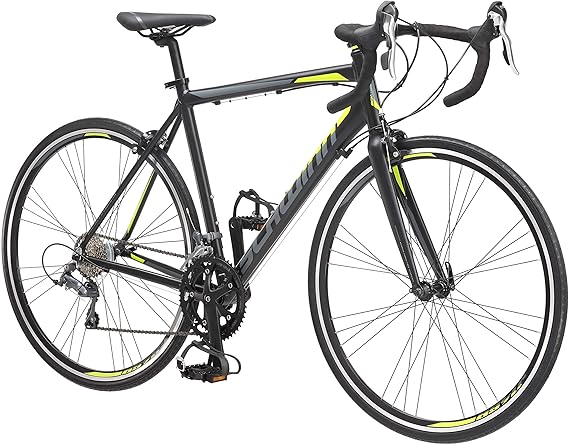
Lightweight and agile, designed for riders between 5’4 and 6’2, this bike suits those who want a reliable road bike for long distance riding. Its aluminum frame combined with a carbon fork offers a balanced ride that keeps you efficient over many miles.
Setting up the bike is straightforward, thanks to the front quick release on the wheels and the integrated Micro-shift shifter brake levers for smooth gear changes. The 16 speeds give enough range to handle different paved terrains without hassle.
The drop bar handles provide a classic road bike feel, while the road-style tread tires keep the ride fast and steady.
The Schwinn Phocus 1.6 Disc delivers well on speed and precision, with sharp braking thanks to Promax dual pivot caliper brakes. The lightweight frame doesn’t drag on longer rides. Some riders find the gear shifting crisp, but a few report occasional hesitations in shifting under heavy load.
The bike earns praise for its light frame and responsive brakes that give confidence during long rides. Common complaints focus on occasional issues with gear shifting and a firm ride without suspension to soften bumps on rough roads. The quick release wheel helps with storage and travel convenience.
People who value speed, lighter weight, and precise handling on paved roads will appreciate this bike. Those seeking more comfort on uneven surfaces or smoother gear changes under all conditions might want to check models with suspension or higher-end drivetrain components.
Pros
- Lightweight aluminum frame with carbon fiber fork
- Precise gear shifting with integrated shifters
- Strong and fast road-style tires
- Quick release front wheel for easy maintenance
Cons
- Occasional gear shifts hesitate under heavy load
- Rigid suspension may feel harsh on rough pavement
| Specification | Details |
|---|---|
| Frame Material | Aluminum |
| Fork Material | Carbon fiber |
| Number of Speeds | 16 |
| Wheel Size | 700c |
| Brake Type | Caliper |
| Skill Level | Intermediate |
Best Bikes for Long Distance Riding Comparison
| Product | Bike Type | Number Of Speeds | Suspension Type | Battery Life |
|---|---|---|---|---|
| Electric Bike 1500W | Electric Bike | 7 | Front | 4 hours |
| Lightweight Aluminum Commuter | Hybrid Bike | 8 | Rigid | – |
| Outroad 26″ 14-Speed Hybrid | Hybrid Bike | 14 | Rear | – |
| SAVADECK A7L Carbon Road | Road Bike | 24 | Rigid | – |
| 20 Inch Electric Bike 2000W | Electric Bike | 7 | Dual Suspension | 3 hours |
| ESKUTE M300F Fat Tire MTB | Electric Bike | 7 | Dual | – |
| High Lumen Bike Light Set | – | – | – | – |
| Street Legal Electric Bike | Electric Bike | 5 | Dual | 8 hours |
| 24-Speed 700C Hybrid | City Bike, Road Bike | 24 | Dual | – |
| WEIZE Dual Suspension MTB | Mountain Bike | 18 | Dual | – |
| Tommaso Siena Gravel Bike | Adventure Bike, Road Bike | 21 | No-suspension | – |
| Schwinn Phocus 1.6 Disc | Road Bike | 16 | Rigid | – |
- Bike TypeElectric Bike
- Number Of Speeds7
- Suspension TypeFront
- Battery Life4 hours
- Bike TypeHybrid Bike
- Number Of Speeds8
- Suspension TypeRigid
- Battery Life–
- Bike TypeHybrid Bike
- Number Of Speeds14
- Suspension TypeRear
- Battery Life–
- Bike TypeRoad Bike
- Number Of Speeds24
- Suspension TypeRigid
- Battery Life–
- Bike TypeElectric Bike
- Number Of Speeds7
- Suspension TypeDual Suspension
- Battery Life3 hours
- Bike TypeElectric Bike
- Number Of Speeds7
- Suspension TypeDual
- Battery Life–
- Bike Type–
- Number Of Speeds–
- Suspension Type–
- Battery Life–
- Bike TypeElectric Bike
- Number Of Speeds5
- Suspension TypeDual
- Battery Life8 hours
- Bike TypeCity Bike, Road Bike
- Number Of Speeds24
- Suspension TypeDual
- Battery Life–
- Bike TypeMountain Bike
- Number Of Speeds18
- Suspension TypeDual
- Battery Life–
- Bike TypeAdventure Bike, Road Bike
- Number Of Speeds21
- Suspension TypeNo-suspension
- Battery Life–
- Bike TypeRoad Bike
- Number Of Speeds16
- Suspension TypeRigid
- Battery Life–
How to Choose the Best Long Distance Bike
Pay attention to comfort features like a well-fitting frame and cushioned saddle since long rides demand support to prevent soreness. Durable tires and reliable gearing reduce maintenance and keep rides smooth over varied terrain. Choosing these right avoids extra costs and frustration later.
Frame and Fit
Finding the right frame size makes a big difference after hours on the saddle. Too small a frame can cramp movement and cause knee pain, while a frame that’s too large leads to overreaching, putting strain on the back and shoulders. The ideal frame size usually depends on your height and inseam length, with sizes ranging typically from about 48cm to 62cm for these types of bikes.
Riders around 5’6 often find a 54-56cm frame fits best, but geometry plays an equally important role.
The frame’s geometry should support a posture that balances comfort and efficiency over long rides. Look for endurance-oriented designs with a longer wheelbase and a slacker head tube angle. This reduces fatigue by lessening pressure on wrists and neck.
Adjustable components like a stem with various lengths and an easily modifiable seat post allow fine-tuning your stance, which is crucial for maintaining a pain-free ride day after day. Materials such as lightweight aluminum or carbon fiber can also impact comfort by absorbing road vibrations.
Comfort and Ergonomics
Long rides often reveal the truth about a bike’s saddle quality. A poorly designed or uncomfortable saddle can lead to numbness, chafing, and a constant need to shift your position. Many bikes in this category come with a saddle that can be swapped out easily, which is crucial since everyone’s seating preferences differ widely.
Look for models with quick-release seat posts or adjustable rails. Saddles with memory foam, gel layers, or cutouts for pressure relief stand out in daily comfort over basic molded foam options.
Handlebar shape and positioning play a vital role in reducing wrist, shoulder, and back strain during extended periods on the bike. Drop bars, butterfly bars, or ergonomic flat bars with multiple hand positions help maintain comfort by allowing posture changes.
Pay attention to reach and height adjustability. Bikes featuring a suspension seat post or built-in vibration dampening in the frame materials can soften the ride on rough roads or gravel paths, cutting down fatigue and joint stress over many miles.
Gear Range and Drivetrain
Climbing steep hills or accelerating on flats demands a wide gear range, something not all models manage well. Bikes equipped with around 11 to 12-speed cassettes featuring gear ratios from 11-32 up to 11-42 teeth handle mixed terrain better.
This range allows for comfortable cadence whether grinding uphill or flying downhill. Models lacking this spread force the rider into awkward pedaling rhythms, causing fatigue and less efficiency.
Daily rides benefit from smooth shifting mechanisms, commonly found in quality Shimano or SRAM groupsets. Precision in gear changes means fewer missed shifts and interruptions in momentum, especially important on long stretches.
Choosing durable materials like steel or hardened alloys for drivetrains reduces maintenance intervals, cutting down on cleaning, tuning, and replacing worn parts. Reliable components keep you rolling without unexpected breakdowns or noisy chains slipping under load.
Weight and Materials
Climbing steep hills with a heavy bike can quickly drain your energy, especially on long rides. Bikes with frames made from aluminum or carbon fiber generally weigh between 20 to 28 pounds, which makes a noticeable difference over several miles. Lighter materials reduce fatigue because you’re not lugging unnecessary weight uphill, but the lighter the frame, the more critical it is to ensure the material can handle extended use without cracking or bending.
Durability plays a crucial role when parts are constantly under stress from long-distance travel. Steel frames tend to be heavier but offer better resistance to dents and fatigue over time, while carbon fiber sacrifices some toughness for weight savings.
Comfort features like vibration-damping seat posts or wider tires add weight but can prevent soreness and numbness, which might slow you down more than an extra pound or two. A good balance lies in choosing materials rated for endurance rides, such as 6061 aluminum or mid-grade carbon, paired with components known for long-term reliability.
Accessory and Load Carrying Options
Riding for hours means packing more gear, and the frame’s compatibility with racks and panniers directly impacts what you can carry. Lack of proper mounting points often forces riders to use clumsy adapters or straps, which don’t hold up well over bumpy roads.
Good touring setups have at least two sets of braze-ons for racks and multiple bottle cage mounts, usually spaced to fit standard 74mm cage bolts. Steel or aluminum mounts tend to be sturdier for heavier loads compared to titanium or carbon, which need careful weight consideration.
Mount points for fenders and lights also make a big difference on long rides, especially in changing weather or low-light conditions. Bikes designed for extended trips often feature eyelets at both the fork and rear stays, plus bosses for attaching frame bags or lighting systems fed by a dynamo or battery packs. Without these, securing accessories becomes a challenge, forcing compromises that can affect safety or convenience on the road.
Optimizing Your Riding Posture for Comfort on Long Distance Trips
Sitting too far forward on the bike puts unnecessary pressure on your hands and wrists, leading to numbness during long rides. Adjust the saddle so that your knee aligns directly over the pedal axle when the pedal is at its lowest point.
This positioning helps distribute your weight evenly and maximizes pedaling efficiency.
Handlebar height plays a big role in comfort, too. For long-distance riding, setting handlebars slightly higher than the saddle reduces strain on your lower back and neck. While you might sacrifice some aerodynamics, the trade-off is worth it for extended comfort.
Additional posture tips:
- Keep a slight bend in your elbows to absorb road vibrations instead of locking them out.
- Engage your core muscles to support your upper body and avoid slouching.
- Change hand positions regularly on drop bars to prevent numbness and fatigue.
Small adjustments in posture can make big differences on rides that last for hours. Taking time to get your setup right reduces discomfort and keeps you focused on the road ahead.
Essential Maintenance Practices to Keep Your Long Distance Bike Performing
Regularly cleaning the drivetrain is crucial to maintaining smooth gear shifts on a long distance bike. Dirt and grime buildup can cause premature wear on the chain and cassette, leading to costly replacements. Aim to clean and lubricate the chain every 300 to 500 miles, adjusting based on riding conditions.
Tire pressure directly affects comfort and rolling resistance. Check and inflate tires to the recommended pressure before every ride.
Overinflated tires can lead to a harsh ride, while underinflated tires increase the risk of pinch flats, especially on rough roads.
Brake performance should not be overlooked. Inspect brake pads for wear and alignment frequently, as uneven pads can reduce stopping power and cause rim damage. This is especially important for long rides where reliable braking is critical.
- Check spokes regularly to ensure wheel tension is even, preventing wheel wobble.
- Keep the headset and bottom bracket bearings clean and properly lubricated to avoid stiff steering or creaks.
- Store the bike in a dry place to avoid rust and corrosion on metal parts.
Comparing Touring Bikes and Gravel Bikes for Extended Rides
Touring bikes usually feature a sturdier frame with mounting points for racks and panniers, making them well-suited for carrying heavy loads over long distances. They have a more relaxed geometry, which reduces strain on the back and neck during extended rides.
Wide gear ranges also allow for easier climbing with extra weight.
Gravel bikes tend to be lighter and more agile, designed for a mix of paved and unpaved roads. Their frame often accommodates wider tires, which improves comfort and traction on rough surfaces.
While they can carry some gear, they generally offer fewer mounting options than touring bikes.
Choosing between the two depends on your priorities:
- When planning to carry bulky camping gear or supplies, a touring bike’s capacity and comfort for loaded rides is beneficial.
- For speed and versatility on a variety of surfaces with light to moderate packing, gravel bikes are practical.
People Also Asked
How Do I Choose the Right Bike Size for Long-Distance Rides?
Choose a bike size by measuring your inseam and referring to the manufacturer’s size chart. Test ride to ensure you can comfortably reach the handlebars without stretching or feeling cramped.
What Are Common Maintenance Tips for Long-Distance Riding Bikes?
Regularly clean and lubricate the chain, check tire pressure before every ride, and inspect brakes and gears for wear. Carry basic tools and spare tubes to handle minor repairs.
How Long Can a Bike Last with Regular Long-Distance Use?
A bike can last several years with consistent maintenance and replacing parts like tires and chains as needed. The frame usually outlasts components if not subjected to crashes or harsh conditions.
What Safety Gear Is Essential for Long-Distance Bike Riding?
A properly fitting helmet, bright and reflective clothing, front and rear lights, and gloves are essential. A mirror helps monitor traffic behind, and padded shorts improve comfort over long distances.
How Do I Fix Common Problems on Long-Distance Riding Bikes?
Fix flat tires with a patch kit or new tube, adjust derailleurs for smooth shifting, and tighten loose bolts on racks or fenders. Carry a multi-tool and practice these repairs before heading out.
Conclusion
Comfort and durability matter most when choosing a bike for long distance rides. Look for a frame that absorbs road bumps well, reliable gearing that shifts smoothly, and tires that balance grip with rolling efficiency. Weight also plays a role, especially if you’ll be climbing or carrying the bike often.
Consider how much space you have for storage and how much you want to spend before making a decision. Bikes that see regular use justify higher costs and upgrades, while occasional riders might prefer simpler setups. The comparison table above sums up these points to help you find the right fit.