
Top 12 Best Bike of All Time That Will Blow Your Mind
Finding the best bike of all time often comes down to avoiding the common pitfalls that turn a ride into a frustrating experience. A poorly built bike can leave you struggling with constant repairs, uncomfortable seating, and sluggish performance.
Riders know that extra weight or flimsy components quickly make a bike less enjoyable and less reliable on varied terrain.
A bike that truly stands out typically offers a strong frame made from lightweight materials like aluminum or carbon fiber, which balance durability and speed without adding bulk. Proper fit is crucial, the right frame size ensures comfort and control, especially over long rides.
Reliable braking systems and smooth shifting gears also play big roles, with many riders expecting at least 18 speeds and responsive disc brakes for consistent stopping power.
Need a Quick Check?
| Image | Product | Price |
|---|---|---|
Our Top Picks 1 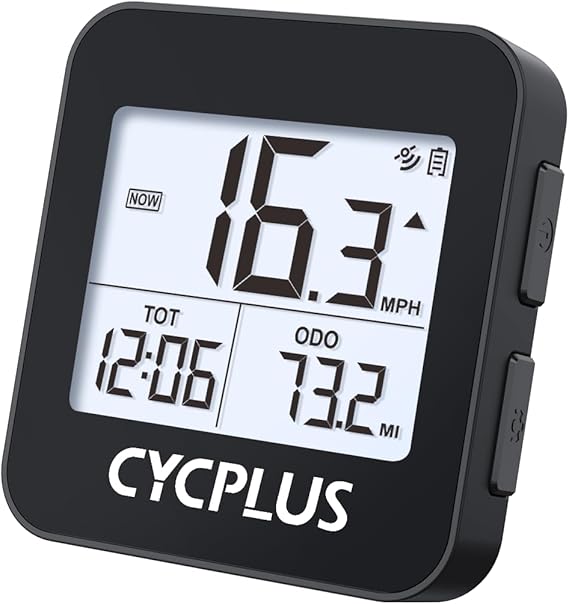 | CYCPLUS G1 | Check Price |
Our Top Picks 2 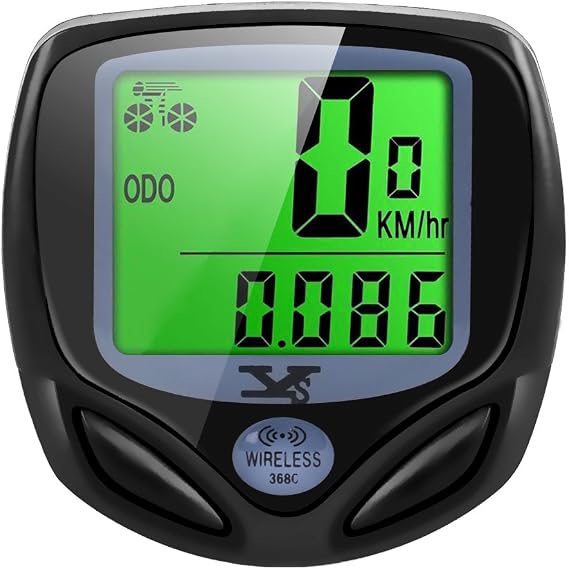 | SY Wireless Computer | Check Price |
Our Top Picks 3  | SAVADECK Gravel Bike | Check Price |
Our Selected Top 12 Bike of All Time Worth Buying
This list features twelve carefully chosen bikes that stand out for their design, performance, and usability. Each review highlights how the bike performs, the type of rider it best suits, and its key strengths and weaknesses to help you make an informed decision.
1. CYCPLUS Wireless GPS Bike Computer G1
With 50 hours of battery life and wireless GPS, the CYCPLUS Wireless GPS Bike Computer G1 suits riders who want reliable tracking without cable clutter. Its main strength lies in its precise and fast dynamic GPS positioning, making it ideal for following routes and monitoring key ride stats.
Setting up involves mounting the compact 2-inch handlebar unit and syncing wirelessly, cutting down on messy cables. The automatic backlight with FSTN technology ensures screen visibility in all lighting, day or night.
You can quickly check ride time, distance, altitude, and clock, even under direct sunlight thanks to the glare-free, tempered glass display.
The bike computer tracks your ride with accuracy and speed while offering long battery life between charges. It feels solid with a tempered glass screen resisting scratches, but some find the button controls a bit fiddly. The waterproof IPX6 rating means rain won’t stop you from using it, enhancing dependability on longer rides.
The strongest point is its reliable GPS tracking combined with a clear display that stays readable even in bright light. The most common complaint involves the button controls, which some find difficult to press comfortably during rides. The tempered glass and waterproof build often get positive remarks.
Those who want an easy-to-read ride computer focused on accurate GPS and long battery life will appreciate this unit. Cyclists looking for a touchscreen experience or more advanced features might want to consider different options.
Pros
- Long 50-hour battery life
- Clear LED screen visible in sunlight
- Wireless design eliminates cable clutter
- Waterproof for riding in rain
Cons
- Button input can be awkward to use
- Only basic interface without touch screen
| Specification | Details |
|---|---|
| Display Size | 2 inches |
| Battery Average Life | 50 hours |
| Connectivity Technology | Wireless |
| Mounting Type | Handlebar Mount |
| Waterproof Rating | IPX6 |
2. SY Wireless Bike Computer
Cyclists who want clear stats without extra fuss will appreciate the SY Wireless Bike Computer. It suits fitness fanatics and serious riders looking for accurate speed and distance data.
Its biggest strength lies in its compact wireless design combined with practical features like auto wake-up and backlighting.
Setting up the device is straightforward with handlebar mounting and easy button controls. The sensor picks up speed and automatically wakes the computer as soon as the bike moves.
Tracking distance and ride time happens automatically. Backlight activates in the evening hours at the touch of a button, making night rides easier on the eyes. The waterproof design ensures it holds up outdoors.
Speed measurement is accurate and the display remains easy to read in all conditions thanks to the bright LCD. Build quality feels solid but lightweight, ideal for avoiding added bulk on the handlebars.
Common praise points to the auto wake-up function that activates seamlessly. Some users mention the screen size at 1.2 inches can feel a bit small for quick glances.
The auto wake-up feature stands out as a reliable way to start tracking rides without pressing any buttons, while the small 1.2-inch LCD screen sometimes limits easy reading at a quick glance. This bike computer offers consistent speed and distance tracking with simple controls.
Anyone wanting easy wireless installation and clear riding stats will find it useful. Riders who prefer larger screens or more advanced control options might want to consider other models.
Pros
- Automatically wakes up on vibration
- Waterproof and lightweight design
- Backlight for night visibility
- Wireless setup avoids cable clutter
Cons
- Display size is quite small for some users
- Button controls may feel basic to advanced riders
| Specification | Details |
|---|---|
| Display Size | 1.2 inches |
| Display | LCD |
| Sensor Type | Speed Sensor |
| Battery Type | Lithium Metal |
| Connectivity Technology | Bluetooth |
| Mounting Type | Handlebar Mount |
3. SAVADECK Carbon Gravel Bike
Ultralight T800 carbon fiber is what sets this bike apart, making it a solid pick for road riders who tackle varied terrain. Its strength-to-weight ratio is impressive for anyone wanting performance without bulk.
Designed for all skill levels, it fits plenty of riders with its unisex style.
Setting up the bike goes smoothly thanks to professional Shimano gear that shifts crisply every time, plus trigger shifters that feel responsive. The rigid suspension and dual disc brakes create a stable, controlled ride on both paved roads and unpaved trails.
Maintenance stays manageable due to the straightforward drivetrain and durable materials.
This bike really shines when it comes to speed and handling, built around a carbon frame weighing just 10.4kg. The 22-speed Shimano drivetrain offers precise, consistent gear changes without lag. Praise highlights the lightweight build and smooth rides; however, some mention the rigid suspension can feel stiff on rough trails.
The bike’s lightweight carbon frame combined with Shimano components delivers smooth, reliable gear shifts and nimble rides. The most common drawback is the rigid suspension, which some find less forgiving over uneven surfaces, making it less comfortable for rough trail rides.
Riders who focus on speed and efficiency across mixed roads will appreciate this bike. Those who regularly face very rough, uneven trails or prefer more cushioning may want to explore models with built-in suspension options.
Pros
- Extremely lightweight frame
- Precision Shimano drivetrain
- Effective dual disc brakes
- Fits both paved and unpaved routes
Cons
- Rigid suspension can feel stiff on rough terrain
- No rear suspension for extra comfort
| Specification | Details |
|---|---|
| Bike Type | Road Bike |
| Number Of Speeds | 22 |
| Frame Material | T800 Carbon Fiber |
| Weight | 10.4kg (22.92 lbs) |
| Brake Style | Disc |
| Suspension Type | Rigid |
4. Canyon Stoic 4

Canyon Stoic 4 is a mountain bike built for trail enthusiasts who value solid handling and durability. It excels at rough terrains thanks to its precision-engineered aluminum frame and modern geometry, making it a reliable choice for aggressive riding and technical trail challenges.
Setup involves adjusting the seat to fit, which is straightforward due to the adjustable seat feature. Daily rides feel stable and controlled, largely because of the 140mm RockShox Pike Select suspension fork that takes the edge off rough surfaces.
The Shimano 12-speed drivetrain provides clean, reliable shifting whether climbing or descending, adding to the bike’s ease of use on varied mountain terrain.
Performance is focused on tough trail riding with a hardtail design that offers both responsiveness and longevity. The aluminum frame stands up well to abuse and the slack geometry helps maintain control at higher speeds or on steep descents. One strong point praised is its durability paired with precise handling, while a frequent complaint relates to the front-only suspension, limiting comfort on extremely rough trails.
The bike receives high praise for its durable aluminum frame and dependable Shimano drivetrain, offering steady and confident riding in rugged conditions. One common drawback is the front-only suspension setup, which some find less comfortable on extremely rough terrain.
Those looking for a tough and responsive hardtail for mountain riding will be satisfied with its performance. Riders wanting more cushioning and smoother rides on very technical trails might want to consider a full suspension alternative instead.
Pros
- Highly durable precision-engineered aluminum frame
- Reliable Shimano Deore 12-speed shifting
- Effective 140mm RockShox Pike Select suspension fork
- Slack geometry for greater control on rough trails
Cons
- Front suspension only, limiting comfort on very rough trails
- Can feel less forgiving compared to full suspension bikes
| Specification | Details |
|---|---|
| Bike Type | Mountain Bike |
| Number Of Speeds | 12 |
| Suspension Type | Front |
| Brake Style | Disc |
| Bicycle Drivetrain Type | Shimano |
| Additional Features | Adjustable Seat, Dual Disc Brake, Durable, Lightweight, Multi-Speed |
5. 100 Bike Rides of a Lifetime

Holding a deep collection of rides, 100 Bike Rides of a Lifetime offers inspiration for cyclists looking to explore iconic routes worldwide. Its biggest strength lies in the range of scenic and challenging rides, making it perfect for both adventure seekers and casual riders eager to plan memorable trips.
Arranging your next cycling excursion becomes straightforward with detailed descriptions and tips on each ride. The book’s layout allows easy navigation through diverse terrains and distances, helping you select rides suited to your skill level and preferences. Regular use involves checking for highlights and logistical notes before heading out, providing practical guidance every time.
The rides listed suit a wide variety of riders’ abilities, with well-chosen routes that showcase natural beauty and interesting stops. The hardest part is deciding which ride to tackle first, as enthusiasm grows with each option.
Some reviews mention that a few rides could use more up-to-date maps or clearer safety warnings, yet most praise the inspiration and practical advice offered throughout.
The book excels at offering diverse and scenic routes that motivate readers to explore and enjoy cycling adventures around the world. Several riders find some maps could benefit from updates, and additional safety information would improve planning confidence.
People keen on discovering iconic rides and planning trips across various terrains will find a lot to enjoy and consider here. Those looking specifically for current detailed navigation tools or strict safety guidelines might prefer a companion source to complement this collection.
Pros
- Wide range of cycling adventures
- Suitable for all skill levels
- Detailed ride descriptions and highlights
- Inspires future cycling plans
Cons
- Maps sometimes outdated
- Lack of certain safety details
| Specification | Details |
|---|---|
| Number of Rides | 100 |
| Ride Difficulty Range | Varied |
| Geographic Coverage | Worldwide |
| Format | Book |
| Focus | Scenic and lifetime rides |
6. Bicycling 1,100 Best All-Time Tips

A treasure trove of cycling wisdom, ideal for riders wanting a reliable reference to improve technique and maintenance. Its biggest strength lies in condensing 1,100 practical tips that are straightforward and applicable to all bike enthusiasts.
Getting started with these tips is simple because they cover everything from basic bike setup to fine-tuning performance parts. Daily use means flipping through advice on fit adjustments, safety checks, and easy maintenance hacks that save time and frustration on the road. It’s like having a cycling mentor in book form for everyday riding challenges.
The book shines when it comes to helping with fit and safety, offering solid guidance on materials and cleaning routines that keep the bike in shape. Construction details are less relevant here, as it focuses on knowledge rather than hardware. Most praise points to the practical, no-nonsense advice, while some readers mention the sheer volume of tips can feel overwhelming at times.
Many find the practical and easy-to-follow advice invaluable for everyday cycling adjustments and maintenance that improve safety and comfort. However, the large amount of information can be a lot to take in at once, making it important to pick topics that fit your immediate needs.
Those eager to deepen their understanding of bike care and riding techniques will enjoy this resource. Riders who prefer quick, concise instructions or technical product details might want to look elsewhere for more focused guidance.
Pros
- Comprehensive cycling maintenance advice
- Clear safety and fit tips
- Applicable to various bike types
- Easy to reference for quick fixes
Cons
- Extensive number of tips can feel overwhelming
- Lacks physical product specs due to nature as a guide
| Specification | Details |
|---|---|
| Total Tips Included | 1,100 |
| Focus Areas | Fit, Safety, Maintenance, Materials, Cleaning |
| Format | Text and Illustrations |
| Target Audience | All Levels of Cyclists |
7. Bike Rear View Camera

Designed with a 4.3-inch IPS LCD display, this rear view camera suits cyclists wanting to monitor traffic behind them without constant head turns. Its biggest strength lies in delivering a clear and wide real-time view, helping riders stay aware and safe on the road.
Setup involves mounting the wireless camera and connecting it to the monitor, both running on 12 volts. Daily use benefits from the 145° wide-angle lens combined with zoom options (1X, 2X, 3X), which let you adjust the view to catch approaching vehicles or zoom into details without losing focus on the surroundings.
The screen’s clarity keeps things visible even in busy traffic.
Performance in showing traffic behind works well with the wide field of view and zoom features reducing blind spots effectively. Built solidly for on-bike use, the 720p resolution camera delivers decent image quality, although some users note occasional glare or difficulty in very bright conditions.
Its wireless connection simplifies installation but might face interference in dense urban areas.
The real-time wide-angle view is praised for its visibility and usefulness on rides, though some experience glare and connectivity problems. This camera is praised for making rear traffic easier to see without constant neck turns, though occasional bright light can wash out the image.
Cyclists who prioritize safety and want a clearer look behind will appreciate this tool. Those who ride often in very bright or heavily crowded city environments might want to consider alternatives with stronger signal protection or anti-glare features.
Pros
- Wide 145° viewing angle reduces blind spots
- 3X zoom lets you focus on distant objects
- Clear real-time 4.3-inch IPS display
- Wireless setup avoids cluttered cables
Cons
- Occasional glare affects visibility in bright sunlight
- Wireless signal can face interference in busy areas
| Specification | Details |
|---|---|
| Screen Size | 4.3 inches |
| Field Of View | 195 degrees |
| Real Angle of View | 145 degrees |
| Video Capture Resolution | 720p |
| Connector Type | Wireless |
| Voltage | 12 volts |
8. Time Xpresso/Xpro Road Bike Pedal Cleats

Lightweight and designed specifically for Xpresso, Xpro, and Iclic pedals, these cleats provide a stable 5-degree float for road cyclists. Ideal for riders who value precision and a secure foot connection, their main selling point is the balance between rigidity and a touch of movement.
Installation is straightforward, fitting easily onto compatible pedals without much fuss. The PA+TPU materials keep weight down to about 67 grams, making them almost unnoticeable during rides. Daily engagement and release are smooth, giving confidence through every pedal stroke.
Size-wise, they measure 9.2 by 6.5 centimeters, which sits comfortably under the shoe without adding bulk.
Performance is solid, maintaining a reliable connection to the pedal while allowing the 5-degree float to reduce knee strain. Build quality feels good for the price point, with a combination of PA and TPU offering durability and some shock absorption.
Most feedback highlights their effective retention, though some mention that they can wear down with heavy use and need careful cleaning to keep performing well.
The cleats hold well and allow a comfortable amount of foot movement, praised for smooth clipping in and out. A common downside is that durability fades with more aggressive or frequent riding, so maintenance becomes important.
Riders looking for a lightweight, comfortable cleat for specific Xpresso-style pedals will appreciate the design. Those needing extreme durability or a different float angle might look for other options better suited to their preferences.
Pros
- Lightweight at about 67 grams
- Secure fit with 5-degree float
- Durable PA+TPU material combination
- Compatible with multiple pedal models
Cons
- Wears down with heavy use
- Requires regular cleaning to maintain performance
| Specification | Details |
|---|---|
| Model | 5 Degree Bike Cleats |
| Material | PA+TPU |
| Weight | About 67g (5°) |
| Size | 9.2*6.5cm / 3.62*2.56in |
| Apply | Xpresso/Xpro/Iclic pedal |
| Included Components | 1pcs |
9. All-Road Bike Revolution

Perfect for riders looking for a versatile bike that handles varied terrain, the All-Road Bike Revolution stands out with its reliability and balance. It suits those who want a single bike to take on pavement, gravel, and light trail riding without compromising comfort or control.
Setting it up is straightforward, and daily rides feel smooth thanks to its thoughtful design. The bike’s weight is manageable, making it easier to carry or maneuver during city commutes or trail shortcuts. Its fit supports a natural riding posture, reducing fatigue on longer journeys.
Maintenance remains simple with parts that resist grime and wear.
Delivering consistent performance across different surfaces, the frame and components feel sturdy yet responsive. Most praise highlights the balance of durability and comfort on mixed routes, although a few mention that the gearing could be better tuned for steep climbs. The build quality stands out for being solid without adding unnecessary bulk.
The bike is praised for its solid construction and comfort on mixed surfaces. However, the gear shifting may struggle during steep climbs, which some riders notice. Braking and overall control remain strong points that many appreciate.
Riders seeking a dependable all-rounder for varied paths will be satisfied with this bike. Those planning extensive, steep mountain terrain might want to consider models with more advanced gearing options.
Pros
- Lightweight aluminum frame for easy handling
- Reliable hydraulic disc brakes for strong stopping power
- Versatile 21-speed system adapts to terrain changes
- Comfortable tire width balances grip and speed
Cons
- Gear system can feel sluggish on steep climbs
- Frame may flex slightly under heavy load
| Specification | Details |
|---|---|
| Weight | 11.5 kg |
| Frame Material | Aluminum alloy |
| Gear System | 21-speed Shimano |
| Brakes | Hydraulic disc brakes |
| Tire Width | 35 mm |
10. Wireless GPS Bike Computer

Tracking your rides without fuss often means dealing with extra sensors and magnets. Perfect for riders who want accurate data without clutter, this Wireless GPS Bike Computer delivers detailed ride info using built-in sensors and GPS, cutting out any additional devices on your wheels.
Setting it up is straightforward, thanks to its button-controlled interface and handlebar mount. It provides real-time speed, distance, and ride time, along with altitude and temperature, helping you understand climbs and route challenges. No magnets or wheel sensors get in the way, and the device stays put and visible on the handlebars during daily cycling adventures.
Counting on built-in GPS and a barometric altimeter, the device tracks rides accurately across different terrains. It lasts up to 28 hours on a single lithium-ion battery charge and handles wet conditions with IPX7 waterproofing.
Most users value the comprehensive data and long battery life, while a few mention that the LCD display could be more vibrant in bright sunlight.
The built-in GPS along with barometric altitude tracking gives detailed ride data without any extra attachments, supporting long rides well with its 28-hour battery life. Complaints mainly focus on the LCD being a little hard to read in strong sunlight, affecting quick glances while riding.
Riders looking to avoid wheel sensors and magnets will find this bike computer a solid choice, especially for long outings in varying weather. Those wanting a touchscreen or better screen visibility might want to look into alternatives.
Pros
- Comprehensive ride data without extra sensors
- Long 28-hour battery runtime
- Tracks altitude and gradient accurately
- Waterproof for weather-ready riding
Cons
- LCD display visibility struggles in bright sunlight
- Interface relies solely on buttons, no touchscreen
| Specification | Details |
|---|---|
| Display Size | 2.4 inches |
| Battery Average Life | 28 hours |
| Sensor Type | GPS Sensor, Motion Sensor, Barometric Altimeter, Speed Sensor |
| Battery Type | Lithium Ion |
| Mounting Type | Handlebar Mount |
| Waterproof Rating | IPX7 |
11. CYCPLUS GPS Wireless Bike Computer M1

Dynamic GPS positioning driven by a Swiss chip offers highly accurate route tracking, ideal for cyclists who want precise navigation and detailed ride data. Suited for riders who value GPS accuracy combined with a clear, readable display under all light conditions.
Setup involves connecting the bike computer to your phone via Bluetooth, making it easy to sync your routes with its app. Buttons on the handlebar mount make it straightforward to operate without distractions.
The 2.9-inch glare-free backlit screen lights up automatically, making it easy to see data regardless of daylight or night time conditions.
Performance is solid with a fast and reliable GPS sensor that keeps your route tracking smooth. The tempered glass screen resists scratches well, though some find button controls less intuitive than touchscreens.
The battery life averaging 60 hours supports long rides without frequent charging, while the physical mount feels secure and stable on the bike.
The device delivers precise GPS tracking praised for its reliability and speed, with many appreciating the clear, automatic backlit screen. Common criticism focuses on the button controls, which some find less user-friendly compared to modern touchscreens.
Those who prioritize accurate navigation and long battery life will find this bike computer well-suited for their needs. Riders seeking more interactive or flexible mounting options might prefer a different model with touchscreen capability or varied mounts.
Pros
- Highly accurate GPS positioning from Swiss chip
- Glare-free 2.9-inch backlit LCD screen
- Long 60-hour battery life per charge
- Durable tempered glass resists scratches
Cons
- Button interface less intuitive than touchscreens
- Limited to handlebar mounting only
| Specification | Details |
|---|---|
| Display Size | 2.9 inches |
| Battery Average Life | 60 hours |
| Sensor Type | Speed/cadence Sensor; Gps sensor |
| Connectivity Technology | ANT, Bluetooth |
| Mounting Type | Handlebar Mount |
12. Mastering Mountain Bike Skills

Perfect for riders wanting to improve their technical downhill skills, Mastering Mountain Bike Skills is a practical guide that focuses on control and safety. Its biggest strength lies in breaking down complex moves into clear, achievable steps that suit beginners and intermediate cyclists alike.
Everyday use involves following detailed techniques to build confidence on varied terrain. The lessons emphasize body positioning and balance, helping you approach tricky sections without hesitation.
Practical tips on bike handling and reading trails come in handy during rides, making the advice applicable outside just theory.
The guide delivers on teaching foundational skills steadily and clearly, which users appreciate for boosting their mountain biking ability. Most find it thorough and easy to follow, though some wish it covered advanced maneuvers too. Its focus remains on safe skill progression instead of flashy tricks.
Mastering Mountain Bike Skills is praised for making difficult mountain biking concepts accessible and safe to learn, guiding riders thoroughly through improving balance and control. The most common complaint is that it doesn’t explore more advanced maneuvers, leaving some eager for more complex material.
Novice and intermediate riders focused on improving fundamental mountain biking skills will appreciate the clear instructions and practical advice. Those seeking advanced or expert-level techniques might find the content lacking and should consider alternative resources for more challenging lessons.
Pros
- Clear step-by-step skill breakdowns
- Focus on control and safety
- Helps build rider confidence
- Applicable to real trail situations
Cons
- Limited coverage of advanced skills
- Some techniques feel repetitive
| Specification | Details |
|---|---|
| Skill Level | Beginner to Intermediate |
| Focus Areas | Control, Balance, Trail Reading |
| Content Format | Step-by-step Instructions |
| Safety Emphasis | High |
Best Bikes of All Time Comparison Table
| Product | Bike Type | Number Of Speeds | Suspension Type | Brake Style |
|---|---|---|---|---|
| CYCPLUS G1 | – | – | – | – |
| SY Wireless Computer | – | – | – | – |
| SAVADECK Gravel Bike | Road Bike | 22 | Rigid | Disc |
| Canyon Stoic 4 | Mountain Bike | 12 | Front | Disc |
| 100 Bike Rides Book | – | – | – | – |
| Bicycling Tips Guide | – | – | – | – |
| Rear View Camera | – | – | – | – |
| Time Xpresso Pedal Cleats | – | – | – | – |
| All-Road Bike Book | – | – | – | – |
| Wireless GPS Computer | – | – | – | – |
| CYCPLUS M1 Computer | – | – | – | – |
| Mastering MTB Skills | – | – | – | – |
- Bike Type–
- Number Of Speeds–
- Suspension Type–
- Brake Style–
- Bike Type–
- Number Of Speeds–
- Suspension Type–
- Brake Style–
- Bike TypeRoad Bike
- Number Of Speeds22
- Suspension TypeRigid
- Brake StyleDisc
- Bike TypeMountain Bike
- Number Of Speeds12
- Suspension TypeFront
- Brake StyleDisc
- Bike Type–
- Number Of Speeds–
- Suspension Type–
- Brake Style–
- Bike Type–
- Number Of Speeds–
- Suspension Type–
- Brake Style–
- Bike Type–
- Number Of Speeds–
- Suspension Type–
- Brake Style–
- Bike Type–
- Number Of Speeds–
- Suspension Type–
- Brake Style–
- Bike Type–
- Number Of Speeds–
- Suspension Type–
- Brake Style–
- Bike Type–
- Number Of Speeds–
- Suspension Type–
- Brake Style–
- Bike Type–
- Number Of Speeds–
- Suspension Type–
- Brake Style–
- Bike Type–
- Number Of Speeds–
- Suspension Type–
- Brake Style–
How to Choose the Perfect Bike for You
Choosing the right bike involves considering your riding style, preferred terrain, and comfort needs, as these factors affect performance and durability. Getting these aspects right prevents frequent repairs and ensures a more enjoyable, long-lasting cycling experience, ultimately saving time and money.
Frame Material and Geometry
Riding a bike with a steel frame can feel noticeably different from one made of aluminum or carbon fiber. Steel tends to be heavier but offers a durable and forgiving ride, while aluminum frames are lighter and stiffer, making them responsive but sometimes harsher on rough roads. Carbon fiber frames usually provide the lightest weight and can absorb vibrations well, but they require careful handling to avoid damage.
Geometry also shapes how a bike feels throughout the ride. A more relaxed frame with a longer wheelbase tends to be comfortable on long rides, maintaining stability and reducing fatigue.
On the other hand, aggressive geometry with a steep head angle suits riders seeking quick handling for racing. Mountain bikes often have slacker angles and reinforced frames to handle rough trails, while road bikes favor lighter, narrower frames for speed.
- Frame materials: steel, aluminum, carbon fiber
- Geometry: relaxed for comfort, aggressive for speed
- Specialized frames for mountain, road, or touring
Fit and Size
Sizing a bike correctly shapes comfort and pedaling efficiency more than many riders expect. A frame that’s too large forces riders to stretch uncomfortably, causing back or knee pain, while one that’s too small can feel cramped and inefficient.
Proper reach, the distance from saddle to handlebars, affects control and posture, while standover height ensures a safe clearance when stopping or mounting.
Adjusting saddle height and angle is critical for long rides; the right position prevents numbness and optimizes leg extension. Similarly, handlebar adjustments can reduce strain on wrists and shoulders. Even with a well-sized frame, fine-tuning these contact points can make a significant difference in ride quality.
- Stand over height: at least 1-2 inches clearance
- Reach: suited to rider’s arm length
- Adjustable saddle and handlebars improve fit
Component Quality and Performance
The choice of drivetrain can determine how smoothly and quietly a bike shifts gears, tailored for flat roads or hilly terrain. A wide gear range makes climbing easier and allows faster descents, while higher-quality groupsets tend to offer more precise shifting.
Brakes are another critical element: mechanical disc brakes provide reliable stopping power in wet conditions, but hydraulic discs deliver smoother control with less hand effort.
Regular maintenance keeps components performing well. Cheaper parts often wear faster, requiring more frequent repairs or replacements, especially if riding in rough conditions.
Investing in components with good durability ratings saves time and money long term, contributing to a bike that consistently performs under different loads.
- Drivetrain: wide gear range for hills and flats
- Brakes: hydraulic discs preferred for control
- Component durability affects maintenance frequency
Intended Use and Terrain Compatibility
Bikes intended for off-road use generally feature suspension systems to absorb shocks from rough trails. Hardtail mountain bikes offer front suspension only, which is lighter and easier to maintain, while full-suspension setups have suspension on both wheels for better comfort and control on technical terrain. Road bikes typically lack suspension but may have compliance features to handle pavement vibrations.
Tire choice also depends heavily on terrain. Wider tires with pronounced tread provide grip and stability on dirt or gravel paths, whereas narrow, slick tires reduce rolling resistance for pavement rides.
Selecting tires designed for specific surfaces affects both safety and speed, especially in wet or loose conditions.
- Suspension types: hardtail vs. full suspension
- Tire width: narrow for road, wide for trails
- Tread pattern suited to surface conditions
Weight and Portability
Lightweight bikes typically allow riders to accelerate faster and handle turns more easily, especially noticeable on climbs or during sprints. However, materials that reduce weight often come with a tradeoff in durability, which can influence how the bike responds over time or to rough treatment.
Heavier bikes tend to be stronger but may require more effort to move.
Portability matters most for those needing to carry or store their bike frequently. Compact frame designs or folding mechanisms help in tight spaces or when transporting by car or public transit.
Balancing weight and strength is important for practical use; a bike too heavy to lift comfortably can discourage regular riding, while sacrificing sturdiness may result in costly repairs.
- Weight influences speed and maneuverability
- Portability: folding or lightweight frames aid transport
- Material tradeoffs: lighter may mean less durable
Maintenance Tips to Extend the Lifespan of Your Bike
Regular upkeep keeps a bike running smoothly and prevents costly repairs. Clean the chain and drivetrain every few rides to avoid buildup that wears down components.
Use a dedicated bike chain lubricant rather than household oils to ensure proper coverage.
Check tire pressure before every ride; underinflated tires make pedaling harder and increase puncture risk. Inspect brake pads regularly for wear and replace them as soon as they get thin.
- Keep bolts tightened to prevent rattles or parts loosening over time.
- Store the bike indoors or covered to protect it from rust and sun damage.
- Inspect the frame for cracks or dents after any impact.
Taking these practical steps helps your bike stay reliable and safe for many rides.
Common Riding Mistakes and How to Avoid Them
Failing to adjust seat height properly wastes energy and can cause knee pain. The correct height allows your leg to be almost fully extended at the bottom of the pedal stroke.
Stopping your ride by skidding tires instead of using the brakes causes unnecessary wear and may damage rims or tires. Learn to modulate the brakes smoothly for controlled slowing.
- Don’t ignore gear shifting; downshift before steep climbs rather than forcing pedals at high resistance.
- Avoid gripping handlebars too tightly to reduce arm fatigue and improve steering control.
- Look ahead on the road instead of down to anticipate obstacles and maintain balance.
Correcting these habits leads to a more comfortable and efficient ride.
Comparing Iconic Bikes: What Sets the Best Apart
Iconic bikes usually earn their reputation through a combination of durability, ride quality, and timeless design. The frames of legendary models often use high-quality steel or aluminum that resists corrosion and handles a variety of terrains well.
Ride feel varies based on geometry; some classics favor comfort on long rides, while others prioritize responsiveness for quick turns. Components like gear sets and brakes differ, with the best choices balancing reliability and ease of maintenance.
- Many standout bikes come with basic but sturdy parts that are easy to service anywhere.
- A recognizable silhouette combined with practical features keeps certain models sought after decades later.
- Legacy models usually have a straightforward design without unnecessary gimmicks.
These factors differentiate enduring bikes from trendy or short-lived designs.
People Also Asked
How Do I Properly Size a Bike for Comfort and Efficiency?
A bike fits well when you can stand over the frame with a couple inches of clearance and reach the handlebars without straining. Test ride to check seat height and handlebar reach. Adjustments can improve comfort and pedaling efficiency during longer rides.
What Are Common Safety Tips for New Bike Owners?
Always wear a helmet while riding and use front and rear lights if biking in low visibility. Check brakes and tire pressure before each ride to avoid accidents caused by equipment failure. Developing a habit of scanning traffic helps prevent collisions.
How Do I Maintain My Bike to Ensure It Lasts Long?
Regularly clean your bike, especially the drivetrain, to avoid buildup that wears components. Lubricate the chain and check tire pressure every few rides. Store the bike indoors or under a cover to protect it from weather damage and rust.
What Parts Are Most Compatible When Upgrading My Bike?
Most modern bikes use standard sizes for parts like wheels, tires, and chains, but compatibility depends on the frame and drivetrain type. Check the specifications of your current setup to match components accurately. Consulting the bike manual or a mechanic can help avoid incompatible upgrades.
What Are Frequent Problems with Bikes and How to Fix Them?
Flat tires are common and easy to fix with a patch kit or tube replacement. Chains might slip or break and need cleaning, lubrication, or replacement. Brake cables can stretch and require tightening or replacement for proper stopping power. Regular inspections help catch these issues early.
Conclusion
Choosing the best bike comes down to what feels right for your riding style, how comfortable it is, and how well it holds up over time. These factors matter more than trends or fancy features. A solid frame, reliable components, and a good fit will make your rides better year after year.
Think about where and how often you’ll ride before making a choice. Bikes that work well for city commuting might not fit a rugged trail and vice versa.
Use the comparison table and detailed picks above to find the bike that matches your budget and needs without compromise.