
Top 12 Best Cross Country Race Mountain Bikes You Need Now
Spending a day on a poorly chosen mountain bike can turn an exciting cross country race into a frustrating slog. The best cross country race mountain bike handles rough terrain without weighing you down or breaking under pressure, letting you keep a strong pace.
Cheaper models tend to come with heavy frames and sluggish components that drain your energy before the finish line even appears.
Key factors that set a good cross country race bike apart include frame material, typically lightweight aluminum or carbon fiber, helping keep the weight under 30 pounds. Suspension travel generally ranges from 80 to 120 millimeters, optimized to absorb bumps but still pedaling efficiently. Proper fit is crucial too; a well-sized frame improves power transfer and reduces fatigue, especially over long distances.
Need a Quick Check?
| Image | Product | Price |
|---|---|---|
Our Top Picks 1  | Canyon Spectral CF 8 | Check Price |
Our Top Picks 2  | Canyon Stoic 4 | Check Price |
Our Top Picks 3  | Savadeck Titan 612 | Check Price |
Our Selected Top 12 Cross Country Race Mountain Bike Picks for Every Need
This list features carefully chosen cross country race mountain bikes designed for various riders and terrains. Each review explains how the bike performs, identifies the type of rider it suits best, and highlights its strengths and weaknesses to help you make an informed decision.
1. Canyon Spectral CF 8
Riding this bike feels light and responsive, perfect for someone who loves fast, technical trails. It suits riders who want to push their limits while maintaining control on rough terrain, with its top feature being the carbon frame’s balance of strength and weight.
Setting up the bike involves adjusting the RockShox suspension to match the trail and rider weight, which is straightforward with the Lyrik Select+ RC fork and Super Deluxe Coil Select+ RT shock. The 12-speed electronic drivetrain shifts smoothly using the trigger shifters. Disc brakes provide consistent stopping power, and the quick-release wheels make maintenance and transport easier in daily use.
Performance shines on mountain and unpaved trails where the dual suspension absorbs impacts, allowing confident handling and speed. The full carbon frame keeps the bike agile without compromising durability.
A common praise is its precise handling; some riders mention the coil shock needs fine-tuning for comfort on certain trails.
The strongest praise centers on the bike’s precise handling and traction on rough trails thanks to the quality RockShox suspension. Common feedback points to the coil shock needing some adjustment to suit different trail conditions and rider preferences.
Experienced riders who demand control and agility on technical terrain will appreciate its features. Those prioritizing a lighter, race-focused setup with less suspension travel might want to explore other models better suited for pure cross-country racing.
Pros
- Lightweight full carbon frame
- 160mm front and 150mm rear suspension travel
- Electronic 12-speed drivetrain with trigger shifters
- Disc brakes for reliable stopping power
Cons
- Coil shock requires tuning for some riders
- Premium suspension adds weight compared to cross-country setups
| Specification | Details |
|---|---|
| Bike Type | Mountain Bike |
| Number Of Speeds | 12 |
| Suspension Type | Dual |
| Brake Style | Disc |
| Bicycle Drivetrain Type | Electronic |
| Intended Riding Terrain | Mountain Terrain, Unpaved Trails |
2. Canyon Stoic 4
Perfect for riders who want a tough, straightforward mountain bike, the Canyon Stoic 4 stands out with its reliable performance on rough trails. It suits those who favor a hardtail frame but need enough suspension and geometry to handle aggressive off-road riding confidently.
Setting up the bike is simple yet effective, thanks to its adjustable seat and durable aluminum frame. You’ll appreciate the RockShox Pike Select fork absorbing impacts over technical terrain while the Shimano 12-speed drivetrain delivers smooth, predictable gear changes. Dual disc brakes add solid stopping power for safety on descents, and the long reach geometry keeps the handling stable, making day-to-day trail rides more controlled and enjoyable.
The Stoic 4 performs solidly as a mountain bike built for jumping and trail use, handling mountain terrain with a reliable suspension system upfront and a lightweight construction. The aluminum frame is built to last and offers slack geometry that helps keep balance over rough sections.
Most praise comes from its smooth shifting and suspension comfort, while some users mention its weight as a minor drawback for riders focused exclusively on speed.
Everyday use wins on the smooth shifting and good suspension feel over rough terrain. Some riders note the bike is a bit on the heavier side compared to other cross-country race options, affecting quick acceleration and climbing speed.
Those who want a tough, reliable hardtail for varied mountain trails will find this bike well suited. Riders seeking a lighter bike with rear suspension for extreme technical courses might consider other models instead.
Pros
- Durable aluminum frame with modern geometry
- 140mm RockShox Pike Select fork cushions rough trails
- Reliable Shimano 12-speed drivetrain
- Dual disc brakes for confident stopping
Cons
- Heavier than pure cross-country race bikes
- Lacks rear suspension for very technical terrain
| Specification | Details |
|---|---|
| Bike Type | Mountain Bike |
| Number Of Speeds | 12 |
| Suspension Type | Front |
| Brake Style | Disc |
| Bicycle Drivetrain Type | Derailleur |
3. Savadeck Titan 612 Carbon Fiber Soft Tail Mountain Bike
Carbon fiber frames rarely feel this light and responsive for cross country racing, making it ideal for riders aiming to tackle technical trails. Stability at high speeds combined with precise cornering control stands out as its biggest strength, especially for rough mountain terrains.
Setup involves straightforward internal cable routing that keeps wires protected and reduces drag. The dual-link suspension with DNM air shock and hydraulic lockout lets you adjust quickly between rocky descents and tough climbs. Shifting through 12 speeds via trigger shifters stays smooth, while dual disc brakes provide confident stopping power on all kinds of unpaved trails.
Performance shines on technical and unpaved mountain terrain, where the full-suspension frame absorbs impacts well and keeps handling tight. The reinforced rear triangle adds durability without extra weight. Most praise highlights the bike’s agile handling and suspension system, while complaints tend to focus on occasional maintenance needs for the suspension components.
Highly praised for its agile handling and suspension, this bike stands out on rough terrain. Maintenance is needed on suspension parts to keep performance consistent over time. Internal cable routing helps protect cables but adds some complexity during repairs.
Riders focused on technical, rugged trails who want a lightweight, responsive ride will appreciate this bike. Those mostly riding smooth or less challenging terrain might find the suspension setup and carbon stiffness less necessary and may prefer simpler designs.
Pros
- Lightweight full-suspension carbon frame
- Advanced dual-link suspension system
- Internal cable routing reduces drag
- Smooth shifting with 12-speed cassette
Cons
- Suspension maintenance required occasionally
- May feel stiff on very smooth trails
| Specification | Details |
|---|---|
| Bike Type | Mountain Bike |
| Number Of Speeds | 12 |
| Suspension Type | Dual |
| Brake Style | Disc |
| Bicycle Gear Shifter Type | Trigger |
| Intended Riding Terrain | Mountain Terrain, Unpaved Trails |
4. Womens 27.5-inch Cross-Country Mountain Bike

Lightweight carbon fiber is the first thing you’ll notice about this cross-country mountain bike designed specifically for women. It suits riders who want a responsive, stiff frame that improves pedaling efficiency and control on tough trails.
The bike’s standout feature is its strong yet light frame that makes climbing and handling much easier.
Setting it up is straightforward with adjustable handlebars that let you customize the fit. Day-to-day riding feels smooth thanks to the dual suspension absorbing bumps and vibrations on rough terrain.
The hydraulic disc brakes respond quickly and give confidence when stopping in wet or slippery conditions.
Performance is solid for cross-country racing, with a rigid carbon fiber frame that delivers power directly to the pedals. Handling tight corners is improved by its design that balances lightness with stability.
Most find the single-speed setup limits versatility on mixed terrain, but the frame’s strength and brake quality earn consistent praise.
The bike receives consistent praise for its lightweight and stiff carbon fiber frame that improves pedaling power and trail control. Some users note that having only one speed can limit its use on varied terrain, and the brake description causes some confusion since hydraulic disc brakes are mentioned but the style is caliper.
Riders focused on cross-country racing and climbing will appreciate its design and performance. Those needing multiple gears for varied trails or unsure about braking specs might want to look for alternatives better suited to their needs.
Pros
- Very lightweight carbon fiber frame
- Adjustable handlebars for better fit
- Responsive hydraulic disc brakes
- Dual suspension smooths out rough trails
Cons
- Only one speed limits gear options
- Brake type listed as caliper, some confusion expected
| Specification | Details |
|---|---|
| Bike Type | Balance Bike |
| Number Of Speeds | 1 |
| Suspension Type | Dual |
| Brake Style | Caliper |
| Frame Material | Carbon Fiber |
| Wheel Size | 27.5-inch |
5. Shimano PD-M8100 SPD Bike Pedal

Pedals designed for riders who value consistent power transfer and reliability in cross country racing and gravel riding. Perfect for anyone wanting a stable platform with efficient pedaling and mud-shedding capabilities.
Setting up pedals is straightforward, with adjustable tension for clipping in and out tailored to your comfort level. The large platform means your foot rests solidly with less risk of slipping, boosting confidence over rough terrain.
Mud and debris clear easily thanks to the offset binding, so performance stays reliable everywhere you ride.
Performance shines through stable pedaling and smooth engagement thanks to retention claws. The chrome-molly spindle ensures it holds up under pressure. Praise often focuses on its solid build and dependable clip mechanism, while some note that the pedal’s weight is slightly heavier than ultra-light alternatives.
Many highlight smooth, confident clipping in and out combined with rugged build quality, but some feel the pedal is heavier than expected for race use. Mud clearance performs well in all conditions, cutting down on pedal jams.
Anyone riding technical cross country courses or gravel routes who wants reliable engagement and power transfer will find it suitable. Riders prioritizing ultralight components might prefer a different pedal setup.
Pros
- Large pedal platform for stability
- Adjustable tension settings for clipping
- Excellent mud and debris shedding
- Durable chrome-molly spindle
Cons
- Heavier than some lightweight pedal options
- Single unit packaging may require buying twice
| Specification | Details |
|---|---|
| Brand Name | SHIMANO |
| Model Number | Shimano |
| Unit Count | 1 Count |
| Manufacturer Part Number | PD-M8100 |
| Number of Items | 1 |
6. Canyon Spectral Young Hero
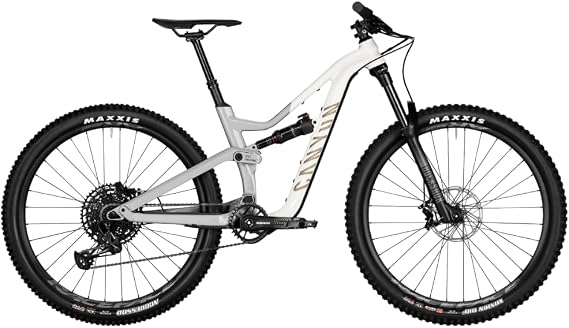
Finding a youth trail bike that strikes a balance between fun and durability can be tough. Designed for young riders eager to improve on varied terrain, this bike shines best through its solid build and capable suspension system that handles everything from smooth paths to rugged trails.
Setting up involves minimal fuss thanks to an adjustable seat that adapts as the rider grows. Daily rides feel stable and controlled because of the dual suspension offering 140mm travel front and rear.
Shifting through 12 speeds with the SRAM SX Eagle drivetrain helps tackle steep climbs and fast descents without struggle. Disc brakes provide reliable stopping power on any trail.
It performs well on technical courses thanks to its durable alloy frame, which takes knocks without weighing down the bike. The RockShox Recon fork and Deluxe Select+ shock keep the ride comfortable and responsive.
Praise mostly focuses on the bike’s smooth handling and sturdy feel, while its weight might be noticeable for very young or smaller riders.
The strongest praise focuses on the smooth and responsive suspension system paired with a tough alloy frame that handles rough trails well. The most common downside mentioned is the bike’s weight, which can make it harder for very small or light young riders to maneuver comfortably.
Young riders who need a durable, trail-ready bike with versatile gearing will find this model fits their needs. Those looking for something lighter or for very young children might want to consider alternatives better suited for smaller or less experienced riders.
Pros
- Adjustable seat grows with the rider
- Smooth 140mm front and rear suspension
- Wide 12-speed gear range for varied terrain
- Dual disc brakes offer strong stopping power
Cons
- Frame weight noticeable for smaller kids
- Not ideal for very lightweight riders
| Specification | Details |
|---|---|
| Bike Type | Mountain Bike |
| Number Of Speeds | 12 |
| Suspension Type | Dual |
| Brake Style | Disc |
| Specific Uses For Product | Jumping, Trail |
| Intended Riding Terrain | Mountain Terrain, Unpaved Trails |
7. Mongoose Flatrock

26-inch wheels and a lightweight aluminum frame make this mountain bike great for riders between 5’4 and 6’2 who want something sturdy yet easy to handle on rough trails. Its biggest strength lies in tackling uneven terrain with confidence thanks to its front suspension fork.
Getting started is simple thanks to the twist grip shifter that controls 7 speeds, letting you adapt quickly to changes in trail difficulty. The V-brake system offers reliable stopping power on descents, and the knobby tires provide good grip whether you’re in loose dirt or a rockier path.
It rides smoothly on unpaved trails and is built tough enough for regular mountain terrain exploration.
Performance here means soaking up bumps with the front suspension while delivering reliable traction from durable tires. The frame handles well over rough ground without feeling too heavy, keeping the ride controlled.
Most appreciate its dependable build and comfortable handling, while some note the brakes could feel a bit less responsive in wet conditions.
The bike’s front suspension and durable tires provide a smooth, controlled ride over uneven terrain, praised for handling well off-road. A common complaint is that the V-brake system can feel weak when wet, which could impact stopping power in rainy or muddy conditions.
Those who want a reliable, straightforward mountain bike for trail riding at an intermediate skill level will find this a solid choice. Riders needing more advanced brakes or who are beginners might want to consider other options better suited for those specific needs.
Pros
- Lightweight aluminum mountain frame
- Knobby tires for strong traction
- 7-speed twist grip shifter for easy gear changes
- Front suspension fork absorbs bumps well
Cons
- V brakes less effective in wet conditions
- Limited to intermediate skill level riders
| Specification | Details |
|---|---|
| Bike Type | Mountain Bike |
| Number Of Speeds | 7 |
| Suspension Type | Front |
| Brake Style | V Brake |
| Intended Riding Terrain | Mountain Terrain, Unpaved Trails |
8. RockBros 29 Inch Mountain Bike

People who enjoy cross-country mountain biking and want reliable control on varied terrain will appreciate this RockBros 29 Inch Mountain Bike. Its biggest strength lies in the front suspension’s balance of comfort and control during rough rides.
Setting up the air fork to match rider weight is straightforward, while the crown-mounted lockout helps on climbs and smooth paths by reducing fork movement. Daily rides benefit from the 1×12 Shimano Deore M6100 shifter setup, which simplifies gear choices without sacrificing range, making shifts quick and precise.
Performance on trails is solid thanks to the 140mm travel air fork that soaks up roots and rocks effectively. The durable frame and dual disc brakes give confidence on descents. Reviews often mention smooth gear shifting as a highlight, though some users note the bike’s weight could be lighter for racing.
Smooth shifting with the Shimano Deore M6100 1×12 setup is praised for ease of use during rides. The air fork’s ability to calm trail chatter makes it comfortable, though some find the suspension lockout less forgiving on long climbs. The bike holds up well under mountain terrain stress but isn’t the lightest option.
Riders seeking a straightforward, sturdy mountain bike with good suspension will be happy here. Those chasing ultra-light race bikes or who need ultra-responsive lockout for extended climbs might prefer another model.
Pros
- Adjustable air fork for comfort and control
- Simple 1×12 Shimano shifting system
- Effective dual disc brakes for safety
- Adjustable seat and handlebars for better fit
Cons
- Heavier than some race-oriented mountain bikes
- Suspension lockout might feel stiff on long climbs
| Specification | Details |
|---|---|
| Bike Type | Mountain Bike |
| Number Of Speeds | 12 |
| Suspension Type | Front |
| Brake Style | Disc |
| Additional Features | Adjustable Handlebars, Adjustable Seat, Dual Disc Brake, Durable, Multi-Speed |
9. Canyon Spectral 29 CF 8

Ready for rough mountain terrain, this bike suits aggressive trail riders who want both power and control. Its long-travel carbon frame combined with 29” wheels offers notable precision and confidence when tackling difficult paths.
Setting up the bike is straightforward with an adjustable seat and dual suspension that adapts to diverse terrain. The Shimano Deore XT 12-speed drivetrain allows shifting through a wide gear range smoothly. Disc brakes on both wheels offer firm stopping power, which feels reliable day to day on technical trails and jumps.
The frame strikes a fine balance of being lightweight yet stiff, giving a responsive feel on climbs without sacrificing comfort on descents. FOX’s high-end suspension components provide plush damping for controlled landings and rough sections.
One frequent compliment highlights the bike’s handling accuracy, while some find it a bit heavy for the most intense cross-country racing.
Many praise the ride’s responsive feel for its frame stiffness and precise handling on twisty trails, supported by premium FOX suspension that smooths descents. On the downside, some find the bike heavier than other race-focused mountain bikes, potentially affecting aggressive sprinting or long climbs.
Riders prioritizing control and suspension comfort on rugged terrain will appreciate this bike, while those focused on lightweight race setups might look elsewhere for something more minimalist and fast pedaling. Trail enthusiasts seeking versatility will enjoy what it offers.
Pros
- Carbon frame balances stiffness and compliance well
- Wide gear range suits steep climbs and fast descents
- High-quality FOX suspension components front and rear
- Adjustable seat and durable build for technical trails
Cons
- Weight heavier than typical cross-country race bikes
- Softer suspension may reduce pedaling efficiency
| Specification | Details |
|---|---|
| Bike Type | Mountain Bike |
| Number Of Speeds | 12 |
| Suspension Type | Dual |
| Brake Style | Disc |
| Intended Riding Terrain | Mountain Terrain |
10. Hiland 21-Speed Mountain Bike

Hiland 21-Speed Mountain Bike is designed for riders who want a lightweight and responsive cross country race bike. Its standout feature is the aluminum alloy frame, making climbs feel easier without struggling with heavy weight. Perfect for beginners looking for a solid, reliable bike to tackle mountain terrain.
Setup is straightforward, with an adjustable seat to find the right fit before hitting the trail. The 21-speed trigger shifters offer smooth gear changes that handle inclines well.
Dual mechanical disc brakes deliver reliable stopping power no matter the weather, making daily rides and rough descents more manageable.
It handles trail climbs with ease and offers good control on descents thanks to the front suspension. The frame feels sturdy yet light, contributing to overall ease of ride.
Praise often goes to its brake strength and lightweight design, while some users have pointed out the front suspension is basic and could be stiffer.
Strong points from reviews highlight the bike’s reliable dual disc brakes and its lightweight frame making hills less of a challenge. The most frequent critique is that the front suspension might not absorb very rough terrain well, which could impact comfort in more demanding cross country courses.
Those new to mountain biking or needing a dependable entry-level cross country bike will be satisfied. Riders looking for high-end suspension or a bike for highly technical courses may want to look elsewhere for more advanced options.
Pros
- Ultra-light aluminum alloy frame
- Dual mechanical disc brakes for strong stopping
- Adjustable seat for custom fit
- 21-speed drivetrain handles varied terrain
Cons
- Basic front suspension can feel soft on rough trails
- Best suited for beginners, may lack features for advanced riders
| Specification | Details |
|---|---|
| Number Of Speeds | 21 |
| Suspension Type | Front |
| Brake Style | Disc |
| Bicycle Gear Shifter Type | Trigger |
| Bicycle Drivetrain Type | chain drive |
11. Continental Race King Mountain Bike Tire

Rolling over miles of trail, the Continental Race King tire feels responsive and light, perfect for anyone focused on cross-country racing. It stands out for being extremely efficient, helping you cut through terrain with minimal effort due to its low rolling resistance and low weight.
Mounting on standard 29-inch mountain bike rims is straightforward since it’s a wire bead clincher that requires an inner tube. With a recommended pressure range of 26-65 PSI, adjusting for different trail conditions is easy. The tire is approved for e-bikes up to 25 km/h, so it works well for pedal-assist models as well as traditional cross-country bikes.
Handling is precise, and it keeps good traction while staying quick on the pedals. Built with competition-level performance in mind, it is light at just 0.25 kg and offers good damping to smooth out rougher sections. Some riders note that the wire bead design adds weight compared to tubular tires, but the tire’s efficiency balances that out for racing and marathons.
Racers appreciate the tire’s efficiency and low rolling resistance which help keep speeds up during long cross-country races. The most common drawback found is the added weight and complexity from the wire bead design, which some see as a trade-off compared to tubeless setups.
Those focusing on quick, competitive cross-country riding with standard or pedal-assist bikes will like its balance of weight and traction. Riders wanting tubeless convenience or lighter tubular tires might want to explore other options.
Pros
- Very low rolling resistance for speed
- Compatible with e-bikes up to 25 km/h
- Lightweight design at 0.25 kg
- Good self-damping on rough trails
Cons
- Wire bead adds extra weight to the wheel
- Requires inner tube, not tubeless ready
| Specification | Details |
|---|---|
| Size | 29×2.00 (ETRTO 50-622) |
| Weight | 0.25 kg |
| Pressure Range | 26-65 PSI |
| Bead Type | Wire Bead Clincher |
| E-Bike Approved | Up to 25 km/h (E25) |
12. Schwinn High Timber Mountain Bike

Lightweight and suited for riders between 5’3 and 5’8, this mountain bike is perfect for trail rides and neighborhood cruising. Its biggest strength is the easy gear shifting paired with a solid aluminum frame, making it reliable for cross country rides that don’t require advanced suspension or high-end components.
Setup is straightforward, with a quick-release seat for easy adjustments on the go. The 21-speed system uses twist shifters, so changing gears feels smooth and intuitive, even on bumpy terrain.
The front suspension helps absorb minor trail bumps, while the wide, knobby tires provide stable traction in various conditions.
Performance-wise, it handles mountain terrain well for a beginner bike thanks to its balance of lightweight alloy wheels and durable frame. Most praise comes for its smooth shifting and solid brakes, while some mention the front suspension is limited for very rough trails.
Maintenance remains low due to the alloy crank design.
Many appreciate the smooth gear shifts and solid disc brakes, which help keep the bike reliable and safe on trails. The most frequent downside is the front suspension, which does not fully handle more aggressive terrain, limiting its appeal to beginner trail riders.
Riders between 5’3″ and 5’8″ looking for a straightforward, low-maintenance mountain bike will find this a good fit. Those needing heavier suspension or a larger frame should consider other options.
Pros
- Lightweight aluminum frame
- 21-speed easy twist shifters
- Wide knobby tires for all terrains
- Quick release adjustable seat
Cons
- Front suspension not ideal for very rough trails
- Frame fits a specific height range only
| Specification | Details |
|---|---|
| Bike Type | Mountain Bike |
| Number Of Speeds | 21 |
| Frame Size | 16.5 inch aluminum |
| Suspension Type | Front |
| Brake Style | Disc |
| Bicycle Gear Shifter Type | Twist Grip |
Best Cross Country Race Mountain Bikes Compared
| Product | Suspension Type | Number Of Speeds | Brake Style | Specific Uses For Product |
|---|---|---|---|---|
| Canyon Spectral CF 8 | Dual | 12 | Disc | Jumping, Trail |
| Canyon Stoic 4 | Front | 12 | Disc | Jumping, Trail |
| Savadeck Titan 612 | Dual | 12 | Disc | – |
| Women’s 27.5″ XC Bike | Dual | 1 | Caliper | – |
| Shimano PD-M8100 Pedal | – | – | – | – |
| Canyon Young Hero | Dual | 12 | Disc | Jumping, Trail |
| Mongoose Flatrock | Front | 7 | V Brake | Trail |
| RockBros 29 MTB | Front | 12 | Disc | – |
| Canyon Spectral 29 CF 8 | Dual | 12 | Disc | Jumping, Trail |
| Hiland 21-Speed MTB | Front | 21 | Disc | – |
| Continental Race King Tire | – | – | – | Cross-Country, Marathons |
| Schwinn High Timber | Front | 21 | Disc | Trail |
- Suspension TypeDual
- Number Of Speeds12
- Brake StyleDisc
- Specific Uses For ProductJumping, Trail
- Suspension TypeFront
- Number Of Speeds12
- Brake StyleDisc
- Specific Uses For ProductJumping, Trail
- Suspension TypeDual
- Number Of Speeds12
- Brake StyleDisc
- Specific Uses For Product–
- Suspension TypeDual
- Number Of Speeds1
- Brake StyleCaliper
- Specific Uses For Product–
- Suspension Type–
- Number Of Speeds–
- Brake Style–
- Specific Uses For Product–
- Suspension TypeDual
- Number Of Speeds12
- Brake StyleDisc
- Specific Uses For ProductJumping, Trail
- Suspension TypeFront
- Number Of Speeds7
- Brake StyleV Brake
- Specific Uses For ProductTrail
- Suspension TypeFront
- Number Of Speeds12
- Brake StyleDisc
- Specific Uses For Product–
- Suspension TypeDual
- Number Of Speeds12
- Brake StyleDisc
- Specific Uses For ProductJumping, Trail
- Suspension TypeFront
- Number Of Speeds21
- Brake StyleDisc
- Specific Uses For Product–
- Suspension Type–
- Number Of Speeds–
- Brake Style–
- Specific Uses For ProductCross-Country, Marathons
- Suspension TypeFront
- Number Of Speeds21
- Brake StyleDisc
- Specific Uses For ProductTrail
How to Choose the Best Cross Country Mountain Bike
Focus on the bike’s weight, suspension, and tire type, as these directly impact speed and control on varied terrain. Choosing the right combination ensures better performance and durability, helping to avoid costly upgrades or frequent repairs down the line.
Frame and Suspension
Mountain bikes designed for off-road endurance often show clear differences in how the frame material affects riding experience. Bikes with carbon fiber frames tend to be lighter, which helps on climbs and quick accelerations, but they require careful handling due to potential fragility in crashes.
Aluminum frames offer a good balance, providing durability and slightly more weight, which some riders find more confidence-inspiring on rough trails.
Suspension travel around 100mm supports efficient pedaling and control without sacrificing speed, unlike heavier travel setups which can sap energy. Hardtails or full suspension with short travel work best for maintaining a smooth ride over varied terrain.
The frame’s geometry should lean toward a steep seat tube angle and slack head angle, enabling sharp climbing and responsive handling downhill. This mix makes long rides less tiring and keeps control tighter on technical descents.
Weight and Efficiency
A bike’s total weight impacts speed directly, especially on long climbs. Lighter machines reduce fatigue, allowing sustained efforts throughout a race.
However, chasing ultra-light parts can backfire if they compromise durability in rocky or muddy trails. Components like cranksets and pedals focused on efficient power transfer prevent energy loss during pedaling, a stiff bottom bracket and direct mount crank help here.
Practical riders balance light wheels and frames with tough materials in contact points prone to impact. Staying near 24-26 pounds offers a solid tradeoff.
Lightweight doesn’t always mean less durable, but some very light parts wear quickly. Recognizing this helps avoid breakdowns mid-course and keeps pedaling efficient across varied trail sections.
Drivetrain and Gearing
Bikes with wide-ranging gears from a 10 to 50-tooth cassette cover steep climbs and fast flats without overburdening the legs. Reliable and precise gear shifting prevents lost time and frustration during races. Mechanical or electronic shift systems that maintain tension well often handle mud and dust better, keeping gear changes crisp under pressure.
Using commonly available drivetrain parts eases maintenance between rides and repairs during events. A 1×11 or 1×12 setup simplifies the drivetrain by reducing chain drops and adjusting needs.
Regular cleaning and lubrication ensure smooth operation, essential for avoiding unexpected failures on varied terrain.
Tire Selection and Wheelset
Tires between 2.1 and 2.3 inches wide with knobs designed for grip yet low rolling resistance strike the right balance on many courses. Tires leaning toward tighter tread help maintain speed on hard-packed surfaces but still offer enough bite on loose dirt. Tubeless setups reduce pinch flats and allow running lower pressure for better traction without added weight.
Wheels combining lightweight rims with sturdy hubs and spokes resist impacts without slowing acceleration. Double-wall rims and quality spokes improve durability during rough rides.
Quick tubeless repairs are possible with a minimal toolkit and rim strips that don’t lose seal easily, ensuring limited downtime during races.
Fit and Rider Comfort
Proper sizing means more than just fitting height; getting the right frame size ensures maximal power output and control. A size too large or small throws pedaling efficiency off and can cause discomfort on long rides. Adjustable handlebars and seatposts allow fine-tuning reach and ride posture, adapting the bike to different terrain or rider preferences.
Saddles that support a forward racing posture without pressure points help maintain power over long distances. Comfort here does not mean plush padding but adequate support so the rider stays efficient and avoids soreness that impacts race performance. Adjustments to setback and angle optimize this balance.
Optimizing Your Riding Technique for Cross Country Mountain Bike Races
Maintaining a steady cadence is crucial when racing on cross country mountain bikes. It helps prevent early fatigue and keeps energy reserves for technical sections.
Shifting gears smoothly before climbing or accelerating rather than during gives better control and preserves momentum. Body positioning affects traction and balance; leaning slightly forward while keeping the elbows bent absorbs shocks and improves handling on rough terrain. On descents, standing up off the saddle lets the bike move freely beneath you, helping you get past obstacles without losing speed.
Cornering requires focus on the outside pedal being down and pressure applied evenly, which keeps the tires gripping the dirt. Practicing these techniques on varied trails builds confidence and efficiency, which are key for race day performance.
Essential Maintenance Tips to Keep Your Cross Country Race Bike in Top Condition
Regularly checking tire pressure is fundamental to avoid flats and maintain optimum traction on different trail conditions. Rough terrain calls for lower pressure to improve grip, while harder surfaces benefit from firmer tires to reduce rolling resistance. Cleaning the drivetrain after rides removes dirt and grit that accelerate wear on chain, cassette, and chainrings.
Lubricating the chain properly with the correct type of lube prevents rust and keeps shifting smooth. Brake pads should be inspected for wear often; replacing them before they become too thin helps maintain stopping power and safety.
Don’t overlook the suspension system, checking seals for leaks and adjusting settings based on trail type improves comfort and control. Consistent maintenance keeps the bike responsive and prevents costly repairs.
Comparing Cross Country Race Bikes with Trail and Downhill Models
Cross country race bikes differ from trail and downhill models primarily in weight and geometry. Cross country bikes are lighter, assisting in climbing and accelerating quickly over long distances. Their frames typically have a more aggressive stance with a higher bottom bracket for faster cornering but less suspension travel compared to trail bikes.
Trail bikes offer a balance between climbing efficiency and descending capability, featuring more suspension travel and a slacker head angle suited for rougher terrain. Downhill bikes prioritize stability and durability with very long suspension travel and reinforced frames, sacrificing weight and pedaling efficiency.
Riders choosing between these models should consider the type of terrain and race format; cross country bikes excel on smoother, rolling trails where speed and agility matter most.
People Also Asked
How Do I Choose the Right Size Cross Country Race Mountain Bike?
The right size cross country race mountain bike is one that fits your height and leg length well. Frame size charts from manufacturers are a good starting point, but visiting a bike shop for a test ride helps ensure comfort and control.
What Are Common Maintenance Tips for a Cross Country Race Mountain Bike?
Keep your cross country race mountain bike clean, especially the drivetrain and suspension parts. Regularly check tire pressure and brake function; these steps prevent wear and avoid mechanical issues during races.
How Long Should a Cross Country Race Mountain Bike Last with Regular Use?
A cross country race mountain bike can last several years with regular use if maintained properly. Components like chains and brake pads will wear out more quickly and may need replacement every season to keep the bike performing well.
What Safety Gear Is Essential for Cross Country Race Mountain Biking?
A certified helmet is essential to protect your head in case of falls. Gloves improve grip and protect your hands while padded shorts reduce saddle discomfort on longer rides.
Are There Compatibility Issues with Parts on Cross Country Race Mountain Bikes?
Compatibility can be an issue, particularly with drivetrains and suspension forks. Sticking to parts from the same manufacturer or checking specifications closely helps avoid mismatched gear that might not work properly together.
Conclusion
Choosing a cross country race mountain bike mostly comes down to weight, suspension, and the fit for your body. A lighter frame helps on climbs and accelerations.
Suspension should be firm enough to handle rough trails but not waste energy. Getting the right frame size ensures comfort and control during long rides.
Consider how often you’ll ride and the type of trails you have access to before making a choice. Your budget will also guide which features matter most. Take a look at the comparison table and detailed reviews above to find the bike that suits your needs and conditions best.