
Top 12 Best Electric Balance Bike Reviews & Buying Guide
Finding the best electric balance bike can be a challenge for parents who want a smooth and safe ride for their young kids. Many cheaper models either have weak frames that wobble under a child’s weight or batteries that die quickly, leaving little chance for consistent use. A poorly chosen balance bike might also be too heavy or difficult for a toddler to handle, turning practice sessions into frustrating experiences instead of fun learning moments.
What really matters in an electric balance bike is the balance between size, power, and safety features. Bikes with adjustable seat heights around 12 to 16 inches accommodate growing children and ensure proper leg reach.
Battery capacity typically ranges from 6 to 12 volts, which determines how long the bike can run between charges. Lightweight frames made of aluminum or sturdy plastic keep the bike manageable, while reliable brakes and wide tires help maintain control on different surfaces. Easy-to-clean designs also save effort since these bikes often get dirty from outdoor use.
Need a Quick Check?
| Image | Product | Price |
|---|---|---|
Our Top Picks 1  | RFN Kids Balance 12 | Check Price |
Our Top Picks 2 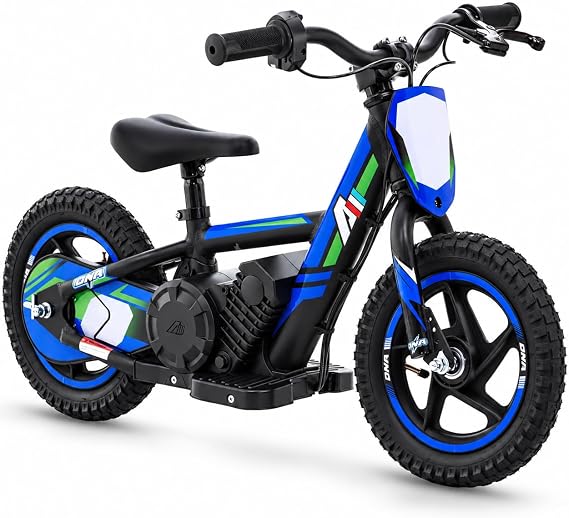 | Lightweight Kids Dirt Bike | Check Price |
Our Top Picks 3  | Toddler Electric Balance 12 | Check Price |
Our Selected Top 12 Electric Balance Bike for Every Budget
This list covers a range of electric balance bikes designed for different ages and skill levels. Each review explains how the bike handles, highlights its strengths and weaknesses, and points out which type of rider it suits best.
1. RFN Kids Electric Balance Bike 12
Lightweight metal frame and ergonomic design make this electric balance bike fit small riders aged 3 to 6. It suits young children gaining confidence in riding with two safe speed options and easy controls built specifically for beginners. Its main strength lies in balancing a manageable motor power with solid safety features.
Setting up is straightforward, thanks to adjustable handlebars and seat height for growing kids. The self-locking power switch and LED battery display on the handlebar simplify daily use, allowing quick speed changes between 6 km/h and 13 km/h. The motor’s waterproof rating means little worry about light rain or puddles during outdoor play.
The 170W mid-drive motor handles varied unpaved paths well without overwhelming small riders. A reliable rear drum brake offers good stopping power.
The lightweight 10kg frame helps children manage the bike easily. Reports say the bike runs smoothly, though some found the seat adjustment limited in range.
The motor delivers lively assistance while staying manageable for young children. The waterproofing means rides continue through wet conditions without damage. The rear drum brake gives dependable stopping power. Some notice the seat height adjustment does not cover all height needs, requiring caution on fit as kids grow.
Children between 90 and 110 cm tall will find the bike comfortable and responsive. The two-speed options support learning to ride safely on different terrains. Those needing longer battery life or higher speed may need a bike with stronger motor and battery options.
Pros
- Effective two-speed switch for controlled riding
- Waterproof motor protects against splashes
- Adjustable seat and handlebars fit growing kids
- Strong rear drum brake ensures safe stops
Cons
- Limited seat height adjustment range
- Battery range may fall short for longer outings
| Specification | Details |
|---|---|
| Motor Type | 24V brushed mid-drive |
| Motor Power | 170W peak power |
| Battery | 24V 2.6Ah lithium, 12km range |
| Brake Style | Rear drum brake |
| Weight | 10kg |
| Seat Height | Adjustable 380-410mm |
2. Lightweight Electric Dirt Bike for Kids
Lightweight Electric Dirt Bike for Kids stands out thanks to its very light frame and adjustable speeds, making it perfect for young riders aged 2 to 5 who want to try off-road riding. It combines balance bike simplicity with electric power, helping kids develop balance while giving them a fun, controlled speed boost.
Daily use involves quick setup thanks to its detachable battery that charges fully within 1.5 to 2 hours. The bike has two speed settings: 5 mph for beginners and 10 mph for more confident riders.
The adjustable seat grows with your child, and the twist throttle makes it easy to control speed precisely. The included LED display helps keep track of battery life during rides.
Performance matches its lightweight build with a 24V 150W brushless motor that offers smooth power delivery. The aluminum alloy frame feels sturdy but stays light at 23.2 pounds, making it easy to carry and maneuver. Reviews highlight good traction thanks to 12-inch inflatable tires absorbing shocks well, though some note the rear drum brake can feel stiff for small hands.
Strong points include its light weight combined with decent power and two speed options, making it suitable for beginner riders developing balance. The inflatable tires provide good grip on various surfaces, but the break lever stiffness is a common issue, especially for younger kids with weaker grip strength.
Suitable for toddlers and preschoolers ready for an intro to electric riding with some off-road use. Parents seeking something lightweight that grows with their child will appreciate this bike. More experienced kids or those needing longer battery life might find higher-powered or bigger models better suited.
Pros
- Lightweight frame easy to handle and carry
- Adjustable seat grows with child
- Two speed modes for skill progression
- Quick charging detachable battery
Cons
- Brake lever can be hard for small hands
- Battery runtime limited to 40-60 minutes
| Specification | Details |
|---|---|
| Weight | 23.2 pounds |
| Motor Power | 24V 150W brushless motor |
| Battery | 24V 2.6AH lithium-ion, 1.5-2 hour charge |
| Speed Settings | 5 mph beginner, 10 mph advanced |
| Tire Size | 12-inch inflatable rubber composite |
| Recommended Age | 3 years and up |
3. Electric Balance Bike for Toddlers 12
Electric Balance Bike for Toddlers 12 offers three speed settings to match your child’s developing skills and a solid 150W motor for good power on different surfaces. Suitable for toddlers aged 3 to 7 who want an introduction to electric riding, it stands out for adjustable speed and safety features like protective pads included.
Setting up the bike involves adjusting the seat height from 15.3 to 17.7 inches, which fits growing kids comfortably. The bike weighs 14.7 pounds, making it manageable for children to handle.
Its pneumatic 12-inch tires carry kids smoothly over grass, gravel, and pavement, while the trigger gear shifter lets you pick the best speed: 4, 8, or 11 mph. The e-brake is straightforward to use and adds control.
Performance matches expectations for a beginner electric bike with a maximum speed of 11 mph that unlocks separately to avoid quick starts. The battery supports rides between 45 and 90 minutes, useful for outdoor sessions. The frame is light but sturdy, designed for off-road use.
A common complaint mentions the limited suspension, which means bumps can feel sharper, but the vibrant wheel lights improve visibility, adding a safety bonus for evening rides.
The bike’s multi-speed design and included safety pads bring confidence to young riders, while the pneumatic tires handle varied terrain well. The most frequent downside is the lack of suspension, which translates into a bumpier ride on uneven surfaces. The electric brake is effective but requires learning for smooth stops.
Children between 3 and 7 who are ready to try an electric bike with speed control will find this bike fitting. It suits families wanting an easy-to-handle, off-road capable balance bike with basic protective gear. Those needing more comfort on rough trails might prefer models with suspension systems.
Pros
- Three speed options for gradual skill improvement
- Lightweight design easy for kids to manage
- Bright light-up wheel hubs for low light safety
- Includes knee, wrist, and elbow pads for protection
Cons
- Rigid suspension makes rough rides less comfortable
- Unlocking top speed requires extra step
| Specification | Details |
|---|---|
| Number of Speeds | 3 (4/8/11 MPH) |
| Motor Power | 150 watts |
| Wheel Size | 12-inch pneumatic tires |
| Seat Height | 15.3–17.7 inches adjustable |
| Weight | 14.7 lbs |
| Battery Life | 45 to 90 minutes continuous riding |
4. STACYC 12eDRIVE Electric Balance Bike

Learning to balance and ride without training wheels can be tricky for young kids. A bike that grows with a child’s skills while offering safety and control suits toddlers aged 3 to 5 well. The STACYC 12eDRIVE Electric Balance Bike stands out by letting kids start off pushing like a regular balance bike and then switch to powered mode as they gain confidence.
Setting up involves charging the removable lithium-ion battery, which takes about 30 to 60 minutes. The bike weighs 17 pounds, making it light enough for small children to handle but sturdy due to its aluminum frame. Speed modes are easily controlled with a twist grip, allowing gradual power increases from low training to higher speeds.
The bike’s drum brake offers simple stopping, and the adjustable strap keeps the child secure.
Speed levels and easing into powered riding help kids develop balance steadily. The rigid suspension and BMX-style fork contribute to durability on paved roads and trails.
Solid battery life of up to an hour supports longer play sessions, though some find the 17-pound weight a bit heavy to carry around. The bike’s power modes and frame design get praised for aiding learning, while the weight is the most mentioned drawback.
The gradual power progression with three speed levels lets kids start pushing before activating electric assist, easing the learning curve. Up to 60 minutes of battery life means longer rides without worrying about charging often. Some find the bike’s weight on the heavier side compared to non-electric balance bikes, making it less easy for children to carry or maneuver off-road.
Children aged 3 to 5 who want to learn balance while having the option of electric power will find it fits well. Riders requiring a lighter model or more suspension for rough terrain might want to consider alternatives. This bike works best on paved surfaces and for young beginners gaining confidence in their riding skills.
Pros
- Three adjustable speed modes for skill progression
- Lightweight aluminum frame and durable design
- Battery charges in 30-60 minutes for fast turnaround
- Removable battery with quick disconnect feature
Cons
- Weight of 17 pounds can be heavy for small kids
- No suspension besides rigid frame and fork
| Specification | Details |
|---|---|
| Bike Type | Balance Bike |
| Number Of Speeds | 3 |
| Battery Life | 1 hours |
| Brake Style | Drum |
| Frame | Aluminum TIG welded |
5. Electric Balance Bike for Kids with Handbrake

Easy speed adjustment between 5 and 8 mph suits kids aged 3-5 learning balance. The 120W motor helps children move confidently without pushing too hard, combining fun and skill-building in one package.
Setup requires following clear instructions, which keeps assembly simple. The adjustable seat grows with the child, reducing the need for frequent replacements. The removable lithium battery lasts 40-60 minutes per charge and shows its level on a display, making it easy to plan rides.
Inflatable 12-inch tires handle various surfaces well, and the handbrake offers real control for a young rider learning to stop.
The aluminum frame feels solid yet light at 22 pounds, making it easy to carry or load. Power delivery is smooth with the twist throttle, and the fully enclosed chain drive limits any safety concerns around moving parts.
The biggest benefit seen is how well the bike balances indoor and off-road use. One less positive point is the short 3-month warranty, which may be a concern for some.
Easy control through the twist throttle and handbrake earns praise for safe riding. Most comments point out the short warranty as a downside, advising caution for anyone seeking long-term reliability. The lightweight frame and good traction stand out in daily use, balancing simplicity and safety for young riders.
Best suited for parents who want an electric balance bike that adapts as their child grows and delivers reliable control on different terrains. Those looking for longer warranty coverage or extended battery life might want to consider other options. The size and speed limits make it ideal for beginners aged 3 to 5.
Pros
- Two speed modes for beginner and advanced riders
- Simple assembly with clear instructions
- Adjustable seat that grows with the child
- Strong grip and shock absorption tires
Cons
- Short 3-month warranty period
- Ride time may require frequent recharging
| Specification | Details |
|---|---|
| Motor Power | 120W |
| Battery Life | 40-60 minutes |
| Tire Size | 12 inches |
| Weight | 22 pounds |
| Frame Material | Aluminum alloy |
| Age Range | 3-5 years |
6. Gyroor S1 Electric Balance Bike

Parents wanting to help toddlers learn balance with some electric assistance will find this bike useful. It suits kids who can handle simple speed options and need a sturdy, safe ride on paved surfaces.
The biggest strength lies in the 200W motor with three speed settings that let children progress at their own pace.
Setup takes about 15 minutes and includes attaching the handlebars and front wheel with basic tools. The bike arrives mostly assembled, which makes the initial experience less stressful. The rechargeable 24V battery powers up to an hour of outdoor riding, and the thumb throttle allows smooth acceleration.
Pneumatic tires offer better shock absorption during park rides compared to solid wheels.
The bike handles well for toddlers learning to balance and ride on sidewalks. Its carbon steel frame feels durable, and the drum brake gives steady stopping control.
One frequent complaint concerns the limited maximum speed of 10 MPH, which might feel slow for older kids ready to move faster. The motor and build quality meet safety standards, which reassures during daily use.
Strong points include reliable braking and a smooth throttle feel that eases toddlers into electric riding. The biggest drawback is the limited speed range, which may not satisfy kids as they outgrow beginner stages. The solid metal frame contributes to a reassuring ride, especially on urban paths and sidewalks.
Those looking for a safe, straightforward transition from a balance bike to motor-assisted riding will appreciate this model. Riders expecting higher speeds or adjustable seating might want to explore other options designed for rapid growth or more aggressive riding styles.
Pros
- Three selectable speeds accommodate skill levels
- Air-filled tires improve shock absorption
- UL2272 certified electrical system for safety
- LED taillight adds visibility during dusk rides
Cons
- Top speed may be too low for older toddlers
- Seat height is fixed, limiting growth adaptability
| Specification | Details |
|---|---|
| Motor Power | 200W rear hub motor |
| Speed Modes | 3 (6 MPH, 8 MPH, 10 MPH) |
| Tire Type | 12-inch pneumatic tires |
| Brake Style | Rear drum brake |
| Battery | 24V 2.5Ah lithium battery |
| Weight Capacity | Up to 77 lb |
7. K2 Electric Balance Bike 12

Designed for kids aged 3 to 8, this electric balance bike stands out for combining a beginner-friendly electric motor with features that keep safety and comfort in check. Its key strength lies in adjustable speeds and seat height, making it suitable for children just learning to ride and those gaining confidence with a bit of motorized help.
Setting it up takes about 10 minutes thanks to straightforward instructions. The bike weighs only 18 pounds, which makes it easy to carry or load into a car for trips.
Daily use feels safe thanks to adjustable seat heights from 14.5 to 18.5 inches and an anti-slip handlebar grip. The two-speed button lets kids start slow at 3.6 mph or boost up to 7.3 mph. Pneumatic tires handle paved or unpaved paths well, and front suspension softens bumps in uneven areas.
Powered by a 150W motor and a 24V 2AH battery, the bike reaches up to 7.3 mph with a run time that covers around 6 miles per full charge. The disc brake system responds reliably with a long press to stop the bike safely. Its 12-inch tires and front suspension improve stability and comfort.
Praise often highlights its smooth ride and adjustable fit, while common complaints involve battery life feeling limited for longer play sessions.
Smooth ride comfort and adjustable features are appreciated in everyday use. The battery does not last beyond 6 miles, which can restrict longer outings without a recharge. Assembly is quick, and operation straightforward, making it accessible for parents and children.
Best for young beginners within the recommended age and size range who benefit from adjustable speed and seat height. Older or more experienced riders seeking higher speeds or longer battery life should consider other models tailored to extended use or faster performance.
Pros
- Adjustable two-speed setting for gradual learning
- Front suspension softens impacts on rough surfaces
- Lightweight at 18 pounds for easy carrying
- Pneumatic tires handle multiple terrains well
Cons
- Battery range limited to about 6 miles per charge
- Speed tops out at 7.3 mph, may feel slow for older kids
| Specification | Details |
|---|---|
| Motor Power | 150W |
| Battery | 24V 2AH Lithium |
| Max Speed | 7.3 mph |
| Seat Height Range | 14.5″ to 18.5″ |
| Tire Size | 12-inch Pneumatic |
| Brake Type | Disc Brake |
8. RFN 16 Kids Electric Dirt Bike

RFN 16 Kids Electric Dirt Bike suits young riders aged 4 to 8 who want an introduction to electric dirt biking. Its biggest strength lies in offering adjustable speeds that help kids grow their skills gradually while keeping control safe and manageable.
Setting up starts with charging the removable 24V 5.2Ah lithium battery for about 5 hours. The lightweight 24.3 lb frame and adjustable seat height between 17.3 and 18.5 inches make it a good fit for children between 39 and 47 inches tall.
Using the speed selector allows smooth rides at 3.7, 8.1, or 11.8 mph, great for different skill levels and various surfaces like packed dirt and grass.
Designed with a 250W rated mid-drive motor, it delivers steady acceleration without sudden jolts. The mix of 16 x 2.4-inch pneumatic tires and a rigid steel fork handles unpaved trails well. Strong points include easy battery removal and three speed options.
Some find the top speed a bit limited, and the rigid suspension doesn’t soak up bumps as softly as some expect.
The three-speed control is praised for keeping kids safe and confident as they improve. Battery removal is straightforward, allowing easy charging. Some riders find the maximum speed underwhelming and wish for a bit more suspension comfort on bumpy dirt trails.
Kids aged 4 to 8 who are just starting with electric dirt biking find this bike fits well and supports steady progression. Those looking for faster speeds or softer riding on rough terrain may want to look into bikes with stronger suspension and higher power ratings.
Pros
- Three speed settings for gradual learning
- Removable battery charges in about 5 hours
- Lightweight frame fits smaller kids well
- Disc brake with power cutoff adds safety
Cons
- Top speed might feel low for some riders
- Rigid suspension makes rough rides harsher
| Specification | Details |
|---|---|
| Motor Type | 250W rated, 340W peak brushless mid-drive |
| Battery | 24V 5.2Ah removable lithium |
| Top Speeds | 3.7, 8.1, 11.8 mph |
| Seat Height | 17.3-18.5 inches adjustable |
| Weight | 24.3 lbs |
| Brake Type | Rear 140 mm mechanical disc brake with power cutoff |
9. TESORO 2-in-1 Electric Balance Bike 12

Easy to handle with manageable speed settings, this electric balance bike suits kids learning to ride on various surfaces. Its key strength lies in combining manual and electric modes, supporting steady skill progress and confidence for young riders.
Setting up involves adjusting the soft seat between 17 and 20 inches to fit your child’s height comfortably. The twist-grip throttle lets you switch between a gentle 3.7 mph learning pace and a faster 9.3 mph mode.
Pneumatic 12-inch tires and rear suspension soften bumps, ideal for both paved and rough trails. The battery charges in about 1.5 to 2 hours, providing up to an hour of riding time.
Powered by a 150W motor, the bike climbs gentle slopes up to 10° smoothly and matches a child’s weight and speed needs well. The disc brake offers reliable stopping power.
Its lightweight frame helps with balance and steering. Frequent praise focuses on the shock absorption quality, while common complaints mention the auxiliary wheels are sold separately, which some find inconvenient.
Shock absorption from the rear suspension and pneumatic tires stands out as a major plus for outdoor riding comfort. The need to purchase auxiliary wheels separately creates extra cost and effort for those looking for added stability. Battery duration suits short rides but requires frequent recharging for longer outings.
This bike fits families wanting a balance of electric assistance and traditional riding for their child’s beginner experience. Children aiming to ride on mixed surfaces will find its features supportive. Those needing longer battery life or included training wheels may want to explore different options.
Pros
- Rear suspension absorbs shocks on rough terrain
- Electric and manual modes for skill progression
- Adjustable seat accommodates growing children
- Lightweight frame aids maneuverability
Cons
- Auxiliary wheels not included, sold separately
- Battery lasts about 40-60 minutes per charge
| Specification | Details |
|---|---|
| Motor Power | 150W |
| Tyres | 12-inch pneumatic rubber |
| Seat Adjustable Range | 17~20″ |
| Battery | 24V 2.0Ah, up to 1 hour life |
| Speeds | 2 (3.7 mph & 9.3 mph) |
| Brake Style | Disc |
10. 250W Electric Dirt Bike 16 for Kids

Ideal for kids aged 8-12, the 250W Electric Dirt Bike 16 combines decent power and durability for off-road fun. Its adjustable speed settings make it suitable for beginners progressing to faster rides.
The main strength lies in its solid battery life and safety features, providing reliable riding time and a secure experience.
Setting up the bike is relatively quick, thanks to a straightforward assembly process. Charging the battery takes 2-3 hours, providing about an hour of use or 9.3 miles of riding distance.
The three speed options let you dial in a comfortable pace for the rider’s skill level. Removable battery adds convenience and an extra layer of safety since it can be taken out when not in use. The mechanical brake system ensures control during rides, with thick inflatable tires handling various terrains smoothly.
Performance is strong with its 250W brushless motor, handling outdoor paths well without struggle. High-quality aluminum alloy frame and rust-resistant components contribute to long-term durability. A common positive note is its stable ride and easy speed adjustment hidden from children to prevent sudden acceleration.
The most frequent downside mentioned is the overall bike size, which might feel too big or heavy for younger or smaller kids.
Strong points include its dependable battery range delivering up to one hour of fun and the safety-focused hidden speed adjustment that keeps kids from going too fast too soon. Typical complaints revolve around the bike’s size and weight, which could challenge younger or smaller children during longer rides or transport.
Those with kids ready for a solid, mid-size electric bike with good power and safety controls will appreciate this model. It works well for kids comfortable with a moderate-sized bike that supports learning both balance and throttle control. Smaller children or those new to riding might want a lighter, smaller electric balance bike instead.
Pros
- Adjustable speeds with hidden controls
- Durable aluminum alloy frame
- Inflatable tires for smooth rides off-road
- Quick battery charging and good ride time
Cons
- Some riders find the bike heavy for smaller kids
- Seat width may feel narrow for some children
| Specification | Details |
|---|---|
| Motor Power | 250W brushless motor |
| Battery | 24V 5.2AH, removable |
| Top Speed | Up to 15.5 mph, adjustable |
| Charging Time | 2-3 hours |
| Ride Time | Up to 1 hour (9.3 miles) |
| Recommended Age | 8-12 years |
11. STACYC Brushless 16eDRIVE Balance Bike

Aluminum TIG welded and heat-treated construction gives the STACYC Brushless 16eDRIVE Balance Bike a durable and lightweight frame for kids aged 5 to 7 under 75 pounds. Designed with a brushless motor and three speed modes, it suits children ready to transition from non-powered balancing to powered riding without sacrificing safety or control.
Setting up involves attaching the quick disconnect battery, which takes about 30 to 60 minutes to charge and provides 30 to 60 minutes of riding. The twist grip gear shifter is easy for small hands to operate, and the adjustable strap keeps the battery secure during active rides.
Parents can expect simple transitions from pushing to powered motion thanks to intuitive controls and a drum brake system designed for beginner riders on paved roads.
Performance on paved surfaces is consistent with the bike’s 3-speed electric drivetrain. The composite 16 wheels with pneumatic tires provide enough grip and cushioning for outdoor rides.
The motor includes thermal protection to prevent overheating, adding reliability during extended use. Common praise highlights the motor’s smooth power delivery, but some mention the limited runtime as a drawback during longer outings.
The motor delivers smooth and reliable power with safe thermal protection, supporting young riders as they gain confidence in using the brakes and throttle. Battery life limits sessions to under an hour, which may require planning for breaks or quick recharges on longer playdays.
Those with children ready to move beyond a basic balance bike will find the power settings useful for gradual learning. Riders heavier than 75 pounds or aiming to use the bike off paved areas should look for alternatives tailored to those needs and terrains.
Pros
- Durable aluminum frame resists rough handling
- Three power modes suit different skill levels
- Quick disconnect battery for easy charging
- Comfortable pneumatic tires absorb bumps well
Cons
- Battery lasts only 30 to 60 minutes per charge
- Designed mainly for paved roads, not off-road use
| Specification | Details |
|---|---|
| Frame Material | Aluminum TIG welded and heat-treated |
| Motor Type | Brushless Electric |
| Battery Voltage | 20Vmax (18Vnom) Lithium-ion |
| Number of Speeds | 3 |
| Wheel Size | 16″ Composite Pneumatic |
| Brake Style | Drum |
12. STACYC Brushless 20eDRIVE Balance Bike

Electric power stands out immediately on the STACYC Brushless 20eDRIVE Balance Bike, designed for kids around 10 to 12 years old and up to 115 pounds. It suits riders wanting to tackle rougher trails or longer rides thanks to its strong motor and adjustable power settings.
Setting up the bike involves charging its quick-connect battery, which snaps in and out easily. The throttle and trigger shifter let kids control three power modes, helping them gain confidence as they improve. The bike’s aluminum frame and suspension fork handle bumps and uneven surfaces, making daily rides smoother on mountain trails and unpaved paths.
Power delivery matches the bike’s purpose well. The 36-volt brushless motor offers good torque for aggressive terrain. Its full aluminum frame with dual suspension and hydraulic disc brakes gives solid durability and control.
A frequent comment praises the reliable stopping power, although some find the 30-60 minute run-time varies greatly depending on conditions.
The bike delivers excellent torque and control, particularly on rough trails, which helps riders feel supported during challenging rides. The hydraulic brakes consistently provide firm stopping power, but the battery’s runtime changes noticeably depending on how the bike is used, causing some variability in ride duration.
Adolescents ready for trail riding and wanting an electric boost will find it fits those needs well. Younger children or lighter riders might benefit more from a smaller or less powerful model tailored to their size and skill level. Riders looking for longer battery life should consider the runtime limits based on terrain difficulty.
Pros
- Strong brushless motor for varied terrains
- Three power modes for skill progression
- Full aluminum frame resists wear and damage
- Hydraulic disc brakes for dependable stopping
Cons
- Battery life varies with terrain and rider skill
- Designed primarily for kids over 10 years old
| Specification | Details |
|---|---|
| Bike Type | Balance Bike |
| Number Of Speeds | 3 |
| Suspension Type | Dual (Fork travel 80mm) |
| Brake Style | Hydraulic Disc |
| Battery | 40Vmax (36Vnom) 6Ah – 18650 Lithium |
| Intended Terrain | Mountain, Unpaved Trails |
Best Electric Balance Bikes Comparison Table
| Product | Intended Terrain | Battery Energy | Brake Style | Speeds |
|---|---|---|---|---|
| RFN Kids Balance 12 | Unpaved Trails | 100 Wh | Drum | 2 |
| Lightweight Kids Dirt Bike | – | – | – | – |
| Toddler Electric Balance 12 | Off-road | 56.16 Wh | E-Brake | 3 |
| STACYC 12eDRIVE | Paved Roads | 2000 mAh | Drum | 3 |
| Kids Electric Balance Handbrake | – | – | – | – |
| Gyroor S1 Balance Bike | Paved Roads, Urban | 56.16 Wh | Drum | 3 |
| K2 Electric Balance 12 | Paved, Unpaved Trails | 43.2 Wh | Disc | 12 |
| RFN Kids Dirt Bike 16 | Unpaved Trails | 124.8 Wh | Disc | 3 |
| TESORO 2-in-1 Balance 12 | Paved, Unpaved Trails | 50.4 Wh | Disc | 2 |
| 250W Kids Dirt Bike 16 | – | – | – | – |
| STACYC 16eDRIVE Brushless | Paved Roads | 4000 mAh | Drum | 3 |
| STACYC 20eDRIVE Brushless | Mountain, Unpaved Trails | 6000 mAh | Disc | 3 |
- Intended TerrainUnpaved Trails
- Battery Energy100 Wh
- Brake StyleDrum
- Speeds2
- Intended Terrain–
- Battery Energy–
- Brake Style–
- Speeds–
- Intended TerrainOff-road
- Battery Energy56.16 Wh
- Brake StyleE-Brake
- Speeds3
- Intended TerrainPaved Roads
- Battery Energy2000 mAh
- Brake StyleDrum
- Speeds3
- Intended Terrain–
- Battery Energy–
- Brake Style–
- Speeds–
- Intended TerrainPaved Roads, Urban
- Battery Energy56.16 Wh
- Brake StyleDrum
- Speeds3
- Intended TerrainPaved, Unpaved Trails
- Battery Energy43.2 Wh
- Brake StyleDisc
- Speeds12
- Intended TerrainUnpaved Trails
- Battery Energy124.8 Wh
- Brake StyleDisc
- Speeds3
- Intended TerrainPaved, Unpaved Trails
- Battery Energy50.4 Wh
- Brake StyleDisc
- Speeds2
- Intended Terrain–
- Battery Energy–
- Brake Style–
- Speeds–
- Intended TerrainPaved Roads
- Battery Energy4000 mAh
- Brake StyleDrum
- Speeds3
- Intended TerrainMountain, Unpaved Trails
- Battery Energy6000 mAh
- Brake StyleDisc
- Speeds3
How to Choose the Right Electric Balance Bike
Weight, size, and battery life matter most when choosing an electric balance bike to ensure it fits the child and lasts through rides. Picking the right balance between durability and ease of use prevents early replacements and frustration, saving money and hassle over time.
Size and Fit
One kid outgrows a bike seat in weeks, another struggles with the handles set too far apart. Adjustable seat and handlebar heights make a big difference here. Kids need a setup that can change as they grow, ideally with quick-release clamps or simple tools to adjust.
Look for seats that drop as low as 12 inches off the ground and handlebars that move between 18 and 22 inches in height. This flexibility keeps the ride comfortable and safe, preventing the child from having to overreach or feel unstable.
The bike’s weight and size must match the child’s age and skill level. A balance between stability and maneuverability is crucial to encourage confidence but avoid tipping. A lightweight frame, around 7 to 10 pounds, is easier to control for most toddlers.
Wide tires or a lower center of gravity improve steadiness without making the bike sluggish. Avoid models that are too heavy or bulky, as they quickly become frustrating and can slow progress in learning.
Battery Life and Charging
A typical ride session lasts between 30 and 60 minutes on a fully charged battery. Bikes powered by smaller capacity batteries tend to run out noticeably before the ride ends, which interrupts the fun and often causes frustration, especially with younger kids. A good battery lasts around 45 minutes or more, enough for several short trips without needing to recharge constantly.
Charging times range from 2 to 4 hours, with faster charges noticeably improving convenience but sometimes risking battery heat buildup if the system isn’t well-designed.
Replacing the battery should be straightforward, ideally involving a simple slide-out mechanism or easy access panel. Some models have batteries integrated deeply into the frame, making replacements or carrying a spare battery tougher than expected.
Safety features such as overcharge protection, temperature monitoring, and durable casing materials are essential. Without these, the battery can overheat or degrade quickly, posing risks during use. Look for chargers and batteries certified to international safety standards and check for clear instructions on maintenance.
Motor Power and Speed Control
Encountering a motor that’s too powerful on a small balance bike can easily turn a fun learning experience into a struggling battle for control. Bikes with motors around 150 to 250 watts tend to provide just enough assistance to ease the ride without feeling overwhelming.
A smooth start and consistent power delivery help children maintain balance confidently without sudden bursts of speed that might cause falls or panic. The motor’s assistance should feel like a gentle push rather than a forceful shove.
Multiple speed settings prove invaluable for adapting as skills improve. Having 2 to 4 speed options usually covers the range from cautious beginner to a more confident rider who wants to go quicker.
Throttles that respond steadily and pedal assist systems that activate with minimal lag make a significant difference in control. Reliable mechanisms reduce surprise jolts and allow for fine-tuned speed adjustments, which is crucial during tricky turns or uneven terrain.
Safety Features
Trying to stop quickly on a small bike with brakes meant for adults is frustrating for a child and risky. Brakes designed for little hands, usually with a reach of under 4 inches, make a big difference. Comfortable brake levers that require minimal force let kids react faster and avoid accidents.
The best models often include adjustable levers to grow with the child, ensuring safety over multiple seasons.
Frames built from solid steel or reinforced aluminum withstand knocks and tumbles without bending or breaking. Impact-resistant plastic guards around the wheels and chain areas protect both the bike and the rider’s legs from scrapes.
Nonslip grips with a slightly sticky texture improve handling in rainy weather or sweaty hands, reducing slips. Look for features like:
- Brake levers sized for small hands, adjustable for reach
- Frame materials rated for durability and weight (typically steel or aluminum)
- Protective guards on moving parts to prevent injuries
- Nonslip grips with textured rubber
Weight and Portability
Carrying a balance bike up stairs or loading it into a car can quickly become a chore, especially if it’s bulky or heavy. Bikes under 15 pounds made from lightweight but sturdy materials like aluminum or magnesium reduce strain during transport.
Compact models that fold or have slim frames fit more easily into closets or under beds, common storage spaces in most homes.
A bulky, clunky design makes managing the bike tiring, even over short distances. A durable yet manageable build keeps it from feeling like a heavy block to lug around. Look for balance bikes with a weight below 15 pounds and dimensions that easily slot into your usual storage spots.
A bike that fits both carrying and stashing needs makes daily use simple and prevents extra hassle when moving between places.
How to Safely Introduce Your Child to an Electric Balance Bike
Begin by adjusting the bike to fit your child properly. The seat height should allow your child’s feet to touch the ground comfortably, providing stability while they learn to balance. Choose a flat, open space without traffic or obstacles for practice sessions.
Start slow and support their confidence:
- Let your child walk the bike forward holding the handlebar to get familiar with its weight and how it moves.
- Encourage them to use their feet to push off the ground and gradually lift their legs to balance.
- Keep sessions short at first to avoid fatigue or frustration, which can affect balance and enthusiasm.
Always equip your child with a properly fitted helmet and protective gear, such as knee and elbow pads. Supervision is necessary until your child has shown consistency in balancing and controlling the bike independently.
Essential Maintenance Tips to Extend the Lifespan of Your Electric Balance Bike
Regularly checking tire pressure is crucial for keeping an electric balance bike running smoothly. Low tires can affect balance and control, making rides less safe and enjoyable. Most models use air-filled tires, so invest in a reliable pump with a pressure gauge to maintain the recommended PSI, usually found in the user manual.
Battery care also plays a vital role in extending the bike’s lifespan. Always use the charger provided by the manufacturer. Avoid overcharging by unplugging once the battery is full, and store the bike in a cool, dry place to prevent battery degradation.
Keep these cleaning and upkeep habits in mind:
- Wipe down the frame and components with a damp cloth after rides to remove dirt and dust.
- Inspect the brakes regularly; adjust or replace brake pads if they show signs of wear.
- Tighten screws and bolts periodically to ensure nothing becomes loose over time.
These simple steps reduce wear and help avoid costly repairs, making your electric balance bike a reliable companion for learning and fun.
Comparing Electric Balance Bikes with Traditional Balance Bikes for Early Learners
Electric balance bikes offer a different learning experience compared to traditional models. Instead of requiring the child to rely solely on their leg power to move forward, these bikes provide motorized assistance. This can help new riders gain confidence by easing the effort needed to maintain momentum. However, this feature also changes the way balance is developed because kids spend less time pushing off and gliding on their own.
Traditional balance bikes are straightforward with no motors or batteries, which means they are lighter and simpler to maintain. Most weigh between 5 to 8 pounds, ideal for toddlers as young as 18 months.
Kids learn balance from the push-and-glide motion, which closely mimics the natural transition to pedal bikes.
Considering daily use, electric models involve charging and occasional mechanical checks, while traditional bikes require little maintenance beyond occasional tire air and cleaning.
- Electric bikes support gradual speed control, but may add weight (around 15 to 20 pounds).
- Traditional bikes foster balance through direct physical effort and are easier to transport.
- Both types suit early learners, but choosing depends on the child’s coordination and the parents’ willingness to manage the technology.
People Also Asked
How Do I Choose the Right Size Balance Bike for My Child?
The right size balance bike lets your child sit with both feet flat on the ground while the seat height is adjustable. Check the bike’s minimum and maximum seat height to match your child’s inseam measurement for a comfortable ride.
What Safety Gear Is Essential When Using an Electric Balance Bike?
A properly fitting helmet is the most critical safety gear alongside knee and elbow pads to protect against falls. Reflective clothing can also help increase visibility when riding in low light conditions.
How Do I Properly Maintain and Care for an Electric Balance Bike?
Keep the bike clean by wiping down the frame and checking tires for proper inflation regularly. Charging the battery after each use and storing the bike in a dry place helps maintain the electrical components.
What Are Common Problems with Electric Balance Bikes and Solutions?
Common issues include battery problems, like not holding charge, and motor noise. Regularly charging the battery fully and tightening loose parts before rides can prevent most mechanical problems.
How Long Does the Battery Typically Last on an Electric Balance Bike?
Battery life typically ranges from 1 to 3 hours of continuous use depending on terrain and rider weight. Charging the bike fully before a trip and avoiding overuse can help extend overall battery health.
Conclusion
Choosing the best electric balance bike often comes down to three key things: the size and weight that fit your child, the battery life for how long they want to ride, and the durability of the frame and components. These factors affect how easy it is to handle, how long the fun lasts, and how well the bike holds up to play over time. Safety features like brakes and speed settings also matter for growing riders.
Think about where your child will use the bike most and how frequently. A small, lightweight model works better indoors or on smooth paths, while a sturdier one can handle rougher terrain.
Budget also plays a role in choosing the right balance between features and cost. Check the comparison table above to match your needs with the options discussed, ensuring you pick the right fit for your family.