
Top 12 Best Enduro Mountain Bike Tires for Tough Trails
Riding fast downhill only to have your tire slip at a crucial corner or flats ruining a long ride is all too familiar when the tires are the wrong fit. The best enduro mountain bike tires handle rough terrain with grip and durability, which cheaper or unsuitable tires frequently lack.
Choosing the right tire keeps you confident on technical trails without stopping for repairs every few miles.
The thickness of the tread and the rubber compound largely determine how well an enduro tire grips loose rocks and wet roots, with a typical width range between 2.3 to 2.6 inches for stability and control. Tubeless-ready designs are increasingly common because they allow lower air pressure, around 22 to 28 psi, improving traction and reducing pinch flats. Sidewall strength also plays a role, especially on rocky descents, where reinforced casing prevents punctures without adding too much weight.
Need a Quick Check?
| Image | Product | Price |
|---|---|---|
Our Top Picks 1  | Maxxis Minion DHF | Check Price |
Our Top Picks 2  | Maxxis Aggressor Rear | Check Price |
Our Top Picks 3  | Michelin Wild Enduro MH 29 | Check Price |
Our Selected Top 12 Enduro Mountain Bike Tires for Different Needs
This list covers a range of tires designed for enduro mountain biking with different tread patterns, rubber compounds, and casing constructions. Each review explains how a tire performs on various terrains, highlights its durability and grip, and identifies which riders or conditions it suits best.
1. Maxxis Minion DHF Mountain Bike Tire
Perfect for aggressive trail and enduro riders tackling technical descents, the Maxxis Minion DHF excels at balancing fast rolling speed with reliable grip. Its main advantage lies in combining traction and control on varied terrain, making it ideal for riders who push their limits downhill but still want efficiency on the approach.
Setting up the tire is straightforward thanks to its tubeless-ready design and compatibility with wider rims, from 19mm to 35mm internal width. The EXO sidewall protection guards against sharp rocks and abrasion, reducing the chance of punctures during tough rides. E25 rating also means it can handle light e-bike assistance without issues.
The dual rubber compound reduces rolling resistance while maintaining good edge grip.
It performs well at holding traction during cornering and braking, especially on loose or rough trails. The dual compound tread provides a good compromise between durability and grip, critical for enduro riding.
Some note the tire’s side knobs wear slightly faster on hardpack trails, which can affect long-term durability. The tire weighs 1.02 kg, which strikes a balance between sturdiness and manageable weight.
Strongest praise for this tire highlights its dependable grip and control during demanding downhill sections. The cut-resistant EXO protection reassures riders facing rocky trails. A common complaint is the quicker wear of side knobs on smoother, hard surfaces, which may reduce longevity if mostly used on those conditions.
Riders who spend most time on loose or technical terrain will appreciate the Minion DHF’s design and traction. Those frequently riding hardpacked, smooth trails might want a tire with tougher side knobs or lighter weight. The tire’s balance suits enduro riders needing versatility without sacrificing durability.
Pros
- Great grip on loose and rocky terrain
- EXO sidewall resists cuts and abrasions well
- Balances rolling speed and cornering traction
- Compatible with wider modern rims
Cons
- Side knobs can wear faster on hardpack trails
- Not the lightest tire at just over 1 kg
| Specification | Details |
|---|---|
| Size | 29×2.50WT |
| Weight | 1.02 kg |
| Protection | EXO sidewall |
| Compound | Dual rubber compounds |
| Compatibility | E25 e-bike rated, Tubeless Ready |
| Rim Width | 19mm to 35mm internal |
2. Maxxis Aggressor Rear Mountain Bike Tire
Designed for hard-packed, rocky trails, the Maxxis Aggressor Rear Mountain Bike Tire suits riders who need reliable traction and speed at the back. It stands out for balancing grip with low rolling resistance, making it a strong choice for pairing with a more aggressive front tire on fast enduro rides.
Setting up the tire involves going tubeless, which is straightforward thanks to the tubeless-ready casing. The dual compound tread means the center rolls quickly, helping maintain speed on smooth stretches, while the side knobs provide grip on corners.
The EXO sidewall adds protection against cuts and abrasions, useful on rough trails or when you brush against rocks. Its E25 rating allows use on light e-bikes limited to 16.1 MPH.
Performance-wise, the tread provides confidence on steep, hard trails without feeling sluggish. The dual compound keeps rolling resistance low, making long rides less tiring.
Its sidewall protection limits punctures in challenging conditions. The most common praise centers on the tire’s grip and durability in tough terrain, while occasional complaints note it wears faster than some heavier tires on very aggressive trails.
Grip on rocky, hard-packed trails remains solid across many rides, while the tread shows noticeable wear under prolonged aggressive use. Sidewall protection reduces flats but doesn’t make the tire indestructible in very rough conditions. Speed stays consistent, and tubeless setup prevents many typical puncture issues.
Riders tackling fast, rocky terrain who want a quick-rolling rear tire will find the right balance here. Those needing high-speed e-bike compatibility or extremely long tread life on aggressive trails might want a heavier-duty option designed specifically for those demands.
Pros
- Balanced grip and rolling speed
- Durable EXO sidewall protection
- Tubeless ready for easy setup
- Compatible with light e-bikes
Cons
- Wears faster on very aggressive trails
- Not rated for high-speed e-bikes
| Specification | Details |
|---|---|
| Size | 29×2.30 |
| Weight | 845 g |
| Features | Dual Compound, EXO Casing, Tubeless Ready |
| Rating | E25 (light e-bike compatible up to 16.1 MPH) |
| Model Number | MXT96882000 |
3. Michelin Wild Enduro MH Racing Line 29 Tire
Michelin Wild Enduro MH Racing Line 29 Tire excels at providing durable grip and control for serious enduro riders. Designed for 29-inch wheels, it fits riders who want solid performance on tough downhill and technical trails.
Its main strength lies in the MAGI-X compound that balances traction and tire life well.
Mounting the tire is straightforward thanks to its folding bead and tubeless-ready design. This setup reduces weight and helps prevent flats, crucial on rough terrain.
Daily rides feel stable due to its 2.50-inch width, offering good control without feeling bulky. The tire’s weight of around 2.1 pounds keeps it manageable for long climbs and fast descents.
Handling in demanding conditions is reliable, with the tire providing consistent grip on loose and rocky paths. The materials and construction aim for toughness, suitable for aggressive riding styles including e-bike use.
The most common compliment focuses on its durable tread compound, while the main complaint points to occasional difficulty achieving a perfect tubeless seal on some setups.
Durability and grip stand out as key strengths, especially on demanding trails where traction matters most. Some struggle with achieving an ideal tubeless seal, requiring extra care during setup or a compressor for best results. The tire manages to hold up well through aggressive riding despite these minor hassles.
Riders focused on aggressive enduro stages and those who ride e-bikes will appreciate the balance of toughness and performance here. Those looking for simpler tubeless setups or tires that fit non-29-inch wheels should look into other options for easier fit and fewer installation challenges.
Pros
- Strong grip on rough and technical terrain
- Durable MAGI-X compound extends tire life
- Lightweight for a 2.50-inch enduro tire
- Folding bead simplifies storage and installation
Cons
- Tubeless setup can be tricky to seal perfectly
- Limited to 29-inch wheels, not versatile for other sizes
| Specification | Details |
|---|---|
| Wheel Size | 29 inches |
| Width | 2.50 inches |
| Weight | 2.1 pounds (1335g) |
| Compound | MAGI-X |
| Bead Type | Folding |
| Tubeless Ready | Yes |
4. Michelin Wild Enduro Rear Mountain Bike Tire 27.5

Feels confident on steep descents and tight corners, making it suitable for serious enduro riders who need reliable rear tire grip. Its biggest strength lies in combining speed with traction, allowing you to push hard without losing control in varied terrain.
Setting it up is straightforward since it is tubeless ready. The included Gravity Shield 3×33 casing keeps the tire light yet durable, offering good resistance to pinch flats. Running pressure stays stable, and the 27.5 x 2.40 size fits most standard enduro rear wheels well.
You won’t need extra tubes, but keep in mind that tubes and wheels are not included.
It delivers strong traction on roots and rocks, thanks to the GUM-X3D tread design that balances grip and speed progressively. The rear-wheel specific pattern helps maintain momentum without feeling sluggish. It holds lines well but some riders find the 1090g weight a bit heavy compared to lighter trail tires.
The tire casing is tough, offering good protection, but a few mention that bead stiffness requires a firm setup.
Grip and control on rough, rocky trails stand out as a key advantage, making aggressive riding possible. The tire’s weight and bead stiffness come up often as drawbacks, impacting ease of installation and overall bike weight balance.
Enduro riders seeking dependable rear traction and protection will appreciate this tire’s design. Those prioritizing minimal weight or easier mounting might consider lighter tires better suited to their needs.
Pros
- Strong traction without significantly slowing speed
- Pinch flat resistant Gravity Shield casing
- Progressive grip for better cornering control
- Diverse terrain versatility with tread design
Cons
- Relatively heavy at 1090g for rear tire
- Bead stiffness requires firm mounting effort
| Specification | Details |
|---|---|
| Size | 27.5 x 2.40 |
| Weight | 1090 g |
| Casing | Gravity Shield 3×33 |
| Tubeless Ready | Yes |
| Color | Black |
| Warranty | 6 year standard |
5. WTB Vigilante Mountain Bike Front Tire 26

Perfect for aggressive enduro riders seeking dependable front tire traction, the WTB Vigilante 26 offers solid grip and control on rough trails. Its standout feature is the combo of firm center tread for rolling speed and soft side knobs for surefooted cornering, fitting those who ride technical terrain at pace.
Setting up the Vigilante is simple since it includes a wire bead and weighs 925 grams, making it easy to handle without compromising durability. The lug design sheds mud well, crucial for wet or loose surfaces, so daily trail rides won’t leave your tire clogged. The 30tpi casing balances a light feel with toughness needed for constant trail impacts.
Traction on rocky and muddy tracks holds up thanks to aggressive square lugs and reinforced side knobs that prevent sliding during sharp turns. The dual compound rubber helps keep rolling speed without losing grip on corners. A common comment is that the tire’s stiffness improves control but might feel less flexible on smoother trails.
Durability is consistently solid with rugged construction.
Strong traction on challenging, wet, or rocky tracks stands out, allowing confident cornering at speed. The dual compound works well in daily trail conditions but the tire’s stiffness can feel harsh on less technical runs. Mud clearance remains effective, making it reliable in variable weather. Sizing with a wire bead means slightly heavier handling compared to tubeless-ready options.
Riders focused on enduro or aggressive all-mountain will appreciate the tire’s rugged grip and stability. Someone frequently on smoother cross-country trails or valuing lightness over durability might want a softer, lighter tire. The Vigilante suits front tire duties where traction and corner support matter most in tough terrain.
Pros
- Excellent grip with aggressive square lugs
- Durable yet relatively light casing
- Firm center for faster rolling speed
- Reinforced side knobs boost corner stability
Cons
- Stiffer than some prefer on smooth trails
- Wire bead adds a bit of weight
| Specification | Details |
|---|---|
| Size | 26 inch |
| Weight | 925 g |
| Casing | Durable, Light |
| Bead Type | Wire Bead |
| TPI | 30 |
| Compound | Dual DNA (soft sides, firm center) |
6. Maxxis Minion DHF Mountain Bike Tire 3C MaxxTerra
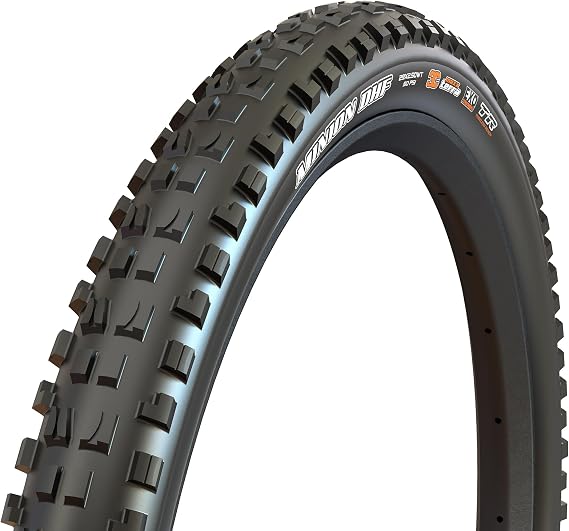
Constructed with the 3C MaxxTerra compound, this tire offers a durable and balanced grip for serious trail riders. Designed to handle varied terrain, it suits enduro riders looking for dependable traction and long-lasting treadwear during aggressive descents and sharp cornering.
Setting up the tire involves mounting a 24 x 2.40 folding model with 60 TPI, which keeps weight manageable at 1.7 pounds. The EXO sidewalls add protection against cuts and abrasions, useful on rocky trails. Daily use benefits from a tread design that balances rolling speed with strong braking and cornering traction.
E25 certification ensures compatibility with light e-bikes up to 16.1 MPH.
It handles enduro trails well, providing confidence on steep and technical sections thanks to its traction-focused design. The triple compound mix balances grip and wear efficiently.
The cut-resistant sidewalls help against damage, though some riders note the tire can feel a bit stiff on smoother surfaces. The treadwear holds up well, but aggressive riders might notice slightly increased rolling resistance compared to softer compounds.
The tire excels at providing solid cornering traction and braking confidence on rough and technical trails. Many appreciate the durability of the tread and sidewalls while noting occasional stiffness that affects smooth surface riding comfort. The balance between grip and tread life is a consistent highlight.
Riders focused on enduro or aggressive trail riding will appreciate the traction and protection. Those primarily riding smooth or less technical terrain might find it less comfortable and prefer a softer, faster-rolling tire. The light e-bike compatibility adds versatility for assisted riding.
Pros
- Balanced grip and treadwear for all conditions
- Cut-resistant sidewalls reduce puncture risk
- Compatible with light e-bikes (E25 rating)
- Lightweight folding tire design
Cons
- Stiff feel on smooth or hardpacked surfaces
- Some extra rolling resistance compared to softer compounds
| Specification | Details |
|---|---|
| Size | 24 x 2.40 inches |
| TPI | 60 |
| Compound | 3C MaxxTerra (triple compound) |
| Sidewall Protection | EXO cut and abrasion resistant |
| Weight | 1.7 pounds |
| E-bike Rating | E25, up to 16.1 MPH |
7. Continental Kryptotal Re Rear Tubeless MTB Tire

Grippy performance on mixed trails stands out with the Continental Kryptotal Re Rear Tubeless MTB Tire. Built specifically for the rear wheel, it suits riders focused on descending and needing reliable traction and stability on varied terrain. Its soft compound and added protection make it a strong option for enduro riders seeking durability and control.
Setting it up requires attention to tubeless compatibility and pressure limits, running best tubeless with sealant between 23 and 50 PSI. The tire’s 29×2.40 size fits standard 29-inch rims, and the folding bead eases installation.
Daily riding shows the tread pattern clears mud well and delivers consistent grip on loose rocks and dirt.
Designed with a single-ply 3-layer casing and Apex snakebite protection, it balances durability with responsiveness. The soft rubber improves descending grip while keeping rolling resistance reasonable.
Feedback notes excellent braking traction and track stability, though some riders find it less aggressive in purely loose, deep terrain.
High praises focus on the tire’s grip when braking and maintaining stability descending rough trails. The Apex casing effectively protects against snakebite flats, making it reliable on rocky sections. The most frequent downside is that the tread feels less effective when hitting deep loose terrain, where traction becomes noticeably lighter.
Enduro riders seeking durable rear tires with mixed-terrain control will find this tire meets their needs. Those focusing heavily on deep loose or soft mud might want to explore options with more aggressive knob patterns or dual compound setups for extra bite.
Pros
- Strong grip on braking and loose mixed terrain
- Apex protection reduces snakebite pinch flats
- Good balance of rolling resistance and traction
- Patterns clear mud well for self-cleaning
Cons
- Not ideal for very deep, loose conditions
- Limited max pressure due to hookless rim compatibility
| Specification | Details |
|---|---|
| Size | 29″ x 2.40″ |
| TPI | 3 layers of 110 TPI (330 TPI total) |
| Pressure Range | 23-50 PSI |
| Weight | 1125 g |
| Compound | Soft |
| Compatibility | Hookless rims, Tubeless Ready |
8. Schwalbe Romy Trail and Enduro Mountain Bike Tire

Designed for riders tackling demanding enduro and trail terrain, the Schwalbe Romy Trail and Enduro Mountain Bike Tire stands out for its balance of grip and rolling efficiency. Its tread pattern suits those wanting control on corners without sacrificing speed on climbs and flatter sections.
Mounting the tire is straightforward on both front and rear 27.5- or 29-inch wheels thanks to its folding design. Daily rides feel confident because the aggressive shoulder lugs hold well on loose or rocky surfaces. The center tread’s tight spacing means you don’t waste energy on easier trail bits.
Its moderate weight of 2.7 pounds makes it manageable without compromising durability, so maintenance is minimal through typical trail wear.
Performance-wise, the tread design offers strong cornering without slowing down too much on straights. The tire balances stability and speed well, showing its versatility across different trail types. Build-wise, it maintains shape even on tough terrain.
Positive feedback highlights the reliable grip and endurance. A noted drawback is the tire’s weight, which some find slightly high for racing setups.
Strong cornering grip and a durable tread pattern make the tire reliable on rough trails, while the rolling efficiency helps keep fatigue down over long rides. The main complaint focuses on its weight, which can affect acceleration compared to lighter racing tires.
Riders looking for a tire that manages both climbs and descents well will appreciate this choice. Those prioritizing the lightest possible setup or pure downhill performance should consider alternatives more tailored to those needs. The Romy fits well between trail versatility and enduro toughness.
Pros
- Good cornering grip with aggressive shoulder lugs
- Efficient rolling thanks to close center tread
- Balanced for both front and rear use
- Durable construction despite lightweight feel
Cons
- Some find 2.7-pound weight a bit heavy for racing
- Not specialized for pure downhill speed
| Specification | Details |
|---|---|
| Brand Name | SCHWALBE |
| Item Weight | 2.7 pounds |
| Wheel Size | 27.5 or 29 inch |
| Type | Bicycle folding tyre |
| Included Components | Tires |
9. Michelin Wild Enduro 29×2.4 Front Tubeless Tire

Riding tough trails with loose rocks and roots demands a tire that grips and lasts. Designed for enduro and aggressive trail riders, this Michelin Wild Enduro 29×2.4 front tubeless tire excels in durability and traction. Its best feature is how well it balances toughness and grip for technical climbs and descents.
Setting up the tire fits within the 29-inch frame and includes a foldable bead that simplifies installation. The tubeless-ready design helps you avoid flats, so maintenance is less frequent with fewer worries about pinch flats. You get a wide 2.4-inch width that improves control and stability without dragging down speed.
Daily rides on rough terrain feel more confident thanks to the lug pattern adapting well to different trail surfaces.
The tire’s gravity-shield 3×60 TPI casing keeps it tough under impact while remaining lightweight enough to maintain decent rolling resistance. The MAGI-X compound manages good traction for climbing and braking on steep, technical trails. The most common frustrating point is the weight at 1035 grams, which some find a bit on the heavier side for front tires.
Still, durability and impact resistance get the strongest positive notes from riders.
High durability and excellent grip on technical trails stand out as the tire’s best traits. The weight can feel heftier than some competitors, which may affect quick handling in tight sections. Riders appreciate how the lug pattern provides confident braking and climbing traction across mixed conditions.
A good match for trail and enduro riders seeking reliable wear and strong grip on challenging surfaces. Riders focused on shaving weight or those using narrower tires might want to consider lighter or smaller options. E-bike riders get added benefit from the tire’s stability and reinforced casing.
Pros
- Strong impact resistance with 3×60 TPI casing
- MAGI-X compound improves grip on varied terrain
- Tubeless-ready design reduces flat risks
- Wide 2.4-inch width balances traction and speed
Cons
- Relatively heavy at 1035 grams for front tire
- Not supplied with tubes or wheels
| Specification | Details |
|---|---|
| Size | 29 x 2.4 inch |
| Casing | 3×60 TPI GravityShield |
| Weight | 1035 g |
| Compound | MAGI-X tubeless-ready |
| Bead Type | Foldable |
| Warranty | 6 year standard |
10. Pirelli Covers
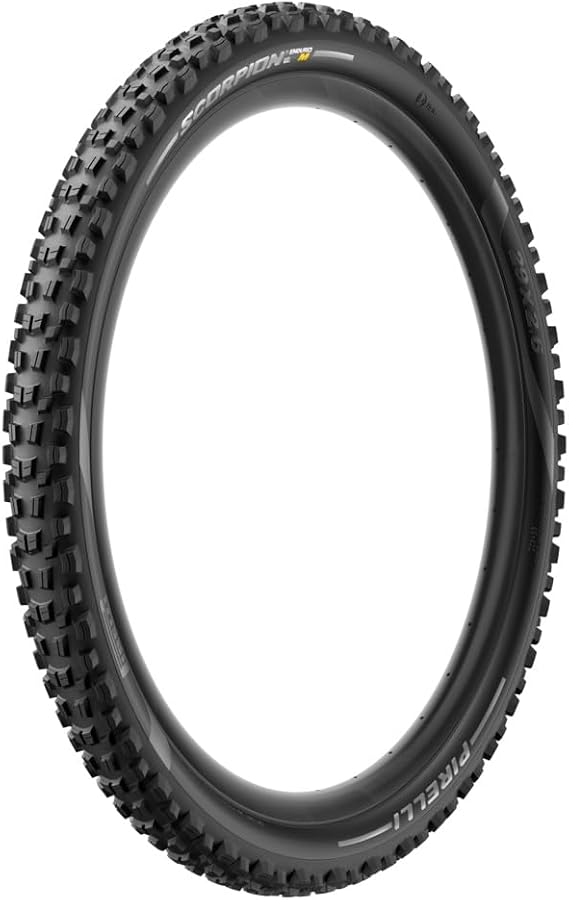
Pirelli Covers sport a 29 x 2.6 size with SmartGRIP Compound designed to work well on both dry and wet trails. Ideal for riders who want a single tire ready for daily trail rides and weekend races, its strength lies in balancing grip and durability regardless of conditions.
Setting up the tire is straightforward, thanks to tubeless compatibility that allows lower pressures for better traction. The ProWALL sidewall uses an extra layer of nylon, adding protection against cuts and punctures, so rough terrains feel less threatening. Weight at 2 pounds keeps it manageable without sacrificing toughness.
Performance-wise, the tire handles uneven surfaces with confidence, providing reliable grip in varied conditions. The 60tpi casing contributes to resilience while maintaining flexibility.
The sidewall protection helps prevent damage, but some riders find the tire slightly heavier compared to lighter trail-specific options.
Grip and durability stand out as major strengths, with the tire holding up well under aggressive riding and rough conditions. Damages to sidewalls occur less often thanks to the extra nylon layer. On the downside, the added protection increases weight, which some find noticeable on steeper climbs or longer rides.
Those who ride varied terrain, from local trails to racecourses, will appreciate the balance this tire offers. Riders focused solely on lightweight, fast rolling tires might want to consider alternatives that sacrifice protection for lower weight and more supple ride feel.
Pros
- Strong sidewall protection resists cuts and punctures
- SmartGRIP Compound works well in dry and wet
- Suitable for both daily trail use and racing
- Tubeless ready for lower pressure traction
Cons
- Heavier than some specialized trail tires
- Sidewall stiffness may reduce some comfort
| Specification | Details |
|---|---|
| Size | 29 x 2.6 |
| Compound | SmartGRIP |
| Casing | 60tpi |
| Sidewall | ProWALL with dual nylon layers |
| Weight | 2 pounds |
| Type | Tubeless mountain tire |
11. Michelin Wild Enduro MS Performance Line 29×2.4 Tire
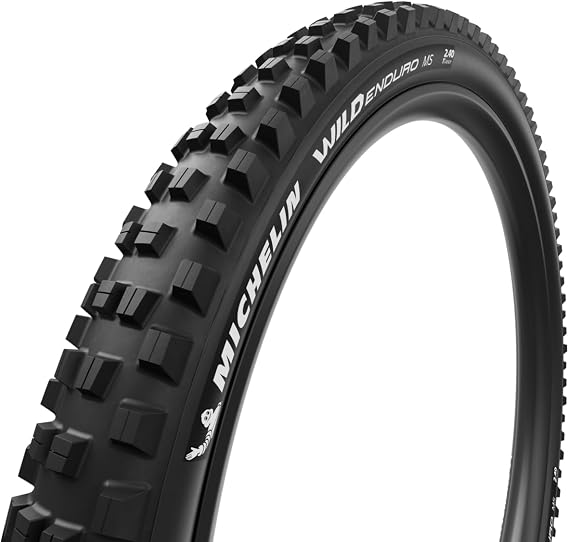
Riders tackling challenging trails and mixed terrain will find the Michelin Wild Enduro MS Performance Line 29×2.4 Tire a solid choice. Its biggest strength lies in balancing rolling efficiency and corner grip, making it suitable for enduro racers and aggressive trail riders needing reliable traction and durability.
Setting up the tire is straightforward as it is tubeless ready, which reduces the chance of flats on rough terrains. The bead-to-bead shield casing adds puncture and pinch protection, giving confidence on rocky or root-filled trails. At 1.4 pounds, the tire feels sturdy but not overly heavy, keeping the bike manageable during long rides.
The tire offers strong grip during cornering, thanks to the MAGI-X compound in the shoulder blocks. The center GUM-X compound helps it roll efficiently on both soft and mixed surfaces. Reinforced casing with dual 33 TPI plies provides a tough structure that lasts through long rides.
Common feedback notes excellent durability, though some find it a bit stiff initially which can take some getting used to.
The balance between grip in corners and rolling efficiency stands out, supported by durable construction that handles rough trails well. Some reports highlight stiffness that may require an adjustment period to get used to the ride feel, especially on technical sections.
Riders who prioritize durability and traction on mixed conditions will be satisfied with this tire. Those seeking a softer, more supple tire for purely fast, smooth trails might prefer an alternative with lower casing stiffness and weight.
Pros
- Balanced rolling and grip for varied terrain
- Strong puncture and pinch protection
- Durable dual 33 TPI casing
- Tubeless ready for lower flats risk
Cons
- Initial stiffness affects early handling feel
- Weight slightly above lighter race tires
| Specification | Details |
|---|---|
| Size | 29×2.4 |
| Weight | 1.4 pounds |
| Compounds | GUM-X center, MAGI-X shoulder |
| Casing | Dual 33 TPI plies with Bead-to-Bead Shield |
| Tubeless | Ready |
12. Pirelli Scorpion Race Enduro M Mountain Bike Tire 29

Designed for serious enduro riders, the Pirelli Scorpion Race Enduro M Mountain Bike Tire 29 offers a tough balance of grip and durability. It stands out with SmartEVO DH technology that suits downhill sections without sacrificing handling on mixed trail surfaces.
Setting it up is straightforward thanks to its tubeless ready design, which helps reduce flats and makes inflation easier. The DualWall construction means the tire handles rough treatment without frequent repairs. Its tread pattern transitions well across hardpacked and mid-soft terrain, so it performs consistently on typical enduro courses.
Traction remains strong even on loose or uneven ground, while the build resists cuts and abrasions effectively. The main complaint involves the tire’s weight at 16 ounces, which some find slightly heavy compared to lighter trail tires.
Positive notes focus on the high-quality feel and reliable ride confidence it delivers.
Tire offers confident control and solid traction on various terrains while withstanding rough trail impacts without frequent punctures. Some riders find the weight a disadvantage when compared to lighter options better suited for less aggressive riding styles.
Enduro riders who prioritize durability and downhill stability will appreciate these tires. Those focused on ultralight setups or exclusively cross-country trails may want to look elsewhere for lighter or more specialized models.
Pros
- Strong grip on mixed trail surfaces
- Durable DualWall construction resists damage
- Easy tubeless setup reduces flats
- Stable control for downhill riding
Cons
- Relatively heavy at 16 ounces
- Limited color options available
| Specification | Details |
|---|---|
| Weight | 16 ounces |
| Size | 29 inch |
| Technology | SmartEVO DH, DualWall construction |
| Type | Tubeless ready mountain bike tire |
| Color | Black with yellow label |
Best Enduro Mountain Bike Tires Comparison Table
| Product | Weight | Protection | Tubeless Ready | Warranty |
|---|---|---|---|---|
| Maxxis Minion DHF | 1.02 kg | EXO Protection | Yes | 1 year |
| Maxxis Aggressor Rear | 845 g | EXO Casing | Yes | 1 year |
| Michelin Wild Enduro MH 29 | 2.1 pounds | MAGI-X Compound | – | Limited |
| Michelin Wild Enduro Rear 27.5 | 1090 g | – | – | 6 year |
| WTB Vigilante 26 Front | 925 g | – | – | 2 year |
| Maxxis Minion DHF 3C MaxxTerra | 1.7 pounds | Cut Resistant Sidewalls | Yes | 1 year |
| Continental Kryptotal Re | 1125 g | Apex Snakebite Protection | – | Limited |
| Schwalbe Romy Trail | 2.7 pounds | – | – | Limited |
| Michelin Wild Enduro 29 Front | 1035 g | GravityShield | – | 6 year |
| Pirelli Covers | 2 pounds | ProWALL Technology | – | Limited |
| Michelin Wild Enduro MS 29 | 1.4 pounds | – | Yes | Limited |
| Pirelli Scorpion Race 29 | 16 ounces | – | – | Limited |
- Weight1.02 kg
- ProtectionEXO Protection
- Tubeless ReadyYes
- Warranty1 year
- Weight845 g
- ProtectionEXO Casing
- Tubeless ReadyYes
- Warranty1 year
- Weight2.1 pounds
- ProtectionMAGI-X Compound
- Tubeless Ready–
- WarrantyLimited
- Weight1090 g
- Protection–
- Tubeless Ready–
- Warranty6 year
- Weight925 g
- Protection–
- Tubeless Ready–
- Warranty2 year
- Weight1.7 pounds
- ProtectionCut Resistant Sidewalls
- Tubeless ReadyYes
- Warranty1 year
- Weight1125 g
- ProtectionApex Snakebite Protection
- Tubeless Ready–
- WarrantyLimited
- Weight2.7 pounds
- Protection–
- Tubeless Ready–
- WarrantyLimited
- Weight1035 g
- ProtectionGravityShield
- Tubeless Ready–
- Warranty6 year
- Weight2 pounds
- ProtectionProWALL Technology
- Tubeless Ready–
- WarrantyLimited
- Weight1.4 pounds
- Protection–
- Tubeless ReadyYes
- WarrantyLimited
- Weight16 ounces
- Protection–
- Tubeless Ready–
- WarrantyLimited
How to Choose the Best Enduro Mountain Bike Tires
Tire width, tread pattern, and rubber compound are key factors to consider for enduro mountain bike tires. Choosing the right combination improves grip, durability, and rolling efficiency, reducing the risk of frequent replacements or damage during tough rides. This saves both money and hassle over time.
Tire Tread Pattern
Riding over muddy trails with a tire tread not suited for wet conditions often means losing traction at crucial moments, causing frustrating slips or sudden stops. Tread patterns with widely spaced, pronounced knobs excel in shedding mud and maintaining grip, preventing the tire from clogging up. Narrow, closely packed knobs might roll faster but fail to grip on sloppy surfaces, making uphill climbs and tight corners tricky to control.
Rolling resistance and grip always play a part in choosing the right tire. Tires with lower rolling resistance make long rides less tiring but usually compromise traction, especially on loose dirt or sharp rocks.
Generally, knobs around 4-6 mm high strike a reasonable balance, offering enough bite without feeling sluggish. For rocky ground, shorter, stiffer knobs provide stability and durability, while softer rubber compounds improve grip but may wear faster. Paying attention to these aspects saves awkward moments and frequent tire swaps during rides.
Durability and Puncture Resistance
The difference between a tire that lasts an entire season and one that tears up after a few rides often lies in the casing material. Tires with dual or triple-ply casings made from materials like polyester or nylon tend to handle rough terrain and sharp rocks better.
A well-made casing reduces the chance of cuts and extends tire life, so you won’t be swapping out flatted tires as often. Tires labeled with puncture protection layers, like Kevlar or additional rubber belts, provide extra security against flats, which is crucial on rocky or root-filled trails.
Heavy-duty tires with reinforced sidewalls and protective layers add weight but drop the chance of tears and flats significantly. The tradeoff is slower acceleration and more effort climbing, but the gain is fewer roadside repairs and longer tread life.
Lightweight tires feel faster and easier to pedal but can wear through quickly, especially on challenging tracks. It’s worth checking the tire’s ply count and specific puncture-resistant features printed on the sidewall. Stronger tires often weigh around 900g to 1100g, compared with 700g to 800g for lighter models, reflecting this balance clearly.
Size and Width Compatibility
Riding with mismatched tire and rim widths can lead to poor handling and frequent pinch flats. For instance, a tire too narrow on a wide rim won’t seal properly, causing air leaks or irregular wear. On the other hand, too wide a tire for a narrow rim results in a tire profile that feels squashed and unstable.
Most rims specify the compatible tire widths right in the manual. A common sweet spot lies between 2.3 and 2.6 inches wide tires paired with 25-30mm internal rim widths, offering a balance of grip and responsive control on technical trails.
Diameter affects clearance around suspension components and the frame, influencing how sharply the bike corners and avoids obstacles. Larger diameters improve rollover ability, smoothing rough terrains, but might reduce standover height.
Wider tires soak up trail chatter and boost stability, but they add weight and rolling resistance. Conversely, narrow tires feel quicker but transfer more trail feedback. Choosing the right width depends on your local terrain and riding style:
- Wider tires (~2.6-2.8″) for rough, root-filled trails
- Narrower tires (~2.3-2.5″) for faster, smoother sections
- Check rim compatibility to avoid fitment issues
Tire Pressure and Tubeless Compatibility
Riding with the wrong pressure quickly turns a trail ride into a frustrating experience. Too high, and the tire feels like it’s bouncing off every rock and root, losing traction; too low, and the risk of pinch flats skyrockets. Tires with a pressure range clearly marked around 20 to 30 PSI allow necessary adjustments for different terrains.
Running near the lower end improves grip and shock absorption but requires a reliable tire and rim combo to avoid rim strikes, especially on rough descents.
Switching to a tubeless setup changes the maintenance game but rewards with better puncture protection and the ability to run lower pressures without flats. Sealant is the core of this system, filling small holes as you ride; using a latex-based sealant compatible with your tires ensures long-lasting performance. Regular maintenance includes topping off sealant every 2-3 months and cleaning the inside to prevent clumps that affect balance.
Tubeless tires demand a compatible rim and airtight seating, making setup a bit more involved but worth the effort for serious trail riding.
Weight and Rolling Efficiency
Adding over 200 grams per tire can make a noticeable difference on long climbs and quick accelerations. Heavier tires slow down pedal response, especially on uphill stretches where every extra gram counts.
Lighter options, usually around 800 to 900 grams for a 27.5-inch tire, feel more nimble on the trail but often come with thinner casings that wear faster or are more vulnerable to cuts. Choosing tires closer to 1000 grams adds durability but can lead to extra fatigue on longer rides.
Rolling resistance is another thing to consider. Tires made with softer rubber compounds grip better but tend to slow you down on smoother surfaces.
Construction plays a role too, a tire with a supple sidewall and fewer layers rolls easier but sacrifices some puncture protection. Balancing these means picking a tire with dual-compound tread or reinforced sidewalls if you need extra durability. This trade-off between weight, traction, and toughness affects how fast you can ride and how often you’ll need repairs or replacements.
How to Properly Break in Your Enduro Mountain Bike Tires
New enduro mountain bike tires often have a slick, factory finish that can cause reduced traction initially. To gain confident grip, the tires need about 20 to 30 miles of riding on varied terrain.
This break-in period helps wear off the smooth mold release layer and softens the rubber.
Important steps during this break-in include:
- Riding cautiously on loose or rocky trails to avoid slipping while the tread is still settling in.
- Avoiding sudden hard braking or cornering at high speed until the tire starts to feel more planted.
- Checking tire pressure regularly as the compound may settle and affect air volume slightly.
After this initial use, the tires develop a more tactile feel and improved traction. This process also allows you to detect any manufacturing defects like burred edges or bead issues early on.
Properly breaking in your tires increases both safety and performance during aggressive enduro rides.
Comparing Tubeless Versus Tube Tires for Enduro Riding
Tubeless tires are widely favored in enduro riding because they allow riders to run lower air pressures without the risk of pinch flats, improving traction on rough trails. These tires require a compatible rim and sealant to plug small punctures automatically, which reduces the chance of flats during long or technical stages.
Tube tires, on the other hand, are easier to install and maintain, especially if you’re changing tires or fixing punctures on the go. They also tend to be lighter on certain setups and don’t need sealant, which simplifies maintenance, but they are more prone to pinch flats when riding rocky or root-filled terrain.
Key points to consider:
- Tubeless: Better grip, fewer flats, requires sealant and careful installation.
- Tube: Simpler setup, usually lighter initially, more vulnerable to pinch flats.
- Both tire types are available in aggressive tread patterns suited for enduro conditions.
The choice depends on your willingness to maintain sealant and your typical riding terrain. For rougher trails with sharp rocks, tubeless tires offer more reliability and confidence.
Common Maintenance Mistakes That Can Shorten Tire Lifespan
Tire life often gets cut short by improper inflation. Running tires either too soft or too hard affects grip and wear patterns.
Check pressure regularly with a reliable gauge; adjusting for trail conditions makes a difference. Over-inflation causes the center knobs to wear faster, while under-inflation leads to sidewall damage and pinch flats.
Neglecting to clean tires after muddy or sandy rides causes abrasive debris to embed in the tread, accelerating deterioration. Using a stiff brush and plenty of water removes grime without harming rubber compounds.
Another common slip-up lies in ignoring sidewall cuts and punctures. Small tears may seem harmless but can expand under stress, compromising structural integrity.
Patch kits help, but replacing tires with extensive damage prevents accidents.
Additional maintenance points:
- Rotate tires periodically to balance wear between front and rear.
- Store the bike out of direct sunlight to avoid UV-related rubber degradation.
- Mount tires properly to ensure even bead seating and prevent bulges.
People Also Asked
How Do I Choose the Right Size Enduro Mountain Bike Tire?
Choose a tire size that matches your bike’s rim diameter and the intended terrain conditions. Measure your current tire or rim and check the width range recommended for your bike’s rims to avoid fit issues or poor ride quality.
What Maintenance Is Needed to Extend Enduro Tire Lifespan?
Regularly clean tires to remove dirt and debris, and check for cuts or embedded objects that could cause damage. Keep them properly inflated to the recommended pressure printed on the sidewall to prevent premature wear and sidewall damage.
Are Enduro Tires Compatible with Standard Mountain Bike Rims?
Most enduro tires fit standard mountain bike rims, but verify clearance with your frame and fork. Some tires have specific width and diameter requirements, so confirm compatibility before purchasing to avoid rubbing or fitting problems.
How Do I Fix Common Punctures on Enduro Mountain Bike Tires?
Use a repair kit with patches or plugs designed for tubeless setups or inner tubes, depending on your tire system. Carrying a compact kit on rides allows quick patching, which is especially helpful on trail rides far from home or help.
What Safety Precautions Should I Take When Using Enduro Tires?
Check tire pressure before every ride to maintain optimal traction and prevent blowouts. Inspect tread depth regularly and replace tires if the knobs are worn down to reduce the risk of slipping or losing control on technical trails.
Conclusion
Choosing the right enduro mountain bike tires mainly comes down to grip, durability, and the tire’s size that fits your bike’s rims. These factors affect how well you handle tough trails and how long your tires last. Consider the terrain you ride most often, whether it’s rocky, muddy, or dry, as this will guide your tread pattern choice.
Also, think about the type of tubeless setup if you want fewer flats and better performance.
Pick tires that fit your budget and riding frequency to avoid overspending on features you won’t use. Make sure the size matches your bike to prevent issues with clearance or rims. Review the comparison table and detailed picks above to find options that suit your specific needs and get the balance right between performance and cost.