
Top 12 Best Enduro Mountain Bike Picks You Can Trust
You know the feeling when a regular mountain bike just won’t hold up on rough trails, or the suspension bottoms out during a steep descent. Finding the best enduro mountain bike matters because it needs to handle harsh impacts without compromising control or comfort.
Cheaper models often have components that fail early or are too heavy, turning challenging rides into frustrating struggles.
A quality enduro bike usually offers a full suspension setup with travel between 140mm and 170mm, allowing it to absorb big hits while still climbing efficiently. Frame materials like aluminum and carbon strike a balance between strength and weight, often between 12 and 15 kilograms overall. Proper fit is crucial, with modern geometry favoring longer reach and slacker head angles around 65 to 67 degrees, which improves stability on descents without sacrificing maneuverability uphill.
Need a Quick Check?
| Image | Product | Price |
|---|---|---|
Our Top Picks 1  | SAVADECK Titan 612 | Check Price |
Our Top Picks 2  | Canyon Spectral 125 CF7 | Check Price |
Our Top Picks 3  | ROCKBROS MT600 Trail | Check Price |
Our Selected Top 12 Enduro Mountain Bike You Can Trust
This list features twelve enduro mountain bikes designed for rough trails and steep descents. Each review covers how the bike handles, the types of riders it fits best, and the main advantages and drawbacks to expect during everyday use.
1. SAVADECK Titan 612 Carbon Fiber Soft Tail Mountain Bike
Riding feels responsive and controlled, suited for riders who tackle challenging mountain terrain. Stability at high speeds and precise cornering stand out, ideal for those focused on enduro trails where both climbing and descending demand attention.
Setting up involves adjusting the dual-link suspension and lockout system to match trail conditions, which impacts comfort and efficiency. Internal cable routing keeps things clean and reduces maintenance, while the wide tire options help you deal with muddy, rocky paths or loose gravel.
Shifting through 12 speeds feels smooth and quick thanks to the Shimano DEORE M6100 groupset.
The full-suspension carbon frame holds up well on rough descents, delivering solid support with its rear triangle and dual-link setup. Braking is strong under pressure, aided by four-piston hydraulic discs that resist fading.
Some riders mention the weight could be lighter for steep climbs, but the reinforced frame adds toughness for technical trails.
The suspension system receives strong praise for smoothing out rough trails while maintaining control on descents. Hydraulic disc brakes provide consistent stopping power even during long downhill rides. The main complaint centers on the bike’s weight, which feels heavier than expected for a carbon frame, affecting steep climbing endurance.
The bike suits riders who want a durable, stable option for technical mountain and enduro trails with strong braking and precise shifting. Those seeking an ultralight model for aggressive climbs might prefer a different frame option with less reinforcement but lower weight.
Pros
- Lightweight carbon frame with strong rear triangle
- Advanced dual-link suspension with air shock lockout
- Reliable 12-speed Shimano shifting
- Powerful four-piston hydraulic disc brakes
Cons
- Carbon frame adds weight despite lightweight claim
- Limited tire size support without upgrades
| Specification | Details |
|---|---|
| Frame Material | Carbon Fiber |
| Suspension Type | Dual |
| Gear Speeds | 12-Speed Shimano DEORE M6100 |
| Brake Type | Four-Piston Hydraulic Disc |
| Tire Width | 2.4″ Continental, supports upgrades to 2.6″ |
| Intended Terrain | Mountain Terrain, Unpaved Trails |
2. Canyon Spectral 125 CF 7
Ideal for trail riders who want a blend of lightweight construction and reliable suspension, the Canyon Spectral 125 CF 7 excels at handling tricky terrain without feeling sluggish. Its carbon frame keeps the weight down while offering strong responsiveness during fast descents and tight climbs.
Setting up the bike focuses on quick adjustments with the dropper seatpost and tubeless-ready wheels that reduce flats on rough trails. Daily rides benefit from RockShox suspension absorbing bumps smoothly, while the 12-speed SRAM GX Eagle drivetrain gives clear shifting across varied inclines.
Brakes are strong and consistent thanks to the SRAM Code RS setup, so control stays firm under pressure.
Performance matches the build well, providing solid control on technical mountain terrain. The carbon frame is reliably stiff and durable without feeling heavy, making it easier to maneuver.
Positive notes highlight smooth suspension and precise shifting. A repeated drawback is the limited rear travel which may feel short on very aggressive downhill runs.
High praise goes to the combination of RockShox suspension and carbon frame stiffness, managing rough trails well without added weight. A common drawback arises from the 125mm rear travel feeling somewhat short on steep, aggressive descents, reducing rider confidence during fast drops.
Trail riders who prioritize a light frame with solid all-around trail capability will appreciate this bike. Riders looking for longer travel bikes purely for downhill racing or very rough terrain might seek options with more suspension travel for added security.
Pros
- Lightweight carbon frame improves responsiveness
- Reliable dual suspension smooths tough terrain
- Wide gear range for climbing and descending
- Strong disc brakes offer precise control
Cons
- Rear suspension travel may feel limited downhill
- Dropper post can be stiff to adjust at times
| Specification | Details |
|---|---|
| Frame Material | Carbon fiber |
| Front Suspension Travel | 140mm (RockShox Pike Select+) |
| Rear Suspension Travel | 125mm (RockShox Deluxe Select+) |
| Drivetrain | SRAM GX Eagle, 12-speed |
| Brake Type | Disc, SRAM Code RS |
| Wheel Setup | Tubeless-ready |
3. ROCKBROS MT600 29 Trail Mountain Bike
Aluminum forms the base of a trail-focused bike aimed at riders wanting durability and control on varied terrain. It suits someone who enjoys long rides and technical descents, with stability as the main selling point.
Setting up the wheels and seat with quick release mechanisms saves time, while adjustable handlebars allow a custom fit. The 140mm front air suspension adapts by adjusting air pressure or locking out, helpful when trail conditions shift.
Hydraulic disc brakes provide steady stopping power, reducing worries on steep slopes or rough patches.
Handling works well thanks to the 29-inch wheels and 2.2-inch tires offering grip and precision steering. The drivetrain’s 12 speeds with an 11-50T cassette shift smoothly, fitting both climbs and fast runs. Review feedback highlights reliable braking but notes the suspension fork demands occasional tuning to keep performance consistent.
Hydraulic brakes perform reliably on steep descents, which adds confidence when riding technical trails. Suspension may need fine-tuning frequently to maintain smooth response, which some consider a drawback in maintaining smooth trail rides.
Riders who want a responsive bike with adjustable suspension and good braking control will appreciate this model. People looking for full suspension or less frequent maintenance might look at other options better suited to that style.
Pros
- Lightweight aluminum frame balances power and control
- Hydraulic disc brakes deliver consistent stopping power
- 12-speed drivetrain optimizes climbing and speed
- Quick release wheels and seat simplify adjustments
Cons
- Suspension requires tuning for consistent performance
- Handlebar adjustment can be fiddly during rides
| Specification | Details |
|---|---|
| Frame Material | Aluminum |
| Wheel Size | 29 inches |
| Suspension Type | Front air suspension, 140mm travel |
| Gear Speeds | 12-speed cassette |
| Brakes | Hydraulic disc |
| Tire Width | 2.2 inches |
4. Ultralight Carbon Fiber Mountain Bike

Lightweight design stands out right away on the Ultralight Carbon Fiber Mountain Bike, perfect for riders who want a strong frame without the bulk. This bike suits someone focused on climbing efficiency and sharp handling on technical trails. Its single-speed setup simplifies gearing, making it ideal for riders who value durability and straightforward mechanics.
Setting up takes little time since the bike comes mostly assembled, with adjustable handlebars to dial in comfort. Dual suspension smooths out rough trails, making daily rides less tiring. Hydraulic disc brakes offer reliable stopping power, which feels consistent even in wet conditions.
The frame’s carbon fiber build keeps overall weight down, so it’s easier to maneuver and less effort on climbs.
Performance on steep and winding routes is responsive due to the rigid yet light carbon frame. Its strength and stiffness transfer pedal power directly without feeling mushy. The welding and reinforcement contribute to frame durability, though some find the single-speed limiting on varied terrain.
Brake response is sharp, but caliper-style brakes require regular checks to maintain peak stopping power.
Strong points include the lightness of the frame and responsive braking even on technical trails. The biggest downside from feedback is the limitation imposed by having only one gear, which can make varied climbs challenging. Some riders also express the need for regular brake maintenance due to the caliper brake design.
Riders who focus on technical trail riding with fewer gear shifts will appreciate the bike’s simplicity and lightness. Those planning longer rides with steep, changing gradients might find more versatility elsewhere with multi-speed setups. The bike fits well for riders looking for durability and straightforward handling over complex gearing.
Pros
- Light carbon fiber frame reduces climbing effort
- Hydraulic disc brakes offer strong stopping power
- Adjustable handlebars improve rider comfort
- Dual suspension eases trail impact
Cons
- Single-speed limits versatility on varied terrain
- Caliper brakes need frequent adjustments
| Specification | Details |
|---|---|
| Bike Type | Balance Bike |
| Number Of Speeds | 1 |
| Suspension Type | Dual |
| Brake Style | Caliper |
| Additional Features | Adjustable Handlebars |
5. Huffy Stone Mountain Bike

Strong steel construction and dual suspension make this bike fit for anyone starting with enduro or trail riding. It works well for those who want dependable comfort over uneven surfaces and a wide gear range to handle various inclines.
Its biggest plus lies in balancing solid durability with a smooth ride experience on different terrains.
Setting up involves straightforward assembly with all essential parts included, like the kickstand and adjustable seat to fit riders 5’0 or taller. Daily rides benefit from the 21-speed Shimano system with twist shifters that allow you to change gears easily on hills or gravel paths.
The front and rear suspension help absorb shocks from bumps, boosting comfort across longer distances.
The bike performs smoothly across dirt trails and paved roads thanks to its knobby 26-inch tires which grip well. The steel frame withstands rough use without bending or flexing. A key highlight is the dependable gear shifting that keeps pedaling steady when climbing.
Some find the assembly instructions basic and the dual linear pull brakes less powerful in steep conditions.
Strong points include the comfortable ride due to dual suspension and reliable Shimano gears that shift smoothly. Common issues highlighted involve the somewhat simple instruction manual which might slow setup and brakes that require more effort under heavy braking.
Anyone beginning with trail or light mountain riding and valuing comfort over technical upgrades will find this bike a solid option. Riders planning very steep or extreme downhill sections would benefit from bikes with stronger braking systems and possibly lighter frames.
Pros
- Dual suspension provides notable comfort on rough trails
- 21-speed twist shifters offer smooth gear changes
- Durable steel frame with a modern look
- All-terrain tires deliver good traction on various surfaces
Cons
- Basic assembly instructions can confuse first-timers
- Brakes feel weaker on steep descents
| Specification | Details |
|---|---|
| Frame Material | Steel |
| Suspension Type | Dual (front fork and rear spring shock) |
| Number of Speeds | 21 |
| Tire Size | 26-inch |
| Brake Style | Dual linear pull |
| Seat Adjustability | Adjustable |
6. Full Suspension Mountain Bike with High-Carbon Steel Frame

Rough terrain and bumpy paths demand a bike that absorbs shocks and offers control. Riders between 4.75 and 6.4 feet tall will find size options that fit comfortably. The key strength of this mountain bike lies in its dual full suspension, smoothing out rough rides for both casual trail riding and daily commutes.
Assembly starts mostly done with 90% pre-assembled parts and a front wheel that fits via quick release. Setting it up takes little time and included tools plus a video guide simplify the process. The front and rear fenders reduce mud splatter, keeping you clean during wetter or muddier rides.
Adjustable sizing means the bike suits a wide range of heights, making it straightforward to find a fit for extended comfort.
High-carbon steel frame offers durability with enough heft to take on mountain terrain. The 21-speed gear system lets you shift through trails and paved roads without hiccups, controlled by a twist grip shifter.
Front and rear V brakes provide solid stopping power. Some riders mention the steel frame feels heavier than aluminum counterparts but appreciate the shock absorption. The main complaint is the saddle padding might feel too firm on very long rides.
Dual suspension is praised for smoothing rides over rough surfaces, improving control on mountain and urban paths. Setup is user-friendly with most assembly done and quick wheel installation, though the heavier steel frame stands out compared to lighter bikes. The saddle comfort gets mixed reviews, with some requiring extra padding for longer journeys.
Those riding mixed terrain and needing a bike that balances comfort with durability will appreciate this model. Riders prioritizing lightweight designs or extended long-distance comfort might consider other options. The bike suits casual mountain biking and daily use across different weather, especially with its fenders and versatile sizing.
Pros
- Dual full suspension soaks up bumps well
- Size options fit a wide height range
- Front wheel quick release for easy setup
- Fenders protect from splash in wet conditions
Cons
- Frame weight heavier than some alternatives
- Saddle may be too firm for longer rides
| Specification | Details |
|---|---|
| Frame Material | High-Carbon Steel |
| Wheel Sizes | 24″, 26″, 27.5″ |
| Number of Speeds | 21 |
| Suspension Type | Dual (Front and Rear) |
| Brake Style | V Brake |
7. WTB Vigilante Mountain Bike Front Tire 26×2.3

925 grams of weight make this tire a strong contender for riders who demand aggressive traction on challenging trails. Designed mainly for enduro front tire use, it excels in wet and loose terrain by keeping dirt packed out of the tread.
A great choice for cyclists who want reliable grip during fast cornering on rough tracks.
Fitting the tire is straightforward thanks to its standard 26×2.3 size and wire bead design. The light casing balances durability with performance, allowing riders to handle rough patches without excessive weight slowing them down. Daily rides benefit from the tread’s ability to shed mud, reducing the need for constant cleaning when conditions get sticky.
The tire grips well on corners because of reinforced side knobs, lending stability during aggressive riding. Its dual compound uses softer rubber on the sides for grip and a firmer center for rolling speed and durability, striking a balance between traction and wear resistance.
A frequent complaint relates to the wire bead missing the flexibility of tubeless-ready alternatives.
Traction on steep, loose trails is notably solid thanks to the aggressive lug pattern and dual rubber compounds. Some riders find the wire bead construction less flexible to install and less adaptable to tubeless setups compared to newer bead designs. These factors affect ease of mounting and overall ride feel for certain users.
Riders who want a reliable, tough tire for rough enduro racing trails will find this tire well suited. Those prioritizing tubeless setups or ultra-lightweight tires might look at alternatives that provide easier installation and reduced weight. This tire shares its strengths where traction and durability matter most.
Pros
- Strong side knobs for stable, fast cornering
- Dual compound balances grip with fast rolling
- Effective tread spacing to clear mud
- Durable light casing withstands rocky terrain
Cons
- Wire bead limits tubeless setup options
- Heavier than some modern tire designs
| Specification | Details |
|---|---|
| Size | 26×2.3 |
| Weight | 925 g |
| Casing | Light, Durable, Wire Bead 30tpi |
| Compound | Dual DNA (dual compound) |
| Usage | All Mountain / Enduro |
| Conditions | Wet to Dry / Loose, Rocky, Muddy |
8. Maxxis Aggressor Rear Mountain Bike Tire

Riders who tackle hard-packed, rocky trails and want a reliable rear tire will appreciate the Maxxis Aggressor. It suits someone running aggressive sessions looking for a balance between speed and grip on demanding terrain. The main strength is its dual compound tread that rolls fast but offers solid cornering control.
Mounting the tire is straightforward, especially with its tubeless-ready design that helps avoid frequent flats. The EXO sidewalls add durability without much weight, so daily rides over sharp rocks don’t result in constant damage.
It works well paired with a more aggressive front tire like the Minion DHF, ideal for mixed trail conditions and longer rides.
The tire maintains grip well on hard surfaces thanks to the dual compound, especially around the corners where the knobs bite in. The build quality is solid with cut-resistant sidewalls, making it last through rough sections. Some riders note the tire can feel a bit stiff and noisy on smoother trails, which might reduce comfort or traction on loose dirt.
Strong cornering grip paired with a fast center tread defines the tire’s performance well. The tough EXO sidewalls help it withstand rocky conditions but the stiffness and noise can reduce comfort during long rides on less aggressive terrain.
Trail riders focused on rocky, hard-packed surfaces will find it reliable and fast. Those who mainly ride soft or loose trails may want a tire with a softer feel or less noise for daily comfort.
Pros
- Good balance of rolling speed and cornering grip
- Durable cut-resistant EXO sidewalls
- Tubeless ready for fewer flats
- Suitable for light e-bike speeds
Cons
- Can feel stiff on smoother trails
- Some noise reported on hard-packed surfaces
| Specification | Details |
|---|---|
| Size | 29×2.30 |
| Weight | 845 g |
| Sidewall Protection | EXO casing |
| Rubber Compound | Dual compound |
| Compatibility | E25 E-Bike rated (up to 16.1 MPH) |
| Tubeless | Ready |
9. Fox Racing Enduro D3O Mountain Bike Elbow Sleeve
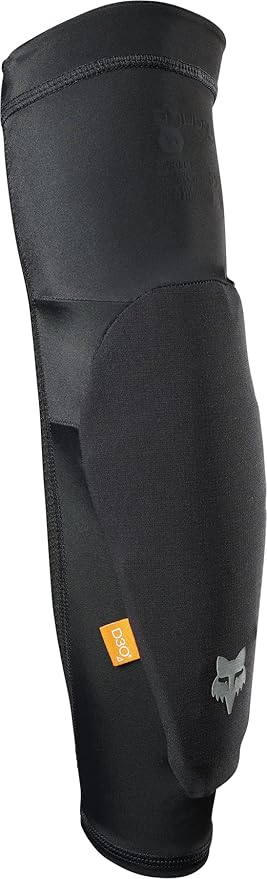
Elbow protection designed for serious enduro riders who value a balance between comfort and impact protection. Its standout feature is the removable D3O inserts, which offer strong protection without feeling too bulky. The moisture-wicking micro-lycra combined with mesh panels suits riders facing long, sweaty rides needing breathability.
Putting on the sleeve feels snug but stays put through hard pedaling and downhill runs thanks to silicone grips at the top and bottom. The micro-lycra fabric stretches easily and dries quickly, while the mesh rear panel boosts airflow, reducing heat buildup. Removing the D3O impact pads requires a bit of care but lets you adjust for lighter or heavier protection depending on the trail.
Protection works well, absorbing shocks efficiently while allowing full elbow movement. The sleeve’s nylon and spandex build feels durable without being restrictive or heavy, weighing just 7.2 ounces.
Most praise goes to the sleeve’s comfort during extended rides. A common complaint is the small sizing option, which might be tight for bigger arms and limit placement adjustments.
The sleeve receives strong praise for its comfortable fit over long rides and reliable shock absorption with the D3O inserts. Complaints mostly focus on sizing issues, especially for riders with bigger arms, and the removable padding requiring patience to handle carefully.
Riders looking for lightweight, breathable elbow protection with customizable padding will find this sleeve fitting well into their gear. Those needing a wider fit or faster padding swap may want to consider sleeves with more size variety or simpler insert systems.
Pros
- Removable D3O pads for impact and comfort control
- Moisture-wicking micro-lycra fabric maintains dryness
- Silicone grips prevent slipping during rides
- Lightweight at 7.2 ounces
Cons
- Limited size options may not fit larger arms well
- D3O pads can be tricky to remove or reinsert
| Specification | Details |
|---|---|
| Brand Name | Fox Racing |
| Material | Nylon, Spandex Micro Lycra with nylon mesh rear panel |
| Weight | 7.2 ounces |
| Included Components | Guard (removable D3O elbow inserts) |
| Warranty | 2 year manufacturer |
10. Full Suspension Carbon Fiber Mountain Bike

Full Suspension Carbon Fiber Mountain Bike fits trail riders aiming for a lightweight option with reliable suspension. Its biggest strength lies in the carbon fiber frame that minimizes weight to about 12.6kg while still handling tough mountain terrain well.
Setup comes mostly pre-assembled at 85%, making final assembly straightforward and quick with included tools and video guidance. Internal cable routing keeps the bike’s appearance clean and protects cables from damage. You can adjust suspension easily using a carbon handlebar remote that switches between Descend, Traction Control, and Lockout modes depending on the trail.
Tires sized 29 x 2.25 add grip on loose or rocky surfaces.
Handling rough trails is easier because of the Active Braking Pivot and Free Floating Technology suspension system, which reduce brake jack and boost shock absorption. The Shimano M6100 12-speed drivetrain shifts crisply and pairs well with hydraulic disc brakes for solid stopping power. Some riders note minor challenges in perfecting suspension tune settings but appreciate the overall smooth ride and frame durability.
Strong points include a light frame that handles trail obstacles smoothly thanks to its suspension design and braking system. The most repeated critique concerns the suspension tuning, which some find tricky when trying to match specific trail conditions exactly.
Trail riders seeking a bike that blends light weight with sturdy performance will appreciate this model. Those preferring fully pre-built setups or minimal suspension adjustment might consider alternatives for easier first rides and tuning.
Pros
- Lightweight carbon fiber frame at 12.6kg
- Adjustable suspension with three ride modes
- Shimano M6100 12-speed shifting
- 29er tires for stability and grip
Cons
- Requires fine-tuning suspension settings
- Most assembly needed by the rider
| Specification | Details |
|---|---|
| Bike Type | Full Suspension Mountain Bike |
| Number Of Speeds | 12 |
| Suspension Type | Dual |
| Brake Style | Disc |
| Bicycle Gear Shifter Type | Trigger |
| Intended Riding Terrain | Mountain Terrain, Unpaved Trails |
11. SAVADECK Lantop 612 Plus Carbon Fiber Mountain Bike

Carbon fiber keeps the frame light and responsive, perfect for riders who demand precise control on tough trails. Ideal for anyone focused on aggressive mountain terrain where speed and durability need to work together reliably.
The key strength lies in its full-suspension setup that balances shock absorption with strong handling.
Setting it up involves tuning the lockout air shock and adjusting rebound settings to match trail conditions. Internal cable routing keeps cables protected and reduces snagging during rides. Shimano’s 12-speed DEORE shifting offers smooth gear changes even when climbing steep sections, while the hydraulic brakes provide confidence when braking hard on variable terrain.
Handling technical paths feels controlled thanks to the dual-link suspension directing rear wheel movement naturally. Carbon fiber makes the frame stiff yet lightweight. Shifting remains crisp throughout long rides, although some riders note the lockout can be a bit fiddly to adjust on the trail.
Brake modulation performs well but may require occasional bleed maintenance.
Precise handling and lightweight design stand out as key advantages, especially on uneven trails. Some adjustments on the shock lockout can feel cumbersome once out on the trail. Regular brake upkeep helps maintain smooth modulation and stopping power.
Riders who want an agile and responsive bike for technical mountain runs will appreciate this frame and suspension combo. Those seeking simple shock controls or minimal maintenance might prefer a different setup with fewer adjustment points.
Pros
- Lightweight carbon fiber frame with reinforced rear triangle
- Smooth, precise Shimano 12-speed shifting
- Hydraulic disc brakes offer strong stopping power
- Wide multi-terrain tires improve grip on various surfaces
Cons
- Lockout air shock can be tricky to fine-tune
- Brake system may need occasional maintenance for best feel
| Specification | Details |
|---|---|
| Frame Material | Carbon Fiber |
| Speeds | 12 |
| Suspension Type | Dual |
| Brake Style | Shimano MT200 Hydraulic Disc |
| Tire Type | Continental Multi-Terrain |
12. Gravity FSX 1.0 Dual Full Suspension Mountain Bike

Good for trail riders wanting a solid dual-suspension bike, the Gravity FSX 1.0 Dual delivers stable handling through adjustable front and rear suspension. The strongest feature is its durable aluminum frame paired with reliable disc brakes, offering better control on mountain terrain.
Setting up the bike requires assembly and fine-tuning, especially adjusting the suspension and aligning the quick release wheels. Daily riding is straightforward with Shimano’s 24-speed drivetrain and easy-to-use trigger shifters.
The double wall rims keep tires secure and lightweight, helping you maintain speed on unpaved trails and handling descents with confidence.
It offers solid performance on rough mountain trails, absorbing shocks well thanks to dual suspension. The aluminum frame provides durability without too much weight.
Disc brakes work effectively in front and rear. Positive comments focus on smooth gear shifting and sturdy brakes, while some report the need for careful tuning before rides to avoid loose parts.
Most praise highlights the bike’s handling and smooth shifting, especially on uneven trails. Frequent remarks mention that assembly and alignment take patience, as loose components can appear if tuning isn’t done carefully. The suspension adjusts well but needs regular checks to maintain performance.
The bike fits riders who want a budget-friendly mountain bike with dual suspension and versatile gearing. Those looking for a fully assembled or professional-level race setup might consider alternatives. Trail enthusiasts who value durability and adjustability will find it practical and responsive for rugged off-road riding.
Pros
- Adjustable front and rear suspension
- Strong and lightweight aluminum frame
- Reliable disc brakes front and rear
- 24-speed Shimano drivetrain with trigger shifters
Cons
- Requires assembly and precise tuning before riding
- Some report occasional loose parts after extended use
| Specification | Details |
|---|---|
| Bike Type | Mountain Bike |
| Number Of Speeds | 24 |
| Suspension Type | Dual suspension |
| Brake Style | Disc |
| Frame Material | Aluminum |
| Wheel Feature | Double wall rims, quick release front and rear |
Best Enduro Mountain Bikes Comparison Table
| Product | Suspension Type | Number Of Speeds | Brake Style | Intended Riding Terrain |
|---|---|---|---|---|
| SAVADECK Titan 612 | Dual | 12 | Disc | Mountain Terrain, Unpaved Trails |
| Canyon Spectral 125 CF7 | Dual | 12 | Disc | Mountain Terrain |
| ROCKBROS MT600 Trail | Front | 12 | Disc | Mountain Terrain |
| Ultralight Carbon MTB | Dual | 1 | Caliper | – |
| Huffy Stone MTB | Dual | 21 | Dual linear pull | Mountain Terrain |
| Steel Frame Full Sus MTB | Dual | 21 | V Brake | Mountain Terrain, Urban Terrain |
| WTB Vigilante 26×2.3 | – | – | – | – |
| Maxxis Aggressor Rear Tire | – | – | – | – |
| Fox Racing Enduro Sleeve | – | – | – | – |
| Carbon Fiber Full Sus MTB | Dual | 12 | Disc | Mountain Terrain, Unpaved Trails |
| SAVADECK Lantop 612 Plus | Dual | 12 | Disc | Mountain Terrain |
| Gravity FSX 1.0 MTB | Dual | 24 | Disc | Mountain Terrain, Unpaved Trails |
- Suspension TypeDual
- Number Of Speeds12
- Brake StyleDisc
- Intended Riding TerrainMountain Terrain, Unpaved Trails
- Suspension TypeDual
- Number Of Speeds12
- Brake StyleDisc
- Intended Riding TerrainMountain Terrain
- Suspension TypeFront
- Number Of Speeds12
- Brake StyleDisc
- Intended Riding TerrainMountain Terrain
- Suspension TypeDual
- Number Of Speeds1
- Brake StyleCaliper
- Intended Riding Terrain–
- Suspension TypeDual
- Number Of Speeds21
- Brake StyleDual linear pull
- Intended Riding TerrainMountain Terrain
- Suspension TypeDual
- Number Of Speeds21
- Brake StyleV Brake
- Intended Riding TerrainMountain Terrain, Urban Terrain
- Suspension Type–
- Number Of Speeds–
- Brake Style–
- Intended Riding Terrain–
- Suspension Type–
- Number Of Speeds–
- Brake Style–
- Intended Riding Terrain–
- Suspension Type–
- Number Of Speeds–
- Brake Style–
- Intended Riding Terrain–
- Suspension TypeDual
- Number Of Speeds12
- Brake StyleDisc
- Intended Riding TerrainMountain Terrain, Unpaved Trails
- Suspension TypeDual
- Number Of Speeds12
- Brake StyleDisc
- Intended Riding TerrainMountain Terrain
- Suspension TypeDual
- Number Of Speeds24
- Brake StyleDisc
- Intended Riding TerrainMountain Terrain, Unpaved Trails
How to Choose the Right Enduro Mountain Bike
The main factors to focus on include suspension quality, frame durability, and wheel size, as these directly affect performance on rough trails and rider comfort. Choosing the right combination helps avoid costly upgrades and frequent repairs, making the bike more reliable and enjoyable over time.
Frame Geometry and Size
Riding a bike that doesn’t fit your height turns each trail into a struggle. A frame that’s too large or too small makes handling awkward and tiresome, especially over technical terrain. Choosing the right size means more control and less fatigue.
Typically, manufacturers offer sizes based on rider height ranges, so checking their charts helps. For better control, look for a bike that suits your body proportions rather than settling for a generic medium or large.
Adjustability in reach and dropper post length can also fine-tune the fit.
The length of suspension travel directly affects how the bike handles rough descents and absorbs impacts. Bikes with 150mm to 170mm of travel tend to offer a balance of comfort and precise control on steep or rocky trails. Excessive travel may add weight and reduce climbing efficiency, making the bike feel sluggish uphill.
Weight itself plays into this balance, lighter frames, often made of aluminum or carbon, make sharp turns and climbs noticeably easier, while heavier models demand more effort.
Suspension Performance
Rough trails reveal the true value of front and rear suspension systems. Skimping on suspension quality often results in skipped drops, less control on rocky sections, and fatigue creeping in faster.
Good suspension absorbs bumps without making the bike feel sluggish. Look for front forks with travel between 150 to 170mm, built with durable materials like aluminum or carbon, and a rear shock matched to similar travel for balanced response. Brands like Fox and RockShox tend to offer reliable performance.
Adjustability is crucial for adapting to steep climbs or fast descents.
Adjustable damping and rebound let you tune how the suspension reacts, making rides smoother across varying terrain. This adjustability usually includes settings for compression and lockout.
In daily use, suspension that quickly recovers after bumps keeps momentum without jolting the rider. It’s common to check for air or coil shocks, air is lighter and easier to tweak, although coil shocks usually last longer. Taking the time to dial these settings keeps the bike feeling stable and predictable, especially on long or technical rides.
Drivetrain and Gearing
Climbing steep trails becomes frustrating fast with a drivetrain that doesn’t offer low enough gears. A broad range of gears, typically with a 10 to 50-tooth cassette and a single or double chainring setup around 30-36 teeth, allows for smooth adjustments whether you’re grinding uphill or darting downhill. Shifts need to be crisp and precise; any lag or hesitation can throw off your rhythm on technical sections.
Consistent gear shifting means chain drops and missed shifts become rare, keeping focus on the trail instead of the bike’s mechanics.
Durability matters since maintenance isn’t always convenient on long rides. Components like Shimano’s SLX or SRAM’s GX lines strike a good balance between reliability and required upkeep. Expect to lubricate and clean regularly, especially after wet or muddy rides, but quality parts hold their adjustment longer and resist premature wear.
Keeping an eye on chain stretch and using a clutch rear derailleur helps reduce dropping the chain on rough terrain, which saves time and frustration during intense sessions.
Braking System
Technical descents demand a braking system that offers precise control and strong stopping power. On steep, rocky trails, brakes that fade or feel spongy can lead to dangerous situations. A rotor size between 180mm and 203mm is typical, with larger rotors better for heat dissipation during long descents.
Some riders prefer models with high-temperature resistant materials like stainless steel or aluminum to avoid warping and loss of performance. Proper modulation means being able to feather the brakes without sudden lockups, which helps maintain traction and confidence.
Ease of maintenance is another hands-on factor often overlooked until pads wear down mid-ride. Systems that allow quick pad replacement without special tools save time and frustration.
Adjusting lever reach should be straightforward to fit different hand sizes, ensuring comfort throughout the ride. Hydraulic disc brakes dominate this category, offering stronger, more consistent force, but mechanical disc brakes still hold value for simpler upkeep in rough conditions.
Build Quality and Materials
Frames made from aluminum or carbon fiber are common, but the real difference appears after countless rides on rough trails. Aluminum frames tend to handle the knocks and scrapes better, especially models with thicker tubing or hydroformed shapes adding strength. Carbon fiber feels lighter and quicker but demands careful treatment, as deep impacts can cause hidden damage.
Aluminum frames typically weigh between 3.5 to 4.5 kg, offering a durable balance, while carbon options can drop below 3.3 kg if you’re pushing for speed. Look for heat-treated alloys or high-modulus carbon layups if durability is your priority.
Component quality affects ride stability and maintenance schedules. Cheaper parts might save weight upfront but could wear out faster under heavy braking or rough terrain. Trusted brands use sealed cartridge bearings on suspension pivots and durable coatings like anodizing or corrosion-resistant finishes on bolts and chains.
Components with wider gear ranges, like 12-speed drivetrains, give more control on descents and climbs without excessive weight. Expect brake rotors around 180-200 mm for consistent stopping power and tires rated for rugged terrain to resist punctures and rapid tread loss.
Optimizing Trail Performance with Your Enduro Mountain Bike
Adjusting tire pressure is one of the simplest but most effective ways to improve your enduro mountain bike’s performance on the trail. Lower pressures increase traction and comfort on rough descents, while higher pressures reduce rolling resistance on climbs and smoother sections.
A good starting point is around 25 psi for front tires and 27–30 psi in the rear, though conditions and rider weight will affect the best setting.
Suspension setup matters just as much. Fine-tuning the fork and shock according to the trail terrain makes a huge difference. For rocky, technical descents, increasing compression damping helps prevent the suspension from bottoming out.
On smoother or flowy trails, softer settings maintain momentum and grip.
- Regularly check for component wear, especially brake pads and drivetrain parts.
- Keep the bike clean after muddy rides; dirt can reduce performance and cause premature wear.
- Use appropriate tires for the terrain, stickier compounds for loose soil, faster-rolling for hardpack.
Essential Maintenance Tips for Longevity and Reliability
A regular check of your bike’s suspension settings can prevent expensive repairs later on. Dirt and grit often accumulate around the shock seals and forks, which can cause premature wear.
It’s helpful to wipe down these areas after every ride, especially in muddy or dusty conditions.
Lubrication plays a key role in maintaining smooth performance. Focus on the chain, derailleurs, and pivot points at least once a week if you ride frequently. Avoid over-lubricating as excess oil attracts dirt, which leads to faster component degradation.
- Keep tire pressure within the recommended range to balance grip and rolling resistance. Check pressure before each ride.
- Inspect brake pads regularly for wear. Replace them once the grooves narrow beyond 1mm to maintain effective stopping power.
- Tighten bolts on brakes, seat posts, and handlebars with a torque wrench to manufacturer specs to prevent loosening on rough trails.
- Clean and adjust the drivetrain after every few rides to ensure smooth shifting and reduce component wear.
Following these tips will help avoid common mechanical issues and extend the life of the bike’s parts, keeping your rides consistent and safe.
Comparing Enduro Mountain Bikes to Other MTB Styles for Versatility
Enduro mountain bikes typically feature longer travel suspension, ranging between 140mm and 170mm, designed to handle steep descents and rough terrain better than cross-country bikes. This means they absorb bigger hits without transferring excessive shock to the rider, making rocky or root-filled trails more manageable.
Compared to trail bikes, enduro models sacrifice some climbing efficiency for improved downhill stability. They tend to be heavier and have slacker head angles, which slow you down slightly on flats and ascents but provide more confidence during aggressive descents. This trade-off suits riders who want a bike that can take on technical terrain without switching to a full downhill setup.
Some key differences include:
- Heavier frames designed to withstand tougher impacts.
- Suspension tuned for control over speed, rather than just comfort.
- Geometry that prioritizes handling on steep, technical sections.
These characteristics give enduro bikes a versatility that fits a wide range of trails, especially for riders looking to challenge themselves on descents without losing the ability to pedal up. They sit comfortably between lightweight cross-country and dedicated downhill bikes.
People Also Asked
How Do I Choose the Right Size Enduro Mountain Bike?
Choose an enduro bike that matches your height and inseam length by checking the manufacturer’s sizing chart. Test riding different sizes helps confirm fit, especially since frame geometry can affect comfort and control on rough terrain.
What Maintenance Is Required to Keep an Enduro Bike in Top Shape?
Regular cleaning of the drivetrain and suspension is crucial for performance and longevity. Lubricate the chain after rides and check tire pressure before heading out to avoid mechanical problems on the trail.
Are Enduro Bikes Compatible with Standard Mountain Bike Accessories?
Most enduro bikes use standard mountain bike components like pedals, saddles, and grips, making accessories widely compatible. Confirm the suspension fork and shock sizes when considering upgraded parts or replacements.
What Safety Gear Is Essential for Riding an Enduro Mountain Bike?
A full-face helmet and knee pads are essential for enduro riding due to rough descents and technical trails. Gloves with good grip and a sturdy pair of trail shoes also improve control and comfort.
How Long Do Typical Enduro Mountain Bike Components Usually Last?
Drive train parts like chains and cassettes typically last around 1,000 to 3,000 miles depending on terrain and maintenance. Suspension components may require service every 50 to 100 hours of riding for optimal function.
Conclusion
Choosing the right enduro mountain bike really comes down to suspension travel, frame durability, and component quality. The amount of travel you need depends on the trails you ride, while a strong frame helps with rough conditions and long rides. Reliable brakes and a good drivetrain make sure you can handle steep climbs and fast descents without constant maintenance.
Consider how much room you have for storage and how much you want to spend before buying. A bike that sits unused isn’t helpful, so pick one that fits your riding schedule. Take another look at the comparison table and the detailed reviews to find the one that matches your specific needs best.