
Top 12 Best Entry Level Racing Bike Picks You Can’t Miss
The wrong bike can turn your early rides into a series of avoidable frustrations, from constant gear slipping to uncomfortable handling that leaves you sore after just a few miles. Finding the best entry level racing bike matters because it can make those first days on the road more about smooth performance and less about fixing problems.
Many beginners settle for models that might look fast but fall short on build quality or fit, leading to poor ride experiences and stalled motivation.
A good entry level racing bike stands out mainly by frame material, fit, and drivetrain quality. Lightweight aluminum frames are common at this level, providing a balance of sturdiness and speed without breaking the bank. Frame size must match rider measurements closely to avoid strain, typically measured from the center of the crank to the top of the seat tube.
Gear sets with at least 14 speeds give enough range for different terrains, while quality brakes ensure reliable stopping power. These factors together make the difference between a bike that gets you out on the road and one that makes the road feel out of reach.
Need a Quick Check?
| Image | Product | Price |
|---|---|---|
Our Top Picks 1  | Pipleo Road Bike | Check Price |
Our Top Picks 2  | Unbranded 700C Road | Check Price |
Our Top Picks 3  | Tommaso Monza Road | Check Price |
Our Selected Top 12 Entry Level Racing Bike Worth Your Money
This list features carefully chosen racing bikes ideal for beginners, highlighting their performance, suitability for different riders, and key advantages and disadvantages. Each review provides clear insights to help you understand which bike matches your needs and riding style.
1. Pipleo Road Bike 700C
Ideal for those looking to step into road racing without breaking the bank, this bike stands out with its precise and reliable SHIMANO 21-speed drivetrain. It’s suited for everyday riders who want responsiveness and versatility in one machine. The biggest strength is the way it handles varied urban terrain with ease while keeping maintenance low.
Setup involves tuning the 21-speed cassette drivetrain, which shifts smoothly using trigger shifters. Daily rides feel natural thanks to the front suspension absorbing minor bumps.
The armored 700x28C tires take on both pavement and rougher city streets without issue, while the internal cable routing keeps things tidy and less affected by weather over time.
On the road, the bike delivers responsive acceleration and smooth gear transitions. Dual-disc brakes provide reliable stopping power in different conditions. It’s built with durability in mind, notably the double-wall rims designed for longer wear and varied surfaces.
Most praise highlights the precise shifting and strong braking. One common gripe is the extra weight from the front suspension compared to rigid models.
The shifting is exceptionally crisp and quick, making gear changes close to professional level. Many appreciate the reliable stopping power from dual-disc brakes. Some find the extra weight from the front suspension a downside, especially when comparing to lighter, rigid road bikes.
Riders wanting a versatile city and road bike that handles hills and rough surfaces will like this model. Those prioritizing the lightest possible frame or purely competitive racing might look at options without front suspension for better weight savings.
Pros
- Precise 0.3 second SHIMANO shifting
- Durable double-wall rims handle gravel and streets
- Dual-disc brakes provide strong stopping power
- Front suspension smooths out minor bumps
Cons
- Front suspension adds noticeable weight
- Heavy compared to no-suspension road bikes
| Specification | Details |
|---|---|
| Bike Type | Road Bike |
| Number Of Speeds | 21 |
| Suspension Type | Front |
| Brake Style | Disc |
| Bicycle Gear Shifter Type | Trigger |
| Intended Riding Terrain | Paved Roads, Urban Terrain |
2. Unbranded 700C Road Bike
Unbranded 700C Road Bike suits anyone stepping into road cycling with a focus on lightness and easy handling. Its lightweight aluminum alloy frame is the biggest strength, making it comfortable for daily rides and city commutes for both men and women.
Setting up the bike is straightforward, with an adjustable seat that helps you find the right fit quickly. The 16-speed gear system shifts smoothly, adapting well to flat streets and gentle hills. Dual disc brakes provide reliable stopping power in various weather conditions, so riding feels controlled and safe every day.
Performance on paved roads is consistent, with responsive gear transitions and solid braking thanks to the disc brakes upfront and rear. The frame’s aluminum construction keeps the bike light yet sturdy.
Strong points include easy maneuverability and dependable brakes, while the most frequent downside revolves around its rigid suspension, which can feel a bit harsh on rough surfaces.
Dual disc brakes provide solid stopping power, praised for safety across weather conditions, while the rigid suspension draws common criticism for discomfort on uneven surfaces. Smooth gear shifts cater well to city landscapes and mild hills, which suits everyday commuting needs.
This bike fits riders looking for a lightweight, straightforward road bike that performs best on paved streets. Those expecting suspension for rougher rides may want to look elsewhere to avoid harsh impacts on bumpy routes.
Pros
- Lightweight aluminum alloy frame
- Smooth 16-speed gear shifting
- Strong dual disc brakes front and rear
- Adjustable seat for better fit
Cons
- Rigid suspension feels stiff on rough roads
- No suspension makes rough terrain uncomfortable
| Specification | Details |
|---|---|
| Bike Type | Road Bike |
| Number Of Speeds | 16 |
| Suspension Type | Rigid |
| Brake Style | Disc |
| Additional Features | Adjustable Seat |
| Bicycle Drivetrain Type | Chain Drive |
3. Tommaso Monza Aluminum Road Bike
Lightweight and responsive on paved roads, the Tommaso Monza Aluminum Road Bike suits those stepping up from casual cycling to more serious road riding. Its biggest strength lies in offering an intermediate-level Shimano Tiagra drivetrain wrapped in an aluminum frame that keeps the bike agile without weighing you down.
Setting up the bike is straightforward thanks to its trigger shifters, which make changing gears intuitive during rides. Without any suspension, it stays firm and focused on road performance rather than off-road comfort. Linear pull brakes respond well for quick stops, and having a 20-speed configuration covers different road inclines, making it versatile for fitness rides and daily training.
Performance-wise, it glides smoothly on city streets and highway stretches, showing efficient power transfer from the Shimano drivetrain. The aluminum frame balances strength and weight, though the bike is not designed for rough terrains due to no suspension. Reviews praise its gear shifting precision but occasionally note the linear pull brakes are not as strong as disc brakes.
The bike receives strong praise for its precise and reliable Shimano Tiagra gear shifting, making climbs and sprints manageable. Common complaints mention that the linear pull brakes don’t match the stopping power found on bikes equipped with discs, which may affect performance on steep descents.
Anyone focused on paved road cycling and fitness will enjoy the balance of speed and control here. Riders expecting smoother rides over uneven roads or more aggressive braking should look towards bikes with suspension and disc brakes instead.
Pros
- Aluminum frame keeps it lightweight
- Smooth 20-speed Shimano Tiagra shifting
- Trigger shifters easy to operate on the go
- Linear pull brakes provide decent stopping power
Cons
- No suspension for bump absorption
- Linear pull brakes less powerful than disc alternatives
| Specification | Details |
|---|---|
| Bike Type | Road Bike |
| Number Of Speeds | 20 |
| Bicycle Drivetrain Type | Shimano Tiagra |
| Frame Material | Aluminum |
| Brake Style | Linear Pull |
| Bicycle Gear Shifter Type | Trigger |
4. Tommaso Forcella Aluminum Road Bike

A reliable choice for anyone starting out in road cycling, focusing on easy handling and solid value. Lightweight design is its biggest strength, making it comfortable for beginners on paved roads.
Set up is straightforward with a trigger gear shifter that works smoothly through 24 speeds, helping you handle different slopes without fuss. Linear pull brakes provide dependable stopping power in city or park rides.
Without suspension, the frame feels firm and responsive, perfect for paved surfaces. The single handlebar keeps controls simple and accessible for those new to road biking.
Performance-wise, it rides well on flat and rolling terrain, offering a Shimano Claris drivetrain that shifts reliably. Aluminum construction keeps the bike light, aiding in both acceleration and climbing.
Most people appreciate its ease of use and feel, although some mention the lack of suspension can feel rough on uneven pavement. The build quality serves beginners well but may leave demands for more advanced riders unmet.
Riders praise the bike’s lightweight frame paired with dependable Shimano Claris shifting as perfect for learning on the pavement. Common complaints focus on the lack of suspension, which makes it less comfortable on uneven roads outside typical smooth surfaces.
Those looking for a straightforward, easy-to-handle road bike for paved routes will be satisfied with its performance. Anyone wanting to tackle rough paths or requiring advanced features should look for a more rugged or higher-end model.
Pros
- Lightweight aluminum frame
- Smooth shifting with 24 speeds
- Simple trigger shifters
- Reliable linear pull brakes
Cons
- No suspension to absorb bumps
- Not suited for rough terrain
| Specification | Details |
|---|---|
| Bike Type | Road Bike |
| Number Of Speeds | 24 |
| Bicycle Gear Shifter Type | Trigger |
| Bicycle Drivetrain Type | Shimano Claris |
| Brake Style | Linear Pull |
| Skill Level | Beginner |
5. SAVADECK A7L Pro Carbon Racing Bike

Full carbon fiber construction defines this bike, making it ultralight at 8.8kg. Suited for beginners keen on road racing, it excels in climbing and quick acceleration thanks to the high-strength T800 carbon materials used throughout the frame, fork, and wheelset. Lightweight design is the standout feature powering its performance on paved roads.
Setting up the bike involves minimal fuss as the rigid suspension keeps it stable on smooth surfaces. The Shimano R7120 24-speed groupset provides clean, easy gear shifts, helping maintain speed without effort on varied terrain.
Dual disc brakes offer reliable stopping power. Components like the carbon handlebar and seat post contribute to an overall lightweight and responsive ride in daily training or casual races.
Performance is smooth with precise shifting from the front and rear derailleurs, allowing focused riding without hitches. The carbon build gives rigidity and strength five times that of aluminum, making climbs less demanding. Most appreciate the light weight and fast acceleration, while a few find the bike’s rigid setup less forgiving on rough roads.
Tough build quality meets race-ready responsiveness.
The bike delivers buttery-smooth gear changes and impressive climbing ease, praised for its light weight and carbon strength. Commonly mentioned drawback is the rigidity; some note discomfort on bumpy surfaces due to lack of shock absorption.
Those who prioritize a lightweight race-ready machine for paved roads will find a lot to like here. Riders frequently on rougher terrain or preferring softer rides might consider alternative models.
Pros
- Ultralight 8.8kg full carbon build
- Smooth Shimano R7120 24-speed shifting
- Durable dual disc brakes
- Rigid fork for direct road feel
Cons
- Rigid suspension can feel harsh on uneven roads
- No suspension limits comfort on rough patches
| Specification | Details |
|---|---|
| Bike Type | Road Bike |
| Number Of Speeds | 24 |
| Suspension Type | Rigid |
| Brake Style | Disc |
| Bicycle Drivetrain Type | chain drive |
6. SAVADECK A7L Carbon Road Bike
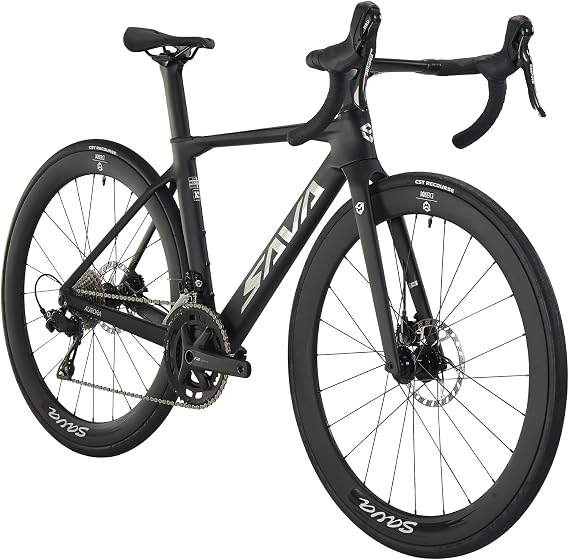
Lightweight design stands out immediately with a frame that’s just 8.9 kg, ideal for new riders aiming to get serious on paved roads. The SAVADECK A7L Carbon Road Bike suits anyone who wants a solid start in road cycling without carrying extra weight holding them back.
Setup is straightforward thanks to fully internal cable routing, keeping things neat and reducing wind drag. The 24-speed trigger shifters and double drivetrain system make gear changes smooth, while 700x25C carbon wheelsets handle varied road conditions well.
Day-to-day rides feel responsive and controlled thanks to rigid suspension with disc brakes offering reliable stopping power.
The T800 carbon fiber frame and carbon fork provide durability and efficient vibration absorption for a comfortable ride. Handling stays confident since the tapered head tube improves torsional stiffness.
Most praise is given to the lightweight frame’s performance, while some note that the rigid setup can feel unforgiving on rougher roads.
Riders appreciate the carbon frame’s lightness and strength, making climbs and long rides easier. The most frequent downside mentioned is the rigid suspension, which makes bumpy terrain less comfortable and can feel unforgiving.
The bike is great for those focusing on paved road cycling who want a responsive and agile ride. Anyone expecting softer suspension or frequent off-road use should look elsewhere for something with more compliance.
Pros
- Very lightweight at 8.9 kg
- Carbon fiber frame absorbs vibration well
- Fully internal cable design keeps setup clean
- Reliable disc brakes for stopping power
Cons
- Rigid suspension can be harsh on rough surfaces
- Lacks suspension flexibility for bumpy roads
| Specification | Details |
|---|---|
| Bike Type | Road Bike |
| Number Of Speeds | 24 |
| Suspension Type | Rigid |
| Brake Style | Disc |
| Wheel Size | 700x25C |
| Bicycle Drivetrain Type | Double |
7. Unbranded 700C Aluminum Road Bike

Perfect for someone stepping into road biking, this 700C Aluminum Road Bike balances speed and control without overwhelming complexity. Its aerodynamic aluminum frame cuts through wind efficiently, making it ideal for riders focused on improving speed on paved roads without breaking the bank on high-end gear.
Setup involves straightforward assembly thanks to the full internal cable routing, which keeps cables neat and protected. The integrated brake and shift levers offer easy gear changes that feel precise and responsive during rides.
Its lightweight build helps when accelerating or climbing, and the dual disc brakes provide reliable stopping power across different weather conditions.
Performing admirably on paved surfaces, this bike maintains momentum well due to the aerodynamic frame and lightweight materials. The rear derailleur with 14 speeds gives a good range for various road gradients.
Praised for smooth gear shifts, some users note that the rigid suspension may feel harsh on rough pavement sections. The build quality reflects thoughtful design and practical riding needs.
Gear shifting receives consistent praise for being smooth and intuitive thanks to the integrated brake and shift levers. Riders also note the rigid suspension as a drawback, finding it less comfortable on uneven or rough pavement.
This bike suits riders who want a responsive, lightweight setup on well-maintained roads and are willing to accept some firmness in ride feel. Those regularly facing bumpy terrain or needing more off-road capability might look for bikes with suspension options instead.
Pros
- Aerodynamic aluminum frame reduces wind resistance
- Brake and shift integrated levers for smooth control
- Lightweight for easier handling and acceleration
- Dual disc brakes provide solid stopping power
Cons
- Rigid suspension can feel stiff on bumpy roads
- Limited to paved road terrain only
| Specification | Details |
|---|---|
| Bike Type | Road Bike |
| Number Of Speeds | 14 |
| Suspension Type | Rigid |
| Brake Style | Disc |
| Bicycle Gear Shifter Type | Integrated |
8. Cubsala Trident BMX Race Bike

Finding a BMX bike that fits a range of heights without breaking the bank can be tricky. The Cubsala Trident BMX Race Bike suits riders from about 4’0” to 6’2”, offering a good balance of comfort and performance for those just getting into BMX racing or casual riding.
Its standout feature is the versatile Hi-Ten steel frame that handles different surfaces well.
Getting the bike ready is quite simple because it arrives 85% pre-assembled. Everything needed to finish putting it together is included, which makes setup straightforward for someone not mechanically inclined.
The bike features a twist grip gear shifter and adjustable seat, which help customize the ride. The single-speed design and rear linear pull V-brake provide good speed control for urban or BMX terrain.
Designed with rigid suspension and a durable frame, it holds up well during rides on BMX tracks, sidewalks, and dirt paths. The steel frame adds weight compared to lighter materials but feels solid under pressure.
Many appreciate its affordability and distinct BMX styling in gold. Some find the single-speed setup limiting when tackling varying terrains that need more gears.
Most people appreciate the bike’s sturdy steel frame and easy assembly, which make it a dependable choice for BMX and casual rides. The main drawback mentioned is the single-speed setup, which might restrict performance on hills or changing terrain.
Riders who want a solid, straightforward BMX bike that covers basic race and urban needs will find this bike suitable. Those looking for more gears or advanced suspension should look for alternatives better suited to challenging or varied riding conditions.
Pros
- Hi-Ten steel frame for durability
- Adjustable seat for rider comfort
- Simple single-speed drivetrain
- Good speed control with rear V-brake
Cons
- Single speed limits versatility on varied terrain
- Rigid suspension may feel harsh on rough trails
| Specification | Details |
|---|---|
| Bike Type | BMX Bike |
| Number Of Speeds | 1 |
| Suspension Type | Rigid |
| Brake Style | V Brake |
| Bicycle Gear Shifter Type | Twist Grip |
| Intended Riding Terrain | BMX Terrain, Mountain Terrain, Urban Terrain |
9. SAVADECK Carbon Disc Road Bike

Weighing only 9.6kg thanks to a frame made from high quality TORAY T800 Carbon Fiber, this bike targets entry-level racers wanting a lightweight option without breaking the bank. It suits beginners stepping into racing who prioritize weight and material quality above all.
Setup centers around the SHIMANO SORA R3000 18-speed system, known for smooth shifting and durability, making daily rides straightforward. The full internal cable routing keeps things tidy and improves airflow, which you’ll notice especially on longer rides. Dual disc brakes provide confident stopping power in various weather conditions.
Performance rides true to a road race bike’s purpose with precise gear changes from its front and rear SHIMANO derailleurs. The carbon build ensures a light yet responsive frame.
Praise highlights the smooth and reliable shifting system, while some note that the bike may require a bit of tuning out of the box for ideal adjustments.
The smooth shifting from the Shimano SORA setup receives high marks for reliability and easy operation. Common issues involve initial tuning needs, meaning some riders spend extra time getting everything aligned perfectly. The lightweight carbon construction offers noticeable ease when climbing or accelerating.
Those new to racing and wanting a quality material frame with dependable brakes will find satisfaction here. Riders expecting an out-of-the-box perfect setup or versatility for rougher terrains might want to look elsewhere for a more forgiving or multi-terrain bike.
Pros
- Lightweight 9.6kg carbon frame and components
- Smooth and durable Shimano SORA shifting
- Full internal cable routing for clean look
- Dual disc brakes for strong stopping power
Cons
- May need adjustment after assembly
- Limited to paved road terrain only
| Specification | Details |
|---|---|
| Bike Type | Road Bike |
| Number Of Speeds | 18 |
| Suspension Type | Dual, Front, Rear |
| Brake Style | Disc |
| Bicycle Gear Shifter Type | Trigger |
10. Outroad 700C Road Bike

Riders standing between 5’3 and 6’0 looking for a straightforward entry-level road bike will find this model a solid match. It’s especially good for those who value quick gear changes as its biggest strength, letting you handle urban terrain and paved roads with ease.
Setup is simple with an adjustable seat and handlebar that can fit a range of heights comfortably. The 14-speed trigger shifters respond quickly under your fingertips, so shifting through gears feels natural while riding.
Lightweight aluminum frame and rigid suspension keep the bike nimble yet stable on city streets or smooth pavement.
At its core, it delivers smooth gear transitions and reliable braking from a combination of dual disc and V brakes, making it a safe pick for different road conditions. The frame’s build quality holds up well against rough city surfaces, though some mention the brakes could feel a bit stiff at times. The tires stand up well to everyday street racing challenges.
Many users appreciate how fast and responsive the gear shifting is, making it easy to adapt to changing roads. Common critiques focus on the brake feel, as they can take some getting used to due to stiffness. The bike balances solid performance with some minor drawbacks in comfort during hard stops or bumpy rides.
This bike suits riders new to road cycling looking for a reliable entry-level option that adapts well to various paved and urban terrains. Those seeking more cushioned rides or advanced braking might consider other options better tailored to rougher or highly varied road conditions.
Pros
- Quick shifting with 14-speed trigger gears
- Adjustable seat and handlebar for comfortable fit
- Strong aluminum frame handles rough surfaces
- Combination of disc and V brakes for stopping power
Cons
- Brakes may feel stiff for some riders
- Rigid suspension might be less comfortable on very rough roads
| Specification | Details |
|---|---|
| Number Of Speeds | 14 |
| Brake Style | Disc, V Brake |
| Wheel Diameter | 25.2” |
| Weight Limit | 300lbs |
| Frame Material | Aluminum |
| Bike Type | Road Bike |
11. HILAND 700C Aluminum Road Bike

Lightweight aluminum and a 14-speed drivetrain make it a solid choice for anyone starting out in road cycling or looking to mix city commutes with some weekend gravel rides. What stands out most is the combination of durability and speed, giving a great ride without needing a pro budget.
Setting it up is straightforward thanks to the adjustable seat and quick-release features, which help dial in a comfortable fit right away. The drop bar shifters provide smooth shifting across 14 speeds, which is plenty for handling different terrains from flat city streets to unpaved trails.
The caliper brakes feel reliable and lighter than disc brakes, helping maintain good stopping power in varied conditions.
Speed and control are right where they should be for a bike in this class, making longer rides feel less taxing thanks to the efficient 700C tires. The frame’s aluminum build keeps the weight down without sacrificing stiffness, providing a lively ride.
A common grip is that stops can feel a bit less powerful than disc setups, but the brakes are consistent on paved or gravel surfaces.
Many find the caliper brakes trustworthy and effective for daily rides, but some note they don’t match the stopping power of disc brakes in every situation. The aluminum frame offers a light, sturdy feel that helps maintain momentum across city and light off-road routes.
Riders who want an affordable, versatile bike that handles both commutes and weekend gravel will be satisfied with its mix of speed and control. Those regularly tackling very rough terrain or needing stronger brakes might want to consider other options.
Pros
- Lightweight aluminum frame for easier handling
- 14-speed drivetrain suits varied terrain
- Adjustable seat and quick-release for easy fit
- Reliable dual caliper brakes in all conditions
Cons
- Brakes less powerful than disc alternatives
- Rigid suspension can feel harsh on rough trails
| Specification | Details |
|---|---|
| Bike Type | Road Bike |
| Number Of Speeds | 14 |
| Suspension Type | Rigid |
| Brake Style | Caliper |
| Intended Riding Terrain | Paved Roads, Unpaved Trails |
12. Max4out 700C Road Commuter Bike

Max4out 700C Road Commuter Bike targets cycling enthusiasts and daily commuters who want a lightweight ride with dependable control. Its aerospace-grade aluminum frame combines low weight with strong stiffness and durability, making speed feel smooth and natural.
Starting out, the bike feels ready to cruise right away. Setup involves familiar twist grip shifters controlling the 14-speed drivetrain, letting you switch gears smoothly on paved city streets. The front suspension adds comfort on rough urban terrain without slowing you down.
Its dual-disc brakes work reliably in damp or dry conditions, giving you confidence on steep descents and emergency stops alike.
The bike performs well on urban roads, providing quick responses to gear changes and nimble handling thanks to the lightweight frame. The best point found is the frame’s combination of featherlight weight and durability, perfect for everyday riding.
A frequent drawback mentioned involves the twist grip shifters, which some find less precise compared to other types.
The lightweight frame and reliable dual-disc brakes are praised for daily commutes on urban roads, with smooth gear changes through the 14-speed system. A common complaint concerns the twist grip shifters, which might not suit riders looking for the crispest shifting control.
Riders valuing lightness, durable construction, and strong brakes will find this bike a good fit, especially for city streets and paved paths. Those wanting smoother gear changes or full suspension might want to explore other options.
Pros
- Ultralight aerospace-grade aluminum frame
- Dual-disc brake system for strong stopping power
- 14-speed drivetrain with quick shifting
- Front suspension improves ride comfort
Cons
- Twist grip shifters can feel less precise
- Only front suspension, no rear for extra comfort
| Specification | Details |
|---|---|
| Bike Type | Road Bike |
| Number Of Speeds | 14 |
| Suspension Type | Front |
| Brake Style | Disc |
| Bicycle Gear Shifter Type | Twist Grip |
Best Entry Level Racing Bikes Comparison Table
| Product | Speeds | Suspension Type | Brake Style | Skill Level |
|---|---|---|---|---|
| Pipleo Road Bike | 21 | Front | Disc | – |
| Unbranded 700C Road | 16 | Rigid | Disc | – |
| Tommaso Monza Road | 20 | No-suspension | Linear Pull | Intermediate |
| Tommaso Forcella Road | 24 | No-suspension | Linear Pull | Beginner |
| SAVADECK A7L Pro | 24 | Rigid | Disc | – |
| SAVADECK A7L Carbon | 24 | Rigid | Disc | – |
| Unbranded Aluminum Road | 14 | Rigid | Disc | – |
| Cubsala Trident BMX | 1 | Rigid | V Brake | Advanced |
| SAVADECK Carbon Disc | 18 | Dual (Front, Rear) | Disc | Intermediate |
| Outroad 700C Bike | 14 | Rigid | Disc, V Brake | – |
| HILAND Aluminum Road | 14 | Rigid | Caliper | – |
| Max4out Commuter Bike | 14 | Front | Disc | – |
- Speeds21
- Suspension TypeFront
- Brake StyleDisc
- Skill Level–
- Speeds16
- Suspension TypeRigid
- Brake StyleDisc
- Skill Level–
- Speeds20
- Suspension TypeNo-suspension
- Brake StyleLinear Pull
- Skill LevelIntermediate
- Speeds24
- Suspension TypeNo-suspension
- Brake StyleLinear Pull
- Skill LevelBeginner
- Speeds24
- Suspension TypeRigid
- Brake StyleDisc
- Skill Level–
- Speeds24
- Suspension TypeRigid
- Brake StyleDisc
- Skill Level–
- Speeds14
- Suspension TypeRigid
- Brake StyleDisc
- Skill Level–
- Speeds1
- Suspension TypeRigid
- Brake StyleV Brake
- Skill LevelAdvanced
- Speeds18
- Suspension TypeDual (Front, Rear)
- Brake StyleDisc
- Skill LevelIntermediate
- Speeds14
- Suspension TypeRigid
- Brake StyleDisc, V Brake
- Skill Level–
- Speeds14
- Suspension TypeRigid
- Brake StyleCaliper
- Skill Level–
- Speeds14
- Suspension TypeFront
- Brake StyleDisc
- Skill Level–
How to Choose the Right Entry Level Racing Bike
Choosing an entry level racing bike depends on factors like frame material, weight, and gear setup, which affect performance and comfort. Prioritizing these helps avoid costly upgrades later and ensures a smoother, more enjoyable riding experience from the start.
Frame Material and Build Quality
Racing bikes often face a mix of rough roads and long rides, so knowing the frame material makes a big difference. Aluminum frames are common for entry-level bikes because they strike a balance between weight and cost. They tend to be light but can feel a bit stiff.
Steel frames, while heavier, offer durability and a more comfortable ride by absorbing some road vibrations. Carbon is usually reserved for higher-end models; it’s very light and can be engineered for specific ride qualities but may come at a price point above entry-level.
The shape and design of the frame influence comfort and performance more than people expect; sloping top tubes and compact shapes can make handling more responsive.
Strong welds or smooth bonding are crucial to avoid cracks or failure, especially under race conditions. Poor weld quality often leads to frame fatigue sooner. Look for consistent weld beads or clean carbon joins in photos or reviews.
A well-built frame maintains its ride quality even after thousands of miles.
Fit and Geometry
Choosing the right frame size is crucial and often overlooked. A frame that is too large or small throws off riding posture and control, leading to discomfort or even injury during long rides. The rider’s height and inseam length are the first numbers to check, but geometry plays a role too.
Bikes with aggressive geometry place the rider in a lower, aerodynamic position but can sacrifice comfort. More relaxed frames prioritize an upright position, which is easier for extended rides or beginners.
Adjustable components like seat posts and handlebars offer some flexibility if the initial fit isn’t perfect. A seat post with setback adjustment or a handlebar stem that can tilt can help dial in the fit.
Small changes here improve comfort and control significantly without needing a whole new bike.
Drivetrain and Gear Range
Shifting quality impacts how smoothly you move between gears, especially on varied terrain. Entry-level setups often use Shimano or SRAM groupsets, which supply reliable and precise shifting but require some maintenance to stay that way.
A drivetrain with a good gear range, often a compact crankset paired with an 11-32 cassette, covers flats and hills efficiently. Gearing suited to the terrain helps prevent fatigue and keeps cadence steady.
Maintenance accessibility matters daily. Cables stretch and chainrings wear out, so parts must be easy to replace without specialized tools. Stocking a few common parts like cables, chain, and brake pads keeps downtime short after regular rides.
Braking System
Stopping power varies significantly between rim brakes and disc brakes. Rim brakes are lighter and simpler but lose efficiency in wet conditions, which is a common problem in unpredictable weather. Disc brakes provide more consistent braking power and better modulation, meaning you can control how hard the bike stops.
This control improves safety, particularly when going downhill or navigating traffic.
Disc brakes generally require more upkeep, like checking rotor wear and hydraulic fluid levels, but they last longer without major adjustment. Rim brakes are easier to maintain but might need more frequent cable and pad changes.
Riders should consider typical riding conditions when choosing a braking system.
Weight and Stiffness
The total weight of a bike matters more than just a number on a spec sheet. A lighter bike accelerates easier and feels more responsive in tight corners, which is important in racing or on hilly courses. However, going ultra-light often means sacrificing durability.
The stiffness of the frame and components affects how much effort translates directly into forward motion. Too much flex in the frame or wheels wastes power, making climbs or sprints harder.
Bikes with carbon parts tend to be lighter and stiff, but entry-level models often use aluminum, which adds weight but improves toughness. The best choice balances lightness and lasting strength, especially for someone still learning how to handle the demands of racing conditions.
Optimizing Your Riding Technique for Entry Level Racing Bikes
Proper bike fit is crucial for efficient riding and injury prevention on entry level racing bikes. Make sure the saddle height allows your leg to extend almost fully at the bottom of a pedal stroke.
Adjust the handlebars so you’re not overstretching or cramped; comfort contributes to better control and longer rides. Use clipless pedals if possible; they help transfer power more efficiently. Focus on maintaining a smooth pedal stroke by applying force throughout the rotation instead of just pushing down.
Develop a consistent cadence around 80-90 revolutions per minute to balance speed and endurance. Keeping your upper body relaxed reduces fatigue and improves bike handling. Pay attention to breathing rhythm and try to breathe deeply even during intense efforts.
Practicing cornering and braking techniques in a safe environment can increase confidence on group rides or races.
Essential Maintenance Tips to Prolong Your Racing Bike’s Lifespan
Regular cleaning prevents dirt and grime from wearing down components on your racing bike. Wipe down the frame, chain, and gears after rides, especially in wet or dusty conditions. Lubricate the chain once it’s dry to reduce friction and prevent rust, avoid over-application to keep the drivetrain clean.
Check tire pressure before every ride; under-inflated tires cause sluggish handling and increase puncture risk. Inspect brake pads for wear and replace them if they’re worn down to ensure reliable stopping power.
Confirm that all bolts, especially on the stem and seat post, are tight but avoid overtightening. Periodically check for any play in the headset and hub bearings; loose parts can affect steering and rolling efficiency. Storing the bike indoors away from moisture also helps protect components and paint.
Common Mistakes Beginners Make and How to Avoid Them
Starting out, many riders hold the handlebars too tightly, which leads to arm fatigue and jerky movements. Keep a relaxed grip to stay smoother and more responsive.
Avoid the temptation to ride in the biggest gear all the time; shifting to a higher cadence in easier gears saves energy and improves endurance. Neglecting proper bike fit causes discomfort so get adjustments done early based on your measurements or seek professional help from a local shop. Skipping basic maintenance often results in dropped chains or sticky shifting, set aside time each week to clean and inspect.
Beginners sometimes brake too hard or abruptly, which can throw off balance; practice gentle, progressive braking instead. Finally, trying to accelerate too aggressively from a stop wastes effort and makes riding less enjoyable. Consistent, steady pedaling and controlled effort will lead to better progress.
People Also Asked
How Do I Properly Size an Entry Level Racing Bike?
The frame size should match your height and inseam length for proper fit. A good practice is to test ride a few sizes at a local bike shop to find the most comfortable reach and standover clearance.
What Safety Gear Should I Use with a Beginner Racing Bike?
A well-fitting helmet, padded cycling gloves, and reflective clothing are essential safety gear. Start with basic gear and gradually add items like cycling glasses or knee pads depending on your riding conditions.
How Long Does an Entry Level Racing Bike Usually Last?
An entry level racing bike typically lasts several years with regular maintenance. Keep the chain clean and lubricated, and replace brake pads as needed to extend its lifespan.
Are Entry Level Racing Bikes Compatible with Standard Bike Accessories?
Most entry level racing bikes support standard accessories like bottle cages, lights, and saddlebags. Check mounting points on the frame beforehand to ensure compatibility with your chosen accessories.
What Are Common Problems with Entry Level Racing Bikes?
Common issues include misaligned brakes, loosening gears, and occasional chain slipping. Regularly checking cable tension and adjusting brakes can prevent these problems and improve overall ride quality.
Conclusion
Choosing an entry level racing bike should focus on a few key points. Tire size and frame material affect both comfort and speed.
Gear setup matters depending on how hilly your rides will be. Finally, fit and adjustability help ensure you can ride long distances without discomfort.
Consider how much storage space you have and how often you plan to ride. This can influence whether a lighter or more durable model makes sense for you.
Check the comparison table and the detailed picks above to find the bike that fits your specific needs and budget.