
Top 12 Best Fat Bike Picks for Rough Trails and Snow
Riding a fat bike that’s too heavy or has tires that don’t hold up can turn a snowy trail or sandy path into a frustrating slow slog. The best fat bike makes a noticeable difference by offering enough traction and balance to handle rough terrain without feeling sluggish.
Nobody wants a bike where the wheels get stuck or where every bump jars the frame, especially on the kinds of surfaces fat bikes are meant for.
Good fat bikes usually stand out by having wide tires around 3.8 to 5 inches, which provide grip and cushioning on loose surfaces. A lightweight but strong frame, often aluminum or carbon fiber, keeps the bike manageable without sacrificing durability.
The wheel size, typically 26 inches, paired with reliable disc brakes, improves control in wet or icy conditions. A proper fit, with the right frame size and handlebar width, is essential for long rides across challenging terrain.
Need a Quick Check?
| Image | Product | Price |
|---|---|---|
Our Top Picks 1 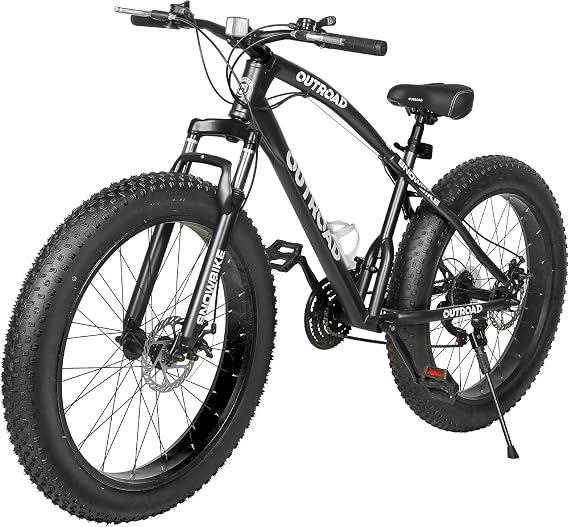 | Outroad Fat Tire Bike | Check Price |
Our Top Picks 2 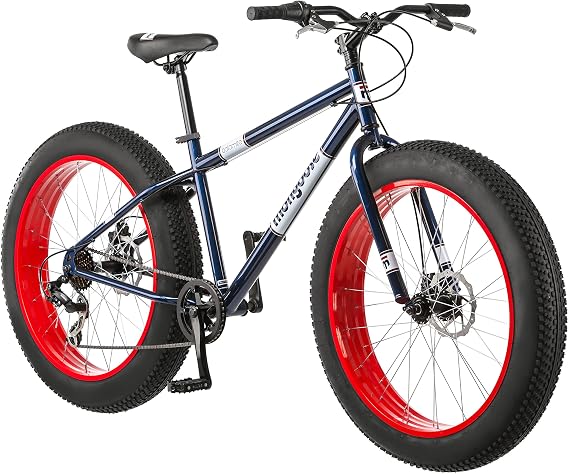 | Mongoose Dolomite Bike | Check Price |
Our Top Picks 3  | Mongoose Argus Trail | Check Price |
Our Selected Top 12 Fat Bike Picks for Every Need
The list includes fat bikes designed for various terrains and riding styles, from casual trails to rugged snow or sand. Each review explains performance aspects, highlights suitable riders, and points out strengths and weaknesses to help match the bike to specific needs and preferences.
1. Outroad Mountain Bike Fat Tire 26 Inch
Fat tires measuring 4 inches wide set this mountain bike apart, perfect for riders tackling rugged trails or snowy paths. The 21-speed gear system suits people wanting precise control over their speed, especially on inclines.
Comfort and durability come from the shock-absorbing front fork and high-carbon steel frame, blending tough design with ride ease.
Assembly requires about 20 to 40 minutes and tools come included with a clear video guide. You will notice the thick tyres grip well on uneven ground and resist wear significantly.
The front suspension smooths bumps on rough terrain. Having 21 speeds allows quick, accurate shifting so climbing hills demands less effort. Daily rides on urban and off-road surfaces are comfortable and stable.
Strong points include the shock-absorbing fork and the sturdy high-carbon steel frame that holds up under pressure. Its 4-inch tires offer great traction and longevity. Shifting gears is reliable and helps conserve energy uphill.
Some report the bike’s weight as a drawback, making it less nimble for quick maneuvers. Disc brakes provide good stopping power but may need occasional adjustments.
Shock absorption and tire durability stand out as major benefits for bumpy rides and different terrains. The most frequent concern is the weight, making the bike less agile especially in tight, quick turns or city commuting. Stability often trades off with responsiveness on narrow trails or sharp bends.
Riders looking for dependable traction and comfort on rough or snowy trails will find this bike practical and reliable. Those wanting a lighter bike for fast maneuvering in urban settings or racing might need to explore models with slimmer tires and lighter frames.
Pros
- Wide tires provide strong grip and wear resistance
- Front suspension improves comfort on uneven ground
- 21-speed gear system offers precise speed control
- High-carbon steel frame resists deformation
Cons
- Heavier weight limits quick handling
- Disc brakes require occasional tuning
| Specification | Details |
|---|---|
| Number Of Speeds | 21 |
| Suspension Type | Front |
| Tire Width | 4 inch |
| Brake Style | Disc |
| Frame Material | High-carbon steel |
| Intended Terrain | Mountain Terrain, Unpaved Trails, Urban Terrain |
2. Mongoose Dolomite Fat Tire Mountain Bike
Mongoose Dolomite Fat Tire Mountain Bike fits riders between 5’4 and 6′ tall aiming for a bike that handles rough trails with ease. Its standout feature is the wide knobby tires combined with a steel frame, designed to maintain traction and control on unpaved and mountain terrain.
Assembly arrives about 80% done, needing basic tools like a Phillips screwdriver and Allen wrenches to complete. You’ll find the adjustable seat and threadless headset helpful for a tailored fit.
Beach cruiser pedals feel comfortable on long rides, while mechanical disc brakes provide reliable stopping power in varied conditions. The 7-speed twist grip allows smooth gear changes on mixed terrain.
Bike’s steel frame and alloy rims keep weight manageable without sacrificing toughness. The drivetrain shifts fairly well, but some riders note occasional stiffness in gear changes. Brake performance is consistent, but a few mention brake pad wear over time.
It handles mountain and outdoor trails with solid dependability and grip.
Riders appreciate the fat tires and strong brakes for confident rides over mud, sand, and rocks. The seat adjustability and twist grip shifters suit varied riders well. Some find the gear shifting a bit stiff, requiring periodic adjustment or care when changing speeds.
Those who need a durable, no-frills fat tire bike for unpaved trails and moderate mountain use will be satisfied. Riders looking for a bike with suspension or more precise gear shifting should consider alternatives. The Dolomite is practical and steady for intermediate-level trail riding.
Pros
- Wide knobby tires for excellent trail traction
- Strong steel frame suitable for rough terrain
- Adjustable fit for riders 5’4″ to 6′ tall
- Mechanical disc brakes offer solid stopping power
Cons
- Assembly requires multiple tools and some effort
- Occasional stiffness in gear shifting noticed
| Specification | Details |
|---|---|
| Bike Type | Mountain Bike |
| Number Of Speeds | 7 |
| Wheel Size | 26-inch |
| Brake Style | Mechanical Disc |
| Frame Material | Steel |
| Suspension Type | Rigid |
3. Mongoose Argus Trail Fat Tire Mountain Bike
Rough terrain demands a bike that handles loose dirt, snow, and gravel with ease. Riders between 5’7 and 6’1 will find the Mongoose Argus Trail fat tire mountain bike ready for challenging trails. Its biggest strength lies in the wide 4-inch tires, providing excellent traction on surfaces where regular mountain bikes struggle.
Setting up the bike mainly involves adjusting the Shimano 7-speed twist shifters to match your preferred resistance, which works smoothly and keeps shifts quick. The steel hardtail frame and rigid fork make it straightforward to maintain, while the mechanical disc brakes offer dependable stopping power in all weather. The drilled aluminum rims reduce wheel weight, making handling easier on rough paths.
You can expect a consistent ride with durable construction suited to frequent trail use.
Trail performance is solid across different surfaces because of the four-inch knobby fat tires. The steel frame handles impacts well and holds up against rough terrain.
Smooth gear changes come from the Shimano rear derailleur system. The main drawback mentioned is the weight, due to the steel frame and fat tires, which makes it a bit tougher to pedal on flat, easy trails. Brake reliability is good, but quick adjustments may be needed after heavy use.
The bike handles tough terrain well thanks to its fat tires and strong frame, with shifting and braking mostly reliable. Weight and occasional brake tuning are the main issues that can affect longer rides or road use.
Outdoor riders looking for extra traction in sand, snow, or gravel will appreciate this model. Beginners expecting a light, fast bike for smooth trails might prefer a less heavy option, as this one is built for control and durability over speed.
Pros
- Great grip on loose sand and snow
- Durable steel frame withstands rough trails
- Lightweight aluminum rims reduce wheel weight
- Smooth shifting with Shimano twist shifters
Cons
- Heavier than regular mountain bikes
- Brake adjustments needed after intense rides
| Specification | Details |
|---|---|
| Wheel Size | 26-inch |
| Tire Width | 4-inch knobby fat tires |
| Frame Material | Steel hardtail |
| Speeds | 7-speed Shimano twist shifters |
| Brakes | Mechanical disc brakes |
| Suspension | Rigid fork |
4. Full Suspension Mountain Bike 24/26 Inch

26 x 4.0-inch fat tires set this mountain bike apart, perfect for riders who need grip and stability on tricky surfaces like snow, sand, and gravel. It suits beginners looking for a solid, comfortable ride across various off-road terrains with good shock absorption and dependable brakes.
Assembly is relatively straightforward since the bike comes 85% pre-assembled, meaning less time wrestling with tools and more time riding. The front forks are thickened and combined with a rear shock absorber, so bumps on trails and rough terrain feel easier to manage. The handlebars with ergonomic grips and the comfortable saddle help keep rides relaxed, whether commuting or hitting the dirt paths.
The 21-speed derailleur gears shift smoothly enough to handle steep climbs and faster descents without much fuss. A high-carbon steel frame adds strength but adds some weight. Mechanical disc brakes provide reliable stopping power, even in muddy or loose conditions.
One frequent complaint is about the overall bike weight, which can be tiring on longer rides or uphill stretches.
Many riders appreciate how well the fat tires and suspension work together to absorb shocks and keep rides stable on uneven ground. Complaints tend to focus on the bike’s weight, making it less ideal for long uphill trips. The brakes perform consistently in various conditions, though fine-tuning the assembly is sometimes necessary.
People who want a versatile fat bike for off-road trails and casual commuting will find this bike a solid option. Those needing something lighter for long climbs or traveling mostly on paved roads might look for a lighter frame or different tire setup.
Pros
- Wide fat tires improve grip on loose terrain
- Dual suspension smooths out rough trails
- 21-speed gears cover a broad range of gradients
- Reflective strips improve visibility during low light
Cons
- Relatively heavy frame can tire riders on climbs
- Assembly instructions could be clearer
| Specification | Details |
|---|---|
| Bike Type | Mountain Bike |
| Number Of Speeds | 21 |
| Suspension Type | Dual |
| Brake Style | Disc |
| Tire Size | 26 x 4.0 inch |
| Frame Material | High-Carbon Steel |
5. Foldable Fat Tire Mountain Bike 26 Inch

People who need a fat tire mountain bike that folds for easy storage and transport will find this model fits well. It suits riders tackling snow, sand, or gravel and values a full suspension setup for smoother rides.
The biggest strength lies in its foldable high carbon steel frame that supports heavy loads while saving space.
Setting the bike up takes under an hour with most parts pre-installed. The foldable frame makes it easy to pack away in tight spaces like apartments or car trunks.
Daily rides benefit from 26 x 4-inch tires that grip well on loose surfaces. The 21-speed thumb shifter helps adjust to varied terrain, while the dual mechanical disc brakes give dependable stopping power. Front and rear shocks soften bumps on rough trails, improving comfort significantly.
The fat tires deliver good traction over snow and sand, supporting off-road adventures effectively. Construction with high carbon steel and a full suspension design adds durability and comfort. The strongest praise notes the bike’s ability to handle heavy loads and rough terrain reliably.
A common complaint is the assembly time, which can stretch toward 40 minutes for less experienced riders.
The frame’s foldable design holds up well under heavy use and fits into tight storage spaces efficiently. Bikes are mostly pre-assembled but may require patience during final setup. The full suspension with front and rear shocks noticeably reduces trail bumps, aiding comfort. Assembly length and weight are the main challenges noted.
Riders looking for a fat bike to store in limited space and handle rough terrains such as snow or sand will appreciate its features. Those prioritizing the lightest frame or fastest assembly might consider other models more suited to those needs. It works well as a versatile outdoor bike with durability and space-saving benefits.
Pros
- Foldable frame fits apartment and SUV trunks
- Full suspension for smoother off-road rides
- Wide tires offer strong grip on multiple terrains
- Dual disc brakes provide reliable stopping power
Cons
- Assembly can take up to 40 minutes
- Heavier than non-foldable fat bikes
| Specification | Details |
|---|---|
| Frame Material | High Carbon Steel |
| Wheel Size | 26 Inch |
| Tire Width | 4 Inch |
| Gears | 21-speed |
| Suspension | Full Suspension |
| Brakes | Mechanical Dual Disc Brake |
6. Outroad Fat Tire Mountain Bike 26 Inch

Outroad Fat Tire Mountain Bike 26 Inch stands out with its 21-speed setup and thick 4-inch tires, ideal for riders tackling rough mountain trails or uneven urban terrain. It fits well for those wanting better speed control and sturdy performance on challenging surfaces, emphasizing comfort and durability over lightweight design.
Assembling the bike takes about 20 to 40 minutes using the included tools and video guide, making setup manageable even if not highly experienced. The front shock-absorbing fork smooths out bumps during daily rides, and the thumb shifter allows quick and accurate gear changes when climbing hills or adjusting speed on mixed trails.
The high-carbon steel frame offers solid resistance to bending and stretching, contributing to the bike’s stable feel. Strong disc brakes provide reliable stopping power in various conditions. Thick tires deliver traction and durability but add extra weight, which some riders find tiresome on longer rides.
The bike is praised for its traction and stability on rugged trails thanks to extra-wide tires and a sturdy frame. Some riders report that the weighting from thick tires and high-carbon steel frame makes extensive uphill riding more tiring than lighter alternatives. Setup time varies but is generally on the longer side for a non-expert.
Those looking for a solid mountain bike with a wide gear range and shock absorption will appreciate this build. Riders wanting a lighter, faster frame should consider another model better suited for speed and endurance rather than rugged durability and comfort on rough terrain.
Pros
- 21-speed gears improve uphill ride efficiency
- Shock-absorbing front fork for smoother rides
- Durable 4-inch tires with strong grip
- Disk brakes provide consistent stopping power
Cons
- Heavy steel frame feels bulky on long rides
- Assembly can take up to 40 minutes
| Specification | Details |
|---|---|
| Bike Type | Mountain Bike |
| Number Of Speeds | 21 |
| Suspension Type | Front |
| Brake Style | Disc |
| Tire Width | 4 inches |
| Frame Material | High-carbon steel |
7. Fat Tire Mountain Bike 26 Inch High Carbon Steel

Fat Tire Mountain Bike 26 Inch High Carbon Steel suits riders needing solid traction on varied surfaces. It performs best in off-road conditions where wide tires and gear flexibility matter most.
The standout feature is the 4-inch wide tires that provide steady grip on soft or slippery terrain.
Setting up takes a few straightforward steps using the included tools and instructions. Day-to-day, the adjustable 21-speed system helps tackle hills and flats comfortably. The twist grip gear shifter works smoothly for shifting through different speeds.
The adjustable handlebar and ergonomic seat make it easy to find a riding position that fits your height.
Handles mountain terrain well with strong traction and reliable front suspension. The high-carbon steel frame feels sturdy and absorbs shocks on rough ground.
Powerful dual mechanical disc brakes offer confident stopping power even on wet or uneven surfaces. Most users praise the braking and gear range, but some find the steel frame heavier compared to lighter materials.
Braking feels responsive and secure across different terrains, which is appreciated during challenging rides. The wide tires maintain good grip on sand, snow, and mud. Weight is the main drawback, with the steel frame adding bulk that can tire you on longer rides or quick handling scenarios.
Those focused on mountain or mixed terrain riding and who prioritize traction and safety will find this bike a solid match. Riders looking for a lighter, more agile option or who plan mostly smooth road cycling might want to explore bikes with lighter materials or thinner tires.
Pros
- Wide 4-inch tires provide excellent traction
- Durable high-carbon steel frame absorbs shocks
- 21-speed gear system adapts well to slopes
- Dual mechanical disc brakes ensure strong stopping power
Cons
- Frame material makes the bike heavier
- Assembly may take some time for beginners
| Specification | Details |
|---|---|
| Number Of Speeds | 21 |
| Suspension Type | Front |
| Brake Style | Disc |
| Bicycle Gear Shifter Type | Twist Grip |
| Intended Riding Terrain | Mountain Terrain |
| Bicycle Drivetrain Type | Chain drive |
8. Max4out Fat Tire Mountain Bike 26 Inch

Riding over rough trails or city streets feels steady and controlled with the Max4out Fat Tire Mountain Bike 26 Inch. Designed for bigger riders, it supports more weight and taller frames comfortably.
Its standout feature is the 21-speed drivetrain, which makes climbing hills and accelerating smoother compared to basic 7-speed options.
Setting up includes simple assembly with the tools provided, which makes the bike ready quickly. Using the twist grip gear shifter helps shift precisely between 21 speeds. The front suspension fork absorbs bumps nicely, reducing discomfort on uneven surfaces.
The wide 4-inch tires add traction and resist wear, so you can feel confident on different terrains without worrying about quick tire damage.
Power delivery on hills and flat stretches is solid thanks to the 21-speed system. The bike frame, built from high-carbon steel, resists bending and handles stress well. The suspension fork’s shock absorption lowers vibration impact, improving comfort.
A common comment is that the seat feels made for taller riders, but some mention the bike could be heavier than standard models. The disc brakes work effectively for stopping power.
The 21-speed gears combined with the sturdy suspension make this bike comfortable on hills and bumpy trails. The frame holds up well under heavier loads, making it a dependable choice. The most frequent drawback involves the bike’s weight, which can make carrying or lifting more of a task. Larger riders find the seat design fitting, but others might not.
Anyone above 5’5″ looking for a fat tire mountain bike that handles urban roads and rugged areas will appreciate this model. Riders below this height or those wanting a lighter bike for transport might want to consider alternatives. This mountain bike fits best with taller, heavier riders who value durability over portability.
Pros
- 21-speed drivetrain for better acceleration
- 4-inch wide tires offer great traction
- Front suspension improves ride comfort
- Supports riders up to 400 pounds
Cons
- Bike weight may feel heavy to some
- Seat fit mainly suits taller riders
| Specification | Details |
|---|---|
| Bike Type | Mountain Bike |
| Number Of Speeds | 21 |
| Suspension Type | Front |
| Brake Style | Disc |
| Rider Height Range | 5’5″ to 7’1″ |
| Weight Capacity | 400 lb |
9. Electric Fat Tire Mountain Bike 26 Inch

Electric Fat Tire Mountain Bike 26 Inch suits those who want an electric bike ready for off-road and challenging conditions with a powerful motor and long battery life. Its biggest strength is the balance between a strong 500W motor and a large capacity battery offering a solid range.
Setup requires assembling main parts only since it comes 90% pre-assembled, with instructional videos available. Daily rides benefit from fast charging, just over 3 hours for a full charge.
You can charge the battery on or off the bike, adding convenience and security. The LCD display shows speed, battery, and error messages clearly, making it easy to monitor while riding.
The bike handles different terrains confidently thanks to 4-inch wide fat tires and front suspension. The mechanical disc brakes on front and rear perform well for stopping power.
The aluminum alloy double-layer rims and carbon steel front fork offer durability. Praise focuses on extended range and terrain versatility. Some mention minor assembly challenges or the bike being a bit heavy.
A key advantage is the reliable 50-mile range from the 48V 10Ah battery, letting you ride longer without worries. The 500W motor provides enough power on hills and rough trails. Most find the bike sturdy and well-designed for off-road use. Challenges arise during the initial assembly, which can be complicated without help or prior experience.
Perfect for intermediate riders looking to tackle mountain trails, snow, or sand with electric assistance. Those prioritizing lighter weight or professional-grade components might consider other bikes. The combination of electric power, durable tires, and suspension offers versatility for varied terrain but expect the initial setup to require patience.
Pros
- Long riding range up to 50 miles per charge
- Fast battery charging in just over 3 hours
- Wide fat tires handle various terrains well
- Clear, informative LCD display
Cons
- Bike weight may feel heavy for some
- Assembly of main parts can be tricky
| Specification | Details |
|---|---|
| Motor Power | 500W |
| Battery Capacity | 48V 10Ah (499Wh) |
| Top Speed | 19.8 MPH |
| Tire Width | 4 inches |
| Gears | 7-speed |
| Brake Type | Mechanical front and rear disc |
10. Fat Tire Mountain Bike 26 Inch

Heavy-duty high-carbon steel forms the frame of this fat tire mountain bike, designed for rugged off-road use and varied terrains. It suits riders who prioritize durability and traction across surfaces like beaches, snow, or rough trails.
Its standout feature is the 4-inch wide knobby tires that deliver strong grip and stability everywhere you ride.
Setting up the bike mainly involves adjusting the Shimano 21-speed twist grip shifters for smooth gear changes. The front suspension fork helps absorb bumps on dirt paths, making daily rides comfortable over uneven ground.
Mechanical disc brakes on both wheels respond quickly, providing better control on steep or slippery descents.
The bike handles different surfaces reliably, performing well on mountain trails, sand, and paved roads. The steel frame withstands impacts and resists rust, promising a solid lifespan.
Gear shifts and braking respond smoothly, though the overall weight can feel heavy when lifting or carrying. A few mention the frame rigidity can make longer rides tiring for the shoulders.
Strong traction and reliable braking stand out as major benefits during varied rides. The bike’s weight and frame stiffness appear as the main drawbacks that some find impact comfort beyond short rides. Many appreciate how well it keeps control on loose or uneven surfaces.
Riders needing a tough bike for mixed terrain and trail use will find this a solid choice, especially where durability is key. Those looking for a lighter or more flexible frame for extended rides might prefer another model designed for easy handling instead.
Pros
- Wide tires for stable grip on various terrains
- Complete Shimano drivetrain for precise shifting
- Front suspension eases rough trail bumps
- Dual mechanical disc brakes offer strong stopping power
Cons
- Heavy frame adds weight to carrying effort
- Rigid frame can cause shoulder fatigue on long rides
| Specification | Details |
|---|---|
| Bike Type | Fat Tire |
| Number Of Speeds | 21 |
| Suspension Type | Front |
| Tire Width | 4 Inch |
| Brake Style | Disc |
| Frame Material | High Carbon Steel |
11. TST Electric Bike Adult 48V

Fat tires and a powerful motor make the TST Electric Bike Adult 48V fit for both city streets and rough trails. Its biggest strength lies in the high-performance 749W motor, letting you tackle steep hills and rugged terrain with confidence. Riders looking for versatility and strong electric assistance will find it very capable.
Setting up requires only some final assembly after receiving the bike mostly pre-assembled. The 48V 15Ah removable battery charges fully in 6-7 hours, making daily recharges straightforward. The LCD display clearly shows speed, distance, and battery levels to monitor your ride.
Swapping between 3 speed modes and 7 gears adjusts well to different surfaces and inclines. Puncture-proof 20×4 tires and dual suspension provide better grip and smoother rides on bumps or rough ground.
It delivers strong support with 2000W peak power that climbs hills and handles off-road paths smoothly. The frame and parts feel solid and built for a 450 lb load limit, contributing to overall durability.
Most praise points to its 60-mile range in pedal assist mode, letting longer rides feel more manageable. Brake responsiveness gets good remarks, though some note the linear pull brakes need regular checks for tightness before rides.
Range around 60 miles on pedal assist keeps longer rides doable and relaxed. Power helps climb hills and accelerate quickly. Some riders find the brakes require constant inspection and occasional tightening to avoid mushy stopping. The direct twist grip for gears works well once adjusted properly but can feel stiff at first.
Those wanting a fat bike able to switch between city roads and trails will appreciate the power and suspension balance here. Riders planning lighter rides or needing a lighter frame might explore alternative models. This bike fits well for someone prioritizing strong electric assistance over weight savings.
Pros
- Strong 749W motor with 2000W peak power
- Removable battery charges in 6-7 hours
- Dual suspension for smoother rides
- Wide fat tires provide good grip
Cons
- Linear pull brakes need frequent adjustments
- Weighs 66 lbs, heavier than some competitors
| Specification | Details |
|---|---|
| Motor Power | 749W rated, 2000W peak |
| Battery | 48V 15Ah removable lithium |
| Tire Size | 20″x4″ puncture-proof fat tires |
| Speeds | 7-speed gears, 3 speed settings |
| Suspension | Front and rear dual suspension |
| Maximum Load | 450 lbs |
12. Kingbull Hunter 2.0S Electric Fat Tire Bike

Strong hill-climbing capability and a powerful motor make this electric fat bike fit for riders who want easy acceleration and traction on rough terrain. It suits anyone tackling gravel paths, dirt, or sandy trails, especially when speed and battery life matter most.
Set up includes mounting a removable 48V 18AH 864Wh battery, allowing charging off the bike. Day-to-day use benefits from wide 26 by 4.0 tires that firm up grip on uneven or soft surfaces. A 100mm front suspension softens bumps while the digital display keeps speed and battery status visible during rides.
Lights and fenders help with utility in varied conditions.
Performance combines 1300W peak power with a 28 MPH top speed, letting you zip through hills or open trails without much effort. The frame holds up well over rough ground.
Hydraulic brakes with 180mm rotors stop safely but a few users mention the bike’s weight can feel heavy on longer trips.
Strong motor power and battery capacity enable fast, confident rides on rough or uneven paths. Hydraulic brakes offer consistent stopping strength. Common feedback notes the bike’s weight as a drawback for longer trips or carrying it upstairs.
Those wanting a rugged electric bike with solid hill climbing and decent speed will find good use out of this model. Riders needing a lighter option or wider gear selection might consider alternatives with more gearing or reduced frame weight.
Pros
- Strong motor power for hills
- Removable long-lasting battery
- Wide tires for extra grip
- Hydraulic disc brakes for safety
Cons
- Bike weight can feel heavy
- 7-speed cassette limits gear range
| Specification | Details |
|---|---|
| Motor Power | 750W brushless hub, 1300W peak |
| Tire Size | 26″ x 4.0″ fat tires |
| Front Suspension Travel | 100mm |
| Brakes | 180mm dual piston hydraulic disc |
| Battery | 48V 18AH 864Wh removable lithium |
| Speeds | 7-speed cassette |
Comparison of Top Rated Fat Bikes Side by Side
| Product | Bike Type | Speeds | Suspension Type | Power Source |
|---|---|---|---|---|
| Outroad Fat Tire Bike | Mountain Bike | 21 | Front | Pedal power |
| Mongoose Dolomite Bike | Mountain Bike | 7 | Rigid | – |
| Mongoose Argus Trail | Mountain Bike | 7 | Rigid | Pedal power |
| Full Suspension MTB | Mountain Bike | 21 | Dual | Pedal power |
| Foldable Fat Tire Bike | Fat Tire, Mountain Bike | 21 | Full Suspension | Human Powered |
| Outroad MTB 26 Inch | Mountain Bike | 21 | Front | Pedal power |
| High Carbon Steel MTB | Mountain Bike | 21 | Front | – |
| Max4out Fat Tire Bike | Mountain Bike | 21 | Front | – |
| Electric Fat Tire MTB | Electric Bike | 7 | Front | Electric motor |
| Fat Tire MTB 26 Inch | Fat Tire | 21 | Front | – |
| TST 48V Electric Bike | Electric Bike | 7 | Dual | Electric motor |
| Kingbull Hunter 2.0S | Fat Tire | 7 | Dual | – |
- Bike TypeMountain Bike
- Speeds21
- Suspension TypeFront
- Power SourcePedal power
- Bike TypeMountain Bike
- Speeds7
- Suspension TypeRigid
- Power Source–
- Bike TypeMountain Bike
- Speeds7
- Suspension TypeRigid
- Power SourcePedal power
- Bike TypeMountain Bike
- Speeds21
- Suspension TypeDual
- Power SourcePedal power
- Bike TypeFat Tire, Mountain Bike
- Speeds21
- Suspension TypeFull Suspension
- Power SourceHuman Powered
- Bike TypeMountain Bike
- Speeds21
- Suspension TypeFront
- Power SourcePedal power
- Bike TypeMountain Bike
- Speeds21
- Suspension TypeFront
- Power Source–
- Bike TypeMountain Bike
- Speeds21
- Suspension TypeFront
- Power Source–
- Bike TypeElectric Bike
- Speeds7
- Suspension TypeFront
- Power SourceElectric motor
- Bike TypeFat Tire
- Speeds21
- Suspension TypeFront
- Power Source–
- Bike TypeElectric Bike
- Speeds7
- Suspension TypeDual
- Power SourceElectric motor
- Bike TypeFat Tire
- Speeds7
- Suspension TypeDual
- Power Source–
How to Choose the Right Fat Bike
Tire width, frame size, and gear range matter most for fat bikes because they affect traction, comfort, and the ability to handle different terrains. Choosing the right setup avoids frequent upgrades and makes riding safer and more enjoyable from the start.
Tire Width and Tread
Riding on soft snow or loose sand with narrow tires quickly becomes a struggle. Tires around 4 to 5 inches wide spread weight better, preventing the bike from sinking. Thinner tires might feel faster on packed trails, but they often lose traction in unpredictable conditions.
A wider tire keeps the ride steady even on uneven surfaces, reducing the need to constantly adjust your balance. Tread depth and pattern also play crucial roles; tightly spaced knobs slide easily in snow but clog in mud, while aggressive, widely spaced treads grip mud and wet dirt effectively but can feel harsh on hardpacked surfaces.
Adjusting tire pressure matters here. Lower pressures between 5 and 15 psi improve traction by allowing tires to conform over obstacles.
Pumps designed for these tires make it easier to manage pressure without wasting time. Riding with improperly inflated tires leads to frequent slips or flats, which becomes annoying quickly. Regularly checking pressure and cleaning mud and debris from tread keeps performance consistent on varied terrains.
Frame Material and Design
Riding a bike with a steel frame means dealing with a heavier build, often adding several pounds compared to aluminum or carbon frames. This weight difference becomes noticeable on long rides or steep climbs. However, steel frames tend to withstand rough handling and impacts without bending or cracking, making them very durable for rocky or uneven terrain.
Aluminum frames are lighter, usually around 20% less weight, improving speed and agility but can be less forgiving on bumpy trails. Carbon frames are the lightest and absorb vibrations well, but they require careful maintenance to avoid damage from crashes or sharp impacts.
The shape and angles of the frame significantly affect comfort and control. A slacker head tube angle, commonly around 65-68 degrees, provides stability on descents, while steeper angles offer quicker steering.
A longer wheelbase helps smooth out vibrations for a more comfortable ride, especially on rough ground. Corrosion resistance matters a lot for durability, aluminum and carbon resist rust entirely, but steel frames need quality paint or coatings to prevent rust when exposed to moisture or salt. Proper protection against scratches and dings also extends the bike’s lifespan over rugged trails.
Suspension and Comfort
Riding across rocky trails or snowy paths without any form of shock absorption feels like bouncing on a gravel driveway. Bikes with built-in suspension systems, such as front forks or full suspension, significantly reduce this jarring sensation. A front suspension fork with 80-120mm of travel is common and effective at softening impacts, improving control on uneven ground.
Hardtails keep the rear rigid but still help upfront; full suspension adds another layer of comfort but usually comes with added weight. Without it, constant vibrations wear down your wrists and lower back more quickly, limiting ride time and control.
Comfort goes beyond just suspension. A well-designed saddle with ergonomic padding and shape makes longer rides easier, especially on rough surfaces. Handlebars with a slight rise or adjustable angles put less strain on wrists and shoulders, which matters on lengthy rides.
Look for components made with durable, lightweight materials like aluminum or carbon fiber for easier handling and less vibration transfer. Small details, like cushioned grips or a suspension seat post, add noticeable comfort during frequent bumps and dips.
Drivetrain and Gearing
Riding across sand dunes and rocky paths requires a wide gear range, usually between 10 to 42 teeth on the cassette and 24 to 38 teeth on the chainring. Narrow ranges cause you to pedal too hard on climbs or spin too fast on flats. Bikes with a 1x drivetrain simplify shifting but limit low and high gear options.
A 2x or 3x setup provides more versatility but also means more cables to maintain.
The smoothness of the shifting mechanism depends on the quality of the derailleur and shifters. Entry-level models tend to have plastic parts wearing out faster, resulting in sloppy or stuck gears. Higher-end bikes often use aluminum or steel components, which improve durability and precision.
Regular cleaning and lubrication prevent grit buildup, which commonly causes chain skipping. Aim for a drivetrain with sealed bearings and a wider gear span for reliable, smooth shifts in tough terrain.
Portability and Storage
Carrying a fat tire bike up stairs or loading it onto a car rack can quickly become a workout on its own. Models tipping the scales over 35 pounds get tiring over even short distances.
Lighter builds that hover around 25 to 30 pounds make a noticeable difference when transporting by hand or cycling through tight spaces. Aluminum frames often provide a decent balance between strength and reduced weight, whereas steel frames add bulk but improve durability.
Space becomes a critical issue in urban apartments or small garages. Compact or foldable designs help shrink the bike’s footprint, making it easier to store indoors and protecting it from weather damage. Foldable versions generally reduce length by 40-50%, and the hinges should feel solid, avoiding any wobble post-fold.
Models with integrated racks or mounts offer convenience for attaching bags, water bottles, or lights without extra hardware. A solid rear rack with a 25-30 kg load rating expands carrying capacity while maintaining stable handling on rough terrain.
Optimizing Your Riding Technique for Different Terrains
Riding a fat bike across varied terrains requires adjusting your body position to maintain control and traction. On sandy stretches, shifting your weight slightly back helps prevent the front wheel from digging in.
Conversely, on icy or rocky surfaces, leaning forward improves front tire grip, reducing the chance of slipping.
Here are key adjustments to consider:
- Climbing: Keep your weight centered and low to avoid losing traction on the rear wheel. Use a lower gear to maintain a steady cadence.
- Descending: Move your body weight back while slightly bending your knees and elbows to absorb shocks. This stance helps with greater stability on uneven ground.
- Cornering: Drop your outside foot and lean the bike rather than your body. This technique keeps tires gripping the terrain better.
Practicing these techniques on different surfaces will improve your confidence and safety during rides, especially when switching between snow, gravel, or mud.
Essential Maintenance Tips to Extend the Life of Your Fat Bike
Regularly checking tire pressure is crucial for fat bikes due to their wide tires. Maintaining the recommended psi ensures better traction and prevents excessive wear. Most fat bike tires run between 5 to 15 psi depending on the terrain, so adjust accordingly.
Cleaning your bike after rides in mud, sand, or snow prevents grit from damaging the drivetrain and bearings. Use a gentle brush and bike-specific cleaner to avoid stripping grease from critical components.
Lubricating the chain and pivot points keeps shifting smooth and reduces metal-on-metal contact. Apply a suitable chain lube and wipe off any excess to avoid attracting dirt.
- Inspect brake pads regularly since wider tires can require stronger stopping power, and worn pads compromise safety.
- Check spokes and wheel tension often; fat bike rims are wider and can flex more, affecting stability.
- Store your fat bike in a dry area to prevent rust, especially if you ride in wet or salty conditions.
Addressing these maintenance tasks can make your bike last longer and perform reliably across different environments.
Comparing Fat Bikes with Alternative Off-Road Bikes for Versatility
Fat bikes are designed with tires that are typically 3.8 inches wide or more, which offers significant traction on loose or uneven surfaces like snow, sand, and mud. This wide tire setup provides a cushioning effect that smooths out bumpy trails without needing a suspension system.
Compared to other off-road bikes like mountain bikes or gravel bikes:
- Mountain bikes usually have narrower tires (around 2.1 to 2.4 inches) with suspension forks, making them better suited for rocky trails and technical descents but less effective on ultra-soft terrain.
- Gravel bikes feature drop bars and thinner tires (around 35 to 45 mm), optimized for faster rides on mixed surfaces like dirt roads and pavement, but they don’t handle deep sand or snow well.
- Fat bikes sacrifice speed and weight for extra stability and float, making them ideal for specific conditions where other bikes struggle.
Choosing the right bike depends closely on the type of terrain and riding style expected. Fat bikes offer unmatched grip and comfort on soft or unstable ground but can feel sluggish on hard-packed or smooth surfaces.
People Also Asked
How Do I Choose the Right Fat Bike Size for Me?
Choose a fat bike size based on your height and inseam. It helps to visit a local shop to test ride models because comfort varies with frame geometry and handlebar reach. Proper size improves control on tricky terrain.
What Are Common Maintenance Tips for Fat Bike Care?
Regularly check tire pressure and clean the drivetrain to maintain smooth riding. Lubricate the chain after wet rides to prevent rust. Dirt and mud can clog fat bike components quicker, so frequent washing is useful.
How Long Do Fat Bike Tires Typically Last with Regular Use?
Fat bike tires generally last between 1,500 to 2,500 miles depending on terrain and tire compound. Riding mostly on sand or snow wears them slower than hard, rocky surfaces. Inspect tread depth and sidewalls for cracks over time.
Are Fat Bike Brakes Compatible with Standard Mountain Bike Parts?
Fat bike brakes usually use standard mountain bike disc brake mounts, so many parts are compatible. Keep in mind rotor size and caliper type need to match, but pads and cables are often interchangeable.
What Safety Gear Is Essential When Riding a Fat Bike?
A well-fitted helmet and gloves are essential safety gear for fat bike riders. Consider knee pads on rough trails. Since fat bikes often see snowy or sandy conditions, goggles can protect eyes from debris and wind.
Conclusion
The most important factors when choosing a fat bike are tire width for handling different terrains, frame durability to withstand rough use, and the bike’s weight since it affects how easy it is to move around. Pay attention to gear options as well if you plan on tackling steep hills or long rides. These details directly impact how the bike feels and performs on snow, sand, or mud.
Consider where you’ll store the bike and how often you’ll ride it before making a choice. Fat bikes can be bulky and pricey, so it helps to align your pick with your space and budget.
Reviewing the comparison table and the picks above will give a clear sense of what fits your needs best.