
Top 12 Best Gravel Bike Tires for Any Terrain Ride
Riding on rough trails with low-quality or mismatched tires can quickly turn into a frustrating experience. The best gravel bike tires make a noticeable difference by offering better grip and durability where roads meet rough terrain.
Without the right tires, you risk frequent punctures, unstable rides, and slower speeds that tire you out faster.
Good gravel bike tires typically focus on tread design, casing strength, and appropriate width. Tires around 38 to 45mm wide provide a balance between speed and traction on loose surfaces.
Durable casings with puncture-resistant layers reduce flats, while tread patterns vary from smooth for hardpack to knobby for loose gravel. The correct tire fits the rim tightly and allows easy maintenance, which matters when out on long rides.
Need a Quick Check?
| Image | Product | Price |
|---|---|---|
Our Top Picks 1  | GRAVELKING X1 Tire | Check Price |
Our Top Picks 2  | WTB Vulpine S Tire | Check Price |
Our Top Picks 3  | GRAVELKING SS Tire | Check Price |
Our Selected Top 12 Gravel Bike Tires Worth Buying
This list features a variety of gravel bike tires designed to handle different terrains and riding styles. Each review covers how the tire performs on rough surfaces, its durability, and who it fits best, along with its advantages and any drawbacks to consider.
1. GRAVELKING X1 Tubeless Gravel Tire
GRAVELKING X1 Tubeless Gravel Tire stands out with its combination of speed and grip, designed for riders who want control on a mix of road and rough terrain. Its beadlock technology simplifies tubeless setup, making it a reliable choice for those pushing through muddy and challenging conditions.
Setting up the tire uses the BeadLock system, which holds the tire firmly on the rim and eases mounting. Running tubeless reduces the risk of flats, while the 700×40 size works well for stability and comfort on gravel tracks or rougher roads.
The puncture-resistant layer helps keep the tire durable over longer rides where sharp debris might be common.
Performance remains strong with the fast-rolling tread that still grips well on wet and dry surfaces thanks to its ZSG compound. The high-density 120 TPI casing balances suppleness with toughness.
One frequent positive note is the stable ride feel, but occasional comments mention the tire can feel a little stiff on smoother pavement.
Grip and speed create a strong balance for gravel riders, while the beadlock system makes tubeless mounting much easier. Durability is enhanced by the puncture protection, but some find the tire less comfortable on pure pavement rides where stiffness shows through.
Riders tackling mixed surfaces or rough trails will appreciate the sturdy build and reliable grip. Those focused mainly on road riding might want a softer or narrower tire better suited for smoother pavement and higher speed efficiency.
Pros
- Strong grip with fast rolling tread
- Easy and secure tubeless mounting
- Good puncture resistance on rough terrain
- Consistent performance on wet and dry surfaces
Cons
- Stiff feel on smooth pavement
- Single tire pack requires separate purchase for pairs
| Specification | Details |
|---|---|
| Size | 700×40 |
| Weight | 16 ounces |
| Casing | High-density 120 TPI |
| Puncture Protection | AX-Alpha layer |
| Beadlock Technology | Yes, for secure tubeless setup |
| Compound | ZSG Gravel Compound |
2. WTB Vulpine S Gravel Bike Tire
Lightweight and fast, the WTB Vulpine S Gravel Bike Tire suits riders focused on speed and efficiency across mixed surfaces. Its slick centerline drastically cuts rolling resistance, making it ideal for racers or anyone who prioritizes smooth riding on pavement and hardpack gravel.
Setting up the tire is straightforward thanks to its TCS tubeless-ready folding bead, which lets you run lower pressures without the risk of flats. The SG puncture protection reinforces the sidewalls, keeping you rolling on paths scattered with debris. The tan color adds a classic look, while the tire’s folding design eases storage and transport.
The tire performs well on gravel, pavement, and hardpack, offering fast rolling with reliable cornering thanks to the short, tightly spaced knobs. The round profile maintains grip without sacrificing speed. It weighs 580 grams, striking a balance between durability and lightness.
Some mention occasional punctures in extremely rough terrain as a downside, but the sidewall protection overall reduces flats effectively.
Positive feedback highlights the tire’s speed and efficiency across mixed surfaces, praising the slick centerline for reducing rolling resistance. The most common complaint concerns occasional punctures on very rough paths despite the SG sidewall protection, which generally performs well but isn’t invincible.
Riders focusing on gravel racing or fast-paced mixed-surface rides will appreciate this tire’s balance of speed and grip. Those planning to ride extensively on loose, rocky trails or technical off-road sections might want to consider a more aggressive tread and heavier protection.
Pros
- Fast rolling on hardpack and pavement
- Good puncture protection with SG sidewalls
- Reliable cornering traction from short knobs
- Tubeless ready for improved comfort and control
Cons
- Not ideal for very rough or loose terrain
- Sidewall can still be vulnerable to sharp debris
| Specification | Details |
|---|---|
| Weight | 580 g |
| Type | Tubeless-Ready Folding Bead |
| Tread Profile | Slick centerline with short knobs |
| Model Number | W010-1062 |
| Color | Tan |
| Warranty | 2 Year Manufacturer |
3. GRAVELKING SS Tubeless Gravel Tire
Rough roads, gravel paths, and mixed surfaces need a tire that keeps things rolling without eating your energy. Gravel riders who want to go fast and far with fewer flats will appreciate the GRAVELKING SS Tubeless Gravel Tire for its blend of low rolling resistance and puncture protection.
Setting up the 700c x 35 mm semi-slick tire on a tubeless-ready rim is straightforward, helped by Panaracer’s BeadLock technology that keeps the tire firmly seated during hard cornering or rough descents. The TuffTex casing adds a layer of toughness against cuts and punctures, so daily rides on gravel or fire trails feel safer. The casing’s durability means less worry about replacing tires often, even with frequent rugged use.
The tire offers quick rolling thanks to the semi-slick tread combined with the ZSG Natural Gravel compound that balances grip and efficiency. The overall build is durable and resistant to cuts, but some riders have noticed a slight stiffness that can take a short while to break in.
The bead stays tight in place, but occasional rim compatibility issues can arise on less-standard wheels.
Most praise focuses on the tire’s ability to combine fast rolling with puncture protection using its TuffTex casing and ZSG compound. The bead staying secure during aggressive riding draws positive comments. Occasional stiffness on new tires and rim compatibility problems are the strongest criticisms.
Gravel riders who prioritize speed and durability on mixed terrain will find these tires a solid match. Those who want a softer ride or have non-standard rims might want to explore other options better suited for delicate handling or unique wheel setups.
Pros
- Low rolling resistance on mixed surfaces
- TuffTex casing prevents many punctures
- BeadLock keeps tire firmly seated on rim
- Balanced grip and efficiency with ZSG compound
Cons
- Relatively stiff tire initially
- Possible rim fit issues on some wheels
| Specification | Details |
|---|---|
| Size | 700c x 35 |
| Tread Pattern | Semi-slick |
| Weight | 15.04 ounces |
| Casing Technology | TuffTex cut-resistant casing |
| Compound | ZSG Natural Gravel Compound |
| Additional Tech | BeadLock technology |
4. GRAVELKING SK Tubeless Gravel Tire

Boasting a 120TPI TuffTex casing and Tubeless Ready design, the Gravelking SK suits riders looking to cover mixed gravel and loose terrain efficiently. Its low rolling resistance is ideal for those prioritizing speed without sacrificing puncture protection during extended rides.
Setting up the tubeless tire is straightforward thanks to BeadLock technology, which keeps the tire tight on the rim and reduces installation hassle. The puncture-resistant bead provides rim protection, adding confidence for long days on rough roads.
The tire maintains consistent performance in varying temperatures, making it reliable from cool mornings to warmer afternoons.
Performance delivers a controlled, smooth ride with firm grip on loose surfaces while keeping energy loss low. Construction uses a blend of high-grade materials engineered in Japan, balancing lightweight feel and durability well. Some mention the tire occasionally struggles on very rough or sharp-edged gravel where punctures become a concern despite the puncture-resistant features.
Riders appreciate the tire’s smooth ride and reliable grip on varied gravel, praising its ability to maintain speed while reducing flats. The most frequent issue arises under harsher conditions where punctures can still happen, suggesting limits to the tire’s protection despite its advanced casing and compound.
Excellent for cyclists tackling long rides on mixed gravel who want speed and durability together. Those frequently facing extremely rough trails or sharp debris might consider tires with heavier protective layers as an alternative to avoid flats more thoroughly.
Pros
- Low rolling resistance on mixed gravel
- Puncture resistant with TuffTex casing
- Easy tubeless installation with BeadLock
- Consistent grip in hot or cold
Cons
- Occasional punctures on very harsh terrain
- Limited color options, mostly black/brown
| Specification | Details |
|---|---|
| Size | 700c |
| Weight | 16 ounces |
| Casing | 120Tpi TuffTex |
| Compound | ZSG Natural Gravel Compound |
| Technology | BeadLock Tubeless Ready |
| Color | Black/Brown |
5. Hycline Folding Gravel Bike Tires Set

Gravel riders who want a tire combining speed on pavement with reliable grip on loose surfaces will appreciate this set. It suits commuters or weekend explorers who value a balance between smooth rolling and off-road traction. Its main strength lies in handling mixed terrain without frequent tire swaps.
Setting up includes unfolding the folded tires and laying them flat for a day or two before mounting. The kit comes with two butyl tubes and tire levers, making installation straightforward, even for beginners.
Running them at around 40 PSI absorbs bumps well, so daily rides feel stable over potholes and rough patches without losing pace.
The semi-slick tread rolls fast on smooth roads yet holds firm on gravel thanks to diamond-shaped center knobs and reinforced side knobs. The nylon cord and high-quality rubber provide long-lasting wear plus puncture resistance. The included tubes maintain air effectively.
Most appreciate the mix of comfort and speed; some note the tires need time to settle flat before fitting well.
The tires are praised for combining smooth pavement rolling with steady traction on gravel thanks to the unique tread design and reinforced side knobs. The most common drawback is the need to unfold and let the tires settle flat for a day or two before installation, adding extra preparation time.
Riders who split their time between city streets and packed gravel paths will find these tires well-suited to their needs. Those requiring more aggressive grip on loose or muddy terrain may want to consider tires with a deeper tread pattern for better off-road control.
Pros
- Good balance of rolling speed and gravel grip
- Includes tubes and levers for easy installation
- Wide 40C size absorbs impacts well
- Durable rubber and nylon cord build
Cons
- Tires need 1–2 days to lay flat before use
- Semi-slick tread less aggressive on loose mud
| Specification | Details |
|---|---|
| Size | 700x40C (ETRTO 40-622mm) |
| Included Items | Two tires, two butyl rubber inner tubes, two tire levers |
| Tread Pattern | Semi-slick with diamond-shaped peaks and reinforced side knobs |
| Recommended Pressure | Around 40 PSI |
| Material | High-quality rubber with nylon cord technology |
| Manufacturer Part Number | 70040CBLK-SET |
6. Pair Foldable 700x45c City Bike Tires

Lightweight foldable tires sized 700 x 45c suit gravel, touring, and city riders looking for a durable yet responsive option. A major perk is the aramid bead design that cuts rolling resistance, making these tires faster on mixed terrain without sacrificing toughness.
Setting up is straightforward thanks to the foldable design that packs down for compact storage. Mounting on standard 700c clincher rims goes smoothly.
The low-profile tread with just 1mm depth offers steady traction while cornering and braking on asphalt, light gravel, and park trails. You can run these tires at pressures from 40 to 65 PSI, adjusting for your ride style or surfaces.
Performance stays consistent across city streets and gravel paths, with the 60 TPI nylon casing and LVL3 anti-puncture layer providing reliable flat protection. The 675-gram weight per tire keeps the overall load down compared to wire bead versions. Positive feedback highlights durability and low rolling resistance, though some find traction limited in very loose gravel.
The tires receive praise for balancing light weight and protection with smooth rolling performance in mixed urban and light gravel settings. The most mentioned drawback is the limited grip when tackling loose or rough gravel surfaces due to the shallow tread design.
Riders focused on city commuting, touring, and moderate gravel paths will find these tires well suited to their needs. Those regularly riding rough, loose terrain might prefer models with deeper tread and more aggressive traction for better control.
Pros
- Aramid bead reduces rolling resistance and weight
- Low-profile tread supports predictable traction
- Foldable design eases storage and transport
- Anti-puncture layer lowers flat risk on urban debris
Cons
- Grip may be less effective on very loose gravel
- 1mm tread depth limits aggressive traction needs
| Specification | Details |
|---|---|
| Size | 700 x 45c (47-622 ETRTO) |
| Weight | 675 g per tire |
| TPI | 60 nylon casing |
| Pressure Range | 40-65 PSI |
| Bead Type | Aramid folding bead |
| Included Parts | 2 bike tires |
7. WTB Vulpine Gravel Bike Tire

WTB Vulpine Gravel Bike Tire suits riders who want fast, efficient gravel racing or daily rides. It stands out for its low rolling resistance and confident grip across pavement, hardpack, and gravel surfaces.
The nearly uninterrupted centerline helps keep speed up without sacrificing control.
Setting up the Vulpine tire with a tubeless-ready system typically cuts down on flats and lets you run lower tire pressures. This improves comfort and traction during longer rides over rough or debris-filled paths.
The folding bead design makes installation easier, while its tan color adds a subtle style element. It weighs 391 grams, keeping the bike light for longer rides.
Traction comes from short, closely spaced knobs that perform well in corners without grabbing too much on hard surfaces. The round tire profile helps smooth cornering and transitions between terrain types. A common positive point is the tire’s puncture resistance, allowing for fewer flats.
Some remarks note that the tread wears quickly in heavy street use, limiting lifespan for daily pavement-only riding.
Puncture resistance stands out as a key benefit, making the tire reliable on mixed gravel paths strewn with debris. At the same time, some find the tread longevity lacking when the tire is used heavily on pavement, which might cause earlier replacements than expected for road-heavy riders.
Those focused on gravel racing or mixed-surface riding will appreciate the balance of speed and grip. Riders who spend most of their time on smooth roads might want to consider tires with harder-wearing tread compounds for better longevity. The Vulpine works best for lightweight riders who value performance over extended tread life on asphalt.
Pros
- Low rolling resistance for faster speeds
- Good cornering traction with short knobs
- Puncture-resistant design reduces flats
- Lightweight at 391 grams
Cons
- Tread can wear fast on mostly pavement use
- Only one color option available
| Specification | Details |
|---|---|
| Weight | 391 g |
| Type | Tubeless-Ready Folding Bead |
| Color | Tan |
| Model Number | W010-0941 |
| Warranty | 2 Year Manufacturer |
8. Continental Double Fighter III Bike Tire

Continental Double Fighter III suits riders aiming for a tire that rolls smoothly on city streets but still handles gravel and dirt without fuss. It works well for people shifting between paved paths and rougher trails, offering a mix of quiet pavement grip and confident cornering on loose surfaces.
Setting up the tire is straightforward since it uses a classic wire bead and inner tube setup. The 27.5×2.00 size provides a good balance of volume and control on 650b rims.
Wide pressure options from 26 to 65 PSI let you adjust firmness depending on the terrain, whether pavement or gravel. The tire’s tread shape keeps things running without extra noise on asphalt while gripping on edges during turns.
Performance leans toward nimble city rides that can handle unpaved shortcuts. The center tread offers low rolling resistance, while the larger outer knobs grip sharply on gravel sections. The casing feels durable for regular mixed-surface miles, though some find the 860-gram weight a bit hefty compared to lighter options.
Thick rubber sidewalls provide good puncture protection but add to the weight.
Rolling quietly on asphalt and gripping firmly on dirt paths stands out as the tire’s biggest strength. Some find the weight a drawback for faster riding or long climbs, and the lack of tubeless compatibility limits options for tubeless setups preferred by some riders.
Those who mix paved urban rides with occasional gravel detours will appreciate this tire. Riders wanting the lightest setups or tubeless-ready tires should consider other options better suited for race-style gravel riding or consistent off-road use.
Pros
- Quiet rolling on pavement
- Grips well on gravel corners
- Durable casing for everyday use
- Simple to install on standard rims
Cons
- Heavier than some gravel tire alternatives
- Not tubeless compatible
| Specification | Details |
|---|---|
| Size | 27.5×2.00 (ETRTO 50-584) |
| Bead Type | Wire bead clincher |
| Weight | 860 g |
| Pressure Range | 26-65 PSI |
| Color | Black |
9. Maxxis Rambler Gravel Bike Tire
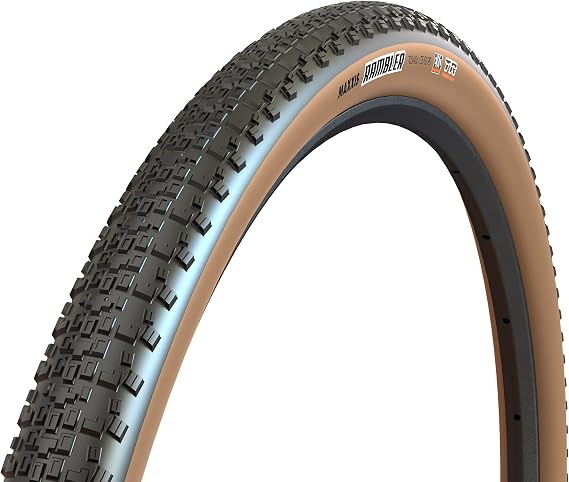
Great for riders needing a versatile gravel tire, the Maxxis Rambler fits well on mixed terrain and racing demands. Its key advantage lies in balanced grip and rolling efficiency thanks to dual rubber compounds and thoughtful tread design.
Setting up the tire is straightforward since it is tubeless ready, letting you run lower pressures without pinch flats. The tan sidewalls add a classic look while the EXO sidewall protection guards against cuts and abrasions during rides on rough gravel or light trails. Weighing 1.3 pounds, it feels manageable to handle on and off the bike.
Performance shines in maintaining speed on smoother gravel sections with the tightly-packed center knobs rolling fast. Side knobs provide stable cornering grip on loose surfaces.
It uses a 120 TPI casing for a good balance of durability and suppleness. The main complaint relates to sidewall toughness; some find the protection isn’t enough against very sharp rocks in extreme conditions.
Strong feedback points to fast rolling on hard-packed surfaces while still holding through corners thanks to the side knobs. The EXO sidewalls reduce cuts but are not invincible on extremely abrasive terrain, which can be a concern on the roughest gravel.
Riders looking for a tire that handles varied gravel roads and some racing will find this model suitable. Those seeking maximum trail durability or heavier protection for frequent rocky trails might want to explore tires with thicker sidewalls or reinforced features. It works best as a versatile gravel tire rather than a pure off-road or mountain tire.
Pros
- Dual compound balances grip with speed
- EXO protection helps prevent sidewall cuts
- Tubeless ready for easier sealing and fewer flats
- Good traction on a variety of gravel conditions
Cons
- Sidewall protection may be insufficient on very sharp trails
- Tan sidewalls are prone to visible dirt and stains
| Specification | Details |
|---|---|
| Size | 700x45C |
| Weight | 1.3 pounds |
| Casing | 120 TPI |
| Compound | Dual Compound |
| Sidewall Protection | EXO Cut/Abrasion Resistant |
| Features | Tubeless Ready, Tan Sidewall |
10. Folding 700c Gravel Bike Tires Set

Made from durable rubber with a folding design, these 700x42c gravel tires suit riders tackling rough trails and mixed terrain. Their standout feature is aggressive tread that offers strong grip on mud, gravel, and loose soil, providing control where standard tires struggle.
Setup includes two tires, two puncture-resistant inner tubes, and tire levers, covering everything for installation. Tires come folded and need a day or two to settle before mounting. The included levers help avoid pinch flats during changes.
Running pressures vary from 40 to 70 PSI, allowing adjustment for comfort or speed on different surfaces.
Deep tread handles braking and control well off-road, making the tires reliable in harsh conditions. The 42c width cushions bumps effectively, improving ride comfort.
Inner tubes fit a range from 35c to 50c width, adding versatility. Some mention difficulty unfolding the tires after packaging, but installation tools ease the process.
The deep, aggressive tread gives excellent traction and braking on loose surfaces, making hard trails manageable. Most users find the unfolding process necessary but inconvenient, as tires arrive tightly folded and take time to flatten. Tire levers included take some stress out of installation, balancing the setup experience.
Riders focused on challenging off-road routes will find these tires handle varied terrain well. Those needing quicker tire swaps or preferring narrower tires might want other options. The pressure flexibility helps adjust between comfort and efficiency based on ride conditions and rider preference.
Pros
- Deep tread pattern for strong off-road grip
- Includes puncture-resistant inner tubes
- Wide 42c tires improve comfort and stability
- Comes with tire levers for easy installation
Cons
- Tires need 1-2 days to unfold before use
- Inner tubes only compatible with 35c-50c widths
| Specification | Details |
|---|---|
| Size | 700x42c (42-622 mm) |
| Included Components | 2 tires, 2 inner tubes (700x35c-50c), 2 tire levers |
| Pressure Range | 40 to 70 PSI |
| Brand | MOHEGIA |
| Model Number | Gravel Bike Tires |
| Warranty | 90 days |
11. Pair Foldable 700x45c Gravel Bike Tires

Pair Foldable 700x45c Gravel Bike Tires fit riders who want durable, light tires suited for mixed surfaces. Their aramid bead and low-profile tread design stand out for cutting rolling resistance, making faster rides on gravel and urban paths easier.
Mounting is straightforward because of their foldable nature, which also helps with compact storage when not in use. The 700x45c size balances cushioning and speed nicely. Pressures between 40 and 65 PSI allow fine-tuning for comfort or efficiency.
These tires handle asphalt, light gravel, and park trails without feeling sluggish or harsh.
Daily rides show the tires maintain consistent traction through corners and braking, thanks to the directional tread pattern. The 60 TPI nylon casing and LVL3 anti-puncture layer reduce flats, even on debris-filled roads. Weight comes in at 695 grams each, light for tires with aramid beads.
Some report the tread depth at 1mm can wear quickly under heavy use.
Positive feedback focuses on lightweight feel combined with solid flat protection. The foldable aramid bead aids quick swaps and compact packing. A downside appears as the low tread depth wears quickly on rough surfaces, which impacts long-term durability for hard riders.
Anyone cycling on mixed routes including city streets, light gravel paths, or mild trails will appreciate the balance of speed and puncture resistance. Those who need deeper grip or frequent off-road use should consider tires with more aggressive tread and thicker profiles.
Pros
- Lightweight aramid bead for easier rolling
- Foldable design simplifies storage and transport
- Good puncture resistance for urban and gravel use
- Pressure range suits varied terrain and preferences
Cons
- 1mm tread wears down faster under heavy riding
- Limited tread depth reduces off-road grip in loose conditions
| Specification | Details |
|---|---|
| Size | 700 x 45c (47-622 ETRTO) |
| Tread depth | 1mm low-profile directional pattern |
| Pressure range | 40-65 PSI |
| Casing | 60 TPI nylon with LVL3 anti-puncture layer |
| Bead type | Aramid foldable |
| Weight | 695g per tire |
12. Pair Foldable 700x40c Gravel Bike Tires

Choose these foldable gravel bike tires for their durability and reliable puncture protection on mixed terrain rides. They suit riders who need tires versatile enough for gravel trails, pavement, and touring with extra peace of mind against flats.
Setting up the 700x40c tires is straightforward since they fold thanks to the Kevlar bead, which also keeps them lightweight at 520g each. The 1mm antipuncture belt adds toughness, so they handle gravel and rough patches without frequent flats. They fit on standard 700c wheels and feel stable on hybrid or electric bikes too.
Tread design balances grip and speed well, rolling efficiently on pavement while staying planted on dirt trails. Constructed with a 60 TPI casing, the tires show solid build quality.
The main compliment is the dependable flat resistance, but some note the tread feels less aggressive for very loose terrain.
Durability and puncture resistance stand out as prime benefits, supporting rides on varied surfaces without frequent flats. The tread pattern handles firm gravel and paved roads well but may fall short in very loose or muddy conditions, limiting traction there.
Gravel riders seeking reliable, foldable tires that also work on hybrid or touring bikes will find these tires a solid choice. Riders needing aggressive off-road traction or ultra-lightweight racing wheels might want to look for tires specialized for those conditions instead.
Pros
- Lightweight Kevlar beads for easy folding
- Reliable 1 mm belt guards against punctures
- Compatible with multiple bike types
- Fast rolling on pavement and trails
Cons
- Tread not ideal for very loose or muddy surfaces
- Some feel weight could be lower for racing
| Specification | Details |
|---|---|
| Size | 700x40c (42-622 / 28 x 1.60 inches) |
| Weight | 520g per tire |
| Bead Type | Kevlar foldable |
| Puncture Protection | 1 mm antipuncture belt |
| TPI | 60 |
| Warranty | 1 year |
Best Gravel Bike Tires Comparison Table
| Product | Size | Weight | Tubeless Ready | Warranty |
|---|---|---|---|---|
| GRAVELKING X1 Tire | 700×40 | 16 oz | – | Limited Warranty |
| WTB Vulpine S Tire | – | 580 g | Yes | 2 Year |
| GRAVELKING SS Tire | 700x35c | 15.04 oz | – | Limited Warranty |
| GRAVELKING SK Tire | 700c | 16 oz | – | Limited Warranty |
| Hycline Folding Gravel Tires | – | – | – | – |
| Foldable 700x45c City Tires | 700x45c | – | – | 1 year |
| WTB Vulpine Tire | – | 391 g | Yes | 2 Year |
| Continental Double Fighter III | – | 0.85 kg | – | Limited Warranty |
| Maxxis Rambler Tire | 700x45c | 1.3 lbs | Yes | 1 year |
| Folding 700c Gravel Tires | 700x42c | – | – | 90 days |
| Foldable 700x45c Gravel Tires | 700x45c | – | – | 1 year |
| Foldable 700x40c Gravel Tires | 700x40c | – | – | 1 year |
- Size700×40
- Weight16 oz
- Tubeless Ready–
- WarrantyLimited Warranty
- Size–
- Weight580 g
- Tubeless ReadyYes
- Warranty2 Year
- Size700x35c
- Weight15.04 oz
- Tubeless Ready–
- WarrantyLimited Warranty
- Size700c
- Weight16 oz
- Tubeless Ready–
- WarrantyLimited Warranty
- Size–
- Weight–
- Tubeless Ready–
- Warranty–
- Size700x45c
- Weight–
- Tubeless Ready–
- Warranty1 year
- Size–
- Weight391 g
- Tubeless ReadyYes
- Warranty2 Year
- Size–
- Weight0.85 kg
- Tubeless Ready–
- WarrantyLimited Warranty
- Size700x45c
- Weight1.3 lbs
- Tubeless ReadyYes
- Warranty1 year
- Size700x42c
- Weight–
- Tubeless Ready–
- Warranty90 days
- Size700x45c
- Weight–
- Tubeless Ready–
- Warranty1 year
- Size700x40c
- Weight–
- Tubeless Ready–
- Warranty1 year
How to Choose the Perfect Gravel Bike Tires
Tire width and tread pattern play key roles in grip and comfort on various surfaces, while durability affects how often replacements are needed. Matching tires to your usual terrain and riding style helps avoid flats and reduces wear, saving both time and money down the road.
Tire Size and Fit
A common mistake is choosing tires without checking the diameter and width that fit the bike frame and fork. Using tires that are too wide can lead to constant rubbing against the frame, which wears down both the tires and the bike itself.
Narrow tires provide less cushioning on rough roads, making the ride uncomfortable. A good tire size usually falls between 40mm and 50mm wide for this kind of bike, but some frames can only handle up to around 45mm. The diameter is almost always 700c or 650b, so matching the rim size is essential for proper fit and handling.
Rims and tires must work well together for good performance. Tires designed for wider rims tend to be more stable, while those made for narrower rims can feel twitchy or wear unevenly when mismatched. Checking rim internal width against tire width is key: generally, a rim between 19mm and 25mm internal width works well with tires in the 40-50mm range.
Tire pressure also varies by width and rim compatibility, affecting grip and comfort during longer rides or off-road sections.
Tread Pattern and Traction
Riding on loose gravel can quickly turn slippery if the tread pattern isn’t suited for that surface. Tires with large, well-spaced knobs provide better bite into uneven ground, helping you stay in control.
Smaller or closely packed knobs might feel faster on hardpack but will struggle to maintain traction on mud or loose dirt. This means more frequent slips and slower riding on rough trails.
Knob positioning plays a big role in balancing grip versus rolling resistance. Towards the edges, taller knobs improve cornering grip, while lower-profile center knobs reduce drag on straight stretches. A tread with about 2 to 4 mm tall knobs spaced 5 to 8 mm apart usually offers a good mix for mixed-surface conditions.
Spacing also affects self-cleaning; wider gaps prevent mud from packing in and keep the tire biting into wet terrain rather than sliding off built-up debris.
Durability and Puncture Resistance
Riding on gravel means encountering sharp rocks and unpredictable terrain that can easily cause punctures. Thin tire casings without protective layers wear out quickly and leave you stranded on rough trails. A tire with a thicker casing of around 60 tpi (threads per inch) or more typically lasts longer and handles small debris better than those with lower casing counts.
Look for tires featuring built-in puncture protection, such as a silica or Kevlar belt beneath the tread, which adds a durable barrier against flats without adding too much weight.
Sidewall protection also plays a crucial role when the path gets rocky. Without reinforced sidewalls, squirming on rough edges can cause cuts or tears, forcing frequent replacements.
Many reliable options include extra layers on the sidewall, either through added rubber thickness or fabric inserts, which help prevent this kind of damage. Real-world use shows that tires with these protective features maintain performance over many rides and resist degradation better, saving you both time and money in the long run.
Weight and Rolling Resistance
Pushing a heavy tire up a long gravel climb can feel like a needless struggle. Tires around 400 to 500 grams strike a reasonable balance for everyday riding without dragging down speed too much. Lighter options make acceleration smoother and holding higher speeds easier, but the tradeoff often shows up as less puncture resistance or quicker tread wear.
The weight difference becomes most noticeable over longer distances or constant rolling sections of a route.
Rolling resistance directly affects how much effort is required to maintain momentum on mixed surfaces. A tire with high resistance zaps your energy, especially on smoother gravel or pavement stretches.
Select tires with a casing designed for lower resistance and consider widths around 38 to 42 mm, which provide enough cushion for rough trails without excessive drag. Materials like supple rubber compounds and reinforced sidewalls help reduce rolling resistance while guarding against cuts, making the ride feel less taxing overall.
Tubeless Compatibility
Riding gravel trails with tires that don’t support tubeless setups often means dealing with frequent punctures and lower tire performance. Using tires built for tubeless systems cuts down on flats because sealant plugs small holes quickly. This also allows running lower tire pressures, improving traction and comfort over rough terrain without risk of pinch flats.
In daily use, tires with a strong bead and compatible rim size, usually 700c or 650b with widths between 35mm and 45mm, make installation stable and durable.
Maintenance varies depending on the sealant’s compatibility with the tire’s inner surface. Some tires are treated to hold sealant better, which reduces mess and cleaning time.
A tire that you can switch easily between tubeless and using inner tubes offers flexibility for different rides or road conditions. Paying attention to tubeless readiness markings and checking user experience reports on installation difficulty helps avoid frustrating setups that might take multiple tries or special tools.
Optimizing Tire Pressure for Different Gravel Terrains
Tire pressure plays a critical role in how your gravel bike performs on various surfaces. For loose, sandy trails, lowering the pressure to around 30-35 psi helps increase traction and absorb bumps, reducing the likelihood of skidding. On rough, rocky paths, dropping the pressure even further to 25-30 psi allows the tire to conform better to uneven terrain, offering more grip and comfort.
However, if you’re riding on compacted gravel or hardpack, increasing pressure to 40-50 psi reduces rolling resistance, making your pedaling more efficient without sacrificing control. Remember that the ideal pressure also depends on your tire width; wider tires can handle lower pressures without risking pinch flats.
Keep these adjustments in mind for different scenarios:
- Sandy or loose gravel: 30-35 psi
- Rocky or technical trails: 25-30 psi
- Hardpack or smooth gravel: 40-50 psi
Using a reliable pressure gauge and experimenting in small increments helps find the right balance between comfort, grip, and speed.
Proper Maintenance and Longevity Tips for Gravel Bike Tires
Gravel bike tires often face rough terrain, so regularly checking tire pressure is crucial. Underinflated tires can increase wear and make rides less efficient, while overinflated tires reduce traction on loose surfaces. Aim for the pressure range recommended by the tire manufacturer, adjusting based on terrain and rider weight.
Inspect tires for embedded debris like small stones or glass shards after every ride. These can cause slow leaks or punctures if left unchecked.
Use a tire lever carefully when repairing punctures to avoid damaging the tire bead, which can shorten its lifespan.
Storage also plays a role in tire longevity. Follow these tips:
- Keep bikes indoors, away from direct sunlight, which can cause rubber to crack.
- Store tires in a cool, dry place to prevent premature aging.
- Rotate tires occasionally to distribute wear evenly, especially if you use the bike mainly on paved roads.
Regular maintenance keeps gravel tires performing well and extends their usability over multiple seasons.
Comparing Tubeless Versus Tubed Gravel Bike Tires: Pros and Cons
Gravel bike tires come in two main types: tubeless and tubed, each with clear trade-offs. Tubeless tires allow you to run lower air pressure without pinch flats, which improves traction and comfort on rough terrain.
They seal small punctures on their own thanks to the liquid sealant inside, reducing the risk of getting stuck on a ride.
On the downside, setting up tubeless tires takes more effort and requires a compatible rim and sealant maintenance. They can also be messier to repair if you get a large puncture far from home.
Traditional tubed tires are simpler to install and repair, especially if you carry a spare tube. They are a bit heavier and more prone to pinch flats if you lower tire pressure too much. However, tubed tires generally cost less upfront and don’t require sealant replacement.
Here’s a quick overview:
- Tubeless: Better puncture resistance, improved traction, more setup effort.
- Tubed: Easier installation, quicker repairs, higher risk of pinch flats.
People Also Asked
How Do I Choose the Right Size Gravel Bike Tires?
Choose gravel bike tires based on your rim width and tire clearance on the frame. Measure your current tires and check the maximum tire width your bike frame can handle to avoid fit issues. Wider tires offer more comfort on rough terrain but need enough clearance to avoid rubbing.
What Is the Average Lifespan of Gravel Bike Tires?
Gravel bike tires typically last between 1,000 and 3,000 miles depending on terrain and riding style. Harder surfaces wear tires faster, so expect shorter lifespan if riding mostly on pavement. Monitoring tread wear and cuts helps determine when to replace tires before failures.
Are Gravel Bike Tires Compatible with All Rims?
Gravel bike tires are not compatible with all rims due to different bead diameters and widths. Make sure tire diameter matches rim size exactly, most commonly 700c or 650b. Proper fit ensures tire seats safely and prevents blowouts or poor handling.
How Should I Maintain Gravel Bike Tires for Safety?
Maintain gravel bike tires by regularly checking tire pressure to match terrain and inspecting for cuts or embedded debris. Lower pressures below road tires improve grip on loose surfaces but too low causes pinch flats. Clean tires after muddy rides to extend tread life.
What Common Problems Occur with Gravel Bike Tires?
Common gravel tire problems include punctures from sharp stones, sidewall cuts, and uneven wear. Riding at incorrect pressures can lead to flats or poor control. Regular inspections reveal damage early, preventing unexpected tire failure on long rides.
Conclusion
Choosing the right gravel bike tires comes down to tread pattern, width, and durability. Tread affects grip on different surfaces, while width influences comfort and rolling resistance.
Durability matters for how long the tires last, especially on rough trails.
Consider how often you ride and your budget before making a decision. Tires suited for frequent use might cost more but save money over time. Take another look at the comparison table and detailed picks above to find the best fit for your needs and riding style.