
Top 12 Best Gravel Bike Under 2500 You Can’t Miss!
Rough trails and long days on the bike quickly expose the limits of a poorly made machine. Finding the best gravel bike under 2500 can be a relief for riders who have experienced frame cracks, unreliable shifting, or overly heavy builds that sap energy.
Bikes at this price point often cut corners, leaving riders with components that wear out fast or feel cumbersome on mixed surfaces.
The right gravel bike balances durable frame materials like aluminum or carbon with a thoughtful geometry that suits your riding style and body dimensions. Tires around 40mm wide with some tread provide enough traction without slowing you down. Reliable mechanical disc brakes improve stopping power in muddy or wet conditions.
A well-chosen bike here will handle rough terrain while still feeling responsive on smoother roads.
Need a Quick Check?
| Image | Product | Price |
|---|---|---|
Our Top Picks 1  | SAVADECK T800 Gravel | Check Price |
Our Top Picks 2  | Tommaso Sterrata Gravel | Check Price |
Our Top Picks 3  | SAVADECK T800 Gravel | Check Price |
Our Selected Top 12 Gravel Bike Under 2500 Worth Considering
This list features twelve carefully chosen gravel bikes that balance quality and affordability. Each review highlights performance, ideal rider types, and key strengths and weaknesses to help you find the best fit for your cycling needs and preferences.
1. SAVADECK Carbon Gravel Bike T800
Crafted from ultra-lightweight T800 carbon fiber, this gravel bike suits riders who want strength without added bulk. Its frame weighs just 10.4kg (22.92 lbs), making it a solid choice for anyone from beginners to more serious cyclists looking for a durable yet agile ride on mixed surfaces.
Setup is straightforward, with a rigid suspension that keeps maintenance low. The Shimano GRX400 groupset provides precise, 20-speed shifting that feels smooth whether you’re climbing paved roads or tackling rougher gravel trails.
Hydraulic disc brakes give reliable stopping power, helping you control the bike confidently in different conditions.
Performance is strong thanks to its lightweight carbon frame and precise Shimano components. It handles changes in terrain well, balancing speed and comfort.
The build quality focuses on durability and riding efficiency, though some users note that the frame rigidity might feel a bit stiff on very rough trails. The bike prioritizes control and responsiveness.
Smoother gear changes and light carbon frame stand out as big strengths during rides, while a firm ride on bumpy terrain is the main downside noted. The bike is praised for its precision and responsiveness but lacks suspension comfort some riders desire.
Those who prioritize lightweight design and steady control on mixed surfaces will find it well suited. Riders frequently on extremely rough or technical trails may want a gravel bike with built-in suspension for more comfort.
Pros
- Ultra-lightweight carbon frame for easy handling
- Smooth Shimano GRX400 shifting system
- Hydraulic disc brakes provide strong stopping power
- Suitable for paved and unpaved riding terrain
Cons
- Rigid suspension can feel harsh on very rough trails
- Limited to 20 speeds, might restrict gear range for some
| Specification | Details |
|---|---|
| Bike Type | Road Bike |
| Number Of Speeds | 20 |
| Suspension Type | Rigid |
| Brake Style | Disc |
| Bicycle Gear Shifter Type | Drop Bar |
2. Tommaso Sterrata Sport Aluminum Gravel Bike
Lightweight design stands out immediately, making it ideal for intermediate riders who mix paved roads and unpaved trails. It suits someone wanting a versatile gravel bike that handles adventure without adding bulk, focusing on comfort and reliable shifting.
Setting up the Tommaso Sterrata Sport is straightforward, with its trigger shifters and Shimano Claris drivetrain offering smooth gear changes across 24 speeds. The disc brakes provide solid stopping power in varied conditions. Without suspension, the ride feels direct, but the lightweight aluminum frame helps keep climbing and handling responsive and enjoyable daily.
Performance shines when tackling both pavement and light off-road terrain. The bike is built solidly yet remains light, emphasizing speed and agility rather than shock absorption.
Reviews often praise the precise gear shifting and overall build quality. The main drawback noted is the lack of suspension, which can make rough trails less comfortable for extended rides.
Gears shift crisply thanks to the Shimano Claris setup and lightweight frame, but the absence of suspension means bumps on unpaved trails can be uncomfortable during longer rides. The overall build supports agile riding but focuses less on shock absorption.
Anyone seeking an adventure bike that is light and versatile for mixed surfaces will appreciate this bike’s strengths. Those who expect to tackle very rough or technical terrain frequently might prefer a model with suspension for added comfort and control.
Pros
- Lightweight aluminum frame for easier handling
- Reliable Shimano Claris 24-speed drivetrain
- Responsive disc brakes for varied terrain
- Trigger shifters offer smooth gear changes
Cons
- No suspension makes rough trails tough
- Not designed for heavy technical off-road use
| Specification | Details |
|---|---|
| Bike Type | Adventure Bike |
| Number Of Speeds | 24 |
| Brake Style | Disc |
| Bicycle Drivetrain Type | Shimano Claris |
| Suspension Type | no-suspension |
| Additional Features | Lightweight |
3. SAVADECK Carbon Gravel Bike T800
Ultralight carbon fiber construction makes this gravel bike stand out for riders wanting a lightweight yet sturdy option under $2500. Suited for beginners and enthusiasts looking to ride unpaved trails with precise Shimano gearing, its biggest draw is the strength-to-weight balance that’s hard to match for the price.
Setup is straightforward with trigger shifters and dual disc brakes as standard. The rigid fork and frame mean fewer moving parts to worry about, making daily rides easily manageable. Shifting through 22 speeds stays smooth thanks to pro-level Shimano components, which means you spend less time adjusting gears and more time riding comfortably on varying terrain.
Performance delivers crisp shifting and reliable stopping power on gravel and dirt tracks. The carbon T800 frame feels lightweight but strong, supporting aggressive rides and longer distances without feeling bulky.
Common feedback highlights how the bike handles well on rough surfaces, though some mention it can feel less forgiving without suspension on very bumpy routes.
The bike’s lightweight carbon frame combined with the precise Shimano drivetrain offers excellent handling and race-ready performance on gravel. However, the rigid setup lacks suspension, which some find less comfortable on uneven paths. This means it excels on moderately rough terrain but can be tiring on very rocky or uneven surfaces.
Those seeking a durable and lightweight gravel bike for a mix of roads and unpaved trails will appreciate this model. Riders expecting softer suspension or planning to tackle highly technical, rough terrain might prefer a bike with built-in shock absorption instead.
Pros
- Lightweight T800 carbon frame and fork
- Professional-grade Shimano drivetrain
- Reliable dual disc braking system
- Unisex design for versatile fit
Cons
- Rigid suspension may feel harsh on rough trails
- Limited comfort on extremely bumpy terrain
| Specification | Details |
|---|---|
| Bike Type | Road Bike |
| Number Of Speeds | 22 |
| Suspension Type | Rigid |
| Brake Style | Disc |
| Bicycle Gear Shifter Type | Trigger |
4. SAVADECK Carbon Gravel Bike T800

For riders looking to tackle both paved roads and unpaved trails without feeling bogged down, this gravel bike offers a lightweight frame that keeps things moving fast. Best for those wanting speed and efficiency in one package, the standout is its ultra-light T800 carbon fiber frame.
Getting set up is straightforward with the precision drivetrain featuring U6000 shifters and a U6020 rear derailleur, which makes gear changes smooth and responsive. The trigger shifter and 10-speed cassette let you adapt quickly to varied terrain, while the rigid suspension and disc brakes provide consistent control and stopping power over rough patches or smooth stretches.
Performance-wise, it rides with sharp handling and impressive efficiency thanks to the strong yet light carbon build. The bike excels in reducing rider fatigue over longer distances. Most praise centers on the race-ready shifting, while some note the rigid suspension may not absorb bumps as much as some might want on rougher trails.
Many find the combination of the lightweight carbon frame and professional-grade drivetrain components provides a ride that is both quick and efficient. The bike can feel a bit stiff over uneven ground due to its rigid suspension setup. Shifting stays smooth and snappy throughout rides.
Those who want a fast, responsive gravel bike for long rides and mixed terrain will really appreciate this build. Riders needing more suspension comfort on very rough trails might want to explore other options with added shock absorption.
Pros
- Ultra-light T800 carbon fiber frame
- Crisp, reliable 10-speed shifting
- Disc brakes for strong stopping power
- Good for both paved and unpaved terrain
Cons
- Rigid suspension can feel harsh on rough trails
- Limited to 10 gears, fewer than some competitors
| Specification | Details |
|---|---|
| Bike Type | Gravel Bike |
| Number Of Speeds | 10 |
| Suspension Type | Rigid |
| Brake Style | Disc |
| Bicycle Gear Shifter Type | Trigger |
5. Electric Dirt Bike 2500W

2500W peak motor power is impressive for off-road powderhounds looking to tackle rough terrain. Designed for beginners to intermediate riders, the bike’s strength lies in its ability to deliver steady and responsive power across mountain trails and gravel roads, making it a solid choice for outdoor explorers who want a reliable electric assist.
Setup is straightforward with a removable 48V 15Ah battery that you can charge at home or elsewhere without hassle. The bike features seven speeds and front suspension to smooth out the ride, while pedal assist ensures you get help when climbing hills or covering long distances.
Dual suspension and disc brakes cater well to both comfort and control on unpaved trails.
Built with durability in mind, it handles mountain terrain and dirt paths reliably, offering strong power and decent range of up to 55 miles on pedal assist. The frame and components feel sturdy enough for regular trail riding. The most common praise highlights strong acceleration, while some note that the bike is heavier than comparable models, affecting portability.
Reviews commonly praise the bike’s strong acceleration and ability to handle rough dirt and gravel well. The biggest complaint centers on the weight, which makes transporting the bike less convenient for those needing to carry it frequently.
Those who want a powerful electric bike built for trail riding and plan to use it mostly outdoors will find it suited to their needs. Riders looking for something lighter or with more advanced suspension might want to explore other options.
Pros
- Strong 2500W motor for off-road power
- Long-range 55 miles on pedal assist mode
- Removable battery for convenient charging
- Dual suspension improves trail comfort
Cons
- Bike feels heavy to carry around
- Only front suspension, not full suspension
| Specification | Details |
|---|---|
| Peak Motor Power | 2500W |
| Battery | 48V 15Ah Lithium |
| Number Of Speeds | 7 |
| Suspension Type | Front |
| Brake Style | Disc |
| Electric Assist Type | Pedal Assist |
6. SAVADECK A7L Carbon Road Bike
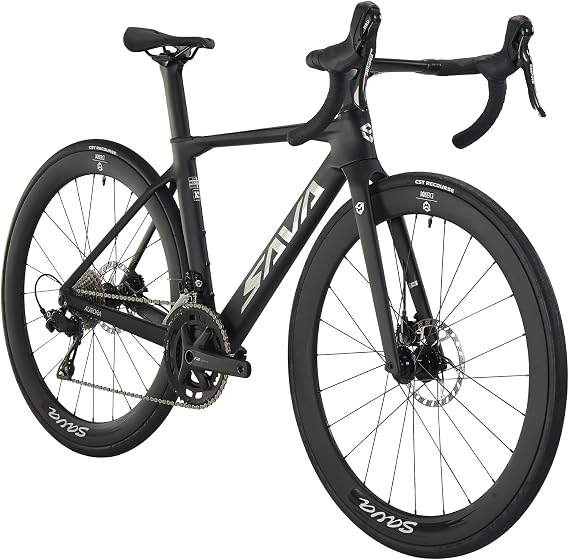
Riders who favor paved roads and want a lightweight, durable bike will appreciate this carbon road bike. Its main strength lies in the T800 carbon fiber frame that keeps the weight under 9 kg, making it easier to handle and quicker on long rides.
Setup is straightforward thanks to the fully internal cable design, keeping the look clean and maintenance simple. The carbon fork and seatpost help absorb vibrations, making daily rides more comfortable.
The 24-speed cassette and trigger shifters offer reliable gear changes across a variety of road conditions.
Performance shines on paved surfaces, delivering smooth riding thanks to the 700x25C carbon wheels. The frame and fork provide a solid yet responsive feel, while disc brakes give confident stopping power.
Many note the lightness and handling as big pluses, though some mention the rigidity might feel harsh on rougher roads.
Strong points include the bike’s light weight and excellent handling on smooth roads, praised for how easy it is to ride quickly. The main downside experienced is the rigidity, which some find jarring on anything other than well-maintained surfaces.
People who stick mostly to paved routes and want a fast, nimble bike will be suited well. Riders expecting to go off-road or on rough gravel might want to consider a bike with more suspension or wider tires for added comfort and control.
Pros
- Lightweight T800 carbon fiber frame
- Fully internal cable routing
- Responsive 700x25C carbon wheelsets
- Reliable 24-speed cassette with trigger shifters
Cons
- Rigid suspension can feel uncomfortable on rough roads
- Tire size limits versatility on varied terrain
| Specification | Details |
|---|---|
| Bike Type | Road Bike |
| Number Of Speeds | 24 |
| Suspension Type | Rigid |
| Brake Style | Disc |
| Intended Riding Terrain | Paved Roads |
7. Electric Dirt Bike 2500W

Powerful enough to tackle off-road paths and gravel trails, the Electric Dirt Bike 2500W suits riders looking for a rugged electric ride with serious torque. Its standout feature is the 2500W brushless motor that provides strong acceleration, perfect for exploration beyond simple paved roads.
Setting it up is straightforward, with a removable 60V 15Ah lithium battery letting you charge it at home or on the go. Day-to-day use is enhanced by features like fat tires and front suspension that handle bumps well.
Controls are simple with throttle, pedal assist, and pedal options, while the digital display keeps you informed on speed and battery.
Performance-wise, the motor delivers a solid punch, making climbs and rough ground manageable. The bike’s dual suspension and fat tires stand up well to uneven terrain, though only having one speed might limit some riders on steeper hills.
The most praised aspect is its off-road power, while the single speed is noted as a drawback for versatility.
One of the biggest praises is the bike’s powerful motor and long battery range, which handle off-road conditions impressively well. However, the single-speed setup is commonly mentioned as a downside, restricting adaptability on varied inclines and terrain.
Adventurous riders who want a straightforward, powerful electric bike for rough paths and gravel will find this a solid pick. Those needing more gearing options or rear suspension might want to explore other models that offer more flexibility.
Pros
- Strong 2500W brushless motor for off-road power
- Long range up to 55 miles with removable battery
- Fat tires and front suspension for rough trails
- Digital display with multiple riding modes
Cons
- Only one speed limits gear versatility
- Front suspension only, no rear shock absorption
| Specification | Details |
|---|---|
| Bike Type | Electric Bike, Electric Dirt Bike, Fat Tire Electric Mountain Bikes |
| Number Of Speeds | 1 |
| Suspension Type | Front |
| Power Source | Throttle & Pedal Assist & Pedal |
| Intended Riding Terrain | Mountain Terrain, Unpaved Trails |
8. Pipleo 700C Road Bike

Pipleo 700C Road Bike fits anyone looking for a speedy, reliable road bike that also handles city streets and gravel paths. Its standout feature is a precise Shimano 21-speed drivetrain that shifts fast and keeps maintenance low, making it a solid choice for those who want performance combined with versatility.
Setup involves getting familiar with the 21-speed cassette system, which quickly adapts whether you’re navigating urban terrain or longer road rides. The front suspension adds comfort on rough patches, while dual-disc brakes give confidence in all conditions.
Armored 700x28C tires hold the grip well on mixed surfaces, and internal cable routing keeps things clean and reduces drag day to day.
Speed and smooth shifting are strong points thanks to the HyperGlide+ tech, which cuts effort while climbing hills or sprinting on flat ground. The frame’s sturdy design and double-wall rims make it tough enough for rough roads. The most frequently praised aspect is the quick, precise gear changes.
Some note the front suspension adds weight and can feel a bit stiff on pavement.
The quick and precise shifting system stands out as its strongest feature, making uphill climbs and fast rides easier and more efficient. On the downside, the front suspension adds extra weight and sometimes feels less responsive on paved surfaces, which some find inconvenient during city commutes.
Those who want a versatile bike that tackles both roads and light gravel with solid braking will appreciate this model. Riders seeking the lightest setup or a more cushioned suspension experience on rough terrain might want to look at other options.
Pros
- Shimano 21-speed drivetrain with rapid precision shifts
- Dual-disc brakes offer reliable stopping power
- 700x28C armored tires grip various terrains well
- Internal cable routing reduces drag and protects cables
Cons
- Front suspension adds noticeable weight
- Suspension can feel stiff on smooth roads
| Specification | Details |
|---|---|
| Bike Type | Road Bike |
| Number Of Speeds | 21 |
| Suspension Type | Front |
| Brake Style | Disc |
| Bicycle Drivetrain Type | chain drive |
9. Electric Dirt Bike 2500W

Riding this bike feels like owning a powerful yet versatile machine that handles both trail adventures and city streets with ease. It suits anyone looking for a fat bike capable of quick hill climbs and fast commutes, with its real strength lying in raw power that gets you up to 38 MPH comfortably.
Setting up is straightforward, thanks to the removable 48V 15Ah battery that fits nicely, giving plenty of range for daily rides or longer trips without charging constantly. The 7-speed transmission shifts smoothly, making it easy to adjust effort on varied terrain. Dual suspension and fat tires provide extra grip and comfort over rough roads and trails while dual disc brakes offer solid control every ride.
Performance-wise, the motor delivers impressive torque for steady climbs and quick acceleration, making it reliable for both steep inclines and flat commutes. The frame and components feel sturdy and built to last, with the fat tires adding stability in different conditions.
Praise often highlights battery life and speed, while the most common downside is the bike’s heavier weight, which can be noticeable when carrying or maneuvering off-bike.
The bike’s standout feature is its strong performance with a 38 MPH top speed and long-lasting battery, making it great for both hills and commutes. Some riders do notice that carrying or lifting it can require extra effort due to its weight.
This bike suits riders who want a powerful fat bike that handles road and light trail well. Those needing a lightweight, easy-to-carry option might prefer to look elsewhere for a more compact setup.
Pros
- High torque motor reaching 38 MPH top speed
- Up to 55 miles per charge on removable battery
- Dual suspension for better trail comfort
- Strong dual disc brakes for reliable stopping
Cons
- Heavier weight can be challenging off the bike
- Speed varies significantly with rider and terrain
| Specification | Details |
|---|---|
| Bike Type | Fat Bike, Mountain Bike |
| Number Of Speeds | 7 |
| Suspension Type | Dual |
| Brake Style | Dual Disc Brake |
| Intended Riding Terrain | Road |
10. Tommaso Sentiero Sport Aluminum Gravel Bike

Great for beginners looking for a reliable gravel bike under $2500, this model stands out with its solid aluminum frame and versatile gearing. It handles a mix of paved roads and unpaved trails well, making it a strong choice for adventure and road riding without suspension.
Setup is straightforward with the trigger gear shifters controlling 24 speeds through a Shimano Claris R2000 drivetrain, letting you easily adapt to different terrains. The disc brakes offer good stopping power, which helps on both steep descents and rough trails.
Being an aluminum frame, the bike feels sturdy but keeps the weight manageable for daily riding and longer trips.
Performance-wise, it handles mixed terrain with ease, shifting smoothly between gears thanks to its front and rear derailleur setup. The lack of suspension means less maintenance but on rough trails, you’ll feel more vibration.
Reviews often highlight its solid build quality, while some riders note the ride can be a bit stiff on rough surfaces.
Strong points include durable build quality and smooth gear shifting thanks to the Shimano Claris R2000. The common downside revolves around the stiff ride caused by no suspension, leading to less comfort on rough terrain.
Anyone starting out in gravel biking or wanting a versatile bike for mixed surfaces will appreciate this setup. Riders prioritizing maximum comfort on very rough trails or focused on lightweight speed may want to consider other options.
Pros
- Durable aluminum frame for long-term use
- Reliable Shimano Claris R2000 drivetrain
- Disc brakes perform well in varied conditions
- Wide gear range suits multiple terrains
Cons
- No suspension makes rough trails less comfortable
- May feel heavy for riders seeking speed
| Specification | Details |
|---|---|
| Bike Type | Adventure Bike, Road Bike |
| Number Of Speeds | 24 |
| Suspension Type | no-suspension |
| Frame Material | Aluminum Frame |
| Brake Style | Disc |
| Drivetrain Type | Shimano Claris R2000 |
11. KABON Carbon Gravel Road Bike T800

Constructed from T800 carbon fiber, this gravel bike is suited for riders looking for a lightweight frame that still handles rough terrain well. Its biggest strength lies in balancing durability and weight, making it a solid choice for beginners tackling mixed surfaces.
Setup feels straightforward with an 18-speed trigger shifter that handles gear changes smoothly. The 700x40c tires offer good grip on pavement and unpaved trails, making daily rides on varied terrain stable and comfortable.
The carbon fork, handlebar, and seatpost reduce road vibrations, helping keep you comfortable during longer rides or light touring.
Performance matches the design purpose, as the bike handles gravel riding and cyclocross racing confidently. The rigid suspension keeps every pedal stroke efficient, and the disc brakes provide reliable stopping power. Most comments highlight the bike’s sturdy carbon frame and versatile tires as positives, while some note the weight might still feel noticeable compared to professional-grade models.
Riders appreciate the bike’s carbon construction and versatile tires for a comfortable ride on rough or paved surfaces. The most common issue mentioned is its 8.7kg weight, which can feel a bit much for those expecting race-grade lightness.
This bike suits beginners and those who want a light yet durable gravel bike for mixed terrain and light touring. More advanced riders seeking ultra-light performance might prefer a different option.
Pros
- Lightweight T800 carbon fiber frame
- Wide 700x40c tires for stability
- Carbon fork and handlebar for vibration dampening
- Disc brakes offer solid stopping power
Cons
- Weight of 8.7kg may feel heavy for some
- Aimed at beginners, not for pro riders
| Specification | Details |
|---|---|
| Bike Type | Gravel Bike |
| Number Of Speeds | 18 |
| Suspension Type | Rigid |
| Brake Style | Disc |
| Intended Riding Terrain | Paved Roads, Unpaved Trails |
12. SAVADECK Gelaro S8 Carbon Gravel Bike

Lightweight and built tough, the SAVADECK Gelaro S8 Carbon Gravel Bike suits those looking for a reliable ride on mixed terrain without sacrificing speed. Its carbon frame is the standout feature, weighing just 9.8kg, making climbs feel less taxing and longer rides more comfortable.
Setting up involves a smooth Shimano GRX820 drivetrain with crisp 12-speed shifting that handles a variety of gear needs. The rigid fork and dual disc brakes offer control and stability whether you’re on paved roads or rougher paths.
The trigger shifters are easy to use and responsive day after day.
Performance shines in efficient power transfer and precise gear changes, allowing confident riding across gravel and unpaved trails. The T800 carbon frame feels solid yet light, helping you tackle different surfaces. Praise often highlights its light weight and shifting smoothness; a common critique points to the lack of suspension for bumpier rides.
Praise for this bike focuses on its lightweight carbon frame and smooth Shimano GRX820 drivetrain, allowing easy climbing and precise gear changes. Most users find the rigid suspension limiting on rough trails, as it lacks shock absorption, making some rides less comfortable on bumpy surfaces.
Riders who want a carbon gravel bike that excels on mixed terrain and paved roads will find it ideal. Those frequently tackling very rough or technical trails might prefer a model with suspension for added comfort and control.
Pros
- Lightweight T800 carbon frame
- Smooth and precise 12-speed shifting
- Reliable dual disc brakes
- Wide gear range for varied terrain
Cons
- Lacks suspension for very rough trails
- Rigid fork may transmit more road vibrations
| Specification | Details |
|---|---|
| Bike Type | Gravel Bike |
| Number Of Speeds | 12 |
| Suspension Type | Rigid |
| Brake Style | Disc |
| Bicycle Drivetrain Type | chain drive |
Best Gravel Bikes Under 2500 Compared Side by Side
| Product | Bike Type | Speeds | Suspension Type | Brake Style |
|---|---|---|---|---|
| SAVADECK T800 Gravel | Road Bike | 20 | Rigid | Disc |
| Tommaso Sterrata Gravel | Adventure Bike | 24 | No-suspension | Disc |
| SAVADECK T800 Gravel | Road Bike | 22 | Rigid | Disc |
| SAVADECK T800 Gravel | Gravel Bike | 10 | Rigid | Disc |
| 2500W Electric Dirt Bike | Electric Bike | 7 | Front | Disc |
| SAVADECK A7L Road | Road Bike | 24 | Rigid | Disc |
| 2500W Electric Dirt Bike | Electric Dirt Bike | 1 | Front | Disc |
| Pipleo 700C Road | Road Bike | 21 | Front | Disc |
| 2500W Electric Dirt Bike | Fat Bike | 7 | Dual | Disc |
| Tommaso Sentiero Gravel | Adventure, Road Bike | 24 | No-suspension | Disc |
| KABON T800 Gravel | Gravel Bike | 18 | Rigid | Disc |
| SAVADECK Gelaro S8 Gravel | Gravel Bike | 12 | Rigid | Disc |
- Bike TypeRoad Bike
- Speeds20
- Suspension TypeRigid
- Brake StyleDisc
- Bike TypeAdventure Bike
- Speeds24
- Suspension TypeNo-suspension
- Brake StyleDisc
- Bike TypeRoad Bike
- Speeds22
- Suspension TypeRigid
- Brake StyleDisc
- Bike TypeGravel Bike
- Speeds10
- Suspension TypeRigid
- Brake StyleDisc
- Bike TypeElectric Bike
- Speeds7
- Suspension TypeFront
- Brake StyleDisc
- Bike TypeRoad Bike
- Speeds24
- Suspension TypeRigid
- Brake StyleDisc
- Bike TypeElectric Dirt Bike
- Speeds1
- Suspension TypeFront
- Brake StyleDisc
- Bike TypeRoad Bike
- Speeds21
- Suspension TypeFront
- Brake StyleDisc
- Bike TypeFat Bike
- Speeds7
- Suspension TypeDual
- Brake StyleDisc
- Bike TypeAdventure, Road Bike
- Speeds24
- Suspension TypeNo-suspension
- Brake StyleDisc
- Bike TypeGravel Bike
- Speeds18
- Suspension TypeRigid
- Brake StyleDisc
- Bike TypeGravel Bike
- Speeds12
- Suspension TypeRigid
- Brake StyleDisc
How to Choose the Best Gravel Bike
Focus on frame material, tire clearance, and reliable components when choosing a gravel bike, as these factors directly affect durability and comfort on varied terrain. Getting these right prevents costly upgrades and repairs, ensuring better performance and a smoother riding experience over time.
Frame Material and Build
Riding a bike with a heavy or poorly built frame often leads to fatigue over long distances, especially on rough roads. Frames made from aluminum are common in this price range because they offer a good balance of weight and toughness, making climbs easier and sprints more responsive.
Steel frames, while slightly heavier, tend to absorb vibrations better, which helps reduce road harshness and keeps your hands and back from tiring quickly. A high-quality alloy can keep the ride comfortable without adding pounds.
Corrosion resistance is essential if the bike regularly faces wet or salty conditions. Aluminum and stainless steel frames handle this well without rusting, whereas untreated steel may need extra care or coatings. A bike that resists rust lasts longer, saving you from unexpected repairs or frame replacements down the road.
Tire Clearance and Wheel Compatibility
Wide tire clearance makes a notable difference when riding on gravel, mud, or loose dirt. Bikes that accommodate tires around 40 to 45mm width or more provide better traction and smoother handling on uneven surfaces.
Narrower tires can make the ride harsh and reduce grip, increasing the risk of slipping on slick rocks or roots.
Many gravel bikes support both 700c and 650b wheels, with the latter allowing for even wider tires without compromising speed on smoother sections. Using the right wheel size and tire width combo affects stability a lot, letting riders tackle more varied terrain confidently. It’s worth checking the frame and fork specs to know the maximum tire size that fits without causing rubbing during turns or under load.
Drivetrain and Gearing
When spinning up steep climbs or accelerating on flats, having a wide gear range pays off. A setup with a compact double or a 1×11 drivetrain typically covers enough options: low enough gears to ease tough ascents and high enough for efficient pedaling on flats or descents. Bikes with limited gearing can leave you stuck in awkward pedaling zones, which drains energy and ruins rhythm.
Reliability is key for a drivetrain used off-road. Expect components like Shimano or SRAM gravel groupsets since they tend to hold up well under dirt and minimal maintenance. Smooth, consistent shifting reduces distractions and lets you focus on the trail.
Cheaper groups often need frequent adjustment or suffer from chain drops especially after heavy use.
Braking System
Stopping power is critical on loose surfaces and wet roads where traction is less predictable. Hydraulic disc brakes generally offer stronger, more consistent braking than mechanical ones, and they modulate the force so you don’t lock wheels accidentally. Riders who frequently go downhill or ride in wet climates benefit from firm brakes that let them control speed precisely.
Aside from performance, maintenance matters. Hydraulic systems require less frequent adjustments and are easier to keep in proper working order once set.
Mechanical discs or rim brakes might be simpler to repair on the trail but often lack the fine control. Make sure replacement pads and rotors are widely available for quicker service when needed.
Fit and Geometry
Long rides quickly expose discomfort from poor fit. A frame geometry that balances reach, stack, and seat tube angle makes a bike feel natural rather than cramped or stretched out. Gravel bikes lean toward a more upright stance compared to road bikes, reducing strain on the back and shoulders over hours in the saddle.
Handling changes with geometry too. Longer wheelbases and slightly slacker head angles improve stability on bumpy terrain but might feel less nimble on tight corners.
Look for brands offering a range of sizes and sometimes different geometry options so the bike matches your body proportions and riding style. Getting a proper fit upfront saves time and money later on adjustments or gear replacements.
Maximizing Performance: Essential Riding Techniques for Gravel Bikes
Keeping a steady cadence and smooth pedaling can make a big difference on gravel roads. Most gravel bikes thrive on maintaining momentum rather than frequent stops and starts, which can tire the rider quickly. Learning to shift gears before the terrain changes helps avoid sudden effort spikes and keeps the bike in a comfortable gear range.
Handling loose surfaces requires small adjustments:
- Lean slightly back when climbing steep or slippery sections for better traction.
- Use a wider handlebar to improve control on uneven ground.
- Lower tire pressure moderately to increase grip but avoid pinch flats.
- Keep your eyes further ahead than on pavement to anticipate obstacles.
Mastering these simple techniques improves stability and efficiency on gravel paths without needing advanced skills or special equipment.
Routine Maintenance Tips to Extend the Life of Your Gravel Bike
Regular maintenance can prevent many common issues that gravel bikes face, especially since they encounter dirt, mud, and grit more often than road bikes. Cleaning the drivetrain after every ride helps reduce premature wear on the chain, cassette, and chainrings.
Wiping down and lubricating the chain keeps shifting reliable and quiet.
Key routine checks include:
- Inspect tires for cuts or embedded debris before each ride.
- Keep brake pads free of grit and check for even wear.
- Tighten bolts on the stem, handlebars, and seatpost regularly.
- Check spoke tension and true wheels to avoid uneven tire wear.
Following these steps extends the bike’s lifespan and maintains consistent performance without needing frequent visits to the mechanic.
Comparing Gravel Bikes to Cyclocross and Touring Bikes: Which One Suits You?
Gravel, cyclocross, and touring bikes share some similarities but suit different purposes based on frame geometry and components. Gravel bikes typically feature slightly relaxed geometry for comfort on long mixed-surface rides and wider tire clearance for up to 45mm tires, which is wider than most cyclocross bikes.
Cyclocross bikes focus mainly on racing on short, technical courses with knobby tires around 33mm and aggressive handling characteristics. They are lighter and stiffer but less comfortable over long distances.
Touring bikes are built for carrying heavy loads on paved or packed routes, with sturdy frames, multiple mounts for racks and bags, and usually narrower tires compared to gravel bikes.
Choosing between these depends on your priorities: mixed terrain comfort points to gravel, racing demands favor cyclocross, and loaded trips prefer touring setups.
People Also Asked
How Do I Choose the Right Gravel Bike Size?
Choose a gravel bike size by checking the manufacturer’s size chart based on your height and inseam. Visiting a local bike shop for a test ride can help confirm the fit is comfortable, especially in the cockpit and standover area.
What Maintenance Does a Gravel Bike Under 2500 Need?
Gravel bikes under 2500 usually need regular cleaning, chain lubrication, and brake checks to maintain performance. Monitoring tire pressure and inspecting for wear after rides on rough terrain also helps prevent bigger issues.
Are Gravel Bikes Under 2500 Compatible with Tubeless Tires?
Many gravel bikes in this price range can fit tubeless tires but might require separate tubeless-ready wheels or rims. Confirming compatibility before purchase and learning how to seal the tires properly will reduce flats on rough trails.
How Long Can a Gravel Bike Frame Typically Last?
A gravel bike frame can last several years with good care, often 5-10 years depending on material and riding conditions. Periodic inspection for cracks or damage, especially after crashes, helps ensure safety and longevity.
What Common Problems Should I Watch for After Buying?
Common issues include drivetrain wear like chain or cassette stretching, brake pad wear, and loose bolts from vibrations on rough surfaces. Regularly checking these components prevents problems from becoming expensive repairs.
Conclusion
Choosing a gravel bike under 2500 mostly comes down to frame material, the quality of components like the drivetrain and brakes, and the tire clearance. A strong frame and reliable parts will hold up on rough roads and trails. Don’t overlook wheel durability since gravel riding puts more stress on spokes and hubs.
Think about where you’ll store the bike and how often you plan to ride before deciding on size and features. When your budget is tight, focus on the essentials rather than extras you might not use.
Revisit the comparison table above to match your needs with the right bike based on specs and price.