
Top 12 Best Level 2 Car Charger Deals You Can’t Miss!
Plugging in a cheap or poorly chosen level 2 car charger often means dealing with slow charging times or unreliable connections just when you need a full battery. The best level 2 car charger can reduce charging time to just a few hours, making overnight or short breaks enough to keep your electric vehicle ready.
A charger that overheats or doesn’t fit well can turn a simple task into a safety risk or cause damage to your vehicle’s port.
Durability stands out as a key factor, with chargers built from solid, weather-resistant materials lasting longer outside garages. Power output typically ranges around 7.2 kW for home use, which balances charge speed with electrical load at most households.
Compatibility with your car’s plug and built-in safety features like overcurrent protection or automatic shutoff often make the biggest difference in reliability and user confidence during use.
Need a Quick Check?
| Image | Product | Price |
|---|---|---|
Our Top Picks 1 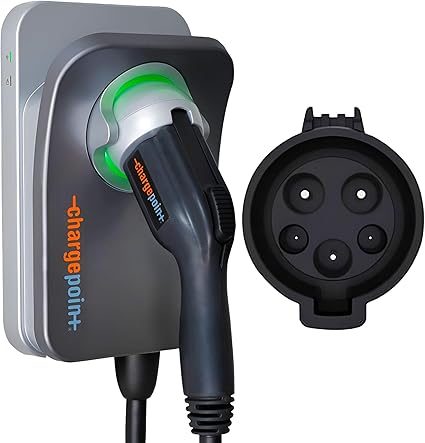 | ChargePoint HomeFlex | Check Price |
Our Top Picks 2  | ELEGRP Portable Charger | Check Price |
Our Top Picks 3  | EMPORIA WiFi EV Charger | Check Price |
Our Selected Top 12 Level 2 Car Charger Worth Buying
This list features carefully chosen Level 2 car chargers, each reviewed for performance, compatibility, and ease of use. Readers will learn the strengths and weaknesses of each charger and discover which models suit different needs and charging preferences.
1. ChargePoint HomeFlex Level 2 EV Charger
ChargePoint HomeFlex Level 2 EV Charger stands out with its strong 50 A output, ideal for anyone wanting fast, reliable home charging on a 240-volt system. Perfect for people with electric cars who value smart features and access to a huge public charging network.
Setup involves hardwiring the charger, which might need a professional. Once installed, the ChargePoint Mobile App helps manage charging remotely, set reminders, and check station availability. WiFi connects it to smart home devices and offers troubleshooting options, making daily charging convenient and customizable.
Charging happens quickly and steadily thanks to the high amperage and power rating. The build feels solid and made for long-term use outdoors.
Most praised feature in reviews is the extensive network access, while the most common complaint involves occasional connectivity hiccups with WiFi-dependent features.
Charging speed and the vast charger network stand out as clear benefits, while WiFi connectivity issues sometimes affect app functions, limiting smart feature access. Users rely on the hardwired connection and the extensive support network for consistent use.
Homeowners wanting fast, smart charging with network access will appreciate this charger. Those preferring simple plug-and-play or Tesla-specific devices might want to explore other options instead.
Pros
- High power output for faster charging
- Smart app for remote control and monitoring
- Access to large charging station network
- Durable build suitable for home use
Cons
- Requires professional hardwired installation
- WiFi needed for some app features
| Specification | Details |
|---|---|
| Output Voltage | 240 volts_of_alternating_current |
| Input Voltage | 240 volts |
| Current Rating | 80 A |
| Amperage | 50 A |
| Connector Type Used on Cable | Hardwired (J1772)-Non Tesla |
| Number of Ports | 1 |
2. ELEGRP Level 2 Portable EV Charger
Charging electric vehicles at home gets a lot faster with the ELEGRP Level 2 Portable EV Charger. Great for anyone needing quicker than Level 1 speeds without complicated installation, it offers adjustable power to suit different home setups.
Its main strength is balancing speed with safety and flexibility.
Setup involves plugging into a standard 240V outlet with a NEMA 14-50 plug, making it ready for use right away. The 25-foot cable length gives plenty of room to connect without moving your car around much. You can set charging delays between 1 and 12 hours, which helps schedule sessions during off-peak electricity times to save money.
Charging speeds can reach up to 9.6 kW, about seven times faster than standard Level 1 chargers, which is solid for Level 2 portable units. The build feels sturdy with safety in mind, including full-link overheat protection and a triple-layer safety system. Reviews highlight its reliability and safety as major positives.
Some users mention its 13.2-pound weight as a bit bulky compared to lighter models.
Many reviews praise the charger’s safety features and steady performance, appreciating the overheat protection and ETL certification. The largest drawback mentioned relates to its weight, which can make carrying or swapping locations less convenient for some users.
A good fit for people wanting faster home charging without electrical upgrades or permanent installation. Those prioritizing portability or minimal size might want to look for lighter or more compact alternatives.
Pros
- Up to 7 times faster charging than Level 1
- Adjustable current matches home electrical limits
- Long 25-foot cable for flexible placement
- Full safety certification with overheat protection
Cons
- Relatively heavy at 13.2 pounds
- Large dimensions take more storage space
| Specification | Details |
|---|---|
| Charging Power | Up to 9.6 kW (37 mph) |
| Current Levels | 16/20/24/32/40A |
| Plug Type | NEMA 14-50 (240V) |
| Cable Length | 25 feet |
| Item Weight | 13.2 pounds |
| Dimensions | 144 x 134 x 47 inches |
3. EMPORIA Level 2 WiFi Enabled EV Charger
Charging an electric vehicle at home without wasting time is a real convenience, especially when you need a faster solution than a standard outlet offers. This charger is perfect for EV drivers looking to speed up their charging times and keep track of energy use through smart controls, thanks to its fast charging and WiFi connectivity.
Setting up involves a professional installation since it’s built for hardwired connection up to 48 amps. Once installed, you can connect it to your 2.4 GHz WiFi network to track charging sessions and energy consumption right from your phone, making it easier to manage when and how your car charges.
The charging speed reaches up to 46 miles per hour, which is significantly faster than usual wall outlets, making long waits a thing of the past. The charger has a solid build quality and comes UL listed and ENERGY STAR certified for safety.
Most praise highlights the fast charge rate, but some users mention the need for professional installation as a drawback.
This charger is praised for providing fast charging speeds up to 46 miles per hour and reliable safety certifications, giving confidence during daily use. The main drawback comes from the need for a professional to hardwire the device, which adds complexity and cost to getting started.
Those who want a quicker charge and smart monitoring will appreciate its performance and features. Users looking for an easy DIY installation or 5 GHz WiFi compatibility might find other options better suited to their needs.
Pros
- Charges up to 9x faster than a wall outlet
- Access real-time energy data via WiFi
- UL listed and ENERGY STAR certified for safety
- Compatible with all J1772 EVs
Cons
- Requires professional hardwired installation
- Only works on 2.4 GHz WiFi networks
| Specification | Details |
|---|---|
| Output Voltage | 240 volts |
| Input Voltage | 240 volts |
| Current Rating | 48 A |
| Amperage | 48 A |
| Connector Type Used on Cable | J1772 |
4. Level 2 Hardwired EV Charger 48A

Delivering up to 48A on a dedicated 60A, 240V circuit, this Level 2 Hardwired EV Charger suits anyone with an electric vehicle wanting fast overnight charging. It stands out for compatibility with every non-Tesla EV, so no adapter is needed for most cars.
Professional installation is required since it’s hardwired directly into your home’s electrical system. The 25-foot cable length makes it easy to reach across garages or driveways without stretching.
Plugging your car in each day is simple with the standard J1772 connector, which works straight out of the box with many EV brands. Tesla drivers can still use it with their included adapter.
Charging typically happens quickly and consistently overnight thanks to the strong 48A output. It feels solid and durable, weighing over 21 pounds and housed in a compact 4 x 9.45 x 9.45 inch frame.
The clearest praise is about the powerful charge and cable length, while the main downside is that installation needs a professional electrician which adds to initial setup cost and effort.
The charger consistently provides powerful and reliable fast charging. Many appreciate the long cable, but the professional installation requirement can be a drawback for those wanting a simple DIY setup.
People with garages or driveways who want a strong dedicated charger will be pleased. Those who need something portable or easy to install without professional help might look for plug-in alternatives instead.
Pros
- Works with every non-Tesla EV without adapter
- Extra-long 25 ft cable for spacious garages
- Supports fast 48A charging for overnight fills
- Compact size fits easily on walls
Cons
- Must be hardwired by licensed electrician
- Not a plug-and-play unit
| Specification | Details |
|---|---|
| Amperage | 48A |
| Voltage | 240V |
| Circuit | Dedicated 60A |
| Cable Length | 25 ft |
| Dimensions | 4 x 9.45 x 9.45 inches |
| Weight | 21.1 pounds |
5. Portable Level 2 EV Charger 32A NEMA 14-50

Anyone with a home setup that supports a 240V outlet and needs a fast, adjustable Level 2 charger will find this handy. It suits drivers of most North American electric vehicles looking for powerful charging without complicated installation. The biggest strength lies in how easy it is to adjust the charging current to fit your home’s circuit without calling an electrician.
Setting it up is straightforward, you just plug the NEMA 14-50 connector into your outlet. The J1772 connector works with most EVs except Teslas, which require an adapter.
Adjusting the amperage is simple: a long press on the “A” button lets you switch between 16A, 24A, and 32A depending on your breaker. This daily tweak capability means you can charge safely without worrying about overloading your home system.
Charging speeds hit up to 7.68 kWh at 32A, which is solid for Level 2. The build feels sturdy enough for regular use and outdoor conditions, with a clear interface on the charger to adjust settings. The top praise revolves around its fast, adjustable charging power, while the main complaint is the need for a Tesla adapter to use with Tesla EVs, limiting native compatibility.
Many appreciate how easy it is to adjust charging current directly on the unit without extra equipment or electrician help. The main frustration is that Tesla drivers need to buy a separate adapter, which adds cost and hassle. Otherwise, it reliably delivers strong power based on the chosen setting.
People with J1772-equipped EVs who want flexible, fast home charging will be very satisfied. Those with Tesla cars seeking a plug-and-play option might want to look at chargers designed specifically for Tesla without extra adapters.
Pros
- Adjustable amperage fits various home circuits
- Fast Level 2 charging up to 7.68 kWh
- Wide compatibility with non-Tesla electric vehicles
- Portable with standard NEMA 14-50 plug
Cons
- Tesla vehicles require a separate adapter
- Limited USB ports, only one available
| Specification | Details |
|---|---|
| Connector Type | NEMA 14-50P |
| Output Current | 32 A |
| Output Voltage | 240 volts of alternating current |
| Wattage | 7.68 KW |
| Charging Current Options | 16A/24A/32A adjustable |
| Compatibility | All J1772 EVs (Tesla needs adapter) |
6. Level 2 EV Charger 48A UL Certified

Charging your electric vehicle much faster than standard Level 1 chargers is the main highlight here, offering up to 46 miles of range per hour at 48A. It’s ideal for anyone wanting a serious upgrade in charging speed with the flexibility to adjust current for different needs.
Setting it up requires a hardwired installation with a 60A breaker and a licensed electrician, which means it’s more of a semi-permanent solution. Day-to-day use focuses on the built-in temperature sensor in the connector, which monitors heat and stops charging when things get too hot, all monitored via an app for convenience and safety.
Performance-wise, the charger delivers on the promise of faster charging, significantly cutting down wait times compared to standard options. The solid build comes in a compact unit weighing about 13.45 pounds, making it sturdy yet manageable.
Most praise centers around its reliability and safety features, while some mention the need for professional installation as a drawback.
Reliability in fast charging and safety comes from its temperature monitoring system that stops charging when the connector overheats, offering real-time feedback through an app. The biggest drawback for some is the mandatory professional installation requirement which adds cost and complexity upfront.
The charger suits those wanting a significant speed upgrade and who can manage installation needs. For people looking for a plug-and-play option or who have lower breaker capacity, exploring other models might be better suited.
Pros
- Up to 9x faster than Level 1 chargers
- Adjustable current in 1A increments
- Built-in connector temperature sensor
- Real-time monitoring app
Cons
- Requires hardwired installation by a licensed electrician
- Only compatible with 60A breaker setup
| Specification | Details |
|---|---|
| Product Dimensions | 9.8 x 8.7 x 4.4 inches |
| Item Weight | 13.45 pounds |
| Current Range | Adjustable from 6A to 48A in 1A increments |
| Charging Speed | Up to 46 miles of range per hour at 48A (11.5kW) |
| Safety Feature | Connector overheat protection with automatic charge stop |
7. Portable Level 2 EV Charger 40A NEMA 14-50

EVDANCE Portable Level 2 EV Charger 40A NEMA 14-50 stands out for delivering fast and adjustable charging power. It’s ideal for those who need control over charging speeds at home or on the go, especially with its 40A capacity and flexible current settings, making charging practical and efficient.
Setup involves plugging into a standard NEMA 14-50 outlet and choosing your desired amperage between 10A and 40A via a button on the unit. Daily use means you can easily adapt charging speed, whether topping off through the day or charging overnight.
Tesla drivers need a J1772 to Tesla adapter to connect the charger.
Charging happens at 240V with a maximum output of 9.6kWh, delivering up to eight times faster charging than typical Level 1 chargers. The build feels solid and weighs about 11.59 pounds, making it portable but sturdy. Praise focuses on its customizable power control, while the common downside is the necessity of a separate adapter for Tesla vehicles.
Users appreciate how simply the charging speed can be adjusted to fit different needs, making it convenient for both quick top-ups and full charges. A common complaint is the requirement of a separate Tesla adapter, which isn’t included and complicates charging for Tesla drivers.
This charger suits anyone wanting flexible, powerful Level 2 charging with a NEMA 14-50 outlet. Tesla drivers should expect to use an additional adapter. Those without access to this outlet type might want a different charger option that fits their setup better.
Pros
- Adjustable current from 10A to 40A
- 8 times faster charging than Level 1
- Supports a standard NEMA 14-50 outlet
- Portable at just under 12 pounds
Cons
- Requires adapter for Tesla vehicles
- Not included adapter adds extra cost
| Specification | Details |
|---|---|
| Amperage | 40 A |
| Wattage | 9600 watts |
| Plug Type | NEMA 14-50 |
| Voltage | 240 V |
| Weight | 11.59 pounds |
8. Level 2 Wall EV Charger 40A NEMA 14-50

Plugging in your EV at home becomes a straightforward routine with the Level 2 Wall EV Charger 40A NEMA 14-50. It fits well in garages or driveways of anyone with compatible electric or plug-in hybrid vehicles, offering solid power delivery without fuss.
What stands out most is its universal J1772 compatibility, so it works with a broad range of cars.
Setting it up involves connecting the charger to a dedicated EV-graded 14-50 outlet, which needs a 50A circuit breaker. The NEMA 14-50 plug style makes installation flexible but requires the right outlet. Day-to-day use is smooth thanks to the built-in GFCI protection, adding a layer of safety.
The cable and connector feel sturdy and comfortable to handle.
Charging performance is consistent with a full 40 amp output, supplying enough juice for most daily driving needs. The charger is solidly built, weighing just over 17 pounds, which feels durable when mounted but stays manageable for any maintenance or inspection. Most users appreciate the safety feature, while some note the adapter needed for Tesla cars as a limitation.
The charger consistently provides 40 amps and includes a GFCI for safety, which users appreciate for everyday reliability. Some find needing a separate adapter for Tesla inconvenient. The unit is well-built and manageable in size, suiting typical home garages where a NEMA 14-50 outlet is available.
People with EVs from most brands will find this charger suitable for daily use, especially where safety and universal compatibility matter. Those with Tesla cars or without a NEMA 14-50 outlet should consider alternate options that match their setup better without extra adapters or electrical upgrades.
Pros
- Compatible with most EVs and hybrids in North America
- Built-in GFCI protection for safety
- Solid build with manageable 17-pound weight
- Flexible plug-in installation with NEMA 14-50
Cons
- Requires specific 14-50 outlet and 50A circuit breaker
- Tesla vehicles need separate J1772 adapter
| Specification | Details |
|---|---|
| Package Dimensions | 18 x 14.5 x 10.2 inches |
| Item Weight | 17.06 pounds |
| Model Number | NECS-ACW-9.6-1-US-3028 Button Version |
| Power Output | 40A Level 2 charger |
| Plug Type | NEMA 14-50 |
| Compatibility | Universal J1772 connector |
9. Portable Level 2 EV Charger 32A NEMA 14-50

Portable Level 2 EV Charger 32A NEMA 14-50 fits well for anyone looking to charge their EV at home quickly and safely. Its biggest strength lies in the 32-amp output with a built-in temperature sensor, making everyday charging reliable and secure, especially when using the right 240V socket.
Setting it up is straightforward with a recommended 240V NEMA 14-50 outlet, which delivers the full 32A power. The charger plugs into all North American EVs with a J1772 connector, so it covers most vehicles out there. Using an adapter on standard 110V outlets will slow charging to level 1 speeds, and the adapter doesn’t have temperature monitoring, so daily use works best on its native socket.
The charger delivers solid performance at the claimed 32A, providing faster home charging than a regular level 1 charger. Build quality is practical and functional, focusing on safety via the built-in temperature sensor. Some users mention the slower charging when using an adapter and keep an eye on the adapter’s connector for safety reasons, but the main setup is dependable and well-made.
Many appreciate the safety feature of the built-in temperature sensor and steady 32A charging when used with the intended 240V NEMA 14-50 plug. Common criticism focuses on slower charging and the lack of temperature monitoring when using a 110V adapter, which is less suited for regular use.
Those with access to a 240V NEMA 14-50 outlet will find this charger reliable and efficient for daily charging. Users relying on 110V adapters or needing faster charging with Tesla’s native connector should consider alternative options or additional adapters.
Pros
- Built-in temperature sensor for safe use
- Works with all J1772 EVs/PHEVs in North America
- High 32A charging speed on 240V socket
- Portable and simple plug-in design
Cons
- Adapter use limits speed to level 1 charging
- Adapter cable lacks temperature sensor for safety
| Specification | Details |
|---|---|
| Output Voltage | 240 volts |
| Input Voltage | 240 volts |
| Current Rating | 32 A |
| Amperage | 32 A |
| Connector Type | J1772 |
| Number of Ports | 1 |
10. Level 2 EV Charger 40A 240V

Heavy-duty construction defines the Level 2 EV Charger 40A 240V, designed for anyone with an SAE-J1772 compliant electric vehicle or plug-in hybrid wanting faster home charging. Its main strength lies in offering adjustable current settings up to 40 amps for flexible power delivery.
Setup involves plugging into a NEMA 14-50 outlet, a common choice for 240V devices, making installation straightforward. Day-to-day usage benefits from five current options, 8A through 40A, allowing adaptation to different charging needs.
This flexibility works well whether you want slower or faster charging depending on your EV and schedule.
Charging at up to 9.6 kW, it delivers solid Level 2 performance that’s dependable and stable. The build feels sturdy, reflecting its heavy-duty design.
Most users appreciate how versatile the current settings are, while a common drawback is the separate purchase of the TSL adapter for certain vehicles.
It is praised for versatile current settings that adapt to diverse charging needs, providing reliability at home. The most common complaint involves the need to purchase a TSL adapter separately, which can complicate getting started for some vehicles.
Those having SAE-J1772 compatible EVs who can install or already have a NEMA 14-50 outlet will find this charger suits well. Users lacking that outlet or those needing an all-in-one plug solution might look at alternative models that include adapters or different connector types.
Pros
- Adjustable current from 8A to 40A
- Stable 240V charging with heavy-duty plug
- Compatible with all SAE-J1772 EVs and hybrids
- Delivers up to 9.6 kW of power
Cons
- TSL adapter needed separately for some vehicles
- Requires a NEMA 14-50 outlet for use
| Specification | Details |
|---|---|
| Output Voltage | 240 volts_of_alternating_current |
| Input Voltage | 240 volts_of_alternating_current |
| Current Rating | 40 A |
| Amperage | 40 A |
| Connector Type Used on Cable | NEMA 14-50 |
11. Lectron Portable Level 2 EV Charger

Fast charging at home or on the go stands out with this charger, designed to work with all J1772 compatible electric vehicles. It suits anyone wanting to avoid complicated installs while benefiting from high power output thanks to its NEMA 14-50 plug. Its biggest strength is delivering up to 9.6 kW charging in a portable form.
Setting it up is straightforward since it plugs directly into a standard 240V outlet. Daily use feels convenient because it provides reliable 40-amp charging without requiring hardwiring.
The IP65 rating means it handles outdoor conditions well, and the single USB port adds small but useful extra functionality during charging sessions.
Charging speed consistently meets expectations for level 2 performance, making the wait shorter compared to level 1. It has a rugged build supported by safety certifications such as FCC and ETL, ensuring protection against electrical faults. The most common downside mentioned is the need for a specific NEMA 14-50 outlet, which not every home has.
The charger typically receives praise for its fast, reliable charging and safety features that bring reassurance when used outdoors or in a garage. Some find the requirement of a NEMA 14-50 outlet restrictive because homes without one must arrange for electrical upgrades.
Those with access to the right outlet and who want portable, high-power charging will appreciate this product’s design and capability. People lacking the specific outlet might need to look for chargers compatible with their existing wiring or consider professional installation before using it.
Pros
- Fast charging at up to 9.6 kW
- Plug-and-play with standard NEMA 14-50 outlet
- Safe with overvoltage and short circuit protection
- Weather-resistant IP65 rating
Cons
- Requires a NEMA 14-50 outlet for use
- Single USB port might feel limited
| Specification | Details |
|---|---|
| Input Voltage | 240 volts_of_alternating_current |
| Amperage | 40 A |
| Connector Type | J1772 |
| Charging Rate | 9.6 kW |
| Power Source | Corded Electric |
| Water Resistance | IP65 |
12. EMPORIA Level 2 EV Charger with NACS

Charging a Tesla or any NACS-compatible EV gets easier with a fast Level 2 charger that demands no adapters. Great for Tesla drivers wanting the same convenience at home as on the road, this charger offers a huge boost in charging speed while fitting right in with the Tesla ecosystem.
Installation calls for a professional since it’s hardwired, but once that’s done, daily charging is simple and smart. The remote button to open your Tesla’s charging port is a thoughtful touch that makes connecting simple. Fast charging rates mean the car gains range quickly every day, reducing downtime significantly.
The charger delivers up to 46 miles of range per hour at 48 amps, which is about nine times faster than a standard outlet setup. Its build feels solid and made for reliable, continuous use. Users praise the speed and Tesla-style convenience, though some mention the installation can require extra work and costs.
The charger is praised for delivering fast, reliable charging with Tesla-specific features like remote port opening. Most users find its speed and convenience excellent, while some note that getting it installed properly can be a challenge due to the hardwired setup.
People who drive Tesla or NACS-equipped EVs and want fast, easy charging at home will appreciate its features. Those looking for a plug-and-play option or who prefer simpler installation should consider alternatives with a plug-in design.
Pros
- Charges up to 9x faster than a standard wall outlet
- No adapter needed for Tesla or NACS vehicles
- Remote button opens Tesla charging port automatically
- Hardwired installation offers solid connection
Cons
- Requires professional hardwired installation
- Installation may involve additional costs and time
| Specification | Details |
|---|---|
| Connector Type | NACS / Tesla, Hardwire |
| Amperage | 48 A |
| Output Voltage | 240 volts_of_alternating_current |
| Wattage | 11.5 KW |
| Power Plug | Type B – 3 pin (North American) |
Comparison of Top Level 2 Car Chargers
| Product | Amperage | Connector Type | Portable | Weight |
|---|---|---|---|---|
| ChargePoint HomeFlex | 50 A | Hardwired J1772 | No | – |
| ELEGRP Portable Charger | – | – | Yes | 13.2 lbs |
| EMPORIA WiFi EV Charger | 48 A | J1772 | No | – |
| 48A Hardwired EV Charger | – | – | No | 21.1 lbs |
| 32A Portable NEMA 14-50 | 32 A | NEMA 14-50 | Yes | – |
| UL Certified 48A Charger | 48 A | – | No | 13.45 lbs |
| 40A Portable NEMA 14-50 | 40 A | NEMA 14-50 | Yes | 11.59 lbs |
| 40A Wall Mounted Charger | – | – | No | 17.06 lbs |
| 32A Portable NEMA 14-50 #2 | 32 A | J1772 | Yes | – |
| 40A 240V EV Charger | 40 A | NEMA 14-50 | No | – |
| Lectron Portable Charger | 40 A | J1772 | Yes | – |
| EMPORIA NACS EV Charger | 48 A | NACS/Tesla Hardwire | No | – |
- Amperage50 A
- Connector TypeHardwired J1772
- PortableNo
- Weight–
- Amperage–
- Connector Type–
- PortableYes
- Weight13.2 lbs
- Amperage48 A
- Connector TypeJ1772
- PortableNo
- Weight–
- Amperage–
- Connector Type–
- PortableNo
- Weight21.1 lbs
- Amperage32 A
- Connector TypeNEMA 14-50
- PortableYes
- Weight–
- Amperage48 A
- Connector Type–
- PortableNo
- Weight13.45 lbs
- Amperage40 A
- Connector TypeNEMA 14-50
- PortableYes
- Weight11.59 lbs
- Amperage–
- Connector Type–
- PortableNo
- Weight17.06 lbs
- Amperage32 A
- Connector TypeJ1772
- PortableYes
- Weight–
- Amperage40 A
- Connector TypeNEMA 14-50
- PortableNo
- Weight–
- Amperage40 A
- Connector TypeJ1772
- PortableYes
- Weight–
- Amperage48 A
- Connector TypeNACS/Tesla Hardwire
- PortableNo
- Weight–
How to Choose the Right Level 2 Car Charger
Choosing the right Level 2 car charger depends on factors like charging speed, compatibility with your vehicle, and installation options. Prioritizing these ensures efficient energy use, avoids damage, and prevents costly modifications, ultimately saving time and money while providing reliable charging.
Charging Speed and Power Output
Charging time changes a lot depending on the kilowatt rating of the charger. A 7.2 kW charger will refill an EV battery noticeably slower than an 11.5 kW model.
Amperage is just as important, the vehicle and your home’s electrical panel must support the current draw. For example, a charger delivering 32 amps needs a suitable breaker and wiring to handle that load safely without tripping breakers.
Adjustable power settings help tailor charging speed to daily needs or electrical limitations. Using lower amperage settings overnight can prevent overloading circuits but prolong charging. A fixed high-power output might not be compatible with all vehicles or may cause unnecessary power consumption.
Look for chargers offering 16 to 40 amps and the option to adjust between these levels, depending on your car’s acceptance rate and electrical setup.
Compatibility with Vehicle and Electrical System
Matching the charger’s connector with your vehicle’s plug is non-negotiable. Most models use the J1772 standard, but some electric cars require different interfaces or adapters.
Also, the charger’s communication protocol ensures it can properly regulate charging and report status to the vehicle. Ignoring these can cause failed connections or inefficient charging.
Electrical compatibility extends to voltage and phase. Most home setups use single-phase 240V power, but some garages or commercial locations run three-phase systems.
Using a charger rated only for your setup prevents damage or underperformance. Also, any charger must follow local electrical codes, look for certifications that show compliance with regional standards like NEC or equivalent.
Installation and Portability
Many chargers need a certified electrician for installation, especially if hardwired. Plug-and-play models that connect to a standard 240V outlet offer flexibility but may limit power. Space for mounting matters as well; a bulkier unit can be hard to fit in cramped garages, and fixed mounts should consider cable reach and accessibility.
Cable length and weight affect daily use, too short means rearranging your parking spot; too long can become tangled or cumbersome. A cable length around 18 to 25 feet balances convenience and manageability. Heavy cables tire your arm and can lead to damage over time, so look for chargers with manageable weights and ergonomic cable holders.
Safety Features and Certifications
Safety is critical, especially with high voltage and current. Chargers should have built-in protections for overcurrent, overvoltage, and ground faults to prevent hazards. These features reduce risks of electrical fires or damage to your equipment and vehicle.
Certifications like UL or ETL serve as proof that the charger has passed rigorous safety testing. Outdoor use requires a weatherproof design rated at least IP65 to guard against dust and water.
Temperature control features help the charger operate safely in extreme heat or cold, which is important if it’s mounted in an exposed location.
User Interface and Connectivity
Some chargers have simple LED indicators, while others offer detailed displays showing current power, charge time, and diagnostics. Smartphone apps add convenience by allowing you to start or schedule charges remotely, check status, and receive alerts.
Connectivity options such as WiFi or Bluetooth enable remote monitoring and firmware updates, reducing the need for physical interaction. For those with smart home setups, compatibility with platforms like Google Home or Alexa helps integrate vehicle charging into broader energy management, optimizing electricity use based on time-of-use rates or solar generation.
Maximizing Charging Efficiency with Level 2 Car Chargers
Level 2 car chargers supply power at 240 volts, significantly speeding up the charging process compared to standard Level 1 chargers. Most electric vehicles gain about 20 to 25 miles of range per hour of charging with these units. Installing a Level 2 charger at home requires a dedicated circuit breaker and proper wiring, usually 30 amps or higher, to support consistent power delivery.
Factors affecting charging efficiency include:
- Charger amperage: Higher amps mean faster charging, but the vehicle’s onboard charger limits actual speed.
- Cable quality and length: Thicker, shorter cables reduce energy loss.
- Ambient temperature: Extreme heat or cold can reduce charging rates.
- Battery state: Charging from a near-empty battery is faster than topping off near full.
Selecting a reputable charger that matches the EV’s specifications ensures optimal energy transfer and minimizes charging time.
Essential Safety Practices for Level 2 EV Charging Stations
Safety is crucial with Level 2 EV chargers because they operate at high voltages and currents. It’s important to have the installation done by a certified electrician familiar with EV equipment and local electrical codes.
Ground-fault circuit interrupters (GFCI) protect users by cutting power if an electrical fault occurs, and they should be part of the installation.
Follow these safety practices:
- Regularly inspect cables for damage or wear before each use.
- Keep the charging area dry and free from debris.
- Use chargers rated for outdoor use if placed outside.
- Store the charging cable carefully to avoid kinks or pinches.
Ignoring these precautions can result in electrical hazards or damage to the vehicle’s battery system.
Comparing Level 2 Chargers to Portable and Public Charging Options
Level 2 chargers provide faster charging than portable Level 1 options, which use a standard 120-volt outlet and typically add only 3 to 5 miles of range per hour. Public DC fast chargers fill the battery even more quickly but are less common and usually more expensive per use.
Key differences include:
- Level 2 chargers offer a balance between speed and convenience for home or workplace use.
- Portable chargers are easy to carry but much slower, ideal as backups.
- Public fast chargers provide rapid top-ups but may not be suitable for daily full charges due to cost and battery health considerations.
Choosing between these depends on daily driving habits, access to charging infrastructure, and budget.
People Also Asked
How Do I Install a Level 2 Car Charger Safely at Home?
Hire a licensed electrician to install a level 2 charger to ensure it meets local electrical codes and safety standards. They will typically upgrade your home’s electrical panel if required and run the dedicated circuit needed for the charger.
What Size Cable Should a Level 2 Charger Have for My EV?
A 6-gauge cable is common for most level 2 chargers as it supports 40 amps, which fits many home EV charging needs. Checking your vehicle manufacturer’s recommended amperage helps avoid under- or over-sizing the cable.
Can Level 2 Chargers Work with All Electric Vehicle Models?
Level 2 chargers are compatible with all EVs that use the standard SAE J1772 connector, covering most electric cars except certain Tesla models without adapters. Using the right adapter prepared for your car ensures proper connection.
How Long Do Level 2 Car Chargers Typically Last with Regular Use?
These chargers generally last about 10 years or more with proper maintenance and regular use, assuming indoor installation. Keeping the charger clean and protected from extreme weather can extend its lifespan.
What Are Common Problems Users Face with Level 2 EV Chargers?
Users often face issues like slow charging due to insufficient power supply, faulty connections, or software glitches in the charger. Regularly inspecting cables for damage and updating charger firmware when possible can reduce these problems.
Conclusion
Choosing a level 2 car charger mainly comes down to charging speed, compatibility with your vehicle, and how easy it is to install in your garage or parking spot. These factors affect daily convenience and how quickly you get back on the road. Look for units that fit your regular charging needs without adding more complexity than necessary.
Consider how often you plan to charge and how much you want to spend. A charger that’s too powerful for infrequent use might be overkill, while a slower one won’t cut it for daily long drives.
Check the comparison table above and the detailed picks to find the right balance for your setup and budget.