
Top 12 Best Mountain Bike for Trail Riding Under $1500 Revealed!
Riding rough terrain on a cheap or ill-fitting bike often ends with sore muscles, frequent mechanical issues, and a lot of frustration. The best mountain bike for trail riding under $1500 avoids common problems like weak components and poor suspension, giving you a more reliable and enjoyable experience right from the start.
These bikes generally provide enough durability and performance for most trails without pushing past that budget limit.
Key factors to focus on include the frame material, suspension quality, and proper sizing. Aluminum frames are standard here, balancing weight and strength without the high cost of carbon.
Front suspension is almost always included, with around 100mm of travel to absorb bumps and drops. A good fit means the right frame size according to your height, usually between 15 and 19 inches for most riders in this price range, which affects control and comfort on uneven ground.
Need a Quick Check?
| Image | Product | Price |
|---|---|---|
Our Top Picks 1  | Earth Mountain Bike | Check Price |
Our Top Picks 2  | Mongoose Flatrock | Check Price |
Our Top Picks 3 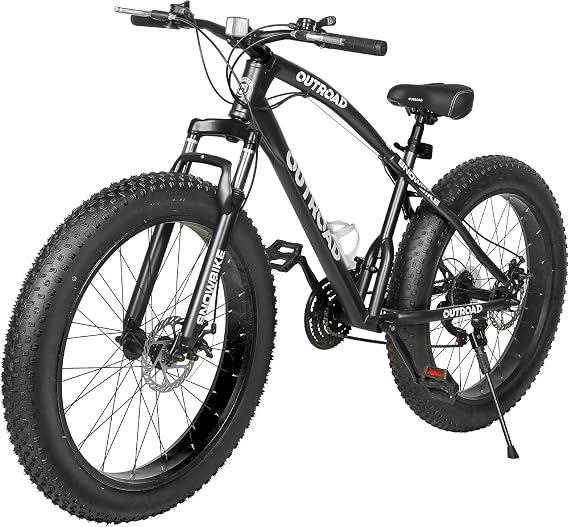 | Outroad Fat Tire Bike | Check Price |
Our Selected Top 12 Mountain Bike for Trail Riding Under $1500 Worth Buying
This list features carefully chosen mountain bikes designed for trail riding within an affordable budget. Each review covers performance aspects, suitability for different riders, and highlights key strengths and potential drawbacks to help you find the best option for your needs.
1. Earth 26/27.5 Inch Mountain Bike
Designed for trail riders who want flexibility and toughness without breaking the bank, the Earth 26/27.5 Inch Mountain Bike stands out with its switchable suspension fork. This makes it easy to adjust your ride comfort based on the terrain you’re tackling, perfect for varied mountain trails and intermediate skill levels.
Setting up the bike is straightforward, and the adjustable seat lets you find the right fit quickly. The 21-speed derailleur system provides plenty of gearing options for climbing or speedy descents, while the quick-release all-terrain tires make swapping between 26 and 27.5 inches simple.
Dual disc brakes offer reliable stopping power in wet or dry conditions, adding confidence to every ride.
The aluminum alloy frame and rims keep the weight down without sacrificing strength, helping the bike perform well on rough trails. Most users praise the suspension’s adaptability and braking reliability for mountain terrain.
Some mention the seat comfort could be better for longer rides, but overall, it handles trail variety with ease.
Many find the adjustable suspension fork a big plus for managing different trail surfaces, with the bike’s braking system being reliable and responsive. A common downside mentioned is the seat, which can feel less comfortable during extended rides.
Those who enjoy varied mountain terrain and want the option to tweak ride comfort will appreciate this bike. Riders expecting full suspension or longer touring comfort might prefer to look at other models.
Pros
- Switchable suspension fork adjusts to terrain
- Lightweight aluminum alloy frame and rims
- 21-speed derailleur covers varied trail conditions
- Quick-release all-terrain tires for easy customization
Cons
- Seat comfort could improve for long rides
- No rear suspension for rougher trails
| Specification | Details |
|---|---|
| Bike Type | Mountain Bike |
| Number Of Speeds | 21 |
| Suspension Type | Front |
| Brake Style | Disc |
| Bicycle Gear Shifter Type | Trigger |
| Frame and Rims | Aluminum Alloy |
2. Mongoose Flatrock Mountain Bike
Mongoose Flatrock Mountain Bike suits intermediate riders between 5’4 and 6’2 looking for a reliable trail bike under $1500. It stands out with durable aluminum construction and a design focused on tackling off-road terrain with ease.
Assembly is straightforward, with a twist grip shifter that makes gear changes simple on trails. The 26-inch wheels roll smoothly over uneven ground, while the front suspension fork takes the edge off bumps. Its V brake system offers dependable stopping power, and the knobby tires provide solid traction when exploring dirt paths or mountain terrain.
The bike handles trail riding well, absorbing shocks and managing moderate off-road conditions. The aluminum frame feels lightweight yet tough enough for daily adventure.
Many users highlight its durability and ease of use, though some mention the 7-speed drivetrain limits gear range for steep climbs. It balances performance and build quality suited for intermediate riders.
The bike’s durability and smooth handling on rough trails get consistent praise. A common drawback is the restricted 7-speed range, which can challenge riders on steeper inclines. Its aluminum frame and suspension make it feel sturdy without excess weight, helping on longer rides.
Those seeking a straightforward, tough bike for casual mountain or trail rides will find this suitable. Riders needing a wider gear range or more advanced braking should consider other models better suited for aggressive terrain or technical riding conditions.
Pros
- Lightweight aluminum frame for durability
- Front suspension fork absorbs trail bumps
- Knobby tires provide strong traction
- Simple twist grip shifter for easy gear changes
Cons
- Limited to 7 speeds, less ideal for steep terrain
- V brakes require regular adjustment for optimal performance
| Specification | Details |
|---|---|
| Bike Type | Mountain Bike |
| Number Of Speeds | 7 |
| Suspension Type | Front |
| Brake Style | V Brake |
| Intended Riding Terrain | Mountain Terrain, Unpaved Trails |
3. Outroad 26 Inch Fat Tire Mountain Bike
Riding on chunky tires that grip just about any surface, this bike fits well for anyone looking to tackle both mountain trails and urban streets comfortably. Its biggest strength lies in the 4-inch fat tires that provide excellent traction and durability on rough terrain without sacrificing speed.
Setting the bike up involves understanding the 21-speed gearing system, which offers a good range for shifting on climbs and flat stretches alike. The shock-absorbing front fork smooths out bumps, making daily trail rides or city commutes less jarring.
You’ll notice the thick tires handle snow and uneven paths confidently while the trigger shifters make gear changes precise and quick.
Performance-wise, it handles mountain terrains and unpaved trails well, supported by a sturdy chain drive and disc brakes for reliable stopping power. The frame and parts are solid enough for frequent trail use though it carries some weight due to the fat tires.
People appreciate its comfort and grip; on the downside, some find the heavier tires can slow acceleration on smoother roads.
The thick 4-inch tires offer excellent grip and shock absorption, making rough trail riding comfortable. On the other hand, the heavy tires and overall weight make it a bit slower to pick up speed on paved or smooth surfaces. The brakes and gearing work reliably for varied terrains.
Ideal for riders who want to explore mountain trails or snow-covered paths with confidence. Those focused mainly on fast commuting on smooth roads might look for something lighter and faster.
Pros
- 4 inch fat tires for strong grip and durability
- 21-speed system for easier uphill climbs
- Front suspension absorbs shocks well
- Disc brakes provide solid stopping power
Cons
- Tires are heavier, affecting acceleration on smooth paths
- Heavier overall weight due to fat tire design
| Specification | Details |
|---|---|
| Bike Type | Mountain Bike |
| Number Of Speeds | 21 |
| Suspension Type | Front |
| Brake Style | Disc |
| Intended Riding Terrain | Mountain Terrain, Unpaved Trails, Urban Terrain |
4. Schwinn High Timber Mountain Bike

Great value for trail riders, the Schwinn High Timber is a solid pick for anyone between 5’3 and 5’8 looking for a reliable mountain bike under $1500. Its lightweight aluminum frame stands out as the biggest strength, making it easy to handle on neighborhood rides or trail paths.
Setting up the bike is straightforward, with adjustable seats and quick-release features making daily adjustments simple. The 21-speed gear system with twist shifters and a rear derailleur offers smooth and easy changes while you ride. Wide knobby tires provide good grip on different terrain, and the dual disc brakes deliver consistent stopping power, so you feel secure on the trail.
Performance-wise, the front suspension handles bumps decently for its price, and the alloy crank keeps shifting smooth with minimal effort. Riders appreciate the balanced combination of lightweight design and sturdy wheels, which hold up well across varied surfaces. Some find the size limited to shorter riders, which can be a downside for anyone taller.
The main appeal lies in the lightweight frame combined with reliable gear shifting and braking, which makes it practical and safe on most trails. Limited frame size restricts taller riders, and front suspension alone doesn’t soak up all trail roughness.
People between 5’3″ and 5’8″ who want a straightforward, durable bike for mild to moderate trails will appreciate this choice. Those needing more suspension or a bike for taller heights should look elsewhere.
Pros
- Lightweight aluminum frame easy to handle
- 21-speed drivetrain for diverse terrain
- Dual disc brakes provide strong stopping power
- Adjustable seat with quick release feature
Cons
- Suitable only for riders 5’3″ to 5’8″
- Front suspension limits rough terrain comfort
| Specification | Details |
|---|---|
| Bike Type | Mountain Bike |
| Number Of Speeds | 21 |
| Suspension Type | Front |
| Brake Style | Disc |
| Bicycle Gear Shifter Type | Twist Grip |
| Frame Size | 16.5 inch aluminum |
5. 26/27.5 Inch Aluminum Mountain Bike

Aluminum frames make for a lightweight and durable mountain bike suited for trail and urban riding. Its best feature is the combination of a premium frame with a 21-speed drivetrain, making climbs and gear changes smooth and reliable.
Assembly comes mostly done, with about 85 percent pre-assembled and tools included to finish the setup quickly. The front wheel attaches with a quick-release mechanism, so you can get ready to ride without fuss. Day-to-day, the high-performance front suspension fork takes the edge off bumps, while dual mechanical disc brakes provide consistent stopping power in all weather.
Trail riding is steady thanks to the front suspension and reliable gearing system. The aluminum frame holds up well on rough terrain without feeling too heavy. Dual mechanical disc brakes offer solid control, though they are sometimes noted to need occasional adjustment.
Smooth shifting and responsive brakes stand out, while some users mention the brakes needing tuning more often than expected.
This bike earns praise for smooth shifting and steady braking under various conditions. At the same time, keeping the mechanical disc brakes well-tuned is often needed to maintain consistent performance. Assembly benefits from a mostly pre-built package with quick-release wheels, simplifying the start-up process.
Trail riders looking for a lightweight, multi-speed bike with dependable brakes and front suspension will find this a solid choice. Riders looking for stronger rear suspension or brakes that require less upkeep might consider other options that better meet those needs.
Pros
- Lightweight aluminum frame
- 21-speed drivetrain for smooth gear changes
- Dual mechanical disc brakes for reliable stopping
- Front suspension fork absorbs rough terrain shocks
Cons
- Brakes may require frequent adjustment
- Only front suspension limits shock absorption
| Specification | Details |
|---|---|
| Bike Type | Mountain Bike |
| Number Of Speeds | 21 |
| Suspension Type | Front Suspension |
| Brake Style | Disc |
| Frame Material | Aluminum |
6. WEIZE 24/26/27.5 Inch Dual Suspension Bike

Big wheels and dual suspension stand out right away, making this bike a solid choice for riders over 5’4 who want comfort and control on rough trails. It’s a mountain bike built to handle a variety of unpaved paths while offering a smooth ride thanks to its full suspension setup.
Getting started is straightforward with an adjustable seat that helps find the right fit for your height. The twist grip shifter with 18 speeds lets you easily shift gears as you encounter hills or flat stretches. With all-terrain tires and a sturdy kickstand, everyday riding includes park paths, gravel, and a fair bit of pavement without much fuss.
Performance feels agile, especially over bumpy terrain where the front fork and rear coil shock soak up impacts well. The high-carbon steel frame gives control and durability, though the V brakes sometimes don’t deliver the strongest stopping power. Most praise focuses on how comfortable the dual suspension makes trail riding, while a common point is that the brakes could feel more responsive in demanding situations.
Comfort on rough trails stands out the most thanks to the dual suspension setup, helping smooth out uneven surfaces. The biggest downside comes from the V brakes, which sometimes don’t respond as quickly as riders might hope during sharper stops.
Riders who prioritize comfort and versatility on mixed trail surfaces will enjoy this bike. Anyone seeking the lightest weight or the strongest braking performance might want to look elsewhere for options that better meet those needs.
Pros
- Dual suspension offers good bump absorption
- Adjustable seat fits riders over 5’4” comfortably
- Wide range of 18 speeds for varied terrain
- All-terrain tires suitable for mixed surfaces
Cons
- V brakes can lack stopping power on steep descents
- High-carbon steel frame adds weight compared to lighter alloys
| Specification | Details |
|---|---|
| Bike Type | Mountain Bike |
| Number Of Speeds | 18 |
| Suspension Type | Dual |
| Brake Style | V Brake |
| Bicycle Gear Shifter Type | Twist Grip |
| Frame Material | High-Carbon Steel |
7. WEIZE 26/27.5 Inch Mountain Bike

Great for trail riding and daily errands, this mountain bike fits a wide height range and offers a lightweight aluminum frame that stands out for its easy handling. It suits riders looking for a reliable, straightforward ride without complicated features.
Setup is simple with its adjustable seat and kickstand, making it easy to start riding right away. The 21-speed gear system allows smooth shifting suited for trails, hills, and flat paths alike. Handling on gravel or park trails feels stable thanks to the 2.125-inch wide tires and front reflector adds safety for street commuting.
The bike’s rigid suspension and disc brakes provide dependable control on unpaved and paved surfaces. Its lightweight frame holds up well for everyday use.
Many find the gear shifting smooth, which helps on varied terrains, while some note the single-speed model limits versatility on steep or technical trails.
The smooth gear shifting receives the most praise for making varied terrains manageable, while the rigid suspension is a commonly mentioned limit during bumpy rides. Its durability and straightforward design make it a practical choice for casual riders mostly on trails and streets.
It works well for those looking for an all-around bike suitable for neighborhood streets and light off-road trails without advanced suspension needs. Riders tackling technical mountain terrains regularly should consider models with better suspension and multiple speeds.
Pros
- Lightweight aluminum frame
- Good for a wide rider height range
- 21-speed smooth shifting system
- Disc brakes for reliable stopping
Cons
- Single-speed setup limits hard climbs
- Rigid suspension not suited for rough trails
| Specification | Details |
|---|---|
| Bike Type | Cruiser Bike |
| Number Of Speeds | 1 |
| Suspension Type | Rigid |
| Brake Style | Disc |
| Intended Riding Terrain | Mountain Terrain, Paved Roads, Unpaved Trails |
8. Huffy Stone Mountain Bike

Trail riding on uneven paths requires a bike that can handle bumps and hills without breaking the bank. Perfect for beginners looking for a reliable ride on mountain terrain, this bike’s dual suspension is its standout feature, offering a smooth experience over rough surfaces.
Setup is straightforward, with easy assembly and a kickstand to hold the bike when off the trail. The adjustable seat and twist grip shifters help dial in comfort and control during rides.
The 21-speed Shimano drivetrain handles different gradients well, making uphill climbs manageable without much fuss.
It performs solidly on trails and gravel roads, providing a controlled ride thanks to front and rear suspension that soaks up shocks. The steel frame feels sturdy and durable, with a modern gray and red finish. While gear changes are generally smooth, some users note the twist shifters take a bit of getting used to.
Dual suspension and 21-speed gearing make for a comfortable, versatile ride on tough trails. The main drawback is the twist grip shifters, which some find less intuitive than standard lever styles. Assembly and frame durability are commonly praised.
Riders new to mountain biking or those on a budget will appreciate the solid build and suspension. Experienced riders or those wanting lighter frames might prefer other options due to weight and shifting style.
Pros
- Dual suspension provides comfortable rides
- 21-speed Shimano gear system handles varied terrain
- Durable steel frame with attractive finish
- Adjustable seat and easy assembly
Cons
- Twist grip shifters might feel awkward initially
- Steel frame is heavier than aluminum alternatives
| Specification | Details |
|---|---|
| Bike Type | Mountain Bike |
| Number Of Speeds | 21 |
| Suspension Type | Dual |
| Brake Style | Dual linear pull |
| Bicycle Gear Shifter Type | Twist Grip |
9. Mongoose Impasse Mountain Bike

27.5-inch wheels make the Mongoose Impasse a solid choice for riders between 5’3 and 6’0 looking to tackle rough trails. Its lightweight aluminum hardtail frame stands out for handling uneven terrain while staying manageable in weight. This size and build combination fits most trail riders well.
Getting started is straightforward with its 7-speed trigger shifters, making gear changes intuitive during rides. The 2.6-inch-wide knobby tires grip dirt and rocks reliably, while the suspension fork helps smooth out bumps for steady control. The disc brakes provide responsive stopping power, valuable when descending or navigating technical sections.
Performance-wise, this mountain bike deals with trail conditions confidently, riding stable on unpaved paths and offering enough cushioning through its suspension to ease impacts. Its aluminum frame keeps it sturdy without feeling heavy, but some riders might notice limitation from having just a 7-speed freewheel drivetrain, which could feel restrictive on varied inclines.
Many find the bike’s smooth ride over uneven terrain and reliable brakes to be strong points. A common issue is that the 7-speed drivetrain can feel limiting on steep or varying trails.
Riders aiming for solid trail control and who fit the height range will be satisfied. Those needing extensive gearing or advanced suspension might want to explore other options.
Pros
- Lightweight aluminum hardtail frame
- 2.6-inch-wide knobby tires for added grip
- Disc brakes for confident stopping power
- Fits riders from 5’3″ to 6’0″ comfortably
Cons
- Limited to only 7-speed gearing
- Suspension might not absorb very rough bumps fully
| Specification | Details |
|---|---|
| Bike Type | Mountain Bike |
| Number Of Speeds | 7 |
| Suspension Type | Full |
| Brake Style | Disc |
| Intended Riding Terrain | Mountain Terrain, Unpaved Trails |
10. Schwinn Traxion 29 Inch Mountain Bike

Ideal for beginners tackling mountain terrain, this bike focuses on making trail riding comfortable and manageable. Its main strength lies in the full dual suspension system combined with a lightweight aluminum frame that handles rough trails well without adding unnecessary bulk.
Day-to-day use involves quick setup with 24 speeds and trigger shifters allowing easy gear changes, especially on hills. The dual suspension soaks up bumps effectively, helping maintain control over uneven ground.
Mechanical disc brakes on both wheels give reliable stopping power in various weather conditions, which adds confidence on the trail.
Performance-wise, it rides smoothly across tough landscapes, thanks largely to the sturdy aluminum frame and wide knobby tires. Reviewers praise its comfortable suspension and consistent braking.
Some note that the mechanical disc brakes can require occasional adjustment for best performance after heavy use.
The bike’s standout feature is its full suspension setup combined with a lightweight frame, providing comfort and control on rough trails. Most reviews observe that the mechanical disc brakes can need occasional tweaking after heavy riding to maintain their stopping power.
This model will suit beginners and casual trail riders who want a forgiving, versatile mountain bike under $1500. Riders looking for a high-performance machine for extreme or very technical trails may want to explore options with advanced brake systems and components.
Pros
- Lightweight aluminum frame for easier handling
- Dual suspension absorbs rough terrain effectively
- 24-speed gearing helps with hill climbing
- Mechanical disc brakes offer reliable stopping power
Cons
- Mechanical disc brakes sometimes need adjustment
- Not suited for very advanced riders or extreme trails
| Specification | Details |
|---|---|
| Bike Type | Mountain Bike |
| Number Of Speeds | 24 |
| Suspension Type | Dual |
| Brake Style | Disc |
| Additional Features | Aluminum Frame, Dual Suspension |
11. HILAND 26/27.5 Inch Aluminum Mountain Bike

Lightweight aluminum construction makes the HILAND 26/27.5 Inch Mountain Bike stand out for trail riders looking for durability without extra bulk. Perfect for those who want solid performance on varied terrain and easy handling during weekend adventures or fitness rides. Its biggest strength lies in combining a sturdy frame with smooth gear shifting.
Setup involves adjusting the front suspension and brakes to your comfort, both of which respond well during rides. The internal cable routing keeps the setup clean and cables protected, reducing maintenance hassle. Day-to-day use is enjoyable thanks to the 18-speed drivetrain that lets you switch gears smoothly on hills, pavement, or dirt trails without much effort.
Performance-wise, the bike handles unpaved trails with ease and provides reliable stopping power thanks to its disc brakes. The aluminum frame offers both lightweight feel and resistance to corrosion, which appeals to riders who want a bike for various conditions.
Most praise focuses on the smooth gear transitions, while some users mention the front suspension could feel basic on very rough terrain.
Many riders appreciate how smoothly the 18-speed drivetrain shifts across different terrains, making trail riding easier. The front suspension, however, is sometimes described as less capable on very bumpy or technical trails, which can limit comfort in those conditions.
People who want a lightweight bike with reliable gears for a mix of trail and daily riding will be satisfied. Those who ride highly technical or very rough mountain trails might want to consider bikes with more advanced suspension options.
Pros
- Lightweight aluminum alloy frame
- Smooth 18-speed gear system
- Disc brakes for effective stopping
- Internal cable routing protects cables
Cons
- Basic front suspension on rough trails
- May require adjustments for optimal brake feel
| Specification | Details |
|---|---|
| Bike Type | Mountain Bike |
| Number Of Speeds | 18 |
| Suspension Type | Front |
| Brake Style | Disc |
| Bicycle Gear Shifter Type | Trigger |
| Intended Riding Terrain | Mountain Terrain, Unpaved Trails |
12. ROCKBROS MT400 29 Inch Mountain Bike

ROCKBROS MT400 29 Inch Mountain Bike suits riders who want a fast cross-country bike that handles mountain trails and gravel paths well. Its lightweight aluminum frame and 29-inch wheels make it ideal for maintaining speed and control on varied terrain, especially for those under a $1500 budget.
Setup involves adjusting the handlebars and seat quickly thanks to the quick-release features, making it easy to get comfortable on different trails. The lockout suspension fork can be tweaked remotely, so shifting between smooth roads and rough patches feels straightforward.
The 1×10 drivetrain with a wide-range cassette helps keep gear changes smooth and climbing manageable without complicated shifting.
Performance on trails stays solid, with efficient power transfer and steady handling. The bike handles climbs well thanks to its 36T crankset and 11-50T cassette.
Most praise is for how well it rides beyond its price point, while a common complaint is the front suspension being somewhat basic for very rough terrain. The aluminum frame feels durable yet light, and the disc brakes add reliable stopping power.
Riders find the bike efficient and stable with a smooth gear system that supports comfortable climbs and fast rides. The front suspension is appreciated for lockout features but seen as less capable on very rough trails.
Those looking for a durable, fast XC bike with easy adjustability will appreciate this model. Riders needing stronger suspension and more technical features might look elsewhere for a full-suspension option.
Pros
- Lightweight 29-inch aluminum frame
- Wide-range 1×10 drivetrain for smooth shifting
- Remote lockout suspension for quick adjustment
- Quick release seat and wheels for easy setup
Cons
- Front suspension feels basic on rough terrain
- Limited to front suspension only, no rear shock
| Specification | Details |
|---|---|
| Bike Type | Mountain Bike |
| Number Of Speeds | 10 |
| Suspension Type | Front |
| Brake Style | Disc |
| Bicycle Drivetrain Type | chain drive |
Best Mountain Bikes for Trail Riding Under 1500 Comparison
| Product | Suspension Type | Speeds | Brake Style | Intended Terrain |
|---|---|---|---|---|
| Earth Mountain Bike | Front | 21 | Disc | Mountain |
| Mongoose Flatrock | Front | 7 | V Brake | Mountain, Unpaved Trails |
| Outroad Fat Tire Bike | Front | 21 | Disc | Mountain, Unpaved, Urban |
| Schwinn High Timber | Front | 21 | Disc | Trail |
| Aluminum Mountain Bike | Front Suspension | 21 | Disc | Mountain, Trail, Urban |
| WEIZE Dual Suspension | Dual | 18 | V Brake | Mountain, Unpaved Trails |
| WEIZE Mountain Bike | Rigid | 1 | Disc | Mountain, Paved, Unpaved |
| Huffy Stone | Dual | 21 | Dual linear pull | Gravel, Trail |
| Mongoose Impasse | Full | 7 | Disc | Mountain, Unpaved Trails |
| Schwinn Traxion | Dual | 24 | Disc | Trail |
| HILAND Aluminum Bike | Front | 18 | Disc | Mountain, Unpaved Trails |
| ROCKBROS MT400 | Front | 10 | Disc | Mountain |
- Suspension TypeFront
- Speeds21
- Brake StyleDisc
- Intended TerrainMountain
- Suspension TypeFront
- Speeds7
- Brake StyleV Brake
- Intended TerrainMountain, Unpaved Trails
- Suspension TypeFront
- Speeds21
- Brake StyleDisc
- Intended TerrainMountain, Unpaved, Urban
- Suspension TypeFront
- Speeds21
- Brake StyleDisc
- Intended TerrainTrail
- Suspension TypeFront Suspension
- Speeds21
- Brake StyleDisc
- Intended TerrainMountain, Trail, Urban
- Suspension TypeDual
- Speeds18
- Brake StyleV Brake
- Intended TerrainMountain, Unpaved Trails
- Suspension TypeRigid
- Speeds1
- Brake StyleDisc
- Intended TerrainMountain, Paved, Unpaved
- Suspension TypeDual
- Speeds21
- Brake StyleDual linear pull
- Intended TerrainGravel, Trail
- Suspension TypeFull
- Speeds7
- Brake StyleDisc
- Intended TerrainMountain, Unpaved Trails
- Suspension TypeDual
- Speeds24
- Brake StyleDisc
- Intended TerrainTrail
- Suspension TypeFront
- Speeds18
- Brake StyleDisc
- Intended TerrainMountain, Unpaved Trails
- Suspension TypeFront
- Speeds10
- Brake StyleDisc
- Intended TerrainMountain
How to Choose the Right Trail Mountain Bike
Focus on a durable frame, reliable suspension, and good quality brakes to ensure safety and comfort on varied trails. Choosing the right components reduces maintenance costs and prevents frequent upgrades, making your ride smoother and more enjoyable over time.
Frame Material and Build
Rugged trails put serious strain on a bike’s frame, making material choice critical. Aluminum frames are popular here because they strike a good balance between weight and durability. They resist dents better than cheaper steels but still stay light enough for quicker climbs.
Full suspension frames often use aluminum or alloys with reinforced welds; spotty welds can show cracks after several months of aggressive riding. Some bikes use hydroformed tubes for added strength without weight penalty, which really helps when hitting rocks or roots.
Steel frames offer great impact resistance and a bit more flex for comfort, but come with extra weight that can tire you out on long rides. Carbon frames tend to be too expensive in this price range.
Checking the quality of welds is worth it, especially around high-stress zones like the head tube and bottom bracket. Solid construction keeps the frame rigid without extra heft and stands up longer to vibrations and crashes.
Suspension System
Bikes with around 100-140 mm of front suspension travel feel better over rough trails, soaking up bumps that would jolt your hands and arms. Some models include rear suspension travel of roughly 100 mm, which smooths out drops and rocky descents. This travel length matches typical trail features without making the bike cumbersome.
Hardtails usually have front suspension alone and need a good fork to cushion sharp impacts.
Adjustable damping or lockout features let riders fine-tune the ride for different surfaces or their riding style. This is handy when moving from smooth climbs to technical descents.
Entry-level suspension forks often require minimal maintenance but periodic cleaning and occasional oil changes extend lifespan. Easy-to-service components ensure you won’t spend hours in the shop or with a difficult teardown after a muddy ride.
Drivetrain and Gearing
A wide gear range with smooth shifts is essential on mixed terrain where steep climbs demand low gears and fast descents call for high ones. Popular mountain bikes often feature a 1x drivetrain setup with 11 or 12-speed cassettes, which simplify shifting and reduce maintenance. Components from Shimano’s Deore and SLX series or SRAM’s NX and SX lines are common choices, offering reliable, crisp performance without breaking the bank.
Durability matters because frequent gear changes and muddy environments wear drivetrain parts quickly. Look for sealed or well-protected derailleurs and quality chainrings designed for dirt clearance. Compatibility with common replacement parts or upgrades allows extending the bike’s life as you improve or want smoother shifts.
Avoid obscure groupsets that limit future service options or increase repair costs.
Braking Performance
Hydraulic disc brakes dominate this category thanks to strong stopping power and consistent performance in wet or muddy conditions. They offer better modulation than rim brakes, meaning it’s easier to control speed over tricky sections rather than just an on/off feel.
Mechanical disc brakes can also work well but usually require more frequent cable adjustments than hydraulic systems.
Brakes that keep their bite after hours in rain or dirt-covered trails improve confidence and safety. Sealed brake calipers and easy pad replacement simplify upkeep. Avoid bikes with rim brakes for this kind of riding, since mud and water reduce their effectiveness and wear rims faster.
Check for quick-release lever access on the brake calipers if you want to swap wheels or pads without hassle.
Fit and Comfort
Frame sizes that properly fit the rider’s height and reach prevent discomfort and inefficient pedaling over long rides. Trail bikes typically come in several sizes, ranging from small (around 15 inches) to extra-large (21 inches or more), with geometry designed to balance climbing and descending posture.
Choosing a size close to your body measurements keeps weight centered and hands positioned comfortably on the bars.
Ergonomic saddles with adequate padding and width reduce numbness and soreness during extended rides. Adjustable handlebar stems and seatposts allow fine-tuning of posture, whether you want a more aggressive forward lean or a relaxed upright position. Bikes with dropper seatposts let riders quickly lower or raise the saddle on the fly, improving control on descents versus climbs.
Small adjustments can drastically improve daily comfort and control.
Trail Riding Techniques to Maximize Your Mountain Bike Performance
Choosing the right riding posture significantly impacts how your mountain bike handles on technical trails. Keeping your body relaxed and centered over the bike helps absorb bumps through your legs and arms. Approach descents with your weight slightly back and your knees bent to maintain control and prevent going over the handlebars.
On climbs, shift your weight forward to keep the front wheel planted and maintain traction.
Line selection is another critical technique. Look ahead to identify roots, rocks, and dips, and plan your path to avoid sudden impacts. Brake before turns rather than during them to keep momentum steady and avoid skidding.
Feathering the brakes allows better modulation on steep sections.
Using proper gear shifting also aids performance. Anticipate terrain changes and downshift gradually before steep climbs, so you’re not exerting too much force on the pedals.
Efficient pedaling cadence reduces fatigue and improves overall ride quality.
Essential Maintenance Tips to Prolong the Life of Your Trail Bike
Keeping your trail bike in good shape starts with regular cleaning. After every ride, wipe off mud and debris, especially around the drivetrain and suspension components, to prevent premature wear.
Check tire pressure before rides; correct pressure depends on trail conditions but generally ranges between 30 to 40 psi for most riders.
Routine lubrication of the chain extends its life and ensures smooth shifting. Use a bike-specific lubricant sparingly and wipe away excess to avoid attracting dirt.
Inspect brake pads frequently for thickness and replace them when they wear below the recommended limit.
- Regularly check bolts for tightness, especially on the stem, handlebars, and suspension pivot points.
- Monitor suspension performance and adjust air pressure or rebound settings according to your weight and trail type.
- Inspect tire tread for cuts or significant wear and replace tires before they become unsafe.
Scheduled maintenance, ideally every few months or after intense rides, extends the life of your trail bike and maintains safe handling.
Comparing Hardtail and Full Suspension Bikes for Trail Riding Under $1500
Hardtail mountain bikes have a front suspension fork but no rear suspension, which makes them lighter and generally less expensive than full suspension bikes. They offer efficient power transfer on smoother trails and climbs, making them a solid choice if your budget is tight and you plan to ride less rugged terrain.
Full suspension bikes add a rear shock absorber, which improves comfort and traction on rough, technical terrain by absorbing impacts from both wheels. They tend to be heavier and require more maintenance but provide better control and reduce rider fatigue over long, challenging rides.
For trail riding under $1500, hardtails typically offer better components at the price point, such as stronger frames and more reliable drivetrains. Full suspension bikes in this range might have less advanced suspension systems and heavier components due to budget constraints.
Your choice depends on the type of trails you frequent and your riding style. Hardtails suit riders focused on climbing and smoother paths, while full suspension benefits those tackling rocky, bumpy trails.
People Also Asked
How Do I Choose the Right Size Mountain Bike for Trail Riding?
Pick a size based on your height and inseam length, referencing the bike’s sizing chart. Test riding helps, but adjusting saddle height can also fine-tune fit after purchase.
What Maintenance Is Needed to Keep a Trail Mountain Bike Lasting Long?
Regularly clean the bike, lubricate the chain, and check brakes and tire pressure. Pay special attention to the suspension components after muddy or rough rides.
Are There Common Safety Issues with Trail Mountain Bikes Under $1500?
Cheaper bikes may have weaker brake performance and less durable components, so check brake pad wear often and replace cables if they feel sticky.
How Do I Properly Adjust Suspension on a Trail Mountain Bike?
Adjust air pressure in the suspension to match your weight, then set rebound damping according to trail conditions. Small tweaks during rides improve comfort and control.
What Are Frequent Problems to Watch for with Affordable Trail Bikes?
Watch for loose bolts and drivetrain issues like skipping gears. Budget parts might wear faster, so frequent inspection and timely replacement prevent bigger repairs.
Conclusion
Durability, reliable components, and fit are what really matter for trail riding bikes under $1500. You want a bike that can handle rough terrain without needing constant repairs.
Pay attention to suspension quality and brakes since they impact safety and control. The right frame size will make the ride more comfortable and efficient.
Consider how much space you have for storage and how often you plan to use the bike before buying. A good fit for your routine means you’ll get more value out of it.
Check the comparison table and the detailed picks above to find the balance between budget and features that works best for you.