
Top 12 Best Mountain Bike Under 700 You Can’t Miss!
Riding a mountain bike that struggles with basic trails or starts to creak after a few weeks isn’t just frustrating, it can put a damper on all outdoor plans. Finding the best mountain bike under 700 means dealing with these common issues head-on, making sure the bike can handle rough paths without constant repairs or upgrades. Bikes in this range often sit at a crossroads between cheap, flimsy frames and budget-friendly, reliable options.
The main things that set a good mountain bike under 700 apart involve the frame material, suspension quality, and gearing system. Aluminum frames are usually preferred here since they keep weight down and resist corrosion better than steel, common in cheaper models. Front suspension forks with around 80 to 100 mm of travel help absorb shocks on rough trails, avoiding excessive jolts.
A gearing range with at least 18 speeds gives versatility for climbing hills and speeding on flat sections without needing a lot of extra maintenance.
Need a Quick Check?
| Image | Product | Price |
|---|---|---|
Our Top Picks 1  | Mongoose Flatrock | Check Price |
Our Top Picks 2  | Aluminum Mountain Bike | Check Price |
Our Top Picks 3  | Adult Full Suspension | Check Price |
Our Selected Top 12 Mountain Bike Under 700 Picks for Every Need
This list features carefully chosen mountain bikes that balance quality and affordability, suitable for various riding styles and skill levels. Each review explains how the bike performs, highlights its strengths and weaknesses, and identifies the type of rider it best serves.
1. Mongoose Flatrock
26-inch wheels make it easier to roll over tough trails, perfect for riders between 5’4 and 6’2. This hardtail mountain bike suits anyone looking to tackle unpaved terrain without breaking the bank.
Its biggest strength is the lightweight aluminum frame that balances durability with manageable weight.
The setup includes a front suspension fork that helps soften bumps on rough ground and knobby tires built to grip dirt and gravel firmly. A twist grip shifter changes through 7 speeds smoothly, which is handy on varying trail inclines. V brakes offer reliable stopping power, making everyday trail rides feel controlled and safe.
Performance stays solid on mountain terrain, handling rough trails with confidence thanks to the front suspension and tire grip. The aluminum frame keeps it light enough to maneuver, though some might find weight still noticeable on steeper climbs. The most common downside mentioned is the limited 7-speed gearing, which can feel a bit basic for more technical routes.
The aluminum frame and suspension fork make rides on dirt paths comfortable and stable, though some riders wish for more gears to tackle steeper or more technical sections. The bike maintains control well thanks to the knobby tires and V brakes, keeping riders confident on uneven ground.
Riders between 5’4″ and 6’2″ who want a solid, straightforward mountain bike for basic trail riding will appreciate this bike. Those looking for more advanced gearing or stronger brake performance may want to explore other options.
Pros
- Lightweight aluminum frame for durability
- Knobby tires for good off-road traction
- Front suspension smooths out rough trails
- Easy-to-use twist grip shifter
Cons
- Only 7 speeds limits gear range
- V brakes less powerful than disc brakes
| Specification | Details |
|---|---|
| Bike Type | Mountain Bike |
| Number Of Speeds | 7 |
| Suspension Type | Front |
| Brake Style | V Brake |
| Bicycle Gear Shifter Type | Twist Grip |
| Intended Riding Terrain | Mountain Terrain, Unpaved Trails |
2. Lightweight Aluminum Mountain Bike
People looking for a reliable mountain bike under $700 that handles rough trails and urban rides will appreciate its lightweight aluminum frame. Its standout feature is the 21-speed drivetrain, making climbing hills and shifting gears smooth and manageable for various terrains.
Setup is straightforward with 85 percent of the bike pre-assembled and the included tools for final adjustments. A quick-release front wheel speeds up the process.
Day-to-day use benefits from the front suspension fork absorbing bumps, and the dual mechanical disc brakes offer solid stopping power, which feels consistent in different weather conditions.
Performance-wise, the bike climbs and maneuvers well thanks to its 21-speed gearing and front suspension. The lightweight aluminum frame makes it easier to handle without sacrificing durability. Most praise centers on the dependable brake response, while some note the mechanical disc brakes take a bit more effort to modulate compared to hydraulic options.
The bike’s reliable brake response stands out as its biggest strength, offering confidence on variable terrain. A common downside is the mechanical disc brakes needing greater hand effort for fine control, which can feel tiring on longer rides.
Those seeking a sturdy, lightweight ride for mountain and trail adventures will enjoy this bike. Riders wanting less brake hand fatigue or a fully assembled option might prefer to explore other models or upgrades.
Pros
- Lightweight aluminum frame resists rust and is durable
- Dual mechanical disc brakes provide reliable stopping power
- Front suspension smooths out rough terrain impacts
- Quick-release front wheel for easy transport and storage
Cons
- Mechanical disc brakes require more hand strength to modulate
- 85 percent pre-assembly means some setup effort still needed
| Specification | Details |
|---|---|
| Bike Type | Mountain Bike |
| Number Of Speeds | 21 |
| Suspension Type | Front Suspension |
| Brake Style | Disc |
| Additional Features | Aluminum Frame, Dual Disc Brake, Lightweight, Multi-Speed, Quick Release Wheels |
3. Adult Full Suspension Mountain Bike
Full suspension and a 26-inch frame designed for adults between 5’2 and 5’11 make the Adult Full Suspension Mountain Bike stand out for trail riders who need comfort and control without spending too much. It’s best for those looking for a bike that smooths out rough terrain while offering a wide range of gears for various riding conditions.
Adjusting the seat height is straightforward, helping dial in your fit based on your height. The front suspension fork combined with the rear coil shock takes the edge off bumps on dirt paths or rough roads.
The 21-speed drivetrain with Shimano’s trigger gear shifters shifts gears cleanly, making it easier to tackle hills or speed up on flatter surfaces. Extras like dual disc brakes and a kickstand add both safety and convenience.
The bike handles uneven trails well, thanks to its full suspension and moderately wide tires that grip gravel, dirt, or pavement. It feels sturdy and well built but some riders note the frame weight can be a bit much on steep climbs or longer rides.
Most praise the smoothness the shocks provide, but a complaint that comes up is the bike’s somewhat heavier feel compared to lighter mountain bikes.
The bike’s suspension system gets consistent praise for making rough rides comfortable, while most criticisms focus on the heavier frame weight, which can tire riders during uphill stretches. Setup is relatively simple with adjustable features that support a customized fit and straightforward gear shifting that adapts to different terrains.
Riders between 5’2″ and 5’11” looking for a budget-friendly bike suited to casual trail riding and light mountain terrain will appreciate its capabilities. Anyone needing a lighter frame for serious uphill cycling or riders outside the height range should consider other options better tailored to those needs.
Pros
- Adjustable seat fits riders from 5’2″ to 5’11”
- Dual suspension absorbs bumps well
- 21-speed Shimano drivetrain shifts easily
- Dual disc brakes provide reliable stopping power
Cons
- Frame weight feels heavy on long climbs
- Not suitable for riders outside recommended height range
| Specification | Details |
|---|---|
| Bike Type | Mountain Bike |
| Number Of Speeds | 21 |
| Suspension Type | Dual |
| Brake Style | Disc |
| Intended Riding Terrain | Mountain Terrain, Unpaved Trails |
4. Outroad Fat Tire Mountain Bike
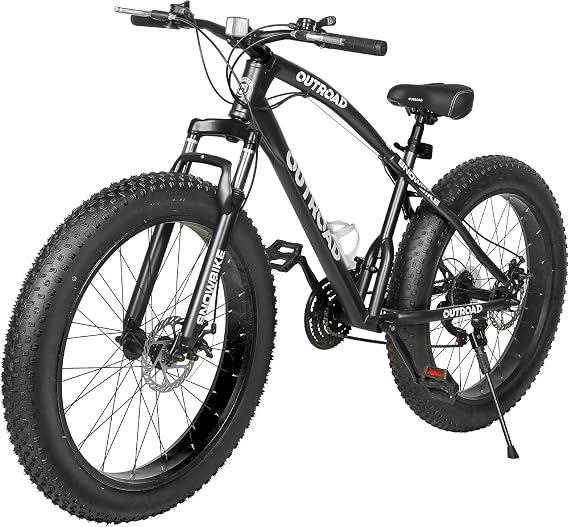
Outroad Fat Tire Mountain Bike is designed to tackle mountain terrain, unpaved trails, snow, and urban roads with ease. It suits riders who want a reliable 21-speed bike that handles rough surfaces well.
The biggest strength is its 4-inch fat tires offering excellent grip and durability.
Setup involves adjusting the 21-speed trigger shifters for smooth, accurate gear changes that save effort during uphill rides. Front shock absorption with a thickened outer wall adds comfort by softening bumps.
Day-to-day rides feel stable thanks to disc brakes providing secure stopping across different terrains.
Performance shines in its ability to handle diverse off-road and urban environments thanks to strong fat tires and front suspension. The bike feels sturdy, with a chain drive and rear derailleur smoothing shifts. Praise centers on comfort from shock absorption, while the most common issue concerns the bike’s relatively heavy build affecting quick maneuvering.
The bike’s main appeal lies in its comfort from the thick shock absorber and the confidence fat tires bring on varied terrain. Some find the weight a drawback, especially in tight or quick turns.
Those valuing strong grip and smooth gear shifting will appreciate this bike. Riders who prioritize a lightweight frame or full suspension might want to explore other options.
Pros
- 21-speed improves hill climbing and speed control
- 4-inch fat tires offer strong grip and anti-skid
- Front shock absorption adds ride comfort
- Disc brakes ensure reliable stopping power
Cons
- Heavier weight can reduce quick maneuverability
- No rear suspension limits shock absorption
| Specification | Details |
|---|---|
| Number Of Speeds | 21 |
| Suspension Type | Front |
| Brake Style | Disc |
| Intended Riding Terrain | Mountain Terrain, Unpaved Trails, Urban Terrain |
| Tire Width | 4 inch |
5. Huffy Stone Mountain Bike

Riding on rough trails feels surprisingly comfortable thanks to smooth dual suspension that cushions bumps well. Designed for beginners tackling mountain terrain, the bike’s biggest strength is its ability to absorb shocks and provide control on uneven surfaces, making rides enjoyable without harsh jolts.
Assembly is straightforward, and having 21 speeds with twist shifters simplifies changing gears on the go. The adjustable seat adds convenience for different rider heights.
You can handle gravel paths or trail rides knowing that the front suspension fork and rear spring shock work together to keep the ride steady and manageable.
The bike performs reliably across various terrains due to a durable steel frame built to last. It handles climbs easily with the Shimano rear derailleur adjusting gears precisely. Most find the ride smooth, but a common note is that it’s a bit heavier compared to aluminum frames, affecting speed and ease when carrying it.
Dual suspension does a solid job keeping rides comfortable on rough ground, while the steel frame’s weight can make lifting or carrying the bike feel a bit cumbersome. Gear shifts with the twist shifters work smoothly, but there might be a need to fine-tune brakes periodically for best stopping power.
Riders new to mountain biking looking for comfort and reliable gear options on trails will appreciate this bike. Those prioritizing a lightweight frame for quicker handling or carrying may want to explore bikes with aluminum builds instead.
Pros
- Comfortable dual suspension reduces trail bumps
- 21-speed Shimano drivetrain for varied terrain
- Durable steel frame with modern design
- Adjustable seat fits different rider sizes
Cons
- Steel frame adds extra weight to carry
- Brake style may need regular adjustments
| Specification | Details |
|---|---|
| Number Of Speeds | 21 |
| Suspension Type | Dual |
| Frame Material | Steel |
| Brake Style | Dual linear pull |
| Bicycle Gear Shifter Type | Twist Grip |
6. WEIZE Trail Mountain Bike

Great for everyday riders on a budget, this mountain bike fits a wide range of heights and offers solid value with its lightweight frame and responsive gear system. It suits casual riders wanting reliable performance for streets, park trails, and light off-road adventures.
Setup is straightforward with an adjustable seat and kickstand for convenient stops. The 21-speed gears shift smoothly, adapting well between flat roads and hills.
Tires are wide enough for basic off-road stability yet nimble enough on pavement. It feels steady and controllable during daily commutes or weekend fitness rides.
Constructed with a lightweight aluminum frame and 2.125-inch wide tires, it handles mountain terrain and unpaved trails adequately. Disc brakes provide dependable stopping power.
The main praise revolves around its smooth shifting and versatility. Common complaints include its rigid suspension, which can make rough trails less comfortable.
Shifting between gears happens smoothly, making rides across different terrains straightforward and enjoyable. Some find the rigid suspension uncomfortable on rough paths, which limits this bike’s comfort for more aggressive off-road riding.
Those who want a budget-friendly bike for casual trails, commuting, or fitness will appreciate its solid build and gear setup. Riders focused on mountain biking with rough terrain or seeking softer suspension should consider other options.
Pros
- Lightweight aluminum frame for easy handling
- Wide 2.125-inch tires provide good stability
- Smooth 21-speed gear shifting
- Adjustable seat fits various rider heights
Cons
- Rigid suspension offers less comfort on bumpy trails
- Kickstand can feel flimsy under heavy use
| Specification | Details |
|---|---|
| Bike Type | Cruiser Bike |
| Number Of Speeds | 1 |
| Suspension Type | Rigid |
| Brake Style | Disc |
| Intended Riding Terrain | Mountain Terrain, Paved Roads, Unpaved Trails |
| Bicycle Drivetrain Type | chain drive |
7. WEIZE Dual Suspension Mountain Bike

High-carbon steel forms the frame of a bike designed to fit riders from about 5’2 to 6’2. Made for men and women seeking a mountain bike that can handle varied terrain, its standout feature is the dual suspension setup, which lowers impact on rough trails.
Adjusting the seat ensures a comfortable ride tailored to your height. The twist grip gear shifter and V brakes provide straightforward control and safety on different surfaces. A kickstand and reflectors add convenience for parking and visibility.
Tires grip pavement, park paths, and gravel, making everyday use versatile and reliable.
The front suspension fork and rear coil shock absorb bumps well, contributing to a smoother off-road experience. With 18 speeds handled by a derailleur system, it covers a wide range of inclines and terrain types. The solid build is generally praised, though some note the bike’s weight as a drawback in certain situations.
The bike’s dual suspension system effectively smooths out bumps, praised for improving trail comfort. Its most common complaint is the weight, which can make carrying or quick maneuvers more tiring. The 18-speed derailleur gear setup offers practical versatility across various terrains.
Those who want a durable, well-cushioned mountain bike within a mid-range budget will appreciate this model. Riders looking for a lighter or more high-performance bike might want to explore options with different frame materials or brake systems.
Pros
- Adjustable seat for rider comfort
- Dual suspension cushions rough terrain
- Suitable for riders 5’2″ to 6’2″
- Includes kickstand and reflectors
Cons
- Relatively heavy frame
- V brakes may require frequent adjustments
| Specification | Details |
|---|---|
| Bike Type | Mountain Bike |
| Number Of Speeds | 18 |
| Suspension Type | Dual |
| Brake Style | V Brake |
| Bicycle Gear Shifter Type | Twist Grip |
8. SAVADECK Carbon Gravel Bike

Ultralight design and impressive carbon fiber build stand out, making it great for riders looking to tackle both paved roads and unpaved trails. Suited for beginners through enthusiasts, it combines a lightweight frame with precision gearing to deliver smooth rides and swift handling on mixed surfaces.
Getting started is straightforward thanks to the unisex design and well-thought-out components. The Shimano U6000 shifters and rear derailleur work reliably, letting you shift gears crisply during rides. Disc brakes add solid stopping power, giving confidence on downhill sections or quick stops.
Its rigid suspension means you feel every road texture, which suits roads and gravel paths well.
Crafted from T800 R21 carbon fiber, the bike is tough and weighs just 10.4kg, making climbs and long rides less tiring. You get a solid 22-speed drivetrain that adapts well to varied terrain. The smooth gear changes are often praised, though some find the lack of suspension less forgiving on very rough trails.
It handles both road and gravel nicely, built to last with quality materials.
The bike is praised for smooth, crisp shifting and its lightweight carbon frame that eases riding effort. The most common complaint involves the rigid suspension, which can make uneven trails uncomfortable during longer rides. Braking and gear switching consistently meet expectations, adding to the overall reliability.
Riders who plan a mix of road and light off-road will appreciate the balance this bike offers in weight and performance. Those seeking more comfort on very rough or aggressive off-road routes might want to consider models with suspension options to better absorb impacts.
Pros
- Ultralight carbon frame at 10.4kg
- Reliable Shimano U6000 drivetrain
- Effective dual disc brakes
- Versatile for both road and gravel
Cons
- Rigid suspension feels harsh on very rough terrain
- May need adjustments for fit across all riders
| Specification | Details |
|---|---|
| Bike Type | Road Bike |
| Number Of Speeds | 22 |
| Suspension Type | Rigid |
| Brake Style | Disc |
| Intended Riding Terrain | Mixed Surfaces, Paved Roads, Unpaved Trails |
9. Full Suspension Mountain Bike

Full Suspension Mountain Bike fits riders looking for a versatile ride under $700, offering strong dual suspension to handle varied terrain comfortably. It works well for people between 4.75 and 6.4 feet tall and supports up to 265 lbs, making it a solid choice for casual mountain biking or urban commuting.
Assembly is straightforward, and the bike comes in three sizes, so you can pick the right fit for your height. The 21-speed gear system with a twist grip shifter makes changing gears smooth and intuitive during daily rides. Dual suspension softens bumps and uneven trails, while V brakes offer reliable stopping power in different conditions.
The bike performs well on mountain trails and city roads, balancing comfort and control. Its solid build supports both front and rear derailleurs for accurate gear shifts. The most frequent praise highlights the smooth ride thanks to dual suspension, while some find the V brakes less responsive in wet weather.
Dual suspension provides a noticeably smoother experience on rough terrain, which gets strong positive feedback. At the same time, several users mention the V brakes could struggle with wet or muddy conditions, reducing stopping confidence.
People wanting a comfortable bike for mixed riding environments and clear size options will appreciate this model. Those needing top braking performance in harsh weather might want to consider alternatives with disc brakes.
Pros
- Suitable for various heights with size options
- Dual suspension for smoother rides
- 21-speed drivetrain offers gear versatility
- Supports riders up to 265 lbs
Cons
- V brakes perform weaker in wet conditions
- Twist grip shifter may take adjustment
| Specification | Details |
|---|---|
| Number Of Speeds | 21 |
| Suspension Type | Dual |
| Brake Style | V Brake |
| Bicycle Gear Shifter Type | Twist Grip |
| Intended Riding Terrain | Mountain Terrain, Paved Roads, Urban Terrain |
| Supporting Weight | Up to 265 lbs |
10. 29 Inch Mountain Bike

Tackling rough mountain trails becomes less of a struggle with a bike designed for stability and control. Suited for riders who want solid performance on uneven terrain, it stands out thanks to its 29-inch wheels that help maintain balance over rocks and bumpy paths.
Setting up the bike is straightforward, and the adjustable seat helps fit various rider heights comfortably. The dual suspension softens shocks, making each ride smoother on challenging surfaces.
With 21 speeds, you have plenty of options for climbing hills or speeding on flat tracks, while the dual disc brakes offer reliable stopping power without constant tweaking.
Handling rocky descents feels confident thanks to the extended wheelbase and powerful disc brakes. The build feels sturdy and durable enough for tough mountain riding. The best praise focuses on its smooth stability at speed, while the main complaint concerns occasional weight concerns, affecting quick maneuvering.
The bike’s biggest strength is its stability on rocky passages, aided by the large wheelbase and powerful dual disc brakes that never lose stopping power. Drivers appreciate its solid feel on steep descents but sometimes notice the weight impacting quick turns and nimble control.
Those looking for a reliable and durable mountain bike for tough terrain with good speed control will enjoy it. Riders who prioritize lightweight or ultra-responsive handling might consider other lighter options better suited for very technical trails.
Pros
- 29-inch wheels for better stability
- Dual suspension softens rough rides
- Dual disc brakes provide consistent stopping
- 21 speeds for varied terrain adaptability
Cons
- Heavier build can slow quick maneuvers
- Seat adjustment may require periodic tightening
| Specification | Details |
|---|---|
| Bike Type | Mountain Bike |
| Number Of Speeds | 21 |
| Suspension Type | Dual |
| Wheel Size | 29-inch large-diameter wheels |
| Brake Style | Disc |
| Additional Features | Adjustable Seat, Dual Disc Brake, Durable |
11. Mongoose Impasse

With 27.5-inch wheels designed for riders between 5’3 and 6’0, the Mongoose Impasse stands out for tackling rough trails without trouble. Its biggest strength lies in balancing lightweight durability thanks to an aluminum frame built for mountain terrain.
Setting up the bike is straightforward, and daily rides benefit from the 2.6-inch knobby tires that offer reliable grip on uneven surfaces. A suspension fork cushions impacts, making bumpy rides feel smoother.
The seven-speed trigger shifters help you adjust easily to slopes or flat stretches, while disc brakes provide steady stopping power.
The bike handles trail rides well, rolling over dirt and rocks with confidence. The aluminum hardtail frame combines lightness and strength, helping it stay agile yet sturdy.
Many appreciate the solid grip and smooth suspension. Some note the limited seven-speed gearing can feel restrictive on steep or varied terrain.
Many praise the bike’s ability to handle rough terrain smoothly with its effective suspension and sturdy tires. The most common drawback mentioned is the limited number of speeds, which can make challenging climbs tougher to manage.
Anyone between 5’3″ and 6’0″ looking for a dependable mountain bike on a budget will find this a solid choice. Riders needing more gear variety or outside the height range might want to explore other options better suited to their needs.
Pros
- Good traction with 2.6-inch knobby tires
- Lightweight aluminum hardtail frame
- Disc brakes for reliable stopping power
- Seven-speed trigger shifters
Cons
- Seven-speed gearing may limit hill performance
- Not ideal for riders outside 5’3″ to 6’0″ height range
| Specification | Details |
|---|---|
| Bike Type | Mountain Bike |
| Number Of Speeds | 7 |
| Suspension Type | Full |
| Brake Style | Disc |
| Bicycle Gear Shifter Type | Trigger |
12. Full Suspension Mountain Bike

Riders looking for a durable mountain bike suitable for teens will find this model a solid choice. Its standout feature is the full suspension system, which smooths out rough trails and offers reliable handling.
Ideal for unpaved paths and beginner-friendly mountain terrain.
Assembly involves standard bike setup steps, and the 21-speed gear system makes shifting through varying inclines simple. Everyday rides feel controlled thanks to the dual suspension cushioning bumps and vibrations. The mechanical dual disc brakes give confidence during sudden stops, making it practical for diverse outdoor conditions.
The bike handles rough terrain well, providing steady control and comfort. Built with a heavy-duty high-carbon steel frame, it offers solid durability though the weight is not specified.
Reviews highlight smooth gear changes as a strong point, while some mention the bike could feel heavier compared to lighter models.
Gear transitions operate smoothly thanks to the precise 21-speed system, and riders appreciate the comfort from the full suspension. The most common issue is the bike’s weight, which can feel cumbersome for some, especially during extended use.
Young riders and beginners on varied trails will benefit most from this bike’s stability and control. Those seeking a lightweight bike for faster riding or racing on smoother terrain may want to explore other options.
Pros
- Full suspension cushions trail bumps effectively
- 21-speed drivetrain offers precise gear changes
- Dual disc brakes provide dependable stopping power
- Durable high-carbon steel frame construction
Cons
- Bike may feel heavy during longer rides
- Limited wheel size can affect ride speed
| Specification | Details |
|---|---|
| Number Of Speeds | 21 |
| Suspension Type | Dual |
| Brake Style | Disc |
| Bicycle Drivetrain Type | chain drive |
| Bike Type | Mountain Bike |
Best Mountain Bikes Under 700 Side by Side Comparison
| Product | Speeds | Suspension Type | Brake Style | Intended Riding Terrain |
|---|---|---|---|---|
| Mongoose Flatrock | 7 | Front | V Brake | Mountain Terrain, Unpaved Trails |
| Aluminum Mountain Bike | 21 | Front Suspension | Disc | Mountain Biking, Touring, Trail, Urban |
| Adult Full Suspension | 21 | Dual | Disc | Road, Trail |
| Outroad Fat Tire | 21 | Front | Disc | Mountain Terrain, Unpaved, Urban |
| Huffy Stone | 21 | Dual | Dual linear pull | Gravel, Trail |
| WEIZE Trail | 1 | Rigid | Disc | Mountain Terrain, Paved, Unpaved |
| WEIZE Dual Suspension | 18 | Dual | V Brake | Off-road |
| SAVADECK Carbon Gravel | 22 | Rigid | Disc | Gravel |
| Full Suspension Bike | 21 | Dual | V Brake | Mountain Biking |
| 29 Inch Mountain | 21 | Dual | Disc | Mountain Terrain |
| Mongoose Impasse | 7 | Full | Disc | Mountain Terrain, Unpaved Trails |
| Full Suspension MTB | 21 | Dual | Disc | Mountain Terrain, Unpaved Trails |
- Speeds7
- Suspension TypeFront
- Brake StyleV Brake
- Intended Riding TerrainMountain Terrain, Unpaved Trails
- Speeds21
- Suspension TypeFront Suspension
- Brake StyleDisc
- Intended Riding TerrainMountain Biking, Touring, Trail, Urban
- Speeds21
- Suspension TypeDual
- Brake StyleDisc
- Intended Riding TerrainRoad, Trail
- Speeds21
- Suspension TypeFront
- Brake StyleDisc
- Intended Riding TerrainMountain Terrain, Unpaved, Urban
- Speeds21
- Suspension TypeDual
- Brake StyleDual linear pull
- Intended Riding TerrainGravel, Trail
- Speeds1
- Suspension TypeRigid
- Brake StyleDisc
- Intended Riding TerrainMountain Terrain, Paved, Unpaved
- Speeds18
- Suspension TypeDual
- Brake StyleV Brake
- Intended Riding TerrainOff-road
- Speeds22
- Suspension TypeRigid
- Brake StyleDisc
- Intended Riding TerrainGravel
- Speeds21
- Suspension TypeDual
- Brake StyleV Brake
- Intended Riding TerrainMountain Biking
- Speeds21
- Suspension TypeDual
- Brake StyleDisc
- Intended Riding TerrainMountain Terrain
- Speeds7
- Suspension TypeFull
- Brake StyleDisc
- Intended Riding TerrainMountain Terrain, Unpaved Trails
- Speeds21
- Suspension TypeDual
- Brake StyleDisc
- Intended Riding TerrainMountain Terrain, Unpaved Trails
How to Choose the Best Mountain Bike Under 700
Focus on durable frame materials, reliable suspension, and quality brakes to ensure safety and comfort on rough trails. Choosing the right size and well-balanced components helps avoid costly upgrades and repairs, making your ride smoother and more enjoyable over time.
Frame Material and Build Quality
Riding on rough trails quickly exposes weaknesses in a bike’s frame. Frames made of aluminum are common at this price point because they balance weight and durability, resisting rust better than steel.
Some frames may look sturdy but have weak welds that can flex or crack under stress, making the ride feel unstable and unsafe. Paying attention to how the joints are finished can save trouble later.
Steel frames tend to be heavier and prone to corrosion if not treated well, which affects long-term performance. A good build will have clean weld seams and an even finish, meaning the frame can handle daily offroad use without creaking or wobbling.
Properly hardened aluminum alloys prevent dents and dings, keeping the bike stable over time.
Suspension Type and Travel
Front suspension forks help absorb bumps and rocks, preventing fatigue in the rider’s arms and hands. For most trails, around 80 to 100mm of travel is sufficient; less can make rough rides jarring, while more travel is usually found on higher-end or downhill bikes. Some models add rear suspension, but cheaper ones often have rigid rear ends to save weight and cost.
The quality of suspension affects how smoothly the bike handles uneven terrain. Lower-quality shocks can feel harsh or bottom out easily, reducing control and comfort. A firm, consistent front fork with adjustable preload or lockout features can adapt to various trail conditions, making rides less tiring.
Braking System
Disc brakes have become standard for mountain bikes because they offer reliable stopping power even in wet or muddy conditions. Mechanical disc brakes are common in this budget range and are easier to maintain than hydraulic ones, though they may require occasional adjustment to prevent rubbing. Rim brakes may work well on dry trails but lose effectiveness when wet or gritty.
Good brakes respond promptly on steep or uneven descents, giving confidence in control. Brake pads wearing out or misaligning can cause reduced performance or noise, so look for systems where replacement parts are easily available and straightforward to adjust without special tools.
Gear Range and Shifting Performance
A bike equipped with 18 to 21 gears provides enough options to tackle various inclines without excessive pedaling strain. Smooth shifting is crucial because rough or delayed gear changes interrupt momentum and can wear down components faster.
Cheaper shifting systems may feel clunky, requiring more frequent tuning.
Drivetrain durability depends on the quality of derailleurs, chains, and cassettes. These parts face dirt, mud, and impacts regularly, so steel or well-coated materials stand up better in the long run. Precision in shifting saves energy and prolongs component life, which matters when budget limits replacement frequency.
Wheel Size and Tire Quality
Mountain bike wheels typically come in 26, 27.5, or 29 inches. Smaller wheels are more maneuverable on tight trails and suit shorter riders, while larger wheels roll over obstacles more easily and offer better momentum on longer rides.
Choosing the right size affects handling and rider comfort.
Tire tread patterns vary from knobby for loose dirt to mixed patterns for versatile use. Wider tires provide better stability but add weight and rolling resistance. Protection against punctures is key; look for tires with reinforced sidewalls or puncture-resistant layers to reduce flats.
Being able to swap out tires quickly also makes maintenance less of a chore.
Essential Maintenance Tips to Prolong the Life of Your Mountain Bike
Regular cleaning directly affects how long a mountain bike lasts, especially under $700 where components can wear faster. Dirt and debris trapped around the chain and gears cause unnecessary friction and accelerate wear.
It helps to wipe down the frame and drivetrain after each ride through muddy or dusty trails.
Lubricating the chain keeps it moving smoothly and prevents rust. Use bike-specific lubricants sparingly; too much can attract grime. Checking tire pressure before each ride improves control and reduces the likelihood of pinch flats on rough trails.
- Inspect brake pads regularly and replace once they are worn down to ensure stopping power.
- Tighten bolts on the stem, handlebars, and seat post to prevent component loosening.
- Look for loose spokes or bent wheels to maintain wheel integrity and ride stability.
Routine attention lowers the risk of mechanical failures and keeps performance steady over time.
Common Mistakes to Avoid When Riding and Handling a Budget Mountain Bike
One common mistake with budget mountain bikes is neglecting to adjust suspension settings or ignoring their presence altogether. Basic suspension forks require some tuning to match rider weight and trail conditions for comfort and control.
Applying excessive force on the pedals or brakes can strain entry-level components, leading to premature wear or damage. Smooth, gradual inputs extend the longevity of gear mechanisms and brakes.
Avoid frequent loud gear shifts under heavy pedaling load. Budget drivetrains tend to have less precise indexing, so shifting while pedaling lightly increases shifting quality and reduces component wear.
- Failing to check tire pressure often leads to more flats and poor handling.
- Riding aggressively without learning proper techniques risks frame damage or bent wheels.
- Ignoring regular maintenance speeds up deterioration on inexpensive parts.
Riding patiently and maintaining your bike increases enjoyment and reduces repair costs down the line.
Comparing Mountain Biking to Other Off-Road Cycling Options Under 700
Mountain bikes under $700 usually have wider tires and sturdier frames compared to many other off-road options. This makes them better suited for rough trails and obstacles like roots or rocks.
Hardtail mountain bikes in this price range often offer a stronger gear ratio setup than hybrid or gravel bikes with similar budgets, providing easier climbing ability on steep or loose terrain.
Compared to fat bikes, these mountain bikes weigh less and handle better on narrow trails, though fat bikes excel on snow or sand if your rides include those conditions.
- Entry-level downhill or freeride bikes typically cost more than $700, making hardtails with front suspension the more accessible choice.
- Cross-country bikes under $700 generally focus on efficiency over ruggedness, so terrain variety may be limited.
- Trail versatility depends on suspension quality; budget options usually have simpler forks without adjustable damping.
Choosing among these depends on which trail features you encounter most and your riding style preferences within a limited budget.
People Also Asked
How Do I Choose the Right Mountain Bike Size Under 700?
Select a mountain bike that matches your height and inseam length by checking the manufacturer’s sizing chart. Test riding helps confirm comfort since frame geometry and handlebar reach vary. Pay attention to whether the bike’s suspension and brake setup feel suited to the trails you plan to ride.
What Maintenance Is Needed for a Mountain Bike Under 700?
Basic maintenance includes keeping tires inflated, cleaning the chain regularly, and checking brake function. Mountain bikes under 700 often have parts that wear faster due to budget components, so more frequent attention to the drivetrain and cables helps avoid costly repairs.
Are Mountain Bike Parts Under 700 Compatible with Upgrades?
Many mountain bikes under 700 come with standard parts that allow basic upgrades like better tires, saddles, and pedals. However, some components such as suspension forks or groupsets might have compatibility limits, so research the specific model before purchasing upgrades.
How Long Does a Mountain Bike Under 700 Usually Last?
These bikes can last several years with routine maintenance and moderate trail use. Frame material and component quality influence longevity, so expect to replace parts like chains, brake pads, and tires regularly to keep performance steady.
What Are Common Problems with Mountain Bikes Under 700?
Common issues include poorer shifting performance, quicker wear of components, and less durable suspension parts. Users often need to replace cables or adjust brakes more frequently compared to higher-end models to maintain safe riding conditions.
Conclusion
Choosing the right mountain bike under 700 depends mainly on the frame quality, the suspension type, and the gear range. These factors affect the bike’s durability, comfort, and how well it handles different trail conditions. Consider what kind of terrain you’ll ride most and how much maintenance you’re willing to do.
Think about where you will store the bike and how often you plan to ride. This can help decide what size and features are worth the investment.
For a clear comparison, check the table and details provided above to match your needs and budget.