
Top 12 Best Replacement Car Battery Picks You Can’t Miss!
Car trouble often starts with a battery that just won’t hold a charge or suddenly fails to start the engine. Finding the best replacement car battery means avoiding those frustrating dead-start days, especially when a cheaply made or mismatched battery leaves you stranded.
The right battery keeps your vehicle reliable in cold mornings and long trips, without quick degradation cutting your driving time short.
A good replacement battery matches the original size and terminal placement to fit perfectly and connect safely. Capacity measured in amp-hours and cold cranking amps spells the difference between turning over a small engine and powering a truck in winter. Durable materials and maintenance features, like sealed casings and corrosion-resistant terminals, also help extend life and reduce the need for cleaning under the hood.
Need a Quick Check?
| Image | Product | Price |
|---|---|---|
Our Top Picks 1 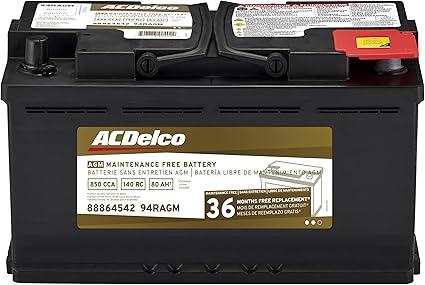 | ACDelco Gold 94RAGM | Check Price |
Our Top Picks 2  | Weize Platinum Group 35 | Check Price |
Our Top Picks 3  | Mighty Max MM-G35 | Check Price |
Our Selected Top 12 Replacement Car Battery Picks for Every Need
This list features a variety of replacement car batteries suited for different vehicles and needs. Each review covers performance, ideal usage scenarios, and highlights strengths and weaknesses to help you choose the most appropriate battery for your car.
1. ACDelco Gold Automotive Battery 94RAGM
Reliable power delivery makes the ACDelco Gold Automotive Battery 94RAGM a solid choice for drivers needing a dependable replacement battery. Suitable for passenger cars, SUVs, trucks, and vans, it is designed to provide consistent starting performance even in demanding conditions.
Installation fits well due to its vehicle-specific design and marine-type terminals. The advanced AGM technology and leak-resistant valve system mean maintenance is minimal, and durability is prioritized. The battery’s high-density plates and envelope separators deliver strong electrical power and long-lasting reliability for everyday driving without needing frequent replacements.
Starting power is steady and dependable thanks to the AGM construction, handling cold or high-demand starts confidently. Built with quality materials and backed by GM engineering, it feels solid and durable. High praise often centers around its reliable performance; some note the more complex installation compared to standard batteries as a drawback.
Strong points focus on its reliable starting performance and durable construction with AGM technology. Most feedback mentions that the installation process can be tricky, especially on vehicles not originally fitted with marine terminals.
Drivers needing a tough, reliable battery for heavy use will appreciate this model. Those wanting a simpler install or with non-compatible terminal types might want to consider alternatives better suited for easy replacements.
Pros
- Advanced AGM technology for consistent starting power
- Leak-resistant pressurized valve system prevents spills
- Designed for long-term automotive use
- GM-backed engineering ensures trusted quality
Cons
- Installation can be more complex than standard batteries
- Marine terminals may require adapter for some vehicles
| Specification | Details |
|---|---|
| Voltage | 12 volts_of_direct_current |
| Automotive Fit Type | Vehicle Specific Fit |
| Terminal | Marine Terminal |
| Vehicle Type Compatibility | Passenger Car, SUV/Crossover, Truck, Van |
2. Weize Platinum AGM Battery Group 35
Absorbent Glass Mat (AGM) technology provides durable and spill-resistant power suitable for passenger cars needing dependable starts in cold weather. Its standout feature is the 650 cold cranking amps, making it reliable when temperatures drop, especially for vehicles originally designed for AGM batteries.
Installation requires checking the 9.06 L x 6.89 W x 8.82 H size and terminal layout carefully to fit your car without issues. The tapered terminals with left negative and right positive polarity suit standard Group 35 battery compartments.
Day-to-day, the 55AH capacity supports consistent engine starts and maintains good charge retention through typical driving conditions.
Performance-wise, the battery handles cold starts well and offers up to twice the cycle life compared to conventional batteries. Construction feels solid, showcasing AGM’s strong and durable design. Most praise focuses on its dependability in winter, while some mention the need for exact dimension and terminal checks to avoid fitment errors.
Reliable cold starts and long cycle life are praised strengths, while improper fit due to size and terminal layout errors is the main complaint. The battery’s solid build encourages trust, but exact matching to vehicle specifications is crucial.
Those driving passenger cars designed for AGM batteries in colder climates will appreciate its performance. Choosing a different battery type or size is advisable if your vehicle’s battery specs differ, avoiding compatibility problems or installation hassles.
Pros
- Reliable cold-weather starting power
- Up to twice the cycle life of standard batteries
- Spill-resistant AGM design
- Compact Group 35 size fits many passenger cars
Cons
- Terminal and size must be verified to ensure fit
- Compatibility limited to vehicles needing AGM batteries
| Specification | Details |
|---|---|
| Voltage | 12 volts |
| Capacity | 55AH |
| Cold Cranking Amps (CCA) | 650 |
| Dimensions | 9.06″ L x 6.89″ W x 8.82″ H |
| Terminal Type | Tapered terminal (Left negative, Right positive) |
3. Mighty Max Battery MM-G35 Group 35
Strong starting power stands out immediately with the Mighty Max Battery MM-G35 Group 35, making it well suited for daily drivers that value reliable ignition in all weather conditions. Its sealed AGM design and durability under rough conditions make it a solid replacement for passenger cars needing steady performance.
Installation is straightforward thanks to the vehicle-specific fit, and the sealed, spill-proof design means no mess during setup or use. Day-to-day, it handles regular starts with its 12V 55Ah capacity and 650 CCA, supporting vehicles that might encounter vibration or shocks without losing power. The 100-minute reserve capacity means you can count on longer run times without sudden drops.
Starting a car feels consistently confident thanks to its high discharge output and deep discharge recovery. The rugged build resists shocks and harsh conditions effectively, which users have praised for lasting through tough environments.
A common downside mentioned is that it’s limited to passenger cars and Group 35 fittings only, so not all vehicles will be compatible.
Reliability in cold starts and rugged build quality receive high marks, with many noting its steady power delivery even after deep discharge. The main limitation is its fit restricted to passenger cars, which narrows its application.
Drivers needing dependable power for typical passenger cars will find this battery meets expectations well. Those with trucks or vehicles requiring different group sizes should consider other options better suited to their fit and capacity requirements.
Pros
- Strong starting power in all seasons
- Sealed AGM design prevents spills
- Durable against shocks and vibrations
- Long reserve capacity for extended use
Cons
- Fits only Group 35 vehicle types
- Not compatible with trucks or larger vehicles
| Specification | Details |
|---|---|
| Voltage | 12 volts |
| Battery Capacity | 55 amp_hours |
| Cold Cranking Amps (CCA) | 650 |
| Reserve Capacity | 100 minutes |
| Automotive Fit Type | Vehicle Specific Fit |
| Vehicle Type Compatibility | Passenger Car |
4. Group 34 AGM Car Battery 12V 55Ah

For cars with start-stop technology, this 12V 55Ah AGM battery offers a reliable, maintenance-free power source that charges faster than traditional lead-acid options. It suits drivers looking to reduce fuel costs and emissions while keeping their vehicle running smoothly.
Installation is straightforward thanks to its A1 terminals and standard Group 34 size, fitting most passenger cars without fuss. Daily use benefits from the AGM design, which handles fast charging and deep discharging better, meaning less worry about battery wear or slow recharges during short trips.
Performance is solid, especially with the faster charging time, about 40% quicker than typical SLA batteries. The battery’s design uses a patented alloy to resist corrosion and leakage, boosting durability. Most users appreciate its steady power delivery, though some mention it’s on the heavier side for the size.
The strongest praise centers on the fast charging and reliable power it delivers consistently. The most common complaint is related to its heavier weight, which some find less convenient during installation or handling.
Drivers with start-stop systems and standard A1 terminals who want quicker charging and low maintenance will appreciate this battery. Those needing a lighter option or different terminal type may want to consider alternative models.
Pros
- Compatible with start-stop vehicles
- 40% faster charging than SLA batteries
- Maintenance-free with corrosion-resistant alloy
- Standard Group 34 size fits most cars
Cons
- Heavier than some batteries of similar size
- Only compatible with A1 terminal vehicles
| Specification | Details |
|---|---|
| Voltage | 12 volts |
| Capacity | 55Ah |
| Terminal | A1 Terminal |
| Dimensions | 10.87 inches x 6.61 inches x 6.89 inches |
| Compatible Vehicle Type | Passenger Car |
5. Mighty Max Battery MM-G35 Group 35 AGM
Car trouble often starts with a weak battery that leaves you stranded during cold mornings or after a long wait. Perfect for passenger cars, the Mighty Max Battery MM-G35 Group 35 AGM stands out for delivering strong and steady starts in any weather, giving confidence when you turn the key.
Setting up the battery is straightforward because it fits vehicle-specific designs, so it slots right in without fuss. The sealed, spill-proof design means you don’t have to worry about leaks or maintenance spills.
In daily use, the battery handles varying temperatures well and recovers quickly from deep discharges, keeping your electronics powered and your engine reliable through every season.
The battery supplies a solid 12 volts with strong 650 cold cranking amps, making sure the engine starts fast even in cold weather. Built tough with vibration resistance and a rugged casing, the design holds up well in demanding environments. Many appreciate its long 100-minute reserve capacity, but some mention it’s not lightweight, which can make handling a bit more challenging during installation.
The battery is praised for delivering steady, fast starts and lasting through tough conditions without leaks. Some find its weight a drawback when handling or installing, adding a bit more strain to the process.
This battery suits those who need dependable starting power in cold or harsh weather and are fine with a solid, durable build. Drivers seeking a lighter option might want to look elsewhere for easier installation.
Pros
- Strong cold cranking amps for reliable starts
- Sealed, spill-proof AGM design
- Resistant to shock and vibration
- Long reserve capacity supports extended use
Cons
- Heavier than some competing batteries
- May require extra effort during installation
| Specification | Details |
|---|---|
| Voltage | 12 volts |
| Battery Capacity | 55 amp_hours |
| Cold Cranking Amps (CCA) | 650 |
| Reserve Capacity | 100 minutes |
| Automotive Fit Type | Vehicle Specific Fit |
| Vehicle Type Compatibility | Passenger Car |
6. Renogy 12V 70Ah AGM Car Battery H6

720 Cold Cranking Amps make this Renogy 12V 70Ah AGM Car Battery H6 a solid choice for reliable engine starts, especially in challenging temperatures. It fits well in vehicles needing dependable power, handling cold winters and hot summers without worry.
Setting it up is straightforward; it includes valve caps, a vent tube, handles, and terminal covers, simplifying installation and safety. The battery’s sealed AGM design reduces leaks and corrosion risks, which is handy for daily driving. Running from -30℃ to 70℃, it’s prepared for extreme weather, so you won’t need to worry about temperature affecting performance during normal use.
Strong starting power with 720 CCA and 120 minutes reserve capacity supports vehicles with higher electrical demands reliably. The battery is built to avoid acid leaks, enhancing safety during handling and use.
Most users commend its dependability in cold starts, though some mention its weight can be cumbersome during installation.
The strongest feature praised is the battery’s reliable starting power, especially in cold conditions, which keeps vehicles running smoothly. A frequent complaint concerns its heaviness, making installation tougher for some people without assistance.
Drivers facing harsh weather and requiring dependable starts will appreciate this battery. Those wanting a lighter option or longer warranty might consider alternatives better suited for their preferences.
Pros
- High 720 CCA for consistent starts
- Wide temperature range ensures reliability
- Sealed AGM design prevents leaks and corrosion
- Comes with multiple installation accessories
Cons
- Relatively heavy to handle alone
- Warranty limited to 2 years
| Specification | Details |
|---|---|
| Voltage | 12V |
| Capacity | 70Ah |
| Cold Cranking Amps (CCA) | 720 |
| Reserve Capacity (RC) | 120 minutes |
| Operating Temperature | -30℃ to 70℃ (-22°F to 158°F) |
| Warranty | 2 Year Material and Workmanship |
7. Lithium LiFePO4 12V 40Ah Car Battery

Perfect for drivers with small-engine cars under 2.0L, this Lithium LiFePO4 12V 40Ah Car Battery offers reliable power in a compact size. Its standout feature is the lightweight design combined with strong output, making it ideal for those looking to replace their car battery without adding bulk or extra weight.
Setting it up is straightforward thanks to the universal fit type and M8 terminal screws, which make installation easier on many models. The battery comes with threaded terminals but includes M8 screws for added compatibility.
Its IP66 waterproof rating means it handles outdoor conditions well, so day-to-day use involves minimal concern over water damage or corrosion.
Delivers steady starting power for passenger cars up to 2.0L engine size without taking up much space. The build is solid and lightweight at 14.8 pounds, which is lighter than traditional lead-acid batteries.
Strongest praise centers on its durable waterproof casing and fit flexibility. The main complaint is about terminal compatibility requiring the use of additional screws for some vehicles.
Durability stands out due to the waterproof design and lightweight yet sturdy metal housing. The added M8 screws improve adaptability but require some extra effort to ensure proper fit on various cars.
Ideal for anyone with a passenger vehicle under 2.0L seeking a lighter, water-resistant battery replacement. Those with larger engines or who want plug-and-play terminals might look for a different option.
Pros
- Compact dimensions fit smaller engine cars easily
- Lightweight at 14.8 pounds for easy handling
- IP66 waterproof rating for all-weather use
- Includes M8 screws for broader terminal compatibility
Cons
- Only suitable for engines below 2.0L displacement
- Threaded terminals need additional screws on some models
| Specification | Details |
|---|---|
| Compatible with Vehicle Type | Passenger Car |
| Terminal | M8 Terminal |
| Automotive Fit Type | Universal Fit |
| Voltage | 12V |
| Capacity | 40Ah |
8. HQST 12V 60Ah AGM Car Battery Group 47

Known for its impressive 680 CCA cold cranking amps, this 12V 60Ah AGM battery stands out for reliably starting vehicles even in extreme cold. It suits daily SUVs and sedans well, especially those with start-stop systems, thanks to its tailored charge acceptance and fast energy recovery.
Installation fits right into the BCI Group 47 space with standard SAE Top Post terminals, making it a straightforward swap for many compact cars and sedans. Designed to handle temperatures from -40℉ up to 140℉, it performs steadily no matter the season.
The AGM design also means it requires little to no maintenance day-to-day.
Performance is solid for instant starts, including harsh winters where others can struggle. The build quality backs up its durability claims, accommodating start-stop technology better than flooded batteries. Common praise highlights its reliable cold starts, while some users mention it’s a bit heavier compared to older designs.
The battery is praised for its dependable cold starting power even in very low temperatures. A notable downside found in reviews is its relatively heavier weight compared to older or standard flooded models.
Daily SUVs and sedans with start-stop technology benefit most from this battery’s design and capacity. Drivers with different vehicle types or weight concerns might want to explore alternatives better matched to those needs.
Pros
- Reliable cold starts down to 0℉
- Fits many compact cars, sedans, and SUVs
- Handles extreme temperatures from -40℉ to 140℉
- Designed for start-stop vehicle systems
Cons
- Heavier than some traditional batteries
- May not suit vehicles outside the specified fit groups
| Specification | Details |
|---|---|
| Voltage | 12 volts |
| Battery Capacity | 60 amp_hours |
| Cold Cranking Amps (CCA) | 680 |
| Automotive Fit Type | Vehicle Specific Fit |
| Fit Group | BCI Group 47 / DIN H5 / AGM L2 |
9. Goodyear Battery Group H5

Goodyear Battery Group H5 is a 12V car battery designed for anyone looking for reliable starts in tough weather and long-lasting power. Its biggest strength is delivering 680 cold cranking amps, making it dependable in both extreme cold and heat.
Setting up is easy since it offers versatile mounting options, as long as it isn’t placed upside down. Daily driving benefits from its 100-minute reserve capacity, helping your car run smoothly without sudden power loss.
The spill-proof AGM technology handles bumps and vibrations well, so you don’t have to worry about rough road conditions impacting performance.
This battery performs consistently by providing strong starting power and a longer cycle life than conventional batteries, often lasting twice as long. The build quality is sturdy with resistance to shocks and spills.
Most reviews praise its dependable cold starts, while some mention its universal fit can be a bit bulky for smaller engine compartments.
Dependable cold starts in harsh weather is the strongest praised feature, while the size can be a limitation in smaller vehicles. The spill-proof AGM and durable construction make it reliable for everyday driving, ensuring it performs well under tough conditions.
Drivers needing a durable battery with reliable winter and summer performance will appreciate this choice. Those with limited engine space or expecting to mount the battery upside down should consider other options to avoid fitment issues.
Pros
- Reliable start in extreme weather conditions
- Flexible mounting options except upside down
- Spill-proof AGM design resists shocks and vibrations
- Twice the cycle life of conventional batteries
Cons
- May be bulky for tight engine compartments
- Not suitable for mounting upside down
| Specification | Details |
|---|---|
| Voltage | 12 volts |
| Battery Capacity | 60 amp_hours |
| Cold Cranking Amps (CCA) | 680 |
| Reserve Capacity (RC) | 100 minutes |
| Terminal | Pole Terminal |
| Automotive Fit Type | Universal Fit |
10. Goodyear AGM Battery Group 48 H6

Feels reliable the moment you hook it up, providing steady power for almost any passenger car. Perfect for those who need a battery that handles tough weather conditions without hesitation, it shines brightest with its high cold cranking amps that make starting your car worry-free.
Installation offers flexibility since it can be mounted in various positions except upside down, making setup less of a headache. The battery maintains steady performance day-to-day, thanks to its spill-proof AGM design which handles shocks and vibrations well.
You won’t need to fuss over maintenance, and the 12V 70Ah capacity supports reliable starts over time.
Starts feel solid in freezing or hot weather with 760 cold cranking amps powering your engine quickly. Its build holds up against bumps and shakes on rough roads.
Positive feedback highlights long-lasting power and strong startup reliability. Occasionally, the universal fit may require adjustments in smaller engine compartments due to size.
Strong start-up power remains consistent in extreme temperatures, while users sometimes find the size challenging in compact cars. The AGM technology keeps the battery spill-proof and durable through various road conditions.
Ideal for drivers needing dependable starting power in harsh climates and rough terrain. Those with very small engine bays or unusual battery slots might seek smaller, more specialized options.
Pros
- High 760 cold cranking amps for strong engine starts
- Versatile mounting positions except upside down
- Long 120-minute reserve capacity for extended power
- Spill-proof AGM design resists shocks and vibrations
Cons
- May be bulky for tight engine compartments
- Not mountable upside down limits some placement options
| Specification | Details |
|---|---|
| Voltage | 12 volts |
| Battery Capacity | 70 amp_hours |
| Cold Cranking Amps (CCA) | 760 |
| Number Of Cells | 6 |
| Reserve Capacity (RC) | 120 minutes |
| Terminal | Pole Terminal |
11. Optima DH7 YellowTop AGM Battery

Reliable power and durability make the Optima DH7 YellowTop AGM Battery ideal for those needing a dependable replacement in passenger cars. Its standout feature is the ability to resist vibration damage, ensuring long life and solid starting performance, especially in tough weather conditions.
Installation is straightforward thanks to its vehicle-specific fit and DIN – Type A1 terminals. Regular use demands very little attention, as it is maintenance-free.
Faster charging helps keep the battery ready, while the 155-minute reserve capacity provides steady power output during extended drives or when using accessories.
Starting power remains strong even in cold weather, supported by 880 Cold Cranking Amps. The battery’s design, featuring pure lead in compressed radial grid plates, improves resistance to corrosion and vibration.
Reports praise its longevity and steady performance, though some mention its weight at 54 pounds as a consideration during handling.
Durability against vibration and weather stands out as the biggest benefit, with battery life reportedly up to three times longer than standard flooded batteries. Handling its weight can be challenging during installation, which some find inconvenient.
Those looking for long-lasting, reliable starting power in passenger cars will find this battery suitable. Drivers expecting a lightweight, easily swapped battery might consider other options better suited for easier handling or universal fit.
Pros
- Resists vibration damage up to fifteen times better
- Maintenance-free for convenience
- 155-minute reserve capacity for consistent power
- Faster recharge than typical flooded batteries
Cons
- Heavier than many standard car batteries at 54 pounds
- Vehicle-specific fit limits universal compatibility
| Specification | Details |
|---|---|
| Voltage | 12 volts |
| Cold Cranking Amps | 880 CCA |
| Dimensions | 12.44″ Length x 6.88″ Wide x 7.5″ Tall |
| Capacity | 80 AH (C20) |
| Terminal Type | DIN – Type A1 Terminal |
12. Mighty Max Battery MM-G35 Group 35
AGM design takes center stage in this replacement battery, making it a solid fit for passenger cars that need reliable power in all seasons. Its biggest strength lies in offering steady starts and lasting reliability without leaks or mess, especially suited for those wanting maintenance-free performance.
Installation is straightforward thanks to the vehicle-specific fit, meaning no guesswork on size or compatibility. The sealed, spill-proof construction avoids the usual worries about acid leaks. Day to day, the high discharge output keeps electrical systems running smoothly, and the long reserve capacity means the battery can handle longer periods without a charge, so it won’t quit easily when demands rise.
Starting power is dependable with 650 cold cranking amps that hold up through colder months. From its rugged build to vibration resistance, it endures rough roads and varying temperatures with ease.
Praises often highlight how it maintains steady power under stress, while complaints sometimes mention that the battery capacity might not suffice for vehicles with very high electrical loads or accessories.
Reviews show solid praise for its ability to start engines reliably in all weather, with steady power during use. A common downside mentioned is the battery might struggle on vehicles requiring extra power or with numerous electronic accessories.
People with standard passenger cars and average electrical use will find this battery an excellent choice. Those needing more capacity or a battery for heavy-duty or specialized vehicles should look for alternatives that better fit those demands.
Pros
- Sealed and spill-proof AGM design
- Strong cold cranking amps for fast starts
- Shock and vibration resistant construction
- Long 100-minute reserve capacity
Cons
- Capacity may be low for high electrical demand vehicles
- Limited to passenger car applications
| Specification | Details |
|---|---|
| Voltage | 12 volts |
| Battery Capacity | 55 amp_hours |
| Cold Cranking Amps (CCA) | 650 CCA |
| Reserve Capacity | 100 minutes |
| Automotive Fit Type | Vehicle Specific Fit |
Best Replacement Car Batteries Comparison Table
| Product | Compatible Vehicle Type | Voltage | Battery Capacity | Terminal |
|---|---|---|---|---|
| ACDelco Gold 94RAGM | Passenger Car, SUV, Truck, Van | 12 volts DC | – | Marine Terminal |
| Weize Platinum Group 35 | Passenger Car | 12 volts | – | A Terminal |
| Mighty Max MM-G35 | Passenger Car | 12 volts | 55 amp_hours | – |
| Group 34 AGM 12V Battery | Passenger Car | 12 volts | – | A1 Terminal |
| Mighty Max MM-G35 AGM | Passenger Car | 12 volts | 55 amp_hours | – |
| Renogy 12V 70Ah H6 | – | 12 volts | 70 amp_hours | – |
| Lithium LiFePO4 12V 40Ah | Passenger Car | 12 volts | 40 amp_hours | M8 Terminal |
| HQST 12V 60Ah Group 47 | SUVs, Sedan | 12 volts | 60 amp_hours | – |
| Goodyear Group H5 | Passenger Car | 12 volts | 60 amp_hours | Pole Terminal |
| Goodyear AGM Group 48 H6 | Passenger Car | 12 volts | 70 amp_hours | Pole Terminal |
| Optima YellowTop DH7 | Passenger Car | 12 volts | – | A1 Terminal |
| Mighty Max MM-G35 Alt | Passenger Car | 12 volts | 55 amp_hours | – |
- Compatible Vehicle TypePassenger Car, SUV, Truck, Van
- Voltage12 volts DC
- Battery Capacity–
- TerminalMarine Terminal
- Compatible Vehicle TypePassenger Car
- Voltage12 volts
- Battery Capacity–
- TerminalA Terminal
- Compatible Vehicle TypePassenger Car
- Voltage12 volts
- Battery Capacity55 amp_hours
- Terminal–
- Compatible Vehicle TypePassenger Car
- Voltage12 volts
- Battery Capacity–
- TerminalA1 Terminal
- Compatible Vehicle TypePassenger Car
- Voltage12 volts
- Battery Capacity55 amp_hours
- Terminal–
- Compatible Vehicle Type–
- Voltage12 volts
- Battery Capacity70 amp_hours
- Terminal–
- Compatible Vehicle TypePassenger Car
- Voltage12 volts
- Battery Capacity40 amp_hours
- TerminalM8 Terminal
- Compatible Vehicle TypeSUVs, Sedan
- Voltage12 volts
- Battery Capacity60 amp_hours
- Terminal–
- Compatible Vehicle TypePassenger Car
- Voltage12 volts
- Battery Capacity60 amp_hours
- TerminalPole Terminal
- Compatible Vehicle TypePassenger Car
- Voltage12 volts
- Battery Capacity70 amp_hours
- TerminalPole Terminal
- Compatible Vehicle TypePassenger Car
- Voltage12 volts
- Battery Capacity–
- TerminalA1 Terminal
- Compatible Vehicle TypePassenger Car
- Voltage12 volts
- Battery Capacity55 amp_hours
- Terminal–
How to Choose the Right Replacement Car Battery
Choosing the right replacement car battery depends on matching the battery size, power requirements, and quality to your vehicle’s needs. Getting these factors right ensures reliable starts, extends battery life, and prevents costly damage or frequent replacements, saving both money and trouble over time.
Battery Size and Fit
Vehicle batteries come in several sizes, and the fit isn’t something to guess. A battery that’s too large won’t fit securely in the tray, while one that’s too small can shift during driving, leading to damage.
Not every battery is designed with the same terminal layout either; terminals placed too far apart or in different spots can make it difficult to connect cables without stretching or using extensions. This often causes frustration during installation and can eventually wear the terminals or cables.
Ensuring the dimensions match the original battery’s tray measurements and that the terminal placement aligns with existing cables avoids these problems. Also, confirm that the battery fits with the vehicle’s holddown bracket and connector types. Standard automotive battery sizes usually fall into groups like 24, 35, or 75, so matching the correct group number helps ensure a proper fit.
Cold Cranking Amps Cca
Starting a cold engine on winter mornings is where the battery’s power is really tested. The cold cranking amps (CCA) rating shows how much current a battery can deliver at cold temperatures, which directly impacts whether the engine turns over reliably. Using a battery with a CCA rating below the manufacturer’s specification often leads to slow cranking or failure in freezing weather.
Batteries with higher CCA ratings usually provide more reliable starts during cold spells or after the engine hasn’t run for a while. It’s a good idea to check the vehicle manual and buy a battery that meets or exceeds the minimum CCA requirement, generally, you’ll find values between 400 and 800 amps for most cars. Overrating CCA beyond what’s necessary adds little benefit and costs more, so focus on meeting the specified range.
Battery Type and Construction
Batteries generally come in lead-acid, AGM, or gel varieties, each affecting maintenance and performance in daily use. Standard lead-acid batteries often require regular water top-ups and can leak acid, which means more upkeep and care. AGM (Absorbent Glass Mat) batteries have plates sandwiched between fiberglass mats, making them spill-proof and better at handling vibrations, though usually at a higher price.
Gel batteries use a silica-based gel electrolyte, providing slow discharge and strong resistance to damage but are less common in everyday vehicles. Quality internal plates and separators directly relate to the battery’s longevity; cheaper materials tend to degrade faster, causing early failure. Many opt for sealed batteries that avoid spills and reduce maintenance, in contrast with non-sealed types that might need frequent checks.
Warranty and Lifespan
The warranty length on a battery says a lot about its expected durability and the manufacturer’s confidence. While some offer just 12 months, others can cover up to three years or more.
A longer warranty can reduce the worry of early failure and lower replacement costs during normal usage.
Prorated warranties mean you get partial credit toward a new battery if yours fails after some months. These terms are crucial because a short full-replacement period followed by a long prorated phase can mean higher expenses down the line. Checking the warranty fine print helps prevent surprises and ensures you understand the protection level over the battery’s lifespan.
Maintenance Requirements
Batteries vary on how much care they need after installation. Some require periodic water addition to compensate for evaporation, which means opening caps and monitoring levels, while maintenance-free versions use sealed cases to avoid this task.
Maintenance-free models are widely preferred for saving time and reducing the risk of acid spills.
Terminal corrosion is a frequent issue and can cause poor electrical connection or starting problems. Batteries that incorporate designs or coatings to reduce corrosion buildup make cleaning less frequent and simpler. Regularly cleaning terminals with a brush and applying protective sprays or grease can extend the battery’s life by maintaining reliable contact.
How to Extend the Lifespan of Your Replacement Car Battery
Battery lifespan depends heavily on how it’s maintained during daily use. Regularly checking the terminals for corrosion can prevent poor connections that drain power or cause starting issues. Keep the battery firmly secured in its tray to avoid vibrations that shorten its life.
Avoid leaving the vehicle unused for long periods without starting it; this can cause the battery to discharge and lead to sulfation, which reduces capacity.
Practical tips to extend battery life:
- Clean terminals with a baking soda solution to prevent buildup.
- Ensure electronics and lights are off when the engine is not running to prevent drain.
- Drive your car regularly and for enough time to recharge the battery fully.
- Avoid extreme temperatures by parking in shade or garage when possible.
Proper care and attention during use can add years to a replacement battery, saving on frequent replacements and ensuring dependable starts.
Common Mistakes to Avoid When Installing a New Car Battery
Installing a car battery might seem straightforward but missing critical steps can lead to poor performance or damage. Not disconnecting the negative terminal first risks short circuits or sparks. Using incorrect battery size or terminal orientation can prevent the car from fitting the battery properly, affecting electrical connections.
Common installation mistakes:
- Failing to clean terminals and cable ends before installation, which can cause starting problems.
- Ignoring battery tray condition; rust or debris can damage the new battery.
- Not tightening the hold-down clamp enough, causing movement and possible damage from vibrations.
- Reversing battery cables during installation, which can severely damage electronic components.
Following the recommended installation steps carefully can ensure the battery performs well and lasts as expected.
Comparing Lead-Acid and Lithium-Ion Car Batteries for Replacement Options
Lead-acid batteries remain the most common replacement choice due to their affordability and availability. They handle starting cold engines well but tend to be heavier and require some maintenance, such as checking for corrosion and water levels in some types.
Lithium-ion batteries offer a lighter weight and longer life span but come at a higher price. They provide more consistent power output and better tolerance to deep discharges, which can benefit vehicles with higher electrical demands or start-stop systems.
Comparison summary:
- Lead-Acid: Cost-effective, straightforward replacement, moderate weight, occasional maintenance.
- Lithium-Ion: More expensive, lighter, longer lifespan, better performance in extreme conditions.
Choosing between them depends on your vehicle’s specifications, budget, and how you use the car.
People Also Asked
How Do I Choose the Right Size Replacement Car Battery?
Check your vehicle’s owner manual for the recommended battery group size to ensure the new battery fits properly and the terminals align correctly. It helps prevent installation hassles and electrical connection issues.
What Is the Average Lifespan of a Replacement Car Battery?
Most replacement car batteries last between three to five years depending on climate and driving habits. Hot weather tends to shorten battery life, so consider this when estimating replacement timing.
How Can I Safely Install a New Car Battery Myself?
Disconnect the negative terminal first to prevent short circuits, then remove the positive terminal. Wear gloves and safety glasses, and ensure the new battery is securely fastened to avoid vibrations that can damage it.
What Are Common Problems with Replacement Car Batteries?
Common problems include corrosion on terminals, poor connection due to loose clamps, and reduced performance in cold weather. Regularly check terminals and clean off any buildup with a baking soda and water mix.
How Do I Maintain My Replacement Car Battery for Longer Life?
Keep the battery clean and terminals tight, and avoid letting the vehicle sit unused for long periods. Driving regularly helps recharge the battery and prevents sulfation that can decrease capacity.
Conclusion
Choosing a replacement car battery comes down to capacity, size, and durability. The battery needs to provide enough power to start your vehicle reliably, fit securely in the battery tray, and hold up over time under typical driving conditions.
Checking compatibility with your vehicle’s requirements ensures it performs well without unexpected issues.
Consider how often you drive and your budget when selecting a battery. A higher capacity battery may make sense for frequent use or extreme temperatures. Use the comparison table above to review the options and find the best balance between price, size, and power to meet your needs effectively.