
Top 12 Best Tires for Toyota Prius 2013 That Boost Performance
Slipping on wet roads or hearing a constant thump while driving is a familiar frustration for Prius drivers who haven’t found the best tires for Toyota Prius 2013. Cheap tires tend to wear unevenly or produce excessive road noise, making daily commutes uncomfortable and sometimes unsafe. Proper tires improve traction and ride quality, crucial for a hybrid that relies heavily on efficiency and smooth handling.
The key differences in tires suitable for a 2013 Prius involve the tread pattern, rubber compound, and correct sizing. Tires designed for hybrids often use harder compounds to reduce rolling resistance, which helps maintain fuel efficiency.
A common size for this model is 195/65R15, so a proper fit avoids unnecessary wear and maintains handling balance. Also, tread patterns that evacuate water well reduce hydroplaning risks, which you’ll notice on rainy days.
Need a Quick Check?
| Image | Product | Price |
|---|---|---|
Our Top Picks 1  | Fullway HP108 Tire | Check Price |
Our Top Picks 2 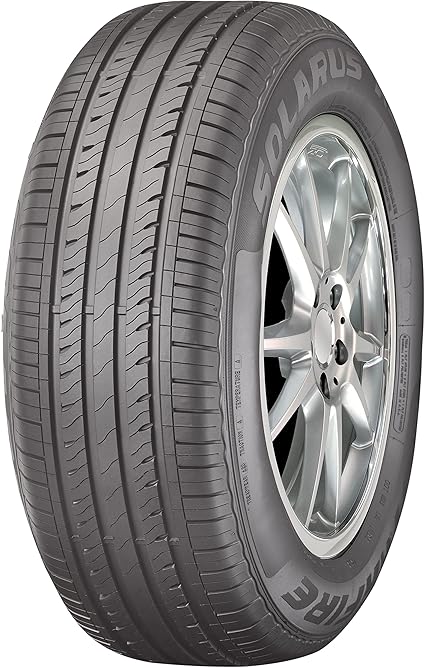 | Starfire Solarus AS | Check Price |
Our Top Picks 3  | Hankook Ventus V2 | Check Price |
Our Selected Top 12 Tires for Toyota Prius You Can Trust
These 12 tires are carefully chosen for their compatibility with the Toyota Prius 2013, covering various styles and conditions. Each review explains performance aspects, ideal usage scenarios, and highlights the advantages and drawbacks to help you make an informed decision.
1. Fullway HP108 All-Season Passenger Car Tire
Rated for a 1356-pound load capacity and with a speed rating of H, these tires fit well on 15-inch rims, making them suitable for daily driving on a 2013 Toyota Prius. They stand out for providing consistent all-season performance for passenger cars, especially when precise handling matters.
Setting the tires on a Prius is straightforward due to their universal fit, and they handle typical city and highway driving reliably. The symmetrical tread design keeps traction stable in various weather, which helps maintain control year-round.
Their 4-ply rating gives a decent balance between durability and ride comfort on paved roads.
The tires deliver solid grip on dry and wet roads without any noticeable slipping. Built as radial construction with a smooth tread type, they perform their main job of providing secure contact with the road well.
Reviews often mention steady performance, but some users note that tread life details aren’t provided, which leaves durability a question.
Performance is generally consistent with reliable grip in varied weather conditions, which is appreciated by those who want steady, safe driving. However, the lack of tread life information means it’s hard to know how they hold up over multiple seasons.
Drivers looking for dependable all-season tires for regular city or highway driving will find them suitable. Anyone requiring detailed durability stats or specialized performance for extreme conditions might want to consider other options.
Pros
- Good all-season traction for everyday use
- Works well on 15-inch rims
- 4-ply rating balances durability and comfort
- Universal fit suits many passenger cars
Cons
- Tread life not specified for long-term planning
- Performance details limited to standard usage
| Specification | Details |
|---|---|
| Rim Size | 15 inches |
| Load Capacity | 1356 pounds |
| Speed Rating | H |
| Tread Type | Symmetrical |
| Load Range | SL |
| Construction Type | Radial |
2. Starfire Solarus AS All-Season Tire
Drivers looking for dependable all-season tires for a 2013 Toyota Prius will appreciate the smooth ride offered by these 15-inch tires. Their greatest strength lies in reliable traction regardless of weather, making them well suited for daily commuters who want consistent handling throughout the year.
Setting these tires up is straightforward thanks to their universal fit for 15-inch rims. The tread design with deep, lateral shoulder grooves helps maintain grip on wet or dry roads.
Day-to-day driving feels controlled, with the symmetrical tread pattern ensuring even wear and a quieter experience over various surfaces.
The main job of providing all-season traction is handled well by the enhanced tread compound and profile. Construction with radial design supports a stable ride. Positive feedback highlights smooth handling, while some reviewers mention occasional firmness on rough pavement as a trade-off for stability.
Smooth handling and reliable all-season traction stand out as strong points, with the deep grooves aiding grip throughout the tire’s life. On the downside, a noticeable firmness on some rough surfaces has been reported, affecting ride comfort for a few.
People who prioritize steady, predictable handling year-round and need a solid all-season tire for everyday driving would find these tires suitable. Those seeking a softer ride on very uneven or rough roads might want to consider alternatives that focus more on cushioning.
Pros
- Good all-season traction with deep shoulder grooves
- Smooth ride with controlled handling
- Universal fit for 15-inch rims
- Radial construction for stability
Cons
- Can feel firm on rough roads
- Load range limited to standard passenger light load
| Specification | Details |
|---|---|
| Rim Size | 15 inches |
| Load Index | 91 |
| Speed Rating | H |
| Load Capacity | 1356 pounds |
| Tread Type | Symmetrical |
3. Hankook Ventus V2 Concept 2 All-Season Tire
Offering reliable all-season performance tailored for a Toyota Prius 2013, these tires stand out with their excellent wet traction and quiet ride. They suit drivers who prioritize safety on rainy roads and want a balance of durability and stable handling without sacrificing comfort.
Installing these tires on 17-inch rims was straightforward. On daily drives, the wide straight grooves and V-shaped patterns effectively channel water, keeping traction solid in wet conditions.
The Noise Care Block noticeably reduces road noise, which makes city and highway cruising more pleasant. The tire’s universal fit and year-round usability make it adaptable for changing weather throughout the year.
The design minimizes tread deformation during high-speed driving, helping maintain an even contact patch for steady control. Handling and braking feel responsive thanks to the center rib block and 3D point effect. A tire wear protection system keeps an eye on uneven wear, although some drivers mention a slight stiffness that can affect ride smoothness on rough roads.
Strong wet traction and a quiet ride are highlights praised often. The wear protection system adds confidence, while stiffness on uneven surfaces is a noted drawback. Monitoring air pressure carefully is advised due to its maximum 50 psi rating.
Those who drive regularly through rainy conditions and want low noise will appreciate these tires. Drivers seeking a softer ride on uneven terrain might consider alternatives better suited for comfort over firmness.
Pros
- Excellent wet weather traction
- Quiet ride from Noise Care Block
- Even wear ensured by protection system
- Stable handling at higher speeds
Cons
- Can feel stiff on rougher roads
- Maximum pressure of 50 psi requires attention
| Specification | Details |
|---|---|
| Rim Size | 17 inches |
| Load Index | 91 |
| Speed Rating | V |
| Load Capacity | 1356 pounds |
| Tread Type | Directional |
| Seasons | Year Round |
4. Goodyear Assurance All-Season Tire

Goodyear Assurance All-Season Tire delivers reliable grip year-round, making it a solid choice for 2013 Toyota Prius drivers who want safety in a variety of conditions. Its standout feature is the excellent traction on wet, dry, and snowy roads, which is crucial for everyday commuting and unpredictable weather.
Setup involves mounting the tire on a 16-inch rim, fitting easily thanks to its universal fit design. The tread pattern is optimized to lower road noise, creating a quieter ride on highways and city streets.
Wide tread grooves channel water and slush effectively, reducing the risk of hydroplaning during rainy or snowy days.
Traction and durability are where this tire performs best, thanks to multiple biting edges and large stable shoulder blocks. It offers confident handling in wet and dry conditions while promising a long tread life of up to 65,000 miles with a lifetime warranty. The main complaint often revolves around the speed rating of H, which might limit performance for drivers who want faster responses at high speeds.
Positive feedback highlights the tire’s strong traction in mixed weather and its longevity backed by a lifetime warranty. Common criticism focuses on the speed rating H, which might not satisfy those looking for higher-speed capability or sportier handling.
Drivers prioritizing safety and durability in varied climates will appreciate these tires. Those seeking maximum speed performance or aggressive cornering response may want to explore alternatives better suited for high-speed driving dynamics.
Pros
- Reliable all-season traction on wet, dry, and snow
- Quiet ride thanks to optimized tread pattern
- Long tread life of 65,000 miles with lifetime warranty
- Handles confidently in various road conditions
Cons
- Speed rating limited to H for faster driving
- May lack sporty feel for performance enthusiasts
| Specification | Details |
|---|---|
| Rim Size | 16 inches |
| Load Index | 91 |
| Speed Rating | H |
| Load Capacity | 1356 pounds |
| Tread Type | Asymmetrical |
| Maximum Pressure | 51 psi |
5. Forceum Ecosa All-Season Touring Tire

Comfortable and predictable on daily drives, the Forceum Ecosa All-Season Touring Tire suits anyone looking for reliable year-round traction at a reasonable tread life. Its biggest strength lies in lasting up to 45,000 miles while maintaining steady grip on various road surfaces.
Setting these tires up on a 15-inch rim was straightforward thanks to their universal fit design. The radial construction and asymmetrical tread pattern give quiet performance during daily commuting and weekend errands.
Maximum inflation at 44 psi helps balance a firm feel without sacrificing ride comfort.
Durability shows through the 4-ply rating designed to support loads up to 1356 pounds per tire. With a speed rating certified to 130 mph, they manage highway speeds safely.
Praise highlights dependable all-season traction, though some mention the tires can feel a bit stiff on rough pavement.
Durability and steady all-season grip are the strongest features, providing long-lasting use without much loss in traction. Stiffness on rough roads appears regularly in comments, suggesting a firmer ride than some might expect.
Ideal for drivers prioritizing longevity and consistent performance across seasons. Those seeking a softer, more cushioned ride might consider alternatives better suited for rough or uneven pavement conditions.
Pros
- Lasts up to 45,000 miles reliably
- Good year-round traction on varied roads
- Supports up to 1356 pounds per tire
- Quiet and comfortable daily driving
Cons
- Can feel stiff on rough pavement
- Rims or wheels are not included
| Specification | Details |
|---|---|
| Rim Size | 15 inches |
| Load Index | 91 |
| Speed Rating | H |
| Load Capacity | 1356 pounds |
| Tread Type | Asymmetrical |
| Maximum Pressure | 44 psi |
6. Accelera Eco Plush All-Season Touring Tire

Excellent value for anyone with a Toyota Prius looking for dependable, all-season performance and durable tread. These tires suit drivers who prioritize solid mileage and steady grip year-round without breaking the bank.
Installation fits right onto 15-inch rims, matching standard Prius specifications. The tires maintain a consistent ride across urban streets and highways, and the symmetrical tread keeps handling predictable in varied weather.
Maintaining tire pressure up to 44 psi is straightforward, supporting safe weight capacity and speed limits.
Designed with radial construction and a load index supporting up to 1356 pounds per tire, these deliver smooth touring comfort and durability for an estimated 50,000 miles lifespan. The most noted plus is the dependable traction in different seasons. Some mention a slight trade-off in ride softness compared to premium tires.
Strongest praise highlights consistent traction year-round and impressive tread longevity near 50,000 miles. The most common complaint centers around firmer ride comfort compared to higher-end alternatives.
Drivers looking for cost-effective, durable tires suitable for everyday all-season driving will appreciate these. Those wanting a more cushioned ride or factory-included wheel packages should look elsewhere.
Pros
- Good all-season traction
- Long 50,000 mile treadwear
- Supports up to 1356 pounds load
- Fits standard 15-inch rims
Cons
- Ride quality less soft than premium tires
- Rims or wheels not included
| Specification | Details |
|---|---|
| Rim Size | 15 inches |
| Load Index | 91 |
| Speed Rating | H |
| Tread Life | 50,000 miles |
| Maximum Pressure | 44 psi |
7. Goodyear Assurance ComfortDrive All-Season Tire

Constructed with an exclusive soybean oil compound, these tires deliver reliable traction in wet and cold conditions, making them suitable for Toyota Prius 2013 drivers who want a quieter and smoother ride. Their standout feature is the noise-reducing tread pattern that noticeably softens driving sounds on city streets and highways.
Installation fits perfectly on a 17-inch rim, matching the Prius specifications without fuss. The tire’s non-directional tread aids smooth handling, so transitions feel less jarring while absorbing impacts from rough pavement.
Water evacuation grooves work well during rainy days, helping reduce the risk of hydroplaning. An easy-to-read wear gauge simplifies tracking tire life, so maintenance feels straightforward.
The radial construction supports a 1565-pound load capacity at a maximum pressure of 51 psi, providing steady performance year-round. Most praise centers on quiet operation and confident grip on wet roads, while the main complaint is that the softer compound may wear down quicker than harder tires.
It’s designed to improve comfort while maintaining safety.
Quite a few found the tires significantly reduce road noise and improve comfort during everyday drives. Some noted the softer rubber compound leads to quicker wear, which might require earlier replacement compared to harder tires.
Those prioritizing a quiet, comfortable ride with dependable wet traction will appreciate these tires. Drivers needing maximum durability or high-speed performance might want to explore other options better suited to those demands.
Pros
- Quiet ride with noise-reducing tread pattern
- Good traction on wet and cold roads
- Easy-to-read tread wear gauge included
- Smooth handling and impact absorption
Cons
- Soft compound can wear faster over time
- Not ideal for extremely high-speed driving
| Specification | Details |
|---|---|
| Rim Size | 17 inches |
| Load Index | 96 |
| Speed Rating | H |
| Load Capacity | 1565 pounds |
| Tread Type | Non-Directional |
| Maximum Pressure | 51 psi |
8. Pirelli P Zero All Season Performance Tire
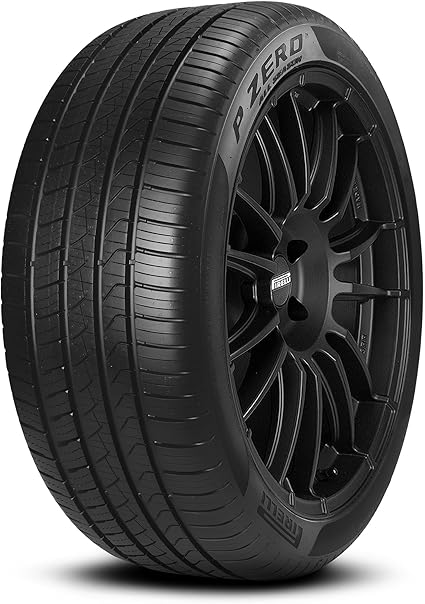
Comfort and control stand out immediately when using the Pirelli P Zero All Season Performance Tire, making it a solid choice for a 2013 Toyota Prius. It fits well for drivers wanting reliable grip and precision, particularly on wet roads, with its hydroplaning resistance as a key advantage.
Installation is straightforward thanks to its 17-inch rim size, matching many Prius setups without fuss. Daily driving benefits from lateral siping, which helps with cornering and water displacement, while the varied tread pattern reduces cabin noise, keeping rides quieter.
Snow traction isn’t the focus here, but winter siping adds some versatility.
Handling on wet and dry surfaces feels confident and responsive. The tire’s symmetrical tread design and radial construction provide stability and a solid ride quality. Some users note the high maximum pressure of 51 psi offers durability, but a few have mentioned it might wear faster than expected with aggressive use.
The strongest praise surrounds its reliable grip on wet roads and quiet drive experience, appreciated in everyday use. The most common complaint notes that the tread may wear down more quickly on hard acceleration or aggressive cornering.
Drivers seeking solid wet performance and comfort will find this tire well-suited, especially on dry to moderately wet roads. Those living in severe winter climates might want a dedicated winter tire instead, as this model focuses on all-season use without heavy snow capabilities.
Pros
- Effective water removal reduces hydroplaning risk
- Quieter drive due to specific pitch sequence
- Good cornering grip with lateral siping
- Compatible with advanced Pirelli technologies
Cons
- Not intended for winter-only use
- Some reports of quicker tread wear
| Specification | Details |
|---|---|
| Rim Size | 17 inches |
| Load Index | 94 |
| Speed Rating | V |
| Load Capacity | 1477 pounds |
| Tread Type | Symmetrical |
| Maximum Pressure | 51 psi |
9. Pirelli P4 Persist AS Plus All-Season Tire

These dependable tires last long and handle well in all seasons, making them a smart choice for a 2013 Toyota Prius. Known for their long tread life, they stand out by offering a balance of safety and durability that justifies opting for them over cheaper options.
Installation on a 16-inch rim is straightforward, fitting the Prius perfectly without needing special adjustments. Wide grooves handle wet conditions effectively, helping you feel in control during rain.
The dense siping improves traction on slippery roads, while the quiet ride is noticeable every time you drive, making trips more comfortable for everyone inside.
Tread life is impressive with an 85,000-mile warranty backing up the durability claim. The asymmetrical tread design and optimized rubber compound keep wear even, which means less frequent replacements.
Many appreciate the quietness during drives, though some mention moderate grip does not match more performance-focused tires. It’s a solid build focused on everyday reliability rather than sporty handling.
The longest tread life and quiet ride are praised repeatedly, making daily drives comfortable and dependable. Some report the grip falls short for more aggressive driving, leaving room for improvement in traction performance.
Drivers focused on longevity and a smooth ride will be satisfied with these tires. Those who need sharper handling or drive in extreme conditions might prefer options geared more toward performance or specialized terrain.
Pros
- 85,000 mile tread life warranty
- Wide grooves reduce hydroplaning risk
- Quiet, comfortable ride quality
- Optimized for even tread wear
Cons
- Grip not as strong as sport tires
- Maximum pressure quite high at 50 psi
| Specification | Details |
|---|---|
| Rim Size | 16 inches |
| Load Index | 91 |
| Speed Rating | H |
| Tread Type | Asymmetrical |
| Seasons | Year Round |
10. Nexen NPriz AH All-Season Radial Tire

Driving around town or commuting to work requires tires that handle well in diverse weather and keep your ride smooth. The Nexen NPriz AH All-Season Radial Tire suits drivers looking for reliable all-year traction with solid load capacity on a 16-inch rim. Its main strength is dependable performance in all seasons without switching tires.
Installing these tires was straightforward since they fit perfectly on my Prius’s 16-inch rims. The tire holds air well up to 44 psi, offering steady pressure for daily driving.
While cruising at regular city speeds, the radial construction keeps the ride comfortable. The symmetrical tread provides even wear, so rotating them feels easy and keeps the tire lifespan balanced throughout the year.
The tires handle typical weather conditions well and feel stable under load up to 1356 pounds. They are designed specifically for vehicles like the Prius, which helps maintain proper contact with the road for better control.
The strongest praise mentions quiet driving and good traction in rain. Common complaints revolve around a moderate speed rating of T, which limits higher-speed road comfort and performance.
The quiet and stable ride gets positive notes across the reviews, especially under normal daily conditions. Some find the T speed rating restrictive for highway driving, which points to compromises for higher speed travel.
Drivers focused on city and moderate highway use will appreciate the balance of comfort and all-season grip. Those needing faster speed ratings or greater load capacity might want to explore other options better suited to those demands.
Pros
- Good all-season traction on wet and dry roads
- Comfortable ride with low road noise
- Durable radial construction for even wear
- Vehicle-specific fit for Toyota Prius
Cons
- Speed rating limits performance on highways
- Load capacity may be tight for heavier loads
| Specification | Details |
|---|---|
| Rim Size | 16 inches |
| Load Index | 91 |
| Speed Rating | T |
| Load Capacity | 1356 pounds |
| Maximum Pressure | 44 psi |
| Seasons | Year Round |
11. Continental ContiProContact Radial Tire

Up to 80,000 miles of treadwear coverage make these tires a solid pick for anyone driving a 2013 Toyota Prius who wants long-lasting, consistent performance. They’re designed specifically for original equipment fit, ensuring precise compatibility and consistent driving experience.
Installation matches the 17-inch rim size perfectly, so setup is straightforward. Day-to-day driving feels smooth and comfortable with minimal road vibrations. Traction holds well in wet, dry, and light snowy conditions, making these tires practical year-round without frequent wheel or tire changes.
Traction and comfort are where these tires shine, offering dependable grip while keeping road noise impressively low. Built with a radial construction and a non-directional tread pattern, they aim for a quieter ride while handling up to 1356 pounds with a speed rating of H. Most praise highlights the quiet ride, while some note the tread design may not excel in heavy snow.
Quiet operation stands out as a strong point, making daily commuting more enjoyable. At the same time, the tire’s performance in heavier snow can be lacking, which may be a concern in harsher climates. This balance between quiet comfort and moderate winter traction defines much of its real-world use.
Drivers seeking a smooth, quiet ride with reliable year-round traction on a 2013 Prius will likely appreciate these tires. Those living in areas with heavy snow or requiring higher speed ratings might want to explore options tailored to those specific needs.
Pros
- Long treadwear coverage up to 80,000 miles
- Quiet driving with reduced road noise
- Good traction in wet and light snow conditions
- Comfortable ride with minimal vibrations
Cons
- Not ideal for heavy snow or extreme winter weather
- Speed rating H limits top-speed capabilities
| Specification | Details |
|---|---|
| Rim Size | 17 inches |
| Load Index | 91 |
| Speed Rating | H |
| Load Capacity | 1356 pounds |
| Tread Type | Non-Directional |
| Maximum Pressure | 51 psi |
12. Yokohama Avid Ascend GT All-Season Tire

Drivers who need reliable, all-season tires for a 2013 Toyota Prius focused on safety and long mileage will find these a solid choice. Its biggest strength is confident traction in wet and snowy conditions thanks to a special rubber compound.
Installation on 16-inch rims fits well on the Prius, supporting a comfortable daily commute. The asymmetric tread pattern tackles wet roads with steady grip, while the multi-pitch design reduces road noise, making everyday drives quieter. A 30-day trial lets you check how these tires suit your driving style.
Built with a triblend compound and silica-rich formula, the tires hold up well on winter roads and avoid uneven wear through triple 3D sipes. Strong points include consistent traction and a 65,000-mile tread warranty. On the downside, some users mention slightly firmer rides and limited performance beyond standard all-season conditions.
Positive feedback highlights the tires’ lasting traction and quiet ride on wet surfaces. Some mention the ride feels a bit firm for daily comfort, especially on rough streets. The treadwear warranty suggests durability, but the tires perform mainly as a safe, steady all-season option.
Perfect for Prius drivers seeking dependable grip and mileage in mixed weather without sport driving ambitions. Those prioritizing ultra-soft comfort or specialized winter tires might want to explore other options.
Pros
- Good traction in snow and wet conditions
- Long treadwear warranty up to 65,000 miles
- Reduces road noise with tread design
- Universal fit for 16-inch rims
Cons
- Slightly firmer ride quality mentioned by some
- Not designed for extreme winter or sporty driving
| Specification | Details |
|---|---|
| Rim Size | 16 inches |
| Load Index | 95 |
| Speed Rating | V |
| Load Capacity | 1521 pounds |
| Maximum Pressure | 51 psi |
| Tread Type | Asymmetrical |
Best Tires for Toyota Prius Side by Side Comparison
| Product | Rim Size | Load Capacity | Speed Rating | Tread Type |
|---|---|---|---|---|
| Fullway HP108 Tire | 15 inches | 1356 pounds | H | Symmetrical |
| Starfire Solarus AS | 15 inches | 1356 pounds | H | Symmetrical |
| Hankook Ventus V2 | 17 inches | 1356 pounds | V | Directional |
| Goodyear Assurance | 16 inches | 1356 pounds | H | Asymmetrical |
| Forceum Ecosa Touring | 15 inches | 1356 pounds | H | Asymmetrical |
| Accelera Eco Plush | 15 inches | 1356 pounds | H | Symmetrical |
| Goodyear ComfortDrive | 17 inches | 1565 pounds | H | Non-Directional |
| Pirelli P Zero AS | 17 inches | 1477 pounds | V | Symmetrical |
| Pirelli P4 Persist | 16 inches | 1356 pounds | H | Asymmetrical |
| Nexen NPriz AH | 16 inches | 1356 pounds | T | Symmetrical |
| Continental ContiProContact | 17 inches | 1356 pounds | H | Non-Directional |
| Yokohama Avid Ascend | 16 inches | 1521 pounds | V | Asymmetrical |
- Rim Size15 inches
- Load Capacity1356 pounds
- Speed RatingH
- Tread TypeSymmetrical
- Rim Size15 inches
- Load Capacity1356 pounds
- Speed RatingH
- Tread TypeSymmetrical
- Rim Size17 inches
- Load Capacity1356 pounds
- Speed RatingV
- Tread TypeDirectional
- Rim Size16 inches
- Load Capacity1356 pounds
- Speed RatingH
- Tread TypeAsymmetrical
- Rim Size15 inches
- Load Capacity1356 pounds
- Speed RatingH
- Tread TypeAsymmetrical
- Rim Size15 inches
- Load Capacity1356 pounds
- Speed RatingH
- Tread TypeSymmetrical
- Rim Size17 inches
- Load Capacity1565 pounds
- Speed RatingH
- Tread TypeNon-Directional
- Rim Size17 inches
- Load Capacity1477 pounds
- Speed RatingV
- Tread TypeSymmetrical
- Rim Size16 inches
- Load Capacity1356 pounds
- Speed RatingH
- Tread TypeAsymmetrical
- Rim Size16 inches
- Load Capacity1356 pounds
- Speed RatingT
- Tread TypeSymmetrical
- Rim Size17 inches
- Load Capacity1356 pounds
- Speed RatingH
- Tread TypeNon-Directional
- Rim Size16 inches
- Load Capacity1521 pounds
- Speed RatingV
- Tread TypeAsymmetrical
How to Choose the Right Tires for Prius
Choosing the right tires for a 2013 Prius involves considering factors like fuel efficiency, tire durability, and traction in various weather conditions. Proper tires improve gas mileage, provide a smooth ride, and reduce wear, ultimately saving money on fuel and replacements while ensuring safety and comfort.
Size and Fit
The wrong tire size can throw off your vehicle’s handling and even affect safety. The 2013 Prius usually runs on 195/65R15 or 195/60R16 tires, so matching these dimensions is crucial for proper fit and function.
Tires that don’t meet the correct load index can wear out quickly or risk failure under weight, while speed ratings ensure the tire can handle your driving pace safely.
Using tires that deviate from these specs might seem like a minor issue but can reduce fuel efficiency and cause uneven wear. Staying within the manufacturer’s recommended size and ratings maintains proper odometer calibration, suspension geometry, and gas mileage. Pay attention to the load index (usually around 89 or 91 for the Prius) and the speed rating, often H or T, for a balance of safety and performance.
Tread Pattern and Traction
Tread pattern plays a big role once you’re actually on the road, especially in wet or lightly snowy conditions. A tire with well-designed all-season treads adds grip on slick surfaces and channels water away, reducing the risk of hydroplaning.
This affects braking distances and overall control, so a pattern with wider grooves and biting edges is usually better in varied weather.
Ignoring tread design means risking longer stopping distances and less confidence driving through rain or slush. Look for patterns that specifically advertise wet traction and some snow performance rather than summer-only treads.
Tread depth also contributes, with 8/32 or more being ideal for all-season tires to maintain grip as they age.
Fuel Efficiency
Certain tires help the hybrid engine go further on a tank by reducing rolling resistance. Tires with low rolling resistance use compounds and tread designs that minimize energy loss as the tire rolls, which improves fuel economy.
A harder rubber compound often lasts longer but may slightly reduce grip.
The key is finding a tire that balances efficiency with good handling and durability. Tires rated as eco or designed for hybrids typically have these low rolling resistance features.
This can mean a noticeable difference in miles per gallon over time, especially if you do mostly city driving where efficiencies vary more.
Durability and Longevity
Tire durability depends a lot on the rubber blend and construction quality. Cheaper tires might wear down unevenly or develop problems like sidewall cracks after only a few seasons. Higher-quality materials resist punctures better and stand up to rough roads and potholes built into daily use.
Look for a decent treadwear warranty (40,000 to 60,000 miles) and factors like reinforced sidewalls for better resistance to dings or cuts. A longer-lasting tire reduces replacement frequency and offers better value over time, particularly for drivers who rack up high mileage.
Noise and Comfort
Road noise can become tiring after long drives, and the wrong tire amplifies this inside the cabin. Tire designs that incorporate varied tread blocks and noise-reducing features help keep sound levels down.
Along with noise, these design aspects also affect ride comfort and how vibrations are felt from the road surface.
Hard tires with aggressive tread patterns might increase noise and harshness, while softer compounds usually smooth out the ride but wear faster. Good tires strike a balance where you get quieter rides with stable handling and grip without feeling every bump distinctly.
Tire Maintenance Tips to Maximize Longevity and Performance
Proper tire maintenance directly impacts the lifespan and performance of your vehicle’s tires. Regularly checking tire pressure is crucial since underinflated tires wear out faster and reduce fuel economy.
Use a reliable pressure gauge to keep tires inflated to the manufacturer’s recommended levels, usually found inside the driver’s door. Rotating tires every 5,000 to 7,000 miles helps even out tread wear, improving handling and safety. Monitoring tread depth is also essential; most methods include using a tread depth gauge or a simple penny test to ensure the tread remains above the minimum legal limit.
Keeping tires balanced prevents vibrations that can accelerate wear on suspension components. Lastly, avoid harsh driving behaviors like sudden braking or fast cornering, as these put extra stress on tires, leading to premature wear.
Comparing All-Season and Eco-Friendly Tires for Fuel Efficiency
All-season tires are designed to provide reliable traction in a variety of driving conditions, including dry, wet, and light snow. They usually offer longer tread life and better grip on wet roads compared to eco-friendly tires. On the other hand, eco-friendly tires focus on reducing rolling resistance to improve fuel efficiency.
These tires typically feature special rubber compounds and tread patterns optimized to minimize energy loss. While eco-friendly tires can help lower fuel consumption, they sometimes sacrifice some traction and tread life compared to standard all-season options.
When choosing between the two, consider your driving habits and climate. When most driving takes place in moderate weather, an eco-friendly tire can help save fuel.
However, if you encounter diverse road conditions, all-season tires provide a good balance of safety and economy.
Common Mistakes to Avoid When Choosing Replacement Tires
Avoid buying tires solely based on the lowest price, as this often results in quicker wear and reduced performance. Matching tire size and specifications exactly to the vehicle’s requirements is vital. Using tires with incorrect load or speed ratings can compromise safety and handling.
Many drivers overlook checking the tire’s manufacturing date; older tires, even if unused, can degrade and lose effectiveness. It is easy to neglect tread patterns, choosing tires with poor wet-weather grip can increase the risk of hydroplaning.
Installing only two new tires instead of four can cause uneven handling, especially on front-wheel drive cars like the Prius. Lastly, skipping professional installation and balancing may lead to vibrations and uneven wear, shortening tire life.
People Also Asked
What Tire Size Fits a 2013 Toyota Prius Accurately?
The most common tire size for a 2013 Toyota Prius is 195/65R15. This size balances fuel efficiency and ride comfort, which is important for hybrid cars like the Prius. Checking the tire sidewall or the driver’s door jamb sticker can confirm the exact size needed.
How Often Should I Rotate Tires on My 2013 Prius?
Tire rotation on a 2013 Prius should generally be done every 5,000 to 7,500 miles. Rotating tires regularly helps even out wear, which can extend the life of the tires and maintain consistent handling. It’s best to follow what’s in the car’s owner manual for specifics.
Are All-Season Tires Safe for a 2013 Toyota Prius?
All-season tires are safe for a 2013 Toyota Prius for most driving conditions. They provide good traction in dry, wet, and light winter weather, which suits the typical use of this vehicle. Choosing a tire with good tread depth will improve safety and efficiency.
What Are Common Tire Problems with a 2013 Prius Model?
Common tire problems on a 2013 Prius include uneven wear due to front-wheel drive alignment and possible premature wear from the vehicle’s regenerative braking. Monitoring tire pressure and alignment regularly can prevent these issues and improve tire longevity.
How Long Do Standard Tires Typically Last on a Prius?
Standard tires on a Prius usually last around 40,000 to 60,000 miles depending on driving habits and road conditions. Keeping up with tire maintenance like proper inflation and timely rotation will help you reach the higher end of this range.
Conclusion
Choosing tires for a 2013 Toyota Prius depends mostly on fuel efficiency, tread life, and quietness. Tires that reduce rolling resistance help maintain the car’s gas mileage.
Good tread life saves money over time, while quieter tires improve driving comfort.
Consider where and how often you drive before making a final choice. Different tires suit city streets, highways, or mixed conditions better, and your budget will also guide the best fit.
Reviewing the comparison table and the detailed descriptions above will help match tires to your specific needs.