
Top 12 Best Used Full Suspension Mountain Bike Deals You Need!
Riding a cheap or poorly chosen mountain bike often means dealing with constant adjustments, frequent mechanical issues, and a ride that feels more like a workout in frustration than enjoyment. The best used full suspension mountain bike offers a smoother ride by effectively absorbing shocks, which reduces fatigue and prevents damage to the bike over rough terrain.
This type of bike is designed to handle tougher trails without constant repairs, making every ride more reliable and comfortable.
The difference between a good and a poor full suspension mountain bike often comes down to frame material, suspension travel, and fit. Aluminum or carbon frames provide strength without excessive weight, usually between 25 to 30 pounds.
Suspension travel typically ranges from 120mm to 160mm; more travel suits rougher trails but can add weight. Proper sizing is critical too, getting the right frame size and adjustable components ensures better control and safety. A well-maintained bike is easier to clean, which helps keep parts working smoothly longer.
Need a Quick Check?
| Image | Product | Price |
|---|---|---|
Our Top Picks 1  | Aluminum Full Suspension MTB | Check Price |
Our Top Picks 2 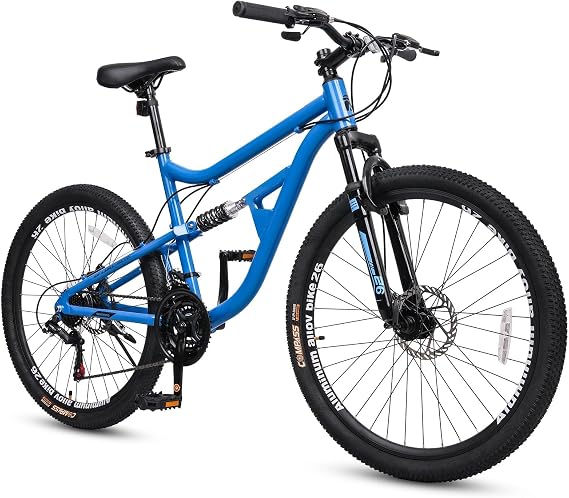 | Aluminum Full Suspension MTB Pro | Check Price |
Our Top Picks 3  | 10-Speed Full Suspension MTB | Check Price |
Our Selected Top 12 Used Full Suspension Mountain Bike Picks for Every Need
This list features carefully chosen used full suspension mountain bikes suited for different riding styles and skill levels. Each review explains how the bike performs, highlights its strengths and weaknesses, and identifies which riders will benefit most from its features.
1. Mountain Bike Aluminum Frame Full Suspension
Riding this full suspension mountain bike feels comfortable even on rougher paths. It suits adults between 5’2 and 5’11, who want a bike that absorbs bumps well and handles various terrains.
Its full suspension setup stands out as its biggest strength for maintaining a smooth ride.
Getting the bike ready is straightforward, with an adjustable seat that helps you find the right riding position. The 21-speed gears with Shimano trigger shifting offer a range of options for different slopes and speeds.
Day-to-day use benefits from the 26-inch tires that grip well on paved roads, gravel, or light trails. The kickstand is handy for quick stops without worrying about balance.
Performance on unpaved trails and mountain terrain is solid thanks to the dual suspension, front fork and rear coil shock, that soaks up shocks effectively. The aluminum frame feels durable without being overly heavy. Disc brakes provide reliable stopping power.
One highlight from reviews is the smooth gear shifting, though some mention the gearing could be a bit more precise in certain situations.
Most reviews praise the smooth gear shifting and comfortable ride thanks to the dual suspension system. A common complaint points to gear shifting sometimes lacking crisp precision, which can be noticeable during quick shifts or demanding climbs.
Adults in the specified height range who ride on mixed terrain including light trails and roads will find it reliable and adaptable. Those taller than 5’11” or looking for more advanced gear tuning might want to explore other models better suited for their size or riding style.
Pros
- Adjustable seat fits a range of adult heights
- Dual suspension absorbs trail bumps well
- 21-speed Shimano gears for flexible riding
- Disc brakes offer reliable stopping power
Cons
- Gearing precision could be improved
- Limited to riders between 5’2″ and 5’11”
| Specification | Details |
|---|---|
| Bike Type | Mountain Bike |
| Number Of Speeds | 21 |
| Suspension Type | Dual |
| Brake Style | Disc |
| Intended Riding Terrain | Mountain Terrain, Unpaved Trails |
2. Mountain Bike Aluminum Frame Full Suspension
Great for riders between 5’2 and 5’11, this full suspension mountain bike offers solid comfort on variable terrain thanks to its dual suspension system. Its biggest strength lies in absorbing bumps whether on paved roads, gravel, or light trails, providing a steady and cushioned ride experience.
Adjusting the seat to fit your height is straightforward, making it comfortable for long rides. The 26-inch frame size feels agile yet stable, while the 21-speed Shimano drivetrain with a trigger shifter lets you smoothly change gears on inclines or descents. Dual disc brakes add reliable stopping power along with added safety during rides.
Its build features a durable aluminum frame paired with coil rear shocks and a front suspension fork to soften impacts. The most noted benefit is its smooth ride on rough surfaces, accompanied by occasional feedback about the weight making it less nimble compared to lighter models.
It performs well for trail and road alike, balancing comfort and control.
Riders find the suspension system effective in smoothing bumps across road and trail surfaces but often note the bike’s weight limits quick maneuvering. The adjustable seat and gear range make it flexible and convenient for different heights and inclines.
Suitable for those looking for a comfortable ride on mixed terrain without pushing into hardcore mountain biking. Those needing a lighter, more agile bike or tackling more aggressive trails might want to consider other options.
Pros
- Adjustable seat for personalized comfort
- Dual suspension absorbs rough terrain well
- 21-speed Shimano drivetrain shifts smoothly
- Reliable dual disc brakes for safety
Cons
- Heavier frame affects quick handling
- Best for light trails, not extreme mountain riding
| Specification | Details |
|---|---|
| Bike Type | Mountain Bike |
| Number Of Speeds | 21 |
| Suspension Type | Dual |
| Brake Style | Disc |
| Intended Riding Terrain | Mountain Terrain, Paved Roads |
3. Full-Suspension Mountain Bike 10-Speed
Carbon fiber forms the core of this mountain bike, making it light and strong for serious riders tackling rough mountain terrain. Suited for those who want a sturdy frame that responds sharply to pedaling and handles a variety of trails, its biggest strength lies in the reduced frame weight combined with solid power transfer.
Setup involves adjusting the handlebars to your preference, which is helpful for comfort during long rides. Daily use feels smooth, thanks to the dual suspension that absorbs bumps effectively. The hydraulic disc brakes offer confidence on descents and in wet conditions, making stopping reliable without much effort on your part.
The bike performs well in climbing and cornering thanks to its rigid frame design that improves stability. Reviews highlight the responsiveness of the hydraulic brakes and the advantage of a lightweight frame for easier handling.
A noted downside in feedback is the limited number of speeds, with just a single gear, which some riders might find restrictive.
Brake performance stands out as a strong point with responsive and short stopping distances. However, the single-speed setup limits flexibility across varied trail conditions, which might not suit all riders.
Those who prioritize a lightweight build and easy braking will appreciate this bike. Riders seeking multiple gears for diverse climbs might want to look for alternatives with more speed options.
Pros
- Very lightweight carbon fiber frame
- Hydraulic disc brakes for strong stopping power
- Adjustable handlebars improve ride comfort
- Dual suspension smooths out rough trails
Cons
- Only 1 speed limits gear range
- Rigid frame might feel stiff on very technical terrain
| Specification | Details |
|---|---|
| Bike Type | Mountain Bike |
| Number Of Speeds | 1 |
| Suspension Type | Dual |
| Brake Style | Disc |
| Bicycle Drivetrain Type | chain drive |
| Additional Features | Adjustable Handlebars |
4. VEVOR Mountain Bike MTB Bicycle

Full suspension and wide, all-terrain tires grab attention right away, making this bike great for riders who want comfort and control on rough trails. It’s best suited for weekend trail rides and light off-road cruising with steady traction as its biggest strength.
Setting up the bike is straightforward, and shifting through the 18 speeds feels smooth on paved paths and dirt trails. The front fork suspension and rear shock soak up bumps well, while the dual brakes respond firmly, giving confidence when slowing down. Daily rides around parks or light mountain paths feel comfortable, thanks to the durable high-carbon steel frame and thoughtful components.
Performance-wise, it handles mountain terrain with ease and offers reliable traction thanks to wide tires. The build quality feels sturdy and solid for the price, although the steel frame adds some weight, which can be noticeable on longer rides. Reviewers praise its smooth shifting and good shock absorption.
Some mention it can be a bit heavy to carry or maneuver off the bike.
The bike receives praise for smooth and precise shifting combined with comfortable shock absorption on rough terrain. The most common issue is its weight, which can make it cumbersome to carry or handle during very technical rides.
Those seeking a reliable, well-built bike for varied trail conditions and casual off-road use will appreciate this model. Riders looking for a lightweight or race-focused mountain bike might want to explore lighter frames and different setups.
Pros
- Effective full suspension for bump absorption
- Wide tires provide strong traction
- Reliable front and rear dual brakes
- Durable high-carbon steel frame
Cons
- Steel frame adds noticeable weight
- Not ideal for heavy off-road or downhill racing
| Specification | Details |
|---|---|
| Bike Type | Mountain Bike |
| Number Of Speeds | 18 |
| Suspension Type | Front Fork Suspension & Rear Suspension |
| Brake Style | Dual |
| Intended Riding Terrain | Mountain Terrain, Paved Roads, Unpaved Trails |
| Bicycle Drivetrain Type | Chain Drive |
5. Kids Full Suspension Mountain Bike 21-Speed

Built for active kids and teens, this full suspension mountain bike handles rough trails and urban streets with ease. Its biggest advantage is the durable steel frame paired with reliable 21-speed Shimano gearing, giving youngsters a solid ride that adapts well to different terrains.
Setting up the bike is straightforward, especially with the twist grip Shimano shifters that make switching gears simple during rides. The dual suspension softens bumps significantly, so rides on dirt paths or neighborhood streets feel smoother.
Dual disc brakes provide strong stopping power, helping maintain control in varied weather conditions.
The bike rides well on mountain terrain and unpaved trails, thanks to a combination of front and rear suspension which helps absorb shocks effectively. The steel frame feels sturdy and built to last, but some find the weight makes it less nimble for younger kids.
Most reviews highlight consistent gear changes, while a common drawback is the overall heaviness and occasional need for minor adjustments.
The bike delivers smooth rides and solid gear shifting thanks to its dual suspension and Shimano drivetrain, though the weight can be a challenge especially for younger riders. Most users appreciate how it cushions rough terrain but sometimes notice it needs tuning after longer use.
Good fit for older kids and teens who want a bike tough enough for trail and street rides. Smaller or less experienced riders might prefer something lighter and simpler to handle on easier terrain.
Pros
- Durable high-carbon steel frame
- Reliable Shimano 21-speed drivetrain
- Effective front and rear suspension
- Strong front and rear disc brakes
Cons
- Heavier than other kids’ bikes
- May require occasional adjustments
| Specification | Details |
|---|---|
| Number Of Speeds | 21 |
| Suspension Type | Dual |
| Brake Style | Disc |
| Bicycle Gear Shifter Type | Twist Grip |
| Intended Riding Terrain | Mountain Terrain, Unpaved Trails, Urban Terrain |
| Frame Material | High-carbon steel |
6. SAVADECK Titan 612 Carbon Fiber Mountain Bike

Tackling technical trails and rocky descents requires a bike that balances lightness and control, and the SAVADECK Titan 612 Carbon Fiber Mountain Bike is built with exactly that in mind. Suited for riders who want stability at high speeds while maneuvering rough terrain, its standout feature is the lightweight full-suspension carbon frame that handles enduro riding well.
Setting up is straightforward, especially with the internal cable routing that keeps everything protected from mud and debris. The 12-speed cassette combined with dual disc brakes gives reliable shifting and stopping power on unpaved trails.
The advanced dual-link suspension with a DNM air shock and hydraulic lockout means it adapts easily when going over roots or rocks, making everyday rides smoother and more controlled.
Performance impresses with precise cornering and steady control at faster speeds. The carbon fiber frame is light yet durable, thanks in part to the reinforced rear triangle.
The suspension system absorbs rough patches well but a few riders note the hydraulic lockout can take some getting used to. It handles varied mountain terrain effectively and feels solid under pressure.
The bike is praised for its balance of lightness and stability, especially with the reinforced rear triangle and dual-link suspension that handles technical terrain well. The most frequent complaint centers on the hydraulic lockout, which some find difficult to operate smoothly during rides.
Riders who focus on challenging mountain terrains and want durable, precise handling will appreciate this bike. Those looking for a more forgiving suspension on smoother trails or easier suspension adjustments might want to explore other options better suited for less technical rides.
Pros
- Lightweight carbon fiber frame
- Advanced dual-link suspension system
- Internal cable routing protects cables
- Dual disc brakes for strong stopping power
Cons
- Hydraulic lockout can be tricky to adjust
- Suspension may feel stiff on smoother trails
| Specification | Details |
|---|---|
| Bike Type | Mountain Bike |
| Number Of Speeds | 12 |
| Suspension Type | Dual |
| Brake Style | Disc |
| Bicycle Gear Shifter Type | Trigger |
7. SAVADECK Lantop 610 Carbon Fiber Mountain Bike

Lightweight carbon fiber construction makes the SAVADECK Lantop 610 perfect for riders who want speed and stability on mountain trails. It suits those looking for a bike that handles rough terrain well while staying light enough for agile maneuvering.
Its biggest advantage is the carbon fiber frame designed for multi-terrain agility.
Setting up the bike is straightforward, with a rigid suspension that keeps things simple and reliable on rocky paths. The Shimano U6000 Shift Lever offers smooth, precise gear changes, while the 10-speed Shimano U6020 CUES rear derailleur helps you handle climbs and descents without fuss.
Hydraulic disc brakes provide solid stopping power, giving confidence on steep trails. A clean look comes from the internal alignment of cables, reducing wind resistance and keeping everything neat.
It rides efficiently over mountain terrain, offering good speed and stability thanks to the strong yet lightweight carbon fiber frame. The build focuses on strength and corrosion resistance, making it durable for off-road conditions. The most frequent praise highlights smooth shifting and reliable brakes, while some find the rigid suspension less forgiving on very rough trails compared to full suspension models.
The bike receives frequent praise for its smooth Shimano shifting and dependable hydraulic brakes that suit mountain trails well. A common complaint is the rigid suspension, which can feel harsh on extremely rough terrain that would benefit from shock absorption.
Riders looking for a lightweight, fast mountain bike for moderately rough trails will appreciate this bike. Those planning to tackle very bumpy or technical off-road routes might want a model with rear suspension for extra comfort and control.
Pros
- Lightweight carbon fiber frame
- Smooth Shimano U6000 shifting
- Hydraulic disc brakes for reliable stopping
- Internal cable alignment for clean design
Cons
- No rear suspension for very rough terrain
- Only 10 speeds, may limit gear options
| Specification | Details |
|---|---|
| Bike Type | Mountain Bike |
| Number Of Speeds | 10 |
| Suspension Type | Rigid |
| Brake Style | Disc |
| Bicycle Gear Shifter Type | Trigger |
| Derailleur Configuration | Rear |
8. Full Suspension Mountain Bike 21-Speed Shimano

Grown teens and smaller riders looking for a reliable mountain bike will find this 24-inch full suspension model fits comfortably and handles a variety of terrains well. Its strongest asset is the dual suspension system, which softens bumps effectively for a smoother ride.
Setting up involves basic adjustments to the 21-speed Shimano gears and dual disc brakes, which work smoothly on different trail types. The bike handles well on pavement, gravel, or packed dirt with minimal vibration felt by the rider thanks to the front fork and rear shock absorbing most impacts.
Performance is solid for recreational trails and mountain terrain, with the dual suspension keeping rides stable and comfortable. Built with a chain drive and cassette gear type, it offers good gear range for climbing or cruising.
Most praise notes smooth rides; the common complaint centers on its suitability mainly for riders between 4’7 and 5’5.
The bike’s strongest feature is how well the front suspension fork and rear shock work together to make bumpy routes feel smoother. Most users find the fit and ride comfort excellent within its recommended height range but note it does not suit taller riders. The setup and gear shifting also perform reliably on various outdoor surfaces.
Riders between 4’7″ and 5’5″ wanting a versatile full suspension mountain bike for neighborhood and trail rides will be happy with this model. Those seeking a bike for taller riders or more extreme mountain biking should consider other options better suited to those needs.
Pros
- Dual suspension reduces bumps and vibrations
- Comfortable fit for riders 4’7″ to 5’5″
- 21-speed Shimano gear set for varied terrain
- Reliable dual disc brakes for safe stopping
Cons
- Size limits riders taller than 5’5″
- Not designed for aggressive downhill riding
| Specification | Details |
|---|---|
| Bike Type | Mountain Bike |
| Number Of Speeds | 21 |
| Suspension Type | Dual |
| Additional Features | Dual Disc Brake |
| Gear Type | cassette |
| Intended Riding Terrain | Mountain Terrain, Unpaved Trails |
9. Mongoose Impasse Mountain Bike

Lightweight design and full suspension make the Mongoose Impasse a strong choice for trail riders between 5’3 and 6’0. It stands out by combining manageable 27.5-inch wheels with solid grip on dirt paths. Those looking for a dependable mountain bike with a focus on stability will find this a great fit.
Setup involves basic adjustments, mostly around the trigger gear shifters and disc brakes. The wide 2.6-inch knobby tires hold up well on rough mountain terrain, offering confidence on uneven surfaces. Handling is smooth thanks to the suspension fork, which absorbs bumps on trails, making for a controlled ride even on unpaved paths.
Built with an aluminum hardtail frame, the bike balances durability and lightness effectively. The seven-speed geared drivetrain offers enough range for varied trail challenges, controlled via a rear derailleur. While it handles trail riding solidly, some users have noted it’s not suited for extreme technical downhill runs due to the suspension setup.
The suspension fork effectively smooths rough trails, making rides comfortable on uneven terrain. Many note it handles well but isn’t designed for intense downhill mountain biking. The lightweight frame contributes to easy handling but some wish for enhanced technical trail performance.
Adventurous riders between 5’3″ and 6’0″ looking for a dependable trail bike will appreciate its grip and comfort. Those planning very aggressive downhill runs or needing a taller frame might want to consider different options better suited to those specific needs.
Pros
- Lightweight aluminum frame
- Wide 2.6-inch knobby tires for stability
- Reliable 7-speed gearing with trigger shifters
- Disc brakes provide solid stopping power
Cons
- Suspension not ideal for extreme downhill
- Limited height range for taller riders
| Specification | Details |
|---|---|
| Bike Type | Mountain Bike |
| Number Of Speeds | 7 |
| Suspension Type | Full |
| Brake Style | Disc |
| Intended Riding Terrain | Mountain Terrain, Unpaved Trails |
10. Schwinn Traxion Mountain Bike

Schwinn Traxion Mountain Bike is designed for beginners hitting mountain trails who want reliable shock absorption and easy climbing. Its full dual suspension handles rough terrain well, making rides smoother and less tiring.
Setting up the bike feels straightforward, with a lightweight aluminum frame that doesn’t weigh you down when pushing uphill. The 24-speed trigger shifters and front/rear derailleurs allow smooth transitions between gears, useful for tackling different trail inclines. Mechanical disc brakes offer solid, dependable stopping power in varying conditions, so control feels steady.
On the trail, the bike’s suspension really does a good job at absorbing bumps, helping maintain momentum over uneven ground. The wide alloy rims paired with knobby 2.25-inch tires provide strength and grip where it counts. A common praise in reviews highlights just how well the suspension works.
Some note that the bike can feel a bit heavy compared to race-level rigs.
The strongest praise focuses on how well the full suspension and wide tires absorb shocks, making rides comfortable on rough trails. The most common complaint revolves around the bike’s weight, which can feel noticeable during longer climbs or faster rides.
Riders looking for a dependable mountain bike with solid suspension and easy gear shifting will appreciate this model. Those wanting an ultra-lightweight or race-grade bike might prefer exploring different options offering less frame weight and more advanced components.
Pros
- Lightweight aluminum frame
- Smooth gear changes with 24 speeds
- Effective dual suspension for bumps
- Reliable disc brakes in all conditions
Cons
- Heavier than performance racing bikes
- Mechanical disc brakes need occasional tuning
| Specification | Details |
|---|---|
| Bike Type | Mountain Bike |
| Number Of Speeds | 24 |
| Suspension Type | Dual |
| Brake Style | Disc |
| Additional Features | Aluminum Frame, Dual Suspension |
| Intended Riding Terrain | Mountain Terrain |
11. WEIZE Adult Mountain Bike Dual Suspension

Riding on rough trails feels much smoother thanks to the well-sized 27.5-inch wheels and dual suspension setup. Perfect for anyone 5’4 or taller who wants reliable comfort and control without fuss.
Its biggest strength is handling bumps and uneven ground without tiring you out.
Getting the bike ready is straightforward with an adjustable seat that helps you find the right position. The twist grip gear shifter makes changing through 18 speeds simple, adjusting easily as terrain demands. Daily rides over park paths, gravel, or unpaved trails feel stable thanks to the all-terrain tires and solid kickstand keeps it upright when parked.
The dual suspension with front fork and rear coil shock does a solid job soaking up bumps on mountain trails. A high-carbon steel frame adds durability but makes the bike a bit heavier than lighter alloy models.
Most appreciate how comfortable and steady it feels, while some note the V brakes could be stronger in wet conditions.
Most users find the bike comfortable and stable over rough terrain thanks to the front and rear suspension. Many mention the V brakes struggle when riding in wet conditions, which can affect confidence in stopping quickly.
Riders who prioritize comfort and sturdy build on varied surfaces will like this bike. Those seeking a lighter frame or stronger brakes for technical downhill riding may want to explore other models better suited to those needs.
Pros
- Comfortable dual suspension setup
- Adjustable seat for better fit
- All-terrain tires perform well on various surfaces
- Simple twist grip gear shifter
Cons
- V brakes not very strong in wet weather
- High-carbon steel frame adds extra weight
| Specification | Details |
|---|---|
| Bike Type | Mountain Bike |
| Number Of Speeds | 18 |
| Suspension Type | Dual |
| Brake Style | V Brake |
| Bicycle Gear Shifter Type | Twist Grip |
12. Full Suspension Mountain Bike 21-Speed

Built for anyone tackling mountain trails, this full suspension mountain bike offers impressive shock absorption and a versatile 21-speed gear system. Its biggest strength lies in how smoothly it handles rough terrain, making long rides less jarring and more manageable, regardless of skill level.
Setup involves adjusting the trigger gear shifters and getting acquainted with the gear indicator, which takes the guesswork out of shifting. Dual shock absorbers in front and rear work continuously to soften impacts from bumps and roots, so daily rides on gravel or uneven paths feel comfortable.
The disc brakes deliver reliable stopping power, improving safety across different trail conditions.
Performance suits mountain terrain well, with chain drive and 21-speed options letting riders tackle climbs and flat stretches confidently. The bike’s build supports intense fitness rides and casual adventures alike, while accessory pockets add convenience. Most praise focuses on the smoothness of the suspension, but some mention the front suspension only specification as a limitation for extreme downhill runs.
Riders appreciate the ultra-smooth rides thanks to the front and rear shock absorbers working together. On the downside, the suspension is described as front only in technical specs, which some find less ideal for very steep downhill sections. This makes the bike excel in general trail riding and fitness, but possibly less so for extreme downhill runs.
Those looking for a comfortable, reliable mountain bike that handles a range of terrains without extreme downhill focus will find this a solid choice. Riders needing specialized downhill suspension or lighter weight might want to explore other options better suited for those specific demands.
Pros
- Smooth dual shock absorbers for comfort
- Gear indicator simplifies gear changes
- Reliable disc brakes for safety
- Convenient accessory pockets included
Cons
- Suspension is front only, not dual
- May feel heavier on extremely steep descents
| Specification | Details |
|---|---|
| Bike Type | Mountain Bike |
| Number Of Speeds | 21 |
| Suspension Type | Front |
| Brake Style | Disc |
| Bicycle Gear Shifter Type | Trigger |
| Intended Riding Terrain | Mountain Terrain |
Comparison of Best Used Full Suspension Mountain Bikes
| Product | Speeds | Suspension Type | Brake Style | Intended Terrain |
|---|---|---|---|---|
| Aluminum Full Suspension MTB | 21 | Dual | Disc | Road, Trail |
| Aluminum Full Suspension MTB Pro | 21 | Dual | Disc | Road, Trail |
| 10-Speed Full Suspension MTB | 1 | Dual | Disc | Mountain Terrain |
| VEVOR MTB Bicycle | 18 | Front & Rear | Dual | Mountain, Roads, Trails |
| Kids 21-Speed Full Suspension MTB | 21 | Dual | Disc | Trail |
| SAVADECK Titan 612 MTB | 12 | Dual | Disc | Mountain, Unpaved Trails |
| SAVADECK Lantop 610 MTB | 10 | Rigid | Disc | Mountain Terrain |
| Shimano 21-Speed Full Suspension | 21 | Dual | Disc | Mountain, Unpaved Trails |
| Mongoose Impasse MTB | 7 | Full | Disc | Mountain, Unpaved Trails |
| Schwinn Traxion MTB | 24 | Dual | Disc | Trail |
| WEIZE Dual Suspension MTB | 18 | Dual | V Brake | Mountain, Unpaved Trails |
| 21-Speed Full Suspension MTB | 21 | Front | Disc | Mountain Terrain |
- Speeds21
- Suspension TypeDual
- Brake StyleDisc
- Intended TerrainRoad, Trail
- Speeds21
- Suspension TypeDual
- Brake StyleDisc
- Intended TerrainRoad, Trail
- Speeds1
- Suspension TypeDual
- Brake StyleDisc
- Intended TerrainMountain Terrain
- Speeds18
- Suspension TypeFront & Rear
- Brake StyleDual
- Intended TerrainMountain, Roads, Trails
- Speeds21
- Suspension TypeDual
- Brake StyleDisc
- Intended TerrainTrail
- Speeds12
- Suspension TypeDual
- Brake StyleDisc
- Intended TerrainMountain, Unpaved Trails
- Speeds10
- Suspension TypeRigid
- Brake StyleDisc
- Intended TerrainMountain Terrain
- Speeds21
- Suspension TypeDual
- Brake StyleDisc
- Intended TerrainMountain, Unpaved Trails
- Speeds7
- Suspension TypeFull
- Brake StyleDisc
- Intended TerrainMountain, Unpaved Trails
- Speeds24
- Suspension TypeDual
- Brake StyleDisc
- Intended TerrainTrail
- Speeds18
- Suspension TypeDual
- Brake StyleV Brake
- Intended TerrainMountain, Unpaved Trails
- Speeds21
- Suspension TypeFront
- Brake StyleDisc
- Intended TerrainMountain Terrain
How to Choose the Right Used Full Suspension Bike
Focus on the bike’s frame condition, suspension quality, and appropriate size to ensure comfort and durability. Checking these factors helps avoid costly repairs and ensures reliable performance on trails. Prioritizing fit and function saves money and reduces future headaches.
Frame Material and Construction
Bikes with aluminum frames tend to be lighter but can dent or crack under impact if the weld quality is poor. Steel frames feel heavier but stand up better to rough use and can often be repaired more easily. Carbon fiber frames are light and stiff but require careful inspection of every joint and surface for cracks because any damage could compromise safety.
Weld quality usually shows around joints where tubes meet. Look for smooth, even welds without gaps or cracks.
Corrosion resistance matters, especially in humid or salty environments; aluminum resists rust, steel requires good paint or protective coatings, and carbon fiber frames avoid corrosion but can be vulnerable to impact damage. Good construction affects how the bike holds up over years, not just its initial weight.
Suspension Performance
Standard mountain bikes often come with coil or air suspension forks upfront. Air suspension lets you adjust firmness and rebound to match trail conditions, while coil forks usually have less adjustability but feel very plush.
Rear shocks vary in quality and tuning options; some allow tweaking of compression and rebound, which helps on different terrains from smooth to rocky.
The amount of travel, typically between 120mm to 160mm for most trail bikes, changes how the bike handles drops or rough obstacles. More travel smooths out bigger hits but adds weight and sometimes reduces pedaling efficiency. Riders planning technical downhill or aggressive trails benefit from longer travel; casual riders gain from a balanced setup offering control without extra drag.
Fit and Geometry
Choosing the right frame size is critical for comfort and control. Most brands offer sizing charts based on rider height and inseam length, but reach, the horizontal distance to the handlebars, affects how stretched out or upright you feel. Smaller reach can reduce strain on the back and shoulders during long rides.
Geometry determines handling: a slacker head angle helps stability on descents, while steeper angles assist climbing and tight turns. Bikes with adjustable seat posts and compatibility with dropper posts or mudguards make customizing easier.
Check if accessory mount points are present for racks, water bottles, or lights, especially if daily utility matters.
Drivetrain and Components
Gears on older models may shift less smoothly due to stretched cables, worn chainrings, or dirty derailleurs. Good drivetrains have crisp shifting and use common standards like Shimano or SRAM, which makes finding spare parts easier. Brakes can be hydraulic or mechanical disc types; hydraulics offer better modulation but may require more upkeep.
Look closely at brake pads for wear and test stopping power. Older hydraulic systems sometimes leak or need bleeding.
Confirm if replacement parts like shifters or cables are still available since outdated component lines can be expensive or impossible to service accurately. A well-maintained drivetrain and brakes affect ride safety and enjoyment.
Maintenance History and Condition
Bike frames may show scratches or dents from normal use, but deep cracks or bent tubes signal major issues. Moving parts like the suspension pivot bearings, bottom bracket, or headset bearings that feel rough or have play indicate the need for servicing or replacement. Frequent maintenance keeps these parts smooth.
Rust on steel frames or components points to neglected care and could spread to critical areas. Signs of crashed bikes include uneven wear, bent derailleur hangers, or chipped paint concentrated around impacts. Ask for maintenance records or receipts if possible, as this reveals how carefully the bike was looked after.
Proper upkeep extends a bike’s life significantly.
How to Maintain and Tune Your Used Full Suspension Mountain Bike for Peak Performance
Maintaining a used full suspension mountain bike starts with regularly checking the suspension components for smooth operation and signs of wear. The shock absorber and fork seals should be inspected for leaks or dirt buildup, as these can affect performance and cause damage.
Lubricate pivot points and bearings to prevent corrosion and keep the suspension responsive. Regularly clean the drivetrain, including the chain, cassette, and derailleur, to avoid premature wear. Adjust the suspension settings based on your weight and the type of terrain you ride to optimize comfort and control.
Tire pressure also plays a critical role; too high or low can negatively impact traction and shock absorption. Periodic checks for frame cracks or dents are important, especially in used bikes, because damage can worsen over time. Using a torque wrench during any bolt tightening ensures components are secure without being over-tightened.
Common Mistakes to Avoid When Purchasing a Used Full Suspension Mountain Bike
One common mistake is overlooking the bike’s suspension condition. The suspension is costly to repair or replace, so it’s essential to test compression, rebound, and overall functionality before buying. Another pitfall is neglecting to check the frame for damage or signs of stress, which can compromise safety and durability.
Avoid bikes with rusted or seized components, such as the drivetrain or brake system, since repairs can be expensive and labor-intensive. Don’t skip a thorough inspection of wear parts like tires, brake pads, and chains, as replacing these soon after purchase adds to the initial cost.
Lastly, some buyers fail to verify whether the bike’s geometry matches their riding style or physical size, which affects control and comfort on trails.
Comparing Full Suspension Bikes to Hardtail Alternatives for Different Riding Styles
Full suspension bikes have rear shock absorbers that provide more comfort and control on rough terrain by absorbing trail impacts. This makes them preferable for aggressive downhill or technical trail riding where maintaining traction is crucial.
Hardtail bikes, which lack rear suspension, are generally lighter, less complex, and easier to maintain. They perform well on smoother trails and can be more efficient for climbing and cross-country rides due to the direct power transfer. Riders who prioritize simplicity and speed on less demanding trails often choose hardtails.
Those tackling rocky or rooty terrain usually benefit from a full suspension’s ability to smooth out the ride and reduce fatigue over longer sessions.
People Also Asked
How Do I Properly Size a Full Suspension Mountain Bike?
Proper sizing depends mainly on your height and inseam length; the frame size should allow a comfortable stand-over height and reach. Check the bike’s geometry charts and consider test riding to confirm comfort and control on rough trails.
What Are Common Problems with Used Full Suspension Mountain Bikes?
Common issues include worn suspension components, frame cracks, and outdated or sluggish drivetrains. Inspect seals for oil leaks and check pivot bearings for play, as these affect ride quality and safety.
How Long Does a Used Full Suspension Bike Typically Last?
A well-maintained full suspension bike can last 5 to 10 years or more, depending on usage and care. Regularly replacing consumables like tires, brake pads, and suspension oil extends its effective lifespan.
What Maintenance Is Required for a Full Suspension Mountain Bike?
Regular maintenance involves cleaning, lubricating the drivetrain, checking suspension pressure and seals, and tightening bolts. Suspension forks and shocks typically need service every 50-100 hours of riding to maintain performance.
Are All Parts Compatible When Upgrading a Used Full Suspension Bike?
Not all parts are universally compatible; suspension pivots, shocks, and rear derailleurs vary by frame and manufacturer. Confirm dimensions and mounting standards before upgrading components to avoid fitment issues.
Conclusion
Choosing a used full suspension mountain bike mainly comes down to the frame condition, suspension performance, and component wear. Check for any cracks or damage on the frame. The suspension should move smoothly without noise or leaks.
Pay attention to the drivetrain and brakes, as they tend to show wear that can affect riding quality.
Consider how often you will ride and where you will store the bike to avoid buying something that won’t fit your needs or space. Keep your budget in mind too, since repairs and upgrades can add up. The comparison table and detailed picks above can help you find a bike that matches your priorities and budget.