
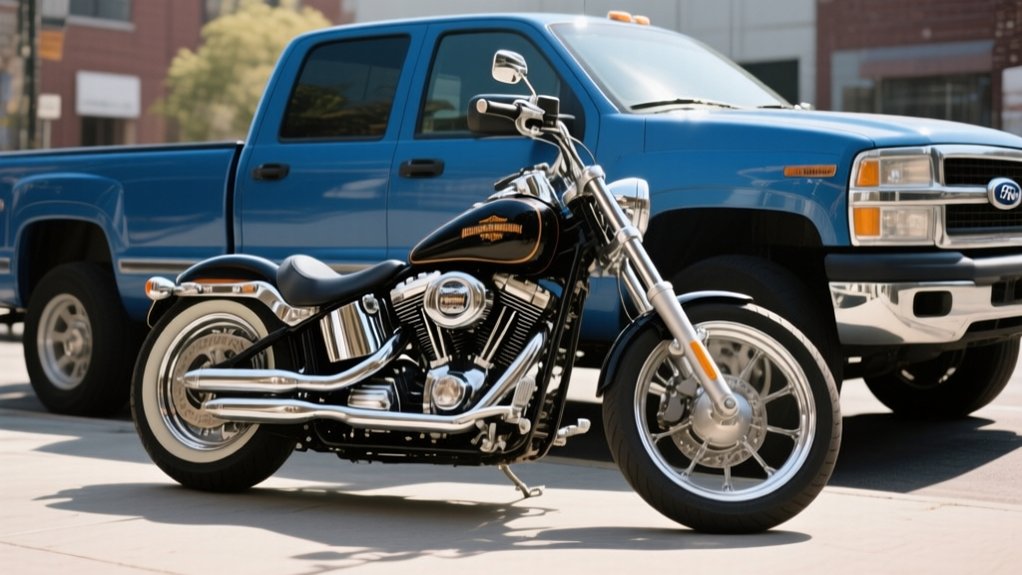
Does Ford Own Harley Davidson – Fact Check
You might think Ford owns Harley-Davidson, but that’s not true. Both started independently in 1903. Ford focused on automobiles, while Harley-Davidson built motorcycles. They have remained separate ever since.
Ford has never held ownership of Harley-Davidson. The motorcycle company is publicly traded and maintains full control over its brand and strategy. While they’ve worked together on special projects, these partnerships don’t mean Ford owns Harley-Davidson.
If you want to understand how this independence shapes Harley-Davidson’s future, there’s more to explore.
Where Ford and Harley-Davidson Come From
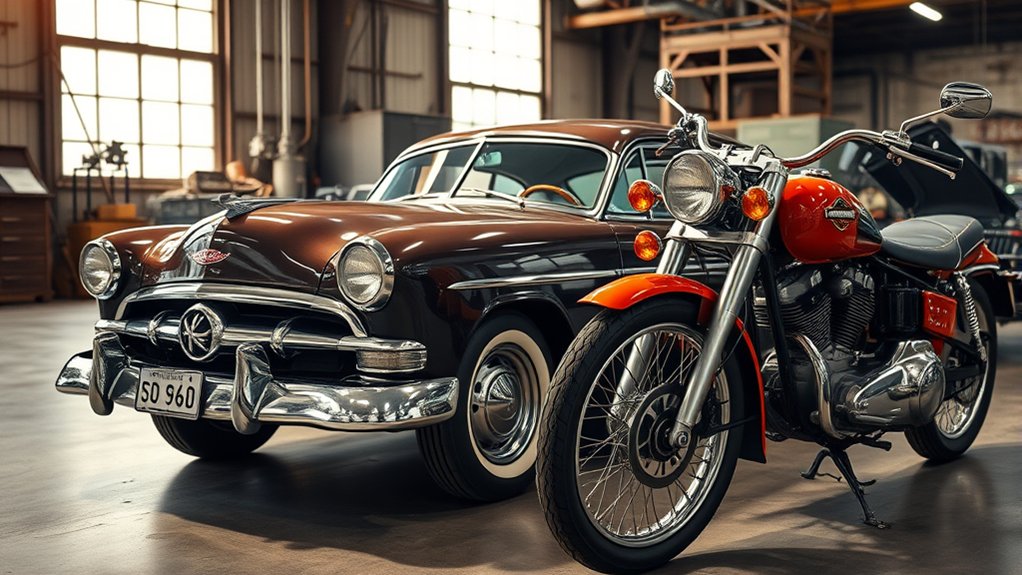
Where exactly do Ford and Harley-Davidson come from? You’ll find that Harley-Davidson was founded in Milwaukee in 1903 by William Harley alongside the Davidson brothers. This American motorcycle company grew from a small workshop into a legendary brand.
Ford Motor Company, on the other hand, was established the same year by Henry Ford in Michigan, focusing on automobiles. It’s important not to confuse these origins with any overlap; Harley-Davidson and Ford developed independently, in different cities and industries.
Curiously, Otto Walker, though less known, was an early engineer who contributed to motor innovation but wasn’t tied to either company’s founding.
Understanding these distinct roots clarifies why Ford doesn’t own Harley-Davidson, as both brands maintain separate identities and corporate structures.
Reasons People Believe Ford Owns Harley-Davidson
You might think Ford owns Harley-Davidson because both brands have strong American identities. It’s easy to get confused about who actually owns what.
Sometimes, people mix up past collaborations or partnerships with full ownership. Once you understand these common mix-ups, it becomes clear that Ford and Harley-Davidson are separate companies.
Corporate Ownership Confusion
Why do many people believe Ford owns Harley-Davidson despite clear evidence to the contrary? The confusion largely comes from misunderstandings about corporate ownership. Harley-Davidson is still an independent company, publicly traded on the New York Stock Exchange, and there’s no official record showing Ford’s ownership.
You might hear rumors fueled by past collaborations or joint projects between Ford and Harley-Davidson. But those partnerships never turned into corporate ownership. Ford has mainly focused on making cars and has never acquired any stake in Harley-Davidson.
This myth sticks around because people often mix up business partnerships with ownership. When you look at the facts, it’s clear that Harley-Davidson’s corporate ownership is totally separate from Ford’s operations. That puts this misconception to rest once and for all.
Brand Partnership Misconceptions
How did the idea that Ford owns Harley-Davidson gain traction despite the lack of ownership ties? Many misconceptions come from brand partnerships or collaborations that Ford and Harley-Davidson have done over time. When you see joint marketing efforts or co-branded events, it’s easy to assume there’s a deeper ownership connection.
But these brand partnerships don’t mean any transfer of ownership happened. Ford stays focused on making cars and doesn’t hold stakes in Harley-Davidson.
A lot of these misconceptions spread because of media speculation instead of verified facts. That can make you think there’s a corporate link when there really isn’t one.
In reality, Harley-Davidson operates independently, with no ownership ties to Ford or any other car company. Knowing this difference helps you avoid mixing up brand partnerships with actual ownership.
Debunking Harley-Davidson Ownership Myths
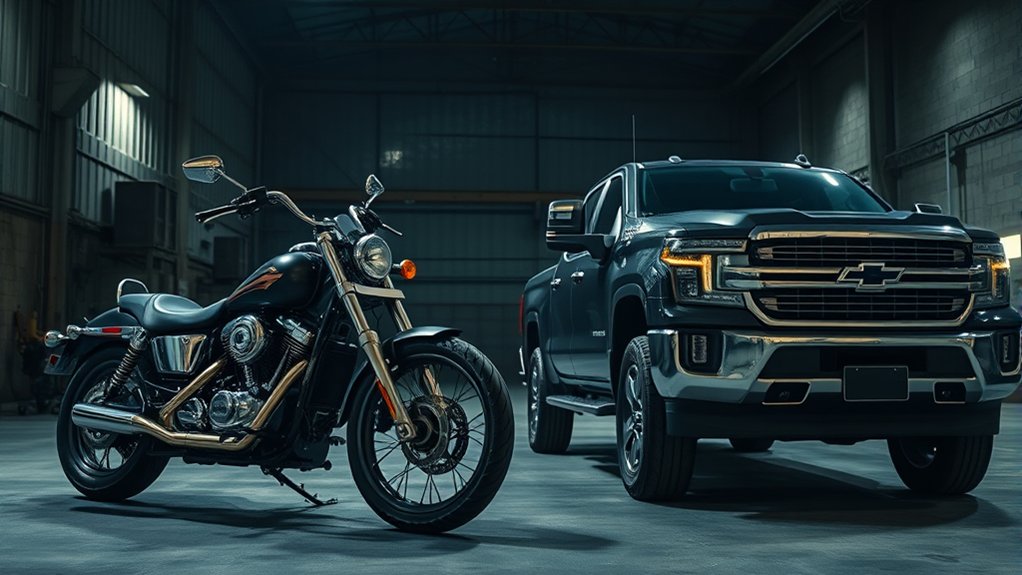
Although many assume a connection between Ford and Harley-Davidson, these two iconic brands operate independently without any ownership ties.
Harley-Davidson remains a publicly traded company listed under the ticker HOG, with no ownership links to Ford. You might encounter myths suggesting Ford owns or controls Harley-Davidson, but there’s no credible evidence or official statement supporting this.
Harley-Davidson trades publicly as HOG, with no ownership or control by Ford despite common myths.
The misconception often arises from their occasional partnerships, which don’t imply ownership.
When examining Harley-Davidson’s ownership structure, you’ll find it’s entirely separate from Ford’s automotive business.
Understanding this distinction is essential to debunking false narratives.
So if you’re wondering about Harley-Davidson’s ownership, rest assured Ford has no stake or control in the motorcycle manufacturer.
It’s just one of those myths that keeps floating around but doesn’t hold up under scrutiny.
Ford and Harley-Davidson Collaborations
While Ford doesn’t own Harley-Davidson, the two companies have joined forces on several significant collaborations. You’ll find these partnerships focus on blending Ford’s automotive technology with Harley-Davidson’s motorcycle expertise to create innovative products.
For example, in 2019, they teamed up to develop a custom motorcycle inspired by Ford’s F-150 truck, showcasing their shared commitment to design and engineering excellence.
Ford has also supplied components and engineering support for Harley-Davidson’s special models, including the LiveWire electric motorcycle.
Furthermore, their collaborations extend to marketing campaigns and special edition motorcycles, reinforcing both brands’ appeal.
These strategic collaborations highlight how Ford and Harley-Davidson leverage each other’s strengths without ownership ties, delivering unique products to enthusiasts of both companies. It’s a great example of what can happen when two iconic brands come together.
How Harley-Davidson Maintains Ownership Independence
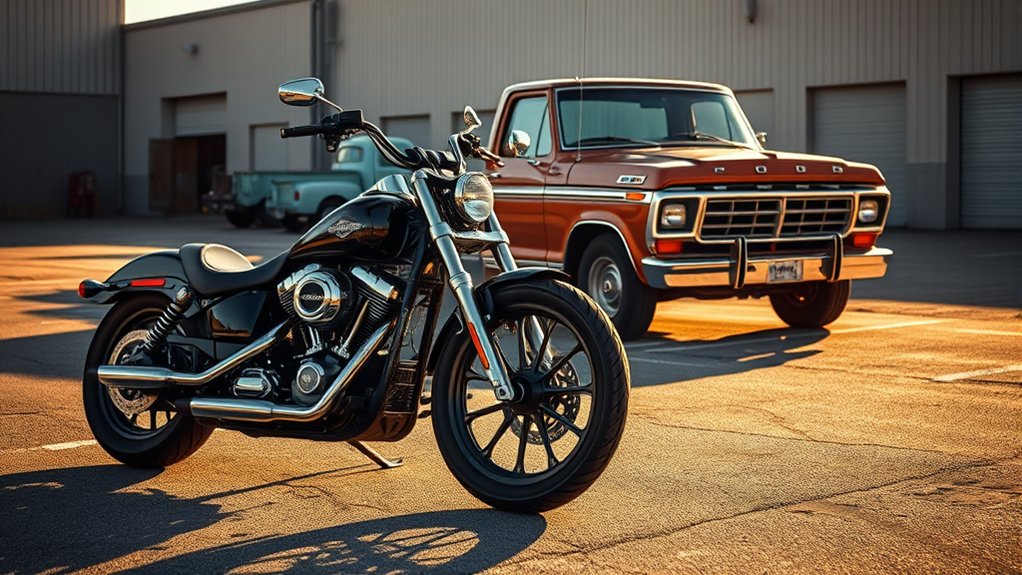
Even though Harley-Davidson collaborates with various companies, it firmly controls its own destiny by maintaining independent ownership. You can see this clearly in how Harley-Davidson operates as a publicly traded company on the New York Stock Exchange under the ticker HOG, ensuring transparency and shareholder accountability.
The company has preserved its independence by keeping management, branding, and strategic decisions separate from other automotive manufacturers, including Ford. Since its founding in 1903, Harley-Davidson has functioned as a standalone entity, rejecting any controlling stakes or ownership by outside firms.
This independence allows Harley-Davidson to sustain its unique identity and market position without external influence. So, while partnerships exist, you can trust that Harley-Davidson’s independence remains intact and uncompromised.
What Ownership Means for Harley-Davidson’s Future
You need to understand how ownership shapes Harley-Davidson’s future growth and strategic options.
Even though the company is still independent, there’s always the possibility that partnerships or acquisitions could bring in new technologies and open up fresh markets.
So, it’s really about finding the right balance between keeping the brand’s independence and seizing growth opportunities.
That balance will be crucial for Harley’s continued success.
Ownership Impact Overview
How would Ford’s ownership change Harley-Davidson’s future? Ownership by Ford would likely shift Harley-Davidson’s brand identity and operational priorities. This would influence product development, branding, and global market strategies.
Right now, Harley-Davidson operates independently as a publicly traded company. No major ownership stake is held by Ford or any other automaker. This independence lets Harley’s management and strategic partners drive innovation and growth on their own terms.
If Ford acquired Harley, you’d probably see a realignment toward Ford’s broader automotive goals. That could dilute Harley’s unique motorcycle culture and heritage.
Understanding this ownership impact helps you see why Harley-Davidson’s future remains distinct and shaped by its own leadership, not outside corporate control.
Strategic Growth Opportunities
Understanding the impact of ownership on Harley-Davidson sets the stage for examining the company’s strategic growth opportunities. Since Ford doesn’t own Harley-Davidson, the motorcycle maker retains full control over its future development. This independence allows Harley-Davidson to focus on strategic growth without external corporate influence.
Here are three key areas shaping Harley-Davidson motorcycles‘ strategic growth:
- Expanding electric motorcycle offerings to meet evolving consumer demands and environmental standards.
- Growing presence in global markets, tapping into emerging regions for increased sales.
- Innovating branding and product strategies independently, leveraging its unique heritage and customer loyalty.
Because Harley-Davidson is publicly traded and unaffiliated with Ford, you can expect it to pursue these growth paths with agility and clear focus.
Brand Independence Considerations
Why does brand independence matter for Harley-Davidson’s future? Maintaining brand independence means Harley-Davidson controls its own strategic direction without external corporate influence.
As a publicly traded company, Harley-Davidson operates with its own management, allowing it to preserve its unique identity and focus on motorcycle innovation.
If a major automaker like Ford owned Harley-Davidson, the brand could shift toward broader automotive priorities, potentially diluting its core appeal.
Right now, Harley-Davidson’s autonomy lets you count on continued dedication to its legacy and product focus.
Any future ownership changes would directly impact strategic decisions and brand positioning.
Frequently asked questions
Does Ford Manufacture Motorcycles Under Any Brand?
No, Ford doesn’t manufacture motorcycles under any brand. You’ll find that Ford focuses exclusively on automobiles and trucks, leaving motorcycle production to specialized companies.
If you’re looking for motorcycles, you won’t see Ford’s name on any models or brands. They stick to their core expertise in cars and commercial vehicles.
That way, motorcycle manufacturers like Harley-Davidson can operate independently without Ford’s involvement in production.
Are There Any Shared Dealerships Between Ford and Harley-Davidson?
No, you won’t find shared dealerships officially between Ford and Harley-Davidson. Each brand operates independently, with Ford focusing on cars and trucks, and Harley-Davidson specializing in motorcycles.
While some large multi-brand retailers might carry both, these situations are pretty rare and not part of any formal partnership.
Has Ford Ever Attempted to Acquire Harley-Davidson?
No, Ford has never tried to acquire Harley-Davidson. You won’t find any credible evidence or public records showing such an effort.
Both companies have stayed independent, focusing on their own industries. Ford works on cars, and Harley is all about motorcycles.
They have teamed up occasionally for marketing, but those collaborations never involved ownership changes.
Do Ford and Harley-Davidson Share Technology or Patents?
You won’t find Ford and Harley-Davidson sharing technology or patents. They keep their innovations locked in separate vaults. Each company focuses on distinct engineering paths: Ford on automobiles, Harley on motorcycles.
There’s no public record of patent exchanges or licensing agreements between them. So, if you’re looking for crossover tech, you won’t see it.
Their R&D efforts remain independent, reflecting their unique market strategies and product designs.
Which Company Has Higher Annual Revenue, Ford or Harley-Davidson?
Ford has a markedly higher annual revenue than Harley-Davidson. You’ll see Ford generates over $150 billion yearly, while Harley-Davidson’s revenue usually falls between $4 to $5 billion.
This huge difference reflects Ford’s extensive product range and global reach compared to Harley’s niche in motorcycles.
Final Thought
You might think Ford owns Harley-Davidson because of their shared American heritage and occasional collaborations, but that’s not the case. Harley-Davidson remains fully independent, controlling its own future and brand identity.
Understanding this separation helps you appreciate how Harley’s unique culture and innovation continue without Ford’s influence. So, don’t let the myths fool you. Harley’s story is its own, driven by distinct leadership and vision.